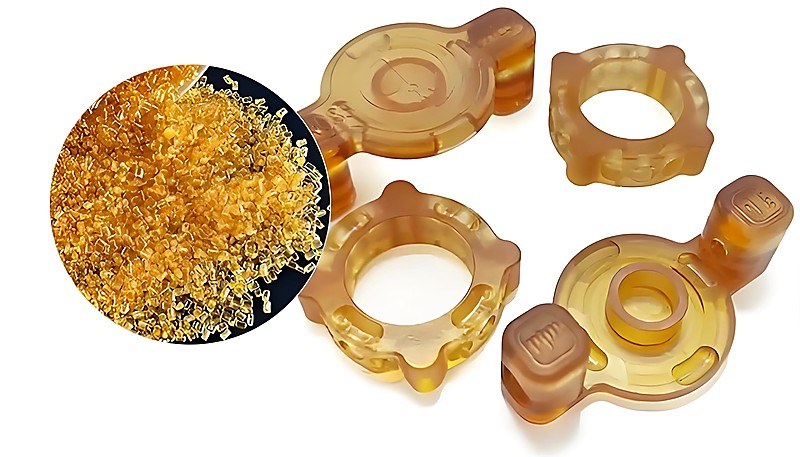
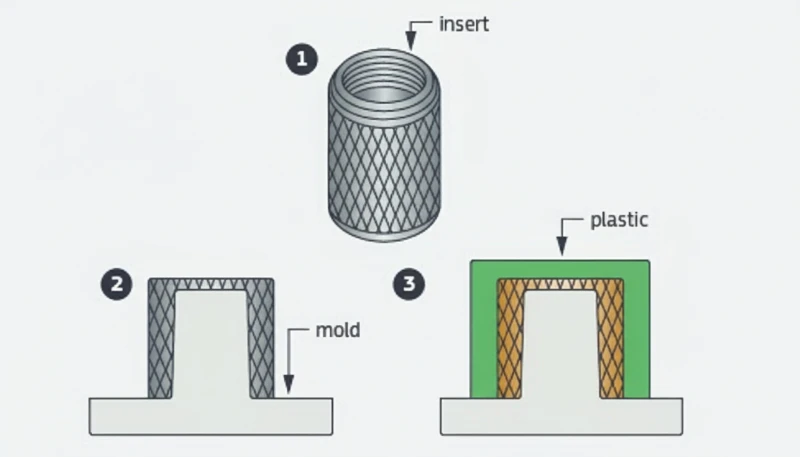
- もう一つよく見られる問題はジェッティングで、これは溶融したPPが高速でゲートを通過し、部品表面に蛇のような模様を形成する現象です。これはゲートサイズが肉厚に対して小さすぎる場合に発生します。ゲート径を大きくするか、充填初期段階での射出速度を低下させることでジェッティングを解消できます。フラッシュもPPの加工温度における低粘度が原因で懸念される問題です。適切な締め付け力を確保し、パーティングラインの整合を確認することで、フラッシュの発生を防止してください。
- PPの密度(0.905 g/cm3)はABSより14%低く、材料費を25~35%削減できる
- 収縮差による反りは最も一般的なPP不良であり、均一な冷却が必要です
- PPはABSと異なり予備乾燥が不要で、生産時間を2-4時間短縮できます
- PP製フレックスヒンジは破損せず100万サイクル以上屈曲可能
PP射出成形とは?
PP射出成形1では、ポリプロピレン樹脂を200~260℃に加熱し、圧力をかけて冷却された金属キャビティに射出して完成部品を成形します。ポリプロピレンは、低密度、耐薬品性、耐疲労性が評価される半結晶性熱可塑性樹脂です。PPは世界のプラスチック生産量の約25%を占め、ポリエチレンに次ぐ規模で、自動車、医療、民生用途に広く使用されています。
より広い視点については、射出成形完全ガイドでプロセスの基礎、材料挙動、生産上の意思決定を解説しています。
当社の上海工場では、PPのプロセス検証は90Tから1850Tまでの47台の射出成形機と20年以上の金型・成形経験に基づいています。PP部品の場合、この範囲により、当社のエンジニアはDFMレビューから生産移行前に充填バランス、保圧応答、収縮、冷却挙動を比較できます。
業者比較や調達を計画している場合は、射出成形サプライヤー調達ガイドで、PPプロジェクトのRFQ準備、サプライヤー認定、商業リスク評価を解説しています。
工場インサイト:PP射出成形プロジェクトでは、当社の上海工場は90Tから1850Tまでの47台の射出成形機で材料挙動を検証し、20年以上の金型・成形経験を活用して生産リリース前に保圧、冷却、収縮制御を調整します。
"PPは成形前の予備乾燥が不要ですが、ABSは80-85Cで2-4時間の乾燥が必要です。"True
正しい。PPの吸湿率は0.01%未満で、乾燥が必要となるしきい値を大幅に下回ります。ABSは0.2-0.4%の水分を吸収し、乾燥しないとシルバーなどの表面欠陥が現れます。このためPPは生産時間を2-4時間短縮できます。
"PPはABSやナイロンよりも耐衝撃性が高い。"False
誤り。PPの衝撃強度(3-5 kJ/m2)は、ABS(15-25 kJ/m2)およびナイロン(5-10 kJ/m2)より低い値です。PPは密度、コスト、耐薬品性に優れていますが、衝撃が重視される部品ではABSとナイロンの方が優れた靭性を備えています。
PP部品は世界で生産される全プラスチック部品の約25%を占め、ポリエチレンに次ぐ規模です。この材料は、繰り返しの機械的応力、薬品への曝露、蒸気滅菌を要する用途で優れた性能を発揮します。一般的なPP射出成形品には、自動車用バッテリーケース、一体型リビングヒンジ付き食品容器の蓋、医療用注射器本体、洗濯機ドラムがあります。幅広い業界で使用できる汎用性により、最も費用対効果の高いエンジニアリング熱可塑性樹脂の一つとなっています。
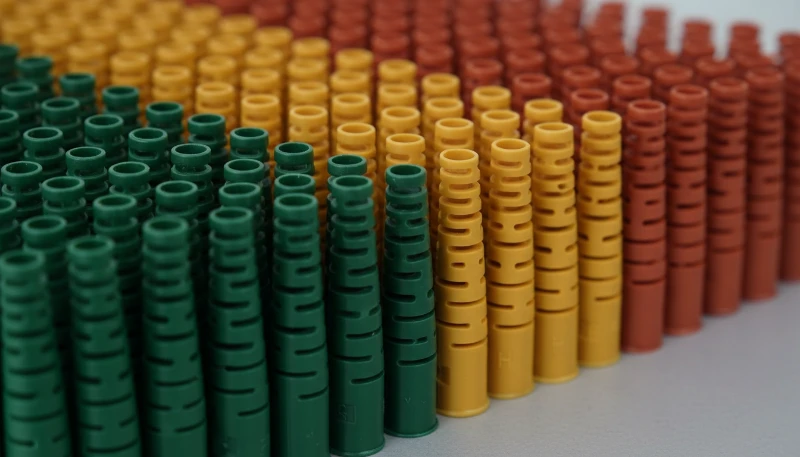
ポリプロピレンの主な特性は?
ポリプロピレンの融点は160-170°C、密度は0.905 g/cm3、引張強度は30-40 MPaです。これらの特性により、ABSより25-35%軽量でありながら、ほとんどの消費財・自動車用途に十分な構造剛性を維持します。PPは室温で酸、塩基、ほとんどの有機溶剤に耐性があります。
PPの吸湿率は通常0.01%未満で、成形前の予備乾燥は一般に不要です。厳しい公差の部品では、安全策として80°Cで1~2時間の乾燥を推奨します。この低い吸湿性により、ABSやナイロンなどの吸湿性材料と比べて生産時間を大幅に短縮できます。
PPは優れた電気絶縁性も備えており、電子機器筐体やケーブルコネクターに適しています。空気中での連続使用温度は最大100°Cで、熱変形温度(HDT)はグレードと強化材に応じて55-110°Cです。ガラス充填PPグレード(PP-GF30)は150°Cを超えるHDTを達成でき、用途範囲を高温の使用環境にさらされる自動車エンジンルーム部品や電気筐体まで拡大できます。
PPには、特定の用途に合わせた複数のグレードがあります。ホモポリマーPPは最高の剛性と引張強度を備えます。コポリマーPP(ランダムまたはブロック)は、特に低温時の耐衝撃性に優れ、冷凍対応容器や寒冷地で使用される自動車部品に適しています。タルク、炭酸カルシウム、またはガラス繊維を配合した充填グレードは、構造部品や自動車のエンジンルーム内用途に必要な剛性、耐熱性、寸法安定性を高めます。
これらの材料特性を理解すると、技術者は各用途に適したPPグレードを選定できます。ホモポリマー、コポリマー、強化グレードはそれぞれ異なる性能特性を持ち、自動車、医療、消費者市場のさまざまな最終用途要件に適合します。
PPに最適な成形条件とは?
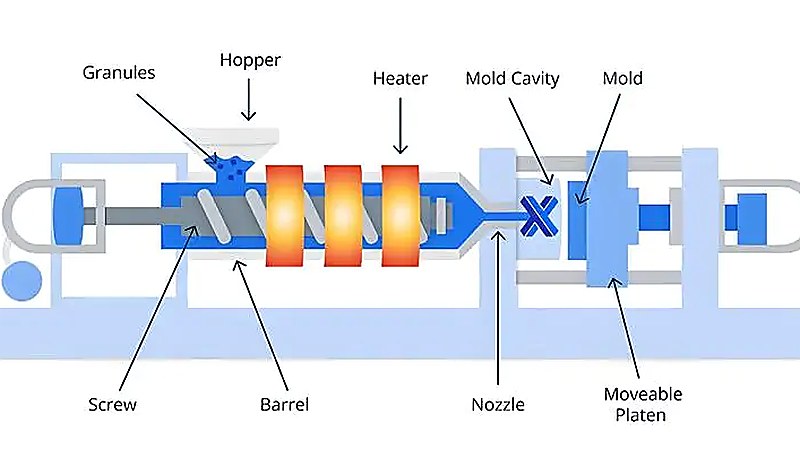
溶融温度を200~260°C、金型温度を20~50°Cに設定します。過剰なせん断発熱を起こさずキャビティを完全充填するため、射出速度は中~高速にします。PPは加工温度で比較的低粘度のため、通常は中程度の射出圧力(70~120 MPa)で十分です。
冷却時の収縮を補償するために、射出圧力の40-60%のパッキング圧力を適用します。保持時間はゲートが凍結するまで継続するべきで、通常ゲートサイズと肉厚に応じて2-5秒です。PPプロジェクトでは、チームは90Tから1850Tまでの47台の射出成形機でパッキング応答を検証し、圧力伝達と冷却バランスを調整して回避可能なサイクル時間の損失を減らします。
冷却時間はPP射出成形サイクルを左右し、通常は総サイクル時間の50~70%を占めます。金型温度が低いと結晶化2が速まり、サイクル時間は短くなりますが、内部応力が増して寸法安定性が低下する場合があります。厳しい公差が要求される構造部品では、金型温度を40℃以上に保って結晶化を制御します。速度を優先する汎用品では、20~30℃の金型温度が許容されます。
5~15 MPaの背圧は、スクリューのサージングを防ぎ、マスターバッチ顔料使用時の均一な色分散を確保することで、溶融樹脂の均質性を安定させます。スクリュー回転数は、次の射出サイクルまでに可塑化が完了するよう設定します。PPでは、圧縮比2.5~3.0:1の汎用スクリューにより十分な溶融と混練が得られます。バレル温度プロファイルは、早期溶融を防ぎ、ショット間の重量均一性を確保するため、供給ゾーン(180~200°C)からノズル(220~250°C)に向けて徐々に上げます。適切なバレル温度設定により、ポリプロピレン部品の長時間生産でも、安定した溶融品質、ショット間の重量再現性、材料劣化の最小化が実現します。
スクリュー設計もPPの加工品質に重要な役割を果たします。圧縮比2.5-3.0:1、L/D比20:1以上の汎用スクリューは、ほとんどのPPグレードを安定して溶融します。ガラス繊維または無機物充填PPコンパウンドでは、金型キャビティへの射出前に溶融樹脂全体へフィラーを均一に分散させるため、混練部またはMaddock型スクリューを検討してください。
「PP製リビングヒンジは、破損することなく100万回を超えて屈曲できる。」True
正しい。PPは半結晶構造により、優れた耐疲労性を備えています。リビングヒンジを適切なゲート位置と流動方向で成形すると、分子鎖がヒンジを横断する方向に配向し、数百万回の屈曲に耐えられます。
「PPの収縮は、冷却時にすべての方向で均一である。」False
誤りです。PPは異方性収縮3を示し、流動方向に1.5-2.0%、流動直角方向に1.0-1.5%収縮します。この収縮差は、均一な冷却と適切なゲート配置で補正しなければ反りの原因となります。
PPと他の熱可塑性樹脂の違いは?
PPはほとんどのエンジニアリング熱可塑性プラスチックよりも軽量、低コスト、耐化学性が高いですが、これらの利点のために衝撃強度が犠牲になります。密度0.905 g/cm3で、PPはABS(1.05 g/cm3)より14%軽量で、キログラムあたり30-40%低コストです。PPはABSとHDPEよりも優れた耐化学性を持ち、酸、アルカリ、有機溶剤に対して優れた抵抗性を示します。ただし、ABSは優れた衝撃強度と表面仕上げ品質を提供します。
ナイロンと比較して、PPは吸湿率が大幅に低く、湿潤環境での寸法安定性に優れます。ナイロンはより高い引張強度と耐摩耗性を備えます。HDPEは柔軟性と耐環境応力亀裂性に優れますが、剛性は低くなります。コスト、重量、耐薬品性が主要要件の場合はPPを選択します。
| プロパティ | PP | ABS | 高密度ポリエチレン | ナイロン6 |
|---|---|---|---|---|
| 密度(g/cm3) | 0.905 | 1.05 | 0.95 | 1.13 |
| 溶融温度(C) | 160-170 | 220-250 | 130-135 | 220-260 |
| 引張強度(MPa) | 30-40 | 40-50 | 25-45 | 70-85 |
| 吸湿率 | <0.01% | 0.2-0.4% | <0.01% | 1.5-2.0% |
| 費用($/kg) | 1.2-1.6 | 2.0-2.8 | 1.3-1.7 | 3.0-4.5 |
PP射出成形でよく発生する欠陥は何ですか?
反りはPPで最も一般的な不良で、PPが流動直角方向より流動方向に大きく収縮する異方性収縮によって生じます。均一な冷却と戦略的なゲート配置は、部品全体の収縮差を均衡させるのに役立ちます。金型の両側に金型温度調節機を使用することが不可欠です。
ヒケは、厚肉部が不均一に冷却され、表面にくぼみが生じることで発生します。充填圧力と保圧時間を増やし、厚肉部へより多くの材料を押し込んでください。フローマークは、ゲート部で樹脂が急速に冷えすぎることで発生します。金型温度を上げるか射出速度を高めることで解消できます。ショートショットは、キャビティが完全に充填されない場合に発生します。
ショートショットを修正するには、射出圧力を上げ、十分なガス抜きを確認します。PP加工に関する当社の20年以上の工場経験では、金型温度の均一性と適切なガス抜きが不良低減に最も影響する2要因です。PP不良の多くは、不均一な冷却または圧力不足に起因します。
もう一つ頻繁に発生する問題はジェッティングです。溶融PPがゲートから高速で噴出し、部品表面に蛇行状の模様を形成します。これは、ゲート寸法が肉厚に対して小さすぎる場合に発生します。ゲート径を大きくするか、初期充填段階の射出速度を下げるとジェッティングを解消できます。加工温度で粘度が低いPPでは、バリも問題になります。適切な型締力を確保し、パーティングラインの位置合わせを確認してバリの発生を防止します。
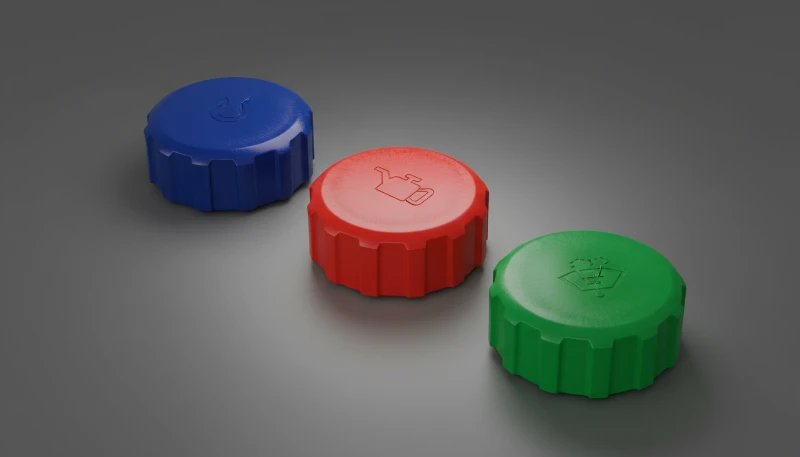
PP金型設計をどのように最適化できますか?
PP金型設計の3つのポイントは、1.5〜4.0 mmの均一な肉厚、流動とパッキングのバランスを取ったゲート配置、結晶化速度を制御するコンフォーマル冷却チャネルです。PPは研磨鋼面に対して比較的高い摩擦係数を持つため、容易な取り出しのために1〜2度の適切な抜き勾配を使用してください。PP金型における不均一な肉厚は、冷却速度の差を生み、特に薄肉部と厚肉部で収縮率が大きく異なる半結晶性材料において、反りやシンクマークの原因となります。
PPでは、キャビティ充填時の特定の溶融流動特性により、ゲート配置が重要です。対称部品には中央ゲートが最適で、平坦な形状にはエッジゲートが適しています。パッキング完了前の凍結を防ぐため、ゲートサイズは肉厚の50〜70%に設定してください。すべての溶着線位置および充填終了位置での適切なベンティングを確保してください。PPリビングヒンジ用途では、最適な分子鎖配向と最大の屈曲耐久性を達成するために、ポリマーの流れがヒンジを曲げ軸に対して垂直に横切るようにゲートを配置する必要があります。
上海の工場では、90Tから1850Tまでの47台の射出成形機を稼働しています。400種類以上のプラスチック材料を20年以上加工した経験から、薄肉包装の反りから厚肉ギアハウジングのシンクマークまで、PP成形のすべての課題を見てきました。私たちの推奨は、適度な溶融温度(210〜230℃)と射出圧力の約60〜80%の保持圧力で開始し、ゲートの凍結時間に基づいて調整することです。
冷却チャネルの設計はPP部品の品質に直接影響します。部品形状に沿った均一な冷却チャネルは結晶化速度を制御し、反りを最小限に抑えます。当社のシニアエンジニア8名は、自動車内装、医療機器、消費者向け包装用途のPP金型設計を専門としています。適切な冷却チャネル配置により、生産ロット間の寸法一貫性を向上させながら、サイクル時間を15~25%短縮できます。
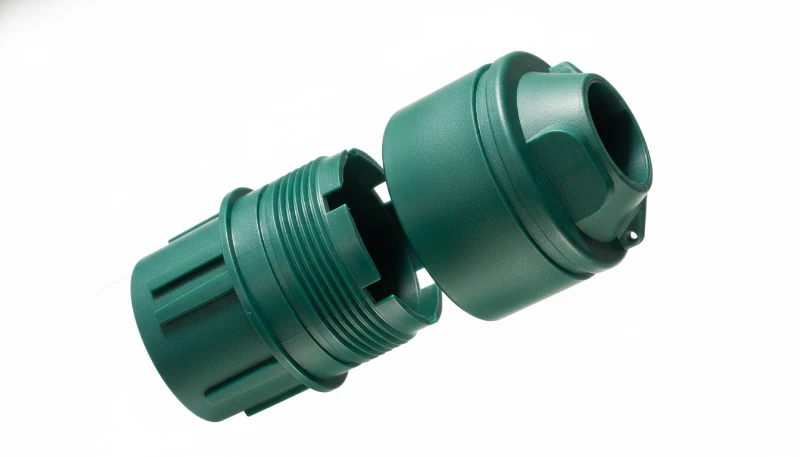
プロジェクトでPPを選ぶべき場合とは?
PPは、低コスト、軽量、耐薬品性、または高サイクルリビングヒンジが求められる用途に最適な選択肢です。自動車内装、食品容器、キャップ・クロージャー、医療用使い捨て製品、消費財において優れた性能を発揮します。その低密度(0.905 g/cm³)により、同等のABSと比較して輸送コストを10〜15%削減でき、耐薬品性は過酷な環境下での製品寿命を確保します。PPはまた、専用の乾燥システムを必要とせず標準的な射出成形機で容易に加工でき、設備投資と運用の複雑さを軽減します。
PPは、その卓越した疲労耐久性から、リビングヒンジ用途の材料として選ばれています。適切に設計されたPPリビングヒンジは、100万回以上の屈曲に耐えることができます。半結晶性分子構造は、成形充填中に薄いヒンジ部で配向し、優れた疲労抵抗性を生み出します。衝撃が重要な部品にはABSまたはポリカーボネートを、高い機械的強度を必要とする摩耗用途にはナイロンを検討してください。
当社の上海工場は、ホモポリマー、ランダムコポリマー、ブロックコポリマー、ガラス充填PPコンパウンドを含むすべての主要なPPグレードを含む400以上の材料を加工しています。120名以上の生産スタッフと20年以上の経験により、お客様の特定の用途要件に合わせて材料を選定します。プロジェクトの形状と性能目標に対してPPが最適な選択肢かどうかを判断するため、当社のエンジニアリングチームによる材料相談をご依頼ください。
コスト分析では、通常、生産数量が10,000ユニットを超える場合にPPが有利です。数量が少ない場合、材料コストの優位性は金型投資を相殺しない可能性があります。100,000ユニットを超える大量生産では、PPは材料コストの低さ、低い溶融温度による短いサイクルタイム、加工中のエネルギー消費の削減により、部品あたりの大幅なコスト削減を実現します。
PP金型の金型コストは他の熱可塑性プラスチックと同等で、部品の複雑さとキャビティ数に応じて通常$15,000〜30,000です。PP射出成形の部品あたりの総コストは、50,000ユニット以上の数量では同等のABS部品より20〜40%低くなる可能性があります。プロジェクトでPPを評価する際は、材料、加工、金型の償却費、組み立てや表面仕上げなどの二次加工を含む総所有コストを考慮してください。
よくある質問
PP射出成形には何度が必要ですか?
標準PPグレードでは、溶融温度を200~260C、金型温度を20~50Cに設定します。PPの半結晶構造では、適切な結晶化と最適な機械的特性を得るため、射出工程と冷却工程の両方で精密な温度制御が必要です。金型温度を高くすると表面仕上げと寸法安定性が向上し、低くするとサイクルタイムは短くなりますが、反りのリスクが高まる場合があります。ガラス繊維充填PPグレードでは、繊維を適切に濡らし、成形品形状全体に均一に分散させるため、溶融温度を240~280Cに上げます。
PPは成形前に乾燥が必要ですか?
PPは標準条件での吸湿率が0.01%未満と低いため、通常は予備乾燥を必要としません。厳しい公差の精密部品や重要な表面要件がある場合は、保管中に付着した表面水分を除去する安全策として80Cで1-2時間の乾燥を推奨します。これは、シルバーストリークを防ぐために80-85Cで2-4時間を要するABSより大幅に短い乾燥時間です。乾燥要件が少ないため、PPは大量生産において生産時間とエネルギーコストの面で大きな優位性があります。
PPは射出成形中になぜ反るのか?
PPの反りは主に、射出成形の冷却段階における異方性収縮によって生じます。材料は流動方向に1.5~2.0%収縮するのに対し、流動と直交する方向には1.0~1.5%しか収縮しません。この収縮差が内部応力を生み、金型から突き出した後に部品の曲がり、反り、ねじれを引き起こします。有効な対策には、均一な冷却流路の設計、流動パターンを均衡させる戦略的なゲート配置、金型両側の温度を一定に保つこと、すべての形状を全体的に均一な肉厚で設計することがあります。
射出成形においてPPとABSはどのように比較されますか?
PPは密度0.905 g/cm3で、1.05 g/cm3のABSより14%軽く、1キログラム当たり約30-40%安価です。また成形前の予備乾燥が不要なため、バッチ当たり2-4時間の生産時間を節約できます。PPは室温で酸、アルカリ、大半の有機溶剤に対して優れた耐薬品性も備えます。一方、ABSはノッチ付きアイゾット衝撃強度が15-25 kJ/m2で、3-5 kJ/m2のPPより大幅に高く、塗装用の表面仕上げに優れ、後加工も容易です。コスト重視の耐薬品部品にはPP、耐衝撃性が重要な用途にはABSを選択します。
PPはリビングヒンジに使用できますか?
はい。PPは、その半結晶性分子構造により、射出成形リビングヒンジの標準材料として広く認められています。金型充填時にポリマー鎖が薄いヒンジ部を横切る方向に配向し、屈曲部で優れた疲労耐久性を生み出します。適切に設計されたPPリビングヒンジは、破損や目に見える劣化を起こさず100万回以上屈曲できるため、ボトルキャップ、クラムシェル包装、眼鏡ケース、フリップトップ容器に適しています。重要なのは、樹脂流動がヒンジを垂直に横切るよう、ゲートを正しく配置することです。
最も一般的なPP射出成形不良は何ですか?
PP射出成形で最も一般的な4つの不良は、不均一冷却中の異方性収縮による反り、厚肉部の充填圧力不足によるひけ、ゲート付近で樹脂が急速に冷えることで現れるフローマーク、圧力不足でキャビティが完全充填されないショートショットです。PP成形不良の大半は、冷却分布の不均一または充填圧力不足に直接起因します。適切な金型温度制御と充填末端部の十分なベントにより、量産品質問題の大半を解消できます。
PP射出成形はどのような用途に使用されますか?
PP射出成形は、ダッシュボード、ドアパネル、バッテリーケース、バンパーフェイシア、HVACハウジングなどの自動車内装に使用されます。食品包装用途には、電子レンジ対応容器、キャップおよびクロージャー、ボトルクレート、ヨーグルトカップがあります。医療機器用途は、注射器本体、検体カップ、診断機器ハウジングに及びます。消費財用途には、家電ハウジング、収納容器、ガーデン家具があります。産業部品には、薬品タンク、管継手、ポンプハウジング、フィルターハウジングがあります。耐薬品性、低い材料コスト、軽量性、または繰り返し曲げが主要要件の場合にPPが選択されます。