はじめに:射出成形では、精密な射出成形金型を使って、品質の安定した部品を大量生産します。しかし、鋼製金型のコストやリードタイムをかけず、試作金型1を短期間で用意したい場合はどうすればよいでしょうか。
しかし従来の金型製作は、特に小ロットや特注生産では時間もコストもかかります。3Dプリント2なら費用対効果の高い解決策となり、リードタイムを数週間から数日に短縮できます。ラピッドプロトタイピング業者を比較するチーム向けに、サプライヤー調達ガイドでは、プリント金型の採用前に成形パートナーを評価する方法を解説しています。
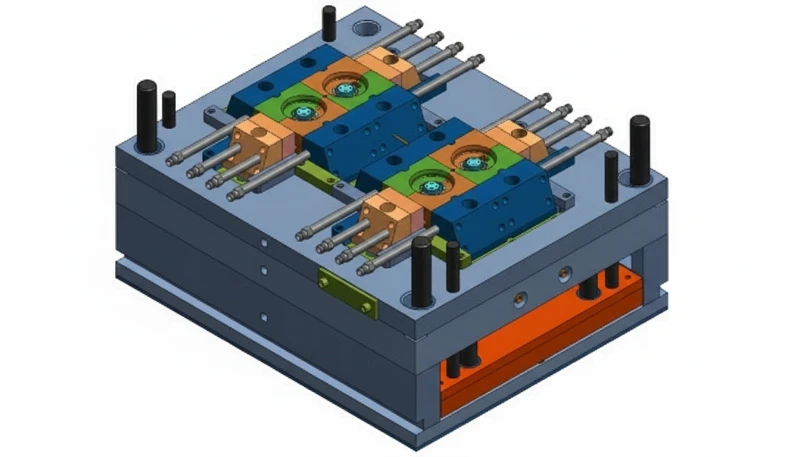
この記事では、射出成形用3Dプリント金型の製作工程全体を、CAD設計からプリント、取付け、初回ショットの実施まで順を追って説明します。また、プリント金型が適する場合と適さない場合を判断するために、当社の金型現場で得た実践的な知見も紹介します。
- 3Dプリント金型は金型リードタイムを数週間から数日に短縮し、小ロット試作に最適
- SLAおよびDLP樹脂は、造形金型に最良の表面仕上げと寸法精度をもたらします
- 標準的な3Dプリント金型は、材料、形状、射出圧力に応じて10–100ショットに耐えます
- 金型設計には、必ず抜き勾配(1°以上)、均一な肉厚、適切なベント流路を含める
- 生産数量が数百個を超える場合、従来の鋼製金型が依然として優れた投資です
3Dプリント射出成形金型を選ぶ前に知っておくべきことは何ですか?
3Dプリント射出成形金型は、工程上の制約が厳しい迅速試作用金型です。選定前に、ショット数、抜き勾配、部品サイズ、樹脂温度、射出圧力、およびプリントインサートが想定成形条件に耐えられるかを確認してください。
成形回数:3Dプリント射出成形金型は、少量生産では費用対効果と効率に優れますが、金属金型より構造強度が低い点に注意が必要です。通常は30~100回の成形に対応し、ラピッドプロトタイピングに適しています。生産量が多い場合は、従来のアルミまたは鋼製金型の方が適しています。
抜き勾配3:成形品がプリントキャビティを傷めず、作業者がこじ開けなくても離型できる実用的な勾配を設けます。一般的な開始値は片側1~2度ですが、深いリブ、テクスチャ面、柔軟な材料では、DFMレビュー後により大きな勾配が必要になることがあります。
寸法と形状:適切な金型寸法と形状を選ぶには、目的とする射出成形部品の寸法を把握することが重要です。3Dプリント金型はCNC加工金型より一般に小型です。この寸法差によって、3Dプリント金型で製造できる射出成形部品の範囲は、CNC加工金型の場合と異なります。
「3Dプリント金型を使用すれば、設計完了から24時間以内に機能する射出成形部品を製造できます。」True
そのとおりです。SLA樹脂型と適切に調整された射出成形機があれば、CADから初回ショットまでを1日以内に進められます。ただし、金型寿命は形状と圧力に応じて約10~100サイクルに限られます。
「どのデスクトップFDMプリンターでも、量産品質の射出成形金型を製作できる。」False
誤り — FDMは最も安価な選択肢ですが、積層痕と気孔が金型品質を制限します。樹脂方式のSLA・DLPプリンターは、少量生産に適した、はるかに滑らかで寸法精度の高い金型を製造します。
上海工場では、迅速試作金型にも量産上の制約への適合が求められます。ZetarMoldは20年以上の金型経験、社内金型製造設備、90Tから1850Tまで47台の射出成形機を備えているため、プリントインサートは試作成形前に実機、材料、金型メンテナンス上の制約に照らして評価されます。
完璧な仕上がり:射出成形の高温が金型性能に悪影響を及ぼすため、3Dプリント金型の表面品質は金属製射出成形金型より劣ることがあります。そのため、精緻な仕上げを要するプロジェクトには最適ではありません。アルミまたは鋼製の射出成形金型がより適切です。
あるいは、印刷金型にセラミックのような材料からなる遮蔽コーティングを採用することで、熱劣化を緩和し、研磨仕上げを実現することができる。
3Dプリント金型のCAD設計を作成する方法
射出成形用の3Dプリント金型を作成する最初のステップは、コンピュータ支援設計(CAD)ソフトウェアを使用して金型を設計することです。設計プロセスで考慮すべき要素には、部品の形状、成形材料、ゲートの位置、冷却チャンネルなどがあります。
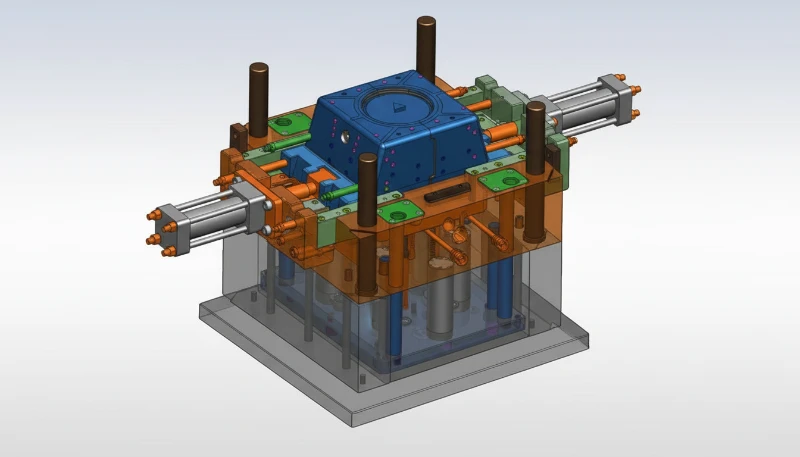
3Dプリント金型を作成する際の設計上の課題を軽減するには、いくつかのヒントが有効です。まず、適切な金型材料を選択することが重要です。射出工程で発生する圧力に耐えられるよう、頑丈で剛性の高い素材を選ぶことが重要です。さらに、金型の融点は射出成形材料の融点を上回る必要がある。
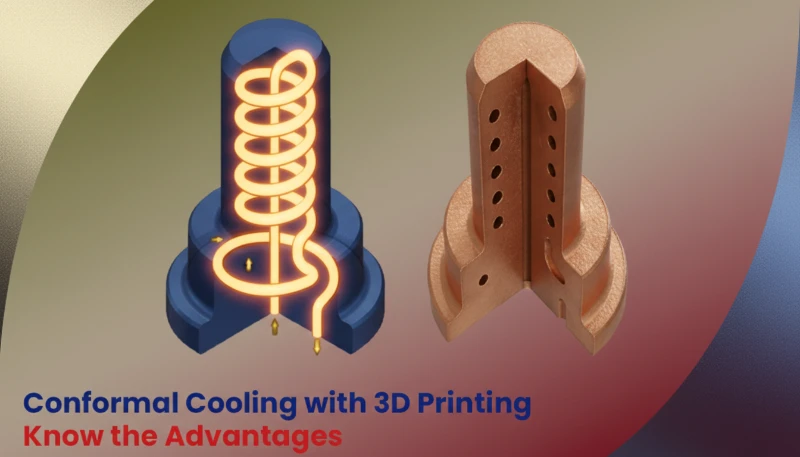
第二に、金型製造を成功させるためには、綿密な金型設計が不可欠である。金型の内面は、プリント・キャリアと接触しないように配置されるべきである。金型設計に通気孔を組み込むことで、射出成形プロセス中に閉じ込められた空気を排除し、多孔質部品のような欠陥を減らすことができます。さらに、金型設計に冷却流路を組み込むと、冷却時間の短縮が容易になります。
部品を設計する際には、抜き勾配を取り入れることも考慮してください。成形品の肉厚を均一にし、鋭利な角を避けることは、留意すべき重要な要素です。射出成形のバリも重要な検討事項のひとつです。これは、押出ダイのパーティングラインから余分な材料が押し出されることで発生します。バリをなくすには、金型設計にランナーシステムを含めることをお勧めします。さらに、型締力の増加や射出圧力の低減など、設計後の調整も必要です。
射出成形用3Dプリント金型の設計方法
優れた3Dプリント金型は、抜き勾配、ガス抜き、ゲート強度、制御された離型を考慮して支持されたインサートとして設計される。低コストの金型でも有用な試作データを得られるよう、材料強度、パーティングラインの支持、肉厚、剛性フレームから検討する。
3Dプリント射出成形金型の製造には、PETG、ABS、ナイロン、PP、アセタールなど数多くの材料を使用できます。3Dプリンティングプラスチック金型の材料を選択する際には、以下の2点を考慮することが重要です:
強度と剛性:射出成形金型の3Dプリントに適したプラスチックポリマーは、造形後に十分な強度と剛性を備える必要があります。これらは射出工程で生じる応力に金型が耐えるために不可欠です。
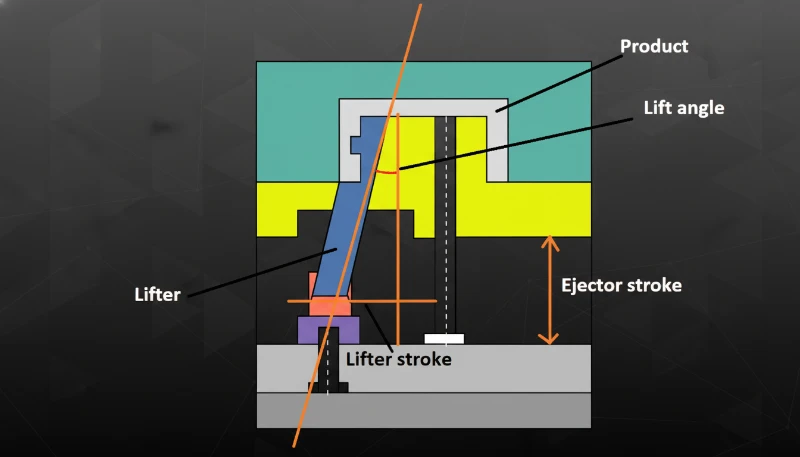
耐熱性:射出成形は溶融プラスチックを最適に流動させるため高温で行われるので、金型製作用に選ぶプラスチック材料は、成形材料より融点が高くなければなりません。
金型設計:後工程の加工や寸法調整に備えて金型に加工代を設け、寸法精度を高めます。複数の金型を製作して寸法差を評価し、そのばらつきを金型のCADモデルに反映します。
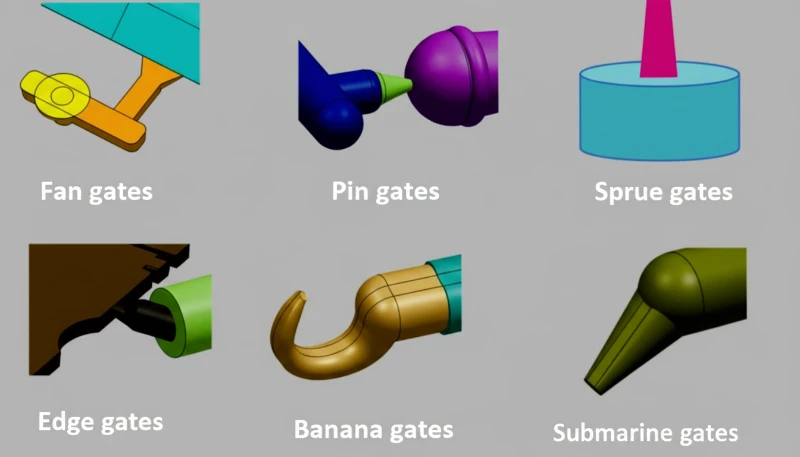
ゲートを開いて金型キャビティ内の圧力を緩和し、金型の寿命を延ばします。スタックモールドの片側を平らにし、もう片側を設計部品の保持に利用する。この戦略は、金型ブロックのズレやオーバーフローの可能性を軽減するのに役立ちます。
効率的な排気のために、金型キャビティの端から金型の端まで、大きなベントホールを組み込みます。これにより、金型内への材料の流れを助け、圧力を下げ、ゲート部のフラッディングを防ぎ、サイクルタイムを短縮します。厚さが1~2mm未満の表面は熱による変形を受けやすいため、過度に薄い断面は避ける。
モールドバックを調整して材料の使用量を削減することで、印刷プロセスを洗練させます。金型キャビティ以外のサポートエリアの断面サイズを小さくして、樹脂費を削減し、印刷欠陥や変形の可能性を減らします。面取りを導入することで、造形プラットフォームからのワークピースの取り外しが容易になります。2つのプリントを効果的に位置合わせするために、コーナーにセンタリングピンを使用する。
内面の向き:金型内面がサポート材に触れない向きに配置します。サポート痕を最小化または除去して造形面の品質を高め、後加工の必要性も減らせます。
浅いベント:金型設計にベントを組み込むと、射出成形中に閉じ込められた空気を排出できます。推奨される約0.05 mmの浅いベントは、バリなどの不良発生を抑えます。
流路の活用:20回以上の成形を予定する金型では、設計に流路を組み込みます。金属棒やチューブを入れられるため、反りなどの射出成形不良を効果的に抑えられます。また流路の利用は冷却時間の短縮にも寄与します。
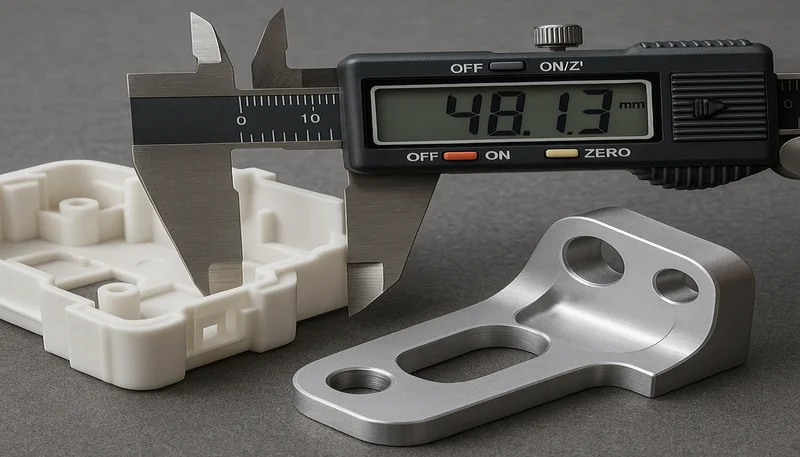
積層ピッチ:積層ピッチを小さくすると、プリント金型の滑らかさが増し、積層線が目立ちにくくなります。
部品設計:射出成形工程の品質は、使用する3Dプリント金型に大きく左右されます。そのため、抜き勾配を含むさまざまな要因を部品設計段階で考慮し、プリント製品の成功と効率を確保する必要があります。推奨される20の抜き勾配は、プリント射出成形金型から成形品を取り出しやすくします。
材料選定:3Dプリント金型の材料選びは重要です。射出成形工程の高温・高圧にさらされても反ったり溶けたりしない材料が必要です。ナイロン、ABS、ポリカーボネートは、射出成形金型の3Dプリントによく使われます。
均一な肉厚:射出成形部品では、成形中および成形後の反りなどの不良を抑えるため、肉厚を均一にする必要があります。薄肉が必要な場合は、薄いリブやガセットを設けることで壁の強度を高められます。
"3Dプリント金型にも量産金型と同様のDFMチェックが必要です。"True
これは、肉厚、R、抜き勾配、ベント、ゲート支持によって、低コストのプリントインサートから有用な成形データが得られるか、単なる失敗試作に終わるかが決まるためです。
「離型剤では不十分な金型設計を補うことはできません。」False
これは誤りです。離型剤は離型を助けますが、パーティングラインの嵌合不良、不十分な抜き勾配、弱いキャビティ壁、射出圧力で変形するプリントインサートを修正することはできません。
鋭角を避ける:金型の縁にRを設けて鋭角をなくします。この調整により溶融プラスチックが滑らかに流れ、射出成形不良の発生を抑えられます。
バリの防止:バリは射出成形でよくある問題で、余分な溶融プラスチックが金型から漏れ、射出中に固化して生じます。金型合わせ面の不良、射出圧力の過大、材料の過充填などが原因です。
ランナーシステムを金型設計に組み込み、部品ラインの公差を確保することで、3Dプリント金型からのフラッシュを排除することができます。しかし、これらの方法がうまくいかない場合は、型締力の増加や射出圧力の低減など、設計後の調整を試すことができます。
離型剤で部品を取り出す:脱型時に離型剤を使用すると、射出成形部品を滑らかに取り出せます。離型剤がなければ部品が金型に固着し、取り出すために過大な力が必要となり、部品や金型を損傷するおそれがあります。
試験と検証:3Dプリント金型を射出成形に使用する前に、その性能を試験・検証する必要があります。試験によって金型設計や材料選定の問題を見つけ、部品生産を始める前に必要な調整を行えます。
3Dプリント用のCAD設計ファイルはどのようにエクスポートしますか?
CADエクスポートは、最終金型形状をプリント可能なSTLまたは3MFファイルへ変換する工程です。スライス前に単位、メッシュ品質、肉厚、向き、公差を確認し、プリントインサートが成形試験に十分な精度を持つようにします。
射出成形金型に最適な3Dプリント技術は?
STLファイルが準備されると、3Dプリンターを使用して射出成形金型を製造できます。金型は、溶融積層造形法(FDM)、ステレオリソグラフィー法(SLA)、選択的レーザー焼結法(SLS)、デジタル光造形法(DLP)など、さまざまな3Dプリントプロセスで作成できます。3Dプリンターと印刷材料の選択は、金型の複雑さや金型の寿命などの要因によって異なります。
FDMは通常、プラスチック金型とツーリングのための最も費用対効果の高い3Dプリントソリューションです。とはいえ、最終的な金型には目に見える層線が見られることがあり、これを除去するためにサンディングや化学仕上げが必要になります。
SLAやDLPのような樹脂ベースの3Dプリント技術は、より滑らかな表面仕上げの金型が得られるため、大規模な後処理の必要性を減らすことができ、人気のある選択肢です。もう1つの樹脂ベースの3Dプリント手法であるマテリアル・ジェットは、さまざまな素材や色を使用して、優れた表面仕上げの金型を製作できます。SLSは金型製造に強化ナイロンを使用し、強度と高い表面品質を提供します。
"100個未満の試作では、3Dプリント金型は従来の鋼製金型より90%安く、80%速く製作できる場合がある。"True
そのとおりです。プリント金型は50~200ドル、製作期間1~2日で済む場合がありますが、同じ形状の鋼製金型は5,000~20,000ドル、4~8週間かかる可能性があります。代償となるのは耐久性と部品の一貫性です。
「3Dプリント金型は、アルミ金型や鋼製金型と同じ射出圧力に耐えられる。」False
誤り — 3Dプリント金型が通常耐えられるのは200–500 barですが、量産用鋼製金型は1,000+ barに耐えられます。プリント金型を使用する場合は、射出圧力と速度を下げる必要があります。
3Dプリント金型の標準構成とは?
3Dプリント金型の標準構成とは、本節で説明する主要な分類または選択肢です。射出成形用3Dプリント金型には、主に次の2つの標準構成があります。
全体を3Dプリントした金型 この構成は全体をプリントするため、アルミ製支持フレームが不要です。その一方で、金型に多くの造形材料が必要となり、造形コストと時間が増加します。またフレームがないため、長期間の使用後に反りなどの不良が生じやすくなります。
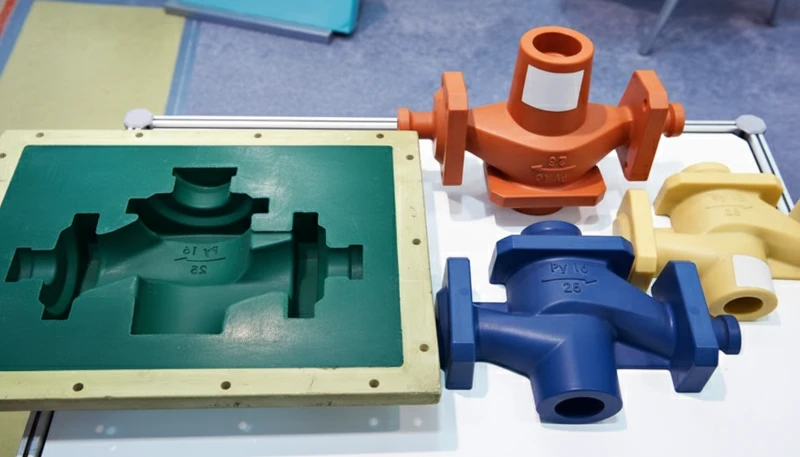
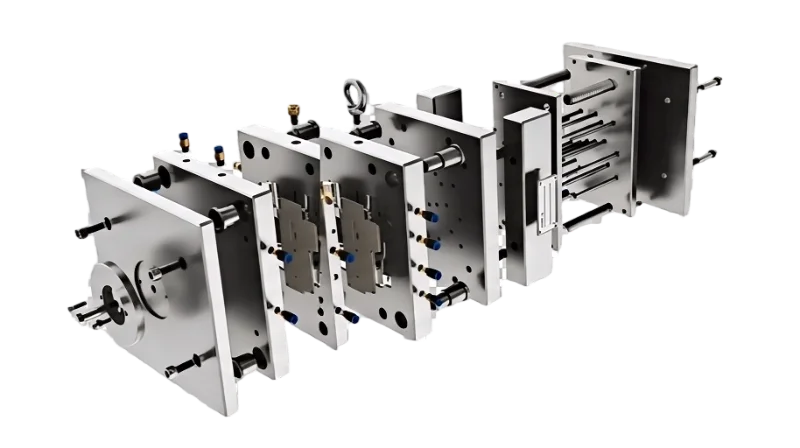
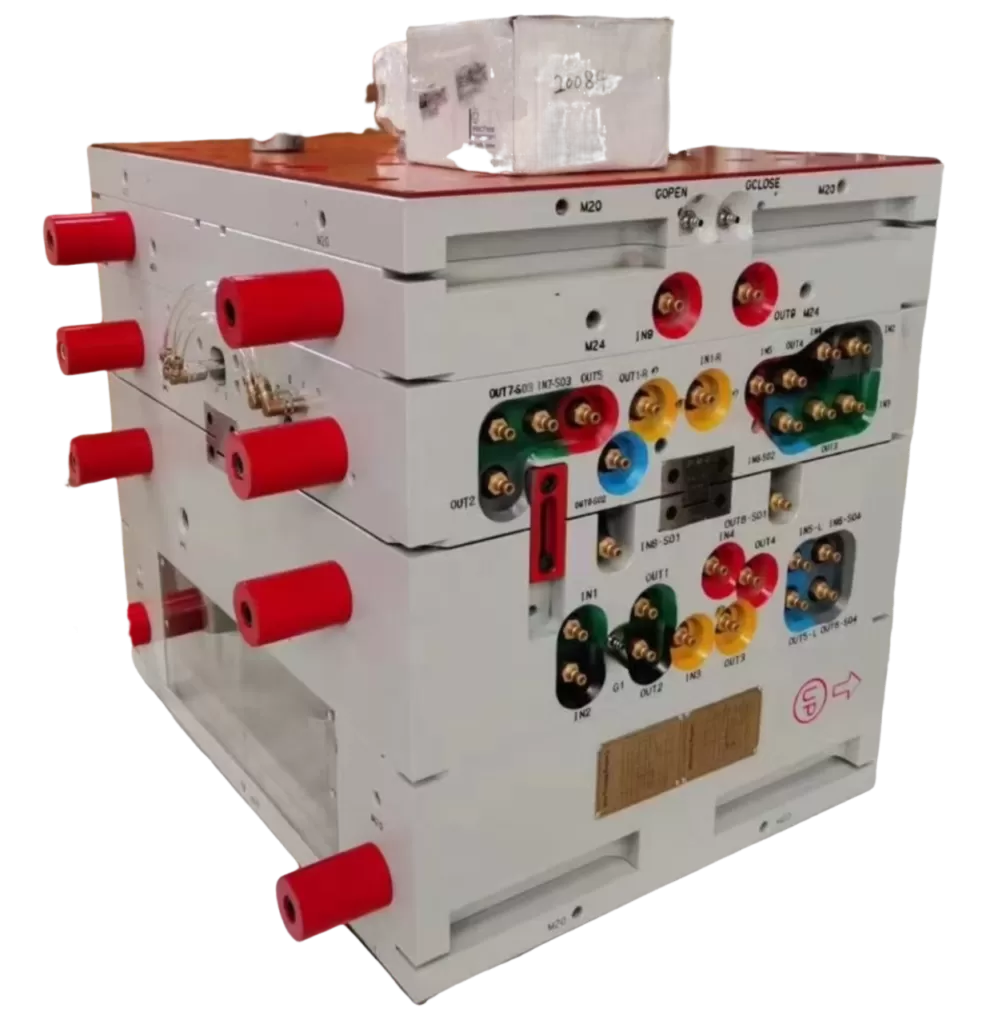
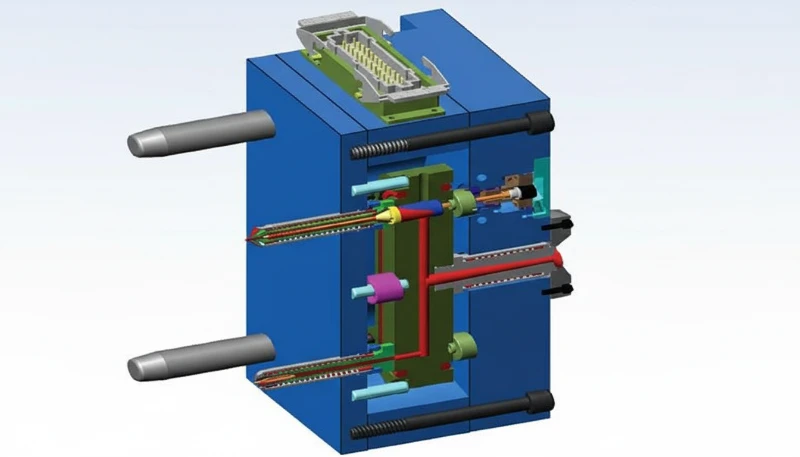
3Dプリントされた金型が完成したら、射出成形プロセスで金型を固定するために、金属製のフレーム(モールドベース)に取り付ける必要がある。モールドベースにはスプルーブッシュが含まれ、溶融した材料が金型に注入される。
金型の構成によって、フレームへの取り付け方法が決まります。3Dプリンティング用射出成形金型には2つの標準構成があります。1つ目は、プリントした金型をアルミニウムフレームに挿入し、金型に安定性、精度、支持を与える構成です。この構成は高精度な射出成形部品の製造に適しており、反りなどの成形不良を防ぎ、金型の完全性を維持し、射出成形工程で圧力を均一に分散させるのに役立ちます。
2つ目の構成は、アルミフレームなしで完全に3Dプリントされた金型である。この場合、フレームは不要になるが、印刷材料が増えるため、印刷コストと時間が増加する。また、この構成で作成された金型は、サポートが不足しているため、反りなどの欠陥が発生しやすくなる。
3Dプリント金型で射出成形工程をどのように開始しますか?
プリント金型による射出試験の開始は、通常の量産立上げではなく、管理された段取り工程です。当社の上海工場では 90T~1850T の射出成形機 47 台を稼働しています。エンジニアはプリントインサートについて、型締力、樹脂温度、金型支持を確認しており、慎重な初期ショットにより試作金型のデータ信頼性が高まることを確認しています。
立上げ工程は、造形インサートの安全性を実証するための制御された初回ショット手順です。造形インサートを剛性フレームへ取り付け、シャットオフ接触を検証し、スプルーとゲートの経路を確認して、圧力を上げる前に保守的な条件で初回ショットを行います。当社の工場試験では、この段階的立上げにより、金型設計の問題と工程設定の問題を分離できます。
3Dプリント金型に必要な後処理は?
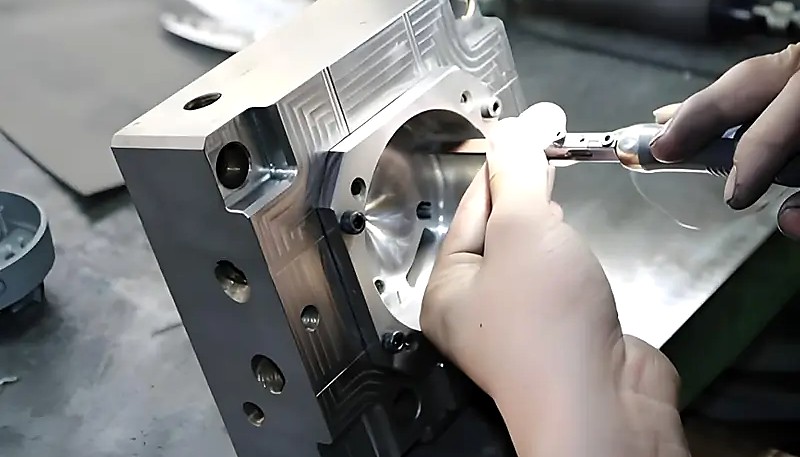
プリント金型を平滑で清潔かつ寸法的に使用可能にし、離型しやすくするには後処理が必要です。これには、積層痕を除去する研磨、複数プリントの組立て、サポート材の除去、重要寸法の確認、射出成形試験前の離型剤または表面処理の適用などが含まれます。
研磨:サンディングにより、3Dプリントモデル表面の積層痕を除去できます。粗いサンドペーパーから始め、徐々に細かい番手へ替えます。過度な摩擦と熱で表面が溶けないよう、同じ箇所を長時間研磨しないでください。後で造形品を接着する場合は、特に継ぎ目周辺を削りすぎないよう注意します。
接着:接着剤は小さな点状に塗布すると、輪ゴムで締めるように両面を密着させやすくなります。粗い継ぎ目や隙間のある継ぎ目には、Bondo接着剤または充填材を使うと、より滑らかに仕上げられます。
着色:すべての表面を均一に着色できるよう、換気がよく、ほこりのない場所で作業してください。スプレー時は対象物を吊り下げ、腕一本分ほど離します。軟質樹脂の3Dプリントモデルを塗装した後、1~2日乾燥させてから研磨します。
ねじインサートの取り付け:ねじインサートを取り付けると、3Dプリント製筐体の寿命を延ばせます。しっかり嵌合させるため、モデルの穴はインサートよりわずかに小さくします。モデルを固定して安定させ、穴の変形を防ぐため急激または過度な力を加えないでください。
シリコーン型の複製:この工程では、3Dプリント製モールドボックス、シリコーン、樹脂、計量カップなどを使います。型の容積を計算するには、まずモールドボックスを水で満たし、その水を計量カップへ移します。
よくある質問
プラスチック射出成形金型アセンブリの3Dモデル
3Dプリント金型は、小規模な検証生産や限定的な生産ロットに使用できますが、現実的なショット数は、樹脂温度、キャビティ厚さ、ゲート応力、型締圧力、冷却時間によって異なります。数十ショットしか耐えられないプリント入れ子もあれば、十分に支持されたSLAまたは高温樹脂金型なら数百サイクル稼働できる場合もあります。この数値は保証ではなく工学的推定値として扱い、トライ中にキャビティ、ゲート、ベント、部品寸法を検査してください。各ショット数と故障モードを注意深く記録してください。
射出成形金型に最適な3Dプリント技術は?
SLAは、多くの低コストFDM方式より滑らかなキャビティ面と精密な細部を作れるため、通常は3Dプリント射出成形金型の最も実用的な出発点です。寸法精度と表面仕上げを管理できれば、DLPやマテリアルジェッティングも使用できます。FDMは嵌合確認や非常に粗い試験には有用ですが、積層痕、気孔、低い耐熱性により、実際の射出成形ではバリ、表面品質不良、インサートの早期破損が起きやすくなります。技術は樹脂と圧力に合わせてください。
3Dプリント金型を量産に使用できますか?
3Dプリント金型が量産に対応できるのは、生産量、樹脂、公差、表面要件が厳しくない場合に限られます。長い金型寿命より速度を重視する試作検証、ブリッジ生産、少量試作に最適です。大量生産、研磨性材料、厳しい公差、外観面では、アルミまたは鋼製金型の方が、多数のサイクルにわたって寸法、冷却性能、型締圧力を安定して維持できるため、より安全な生産手段です。規模拡大前の学習にプリント金型を使用し、その後で量産金型仕様を確定してください。
3Dプリント金型では、どの材料を射出成形できますか?
低温用熱可塑性樹脂は、3Dプリント金型に最も安全な候補です。溶融温度、射出圧力、サイクル数がプリントインサートの限界内に収まる場合、PP、PE、TPE、および一部のABSまたはナイロングレードを試験できます。高温エンジニアリング樹脂、ガラス繊維充填コンパウンド、研磨性材料は、プリントキャビティを急速に軟化、亀裂、摩耗させる可能性があるため、はるかに危険です。プリント金型の採用を決定する前に、必ず材料データシート、金型温度、予想ショット数を確認してください。保守的な成形条件から開始してください。
3Dプリント射出成形金型の費用はいくらですか?
3Dプリント射出成形金型のコストは通常、CNC加工による量産金型よりはるかに低くなりますが、正確な価格帯はインサートの寸法、樹脂の種類、表面仕上げ、検証作業、および補助金型ベースの要否によって異なります。単純なプリントインサートは設計検証用であれば低コストですが、研磨、組立、試作成形を含む耐久性の高い試作金型は高価になります。適切に比較すべきなのは学習の総コスト、すなわち量産投資前に金型で形状、ゲート、収縮、製品機能をどれだけ迅速に検証できるかです。
3Dプリント金型は使用前に後処理が必要ですか?
はい。ほとんどの3Dプリント金型は、射出成形試験の前に後処理が必要です。一般的な作業には、サポート材の除去、未硬化樹脂の洗浄、積層痕の研磨、キャビティ寸法の確認、必要に応じたベント追加、離型性の向上や気孔率の低減を目的としたコーティングが含まれます。また、型締め力でインサートが割れないよう、金型を剛性の高い支持フレームに組み込む必要があります。適切な後処理により表面仕上げが向上し、バリのリスクが減り、試験データの信頼性が高まります。最初のショット後にインサートを再度検査してください。
従来型金型より 3D プリント金型を選ぶべきなのはいつか?
3Dプリント金型は、長い量産寿命よりも速度、学習、少量検証を重視する場合に最適です。樹脂、圧力、公差、表面要件がプリントインサートの限界内に収まる、試作トライ、ブリッジ金型、単純または中程度に複雑な部品に有用です。
要するに、射出成形用の3Dプリント金型を作成するプロセスは、構造化されたアプローチに従っている。CADソフトウェアを使って金型を設計することから始まり、高品質のプリントを実現するためにプリンターの設定を微調整する。金型の表面をより美しく仕上げるために、研削や研磨などの後処理工程が必要になることもある。
プラグインなどの必須部品を組み込み、包括的な試験を実施することで、機能性と精度を確保します。検証後、金型は射出成形での量産準備が整い、複雑な設計のプラスチック部品を迅速に試作・製造できます。
射出成形プロジェクトの見積もりが必要ですか?
ZetarMoldのエンジニアリングチームから、競争力のある価格、DFMフィードバック、量産スケジュールを入手してください。
無料見積もりを依頼 → 全体像については、射出成形完全ガイドをご覧ください。