...

射出成形とは何か?

• ZetarMold Engineering Guide
• Plastic Injection Mold Manufacturing Since 2005
• Built by ZetarMold engineers for buyers comparing mold and molding solutions.

要点
  • Injection molding melts thermoplastic pellets, injects the melt into a closed mold, cools the part, and ejects a finished plastic component.
  • The process is best for repeatable 3D plastic parts with controlled dimensions, surface finish, ribs, bosses, clips, and complex features.
  • The four practical controls are mold design, material selection, melt and mold temperature, and cycle-time balance.
  • Most project failures come from weak DFM, poor cooling layout, wrong resin grade, or unrealistic tolerance expectations.
  • A buyer should evaluate injection molding by part geometry, annual volume, tooling budget, material risk, and quality requirements.

What Is Injection Molding?

射出成形1 is a manufacturing process that turns molten plastic into repeatable 3D parts inside a closed mold. Plastic pellets are heated in a barrel, pushed forward by a screw, injected into a cavity, cooled under control, and ejected as a finished component.

For a full process baseline, use our injection molding complete guide. This page explains the working sequence in plain language so engineers, buyers, and founders can decide whether a part should be molded, redesigned, prototyped, or made with another process.

ZetarMold Factory Insight
At ZetarMold, our factory in Shanghai runs 47 injection molding machines from 90T to 1850T. Our engineers review wall thickness, gate location, material flow, cooling layout, and annual volume before recommending production tooling.

Injection molding is not just a machine action. It is a controlled system that connects part design, resin behavior, tooling steel, cooling, machine repeatability, and inspection. If one of these elements is weak, the molded part can show flash, sink marks, short shots, warpage, or unstable dimensions.

Injection molding process flow

How Does Injection Molding Work Step by Step?

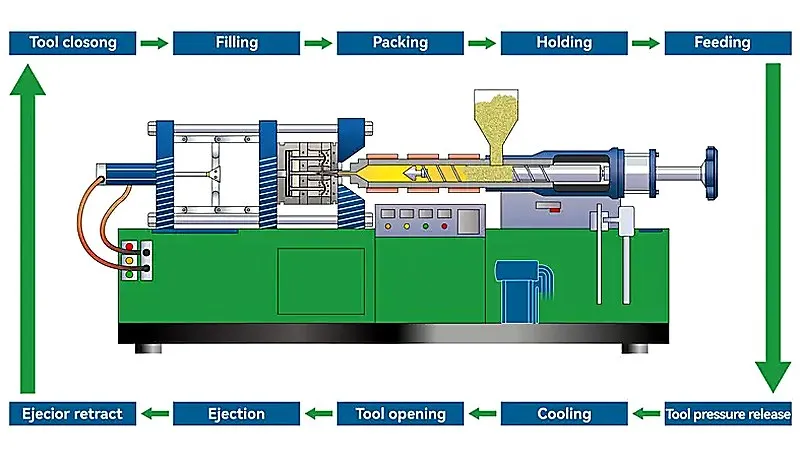
Injection molding is a repeatable cycle: clamp the mold, inject the melt, hold pressure, cool the plastic, open the mold, and eject the part. Each cycle may take a few seconds for a small thin-wall part or more than a minute for a thick engineering component.

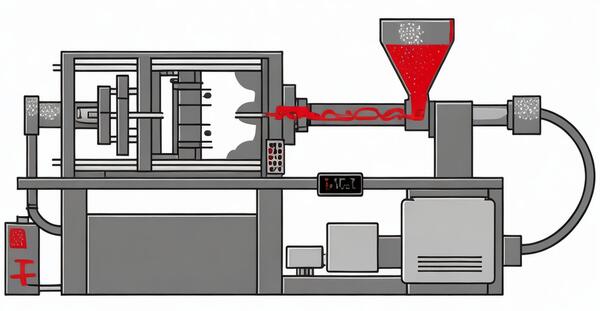
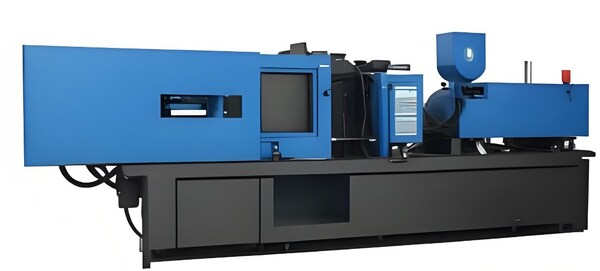
The machine first closes the mold with enough clamping force to resist injection pressure. Pellets enter the heated barrel, where the rotating screw melts and mixes the material. The スクリュー射出成形機 then pushes a measured shot through the nozzle, sprue, runner, and gate into the cavity.

During packing and holding, extra pressure compensates for plastic shrinkage as the material cools. Cooling channels remove heat from the mold so the part can become stiff enough for ejection. If cooling is uneven, the part may warp even when the cavity shape is correct.

“Injection molding is a cyclic process, not a continuous process.”

A molded part is made shot by shot. The mold closes, fills, packs, cools, opens, and ejects before the next cycle starts. This is different from extrusion, which pushes material through a die continuously.

“The mold only gives the part its shape; process settings do not matter.”

Mold geometry matters, but melt temperature, injection speed, hold pressure, cooling time, and material drying also determine final quality. A good mold can still produce bad parts if the process window is unstable.

The ejected part is then inspected, trimmed if needed, and packed or sent to secondary operations. The best production plans define the acceptable cycle time, inspection points, and cosmetic standards before tooling starts, not after defects appear.

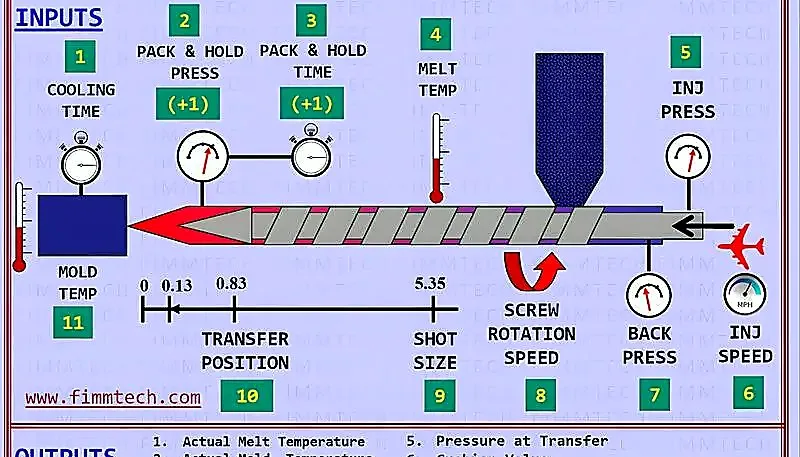
A stable process window is normally built during sampling. The team adjusts fill speed, transfer position, hold pressure, hold time, barrel temperature, mold temperature, and cooling time until the part fills completely without flash, burn marks, excessive stress, or unacceptable dimensions. Once that window is documented, production operators can repeat the same settings and know when a drift needs correction.

For buyers, the important lesson is simple: the mold and the machine must be evaluated together. A part can fail because the tool has poor venting, but it can also fail because the selected 射出成形機 has the wrong shot size, weak plasticizing capacity, or unstable temperature control. Good suppliers check both sides before promising a production plan.

Injection molding machine schematic
Molding machine schematic

What Parts Are Best Suited for Injection Molding?

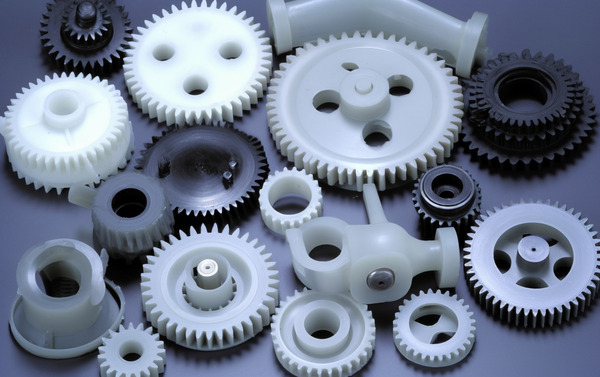
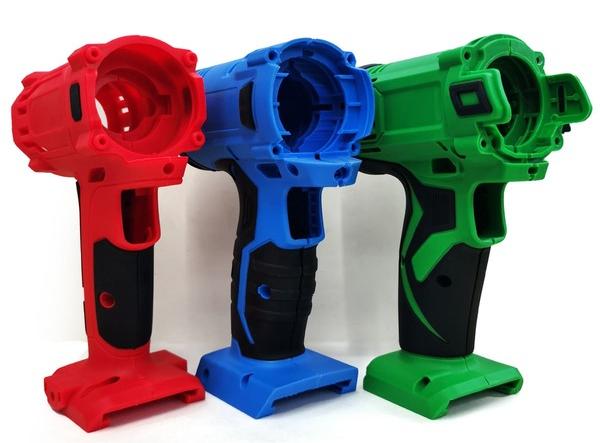
The best injection molded parts are repeatable plastic components with 3D geometry, consistent wall sections, and enough volume to justify tooling. Housings, brackets, caps, connectors, gears, medical device parts, and automotive clips are common examples.

Injection molding is strong when the part needs integrated ribs, bosses, snap fits, threads, inserts, living hinges, or cosmetic surfaces. It is weaker when the part is very long, has only a constant cross-section, or changes frequently during early product development.

Part geometry must respect molding rules. Wall thickness should be as uniform as possible, ribs should not be too thick, sharp internal corners should be radiused, and draft angles should be added so the part can leave the mold. These rules reduce sink, stress, drag marks, and ejection damage.

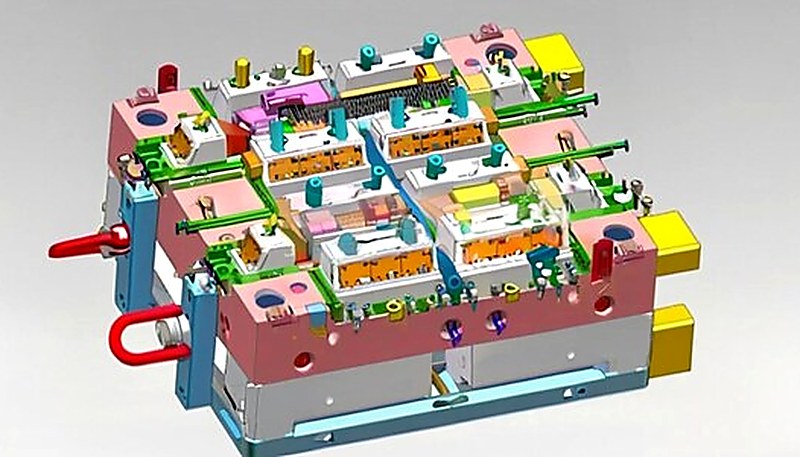
For tooling-specific decisions, compare your design against the injection mold complete guide. That guide explains mold structure, gate choices, cooling design, ejector layout, and tooling tradeoffs in more detail.

Which Materials Can Be Injection Molded?

The best materials are 熱可塑性2 grades that match the part’s strength, heat, chemical, cosmetic, and compliance needs. Most thermoplastic families can be injection molded if the grade is selected for the required strength, heat resistance, chemical exposure, color, and regulatory needs. Common options include ABS, PP, PE, PC, PA, POM, PMMA, TPU, PEEK, and flame-retardant engineering blends.

Material selection affects tool design. A resin with high shrinkage needs different cavity compensation than a resin with low shrinkage. A glass-filled grade may require stronger tooling surfaces and better venting. A transparent part needs stricter polishing, flow control, and gate placement than a hidden structural bracket.

Moisture-sensitive materials such as nylon, PC, PBT, and PET must be dried correctly before molding. If drying is ignored, molded parts can show bubbles, silver streaks, lower strength, or unstable dimensions. Material preparation is therefore part of the process, not a separate detail.

Injection mold design review

How Do Cost, Tooling, and Cycle Time Affect the Decision?

The cost decision is driven by tooling investment, part volume, material price, machine tonnage, and 射出成形の生産時間. Tooling can be expensive, but it creates repeatability when the same part must be produced thousands or millions of times.

Cycle time matters because every second repeats across the full production run. A 5-second saving may look small in a sample trial, but it can change annual capacity and unit cost when the mold runs every day. Cooling is often the largest part of the cycle, so cooling layout deserves early engineering attention.

“Cooling time often controls the economics of injection molding.”

For many parts, cooling takes more time than injection and ejection. Better cooling design can reduce cycle time, stabilize dimensions, and lower cost per part.

“The lowest mold quote is usually the lowest total cost.”

A cheap mold can become expensive if it causes flash, short life, slow cycles, poor cooling, frequent repairs, or high scrap. Total cost should include mold life, cycle time, maintenance, and quality risk.

Buyers should ask for DFM feedback before approving tool steel. The DFM review should flag undercuts, wall-thickness risk, cosmetic gate marks, tolerance conflicts, resin shrinkage, and ejection risk. For dimensional issues, mold shrinkage3 should be estimated before the first cut of steel. For broader process context, Britannica describes injection molding as a manufacturing technique4.

What Quality Problems Should Buyers Watch For?

一般的な品質問題は、ショートショット、フラッシュ、シンクマーク、ウェルドライン、バーンマーク、反り、色むら、脆い部品です。これらの問題のほとんどは、部品設計、金型設計、樹脂準備、またはプロセスウィンドウ制御に起因すると追跡できます。

ショートショットは、キャビティが完全に充填されないときに発生します。フラッシュは、プラスチックがパーティングラインやインサート周辺で逃げるときに現れます。シンクマークは通常、冷却が遅い厚肉部分から生じます。反りは、不均一な収縮、不均衡な冷却、または内部応力によって引き起こされます。

検査は部品の機能に合わせるべきです。隠れたブラケットは寸法と強度のチェックが必要かもしれませんが、可視カバーはより厳格な色、光沢、質感、傷の要件が必要かもしれません。医療または電子部品は、トレーサビリティ、管理された包装、材料証明書も必要とする場合があります。

RFQ準備のために、3Dファイル、2D図面、樹脂目標、年間数量、表面仕上げ要件、色要件、公差ノート、予想使用環境を送ってください。これらの入力のいずれかが欠けている場合、サプライヤーは推測する必要があり、推測はコストと品質のリスクを生み出します。

実用的な検査計画では、重要寸法、機能寸法、化粧面、非重要領域を分けるべきです。これにより、スナップフィット、シール面、組み立て穴、可視面を厳密に管理しながら、単純な形状の過剰検査を防ぎます。繰り返し注文では、同じ計画により、記憶に頼るのではなく、承認されたサンプルに対して新しい生産バッチを比較することも容易になります。

文書化は最初のサンプルと同じくらい重要です。承認された材料グレード、色基準、図面改訂、サンプル承認日、測定方法、包装要件を一箇所に保管してください。金型が修理されたり別のプレスに移動されたりした場合、これらの記録は無意識のプロセスドリフトのリスクを減らし、根本原因分析を迅速にします。

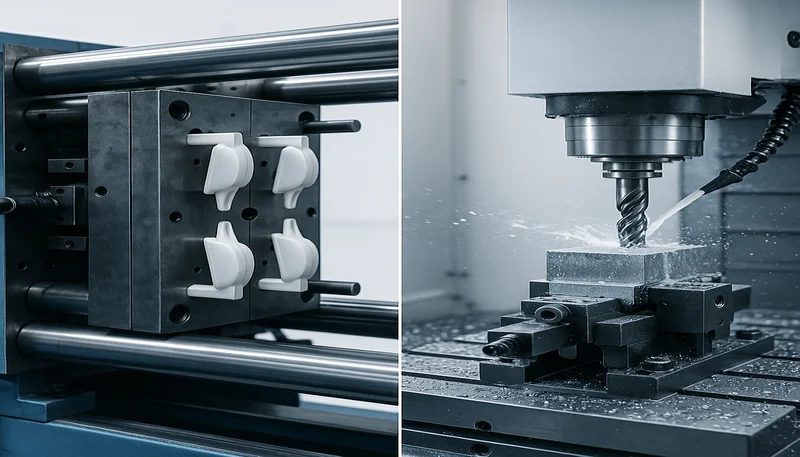
射出成形プロジェクトレビュー
金型製作前のプロジェクトレビュー

What Should Buyers Do Before Starting a Mold?

金型製作を開始する前に、部品の形状、樹脂、公差、表面仕上げ、生産数量が合致していることを確認することが最善の次のステップです。これらの入力が安定していれば、射出成形は繰り返し可能な品質を大規模に提供できます。これらの入力がまだ変化している場合は、試作金型や設計の繰り返しがより安全かもしれません。

初期のRFQ段階を利用して、価格だけでなくリスクフィードバックを求めてください。有用なサプライヤーは、肉厚の問題、ゲートオプション、パーティングラインの位置、取り出しの懸念、冷却戦略、サンプルタイムライン、検査計画を説明するべきです。その議論は、エンジニアリングの詳細がない迅速な見積もりよりも、しばしば価値があります。

新しいプラスチック部品を準備している場合、ZetarMoldは3Dファイル、樹脂目標、年間数量、品質要件をレビューし、実用的な金型製作と成形の道筋を提案できます。図面と予想数量を添えて見積もりを依頼し、エンジニアリングチームがDFMノート、コスト要因、生産タイミングで応答できるようにしてください。

鋼材に着手する前に、将来の設計変更がどのように扱われるかも決定してください。肉厚、リブ、クリップ、またはスクリューボスの小さな変更は、流動、収縮、冷却、取り出しに影響を与える可能性があります。明確な改訂プロセスは、サプライヤーが承認されたサンプルを保護し、変更コストを正直に見積もり、生産中に新旧の要件が混ざるのを避けるのに役立ちます。これにより、プロジェクトがサンプル承認から繰り返し生産へと移行する際に、購買、エンジニアリング、品質チームが混乱なく連携を保つこともできます。

よくある質問

射出成形は大量生産だけに使われるものですか?

いいえ、射出成形は中〜高生産量で最も経済的ですが、部品が生産グレードの材料、正確な幾何学的形状、または現実的な機能テストを必要とする場合には、試作品や低生産量の金型も意味を成します。

How long does an injection molding cycle take?

典型的なサイクル時間は10秒未満から60秒以上まで幅があります。正確な時間は、部品の厚さ、樹脂、冷却設計、機械のサイズ、脱型方法、品質要件によって異なります。

射出成形における最大のコストは何ですか?

金型は通常、最も大きな初期費用です。製品のライフサイクルにおいては、材料費、サイクルタイム、不良率、機械のトン数、人件費、検査、およびメンテナンスも総コストに影響を与えます。

一つの金型で複数の部品を同時に成形できますか?

はい。マルチキャビティ金型は1サイクルで複数の同一部品を製造でき、ファミリ金型は関連部品を製造できます。設計では充填、冷却、取り出しのバランスを保つ必要があります。

射出成形の見積もりにはどのようなファイルが必要ですか?

サプライヤーは通常、3D CADファイル、2D図面、材料要件、年間生産量、表面仕上げ、色、公差の注記、および組み立てやテストの要件が必要です。

射出成形の欠陥をどのように減らすことができますか?

DFMから始め、肉厚を一貫させ、適切な樹脂を選択し、バランスの取れたゲートと冷却を設計し、湿気に敏感な材料を乾燥させ、サンプリング中にプロセスウィンドウを検証してください。

  1. 射出成形:繰り返し可能な3D部品を生産するために、溶融プラスチックを閉じた金型キャビティに射出する循環的な製造プロセス。

  2. 熱可塑性:加熱すると軟化し、冷却すると硬化するポリマーで、制御された条件下で繰り返し加工できる。

  3. mold shrinkage:溶融プラスチックが金型内または金型離脱後に冷却・固化する際に起こる寸法の減少。

  4. manufacturing technique:単一の試作ロットではなく、繰り返し性、材料の挙動、部品形状のために選択される生産方法。

最新の投稿
フェイスブック
ツイッター
LinkedIn
ピンタレスト
Mike Tangの写真
マイク・タン

Hi, I'm the author of this post, and I have been in this field for more than 20 years. and I have been responsible for handling on-site production issues, product design optimization, mold design and project preliminary price evaluation. If you want to custom plastic mold and plastic molding related products, feel free to ask me any questions.

私とつながる

クイック見積もり

図面および詳細要件を下記までお送りください。 

Emial:[email protected]

または下記のお問い合わせフォームにご記入ください:

クイック見積もり

図面および詳細要件を下記までお送りください。 

Emial:[email protected]

または下記のお問い合わせフォームにご記入ください:

クイック見積もり

図面および詳細要件を下記までお送りください。 

Emial:[email protected]

または下記のお問い合わせフォームにご記入ください:

クイック見積もり

図面および詳細要件を下記までお送りください。 

Emial:[email protected]

または下記のお問い合わせフォームにご記入ください:

クイック見積もり

図面および詳細要件を下記までお送りください。 

Emial:[email protected]

または下記のお問い合わせフォームにご記入ください:

ブランドのクイック見積もり

図面および詳細要件を下記までお送りください。 

Emial:[email protected]

または下記のお問い合わせフォームにご記入ください:

Спроситебыструюцитату。

Мы свяжемся с вами в течение одного рабочего дня, обратите внимание на письмо с суффиксом "[email protected]".

クイック見積もり

図面および詳細要件を下記までお送りください。 

Emial:[email protected]

または下記のお問い合わせフォームにご記入ください:

クイック見積もり

図面および詳細要件を下記までお送りください。 

Emial:[email protected]

または下記のお問い合わせフォームにご記入ください: