Se progetti una parte che combina due materiali, come metallo e plastica oppure plastica rigida e TPE morbido, dovrai scegliere tra stampaggio con inserti1 e sovrastampaggio2. Entrambi creano una parte multimateriale in un solo componente, ma funzionamento, costi e applicazioni adatte sono diversi.
In pratica, scegliere quello sbagliato può costare migliaia in rilavorazioni dell’attrezzatura, senza contare settimane di ritardo. Ho visto ingegneri scegliere automaticamente il sovrastampaggio quando lo stampaggio con inserti sarebbe stato più semplice ed economico, e viceversa. La confusione è comprensibile: entrambi i processi combinano materiali, eliminano l’assemblaggio secondario e producono componenti integrati. Ma il loro funzionamento interno è completamente diverso.
Questo articolo illustra esattamente come funziona ogni processo, dove uno prevale rispetto all’altro e come decidere—basandosi su due decenni di esperienza pratica in fabbrica, gestendo quotidianamente entrambi i processi. Se hai bisogno di inserti metallici filettati incapsulati in plastica o di una grip morbida su un nucleo rigido, comprendere questi due processi ti aiuterà a scegliere la via giusta la prima volta.
- Lo stampaggio con inserti posiziona nello stampo un inserto preformato (generalmente metallico), quindi inietta la plastica attorno ad esso in un'unica stampata.
- Il sovrastampaggio applica un secondo materiale su un substrato stampato in precedenza e richiede almeno due iniezioni.
- Lo stampaggio con inserti eccelle nell'integrare filettature, contatti o rinforzi metallici con alloggiamenti in plastica.
- Il sovrastampaggio è la soluzione di riferimento per impugnature morbide, guarnizioni e prodotti di consumo multicolore.
- Il costo dello stampo e il tempo di ciclo differiscono notevolmente: occorre comprenderli entrambi prima di procedere.
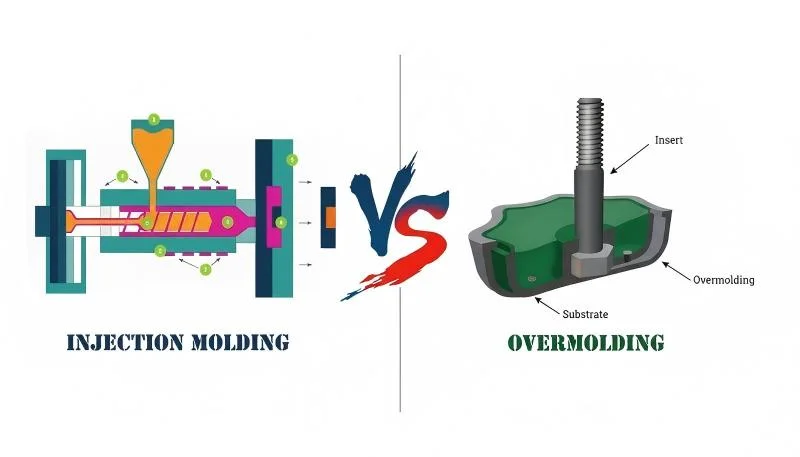
Grafico costo per componente rispetto al volume di produzione
Lo stampaggio con inserti è un processo a singolo colpo che incapsula un componente preformato—tipicamente metallico—dentro plastica fusa durante un singolo ciclo di iniezione. L’inserito è caricato nell’utensile prima di ogni colpo, e la plastica si forma intorno per creare un legame permanente.
Lo stampaggio con inserti è un processo di stampaggio a iniezione a colpo singolo: un componente preformato, tipicamente un inserto filettato metallico, un contatto elettrico o un rinforzo, viene collocato nella cavità prima di iniettargli attorno la plastica. Il polimero fuso lo avvolge e, raffreddandosi, crea un legame permanente. Ne risulta una parte integrata senza assemblaggio secondario. Per confrontare fornitori o pianificare gli acquisti, la nostra guida alla selezione dei fornitori di stampaggio a iniezione tratta RFQ, qualificazione e rischi commerciali.
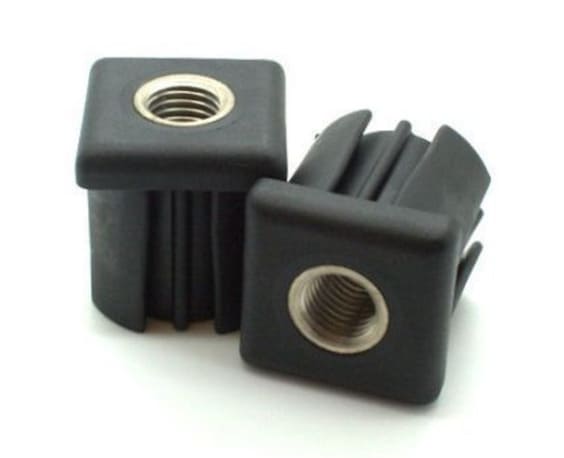
Gli inserti sono generalmente realizzati in ottone, acciaio o acciaio inossidabile e presentano quasi sempre superfici esterne zigrinate, scanalate o filettate per migliorare l’ancoraggio meccanico con la plastica. Nella produzione a basso volume, gli operatori caricano manualmente gli inserti nello stampo. Per le produzioni ad alto volume, bracci robotici, alimentatori a tazza vibrante o sistemi pick-and-place automatizzano il processo. La maggior parte delle macchine dedicate allo stampaggio con inserti utilizza una configurazione di chiusura verticale: la gravità mantiene naturalmente l’inserto in posizione quando lo stampo si apre e si chiude, riducendo drasticamente il rischio di spostamento durante la movimentazione.
I parametri critici del processo includono la temperatura di fusione, la velocità di iniezione e la pressione di mantenimento. La temperatura di fusione varia per materiale—il PA66 lavora circa a 280–300 °C, mentre il PBT è più vicino a 240–260 °C. La velocità di iniezione deve essere sufficientemente rapida per fluire intorno all’inserito prima che l’ingresso si solidifica, ma non così rapida da spostare l’inserito.
La preparazione superficiale dell’inserto è altrettanto importante. Una zigrinatura ben progettata, fori trasversali o scanalature elicoidali sull’inserto creano un interblocco meccanico. Per massimizzare la forza di adesione, alcune applicazioni combinano geometrie meccaniche e primer adesivi.
Che cos’è il sovrastampaggio e come funziona?
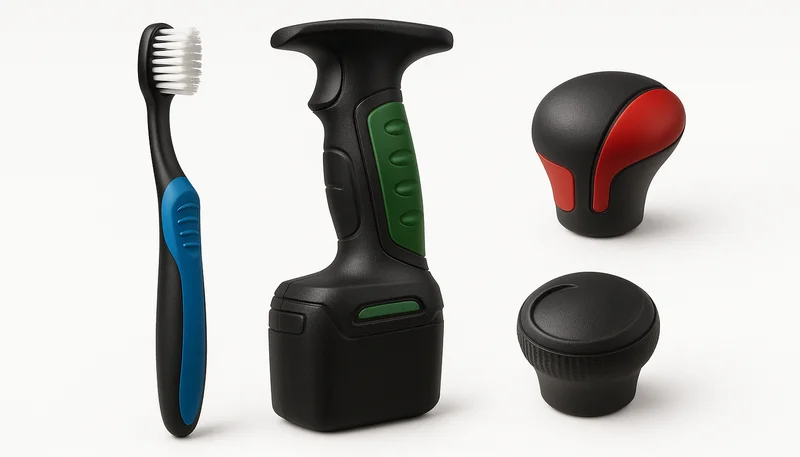
Il sovrastampaggio è un processo a due colpi che stampa un secondo materiale—tipicamente un elastomero morbido—su un substrato plastico rigido. Il risultato è un componente singolo con due zone di materiale distinte unite insieme. La situazione più comune è un corpo plastico rigido con una zona grip simile alla gomma.
Sono coinvolti due meccanismi di adesione distinti, la cui differenza è essenziale per una produzione affidabile. Il legame chimico avviene quando substrato e materiale sovrastampato hanno strutture molecolari compatibili: durante l’iniezione il secondo fonde parzialmente e si unisce alla superficie a livello molecolare. È il legame più forte, ma dipende dai materiali. L’interblocco meccanico sfrutta sottosquadri, scanalature, cave a T o fori passanti nel substrato, nei quali il materiale fluisce e si blocca raffreddandosi.
In pratica, le parti sovrastampate migliori e più affidabili usano entrambi i meccanismi. Si progettano elementi di interblocco meccanico come sicurezza e si scelgono materiali compatibili affinché il legame chimico fornisca l’adesione primaria. Se quest’ultimo cede, per contaminazione superficiale o variazioni di processo, gli elementi meccanici mantengono integra la parte.
Il sovrastampaggio può avvenire su una sola macchina con stampo rotante, nel cosiddetto stampaggio a due componenti3, oppure su due macchine trasferendo manualmente o con robot il substrato. Il processo rotante è più rapido, uniforme e ripetibile perché il substrato resta nell’ambiente controllato. Il trasferimento tra macchine è più flessibile ed economico per lo stampo, ma aggiunge variabilità e manodopera. Materiali comuni sono TPU resistente e flessibile, SEBS morbido al tatto e TPV per tenute automobilistiche nel vano motore.
Qual è la differenza tra stampaggio con inserti e sovrastampaggio?
Lo stampaggio con inserti e il sovrastampaggio sono fondamentalmente diversi nel numero di cicli, nella complessità degli utensili e nel tipo di legame tra i materiali. Lo stampaggio con inserti è un processo a singolo colpo; il sovrastampaggio richiede due colpi. La tabella seguente analizza le differenze nei fattori più importanti nella produzione.
| Criteri | Stampaggio a inserti | Sovrastampaggio |
|---|---|---|
| Numero di cicli | Iniezione singola | Due o più iniezioni |
| Tipico inserto/substrato | Metallo (ottone, acciaio, inox) o componente preformato | Substrato rigido in plastica stampato in precedenza |
| Materiale di sovrastampaggio | Resina termoplastica (PA, PBT, PC ecc.) | TPE morbido, TPU, SEBS o seconda plastica rigida |
| Meccanismo di adesione principale | Interblocco meccanico (zigrinatura, filettature, sottosquadri, accoppiamento con interferenza) | Legame chimico + incastro meccanico |
| Complessità dello stampo | Cavità singola con stazione di caricamento degli inserti | Due cavità (oppure stampo rotante per il bi-iniezione) |
| Tempo ciclo tipico | Più breve (una sola iniezione + raffreddamento) | Più lungo (due iniezioni + trasferimento + raffreddamento) |
| Costo dell’attrezzatura | Inferiore (una cavità) | N/A (secondo materiale stampato in loco) |
| Applicazioni tipiche | Elementi di fissaggio filettati, connettori elettrici, aghi medicali | Utensili con impugnatura morbida, guarnizioni, prodotti di consumo multicolore |
| Idoneità al volume | Da basso ad alto (caricamento manuale o automatizzato degli inserti) | Da medio ad alto (automazione preferibile) |
La natura mono-iniezione dello stampaggio con inserti riduce intrinsecamente il ciclo: nessun trasferimento del substrato, seconda iniezione o ulteriore raffreddamento. Il caricamento degli inserti può però annullare il vantaggio, soprattutto manualmente a bassi volumi. Un operatore esperto impiega 5–10 secondi, un robot 1–3 secondi per ciclo. Il processo a due iniezioni del sovrastampaggio allunga il ciclo, ma il pezzo multimateriale senza giunzioni spesso elimina assemblaggi successivi quali guarnizioni, incollaggio e agganci a scatto, che lo stampaggio con inserti non può sostituire.
Un equivoco comune è che lo stampaggio con inserti possa utilizzare solo inserti metallici. In realtà, è possibile inglobare mediante stampaggio componenti in plastica, elementi in ceramica, assiemi PCB, lenti in vetro e persino inserti in tessuto o film. Il vincolo principale è che l’inserto deve resistere alla temperatura e alla pressione di iniezione del materiale di incapsulamento. Analogamente, il sovrastampaggio non si limita alle combinazioni morbido-su-rigido: è possibile sovrastampare una seconda plastica rigida per ottenere un rinforzo strutturale o un’estetica multicolore.
Quando scegliere lo stampaggio con inserti?
Lo stampaggio con inserti è la scelta corretta quando il pezzo deve integrare un componente preformato, soprattutto metallico, direttamente in un corpo di plastica. Se si progetta l’alloggiamento di un connettore con inserti filettati in ottone che devono resistere a ripetuti cicli di montaggio e smontaggio, lo stampaggio con inserti offre un risultato più robusto e uniforme rispetto a qualsiasi metodo di installazione successivo allo stampaggio.
Componenti elettrici ed elettronici
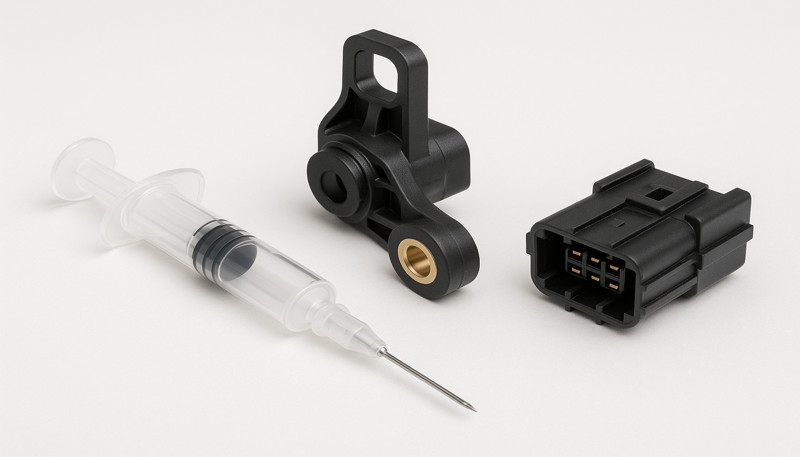
Alloggiamenti per connettori, corpi sensore, involucri PCB e gruppi antenna utilizzano spesso lo stampaggio con inserti per incorporare pin metallici, terminali o schermature EMI direttamente nell’alloggiamento in plastica. Il processo crea una tenuta ermetica attorno a ciascun contatto, essenziale per gli involucri con grado IP utilizzati in ambienti esterni e industriali. Nella nostra esperienza produttiva, i connettori stampati con inserti superano regolarmente le prove IP67 e IP68, mentre i pezzi con contatti installati successivamente spesso presentano perdite nell’interfaccia pin-plastica durante i cicli di pressione.
Dispositivi medici
Gli strumenti chirurgici, i dispositivi per la somministrazione di farmaci, i raccordi per cateteri e le apparecchiature diagnostiche spesso combinano aghi, lumi o elettrodi in acciaio inossidabile con corpi in plastica. Lo stampaggio a inserti garantisce la sterilità, la precisione e la compatibilità dei materiali richieste da queste applicazioni. Plastiche biocompatibili come PEEK, PC per uso medicale e PPSU aderiscono bene alle superfici metalliche adeguatamente preparate, mentre il processo in un’unica iniezione riduce al minimo il rischio di contaminazione rispetto all’assemblaggio in più fasi.
Elementi di fissaggio e componenti strutturali automobilistici
Inserti filettati in ottone stampati in staffe plastiche sono presenti in tutto il veicolo, dai supporti del cruscotto e clip dei rivestimenti alle staffe per cavi nel vano motore e agli alloggiamenti dei sensori. Offrono filetti durevoli per centinaia di cicli, mentre la progettazione dello stampo a iniezione consente geometrie troppo costose in metallo. Sostituire le staffe metalliche con ibridi plastica-metallo riduce significativamente il peso dei veicoli.
"Il sovrastampaggio richiede in genere uno stampo più costoso dello stampaggio con inserti perché necessita di due cavità o di uno stampo rotante."True
Gli stampi per sovrastampaggio costano $15,000–$40,000+, rispetto a $8,000–$20,000 per lo stampaggio con inserti, principalmente perché il sovrastampaggio richiede due cavità separate (per lo stampaggio a trasferimento) oppure uno stampo rotante con due stazioni (per lo stampaggio a doppia iniezione). La maggiore complessità necessaria per allineare con precisione due cavità e gestire il meccanismo di trasferimento del substrato determina il sovrapprezzo.
"Lo stampaggio con inserti richiede almeno due iniezioni per completare un pezzo."False
Lo stampaggio a inserti è un processo a iniezione singola. L'inserto metallico viene posizionato nella cavità dello stampo prima dell'inizio dell'unico ciclo di iniezione. Il sovrastampaggio, al contrario, richiede due o più iniezioni per completare il pezzo.
Quando scegliere il sovrastampaggio?
Il sovrastampaggio è la scelta giusta quando hai bisogno di due materiali con proprietà diverse in un componente senza giunture. Morbido su rigido, flessibile su solido—se l’ergonomia, la tenuta o l’estetica sono importanti, il sovrastampaggio è vincente.
Prodotti di consumo e progettazione ergonomica
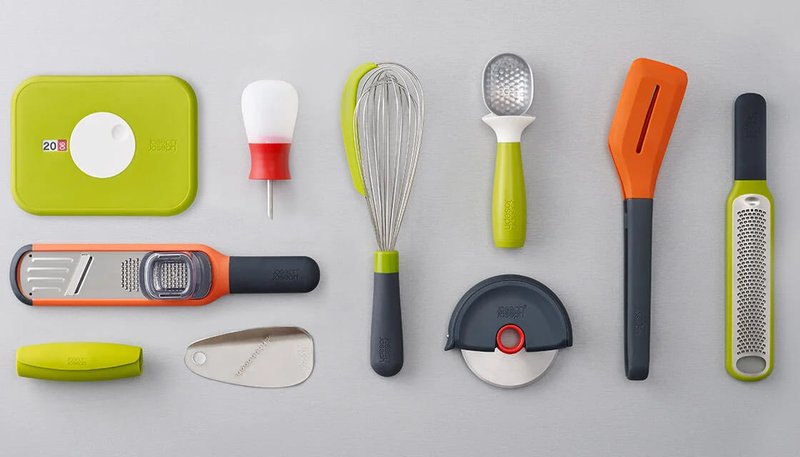
Spazzolini, impugnature di elettroutensili, utensili da cucina, controller e dispositivi per la cura personale usano il sovrastampaggio per aggiungere superfici morbide a nuclei rigidi. Lo strato TPE o TPU offre presa, smorzamento vibrazioni, assorbimento urti e tatto premium, impossibili con un solo materiale rigido. Il contrasto tra plastica lucida e superficie morbida opaca crea un’identità visiva multmateriale immediatamente riconoscibile.
Tenuta e protezione ambientale
Quando un pezzo deve essere impermeabile o resistente alla polvere, sovrastampare un materiale morbido per guarnizioni (come un TPE alternativo al silicone) direttamente su un alloggiamento rigido crea una tenuta monolitica: nessun O-ring separato da installare, nessuna gola da lavorare, nessuna fase di assemblaggio e nessun percorso di perdita. È una pratica standard per elettronica da esterno, apparecchiature marine, sensori industriali e connettori automobilistici. La tenuta incollata è intrinsecamente più affidabile di un O-ring montato a pressione, perché non vi sono gole da disallineare durante l’assemblaggio né degrado da deformazione permanente per compressione durante la vita del prodotto.
Estetica multicolore e multimateriale
Il sovrastampaggio a due iniezioni consente di stampare plastiche di colori diversi in un unico ciclo macchina, creando separazioni cromatiche nette e pulite senza alcuna verniciatura, tampografia o etichettatura secondaria. Il colore è parte integrante del pezzo: non si graffia, non sbiadisce e non si sfoglia. Questa tecnica è ampiamente utilizzata per i loghi di marca sull’elettronica di consumo, i pannelli dei pulsanti degli elettrodomestici e i componenti di dispositivi medici codificati per colore, nei quali la permanenza del colore è un requisito normativo.
"Il sovrastampaggio elimina completamente la necessità di un assemblaggio secondario nei componenti multimateriale."True
Il sovrastampaggio produce un componente multimateriale finito direttamente nel processo di stampaggio. Guarnizioni, superfici a presa morbida, tenute e caratteristiche multicolore vengono tutte formate durante lo stampaggio, eliminando fasi di assemblaggio separate come l'installazione di O-ring, l'incollaggio o la verniciatura.
"Gli inserti filettati in ottone possono essere installati nei componenti plastici solo mediante inserimento a ultrasuoni dopo lo stampaggio."False
Gli inserti in ottone possono essere installati con diversi metodi: stampaggio con inserto, caricandoli prima dell'iniezione; inserimento a ultrasuoni, premendoli in fori prestampati mediante vibrazioni; inserimento termico, riscaldandoli e premendoli; oppure installazione autofilettante. Lo stampaggio con inserti offre i risultati più resistenti e costanti perché la plastica si ritira direttamente attorno alle caratteristiche dell'inserto.
Come si confrontano i costi dello stampaggio con inserti e del sovrastampaggio?
Lo stampaggio con inserti costa meno perché usa una monocavità e caricamento semplice. Il sovrastampaggio richiede due stazioni con trasferimento o stampo rotativo a due cavità, raddoppiando o triplicando l’investimento.
Sul costo unitario, gli aspetti economici sono più complessi. Lo stampaggio con inserti ha costi di materiale inferiori e cicli più brevi, ma il costo degli inserti si accumula: gli inserti filettati in ottone costano generalmente $0,02–$0,15 ciascuno. Il sovrastampaggio usa più materiale e cicli più lunghi, ma può eliminare completamente la manodopera di assemblaggio successiva per tenute, guarnizioni, incollaggio e agganci a scatto.
Nelle produzioni ad alto volume (oltre 50.000 unità), il risparmio di manodopera ottenuto con il sovrastampaggio compensa spesso il maggiore costo dell’attrezzatura entro il primo o il secondo lotto produttivo. Per volumi inferiori o applicazioni in cui l’integrazione del metallo è il requisito principale, lo stampaggio con inserti offre il costo totale di proprietà più vantaggioso.
| Fattore di costo | Stampaggio a inserti | Sovrastampaggio |
|---|---|---|
| Investimento nell'attrezzaggio | 8.000–20.000 USD (cavità singola) | 15.000–40.000+ $ (due cavità o rotativo) |
| Costo del materiale per pezzo | Inferiore (una resina + inserto metallico) | Più elevato (due materiali in resina) |
| Tempo ciclo tipico | 15–40 secondi per stampata | 30–80 secondi totali (due iniezioni) |
| Costo dell'inserto/componente | 0,02–0,15 $ per inserto | N/D (secondo materiale stampato in posizione) |
| TPU o TPE | Elimina l'installazione degli elementi di fissaggio | Elimina le fasi di sigillatura, guarnizione e incollaggio |
| Volume di pareggio | Conveniente a partire da circa 1.000 unità | Miglior ROI oltre 10.000 unità |
In sintesi: se il progetto richiede principalmente un componente metallico incorporato nella plastica, lo stampaggio con inserti è quasi sempre la scelta più economica a qualsiasi volume. Se servono superfici soft-touch, guarnizioni integrate o finiture multicolore, il maggiore costo degli stampi per sovrastampaggio si ripaga eliminando operazioni secondarie e migliorando l’affidabilità del prodotto.
Quali sono le principali considerazioni progettuali per ciascun processo?
Linee guida per la progettazione dello stampaggio con inserti
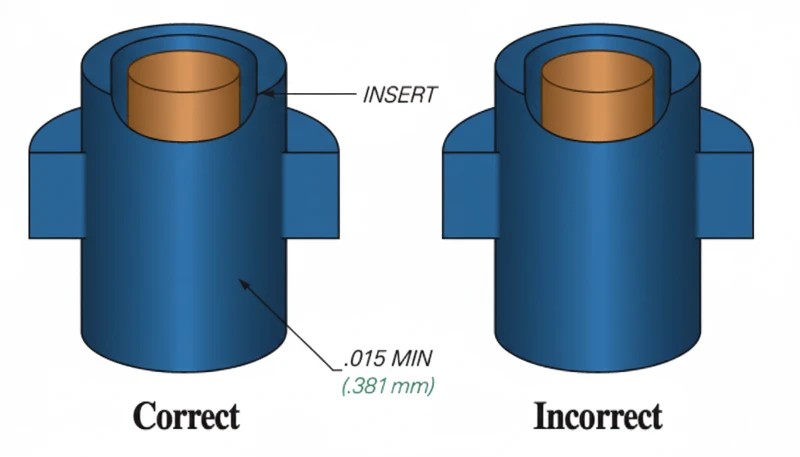
Le considerazioni di design sono fondamentalmente diverse tra lo stampaggio con inserti e il sovrastampaggio. Per lo stampaggio con inserti, la parete intorno all’inserito dovrebbe essere almeno 0,5× il diametro dell’inserito (e idealmente 1×) per prevenire segni di affondamento sulla superficie opposta e garantire un flusso di materiale adeguato per l’incapsulamento completo.
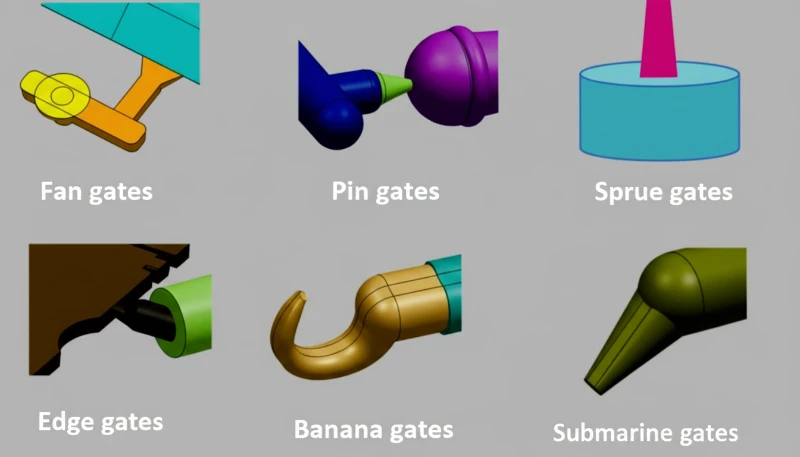
Progettare sempre lo stampo sostenendo l’inserto su almeno due lati, così da impedirne flessione o rotazione durante l’iniezione. Il punto di iniezione va disposto affinché il flusso avvolga l’inserto in modo bilanciato dai due lati, anziché colpirlo frontalmente. Un fronte sbilanciato può spostarlo di 0.2–0.5 mm, valore inaccettabile per applicazioni a tolleranza stretta come i connettori elettrici.
Linee guida per la progettazione del sovrastampaggio
La forza del legame chimico dipende interamente dalla compatibilità dei materiali: consultate sempre la tabella di adesione per sovrastampaggio del fornitore del materiale prima di finalizzare la scelta. Tra le combinazioni collaudate vi sono ABS + TPE, PP + SEBS e PC + TPU. Quando il legame chimico non è possibile (coppie di materiali incompatibili), occorre affidarsi interamente all’incastro meccanico, progettando nel substrato sottosquadri, scanalature a T o fori passanti nei quali il materiale di sovrastampaggio possa fluire e bloccarsi posteriormente.
Lo spessore dello strato sovrastampato varia normalmente da 1,0 a 3,0 mm. Gli strati più sottili, sotto 1,0 mm, possono non raggiungere un’adeguata resistenza di adesione ed essere difficili da riempire con costanza. Quelli più spessi, sopra 3,0 mm, aumentano notevolmente il tempo di ciclo per le esigenze di raffreddamento e possono deformare il substrato. Evitate transizioni brusche tra substrato e sovrastampato: utilizzate bordi raccordati, con raggio minimo di 0,5 mm, per prevenire concentrazioni di tensione che potrebbero causare delaminazione sotto carico o durante i cicli termici.
Gli angoli di sformo della cavità di sovrastampaggio devono tenere conto della flessibilità del materiale morbido: 1–2° sono generalmente sufficienti per sovrastampaggi in TPE, rispetto agli 0.5–1° spesso usati per plastiche rigide. Il substrato deve essere progettato fin dall’inizio in funzione del sovrastampaggio. Aggiungere successivamente caratteristiche di sovrastampaggio a un substrato esistente è una causa frequente di problemi di adesione.
"Uno spessore della parete sovrastampata inferiore a 1.0 mm può ridurre l'adesione e causare problemi di riempimento."True
Gli strati sottili di sovrastampaggio (inferiori a 1,0 mm) presentano due problemi: il materiale potrebbe non raggiungere una fluidità sufficiente a riempire la cavità in modo uniforme e la minore area di contatto limita la superficie disponibile per l'adesione chimica. Lo spessore minimo consigliato è 1,0 mm, mentre 1,5–2,5 mm rappresenta l'intervallo ottimale per la maggior parte dei sovrastampaggi in TPE e TPU.
"Gli inserti cilindrici lisci garantiscono una resistenza alla ritenzione adeguata per la maggior parte delle applicazioni di sovrastampaggio di inserti."False
Gli inserti lisci si affidano esclusivamente all'accoppiamento per ritiro, che varia in base alle condizioni di lavorazione. Gli inserti zigrinati o scanalati offrono una resistenza all'estrazione 3–5 volte superiore perché la plastica si incastra meccanicamente nelle caratteristiche superficiali. Per qualsiasi applicazione portante, la preparazione della superficie dell'inserto è essenziale.
Quali materiali sono più adatti a ciascun processo?
La scelta del materiale è critica per entrambi i processi, ma le valutazioni sono sostanzialmente diverse. Nello stampaggio con inserti conta soprattutto la capacità della plastica inglobante di fluire attorno all’inserto e afferrarlo meccanicamente durante raffreddamento e ritiro. Nel sovrastampaggio, il punto centrale è l’adesione, chimica e meccanica, tra substrato e materiale sovrastampato.
| Processo | Substrato/Inserto | Materiale di stampaggio | Considerazione chiave |
|---|---|---|---|
| Stampaggio degli inserti | Inserto filettato in ottone | PA6, PA66, PBT | L'elevato ritiro crea un forte bloccaggio meccanico |
| Stampaggio degli inserti | Ago in acciaio inossidabile | PC medicale, PEEK | Biocompatibilità, resistenza in autoclave |
| Stampaggio degli inserti | Terminale/perno in rame | PBT, PPS, LCP | Isolamento elettrico, stabilità dimensionale |
| Stampaggio degli inserti | Dissipatore di calore in alluminio | PBT, PA66 + GF | Gestione termica, rinforzo strutturale |
| Sovrastampaggio | Substrato in ABS | TPE (durezza Shore A 50–80) | Forte adesione chimica, prodotti di consumo |
| Sovrastampaggio | Substrato in PP | SEBS, TPV | Guarnizioni automobilistiche, rivestimento soft-touch su poliolefina |
| Sovrastampaggio | Substrato in PC | TPU | Resistenza all’usura, possibilità di trasparenza ottica |
| Sovrastampaggio | Substrato in PA66 | TPE-S o TPE-O | Applicazioni automobilistiche sotto cofano, resistenza chimica |
| Sovrastampaggio | Substrato in POM | TPU o TPE | Applicazioni di Stampaggio a Inserimento nella Produzione in Fabbrica |
Nello stampaggio con inserti, materiali semicristallini come PA66 e PBT sono diffusi perché il loro maggiore ritiro, pari all’1,2–2,0%, crea attorno all’inserto forze di calettamento più elevate rispetto a materiali amorfi come il PC, con lo 0,5–0,7%. Tuttavia, i materiali amorfi offrono una migliore stabilità dimensionale e tolleranze più strette: la scelta dipende quindi dal fatto che per l’applicazione specifica sia prioritaria la resistenza all’estrazione o la precisione di posizionamento.
Per il sovrastampaggio, verificate sempre la compatibilità chimica mediante prove fisiche. La prova della resistenza di adesione del sovrastampaggio secondo ASTM D903 è lo standard di settore per quantificare l’adesione tra il substrato e gli strati sovrastampati. Le schede tecniche dei fornitori dei materiali riportano valori di adesione, ma la resistenza effettiva del legame dipende dalle specifiche condizioni di lavorazione, tra cui temperatura del fuso, velocità di iniezione, condizioni della superficie del substrato e velocità di raffreddamento.
Cosa abbiamo imparato in oltre 20 anni di esperienza produttiva?
Gestire quotidianamente insert molding e sovrastampaggio a Shanghai su 47 presse (90T–1850T, incluse 3 bicomponente) ci ha insegnato lezioni assenti dai manuali:
La precisione di posizionamento dell’inserto è il fattore qualitativo n. 1. Uno spostamento di soli 0.2 mm può compromettere connettori elettrici a tolleranza stretta. Per grandi volumi usiamo caricamento robotizzato con verifica visiva. Nelle presse verticali la gravità aiuta, ma sensori nello stampo confermano la posizione prima di ogni ciclo. Eliminando gli scarti da inserti fuori posizione, il sistema si è ripagato in tre mesi.
Le prove di adesione del sovrastampaggio devono iniziare durante il campionamento, non nell’avviamento produttivo. Troppi progetti scoprono difetti di adesione durante il PPAP o l’ispezione del primo articolo perché i materiali non sono stati provati nelle condizioni reali. La nostra procedura richiede dati sulla resistenza del legame sui primi campioni prima di procedere. Con 8 ingegneri senior, ciascuno con oltre 10 anni di esperienza, e più di 120 addetti, abbiamo la capacità necessaria.
Il vero margine risiede nell’ottimizzazione del tempo ciclo. Nello stampaggio con inserti, automatizzare il caricamento con alimentatori vibranti e robot pick-and-place spesso riduce più tempo che ottimizzare l’iniezione. Nel sovrastampaggio, le leve principali sono ridurre il trasferimento del substrato e ottimizzare il raffreddamento simultaneo dei materiali. Il nostro team concentra qui gli interventi perché offrono il ROI più elevato.
Siamo certificati ISO 9001, ISO 13485, ISO 14001 e ISO 45001 e adottiamo un processo di controllo qualità in 6 fasi che comprende ispezione in accettazione, campionamento durante la produzione, controllo del processo, ispezione dell’imballaggio, ispezione finale e controllo in uscita. Che il progetto richieda lo stampaggio con inserti per componenti di grado medicale o il sovrastampaggio per migliorare l’ergonomia di un prodotto di consumo, il nostro reparto interno di costruzione stampi e i 100+ stampi consegnati ogni mese ci garantiscono capacità e precisione adeguate.
Quali sono le domande più frequenti sulla stampaggio con inserti e lo sovrastampaggio?
Domande frequenti
Qual è la differenza principale tra lo stampaggio con inserti e il sovrastampaggio?
Lo stampaggio con inserti è un processo a singola iniezione nel quale un inserto preformato (solitamente metallico) viene collocato nella cavità dello stampo prima che la plastica sia iniettata attorno ad esso, creando un legame meccanico permanente tramite accoppiamento per ritiro e caratteristiche superficiali. Il sovrastampaggio è un processo a due iniezioni nel quale un secondo materiale viene stampato sopra un substrato plastico precedentemente stampato, legandosi sia per adesione chimica sia per incastro meccanico. Le differenze fondamentali riguardano il numero di cicli di iniezione richiesti, i tipi di materiali combinati e i meccanismi di adesione coinvolti.
Lo stampaggio con inserti è più economico del sovrastampaggio?
Le attrezzature per lo stampaggio con inserti sono generalmente meno costose perché richiedono soltanto uno stampo a cavità singola con un meccanismo di caricamento degli inserti, mentre il sovrastampaggio richiede due cavità separate o uno stampo rotativo, che può raddoppiare o triplicare l’investimento iniziale. I costi per pezzo sono più articolati: lo stampaggio con inserti presenta costi dei materiali inferiori e tempi ciclo più brevi, ma gli inserti metallici aggiungono $0.02–$0.15 per pezzo. Il sovrastampaggio costa di più per ciclo, ma può eliminare le operazioni di assemblaggio a valle. Per volumi superiori a 10,000 unità, il sovrastampaggio diventa spesso l’opzione più economica in termini di costo totale.
È possibile sovrastampare su un substrato metallico?
È possibile stampare plastica sopra un componente metallico, ma l’industria classifica questo processo come stampaggio con inserti, non come sovrastampaggio. Il sovrastampaggio indica specificamente lo stampaggio di un secondo materiale plastico sopra un primo substrato plastico. Quando il componente preposizionato è metallico, la terminologia standard è stampaggio con inserti, indipendentemente dal polimero iniettato intorno. La distinzione è importante perché parametri di processo, progettazione dello stampo e meccanismi di adesione differiscono significativamente, e la terminologia corretta garantisce una comunicazione chiara con il costruttore dello stampo e il team di produzione.
Quali materiali vengono comunemente usati per il sovrastampaggio?
I materiali più usati nel sovrastampaggio includono TPE per applicazioni generiche soft-touch, TPU per resistenza all’usura e flessibilità, SEBS per prodotti automobilistici e di consumo resistenti agli agenti chimici, TPV per tenute nel vano motore e TPR per superfici di presa. La scelta dipende soprattutto dalla compatibilità chimica con il substrato, dalla durezza Shore A richiesta, dalle condizioni ambientali di temperatura ed esposizione chimica e da requisiti normativi come FDA o USP Classe VI per applicazioni medicali.
Quanto è resistente l’adesione nel sovrastampaggio?
La forza di adesione varia sensibilmente in base alla combinazione dei materiali, alla preparazione della superficie e al progetto del pezzo. I sovrastampaggi con legame chimico e coppie compatibili come ABS e TPE raggiungono tipicamente resistenze alla pelatura di 15–30 N/mm nelle prove secondo ASTM D903. Gli incastri meccanici mediante sottosquadri, cave a T e fori passanti offrono ulteriore ritenzione indipendente dalle condizioni del legame chimico. I sovrastampaggi produttivi più affidabili combinano legame chimico e meccanico per garantire prestazioni costanti al variare del processo e per l’intera vita utile del prodotto in condizioni operative reali.
Quali settori utilizzano maggiormente lo stampaggio con inserti?
I maggiori utilizzatori della tecnologia di stampaggio con inserti sono l’industria elettronica (alloggiamenti di connettori con pin metallici incorporati, corpi sensore con terminali sigillati, gruppi antenna a livello di PCB), i produttori di dispositivi medici (strumenti chirurgici con componenti in acciaio inossidabile, sistemi di somministrazione di farmaci con mozzi per aghi, apparecchiature diagnostiche con elettrodi incorporati), il settore automobilistico (elementi di fissaggio per finiture interne, staffe di montaggio del cruscotto, clip per cavi nel vano motore con inserti filettati in ottone) e i produttori di elettrodomestici (involucri con punti di montaggio integrati e distanziali filettati). Qualsiasi settore che richieda elementi metallici durevoli integrati in modo permanente nei componenti in plastica utilizza lo stampaggio con inserti come processo produttivo primario.
Lo stampaggio con inserti e il sovrastampaggio possono essere combinati in un unico pezzo?
Sì, i processi ibridi che combinano stampaggio con inserti e sovrastampaggio sono comuni negli assemblaggi multimateriale complessi. Un esempio tipico è un connettore elettronico in cui i contatti metallici vengono dapprima inglobati mediante stampaggio in un alloggiamento di plastica rigida, quindi l’intero sottoassieme viene sovrastampato con una guarnizione TPE morbida per la protezione ambientale IP67. Questo approccio a tre materiali e più processi è efficace, ma richiede un’attenta sequenza di processo, investimenti in attrezzature notevolmente superiori e un rigoroso controllo qualità in ogni fase produttiva per garantire precisione dimensionale e integrità dell’adesione durante l’intero ciclo di produzione.
Quale tolleranza dimensionale possono raggiungere i pezzi stampati con inserti?
I pezzi con inserti sovrastampati raggiungono generalmente tolleranze da ±0.05 a ±0.15 mm sulle dimensioni critiche, in conformità alle linee guida ISO 20457:2018 per i componenti stampati a iniezione. Gli inserti metallici stessi vengono lavorati con tolleranze molto più strette (±0.01–0.02 mm) e la sfida principale consiste nel mantenerne la precisione di posizionamento durante il processo di iniezione ad alta pressione. I fattori che incidono sulla tolleranza finale comprendono il tasso di ritiro del materiale plastico, la precisione di posizionamento dell’inserto, la posizione del punto di iniezione e il profilo di flusso, l’uniformità del raffreddamento nel pezzo e la rigidità della struttura di supporto dell’inserto nella cavità dello stampo durante il ciclo di iniezione.
stampaggio con inserti: processo di stampaggio a iniezione a colpo singolo nel quale un componente preformato, solitamente metallico, viene collocato nella cavità prima che la plastica gli sia iniettata attorno, creando un legame meccanico permanente per accoppiamento a interferenza e interblocco superficiale. ↩
sovrastampaggio: processo a due componenti nel quale un secondo materiale viene stampato su un substrato già stampato. Tra coppie compatibili (ABS/TPE), la resistenza del legame raggiunge tipicamente 15–30 N/mm alla pelatura secondo ASTM D903. ↩
stampaggio a due componenti: impiega uno stampo rotante per iniettare materiali diversi in sequenza durante un unico ciclo macchina, migliorando l'uniformità e riducendo la movimentazione tra le iniezioni. ↩