¿Qué es exactamente un presupuesto de molde de inyección y qué incluye?
- Las cotizaciones de moldes cubren los costes únicos de utillaje, separados del precio por pieza
- La complejidad de la pieza, el grado del acero y el número de cavidades son los tres principales factores de coste
- Una solicitud de cotización completa con archivos 3D recibe presupuestos entre un 10 y un 20% más bajos que las solicitudes imprecisas
- Compare siempre los presupuestos con las mismas especificaciones: acero, vida útil, pruebas y garantía
- El análisis DFM previo a la cotización puede reducir el coste del utillaje entre un 15–30%
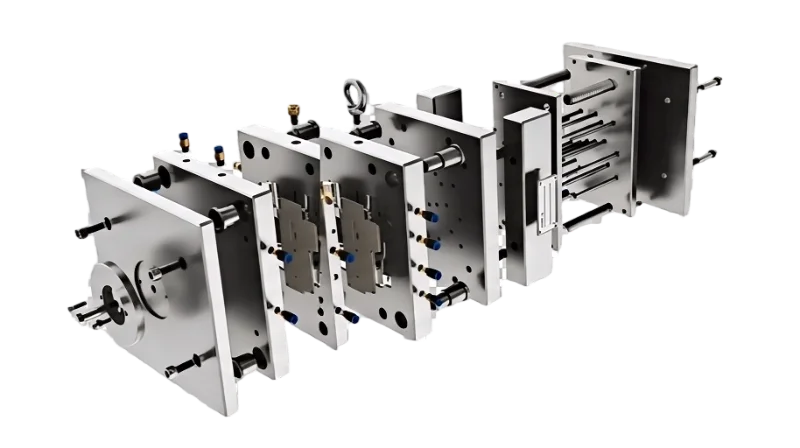
Un presupuesto de molde de inyección1 es una estimación detallada del coste de diseñar y fabricar un molde personalizado. Normalmente incluye diseño del molde, acero y materiales, mecanizado CNC, EDM, pulido, montaje, pruebas y transporte. En ZetarMold ofrecemos partidas detalladas para que el cliente sepa exactamente adónde va su dinero.
Para obtener una perspectiva más amplia, nuestra guía completa del moldeo por inyección aborda los fundamentos del proceso, el comportamiento de los materiales y las decisiones de producción.
Muchos compradores confunden el presupuesto del molde con el precio de la pieza. El primero es una inversión única en utillaje, mientras que el segundo cubre los costes de producción por pieza, como la resina, el tiempo de ciclo y la mano de obra. Comprender esta diferencia es el primer paso para evaluar cualquier presupuesto recibido.
Un documento de oferta profesional de un fabricante de moldes reputado debe incluir los siguientes elementos:
| Partida de la cotización | Qué cubre | Participación típica en el coste |
|---|---|---|
| Diseño de moldes | Modelado 3D, análisis DFM, simulación del flujo del molde | 5–10% |
| Base del molde y acero | Materia prima para núcleo, cavidad y correderas | 20–30% |
| Mecanizado CNC | Desbaste y acabado de componentes del molde | 25–35% |
| EDM y corte por hilo | Geometrías complejas, detalles finos | 10–15% |
| Acabado de superficies | Pulido, texturizado, recubrimiento | 5–10% |
| Montaje y prueba | Ajuste, serie de muestras T1 y modificaciones | 10–15% |
| Envío & embalaje | Embalaje para exportación, logística | 2–5% |
¿Qué factores determinan el coste de una cotización de molde de inyección?
Los principales factores de coste son el tamaño de la pieza, la complejidad geométrica, el grado del acero del molde, el número de cavidades y las tolerancias requeridas. Un molde sencillo de una cavidad en acero P20 para una pieza pequeña podría costar $3,000–$8,000, mientras que un molde multicavidad en acero H13 templado con canales calientes puede superar los $80,000. Hemos comprobado que el número de cavidades por sí solo puede duplicar o triplicar el coste del utillaje.
La complejidad de la pieza suele ser el principal factor. Los destalonados, paredes delgadas, tolerancias estrictas y superficies texturizadas requieren mecanizado adicional, correderas, elevadores o insertos especiales. Cada elemento añade tiempo de ingeniería y coste de material.
La elección del acero del molde es crucial. Para prototipos de menos de 10,000 inyecciones, aluminio o acero P20 preendurecido mantienen bajo el coste. Para moldes de producción de 500,000+ ciclos se necesita S136 o H13 endurecido, pero cuesta entre 2 y 4 veces más.

Los requisitos de acabado superficial también elevan rápidamente el coste. Un pulido espejo SPI A-1 cuesta considerablemente más que una textura arenada SPI D-2. Según nuestra experiencia, especificar únicamente el acabado que realmente necesita permite ahorrar entre un 5 y un 15 % del presupuesto total.
"«Evaluar el coste total de propiedad —incluidos la vida útil del molde, el tiempo de ciclo y la tasa de desperdicio— permite conocer el verdadero valor de una cotización»."True
Un molde ligeramente más caro que funcione con ciclos más rápidos, produzca menos rechazos y dure más ofrecerá una mejor rentabilidad por pieza durante toda la vida útil de producción.
"“El presupuesto de molde de inyección más barato siempre ofrece el mejor valor.”"False
Un presupuesto bajo puede escatimar en la calidad del acero, el diseño de refrigeración o las pruebas, lo que provoca piezas defectuosas, una vida útil corta del molde y costosas reelaboraciones que superan con creces el ahorro inicial.
¿Cómo influye el diseño de la pieza en la cotización del molde de inyección?
El diseño de la pieza es el factor más controlable en su cotización del molde. Un diseño bien optimizado con espesor de pared uniforme, ángulos de desmoldeo adecuados y mínimos undercuts puede reducir el coste del tooling entre 15–30% comparado con un diseño no optimizado. En ZetarMold, realizamos un análisis DFM gratuito antes de cotizar para identificar oportunidades de reducción de costes.
Entre los problemas de diseño habituales que inflan los presupuestos se incluyen:
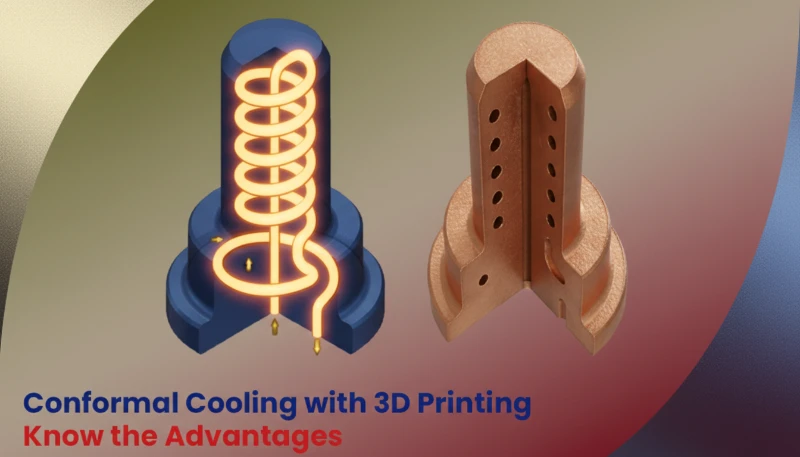
Espesor de pared no uniforme — requiere un mayor tiempo de enfriamiento y aumenta el riesgo de rechupes; en ocasiones exige canales de refrigeración conformados que incrementan el coste de mecanizado.
Contrasalidas — cada contrasalida puede requerir una corredera lateral o un mecanismo elevador, lo que añade entre $500 y $3,000 por elemento.
Tolerancias estrictas — las tolerancias inferiores a ±0.05 mm exigen acero de mayor calidad, un mecanizado más preciso y más iteraciones de prueba.
Nervaduras o resaltes profundos — los elementos profundos requieren más tiempo de mecanizado por EDM y pueden dañar el molde si no se diseñan correctamente.
Siempre recomendamos a los clientes que envíen archivos STEP 3D en lugar de planos 2D. Un modelo 3D nos permite realizar un análisis de flujo del molde2 y ofrecer un presupuesto mucho más preciso.
¿Cuál es la diferencia entre las cotizaciones de moldes de prototipo y de producción?
La diferencia clave es que los moldes de prototipo son herramientas de bajo coste y vida corta, mientras que los moldes de producción son herramientas de acero endurecido para series de alto volumen. La diferencia de coste es normalmente de 3–10 veces, pero la economía por pieza cambia drásticamente en volúmenes mayores.
| Característica | Molde de prototipo | Molde de producción |
|---|---|---|
| Tipo de material | Aluminio / P20 | Acero endurecido H13 / S136 |
| Número de cavidades | 1 (una sola cavidad) | 2–64+ (multicavidad) |
| Plazos de entrega | 2–4 semanas | 6–12 semanas |
| Vida del moho | 500–10,000 ciclos | 100K–1M+ ciclos |
| Coste típico | $1,500–$10,000 | $8,000–$100,000+ |
| Tolerancia | ±0.1 mm | ±0.02–0.05 mm |
| Corredor caliente | Rara vez | Incluido con frecuencia |

En nuestra fábrica, solemos aconsejar a las empresas emergentes que comiencen con un molde de prototipo para pruebas de mercado, y luego inviertan en moldes de producción cuando se confirmen los volúmenes. Este enfoque escalonado reduce el riesgo inicial mientras valida el diseño de la pieza.
¿Cómo debe comparar varios presupuestos de moldes de inyección?
La mejor manera de comparar presupuestos de moldes es enviar archivos 3D y especificaciones idénticos a cada proveedor, luego evaluar cada respuesta línea por línea. Las comparaciones basadas únicamente en el precio casi siempre conducen a costos inesperados más adelante: cargos por retrabajo, corridas de prueba adicionales o falla prematura del molde. Recomendamos crear una lista de verificación de evaluación estandarizada que cubra el grado de acero, los disparos de prueba incluidos, las especificaciones del canal caliente y los términos de garantía antes de recibir el primer presupuesto. Un proceso de comparación disciplinado protege el presupuesto de su proyecto y garantiza que el proveedor que elija pueda ofrecer una calidad constante durante toda la producción.
Esto es lo que debe comprobar en cada cotización que reciba:
Calidad del acero del molde — ¿está especificada? Expresiones imprecisas como «acero de calidad» son una señal de alarma.
Garantía de vida útil del molde — un proveedor de confianza especifica el número de ciclos garantizado.
Número de pruebas incluidas — las muestras T13 deberían incluirse de serie; algunos proveedores cobran un suplemento.
Marca del canal caliente — si está incluido, la marca (Yudo, Synventive, HASCO) influye en la fiabilidad y el coste.
Condiciones de pago — las condiciones habituales son 40/30/30 (depósito/inicio del mecanizado del acero/entrega), pero los proveedores flexibles pueden ofrecer una facturación por hitos que se ajuste mejor al calendario del proyecto y a sus necesidades de flujo de caja. Desconfíe de los proveedores que exigen el pago íntegro por adelantado, ya que perderá capacidad de negociación si surgen problemas de calidad durante la fabricación.
Garantía y servicio posventa — ¿cubre el proveedor los costes de modificación si las primeras piezas no superan los controles dimensionales? Una garantía sólida transmite confianza en la calidad del trabajo y le ofrece una vía de reclamación si aparecen problemas durante el aumento de la producción. Confirme siempre si la garantía cubre tanto los materiales como la mano de obra de cualquier ajuste necesario del molde.

En ZetarMold, incluimos todas las pruebas, los informes dimensionales y el análisis de flujo del molde en cada cotización, sin tarifas ocultas ni cargos inesperados. Nuestro equipo de ingeniería revisa cada proyecto para optimizar el DFM antes de cotizar, lo que a menudo permite identificar ahorros de costes que los competidores pasan por alto. Al comparar cotizaciones, mire siempre más allá del precio final y evalúe qué entrega realmente cada proveedor por ese importe. Recomendamos a los compradores solicitar a cada proveedor un desglose detallado por partidas, comparar en paralelo los grados de acero y los componentes del canal caliente, y preguntar por el soporte posterior a la entrega. Una cotización verdaderamente competitiva es la que tiene en cuenta el coste total de propiedad, incluida la vida útil del molde, la eficiencia del tiempo de ciclo y la capacidad del proveedor para admitir cambios de diseño sin cargos excesivos de reequipamiento.
¿Por qué varía tanto el plazo de entrega entre presupuestos de moldes de inyección?
El plazo de entrega depende de la complejidad del molde, la capacidad del proveedor, la disponibilidad del acero y la rapidez con que se aprueban los cambios de DFM. Un molde simple puede enviarse en 15-20 días, mientras que un molde complejo multicavidad con runner caliente puede tardar 8-12 semanas. Comprender estas variables de tiempo ayuda a establecer expectativas realistas y planificar las fechas de inicio de producción.
Según nuestra experiencia, la fase de aprobación del diseño es donde se producen la mayoría de los retrasos. Los clientes que proporcionan archivos 3D definitivos, especificaciones claras y respuestas rápidas a los informes DFM reducen su plazo una media de 2–3 semanas. Siempre recomendamos congelar el diseño de la pieza antes de empezar a cortar el acero.
"“Visitar la fábrica de un proveedor o solicitar una visita virtual antes de comprometerse ayuda a verificar sus capacidades reales.”"True
Una visita a la fábrica revela la calidad de las máquinas, la organización del taller, los equipos de control de calidad y el nivel de capacitación de la plantilla, aspectos que ningún documento de presupuesto puede transmitir. ZetarMold recibe visitas presenciales y virtuales a la fábrica.
"«Todos los proveedores de moldes de inyección de China ofrecen la misma calidad, por lo que basta con elegir el presupuesto más barato»."False
La calidad varía enormemente entre fabricantes chinos. La precisión de las máquinas, la experiencia de ingeniería, el origen del acero, los procesos de control y las certificaciones (ISO 9001, IATF 16949) generan diferencias importantes incluso con precios similares.
¿Qué errores comunes debe evitar al solicitar un presupuesto de molde de inyección?
El error más habitual es presentar una solicitud de cotización incompleta: faltan archivos 3D, el material no está definido, no se especifican las tolerancias o no hay un volumen objetivo. Esto obliga a los proveedores a hacer suposiciones e infla las cotizaciones con márgenes de seguridad. Hemos comprobado que una solicitud de cotización completa y bien preparada recibe precios entre un 10% y un 20% más bajos que una solicitud imprecisa, porque los proveedores no necesitan cubrir la incertidumbre.
Otros errores frecuentes son:
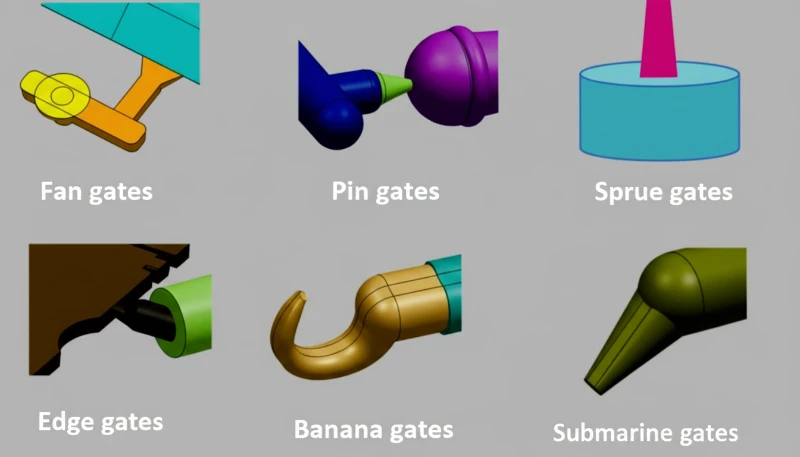
No especificar la resina — cada plástico requiere una dureza del acero, un diseño de compuerta y una disposición de refrigeración distintos. Un molde para nailon reforzado con fibra de vidrio cuesta más que uno para PP sin carga.
Ignorar los costes de mantenimiento del molde — los moldes más baratos pueden requerir reparaciones frecuentes y generar costes ocultos a largo plazo.
Elegir solo por el precio — sin evaluar la calidad de la comunicación, el apoyo de DFM ni la transparencia de las pruebas.
No solicitar muestras T1 — obtenga siempre muestras iniciales acompañadas de un informe de inspección dimensional antes de aprobar el molde.
¿Cómo puede ayudarle ZetarMold a obtener el mejor presupuesto para un molde de inyección?
ZetarMold ofrece cotizaciones transparentes y detalladas de moldes respaldadas por análisis DFM gratuito y simulación de flujo del molde en cada proyecto. Con más de 20 años de experiencia en tooling, procesos certificados ISO (ISO 9001, ISO 13485, ISO 14001, ISO 45001), y un equipo completo interno de ingeniería de 8 ingenieros senior, lo que ve en la cotización es lo que pagará—sin tarifas ocultas, sin órdenes de cambio sorpresa.
ZetarMold es útil para la comparación de presupuestos de moldes porque combinamos precios desglosados, análisis DFM, revisión de flujo de molde y fabricación de herramientas interna. Incluimos análisis DFM gratuito, simulación de flujo de molde e inspección de muestra T1 con cada proyecto, por lo que lo que ve en el presupuesto es lo que paga.
Esto es lo que distingue nuestro proceso de cotización:
Respuesta inicial en 24 horas — envíenos sus archivos 3D y especificaciones y le remitiremos un presupuesto preliminar en un día laborable.
Transparencia por partidas — desglosamos cada concepto para que pueda ver exactamente de dónde proceden los costes.
Ahorro impulsado por DFM — nuestros ingenieros proponen de forma proactiva modificaciones de diseño que reducen el coste del utillaje.
Apoyo logístico internacional — gestionamos el embalaje de exportación, la documentación aduanera y el envío puerta a puerta.

Garantía posventa — garantizamos la vida útil del molde y realizamos modificaciones gratuitas si no cumple las especificaciones acordadas.
Preguntas frecuentes
¿Listo para obtener un presupuesto detallado de un molde de inyección? Póngase hoy mismo en contacto con ZetarMold y facilítenos los datos de su proyecto para que nuestro equipo prepare un presupuesto competitivo y sin sorpresas.
Preguntas frecuentes
¿Cuánto cuesta normalmente un presupuesto de molde de inyección?
La mayoría de los moldes de inyección cuestan desde $3,000 para un molde prototipo sencillo de una sola cavidad hasta más de $100,000 para una herramienta de producción multicavidad compleja con canales calientes y acciones laterales. El precio real depende en gran medida del tamaño de la pieza, la complejidad geométrica, la selección del grado de acero, el número de cavidades y los requisitos de acabado superficial. Para un molde de producción típico de gama media con dos a cuatro cavidades en acero P20, calcule un presupuesto de $10,000 a $30,000. Solicite siempre a su proveedor un desglose detallado de costes para saber exactamente a qué se destina el dinero y comparar ofertas competidoras en igualdad de condiciones. Comprender los factores de coste individuales —como el desgaste de los electrodos, el tiempo de mecanizado y el tratamiento térmico— también ayuda a identificar dónde los cambios específicos de diseño pueden reducir significativamente la inversión total.
¿Cuánto tiempo se tarda en recibir una cotización de un molde de inyección?
Una cotización sencilla para una pieza simple puede llegar en 24 horas después que el proveedor reciba sus archivos 3D y especificaciones básicas. Sin embargo, una cotización detallada que incluye análisis DFM, simulación de flujo del molde y un desglose de costes por línea normalmente toma dos o tres días laborables, dependiendo de la complejidad de la pieza y la carga de trabajo del proveedor. Tener la documentación completa preparada—archivos STEP, especificaciones de material, objetivos de volumen anual y requisitos de tolerancia—acelera significativamente el proceso. Las cotizaciones urgentes para piezas simples pueden ser entregadas el mismo día cuando toda la información crítica se proporciona de inicio. Para moldes multicavidad con runner caliente o acciones laterales complejas, permita tiempo adicional para que el equipo de ingeniería evalúe los layouts de enfriamiento, las estrategias de expulsión y la ubicación de las entradas antes de finalizar el precio.
¿Qué archivos debo presentar para obtener una cotización precisa de un molde de inyección?
Para recibir un presupuesto preciso y completo de un molde de inyección, debe enviar un archivo 3D STEP o IGES de la pieza junto con la especificación del material, el volumen anual previsto, los requisitos de tolerancia, la clase de acabado superficial y cualquier necesidad de operaciones secundarias, como pintura, revestimiento o montaje. Los envíos completos reciben presupuestos más precisos —y a menudo más bajos— porque los proveedores no necesitan añadir margen al precio por la incertidumbre. Incluir desde el principio las especificaciones de color y los requisitos normativos también evita costosos cambios de diseño una vez iniciada la construcción del molde, una de las causas más habituales de sobrecostes.
¿Puedo negociar el presupuesto de un molde de inyección?
Sí, y la estrategia de negociación más eficaz se centra en optimizar el diseño, no en limitarse a presionar para obtener un precio menor. Simplificar la geometría, relajar tolerancias no críticas, elegir un grado de acero de menor coste o combinar varias piezas en un molde familiar puede reducir considerablemente el coste. También puede negociar aceptando un plazo de entrega mayor, lo que permite al proveedor optimizar los programas de mecanizado. Un fabricante de moldes competente propondrá de forma proactiva alternativas de ahorro durante la fase de revisión DFM, por lo que colaborar pronto y con transparencia con el proveedor suele ofrecer el mejor valor global para el presupuesto.
¿Qué incluye la cotización de un molde de inyección de ZetarMold?
Nuestro presupuesto estándar incluye diseño del molde, análisis DFM, simulación de flujo, adquisición y mecanizado del acero, montaje, pruebas T1 con piezas de muestra, informe de inspección dimensional, embalaje de exportación y envío a sus instalaciones. No hay cargos ocultos: cada partida es transparente y se documenta antes de comenzar la producción. También incluimos una garantía de vida útil del molde y modificaciones gratuitas si las muestras iniciales no cumplen las especificaciones acordadas. Esta cobertura integral ofrece certeza total de costes desde el primer día y elimina el riesgo de cargos inesperados más adelante en el calendario del proyecto.
¿Debo solicitar cotizaciones a varios proveedores?
Se recomienda encarecidamente solicitar presupuestos a al menos tres proveedores cualificados, especialmente para moldes de más de $10,000. Varios presupuestos permiten comparar no solo el precio, sino también los plazos de entrega, las recomendaciones de grado de acero, las sugerencias de diseño y las condiciones de garantía. Desconfíe de los presupuestos notablemente inferiores a los demás: suelen excluir elementos críticos como pruebas T1, modificaciones o transporte. Entregue especificaciones idénticas a cada proveedor para garantizar una comparación justa y evalúe cada presupuesto según su valor total, incluida la calidad de la comunicación, la profundidad técnica de los comentarios DFM y el historial del proveedor en proyectos similares.
¿Qué Incluye un Presupuesto de Molde de Inyección y Cómo Puedes Conseguirlo
El siguiente paso es enviar una RFQ completa con CAD 3D, material, volumen, acabado, tolerancia y cronograma objetivo. Prepare esos detalles y envíelos a al menos tres fabricantes de moldes calificados. ZetarMold proporciona presupuestos transparentes y desglosados respaldados por experiencia interna en fabricación de herramientas y moldeo por inyección.
molde de inyección: Un molde de inyección es una herramienta mecanizada con precisión, normalmente fabricada en acero o aluminio, compuesta por un núcleo y una cavidad que dan al plástico fundido la geometría específica de una pieza a alta presión. ↩
análisis de flujo del molde: El análisis de flujo del molde es una simulación informática que predice cómo llena el plástico fundido la cavidad del molde e identifica posibles problemas, como bolsas de aire, líneas de soldadura y enfriamiento irregular, antes de mecanizar el acero. ↩
muestras T1: El muestreo T1 es un proceso de verificación de primeras piezas en el moldeo por inyección en el que las piezas iniciales de un molde nuevo se comparan con las especificaciones de diseño para confirmar la precisión dimensional, la calidad superficial y el rendimiento de la herramienta antes de aprobar la producción. ↩