Calcular correctamente la fuerza de cierre para el moldeo por inyección1 puede determinar la calidad2 de la pieza. Una fuerza insuficiente genera rebabas y una excesiva daña el molde. Esta guía ofrece fórmulas contrastadas, cálculos paso a paso y ejemplos prácticos para ayudarle a determinar el tonelaje de cierre óptimo de cualquier proyecto.
- Utilice la fórmula F = P × A × n / 1000 para calcular la fuerza de cierre
- Añada un factor de seguridad del 10-20% para evitar la deformación del molde y la rebaba
- Considere el área proyectada de los canales y las compuertas en los cálculos
- La viscosidad del material afecta directamente a la presión de cavidad necesaria
- Ajuste el tonelaje de la máquina a la fuerza calculada y evite sobredimensionarlo
¿Qué es la fuerza de cierre en el moldeo por inyección?
La fuerza de cierre es la fuerza de la prensa que mantiene cerrado el molde mientras el plástico llena y compacta la cavidad. Debe resistir la presión de la cavidad sin aplastar los venteos, someter los insertos a esfuerzos ni desperdiciar capacidad de la prensa. Por ello, el cálculo debe comprobarse antes de cotizar, realizar la prueba del molde y asignar la máquina.
"¿Cómo calcular la fuerza de cierre en el moldeo por inyección? debe evaluarse mediante la estabilidad del proceso, el diseño del molde, el comportamiento del material y las pruebas de inspección."True
Una decisión de producción fiable requiere más que una definición: necesita contexto sobre utillaje, resina, ventana de proceso y control de calidad.
"Un precio unitario bajo basta por sí solo para evaluar un proyecto de moldeo por inyección."False
La vida útil del molde, el riesgo de desperdicio, la deriva dimensional, el tiempo de respuesta del proveedor y los registros de validación pueden pesar más que una pequeña diferencia en el precio cotizado.
La fuerza de cierre es la fuerza de la máquina que mantiene cerradas las dos mitades del molde mientras el plástico fundido llena y compacta la cavidad. Debe ser suficiente para resistir la presión de la cavidad, pero no tan alta que aplaste los respiraderos, someta el molde a esfuerzos o desperdicie capacidad de la prensa. Si compara proveedores o planifica compras, nuestra guía de abastecimiento explica cómo comprobar si un proveedor puede calcular el tonelaje, validar el ajuste del molde y seleccionar la prensa adecuada antes de iniciar la producción.
La fuerza de cierre es la fuerza de compresión que aplica la máquina de moldeo por inyección para mantener las dos mitades del molde firmemente cerradas durante las fases de inyección y compactación del ciclo. Esta fuerza debe superar la fuerza de separación generada por el plástico fundido a presión dentro de la cavidad del molde.
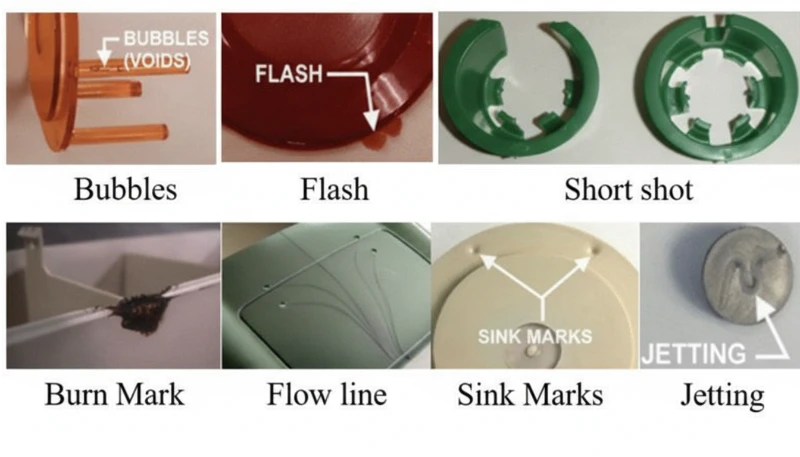
Ya esté moldeando una pequeña cubierta de encaje a presión o un gran salpicadero de automóvil, acertar con el tonelaje determina si sus piezas salen sin rebabas y dimensionalmente estables. Un molde con fuerza de cierre insuficiente producirá rebabas, sobrecompactará o incluso dañará el utillaje. Un molde con fuerza de cierre excesiva desperdicia capacidad de la máquina y aumenta innecesariamente el coste por pieza.
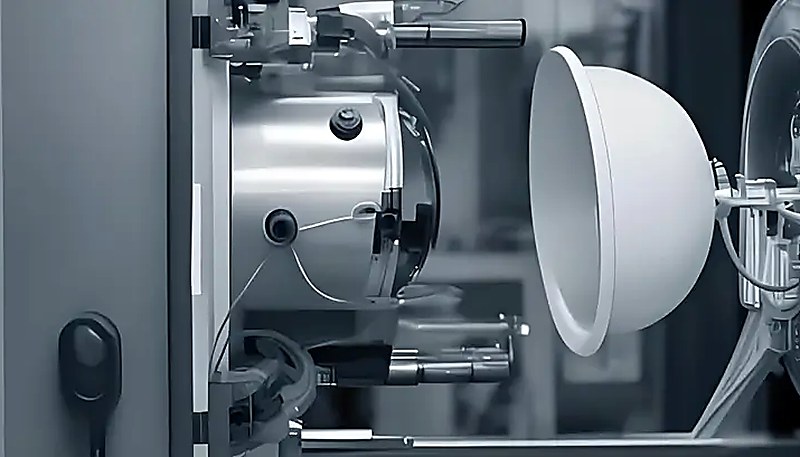
La fórmula fundamental para calcular los requisitos de fuerza de cierre en el moldeo por inyección es: F = P × A. Donde F representa la fuerza de cierre necesaria, P es la presión de la cavidad (medida normalmente en bar o MPa) y A es el área proyectada de la pieza moldeada (medida en cm² o m²). Esta fórmula proporciona la fuerza mínima teórica necesaria para evitar que el molde se abra.
La fuerza de cierre suele expresarse en toneladas métricas (tonnes) o kilonewtons (kN). La conversión entre estas unidades es sencilla: 1 tonne = 9.81 kN. La mayoría de las máquinas de moldeo por inyección se clasifican según su tonelaje máximo de cierre, que abarca desde pequeñas unidades de sobremesa de 10-20 tons hasta enormes máquinas de más de 4000 tons para la fabricación de componentes grandes y de automoción.
La unidad de cierre funciona mediante mecanismos hidráulicos, eléctricos o híbridos. Los sistemas hidráulicos proporcionan una gran capacidad de fuerza, pero consumen más energía, mientras que los eléctricos ofrecen un control preciso y eficiencia energética. Comprender las características de cierre de su máquina ayuda a optimizar el proceso de moldeo por inyección y a obtener una calidad uniforme de las piezas.
¿Por qué es importante calcular la fuerza de cierre?
El cálculo de la fuerza de cierre es la comprobación que mantiene cerrado el molde sin rebabas, apertura elástica ni tensiones en el utillaje. La selección de la máquina depende en gran medida de esta cifra. Las máquinas sobredimensionadas desperdician energía y ocupan capacidad de producción, mientras que las infradimensionadas no pueden mantener correctamente cerrado el molde. El impacto económico va más allá del coste energético, porque una selección incorrecta de la máquina afecta al tiempo de ciclo, los requisitos de mantenimiento, la estabilidad dimensional y la eficacia global de los equipos.
Un cierre inadecuado también provoca la flexión del molde bajo la presión de la cavidad. Cuando las mitades del molde se separan, aunque sea ligeramente, durante la inyección, las piezas resultantes presentan variaciones dimensionales, alabeo y defectos superficiales. Esta flexión resulta especialmente problemática en aplicaciones de pared delgada donde las tolerancias son críticas.
En nuestra fábrica de Shanghái operamos 47 máquinas de inyección de 90T a 1850T, lo que permite ajustar con precisión el tonelaje a su pieza.
¿Qué factores influyen en la fuerza de cierre necesaria?
La fuerza de cierre requerida depende del área proyectada, la presión de la cavidad, el número de cavidades, el área de los canales, la viscosidad de la resina y el margen de seguridad. El área proyectada es la mayor sombra de toda la geometría llena de plástico en la dirección de apertura del molde, por lo que deben incluirse las cavidades, los canales, las entradas y algunos elementos socavados. Las resinas de alta viscosidad, las paredes delgadas, las trayectorias de flujo largas y las entradas pequeñas suelen aumentar la presión de la cavidad, lo que eleva el tonelaje requerido.
La presión de la cavidad varía considerablemente según las propiedades del material, la geometría de la pieza y las condiciones de procesamiento. Los materiales de alta viscosidad, como el policarbonato (PC) y el polioximetileno (POM), generan presiones mayores que los de baja viscosidad, como el polipropileno (PP). Las paredes delgadas, los recorridos de flujo largos y los puntos de inyección pequeños aumentan la presión necesaria debido a la mayor resistencia al flujo.
| Tipo de material | Presión típica de la cavidad (bar) | Características de viscosidad |
|---|---|---|
| PS (Poliestireno) | 150-200 | Baja viscosidad, fácil fluidez |
| PP (polipropileno) | 150-200 | Baja viscosidad, buen flujo |
| ABS | 200-300 | Viscosidad media, equilibrada |
| PC (policarbonato) | 300-400 | Alta viscosidad, secciones gruesas |
| PA6 (Nailon 6) | 250-350 | Viscosidad media-alta |
| POM (acetal) | 200-250 | Viscosidad media, cristalino |
La viscosidad del material cambia drásticamente con la temperatura y la velocidad de cizallamiento. Los plásticos de ingeniería suelen requerir presiones de cavidad más elevadas debido a su estructura molecular y sus requisitos de procesamiento. Los materiales reforzados con fibra de vidrio añaden otra capa de complejidad, ya que el contenido de fibra aumenta la viscosidad y afecta a los patrones de flujo en toda la cavidad.
El número de cavidades multiplica el área proyectada total y aumenta directamente la fuerza de cierre necesaria. Un molde de una cavidad con un área proyectada de 100 cm² pasa a 400 cm² en una configuración de cuatro cavidades, cuadruplicando la fuerza de separación. Los sistemas de canales que conectan varias cavidades añaden un área proyectada adicional que debe incluirse en los cálculos.
¿Cómo se calcula paso a paso la fuerza de cierre?
El cálculo es F = (P × A × n) / 1000 antes de añadir el área de los canales y el margen de seguridad. En esta fórmula, P es la presión de la cavidad en bar, A el área proyectada por cavidad en cm² y n el número de cavidades. Tras obtener el valor teórico, añada la contribución de los canales y un margen de proceso realista antes de seleccionar la prensa.
Este es un ejemplo práctico: está moldeando una cubierta de portátil con policarbonato (PC). La pieza tiene un área proyectada de 250 cm², utiliza un molde de 2 cavidades y el PC suele requerir una presión de cavidad de 350 bar. Paso 1: identifique las variables: P = 350 bar, A = 250 cm², n = 2 cavidades. Paso 2: aplique la fórmula: F = (350 × 250 × 2) / 1000 = 175 toneladas.
No olvide incluir en sus cálculos el área proyectada del canal. Para este ejemplo de cubierta de portátil, el sistema de canales añade aproximadamente 25 cm² de área proyectada. Cálculo revisado: área proyectada total = (250 + 25) × 2 = 550 cm². Fuerza de cierre final = (350 × 550) / 1000 = 192.5 toneladas. Esta diferencia de 17.5 toneladas podría determinar si se necesita una máquina de 180T o de 220T.
| Área de decisión | Qué verificar |
|---|---|
| Utillaje | Confirme cómo afecta el diseño del molde a cómo calcular la fuerza de cierre en el moldeo por inyección. |
| Tipo de material | Compruebe el comportamiento de la resina, la contracción, el calor y los riesgos estéticos. |
| Calidad | Solicite pruebas de inspección antes de aprobar la producción. |
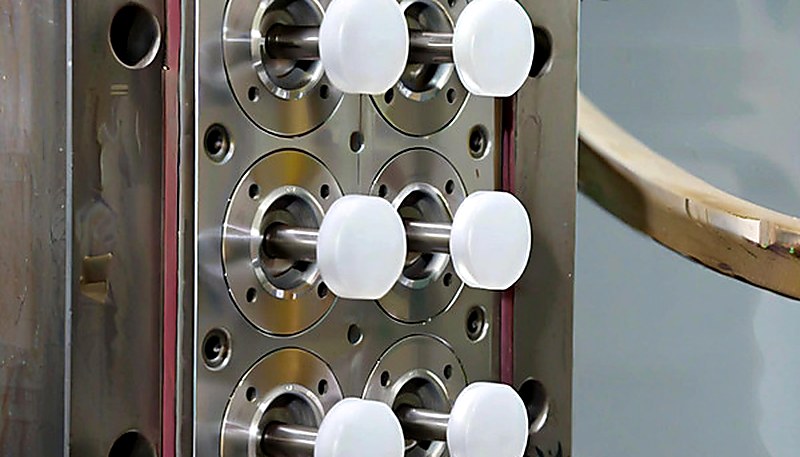
El riesgo de deflexión del molde aumenta con áreas proyectadas mayores y bases de molde más delgadas. Incluso los aceros para herramientas de alta calidad se flexionan de forma medible bajo presiones de cavidad superiores a 300 bar. Esta deflexión puede ser de solo 0.05-0.1mm, pero genera rebaba a lo largo de la línea de partición o permite una ligera respiración del molde que afecta a las dimensiones de la pieza. Para el moldeo de precisión con tolerancias inferiores a 0.05mm, recomendamos aumentar el factor de seguridad al 20% y utilizar pilares de soporte en la base del molde para reducir la deflexión de las placas. El coste del soporte adicional del molde es insignificante frente al de los defectos recurrentes de rebaba en una producción de gran volumen.
¿Cuál es el factor de seguridad de la fuerza de cierre?
Debe añadirse un factor de seguridad del 10-20% a los requisitos calculados de fuerza de cierre mínima para el moldeo por inyección. Este margen tiene en cuenta las variaciones de presión durante el procesamiento, el desgaste del molde con el tiempo y la flexibilidad natural del acero del molde a altas presiones. Sin este margen, pequeñas variaciones del proceso pueden causar rebabas o problemas dimensionales.
El riesgo de deformación del molde aumenta con áreas proyectadas mayores y bases de molde más delgadas. Incluso un molde de inyección3 bien construido con aceros para herramientas de alta calidad puede deformarse de manera apreciable cuando la presión de la cavidad supera los 300 bar. Esta deformación puede ser de solo 0,05-0,1 mm, pero basta para generar rebabas en la línea de partición o permitir una ligera apertura del molde que afecte a las dimensiones de la pieza.
"El área proyectada del canal debe incluirse en los cálculos de la fuerza de cierre"True
Ignorar el área de los canales subestima el tonelaje necesario entre un 10-25 por ciento
"Duplicar el número de cavidades simplemente duplica la fuerza de cierre necesaria"False
Los moldes multicavidad también requieren sistemas de canales más grandes que aumentan el área proyectada. Una versión de 2 cavidades suele necesitar 2.2-2.5x la fuerza de una sola cavidad debido a la contribución de los canales, no exactamente 2x.
¿Cómo se selecciona la tonelaje correcto de la máquina?
El tonelaje correcto de la máquina es la prensa más pequeña que supera de manera segura la necesidad de cierre calculada y se ajusta al tamaño del molde y a la capacidad de inyección. Una prensa demasiado pequeña arriesga rebabas e inestabilidad dimensional, mientras que una prensa demasiado grande desperdicia energía, reduce la flexibilidad de programación y puede sobrecargar la herramienta si los operadores compensan otros problemas del proceso con la fuerza de cierre.
Evite un sobredimensionamiento significativo, ya que las máquinas que operan muy por debajo de su capacidad nominal desperdician energía y pueden no mantener una respuesta hidráulica óptima. Una máquina de 500 toneladas ejecutando una aplicación de 150 toneladas consume energía en exceso y ocupa una valiosa capacidad de producción que podría servir a proyectos más grandes de manera más eficiente.
Con más de 20 años de experiencia y fabricación de moldes interna, nuestros ingenieros calculan la fuerza de cierre óptima durante la revisión de DFM, antes de que se corte cualquier acero.
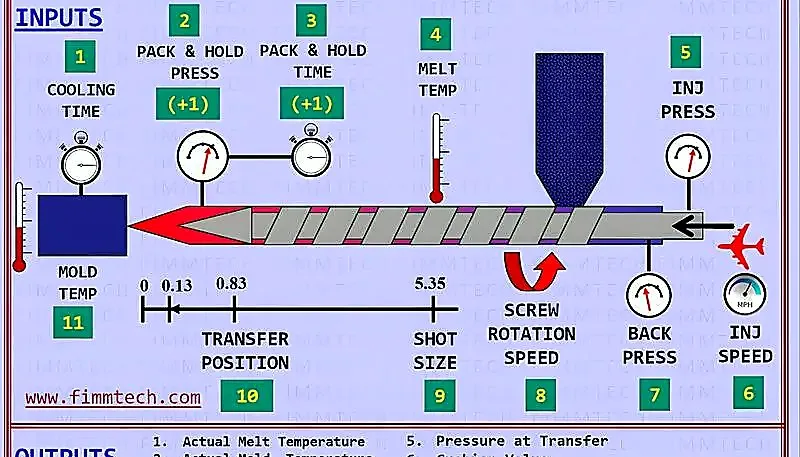
Las consideraciones de múltiples cavidades se vuelven críticas para la selección de la máquina. Mientras que una sola cavidad puede requerir 100 toneladas, una versión de 8 cavidades de la misma pieza podría necesitar más de 800 toneladas al incluir canales de colada y entradas. Algunos fabricantes optimizan reduciendo el número de cavidades para ajustarse al tonelaje disponible de la máquina en lugar de invertir en equipos más grandes.
¿Cuáles son los errores comunes de fuerza de cierre?
Los errores comunes de fuerza de cierre son las principales categorías u opciones explicadas en esta sección. El subcierre crea problemas obvios: formación de rebabas, variaciones dimensionales y rechazo de piezas. Sin embargo, el sobrecierre causa problemas menos visibles pero igualmente graves. La fuerza de cierre excesiva crea tensión innecesaria en los componentes del molde, lo que lleva a desgaste prematuro, grietas alrededor de los expulsores y daños en características delicadas del molde como núcleos delgados o correderas.
Ignorar el área proyectada del canal de alimentación representa un error de cálculo común que puede subestimar la tonelaje requerido entre un 15% y un 25%. Los sistemas de canales complejos con grandes secciones transversales contribuyen significativamente a la fuerza total de separación. Los sistemas de canal caliente eliminan esta preocupación pero introducen otras consideraciones para el diseño del molde y el procesamiento.
Las suposiciones erróneas de presión de cavidad afectan muchos cálculos. Usar valores de presión genéricos en lugar de datos específicos del material conduce a una selección de tonelaje inexacta. Los grados con carga de vidrio, el contenido reciclado y las variaciones de temperatura de procesamiento afectan todas las presiones de cavidad reales experimentadas durante la producción.
¿Cómo difiere la fuerza de cierre para moldes de múltiples cavidades?
Para moldes de múltiples cavidades, la fuerza de cierre se basa en el área proyectada total de todas las cavidades más los canales de colada y el desequilibrio de presión. Un molde de dos cavidades generalmente necesita más del doble exacto de la fuerza de cierre de una sola cavidad porque el sistema de canales de colada añade área proyectada y puede crear una pérdida de presión adicional. Los moldes familiares requieren aún más cuidado porque diferentes tamaños de pieza y espesores de pared pueden llenarse a diferentes presiones.
Los moldes familiares presentan desafíos únicos para el cálculo de la fuerza de cierre. Los diferentes tamaños de piezas dentro del mismo molde crean requisitos de presión variables, siendo las secciones pequeñas y delgadas las que generalmente requieren presiones más altas que los componentes grandes y gruesos. El cálculo debe tener en cuenta las condiciones de presión máxima en todas las variaciones de cavidad.
Considere el impacto de la disposición de las cavidades en la distribución de presión. Las disposiciones lineales pueden crear gradientes de presión desde la entrada hasta el final del llenado, mientras que las disposiciones circulares proporcionan un llenado más equilibrado. Estas variaciones de presión afectan las fuerzas de separación locales y pueden requerir factores de seguridad adicionales en áreas que experimentan presiones máximas.
Preguntas frecuentes
¿Cuál es la fórmula para la fuerza de cierre en el moldeo por inyección?
La fórmula de la fuerza de cierre es F = P × A × n / 1000, donde F es toneladas, P es la presión de cavidad en bar, A es el área proyectada en centímetros cuadrados y n es el número de cavidades. Esto da el mínimo teórico, no la elección final de la máquina. En la producción real, añada un margen de seguridad del 10-20 por ciento, incluya el área proyectada del canal de colada y confirme que la máquina seleccionada tiene suficiente tamaño de placa, separación de barras de sujeción, capacidad de inyección y reserva de presión de inyección. El objetivo es un cierre estable del molde sin sobrecargar la herramienta.
¿Cuánta fuerza de cierre necesito para una pieza de PC de 200 cm²?
Para una pieza de PC de una sola cavidad de 200 cm², una estimación práctica es F = 350 bar × 200 cm² × 1 / 1000 = 70 toneladas mínimo. Añada un margen de seguridad del 15 por ciento y el resultado se convierte en aproximadamente 80,5 toneladas. Si el canal de colada añade unos 25 cm² de área proyectada, el requisito aumenta a aproximadamente 87,5 toneladas. En la práctica, una prensa de 100-120 toneladas suele ser un rango de inicio más seguro porque la viscosidad del PC, el tamaño de la entrada, el espesor de pared y la presión de empaque pueden aumentar la demanda real de cierre durante las pruebas.
¿Puede demasiada fuerza de cierre dañar el molde?
Sí, demasiada fuerza de cierre puede dañar el molde porque la prensa está apretando la línea de partición más de lo que el trabajo requiere. El sobrecierre puede acelerar el desgaste de la línea de partición, aplastar los respiraderos, aumentar la carga de las barras de sujeción y de la placa, deformar inserciones delgadas y dificultar el ajuste constante de correderas o expulsores. También desperdicia energía y oculta causas raíz como un mal venting o una presión de inyección excesiva. Nuestro equipo prefiere calcular el requisito de cierre, probar con un margen de seguridad razonable y luego ajustar según rebabas, marcas de venting, dimensiones de la pieza y marcas de testigo del molde.
¿Qué sucede si la fuerza de cierre es demasiado baja?
Si la fuerza de cierre es demasiado baja, la presión de la cavidad puede separar las mitades del molde durante el llenado o el empaquetado. El resultado más visible son las rebabas a lo largo de la línea de partición, pero los problemas ocultos pueden ser peores: variación dimensional, peso inconsistente de la pieza, contaminación de los respiraderos, defectos superficiales y piezas incompletas si el plástico escapa antes de que la cavidad esté empaquetada. Los operadores pueden intentar reducir la presión de inyección, pero eso puede crear piezas débiles. La mejor respuesta es recalcular el área proyectada, verificar la presión de la cavidad, revisar el ajuste del molde y seleccionar una prensa con suficiente reserva de cierre.
¿Cómo calculo el área proyectada para piezas complejas?
Para piezas complejas, calcule el área proyectada observando la sombra de toda la geometría llena de plástico en la dirección de apertura del molde. El análisis de sombras en CAD es el método más seguro porque captura nervaduras, columnas, ventanas y contornos irregulares que son fáciles de pasar por alto manualmente. Si no se dispone de CAD, divida la pieza en rectángulos, círculos, triángulos y secciones de anillo, luego sume las áreas. Incluya canales de alimentación, tapones fríos, bebederos y cada cavidad en el molde. No utilice el peso de la pieza como atajo; la demanda de cierre sigue el área proyectada y la presión de la cavidad, no solo los gramos de material.
¿Necesita ayuda para calcular la fuerza de cierre de su proyecto? Los ingenieros experimentados de ZetarMold proporcionan cálculos precisos de tonelaje y optimización DFM para que sus piezas cumplan los requisitos de calidad y se minimicen los costes de producción. Nuestros más de 20+ años de experiencia en moldeo por inyección y un completo parque de máquinas de 90T a 1850T garantizan que podemos gestionar proyectos de cualquier escala. Solicite hoy su presupuesto gratuito y deje que nuestro equipo optimice sus requisitos de fuerza de cierre para maximizar la eficiencia y la calidad.
moldeo por inyección: El moldeo por inyección es el proceso de producción que funde el plástico, lo inyecta en la cavidad de un molde, enfría la pieza y repite el ciclo para una fabricación estable en serie. ↩
calidad: La calidad es una disciplina de producción que integra el DFM, la validación del molde, las ventanas de proceso, los planes de inspección y las acciones correctivas para obtener resultados repetibles. ↩
molde de inyección: Un molde de inyección es la herramienta de precisión que define la geometría de la pieza, el comportamiento de enfriamiento, la expulsión, la entrada, el acabado superficial y la repetibilidad. ↩