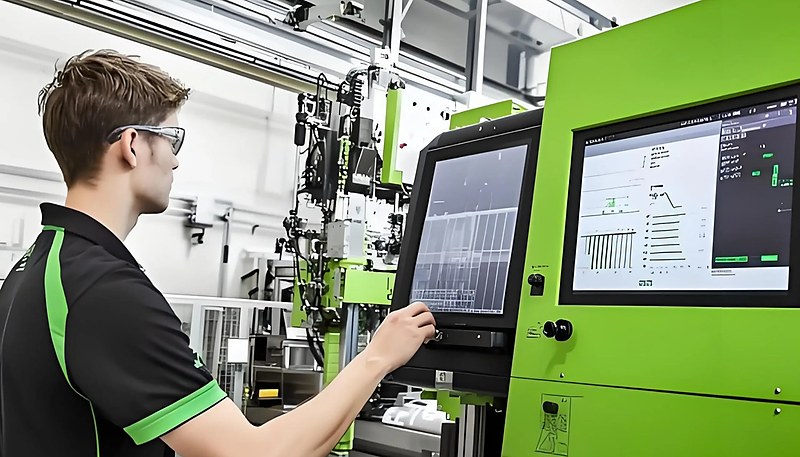
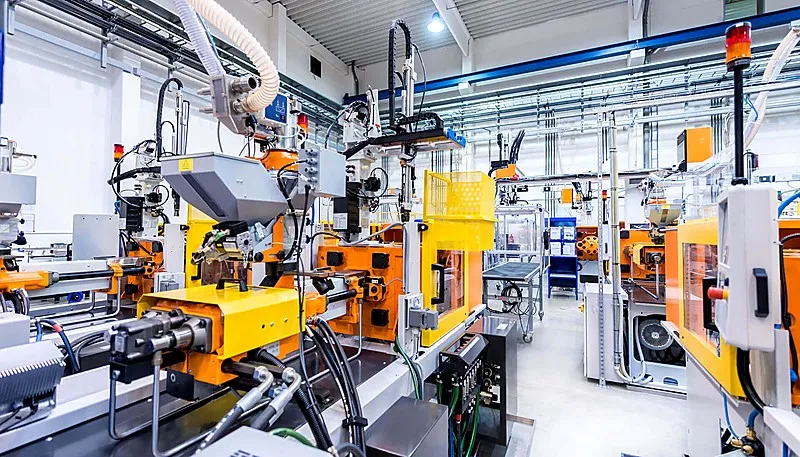
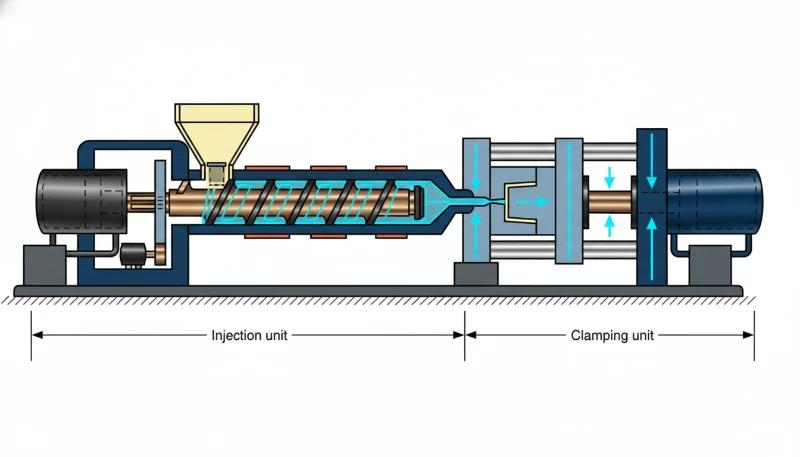
- Enjeksiyon kalıplama; tamponlardan ve gösterge panellerinden kaput altı parçalara kadar tüm plastik otomotiv bileşenlerinin %30'dan fazlasını, parça başına 15–45 saniyeye kadar düşen çevrim süreleriyle üretir.
- Yaygın otomotiv sınıfı plastikler arasında ABS, polipropilen (PP), polikarbonat (PC) ve cam elyaf dolgulu naylon (PA6-GF30) bulunur; her biri belirli mekanik ve termal gereksinimlere göre seçilir.
- Çok kaviteli kalıplar ve otomatik üretim hatları, 100,000 adedin üzerindeki hacimlerde parça başına maliyeti $0.50 altına indirerek enjeksiyon kalıplamayı seri üretilen otomobil parçaları için en uygun maliyetli yöntem haline getirir.
- IATF 16949 gibi kalite standartları ve ±0.05 mm boyutsal toleranslar, fabrikamızda yürüttüğümüz otomotiv enjeksiyon kalıplama projelerinde standart gerekliliklerdir.
Otomotiv Parçalarında Enjeksiyon Kalıplama Nedir ve Neden Baskındır?
Otomotiv parçalarında enjeksiyon kalıplama ve neden baskın olduğu, bu bölümde açıklanan işlev, kısıtlar ve ödünleşimlerle tanımlanır. Otomotiv parçalarında enjeksiyon kalıplama, araçlarda kullanılan plastik bileşenleri üretmek için erimiş polimerin yüksek basınçla (genellikle 500–1.500 bar) hassas çelik kalıba enjekte edildiği bir üretim prosesidir. Yılda 10.000 adetten milyonlarca parçaya uzanan hacimlerde eşsiz tekrarlanabilirlik, dar toleranslar ve ölçeklenebilirlik sunduğu için otomotiv plastik üretimine hâkimdir.
ZetarMold fabrikamızda otomotiv sektörünün enjeksiyon kalıplama projelerimizin yaklaşık %40’ını oluşturacak kadar büyüdüğünü gördük. Bunun nedeni açıktır: Otomobil parçalarında enjeksiyon kalıplamanın sunduğu hız, hassasiyet ve malzeme çeşitliliği birleşimini başka hiçbir proses sağlayamaz.
Küresel otomotiv plastikleri pazarı 2024’te $52.2 milyara ulaştı ve 2030’a kadar $73 milyarı aşacağı öngörülüyor. Modern bir otomobil yaklaşık 100–150 kg plastik içerir ve enjeksiyonla kalıplanmış bileşenler bunun en büyük payını oluşturur. Hafif iç kaplamalardan yapısal açıdan kritik motor kapaklarına kadar bu proses vazgeçilmez hâle gelmiştir.
"“Enjeksiyon kalıplama, ±0.05 mm kadar dar toleranslara sahip otomotiv parçaları üretebilir.”"True
Hassas kalıp tasarımı ve kontrollü proses parametreleriyle enjeksiyon kalıplama; otomotiv konnektörleri, sensör muhafazaları ve montaj açısından kritik bileşenler için gereken ±0.05 mm toleransları rutin olarak sağlar. Deneyimimize göre bu toleransları korumak eriyik sıcaklığı, tutma basıncı ve soğutma süresinin dikkatle kontrolünü gerektirir.
"“Enjeksiyon kalıplama yalnızca basit ve düz otomotiv parçaları için uygundur.”"False
Modern enjeksiyon kalıplama; ters açılar, canlı menteşeler ve çok malzemeli bölümler içeren son derece karmaşık otomotiv bileşenleri üretir. Insert kalıplama ve üzeri kalıplama gibi teknolojiler, metal bağlantı elemanlarının, kauçuk contaların ve birden fazla polimerin tek parçada bütünleştirilmesini sağlar.
Hangi Otomotiv Parçaları Enjeksiyon Kalıplama ile Üretilir?
Tamponlar, gösterge panelleri, kapı panelleri, emme manifoldları ve aydınlatma lensleri en yaygın enjeksiyonla kalıplanmış otomotiv parçalarıdır. Tüm plastik otomotiv bileşenlerinin 30%‘dan fazlası bu şekilde üretilir ve otomobil üreticileri ağırlık ile maliyet tasarrufu için metali mühendislik plastikleriyle değiştirdikçe çeşitlilik artmaya devam eder.
Araç bölgesine göre en yaygın enjeksiyonla kalıplanmış otomotiv parçalarının dağılımı şöyledir:
| Araç Alanı | Yaygın Enjeksiyon Kalıplı Parçalar | Tipik Malzemeler |
|---|---|---|
| İç Mekân | Gösterge panelleri, kapı kolları, torpido gözleri, hava menfezleri, orta konsollar, bardak tutucular | ABS, PP, PC/ABS karışımı |
| Dış Yüzey | Tamponlar, çamurluklar, ızgaralar, ayna muhafazaları, lamba kapakları, sıçrama koruyucuları | PP, ABS, PC, TPO |
| Kaput Altı | Motor kapakları, emme manifoldları, soğutma sıvısı depoları, yağ karterleri, akü tablaları | PA6-GF30, PBT, PPS |
| Elektriksel | Konnektör muhafazaları, sigorta kutuları, sensör braketleri, kablo demeti klipsleri | PA66, PBT-GF, LCP |
| Yapısal | Emniyet kemeri bileşenleri, hava yastığı kapları, kapı modülleri, sütun kaplamaları | PA6-GF, PP-GF, ABS |
Elektrikli araçlara (EVs) geçişin, enjeksiyon kalıplı batarya muhafazaları, şarj portu kapakları ve hafif yapısal braketlere olan talebi hızlandırdığını gözlemledik. Geçen yıl tamamladığımız bir EV projesinde araç başına 23 farklı enjeksiyon kalıplı bileşen gerekiyordu.
Otomotiv Enjeksiyon Kalıplaması İçin En Uygun Malzemeler Hangileridir?
Bu bölüm, otomotiv enjeksiyon kalıplamasında en uygun malzemeleri ve bunların maliyet, kalite, zamanlama veya tedarik riskine etkisini ele alır. PP, ABS, polikarbonat (PC) ve cam elyaf dolgulu naylon (PA6-GF30), otomotiv enjeksiyon kalıplaması için en iyi malzemelerdir; her biri belirli termal, mekanik ve maliyet gerekliliklerine göre seçilir. Polipropilen; düşük maliyeti, kimyasal dayanımı ve çok yönlülüğü sayesinde tüm otomotiv plastiklerinin yaklaşık 40% oranını oluştururken polikarbonat ve naylon gibi mühendislik plastikleri daha yüksek termal ve mekanik yükleri karşılar. Fabrikamızda otomotiv projeleri için 15 üzerinde farklı polimer ailesiyle çalışıyoruz.
Fabrikamızda otomotiv projeleri için 15’ten fazla farklı polimer ailesiyle çalışıyoruz. En sık belirtilen malzemeler ve özellikleri şunlardır:
| Malzeme | Çekme Dayanımı (MPa) | Isıl Sapma (°C) | Anahtar Özellikler | Tipik Uygulamalar |
|---|---|---|---|---|
| Polipropilen (PP) | 25–40 | 100–110 | Kimyasallara dayanıklı, düşük maliyetli, geri dönüştürülebilir | Tamponlar, iç kaplamalar, akü kutuları |
| ABS | 40–55 | 88–110 | Darbeye dayanıklı, iyi yüzey kalitesi | Gösterge paneli, ızgaralar, ayna yuvaları |
| Polikarbonat (PC) | 55–75 | 130–140 | Şeffaf, yüksek darbe dayanımı | Far camları, gösterge panelleri |
| PA6-GF30 (Naylon + Cam Dolgu) | 130–180 | 240–250 | Yüksek mukavemet, ısıya dayanıklı | Motor kapakları, emme manifoldları |
| PBT-GF | 85–130 | 200–220 | Boyutsal stabilite, elektriksel özellikler | Konektörler, sensör yuvaları |
| TPO/TPE | 8–25 | 80–100 | Esnek, hava koşullarına dayanıklı | Contalar, sızdırmazlık elemanları, yumuşak dokulu yüzeyler |
Malzeme seçiminin genellikle birden fazla faktörü dengelemeyi gerektirdiğini gördük. Örneğin, bir müşteri dış ayna yuvası için ABS istemişti, ancak UV maruziyet testlerinden sonra, benzer mekanik özelliklerle 5 kat daha iyi hava dayanımı sunan bir ASA karışımını önerdik.
Otomotiv Enjeksiyon Kalıplama Prosesi Adım Adım Nasıl Çalışır?
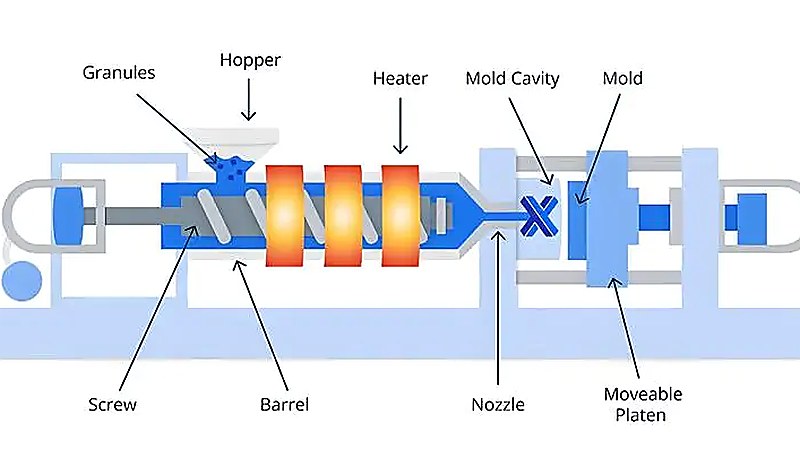
Otomotiv enjeksiyon kalıplama süreci, beş adımlı bir döngüdür: kapatma, enjeksiyon, paketleme, soğutma ve çıkarma. Her döngü, parça boyutuna ve malzemeye bağlı olarak 15–60 saniye sürer. Kapatma kuvveti, enjeksiyon hızı, paketleme basıncı, soğutma süresi ve çıkarma hızı dahil her aşama, parça geometrisine ve polimere hassas bir şekilde ayarlanır.
Tipik bir otomotiv parçasını üretim hattımızda nasıl işlediğimiz aşağıda açıklanmıştır:
Adım 1: Malzeme Hazırlığı — Plastik granüller kurutulur (PA6’nın <%0,2 neme ulaşması için 80°C’de 4 saat gerekir) ve renklendiriciler ya da katkılarla karıştırılır.
Adım 2: Eritme ve Enjeksiyon — Enjeksiyon kalıplama makinesi granülleri 200–320°C’ye (reçineye bağlı olarak) ısıtır ve erimiş plastiği 500–1.500 bar basınçla kalıp gözüne enjekte eder.
Adım 3: Ütüleme ve Tutma — Dolumdan sonra malzeme soğurken oluşan çekmeyi telafi etmek için tutma basıncı1, enjeksiyon basıncının %40–80’i düzeyinde korunur.
Adım 4: Soğutma — Kalıptaki soğutma kanallarında 10–80°C su dolaşır. Soğutma genellikle toplam çevrim süresinin %60–80’ini oluşturur. Et kalınlığı 3 mm olan bir PP tamponda hedefimiz 25–35 saniye soğutmadır.
Adım 5: Çıkarma ve Muayene — İtici pimler katılaşmış parçayı dışarı iter. Otomatik görüntüleme sistemleri parçalar ikincil işlemlere geçmeden önce eksik dolum, çapak veya çökme izi gibi kusurları denetler.
"“kalıp akış analizi2, üretim başlamadan önce çoğu otomotiv enjeksiyon kalıplama kusurunu öngörebilir ve önleyebilir.”"True
Moldflow ve Moldex3D gibi kalıp akış analizi yazılımları, çelik kesilmeden önce dolum desenlerini, kaynak çizgisi konumlarını, hava tuzaklarını ve eğrilmeyi simüle eder. Uygulamamızda, akış analizi çalıştırmak, otomotiv kalıplarında ilk atış hatalarının –90'ını ortadan kaldırmıştır.
"“Otomotiv parçalarında daha kalın cidarlar her zaman daha güçlü ve daha kaliteli kalıplanmış bileşenler sağlar.”"False
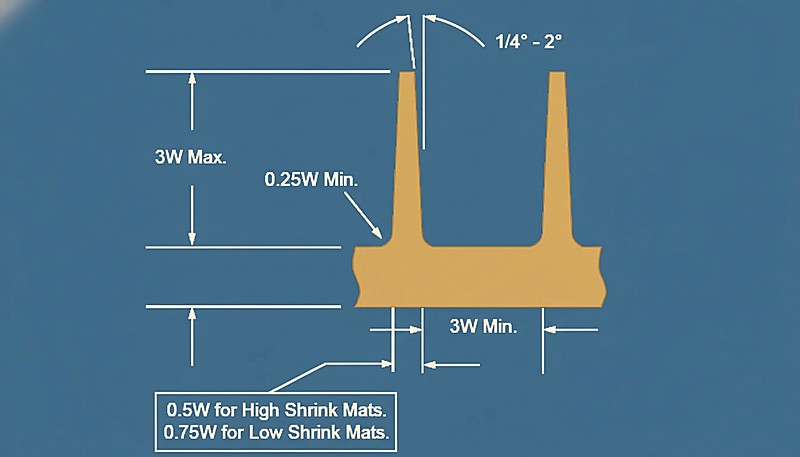
Daha kalın duvarlar, döngü süresini ve çökme izleri, boşluklar ve eğrilme riskini artırır. Otomotiv parça tasarımı, düzgün bir duvar kalınlığı ilkesini (genellikle 2–4 mm) izler ve duvar kalınlığı eklemek yerine yapısal takviye için nervürler kullanır. Duvar kalınlığını 4 mm'den 2,5 mm'ye düşürerek parça kalitesini iyileştirirken döngü süresini kıstığımız projelerimiz oldu.
Otomotiv Enjeksiyon Kalıplamada Hangi Kalite Standartları Geçerlidir?
Bu bölüm, otomotiv enjeksiyon kalıplamaya uygulanan kalite standartları ve bunun maliyet, kalite, zamanlama veya tedarik riski üzerindeki etkisi hakkındadır. IATF 16949, ISO 9001 ve OEM’e özgü gereksinimler, hammadde izlenebilirliği, boyutsal doğrulama ve proses yeteneğini kapsayan otomotiv enjeksiyon kalıplama için birincil kalite standartlarıdır. Bu standartlar, kritik boyutlar için Cpk ≥ 1,67 ve tam PPAP dokümantasyonu gerektirir. Fabrikamızda, IATF 16949 sertifikasını koruyoruz ve her otomotiv projesi için kalıp tasarımından seri üretime kadar APQP (Gelişmiş Ürün Kalite Planlaması) çerçevesini takip ediyoruz.
Fabrikamızda, IATF 16949 sertifikasını koruyoruz ve her otomotiv projesi için APQP (Gelişmiş Ürün Kalite Planlaması) sürecini takip ediyoruz. İşte temel kalite çerçeveleri:
| Standart/Araç | Amaç | Temel Gereksinimler |
|---|---|---|
| IATF 16949 | Kalite yönetim sistemi | Süreç dokümantasyonu, risk analizi, sürekli iyileştirme |
| PPAP (Üretim Parçası Onay Süreci) | Seri üretim öncesi parça onayı | Boyutsal raporlar, malzeme sertifikaları, yetenek çalışmaları |
| FMEA (Hata Türü ve Etkileri Analizi) | Risk tanımlama | Her potansiyel arıza için şiddet/oluşma/tespit puanlaması |
| SPC (İstatistiksel Süreç Kontrolü) | Süreç izleme | Kontrol grafikleri, Cpk ≥ 1,33 (kritik boyutlar için ≥ 1,67) |
| ISO 10993 (tıbbi yakınlık varsa) | Biyouyumluluk | Araç içi hava kalitesi için malzeme güvenliği (VOC sınırları) |
Otomotiv enjeksiyon kalıplamasında en yaygın kusurlar çarpılma, çökme izleri, kaynak izleri, eksik dolum ve çapaktır. Her kusurun enjeksiyon kalıbı tasarımı, proses parametreleri veya malzeme seçimiyle ilgili belirli kök nedenleri vardır; deneyimli kalıpçılar takım üretimi başlamadan önce doğru DFM3 (Üretilebilirlik için Tasarım) analiziyle bunların çoğunu önleyebilir.
Otomotiv Enjeksiyon Kalıplamada Yaygın Kusurlar Nelerdir ve Nasıl Önlenir?
Otomotiv enjeksiyon kalıplamada yaygın kusurlar ve bunları nasıl önleyeceğiniz bu bölümde açıklanan ana kategoriler veya seçeneklerdir. Otomotiv enjeksiyon kalıplamada en yaygın kusurlar eğilme, çökme izleri, kısa dolum, taşma, kaynak çizgileri ve boşluklardır—her biri belirli proses veya kalıp sorunlarından kaynaklanır ve her biri uygun parametre kontrolü ve kalıp tasarımıyla önlenebilir. Eğilme tek başına otomotiv kalıplamada reddedilen parçaların kabaca ‘ını oluşturur, tipik olarak düzensiz soğutma veya aşırı enjeksiyon hızından kaynaklanır. Aşağıda her bir kusurun detaylı açıklaması, kök nedeni ve üretim hattımızda uyguladığımız kanıtlanmış çözüm bulunmaktadır.
| Kusur | Karşı yüzeyde çökme izlerini önler | Önleme Stratejisi | Tespit Yöntemi |
|---|---|---|---|
| Çarpıklık | Düzensiz soğutma, farklı büzülme | Uyumlu soğutma kanalları, düzgün duvar kalınlığı | CMM ölçümü, fikstür kontrolü |
| Lavabo İşaretleri | Kalın kesitler, yetersiz ütüleme | Kaburga kalınlığı ≤ duvar kalınlığının 'ı, tutma basıncını optimize et | Görsel muayene, profilometre |
| Kaynak Hatları | Birden fazla akış cephesinin buluşması | Giriş yerini değiştir, eriyik sıcaklığını artır | Açılı ışık altında görsel muayene |
| Kısa Atış | Yetersiz malzeme veya basınç | Enjeksiyon hacmini artır, havalandırmayı kontrol et | Ağırlık kontrolü, görsel muayene |
| Flaş | Aşırı basınç, kalıp aşınması | Kapatma basıncını azalt, ayırma hattını koru | Görsel, dokunsal muayene |
Bir otomotiv gösterge paneli projesinde, 0,3 mm düzlük toleransını aşan kalıcı eğrilik sorunuyla karşılaştık. Geleneksel düz delikli soğutmadan konformal soğutma kanallarına (3D baskılı ekler) geçerek ve akış analizine dayalı olarak giriş yerini ayarlayarak, eğriliği 0,12 mm’ye düşürdük — spesifikasyon dahilinde.
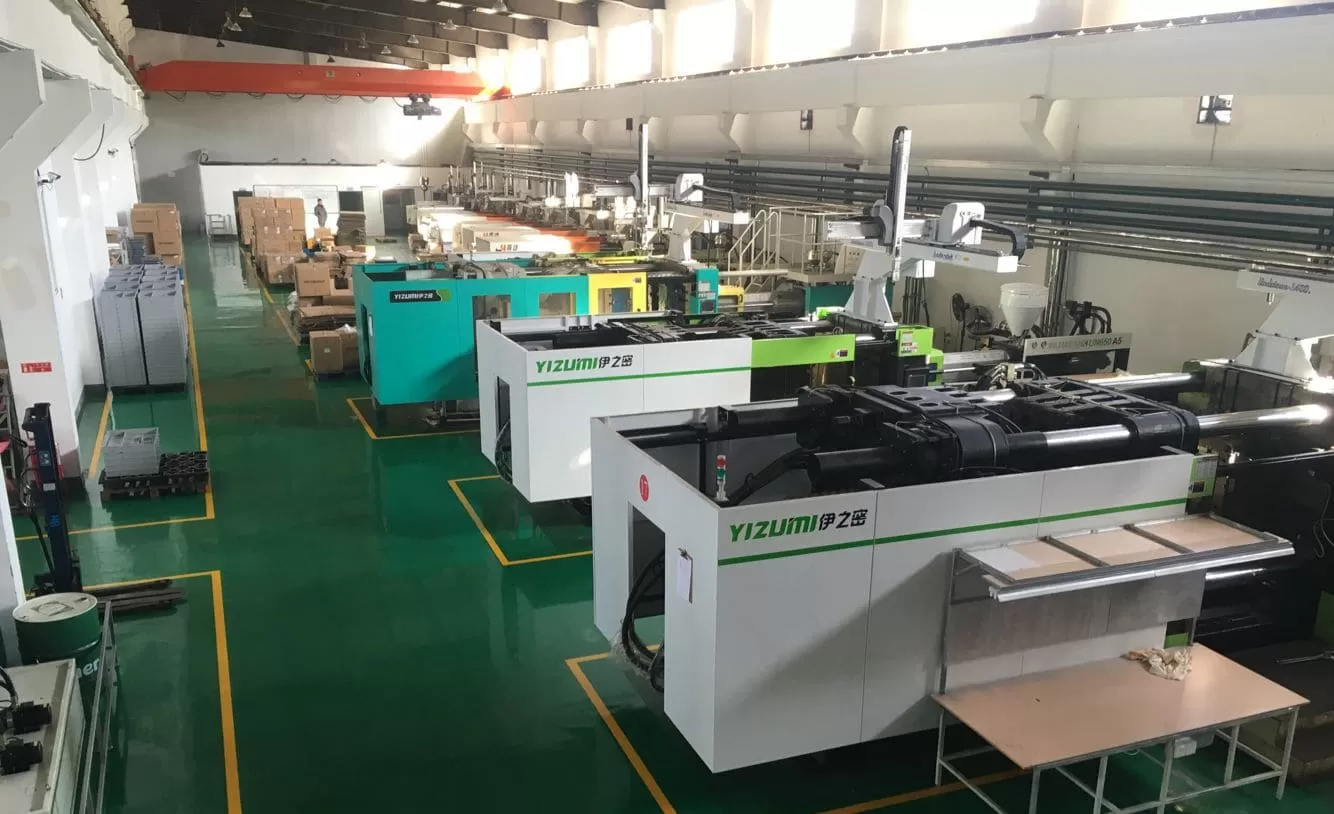
Şangay fabrikamızda, 90T ila 1850T aralığında 47 enjeksiyon kalıplama makinesi işletiyoruz, 8 kıdemli mühendis ve 120'den fazla üretim işçisinden oluşan bir ekip tarafından destekleniyoruz. 30'dan fazla İngilizce konuşan proje yöneticimiz, hata önleme süreci boyunca uluslararası otomotiv müşterileriyle sorunsuz iletişim sağlıyor.
Otomotiv Enjeksiyon Kalıplama Maliyeti Ne Kadardır?
Otomotiv enjeksiyon kalıplama maliyeti kalıp yapımı (kalıp başına 15.000–100.000+ TL) ve parça başına üretim (0,10–5,00 TL) arasında bölünür. Toplam maliyet hacimle birlikte önemli ölçüde düşer, bu da 10.000 adedin üzerinde en ekonomik hale gelir. Çoklu boşluklu kalıplar ve otomatik üretim hatları, yüksek hacimli iç klipsler için parça başı maliyetleri daha da düşürerek kuruş seviyelerine indirir.
Otomotiv müşterilerimizle tipik olarak paylaştığımız bir maliyet dağılımı:
| Maliyet Faktörü | Aralık | Temel Etkenler |
|---|---|---|
| Tek boşluklu kalıp | $15,000–$50,000 | Parça boyutu, karmaşıklık, çelik kalitesi (P20 vs H13) |
| Çok boşluklu kalıp (4–16 boşluk) | $50,000–$150,000 | Boşluk sayısı, sıcak kanallı sistem |
| Parça başı maliyet (PP tampon) | $0.80–$3.00 | Malzeme ağırlığı, döngü süresi, ikincil işlemler |
| Parça başına maliyet (küçük bağlantı elemanı) | $0.05–$0.30 | Çoklu boşluk verimliliği, malzeme maliyeti |
| Kalıp bakımı (yıllık) | Kalıp maliyetinin %3–5'i | Üretim hacmi, malzeme aşındırıcılığı |
Otomotiv sektöründeki müşterilerin, özellikle sıcak yolluk sistemli çok kaviteli kalıplarda, kalıp maliyetlerini sıklıkla düşük tahmin ettiğini gördük. Bakımı iyi yapılan bir üretim kalıbı 500,000’den fazla baskı üretebilir; ilk kalıp yatırımının bu hacme yayılması, çoğu otomotiv uygulamasında parça başına kalıp maliyetini bir doların çok altına düşürür. Projenin başında ayrıntılı maliyet dökümü istemek bütçe sürprizlerini önler.
Enjeksiyon Kalıplama Otomotiv Üretimi İçin Nasıl Gelişiyor?
Bu bölüm, otomotiv üretimi için enjeksiyon kalıplamanın gelişimi ve maliyet, kalite, zamanlama veya tedarik riski üzerindeki etkisi hakkındadır. Otomotiv üretimi için enjeksiyon kalıplama, hafifletme girişimleri, EV’ye özel bileşen talepleri, sürdürülebilir malzemeler ve Endüstri 4.0 entegrasyonu ile gelişiyor. Elektrikli araçlara yönelik baskı, tamamen yeni enjeksiyon kalıplı parça kategorileri yarattı — batarya muhafazaları, şarj bileşenleri ve termal yönetim sistemleri — sürdürülebilirlik hedefleri ise geri dönüştürülmüş ve biyo bazlı polimerlerin benimsenmesini teşvik ediyor.
Otomotiv projelerimizde gördüğümüz temel eğilimler:
1. Malzeme İkamesiyle Hafifletme — Metalden plastiğe dönüşüm hızlanmayı sürdürüyor. Yakın zamanda basınçlı döküm alüminyum bir braketi PA6-GF50 enjeksiyonla kalıplanmış sürümle değiştirerek aynı yük gereksinimlerini karşılarken ağırlığı %45 azalttık.
2. Mikro Hücresel Köpürtme (MuCell) — Bu proses, köpüklü bir çekirdek yapısı oluşturmak için eriyiğe azot gazı enjekte eder; parça ağırlığını %10–15 azaltır ve çökme izlerini ortadan kaldırır. Birlikte çalıştığımız birkaç Tier 1 tedarikçi artık iç paneller için MuCell şart koşuyor.
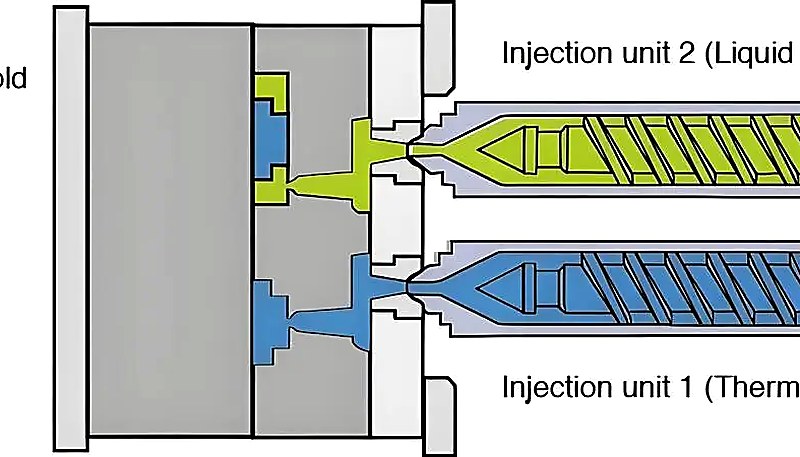
3. Üzerine Kalıplama ve Insert Kalıplama — Sert alt tabakaları yumuşak dokunuşlu yüzeylerle birleştiren veya metal insertleri entegre eden çok malzemeli parçalar giderek yaygınlaşıyor. PC/ABS yapıyı TPE üzerine kalıplamayla tek bir iki atımlı proseste birleştiren kapı kolu montajları üretiyoruz.
4. Geri Dönüştürülmüş İçerik Gereksinimleri — AB düzenlemeleri artık 2030’a kadar yeni araçlarda %25 geri dönüştürülmüş plastik içeriğini hedefliyor. Kritik olmayan çeşitli iç mekân uygulamalarında, işlenmemiş malzemeye kıyasla özellik kaybı %5’in altında olan geri dönüştürülmüş PP’yi (rPP) doğruladık.
5. Akıllı Üretim — Yeni preslerimizde kalıp gözü basınç sensörleri ve gerçek zamanlı proses izleme bulunur. Parametreler kontrol sınırlarının dışına çıktığında sistem otomatik olarak ayar yapar veya parçaları muayene için işaretler; böylece hurda oranı %0,5’in altına iner.
Sıkça Sorulan Sorular
Otomotiv enjeksiyon kalıplamada en yaygın kullanılan plastik nedir?
Polipropilen (PP), otomotiv enjeksiyon kalıplamada en yaygın kullanılan plastiktir ve hacim olarak tüm otomotiv plastiklerinin yaklaşık yüzde 40’ını oluşturur. Santimetreküp başına 0,9 gram olan düşük yoğunluğu, motor yağlarına ve soğutuculara karşı mükemmel kimyasal direnci ve olağanüstü maliyet/performans oranı, onu tamponlar, iç trim panelleri, akü kutuları ve sıvı depoları için varsayılan seçim haline getirir. PP ayrıca artırılmış sertlik için talk ve cam elyaf dolguları kabul eder ve geri dönüştürülebilirliği, küresel pazarlardaki artan otomotiv sürdürülebilirlik hedefleriyle uyumludur.
Otomotiv enjeksiyon kalıplamada elde edilebilir toleranslar ne kadar sıkıdır?
Standart otomotiv enjeksiyon kalıplama çoğu parçada artı veya eksi 0.1 ila 0.2 millimeters tolerans sağlarken elektrik konnektörleri ve sensör gövdeleri gibi kritik bileşenlerin hassas kalıplamasında artı veya eksi 0.02 ila 0.05 millimeters değerine ulaşılabilir. Bu dar toleranslar için H13 veya S136 gibi yüksek kaliteli kalıp çeliği, bağımsız bölgelere sahip hassas sıcaklık kontrollü kalıp devreleri ve tüm üretim boyunca bütün kritik ölçülerde 1.67 veya üzeri Cpk değerini güvence altına alan istatistiksel süreç kontrolüyle izlenen tutarlı süreç parametreleri gerekir.
Otomotiv parçalarında enjeksiyon kalıplama ile 3D baskı nasıl karşılaştırılır?
Enjeksiyon kalıplama, 500 ila 1000 parçanın üzerindeki üretim hacimlerinde çok daha üstündür; parça başına maliyeti önemli ölçüde düşürür, daha iyi mekanik özellikler sunar ve gerçek otomotiv şartnamelerini karşılayan çok daha geniş bir malzeme seçeneği sağlar. 3D baskı, en fazla 1 ila 50 parçalık düşük adetlerde prototipleme ve geometri doğrulaması için yararlı olmaya devam eder. Tam ölçekli otomotiv üretiminde enjeksiyon kalıplama, ısı direnci, alev geciktiricilik ve uzun vadeli dayanıklılık açısından OEM yeterlilik gerekliliklerini sürekli karşılayan mühendislik sınıfı malzemelerle 10 ila 100 kat daha hızlı üretim sağlar.
Bir otomotiv enjeksiyon kalıbının tipik teslim süresi nedir?
Standart bir otomotiv enjeksiyon kalıbının nihai tasarım onayından ilk parça kontrolüne kadar tamamlanması 6 ila 12 hafta sürer. Sıcak yolluk sistemleri, kaldırıcılar veya yan hareketler içeren karmaşık çok gözlü kalıplar için 12 ila 16 haftalık teslim süresi gerekebilir. Daha hızlı tasarım doğrulama çevrimlerinde hızlı alüminyum takımlar 2 ila 4 haftada prototip kalıplar sağlayabilir; böylece araç ömrü boyunca milyonlarca parçayı güvenilir biçimde üretecek çelik üretim kalıbına geçmeden önce işlevsel test ve tasarım yinelemesi yapılabilir.
Enjeksiyon kalıplama metalin yerini alan yapısal otomotiv parçaları üretebilir mi?
Evet, PA6-GF30’dan PA6-GF50’ye kadar cam elyaf dolgulu naylon ve karbon elyaf takviyeli polimerler gibi modern mühendislik plastikleri; motor montaj braketleri, pedal düzenekleri, koltuk yapıları ve kapı modülleri gibi metal performans gerekliliklerini karşılayan veya aşan yapısal otomotiv parçalarını güvenilir biçimde üretebilir. Bu enjeksiyon kalıplı alternatifler, gerekli mekanik mukavemeti, yorulma direncini ve büyük küresel OEM mühendislik ekiplerince onaylanan güvenlik açısından kritik otomotiv uygulamaları için gereken termal kararlılığı korurken preslenmiş veya basınçlı döküm metal eşdeğerlerine kıyasla genellikle yüzde 40 ila 60 ağırlık azalması sağlar.
Enjeksiyonla Kalıplanmış Otomotiv Parçaları İçin Hangi Yüzey Kaliteleri Mevcuttur?
Otomotiv enjeksiyon kalıplı parçaları; yüzey pürüzlülüğü Ra 0.012 mikrometrenin altında olan SPI A-1 ayna polisajından, iç bileşenlerde yaygın kullanılan VDI 3400 ve Mold-Tech dokulu desenlere kadar tüm yüzey kalitesi aralığına ulaşabilir. İç bileşenlerde parmak izlerini gizlemek ve sürücünün göz kamaşmasını azaltmak için genellikle MT-11010 ila MT-11570 aralığında dokulu yüzeyler kullanılırken dış gövde panelleri, tamamen kusursuz ve araç montaj tesisinde e-kaplama, astarlama ve son boyaya hazır A Sınıfı yüzeyler gerektirir.
Büyük otomotiv üretim serilerinde renk tutarlılığını nasıl sağlıyorsunuz?
Büyük otomotiv üretim serilerinde renk tutarlılığı; tek bir üretim partisinden masterbatch veya önceden renklendirilmiş reçine kullanılmasını, kalibre edilmiş spektrofotometrelerle Delta E değeri 1.0’ın altında ölçülen belgeli renk standartlarının korunmasını ve eriyik sıcaklığı, enjeksiyon hızı ve soğuma süresi dâhil tüm proses parametrelerinin üretim serisi boyunca sabit tutulmasını gerektirir. Fabrikamızda üretim sırasında her 2 saatte bir renk doğrulama numunesi alıyor ve eksiksiz izlenebilirlik ile kalite güvence belgeleri için tüm üretim serisine ait referans numuneleri saklıyoruz.
Enjeksiyon Kalıplamayı Otomotiv Parçaları İçin En İyi Seçim Yapan Nedir?
Bu bölüm, enjeksiyon kalıplamayı otomotiv parçaları için en iyi seçenek yapan unsurları ve bunun maliyet, kalite, zamanlama ya da tedarik riski üzerindeki etkisini ele alır. Enjeksiyon kalıplama, parça başına $0.08 maliyetli yüksek hacimli iç trim klipslerinden 150°C sürekli çalışmaya dayanabilen karmaşık motor bölmesi bileşenlerine kadar her şeyi üreterek otomotiv plastik imalatının temelini oluşturur. Süreç, otomotiv sektörünün zorlu gereksinimleri için eşsiz ölçeklenebilirlik, malzeme çeşitliliği ve hassasiyet sunar.
Fabrikamızda iç, dış, kaput altı ve elektrikli bileşenleri kapsayan 200’den fazla otomotiv enjeksiyon kalıplama projesi tamamladık. İster yeni bir EV bileşeni geliştiriyor ister mevcut bir parçayı maliyet azaltımı için optimize ediyor olun, başarının anahtarı erken DFM iş birliği, doğru malzeme seçimi ve IATF 16949 ile uyumlu titiz kalite sistemleridir. Olası ortakları değerlendirmek için enjeksiyon kalıplama tedarikçisi bulma kılavuzumuza bakın.
Otomotiv sektörü elektrifikasyona ve sürdürülebilirliğe yönelirken enjeksiyon kalıplama da gelişmeyi sürdürüyor; geri dönüştürülmüş malzemeler, gelişmiş simülasyon araçları ve akıllı üretim teknolojileri sayesinde her zamankinden daha yetkin ve verimli hâle geliyor. Kapsamlı bir genel bakış için Enjeksiyon Kalıplama Eksiksiz Kılavuzumuza göz atın.
tutma basıncı: Tutma basıncı, ilk enjeksiyon dolumu tamamlandıktan sonra kalıp gözündeki erimiş plastiğe uygulanan sürekli ikincil basınçtır. Genellikle tepe enjeksiyon basıncının %40–80'ine ayarlanır ve giriş donana kadar korunarak çökme izleri ve boşluklar gibi hacimsel çekme kusurlarını önler. ↩
kalıp akış analizi: Kalıp akış analizi (enjeksiyon kalıplama simülasyonu da denir), erimiş polimerin kalıp gözünü nasıl doldurduğunu, ütülendiğini ve soğuduğunu modelleyen bir CAE tekniğidir. Çelik kesilmeden önce kaynak izlerini, hava ceplerini, çarpılmayı ve çekmeyi öngörerek takım yinelemelerini %80–90 azaltır. ↩
DFM: DFM (Üretilebilirlik için Tasarım), parça geometrisini üretim prosesinin kısıtlarına uyarlayan eş zamanlı bir mühendislik metodolojisidir; enjeksiyon kalıplamada bu, eşit et kalınlığı, yeterli çıkma açıları (1–3°) ve nominal et kalınlığının %50–60'ı oranında nervürler demektir. ↩