Kapı tipleri
Polietilen (PE) ile enjeksiyon kalıplama1, PE’nin çok yönlülüğü ve maliyet etkinliği sayesinde en yaygın termoplastik işleme yöntemidir. Bu yarı kristal polimer1, düşük yoğunluklu (LDPE) türlerden yüksek yoğunluklu (HDPE) türlere kadar uzanır ve her tür farklı işleme özellikleri ile nihai kullanım özellikleri sunar.
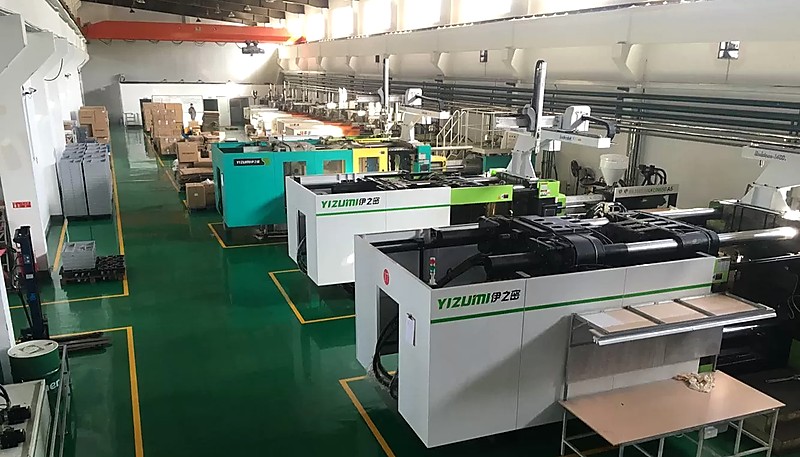
ZetarMold’un 2005 yılında kurulan Şanghay tesisinde, 90T ile 1850T arasında değişen 45 enjeksiyon kalıplama makinesinde her gün PE sınıflarını işleriz. PE ile 20+ yıllık üretim deneyimimiz, basit kapak ve kaplardan karmaşık otomotiv bileşenlerine kadar uzanan uygulamaları kapsar. PE’nin mükemmel kimyasal direnci, düşük nem emilimi (genellikle ≤0.01%) ve iyi elektrik yalıtımı onu gıda ambalajı, tüketim malları ve endüstriyel uygulamalar için ideal kılar.
"Kalıbın soğutma süresi, PE kalıplama çevrim süresinin en büyük bölümüdür."True
PE düşük ısıl iletkenliğe sahiptir ve kristalleşme için önemli ölçüde soğutma süresi gerektirir. Soğutma kanalı tasarımının optimize edilmesi, parça kalitesini korurken çevrim süresini azaltır.
“Daha hızlı soğutma her zaman daha iyi PE parçalar üretir.”False
Hızlı soğutma, eksik kristalleşmeye, eğrilmeye ve mekanik özelliklerin azalmasına neden olabilir. Kontrollü soğutma oranları, hız ve kalite arasındaki dengeyi optimize eder.
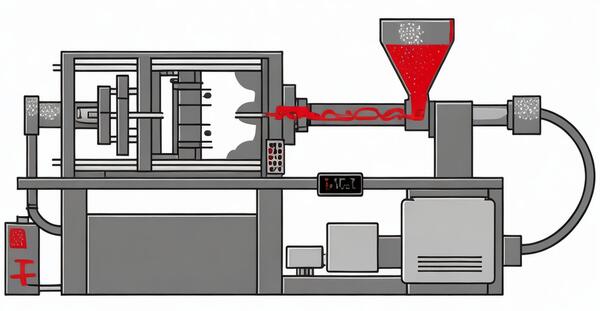
PE enjeksiyon kalıplama, kristalin yapısı nedeniyle eriyik sıcaklığının ve soğuma hızlarının hassas kontrolünü gerektirir. Doğru proses, tutarlı parça kalitesi, ölçü kararlılığı ve optimum mekanik özellikler sağlar. PE’nin kendine özgü özelliklerini anlamanın, minimum kusurla yüksek kaliteli parçalar elde etmek için kritik olduğunu gördük.
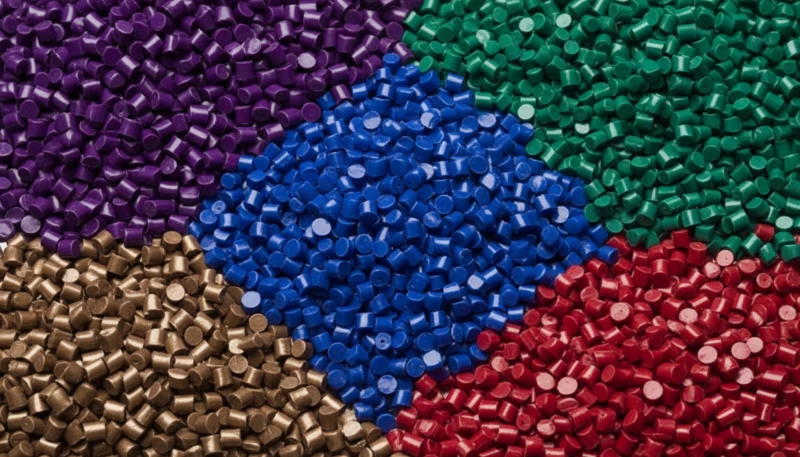
PE’deki polimer zincirleri doğru soğutulduğunda önemli ölçüde kristalleşebilir; bu da nihai parçanın rijitliğini, darbe dayanımını ve görünümünü etkiler. Üretim ortamımızda standart ticari sınıflardan zorlu uygulamalara yönelik özel formülasyonlara kadar 400’den fazla farklı PE malzemesi işledik. Her sınıf en uygun sonuçlara ulaşmak için kendine özgü proses ayarları gerektirir.
PE malzeme seçimi işlemeyi nasıl etkiler?
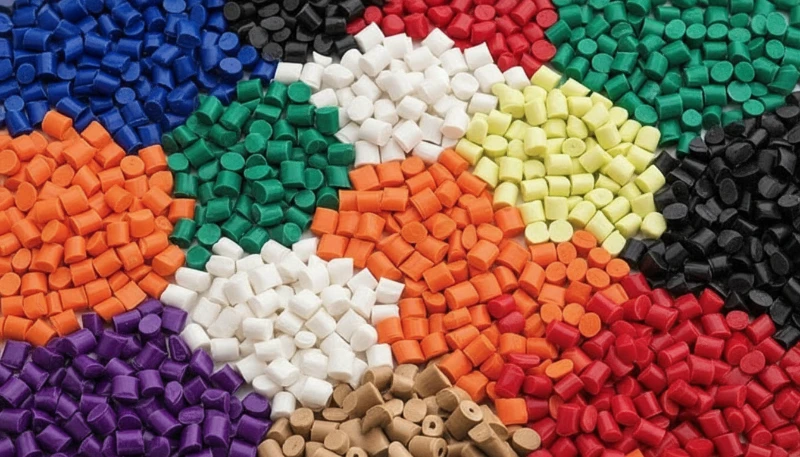
Enjeksiyon kalıbı tasarımında malzeme seçimi, işleme parametrelerini ve nihai parça performansını doğrudan etkiler. LDPE mükemmel esneklik ve darbe dayanımı sunar, ancak daha düşük işleme sıcaklıkları (140-200°C) gerektirir. HDPE, daha yüksek rijitlik ve sıcaklık direnci sağlar; 160-220°C’de ve daha düşük büzülme oranlarıyla işlenir.
“Daha yüksek eriyik sıcaklığı PE akışını iyileştirir, ancak çevrim süresini uzatır.”True
PE'nin viskozitesi yüksek sıcaklıklarda düşerek ince kesitlerin daha iyi dolmasını sağlar. Ancak aşırı ısı soğumayı uzatır ve bozunmaya neden olabilir.
“Eriyik sıcaklığını artırmak parça kalitesini her zaman iyileştirir.”False
Daha yüksek sıcaklık akışı iyileştirse de nem kaynaklı gümüşlenmeye yol açabilir, çevrim süresini uzatabilir ve ısıl bozunma riski oluşturabilir.
Şanghay fabrikamızda, aşınmaya dayanıklı uygulamalar için UHMWPE gibi özel kaliteler dahil 400’den fazla farklı PE malzemesi işledik. Her kalite özel kalıp tasarımları ve işleme ayarları gerektirir. Örneğin UHMWPE, son derece yüksek molekül ağırlığı ve eriyik viskozitesi nedeniyle daha yüksek sıcaklıklar ve özel vida tasarımları gerektirir.
20 yılı aşkın deneyimimizde PE sınıfını uygulama gereksinimleriyle eşleştirmenin maliyetli yeniden işlemeyi önlediğini ve en uygun parça performansını sağladığını gördük. 8 kıdemli mühendisimiz her projenin gereksinimlerini analiz eder ve mekanik özellik ihtiyaçları, çevresel maruziyet ile maliyet değerlendirmelerine göre en uygun PE çeşidini önerir. Çok sayıda üretim serisinden doğru malzeme seçiminin başarılı bir proje ile tekrarlanan arızalar arasındaki farkı yaratabileceğini öğrendik.
Malzeme seçimi sürecimiz eriyik akış hızı (MFR)2, yoğunluk, moleküler ağırlık dağılımı ve katkı paketleri gibi etkenleri dikkate alır. Bu özellikler akış davranışını, büzülmeyi ve nihai parça özelliklerini etkiler. Düzenli kullandığımız her PE sınıfı için işleme pencereleri geliştirdik; bu, farklı üretim serilerinde tutarlı sonuçlar elde etmemize yardımcı oluyor.
“Tutarlı PE parça kalitesi için doğru yolluk girişi tasarımı şarttır.”True
Girişin boyutu, konumu ve tipi dolum desenini, ütüleme verimini ve kaynak çizgisinin yerini doğrudan etkiler. Optimize edilmiş giriş tasarımı kusurları azaltır ve boyutsal tutarlılığı iyileştirir.
“PE kalıplamada tüm yolluk türleri eşit derecede iyi çalışır.”False
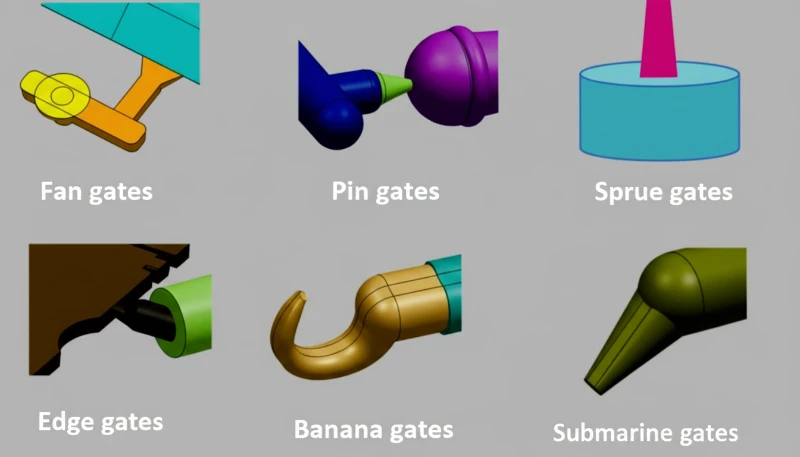
Yolluk seçimi parça geometrisine, duvar kalınlığına ve üretim hacmine bağlıdır. Kenar yolluklar düz parçalar için uygundur; tünel yolluklar ise kozmetik yüzeylere uygundur. Yanlış yolluk türü jetlenmeye veya eksik doluma neden olur.
PE yapısı ile işleme davranışı arasındaki ilişki, başarılı enjeksiyon kalıplama için temeldir. Soğuma sırasında oluşan kristalin bölgeler rijitliği ve dayanımı etkiler. Amorf bölgeler darbe direncine katkıda bulunur. Bu dengeyi anlamak, mühendislerimizin her uygulama için optimum performans sağlayan kalıplar ve prosesler tasarlamasına yardımcı olur.
- PE, işleme öncesinde minimum kurutma gerektirir
- Kalıp sıcaklığı kristalliği ve çekmeyi etkiler
- İşleme, yoğunluğa ve MFR değerine göre değişir
- Çekme oranları %1.5 ile %5.0 arasındadır
PE İçin Kritik İşleme Parametreleri Nelerdir?
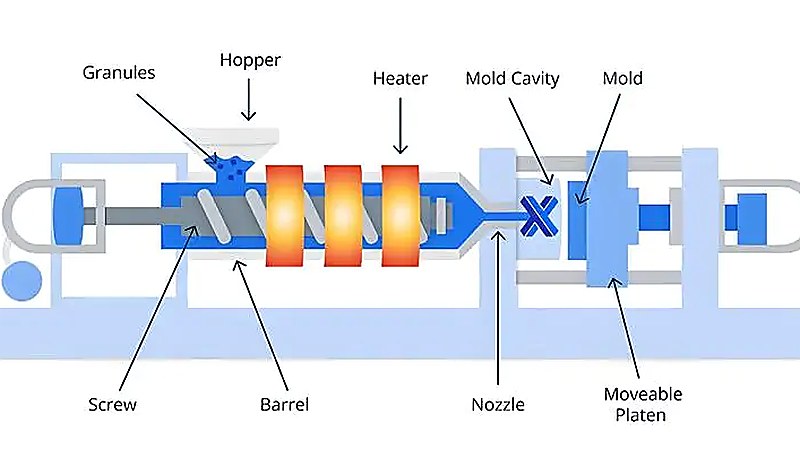
Başarılı PE enjeksiyon kalıplama, birkaç temel işleme parametresinin kontrolüne bağlıdır. Kovan sıcaklığı erime noktasının 10°C üzerine, PE sınıfına ve eriyik akış hızına bağlı olarak genellikle 140-220°C aralığına ayarlanmalıdır. Bu, termal bozunmayı önlerken tam erime sağlar.
“PE çekmesi anizotropiktir — akış yönünde daha yüksektir.”True
Yarı kristalin PE akış sırasında yönlenir ve moleküler yönlenme doğrultusunda daha fazla çeker. Kalıp tasarımı bunu telafi etmelidir.
“Tüm PE kaliteleri aynı çekme oranına sahiptir.”False
Farklı PE sınıflarının çekme oranları önemli ölçüde değişir. HDPE ve LDPE %1,5-3 çeker; ancak moleküler ağırlık ve katkı maddeleri gerçek oranları etkiler.
Kalıp sıcaklığı kristalleşmede kritik bir rol oynar. LDPE için 30-45°C, HDPE için ise 40-60°C korunmalıdır. Daha yüksek kalıp sıcaklıkları soğumayı yavaşlatır, kristalliği artırır ve mekanik özellikleri iyileştirirken çekmeyi de artırır. Üretim ekibimiz bu birbiriyle çelişen gereksinimleri parça geometrisine ve performans özelliklerine göre dikkatle dengeler.
PE’nin mükemmel akış özellikleri sayesinde enjeksiyon basıncı nispeten düşüktür. Ancak çökme izlerini en aza indirmek ve ölçü hassasiyetini sağlamak için tutma basıncı ile süresi kritik önemdedir. Optimum tutma basıncının genellikle enjeksiyon basıncının %60-80’i olduğunu, tutma süresinin ise et kalınlığına ve yolluk boyutuna göre ayarlanması gerektiğini belirledik.
Soğutma süresi, çıkarma öncesinde uygun kristalleşmeye izin verecek kadar uzun olmalıdır. PE’nin yavaş kristalleşmesi, soğutmanın çoğu zaman toplam çevrim süresinin %50-70’ini oluşturması anlamına gelir. Kalıp tasarımlarımız, tam katılaşma sağlarken çevrim süresini en aza indirmek için verimli soğutma sistemleri içerir. Soğutma hızı hem kristalliği hem iç gerilimi etkileyerek nihai parça özelliklerini belirler.
“Tutarlı PE parça kalitesi için doğru yolluk girişi tasarımı şarttır.”True
Girişin boyutu, konumu ve tipi dolum desenini, ütüleme verimini ve kaynak çizgisinin yerini doğrudan etkiler. Optimize edilmiş giriş tasarımı kusurları azaltır ve boyutsal tutarlılığı iyileştirir.
“PE kalıplamada tüm yolluk türleri eşit derecede iyi çalışır.”False
Yolluk seçimi parça geometrisine, duvar kalınlığına ve üretim hacmine bağlıdır. Kenar yolluklar düz parçalar için uygundur; tünel yolluklar ise kozmetik yüzeylere uygundur. Yanlış yolluk türü jetlenmeye veya eksik doluma neden olur.
Enjeksiyon hızı moleküler yönlenmeyi ve iç gerilmeyi etkiler. Daha yüksek hızlar akış yönündeki yönlenmeyi artırır; bu, o yöndeki dayanımı yükseltebilir ancak dik yöndeki özellikleri azaltabilir. Yönlenme etkilerini en aza indirmek için kalın kesitlerde daha düşük hızlar kullanarak enjeksiyon hızını parça geometrisine ve performans gerekliliklerine göre optimize ederiz.
Vida hızı ve geri basınç da eriyik kalitesini etkiler. PE, bozunmayı önlemek ve eşit erime sağlamak için genellikle minimum geri basınçla (50-100 bar) orta vida hızları (50-100 RPM) gerektirir. Ekipman ayarlarımız, bu parametreleri farklı PE sınıfları ve parça konfigürasyonları için optimize etme konusunda yıllara dayanan deneyimi yansıtır.
PE Kalıplamada Büzülme Yönetimi Neden Kritiktir?
PE, doğru kalıp tasarımı ve süreç kontrolüyle yönetilmesi gereken önemli ölçüde büzülme gösterir. Büzülme oranları değişir: LDPE %1.5-3.0, MDPE %2.0-4.0, HDPE %2.5-5.0%3. Bu yüksek büzülme, takım tasarımında dikkatli telafi ve süreç optimizasyonu gerektirir.
"Yeniden öğütülmüş PE işlenirken nem gümüş çizgilere yol açar."True
İşlenmemiş PE düşük nem emilimine sahip olsa da yeniden öğütülmüş malzeme su içerebilir. 60-80°C'de 2-4 saat kurutma gümüş çizgileri önler.
“PE'nin işleme öncesinde asla kurutulması gerekmez.”False
Saf PE neme karşı düşük duyarlıdır, ancak yeniden öğütülmüş malzeme ve kirlenme yüzey kusurlarını önlemek için kurutma gerektirir.
Anizotropik çekme, farklı parça kesitlerinde soğuma düzensiz olduğunda çarpılmaya neden olur. Kalıp tasarım ekibimiz yönlü çekmeyi en aza indirmek için eşit dağılımlı soğutma kanalları ve uygun giriş konumları kullanır. Doğru soğutma tasarımının karmaşık geometrilerde çarpılmayı %60’ın üzerinde azalttığını gördük. Önemli olan PE’nin kristalleşme davranışının parça geometrisi ve soğutma koşullarıyla nasıl etkileştiğini anlamaktır.
ZetarMold’da, belirli PE sınıfına ve parça geometrisine göre takım tasarımında çekmeyi hesaba katıyoruz. 8 kıdemli mühendisimiz, çekme davranışını öngörmek ve kalıp ölçülerini buna göre ayarlamak için DFM analizi kullanıyor. Çeşitli PE sınıfları için kapsamlı çekme verileri geliştirdik; bu veriler, ilk denemede dar toleranslar içinde parçalar üreten kalıplar tasarlamamıza yardımcı oluyor.
Kristallik4, büzülmenin büyüklüğünü önemli ölçüde etkiler. Daha yüksek kristallik, kristalleşme sırasında daha fazla malzeme daraldığı için büzülmeyi artırır. Kalıp sıcaklığı, kristallik ve büzülme arasındaki bu ilişki karmaşık bir optimizasyon problemi yaratır. Daha yüksek kalıp sıcaklıkları kristalliği artırır ve mekanik özellikleri geliştirir, ancak büzülmeyi de artırır. Bu karşıt etkenleri uygulama gereksinimlerine göre dengeliyoruz.
“Tutarlı PE parça kalitesi için doğru yolluk girişi tasarımı şarttır.”True
Girişin boyutu, konumu ve tipi dolum desenini, ütüleme verimini ve kaynak çizgisinin yerini doğrudan etkiler. Optimize edilmiş giriş tasarımı kusurları azaltır ve boyutsal tutarlılığı iyileştirir.
“PE kalıplamada tüm yolluk türleri eşit derecede iyi çalışır.”False
Yolluk seçimi parça geometrisine, duvar kalınlığına ve üretim hacmine bağlıdır. Kenar yolluklar düz parçalar için uygundur; tünel yolluklar ise kozmetik yüzeylere uygundur. Yanlış yolluk türü jetlenmeye veya eksik doluma neden olur.
Bir parçadaki cidar kalınlığı farklılıkları, farklı çekme oranlarına neden olarak çarpılma ve çöküntü izlerine yol açar. Tasarım yönergelerimiz, mümkün olduğunda eşit cidar kalınlığının korunmasını önerir. Kalınlık farklılıkları kaçınılmaz olduğunda gerilim yoğunlaşmalarını ve farklı soğuma etkilerini en aza indirmek için kademeli geçişler uygular ve yolluk girişi konumlarını optimize ederiz.
Yolluk konumu ve tasarımı çekme desenlerini etkiler. Birden fazla yolluktan doldurulan parçalar, tek yolluklu tasarımlara göre çoğu zaman farklı çekme davranışı gösterir. Homojen dolumu destekleyen ve akış uzunluğu farklarını en aza indiren yolluk konumları seçeriz; bu, parça genelinde daha tutarlı çekme sağlar.
PE Enjeksiyon Kalıplamada Hangi Yaygın Kusurlar Oluşur?
Çökme izleri, düzensiz soğuma ve malzeme çekmesi nedeniyle çoğunlukla kalın kesitlerin veya nervürlerin yakınında görülür. Üretim ekibimiz bunu yolluk konumunu optimize ederek, et kalınlığı farklılıklarını azaltarak ve soğuma süresini uzatarak giderir. Genellikle et kalınlığının 50-60%’ı olan doğru nervür tasarımının, yapısal bütünlüğü korurken çökme izlerini azaltmaya yardımcı olduğunu gördük.
“Kalıp sıcaklığı PE kristalliğini ve nihai özellikleri etkiler.”True
Daha yüksek kalıp sıcaklıkları daha tam kristalleşmeyi destekleyerek rijitliği ve boyutsal kararlılığı artırır.
"Kalıp sıcaklığının düşürülmesi, kaliteyi etkilemeden her zaman döngü süresini kısaltır."False
Daha düşük sıcaklık soğutma süresini azaltırken eksik kristalleşmeye, çarpılmaya ve rijitliğin azalmasına neden olabilir.
Çarpılma, parça genelindeki farklı büzülmeden kaynaklanır. Eşit kalıp sıcaklığı dağılımı ve dengeli soğutma devrelerinin gerekli olduğunu gördük. DFM prosesimiz takım başlamadan önce potansiyel çarpılma risklerini analiz eder. Çarpılmayı öngörmek ve soğutma kanalı yerleşimini ayarlamak için kalıp akış simülasyonu kullanırız. Birçok çarpılma sorunu parça geometrisini değiştirmek yerine soğutma sistemi tasarımını değiştirerek çözülebilir.
Çapak, enjeksiyon basıncı kapama kuvvetini veya kalıp sızdırmazlığını aştığında oluşur. Tesisimizde bu parametreleri hassas biçimde kontrol ediyoruz. Çeşitli parça boyutlarına uyum sağlamak üzere 45 makinemizin kapama kuvvetleri 90T ile 1850T arasındadır. Çapak boşluklarına yol açabilecek aşınmayı önlemek için doğru kalıp bakımını da sağlıyoruz. Kapama kuvveti, kavite basıncı ve parça alanı arasındaki ilişki çapak oluşup oluşmayacağını belirler; bu parametreleri her üretim kurulumu için hesaplarız.
“Tutarlı PE parça kalitesi için doğru yolluk girişi tasarımı şarttır.”True
Girişin boyutu, konumu ve tipi dolum desenini, ütüleme verimini ve kaynak çizgisinin yerini doğrudan etkiler. Optimize edilmiş giriş tasarımı kusurları azaltır ve boyutsal tutarlılığı iyileştirir.
“PE kalıplamada tüm yolluk türleri eşit derecede iyi çalışır.”False
Yolluk seçimi parça geometrisine, duvar kalınlığına ve üretim hacmine bağlıdır. Kenar yolluklar düz parçalar için uygundur; tünel yolluklar ise kozmetik yüzeylere uygundur. Yanlış yolluk türü jetlenmeye veya eksik doluma neden olur.
Dolum sırasında hapsolan hava dışarı çıkamadığında veya malzeme soğuma sırasında içten çektiğinde boşluklar ve kabarcıklar oluşur. Özellikle derin kavitelerde ve kalın kesitlerde doğru havalandırma kritik önemdedir. Kalıp tasarımlarımız, malzeme çapaklanmasını önlerken havanın çıkmasını sağlayan stratejik konumlandırılmış hava tahliye kanalları içerir. Ayrıca hapsolan havaya son ütüleme ve tutma aşamasından önce çıkması için zaman tanıyan çok kademeli dolum profilleri kullanıyoruz.
Gümüş izler, nem veya uçucu maddeler eriyik cephesinde buharlaştığında oluşur. PE’nin nem içeriği düşük olsa da kirlenme veya bozunma yine de gümüş izlere neden olabilir. Bunu doğru malzeme elleçleme, temiz işleme koşulları ve uygun sıcaklık profilleriyle önleriz. Gümüş iz oluştuğunda olası nem, kirlenme veya aşırı kesme ısısı kaynaklarını araştırırız.
PE Kalıp Tasarımını Nasıl Optimize Edebilirsiniz?
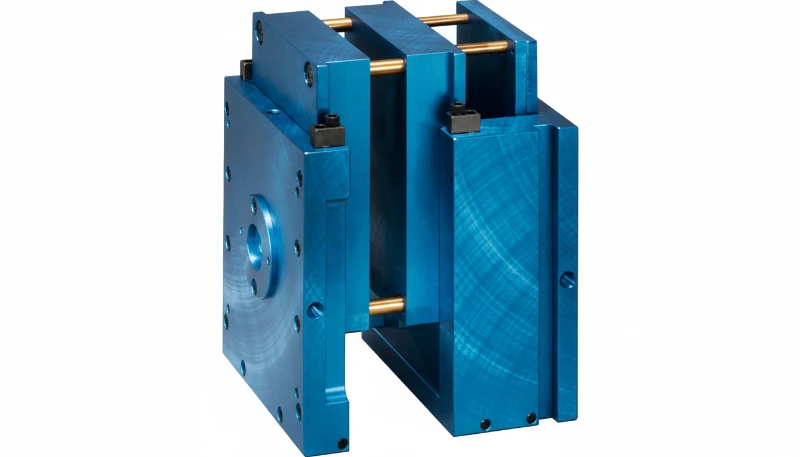
PE parçalar için doğru yolluk tasarımı çok önemlidir. Büyük ve yuvarlatılmış yolluklar, akış duraksamasını ve yönlenme etkilerini en aza indirir. Düz parçalar için genellikle kenar yollukları, silindirik bileşenler içinse denizaltı yollukları kullanırız. Yolluk boyutu et kalınlığına ve parça hacmine bağlıdır; PE için genellikle et kalınlığının %50-70’i büyüklüğünde yolluklar kullanırız. Yolluk konumu, dolum düzenlerini ve birleşme çizgisinin yerini etkiler; bunları yapısal ve estetik gerekliliklere göre optimize ederiz.
Dolum sırasında hapsolmuş havanın çıkabilmesi için havalandırma yeterli olmalıdır. PE’nin düşük viskozitesi, karmaşık geometrilerde hava hapsedebilir. Kalıp tasarımımız, 20 yılı aşkın üretim deneyimine dayalı stratejik hava tahliye konumları içerir. Hava tahliye derinliği tipik olarak 0.015-0.025 mm’dir; bu değer malzeme çapaklanmasını önlerken havanın çıkmasına olanak tanır. Hava tahliyelerini dolum sonu konumlarına ve hava biriken kör deliklerin çevresine yerleştiriyoruz.
Soğutma sistemi tasarımı çevrim süresini ve parça kalitesini önemli ölçüde etkiler. PE’nin yavaş kristalleşmesi yeterli soğutma gerektirir. Kalıplarımızda, ısı transferini optimize etmek ve çevrim sürelerini azaltmak için mümkün olan yerlerde konformal soğutma kanalları bulunur. Soğutma kanalı yerleşimini optimize etmek ve boşluğun tamamında eşit soğutma sağlamak için kalıp sıcaklığı simülasyonu kullanırız. Doğru soğutma, parça tutarlılığını iyileştirirken çevrim süresini %30’a kadar azaltır.
“Tutarlı PE parça kalitesi için doğru yolluk girişi tasarımı şarttır.”True
Girişin boyutu, konumu ve tipi dolum desenini, ütüleme verimini ve kaynak çizgisinin yerini doğrudan etkiler. Optimize edilmiş giriş tasarımı kusurları azaltır ve boyutsal tutarlılığı iyileştirir.
“PE kalıplamada tüm yolluk türleri eşit derecede iyi çalışır.”False
Yolluk seçimi parça geometrisine, duvar kalınlığına ve üretim hacmine bağlıdır. Kenar yolluklar düz parçalar için uygundur; tünel yolluklar ise kozmetik yüzeylere uygundur. Yanlış yolluk türü jetlenmeye veya eksik doluma neden olur.
Yüzey kalitesi değerlendirmeleri çıkarma özelliklerini ve parça görünümünü etkiler. PE, yüksek polisajlı yüzeylere yapışma eğilimindedir. İstenen parça görünümünü korurken kolay çıkarma sağlamak için uygun kalıp yüzey kaliteleri — çoğu uygulamada genellikle SPI #2 ila #3 — kullanırız. Dokulu yüzeyler çıkarmayı iyileştirebilir ve küçük yüzey kusurlarını gizleyebilir.
Çıkarma sistemi tasarımı, PE’nin nispeten düşük modülünü ve deformasyon eğilimini hesaba katmalıdır. Kuvvetleri eşit dağıtmak için geniş çıkarma boşlukları ve birden fazla çıkarma noktası kullanıyoruz. Özellikle ince duvarlı PE parçalarında sıyırıcı plakalar genellikle pimlere tercih edilir. Çıkarma tasarımlarımız parça deformasyonunu en aza indirir ve tutarlı çevrim süreleri sağlar.
Yolluk tasarımı malzeme kullanımını ve çevrim verimliliğini etkiler. PE için soğuk yolluk sistemleri yaygındır; ancak sıcak yolluk sistemleri yüksek hacimli üretimde malzeme israfını azaltabilir. Basınç düşüşü, malzeme ısınması ve çevrim süresini dengelemek için yolluk çapını ve uzunluğunu optimize ederiz. Çok kaviteli kalıplarda tüm kavitelerin eşit dolmasını sağlamak için dengeli yolluk tasarımları kullanırız.
PE İçin En İyi Sıcaklık Profili Hangisidir?
Sıcaklık profili PE sınıfına ve parça tasarımına göre değişir. LDPE için 140°C’den (arka) 200°C’ye (ön) uzanan bir gradyan kullanın. HDPE daha yüksek sıcaklıklar gerektirir: 160°C ila 220°C. Erken erimeyi önlemek ve tutarlı besleme sağlamak için arka bölge daha soğuk olmalı; ön bölgeler ise tam erime ve doğru viskozite için yeterli ısıyı sağlamalıdır.
Erken donmayı önlemek için meme sıcaklığı ön bölge sıcaklığıyla aynı veya biraz daha yüksek olmalıdır. Meme sıcaklığını ön bölgenin 5-10°C üzerinde tutmanın düzgün akış sağladığını ve yolluk girişi matlaşmasını azalttığını gördük. Meme sıcaklığı, yolluk girişindeki birleşme çizgisinin dayanımını da etkilediğinden bunu parça gereksinimlerine göre optimize ediyoruz.
Eriyik sıcaklığı moleküler yönlenmeyi ve kalıntı gerilimi etkiler. Daha yüksek sıcaklıklar yönlenmeyi azaltır ancak aşırı olduğunda polimeri bozabilir. Proses mühendislerimiz her uygulama için sıcaklık dengesini optimize eder. Kovan sıcaklığı ayarları her zaman gerçek eriyik koşullarını yansıtmadığından, gerçek eriyik sıcaklığını doğrulamak için pirometreler ve eriyik sıcaklığı sensörleri kullanırız.
Kovan genelinde sıcaklık eşitliği, tutarlı kalite için kritiktir. Sıcaklık dalgalanmaları parça kusurlarına yol açan viskozite değişimleri oluşturabilir. Makinelerimiz, eriyik boyunca optimum koşulları korumak için birden fazla ısıtma bölgesiyle hassas kovan sıcaklığı kontrolüne sahiptir. İşlediğimiz her PE sınıfı için yeni projelerde tutarlı başlangıç noktaları sağlayan standart sıcaklık profilleri geliştirdik.
“Tutarlı PE parça kalitesi için doğru yolluk girişi tasarımı şarttır.”True
Girişin boyutu, konumu ve tipi dolum desenini, ütüleme verimini ve kaynak çizgisinin yerini doğrudan etkiler. Optimize edilmiş giriş tasarımı kusurları azaltır ve boyutsal tutarlılığı iyileştirir.
“PE kalıplamada tüm yolluk türleri eşit derecede iyi çalışır.”False
Yolluk seçimi parça geometrisine, duvar kalınlığına ve üretim hacmine bağlıdır. Kenar yolluklar düz parçalar için uygundur; tünel yolluklar ise kozmetik yüzeylere uygundur. Yanlış yolluk türü jetlenmeye veya eksik doluma neden olur.
Malzemenin kovandaki bekleme süresi, ısıl geçmişi ve olası bozunmayı etkiler. PE nispeten kararlıdır; ancak yüksek sıcaklıklarda aşırı bekleme süresi sararmaya ve özellik kaybına yol açabilir. Uygun bekleme sürelerini korumak için baskı hacmini ve çevrim süresini optimize ederiz; bu süre çoğu uygulamada genellikle 2-5 dakikadır. Üretim izleme sistemlerimiz bekleme süresini takip eder ve olası sorunlarda operatörleri uyarır.
Sıcaklık ile çevrim verimliliği arasındaki ilişki dikkatle optimize edilmelidir. Daha yüksek sıcaklıklar viskoziteyi düşürür ve daha hızlı doluma olanak tanır, ancak daha yüksek ısı içeriği nedeniyle soğutma süresini artırır. Parça kalitesini korurken genel çevrim süresini en aza indirmek için bu etkileri dengeliyoruz. Proses optimizasyonumuz sıcaklık, basınç ve soğutma süresini ayrı parametreler yerine bütünleşik bir sistem olarak ele alır.
Diğer Malzemeler Yerine Ne Zaman PE Seçmelisiniz?
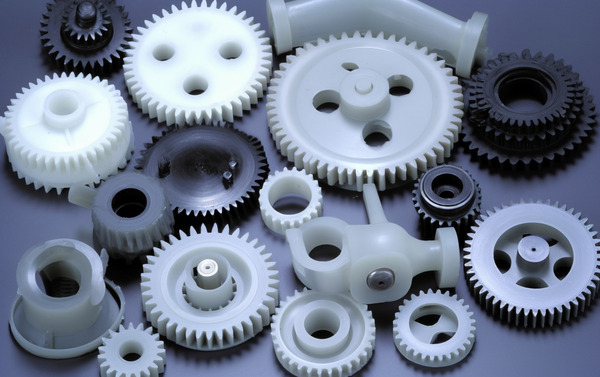
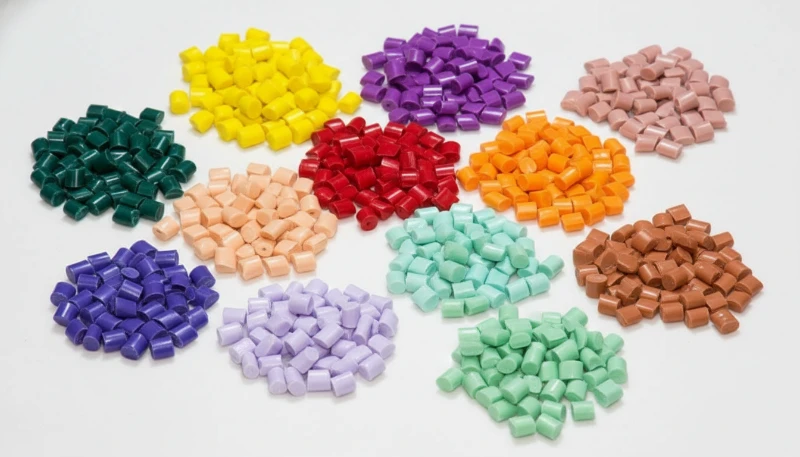
PE; kimyasal direnç, düşük maliyet ve iyi tokluk gerektiren uygulamalarda öne çıkar. Kaplar, kapaklar, oyuncaklar ve otomotiv iç bileşenleri için idealdir. Bu sektörlerde milyonlarca PE parça ürettik. PE’nin özellik ve işlenebilirlik dengesi, onu birçok uygulama için varsayılan malzeme seçimi yapar; diğer malzemeler yalnızca belirli gereksinimler PE’nin kabiliyetlerini aştığında seçilir.
Daha yüksek rijitlik ve sıcaklık direnci gerektiren uygulamalarda HDPE’yi değerlendirin. Esneklik ve darbe direnci için LDPE daha uygundur. İngilizce konuşan 30’dan fazla proje yöneticimiz en uygun PE sınıfını seçmenize yardımcı olabilir. HDPE ile LDPE arasındaki seçim, her özel uygulamada rijitlik, darbe direnci, sıcaklık gereksinimleri ve maliyet arasındaki dengeye bağlıdır.
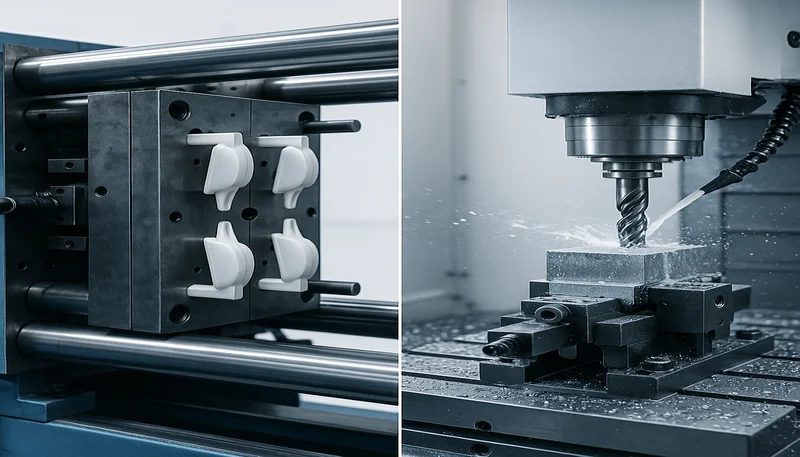
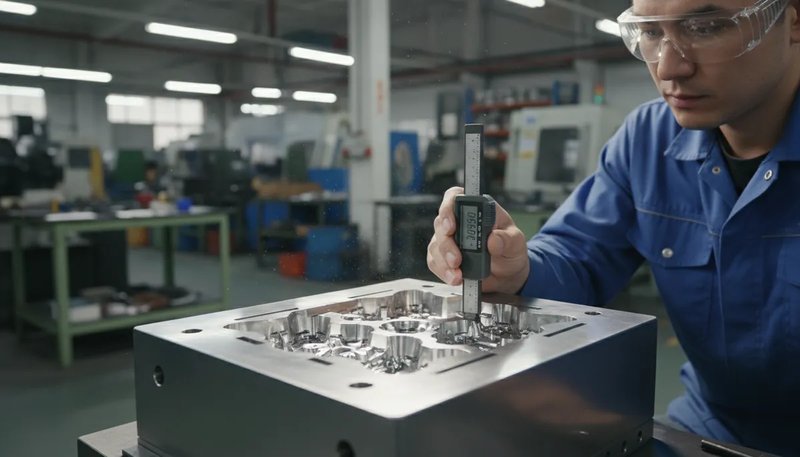
ZetarMold olarak, çoğu PE uygulamaları için olmak üzere ayda 100+ kalıp seti üretiyoruz. Şirket içi kalıp üretim kabiliyetimiz, PE projeleriniz için hızlı teslimat ve hassas boyutsal kontrol sağlar. Kalıp tasarımı ve imalatından üretim ve kalite kontrolüne kadar uzanan bu dikey entegrasyon, müşterilerimize olağanüstü kalite ve hızlı yanıt sunar.
“Tutarlı PE parça kalitesi için doğru yolluk girişi tasarımı şarttır.”True
Girişin boyutu, konumu ve tipi dolum desenini, ütüleme verimini ve kaynak çizgisinin yerini doğrudan etkiler. Optimize edilmiş giriş tasarımı kusurları azaltır ve boyutsal tutarlılığı iyileştirir.
“PE kalıplamada tüm yolluk türleri eşit derecede iyi çalışır.”False
Yolluk seçimi parça geometrisine, duvar kalınlığına ve üretim hacmine bağlıdır. Kenar yolluklar düz parçalar için uygundur; tünel yolluklar ise kozmetik yüzeylere uygundur. Yanlış yolluk türü jetlenmeye veya eksik doluma neden olur.
PE birçok uygulamada PP, PVC ve PS gibi alternatiflere kıyasla avantajlıdır. PE, PP’den daha iyi darbe dayanımı, PVC’den daha düşük yoğunluk ve PS’den daha üstün düşük sıcaklık performansı sunar. Malzeme seçim sürecimiz, her uygulama için optimum malzemeyi önermek üzere bu ödünleşimleri maliyet ve işleme unsurlarıyla birlikte değerlendirir.
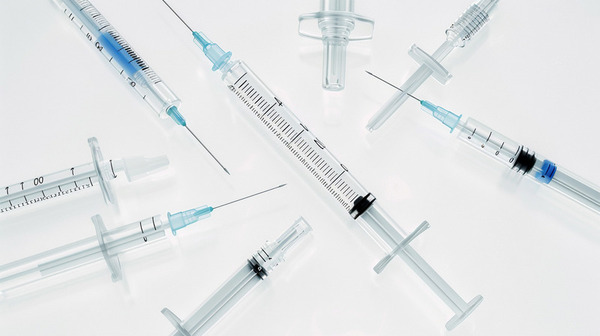
Mevzuata uygunluk birçok PE uygulamasında önemli bir husustur. Gıdayla temas, tıbbi cihaz ve otomotiv uygulamaları, uygun mevzuat onaylarına sahip belirli PE sınıfları gerektirir. Düzenlemeye tabi uygulamaları desteklemek için FDA onaylı, USP Sınıf VI ve otomotiv yeterliliğine sahip PE malzemelerinin stoklarını tutuyoruz. Belgelendirme sistemimiz bu kritik uygulamalarda izlenebilirliği ve uygunluk belgelerini güvence altına alır.
Çevresel hususlar malzeme seçimini giderek daha fazla etkiliyor. PE geri dönüştürülebilir ve birçok uygulamada geri dönüştürülmüş içerik barındırabilir. Tesisimiz, verimli işleme uygulamaları ve uygun yerlerde geri dönüştürülmüş malzeme kullanımı yoluyla sürdürülebilirlik girişimlerini destekler. Malzeme seçimi kararlarında müşterilerin çevresel hedefleri performans ve maliyet gereksinimleriyle dengelemesine yardımcı oluyoruz.
SSS: PE Enjeksiyon Kalıplama
İşlemeden önce PE için ideal nem içeriği nedir?
PE genellikle ≤%0.01 nem içerir ve nadiren kurutma gerektirir. Yalnızca malzeme uzun süre yüksek neme maruz kaldıysa kurutun. Şanghay fabrikamızda özel yüzey kalitesi gereksinimleri olmadıkça PE’yi nadiren önceden kuruturuz. Malzemenin düşük nem emilimi, nem yönetimi açısından onu işlenmesi en kolay plastiklerden biri yapar.
PE parçalar için doğru soğutma süresini nasıl belirlersiniz?
Soğutma süresi cidar kalınlığına, kalıp sıcaklığına ve PE sınıfına bağlıdır. Genel kural, parça geometrisi ve kalıp sıcaklığına göre ayarlanmak üzere cidar kalınlığının milimetresi başına 10-15 saniyedir. Proses mühendislerimiz çevrim süresiyle parça kalitesini dengeleyerek her parça tasarımının soğutma süresini optimize etmek için kalıp akış simülasyonu ve deneysel veriler kullanır.
PE enjeksiyon kalıplı parçalarda çökme izlerine ne sebep olur?
Çöküntü izleri, kalın kesitler bitişikteki ince kesitlerden daha fazla soğuyup büzüldüğünde oluşur. Doğru yolluk girişi yerleşimi, nervür tasarımı ve soğutma optimizasyonu bu sorunu önler. Nervür kalınlığını et kalınlığının %50-60’ı düzeyinde tutmanın ve yeterli yolluk girişi boyutları kullanmanın PE parçalardaki çöküntü izi sorunlarını önemli ölçüde azalttığını gördük.
PE yeniden işlenip tekrar kullanılabilir mi?
Evet, PE birden çok kez yeniden öğütülüp işlenebilir; ancak özellikleri kademeli olarak bozulabilir. Birçok tesis, işlenmemiş malzemeyle %10-30 oranında yeniden öğütülmüş malzeme kullanır. Üretim operasyonlarımız, malzeme maliyetlerini azaltmak ve sürdürülebilirlik hedeflerini desteklemek için mümkün olan her yerde yeniden öğütülmüş malzeme kullanır; ancak kaliteyi ve karışım oranlarını dikkatle kontrol ederiz.
LDPE ve HDPE işleme arasındaki fark nedir?
LDPE daha düşük sıcaklıklarda (140-200°C) işlenir ve daha yüksek büzülmeye sahiptir. HDPE daha yüksek sıcaklıklar (160-220°C) gerektirir ve daha iyi boyutsal kararlılık sunar. İşleme farklılıkları, proses mühendislerimizin kalıp tasarımı ve işleme parametresi seçiminde dikkate aldığı farklı moleküler yapılarını ve kristalleşme davranışlarını yansıtır.
PE parçalarında eğrilmeyi nasıl önlersiniz?
PE Enjeksiyon Kalıplama İşleme Kılavuzu Mühendisler İçin
PE enjeksiyon kalıplama için hangi güvenlik önlemleri geçerlidir?
PE’nin işlenmesi genellikle güvenlidir, ancak bozunma koku oluşturabileceğinden uygun havalandırma önerilir. Isıl bozunmayı önlemek için sıcaklığı 300°C’nin altında tutun. Şanghay tesisimiz, PE üretim serileri boyunca güvenli çalışma koşullarını sağlamak için uygun havalandırma sistemlerine ve süreç izlemeye sahiptir.
PE gibi yarı kristal polimerlerde amorf matris içine gömülü düzenli moleküler bölgeler (kristalitler) bulunur; bunlar soğuma sırasındaki özgün büzülme ve mekanik davranışı belirler. ↩
Eriyik Akış Hızı (MFR), ASTM D1238'e göre belirli sıcaklık ve yük altında standart bir kalıptan 10 dakikada kaç gram polimer aktığını ölçer. Daha yüksek MFR, daha kolay akış ve daha iyi kalıp dolumu anlamına gelir. ↩
Malzeme veri sayfalarından alınan büzülme verileri: LDPE %1.5–3.0, MDPE %2.0–4.0, HDPE %2.5–5.0 (ASTM D955'e göre ölçülmüştür). Gerçek değerler et kalınlığına, yolluk tasarımına ve işleme koşullarına bağlıdır. ↩
Daha yüksek kalıp sıcaklığı PE parçalardaki kristalliği artırır; bu da rijitliği ve ısıl sapma sıcaklığını yükseltirken kalıp sonrası büzülmeyi de artırır. Bu ödünleşme, uygulama gereksinimlerine göre dengelenmelidir. ↩
Enjeksiyon Kalıplama Projeniz İçin Teklif mi Gerekiyor?
ZetarMold mühendislik ekibinden rekabetçi fiyat, DFM geri bildirimi ve üretim zaman çizelgesi alın.
Ücretsiz Teklif İsteyin → Kapsamlı bir genel bakış için Eksiksiz Enjeksiyon Kalıplama Rehberimize bakın.