Kaburga tasarımı, enjeksiyon kalıplamada sadece bir geometri kuralı değil; aynı zamanda bir malzeme-davranış problemidir. ABS, PC, PP, naylon, POM ve cam dolgulu reçineler farklı şekilde büzülür, soğur ve strese direnir, bu nedenle bir polimerde işe yarayan aynı kaburga, başka birinde çökme izleri, eğrilme veya çıkarma hasarı yaratabilir. Bu yüzden kaburga kalınlığı, yüksekliği, kök yarıçapı, eğim ve kapı konumu, kalıp çeliği kesilmeden, örneklenmeden, test edilmeden ve doğru şekilde doğrulanmadan önce reçine ailesine karşı kontrol edilmelidir.
Alıcılar ve mühendisler için pratik hedef basittir: duvar kesişiminde kalın bir kütle oluşturmadan kaburgaları kullanarak sertlik ekleyin. Kalıp DFM incelemelerimizde önce reçinenin amorf, yarı-kristal, elastomerik veya dolgulu olup olmadığını belirler, ardından kaburga-duvar oranını ve soğutma stratejisini bu davranışa göre ayarlarız. Bu makale, malzeme özelliklerinin kaburga tasarım kararlarını nasıl değiştirdiğini ve en yaygın takım ve kalıplama kusurlarından nasıl kaçınılacağını açıklamaktadır.
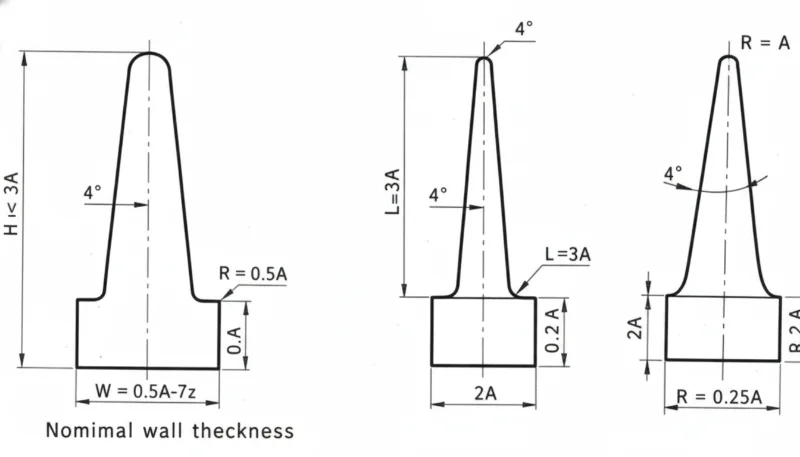
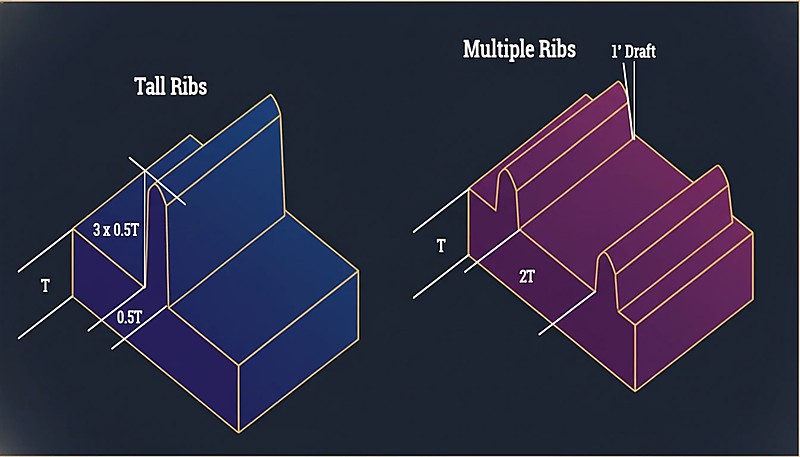
- Nervür kalınlığı, polimer türüne bağlı olarak nominal duvar kalınlığının %40-75'i olmalıdır
- Yarı kristal malzemeler, daha yüksek çekme oranları nedeniyle daha ince nervürler gerektirir
- Cam elyaf dolgulu polimerler daha kalın nervürlere olanak tanır ancak anizotropik çekme zorlukları yaratır
- Çöküntü izinin şiddeti, kesişim kütlesine ve malzemenin soğuma davranışına bağlıdır
- Her tarafta 0.5-1.5 kalıp çıkış açısı, nervürün temiz şekilde çıkarılması için gereklidir
Nervür Geometrisinde Malzeme Kısıtları Nelerdir?
Kaburga geometrisi için malzeme kısıtlamaları, reçine büzülme oranı, soğutma profili, sertlik hedefi, çıkarma sürtünmesi ve kozmetik çökme riskidir.
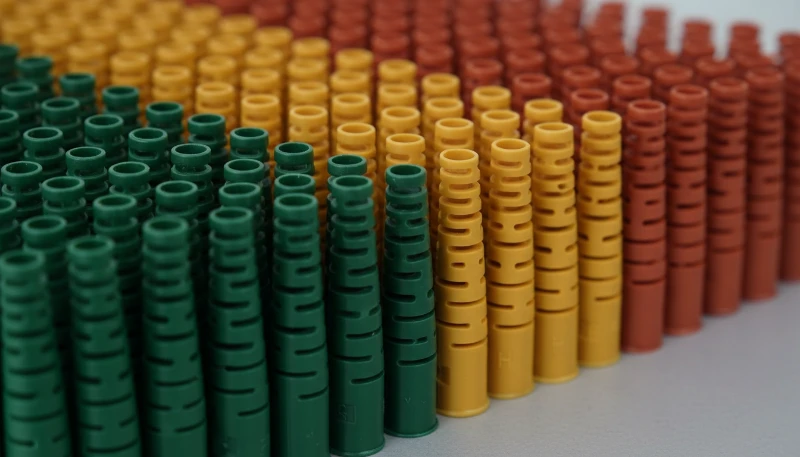
Enjeksiyon kalıplamada nervür, tüm duvarı kalınlaştırmanın getireceği ağırlık ve çevrim süresi yükünü oluşturmadan rijitliği artırmak için nominal duvardan dik olarak uzanan ince bir takviye unsurudur. Temel zorluk şudur: Her nervür, duvarla birleştiği yerde yerel bir kütle birikimi oluşturur ve bu ek kütle çekmeye bağlı kozmetik kusurlara yol açar.
Nervür-duvar kesişimindeki erimiş polimer soğurken daha kalın kesit, çevresindeki kabuktan daha uzun süre sıvı kalır. Çekirdek sonunda katılaşıp büzüldüğünde, önceden donmuş dış yüzeyi içeri doğru çeker ve nervürün karşısındaki A Sınıfı yüzeyde görünür bir çökme izi oluşturur. Bu kusurun şiddeti sabit değildir; neredeyse tamamen malzemenin iç yapısına ve çekme davranışına bağlıdır.
Şanghay fabrikamızda 90T ile 1850T arasında 47 enjeksiyon kalıplama makinesi işletiyor ve 400'den fazla farklı plastik malzemeyi işliyoruz. Bu geniş deneyim sayesinde, kalınlık oranı ayarlanmazsa ABS için tasarlanan bir nervürün PP'de nasıl ciddi biçimde başarısız olduğunu doğrudan gördük; aynı nominal geometri bir malzemede güçlükle görülen bir çökme izi, diğerinde ise derin bir oluk oluşturabilir.
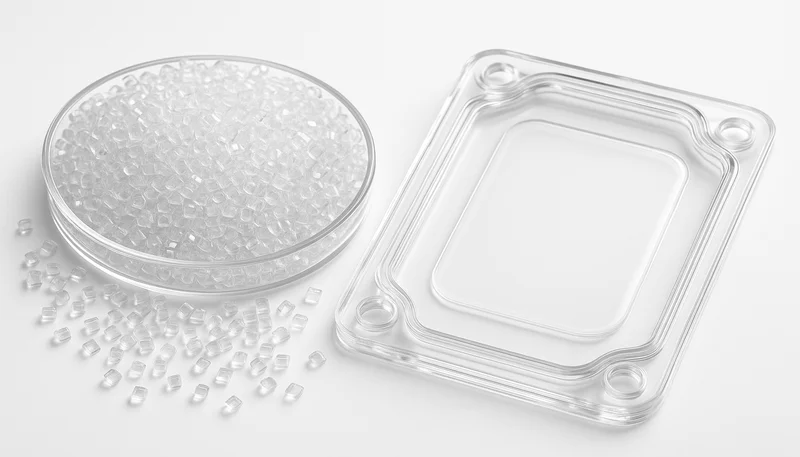
Amorf polimerler (ABS, PC, PMMA) düşük ve neredeyse izotropik çekme gösterir (genellikle %0.2-0.8). Rastgele moleküler düzenleri, nispeten eşit biçimde büzülmeleri anlamına gelir. Bu, tasarımcılara biraz daha hareket alanı sağlar; nervürler ciddi çökme oluşturmadan duvar kalınlığının %50-70’i olabilir.
Yarı kristalin polimerlerde (PP, PE, PA6, PA66) durum farklıdır. Soğurken molekülleri daha sıkı paketlenen düzenli kristal yapılara katlanır ve çoğu zaman %1.0-3.0 gibi çok daha yüksek çekme oluşturur. Bu, daha ince nervürler (duvar kalınlığının %40-50’si) ve akış kaynaklı yönlenmeyi kontrol etmek için daha dikkatli yolluk girişi tasarımı gerektirir.
"Nervürler, tüm cidar kalınlığını artırmaya kıyasla çok az ağırlık ekleyerek parça rijitliğini önemli ölçüde artırır."True
Ribler atalet momentini artırarak eşit kalınlıktaki daha kalın bir duvarın malzeme maliyeti, soğuma süresi cezası ve çökme riski olmadan hedefli takviye sağlar.
"Yapısal mukavemeti en üst düzeye çıkarmak için nervürleri nominal duvarla aynı kalınlıkta güvenle tasarlayabilirsiniz."False
Duvar kalınlığına eşit nervürler, kesişim noktasında büyük bir termal sıcak bölge oluşturarak kozmetik yüzeyde çöküntü izlerini garanti eder ve iç boşluklara da yol açabilir.
Çekme Oranları Malzeme Ailesine Göre Nasıl Değişir?
Malzeme çekmesi ile nervür geometrisi arasındaki ilişki doğrusal değildir; sistem düzeyinde bir kısıttır. Yerleşik DFM yönergeleri1 ve uluslararası çekme standartları2 doğrultusunda aşağıdaki tablo, polimer ailesine göre önerilen tasarım parametrelerini sunar. Bu değerler başlangıç noktalarıdır; kendi parça geometriniz ve yolluk girişi konumunuz için her zaman Moldflow simülasyonu3 ile doğrulayın.
| Parametre | Amorf (PC, ABS) | Yarı Kristalin (PP, PA6) | Cam Elyaf Dolgulu (PA66-GF30) |
|---|---|---|---|
| Nervür/Et Oranı | 50-70% | 40-50% | 55-75% |
| Küçülme Oranı | 0.2-0.8% | 1.0-3.0% | %0,2–0,8 (anizotropik) |
| Çekim Açısı | Her tarafta 0,5-1,0 | Her tarafta 0,5–1,5 | Her bir tarafta 1.0-2.0 |
| Taban Yarıçapı | 0.25 × t(duvar) | 0,20 × t(et) | 0.25 × t(duvar) |
| Maks. Rib Yüksekliği | 3 × t(et) | 2.5 × t(duvar) | 3 × t(et) |
| Lavabo Riski | Düşük-Orta | Yüksek | Düşük (ancak çarpılma riski var) |
Cam elyaf dolgulu sütuna dikkat edin: cam elyaflar akış yönündeki hacimsel büzülmeyi önemli ölçüde azaltırken enine büzülmeyi çok az etkiler. Bu anizotropik davranış, parçada çöküntü oluşmasa bile nervür düzeni yönlü büzülmeyi hesaba katmıyorsa ciddi çarpılma görülebileceği anlamına gelir. Uygulamada, takım çeliğine geçmeden önce cam elyaf dolgulu malzemeler için her zaman dolum + tutma + çarpılma simülasyonu yaparız.
Amorf ve Kristal Polimerler Neden Farklı Nervür Stratejileri Gerektirir?
Amorf ve kristal polimerler, farklı şekilde dondukları, büzüldükleri ve dolum basıncını tuttukları için farklı kaburga stratejileriyle ele alınır. Amorf malzemeler sıvıdan katıya kademeli olarak geçiş yapar, bu nedenle keskin bir faz değişimi yoktur. Bu kademeli donma, kaburga-duvar bağlantısının basıncı dengelemek için daha fazla zamanı olduğu anlamına gelir, bu da daha az farklı büzülmeye yol açar. Kaburga kalınlığını duvarın ‘ine kadar çirkin sonuçlar olmadan yaklaştırabilirsiniz.
Yarı kristal polimerler belirli bir sıcaklıkta keskin bir kristalleşme olayı geçirir. Kristalleşme başladığında malzeme güçlü biçimde büzülür. Nervür tabanı fazla kalınsa bu yerel bölgedeki kristalleşme çekmesi, yüzeyi düz tutan ütüleme basıncını aşar. Sonuç: yolluk girişi donduktan sonra hiçbir ütüleme basıncının düzeltemeyeceği derin ve görünür bir çökme izi.
20 yılı aşkın enjeksiyon kalıplama deneyimimiz ve kendi bünyemizdeki kalıp üretim tesisimiz sayesinde, çeliği kesmeden önce feder oranlarını ayarlamayı öğrendik. DFM incelemelerinde yakaladığımız yaygın bir hata, tasarımcıların PC feder oranlarını bir PP parçaya uygulamasıdır. Parça CAD'de düzgün görünür; ancak ilk baskıda her feder konumunda derin çöküntü izleri ortaya çıkar.
"Yalnızca ütüleme basıncını artırmak, yüksek çekmeli kristalin malzemelerde aşırı büyük federlerin neden olduğu çökme izlerini gideremez."True
Giriş donduktan sonra kalın kesite ek basınç ulaşmaz. Tek etkili çözüm, nervür/cidar kalınlık oranını malzemenin çekme özelliklerine uyacak şekilde azaltmaktır.
"Cam dolgulu malzemeler, toplam çekmeleri daha düşük olduğu için nervürlerde her zaman daha iyi sonuç verir."False
Cam dolgulu malzemeler neden nervürlerde daha büyük çekme açıları gerektirir?
Her Malzeme İçin Pratik Tasarım Kuralları Nelerdir?
Teori yararlıdır; ancak üretim sahasında tasarımcıların uygulanabilir kurallara ihtiyacı vardır. Müşterinin seçtiği belirli polimere göre DFM incelemelerimizde uyguladığımız kurallar şunlardır:
ABS ve PC (amorf) için: Nervür kalınlığı = nominal duvarın %50-70’i. Minimum kalıptan çıkma açısı = her tarafta 0.5. Taban radyüsü = 0.25 × duvar kalınlığı. Bu malzemeler toleranslıdır; karşı yüzey kozmetik değilse %70’e yaklaşabilirsiniz.
PP ve HDPE (yarı kristalin, dolgusuz) için: Nervür kalınlığı = duvarın %40-50’si. Minimum kalıptan çıkma açısı = her tarafta 1.0. Taban radyüsü = 0.20 × duvar (kütle birikimini en aza indirmek için daha küçük radyüs). Bu malzemelerde %50’yi aşarsanız çökme görülür; PP’deki aşırı büyük bir nervürü düzeltecek sihirli bir proses hilesi yoktur.
PA66-GF30 (cam elyaf dolgulu) için: Nervür kalınlığı = duvarın %55-75’i. Kalıptan çıkma açısı = her tarafta 1.0-2.0 (cam elyaflar itme sürtünmesini artırır). Azalan çekme daha kalın nervürlere izin verir; ancak nervürler arasındaki akış uzunluğu değişimini en aza indirecek şekilde giriş vermelisiniz, aksi halde çökme yerine çarpılma sorununuz olur.
PC/ABS karışımları kullanan enjeksiyon kalıbı tasarımlarında: Bunları amorf kabul edin; çekme davranışını PC bileşeni belirler. Duvar kalınlığının %55-65’i arasındaki nervür oranı ideal aralıktır. Bu karışımlar, hem mukavemetin hem yüzey kalitesinin önemli olduğu tüketici elektroniği muhafazalarında yaygındır.
Nervür Tasarım Prosesini Adım Adım Nasıl Uygulamalısınız?
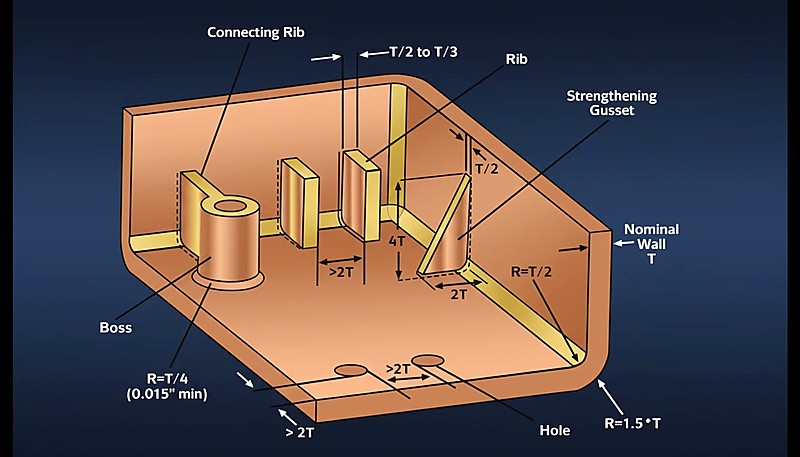
Kaburga tasarım süreci, kontrollü bir DFM dizisidir: yükleri tanımlayın, reçine verilerini kilitleyin, kaburgaları boyutlandırın, aralıkları kontrol edin, simüle edin, ardından kalıpçı ile gözden geçirin. Yapısal kaburgalı her yeni parça için izlediğimiz iş akışı şudur:
Adım 1 — Yapısal gereklilikleri tanımlayın: Rijitlik hedeflerini ve yük durumlarını belirleyin. Gerekli atalet momentini hesaplayın, ardından tahmin yürütmek yerine nervür yüksekliğini ve aralığını geriye doğru hesaplayın.
Adım 2 — Malzemeyi seçin ve çekme verilerini kesinleştirin: Belirli kalite ve duvar kalınlığınız için gerçek çekme değerlerini malzeme veri sayfasından alın. Genel değerleri kullanmayın; farklı tedarikçilerin PA66-GF30 malzemeleri arasında çekme bakımından %0.2-0.4 fark olabilir.
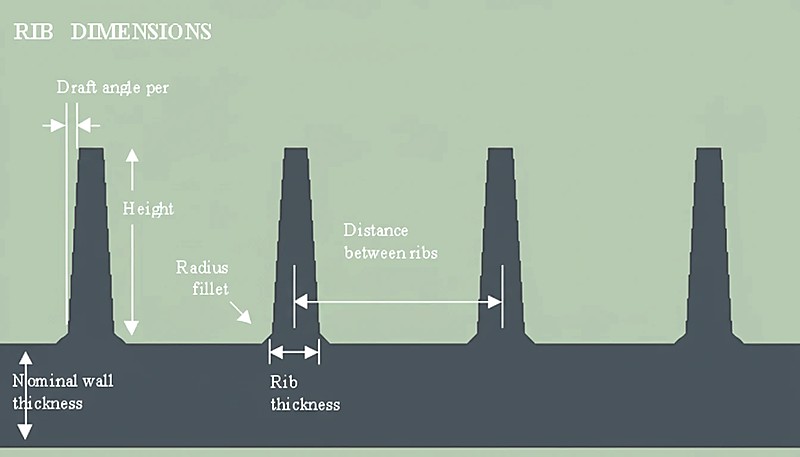
Adım 3 — Nervür oranlarını hesaplayın: Yukarıdaki tablodan malzemeye özgü nervür/duvar oranını uygulayın. Duvar 2.5mm ve PP kullanıyorsanız nervür tabanı 1.0-1.25mm (%40-50) olmalıdır. Kalıptan çıkma açısını her tarafta 1.0, taban radyüsünü 0.5mm olarak ayarlayın.
Adım 4 — Nervür aralığını kontrol edin: Bitişik nervürler arasında duvar kalınlığının en az 2בi (tercihen 3בi) kadar mesafe bırakın. Daha dar aralık, ince duvar dolum sorunlarına yol açar ve farklı soğuma etkisini büyütür.
Adım 5 — Moldflow simülasyonunu çalıştırın: Dolum, ütüleme ve çarpılmayı simüle edin. Özellikle nervür-duvar kesişimindeki hacimsel çekmeye ve sehim sonuçlarına bakın. Beş haneli takım harcaması yapmadan sorunları burada yakalarsınız.
Adım 6 — Kalıpçınızla DFM incelemesi yapın: Simülasyon sonuçlarını enjeksiyon kalıplama ortağınızla paylaşın. İyi bir kalıpçı, proses penceresine dayanarak nervür yerleşimini sorgular; ütüleme basıncı kapasitesi, soğutma kanallarına erişim ve itme stratejisi bir nervür tasarımının pratikte çalışıp çalışmadığını etkiler.
Malzemeye Özgü Nervür Tasarımını Hangi Gerçek Dünya Uygulamaları Gösterir?
Gerçek dünyadaki nervür uygulamaları yararlıdır; çünkü her malzeme ailesi farklı bir arıza biçimini ortaya çıkarır: çökme, çarpılma, itme sırasında sürtünme veya soğutma dengesizliği. Otomotiv iç braketleri (PP + Talk): Talk dolgulu PP’den düzenli olarak gösterge paneli destek braketleri üretiyoruz. Talk, dolgusuz PP’ye kıyasla çekmeyi biraz azaltır; ancak kristalin yapı yine de duvar kalınlığının %40-45’i oranında nervür gerektirir. Tipik 2.0mm duvarda, her tarafta 1.0 kalıptan çıkma açısına sahip 0.8-0.9mm nervürler kullanılır.
Dizüstü bilgisayar muhafazaları (PC/ABS): Tüketici elektroniğinde görünür çökme bulunmayan A Sınıfı yüzeyler gerekir. Amorf PC/ABS karışımı, 2.2mm duvarın %60’ı kalınlığında (yaklaşık 1.3mm taban) nervürlere izin verir; çökme görünürlüğünü daha da azaltmak için kozmetik alanların arkasında yerel ince duvar kesitleri kullanırız.
Endüstriyel muhafazalar (PA66-GF30): Cam elyaf dolgulu naylon muhafazalar yüksek yapısal yük taşır. Düşük çekme sayesinde nervürler duvar kalınlığının %65-70’i olabilir, ancak asıl düşman çarpılmadır. Düz yüzeyleri düz tutmak için dengeli yolluk girişi yerleşimi ve elyaf yönlenme simülasyonu kullanırız.
Malzeme taşıma kasaları (HDPE): HDPE derin kasalarda yoğun nervür ağları kullanılır. HDPE’nin yüksek çekmesi (%2.0-3.0), nervürlerin ince, genellikle duvarın %40’ı olmasını gerektirir; ancak bu parçalar kozmetik olmadığından orta düzeyde çökme kabul edilebilir ve tasarımcılar oranı biraz yükseltebilir.
Sıkça Sorulan Sorular
Enjeksiyon kalıplamada izin verilen azami nervür yüksekliği nedir?
Federler duvar kalınlığının yüzde 45’ini aştığında yarı kristalin malzemelerde çökme izlerini tamamen ortadan kaldırmak son derece zordur. PC ve ABS gibi amorf polimerlerde federleri duvar kalınlığının yüzde 50’sinde veya altında tutmak, kozmetik yüzeyde genellikle görünür çökme oluşturmaz. Daha yüksek ütüleme basıncı, uzatılmış tutma süresi ve artırılmış soğutma gibi proses ayarları çökme şiddetini azaltabilir ancak temelde aşırı kalın bir feder geometrisinin üstesinden gelemez. En etkili ve güvenilir yaklaşım, kullanılan belirli malzeme ailesine göre feder kalınlığını en baştan doğru tasarlamaktır.
Nervürlerdeki çökme izlerini tamamen ortadan kaldırabilir misiniz?
Cam elyaf dolgulu malzemeler, cam elyafın sağladığı önemli ölçüde azaltılmış hacimsel çekme sayesinde et kalınlığının yüzde 55 ila 75’i kadar daha kalın nervürlere izin verir. Ancak elyaflar akış yönünde hizalanıp bu eksendeki çekmeyi azaltırken enine yönde çok az etki gösterdiğinden önemli anizotropik çarpılma riskleri yaratırlar. Dolgusuz yarı kristalin malzemeler, çökme izlerini önlemek için yüzde 40 ila 50 oranında daha ince nervürler gerektirir; ancak çarpılma davranışları daha öngörülebilirdir. Cam elyaf dolgulu parçalarda nervür ağı genelindeki akış uzunluğu değişimini en aza indirecek bir yolluk konumu seçin ve pahalı takım değişikliklerine geçmeden önce özel bir çarpılma simülasyonu çalıştırın.
Cam elyaf dolgulu ve dolgusuz malzemelerde nervür tasarımı nasıl farklıdır?
Rib tasarımındaki taban radyüsü, kritik ve birbirini tamamlayan iki işlev görür. Birincisi, keskin rib-duvar birleşimindeki gerilim yoğunlaşmasını azaltır; bu da bitmiş parçanın tekrarlanan yük altındaki yapısal performansını ve yorulma ömrünü doğrudan iyileştirir. İkincisi, bu kesişim noktasındaki kütle birikimini kontrol eder. Standart öneri, nominal duvar kalınlığının 0.20 ila 0.25 katı radyüstür. Daha büyük değer aşırı malzeme ekleyerek çökme izi riskini artırır; daha küçük değer ise mekanik yük altında erken çatlak başlamasına ve parça arızasına yol açabilecek bir gerilim yükseltici oluşturur.
Taban radyüsü nervür tasarımında nasıl bir rol oynar?
Çoğu pratik uygulamada dik kaburgalar en yüksek rijitlik-ağırlık oranını sağlar ve yapısal takviye için varsayılan seçimdir. Bununla birlikte açılı veya kavisli kaburgalar bazen tüketici ürünlerinde estetik bütünleşme sağlamak ya da otomotiv braketleri gibi karmaşık yük taşıyan geometrilerde doğal gerilme yollarını izlemek için kullanılır. Yönelimden bağımsız olarak kritik kısıt aynıdır: kaburga-duvar birleşimindeki kesit kalınlığı, çökme izlerini önlemek ve parçanın hem kozmetik hem de yapısal gereksinimleri karşılamasını sağlamak için malzemeye özgü kaburga-duvar kalınlık oranına uymalıdır.
Ribler her zaman nominal duvara dik mi olmalıdır?
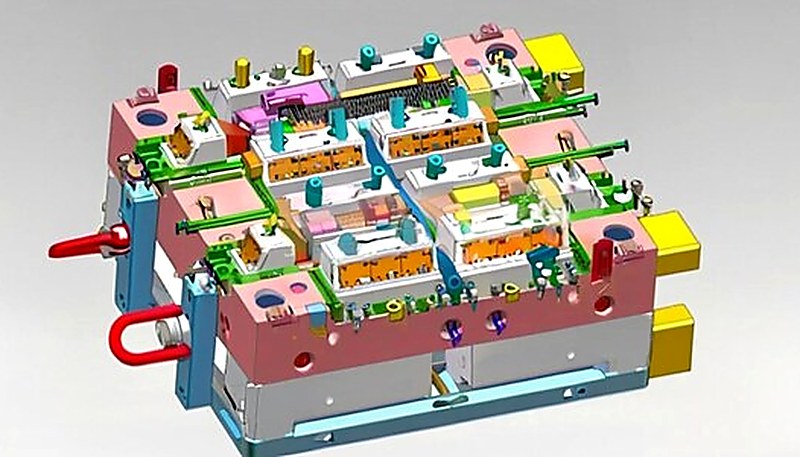
İçi boşaltma ve feder tasarımı, parça ağırlığını ve yapısal performansı optimize etmek için eşleşmiş bir strateji olarak birlikte çalışır. İçi boşaltma, parçanın kalın ve gereksiz kesitlerini kaldırır ve bunları stratejik olarak yerleştirilmiş feder ağıyla güçlendirilen daha ince bir duvarla değiştirir. Bu birleşim ham madde tüketimini azaltır, soğutma süresini önemli ölçüde kısaltır ve genel boyutsal kararlılığı iyileştirir. Temel ilke, önce içi boşaltılmış duvar kalınlığını belirlemek, ardından her federi kaldırılan özgün kalın kesite göre değil, bu yeni daha ince duvar ölçüsünün oranı olarak boyutlandırmaktır.
Boşaltma ve nervür tasarımı birlikte nasıl çalışır?
Kalıplanmış parçanın yüzeyindeki ve yüzeye yakın cam elyaflar, çıkarma sırasında polisajlı kalıp duvarına karşı son derece yüksek sürtünme oluşturur. Özellikle federlerde bu sorun büyür; çünkü feder, sınırlı çıkma rahatlığına sahip derin ve dar bir boşluk oluşturur. Yeterli çıkma açısı olmadan — cam elyaf takviyeli malzemelerde genellikle her kenar için 1,0–2,0 derece, takviyesiz sınıflarda ise 0,5–1,0 derece — federler çıkarma sırasında sürtünebilir, bükülebilir veya kırılabilir. Bu durum parçaya yalnızca kozmetik ve yapısal zarar vermekle kalmaz, binlerce üretim döngüsü boyunca kalıp yüzeyini de bozabilir.
Cam elyaf dolgulu malzemeler nervürlerde neden daha büyük kalıp açıları gerektirir?
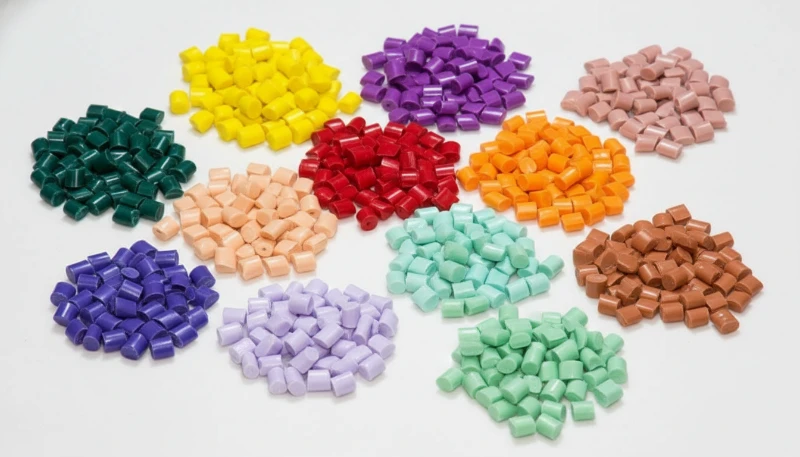
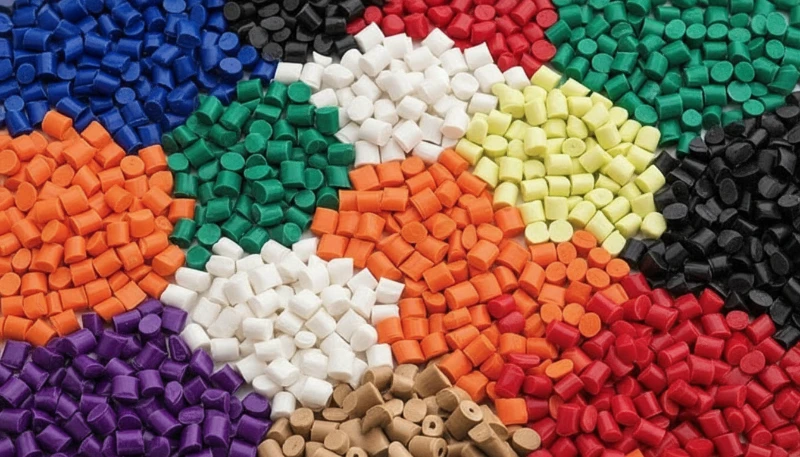
Renkli plastik enjeksiyon kalıplı parçalar
Feder tasarımınız için uzman DFM incelemesine mi ihtiyacınız var? ZetarMold mühendislik ekibi, kalıp yatırımı yapmadan önce parça geometrinizi analiz edebilir, malzemeye özgü feder oranları önerebilir ve Moldflow simülasyonları çalıştırabilir. 400+ malzemede 20+ yıllık deneyimimizle tasarım sorunlarını erken yakalayarak zaman ve kalıp maliyetinden tasarruf etmenizi sağlarız.
Ücretsiz Fiyat Teklifi ve DFM Analizi İsteyin →
DFM yönergeleri: DFM yönergeleri, enjeksiyon kalıplamada üretilebilirlik için duvar kalınlığı, nervürler, vida yuvaları ve kalıptan çıkma açılarını kapsayan kapsamlı tasarım kılavuzlarıdır. ↩
çekme standartları: ISO 294-4, termoplastik kalıplama malzemelerinin çekmesini belirleme yöntemlerini tanımlayan uluslararası standarttır. ↩
Moldflow simülasyonu: Moldflow analizi, üretimden önce dolum desenlerini, çekmeyi, çarpılmayı ve olası kusurları öngörmek için kullanılan endüstri standardı simülasyon yazılımıdır. ↩