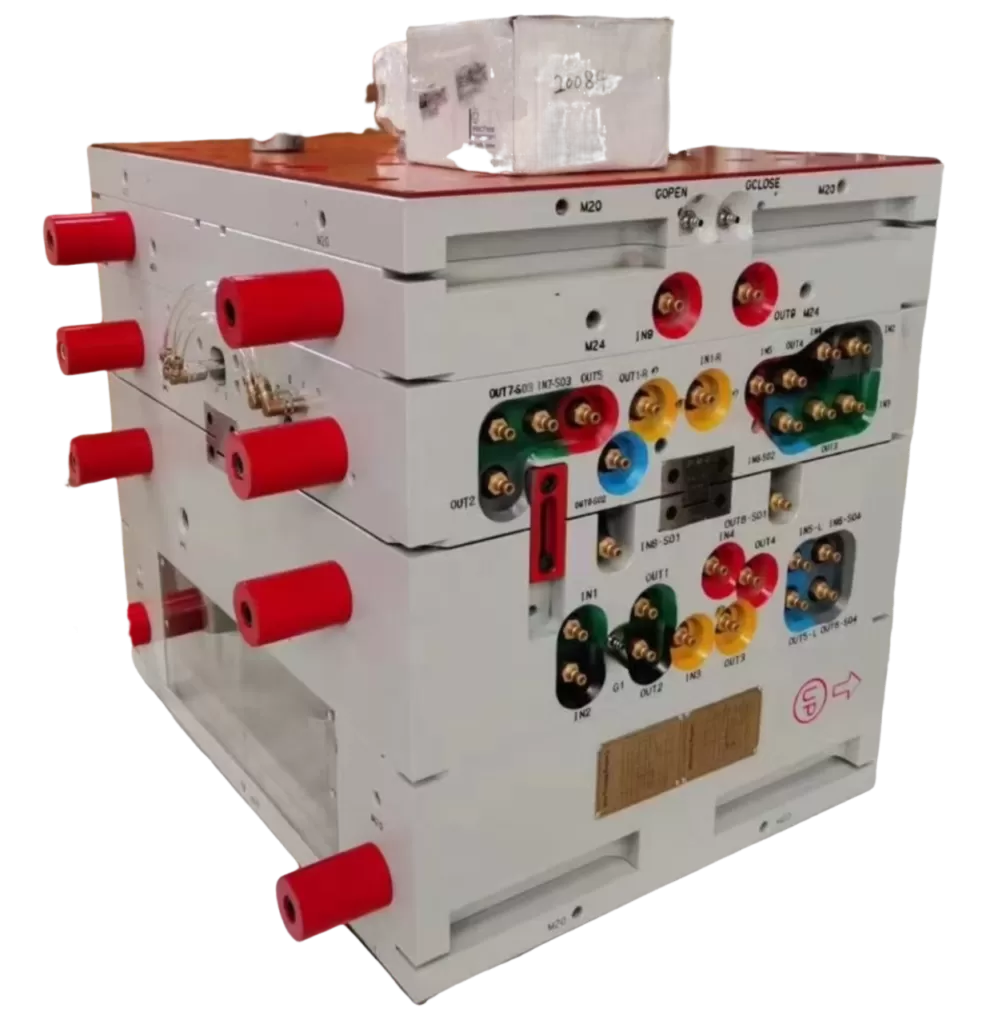
Bu süreçte geçiş konumu1, enjeksiyon kalıplamada2 dolum aşamasında makinenin hız kontrollü enjeksiyondan basınç kontrollü ütülemeye geçtiği kesin noktadır; doğru ayarlanması parça kalitesi3 ve üretim verimliliği üzerinde en büyük etkiye sahip değişikliktir.
Daha geniş bağlam için bu konuyu enjeksiyon kalıbı tasarımı ve tedarikçi bulma kılavuzuyla karşılaştırın.
Geçiş konumu, makinenin kalıbı doldurmaktan malzemeyi paketlemeye geçtiği enjeksiyon döngüsündeki belirli bir noktayı ifade eder. Bu ayar, tutarlı basıncın korunmasına yardımcı olur ve karmaşık kalıp boşluklarının düzgün şekilde doldurulmasını sağlar. İyi ayarlanmış bir geçiş konumu parça doğruluğunu artırır ve kusurları azaltarak genel üretim sonuçlarının daha iyi olmasını sağlar.
Geçiş konumunu anlamak, üretim kalitesini artırmak isteyen kalıpçılar için önemlidir. Proses sırasını anlamak için enjeksiyon kalıplama adımlarını, dolumun ütüleme basıncına geçtiği anla karşılaştırın. Bu karşılaştırma, ayarın parça ağırlığını, çapak riskini, çökme izlerini ve boyutsal tekrarlanabilirliği neden değiştirdiğini görmeyi kolaylaştırır.
"Doğru ayarlanmış geçiş konumu parça kusurlarını azaltır."True
Geçiş konumunun doğru ayarlanması, hataları en aza indiren ve yüksek kaliteli parçalar sağlayan tutarlı basıncın korunmasına yardımcı olur.
"Yanlış ayarlanmış bir geçiş konumu çevrim süresini artırabilir."False
Yanlış bir geçiş konumu hatalara yol açabilse de, döngü süresini doğal olarak artırmaz; bunun yerine, başka yerlerde verimsizliklere yol açabilir.
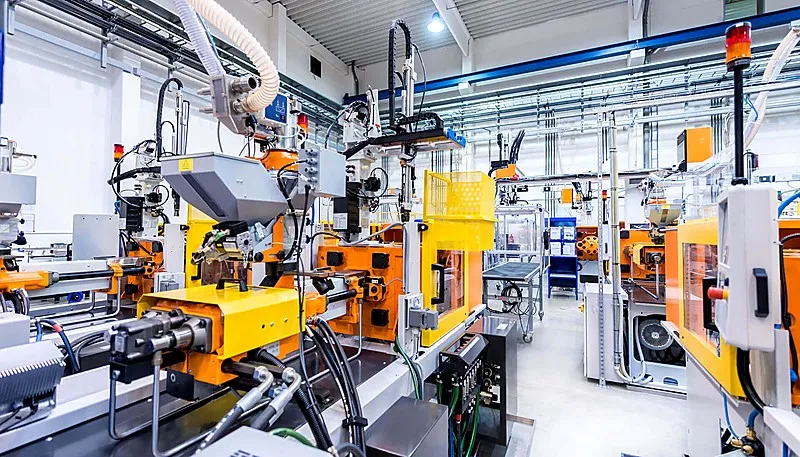
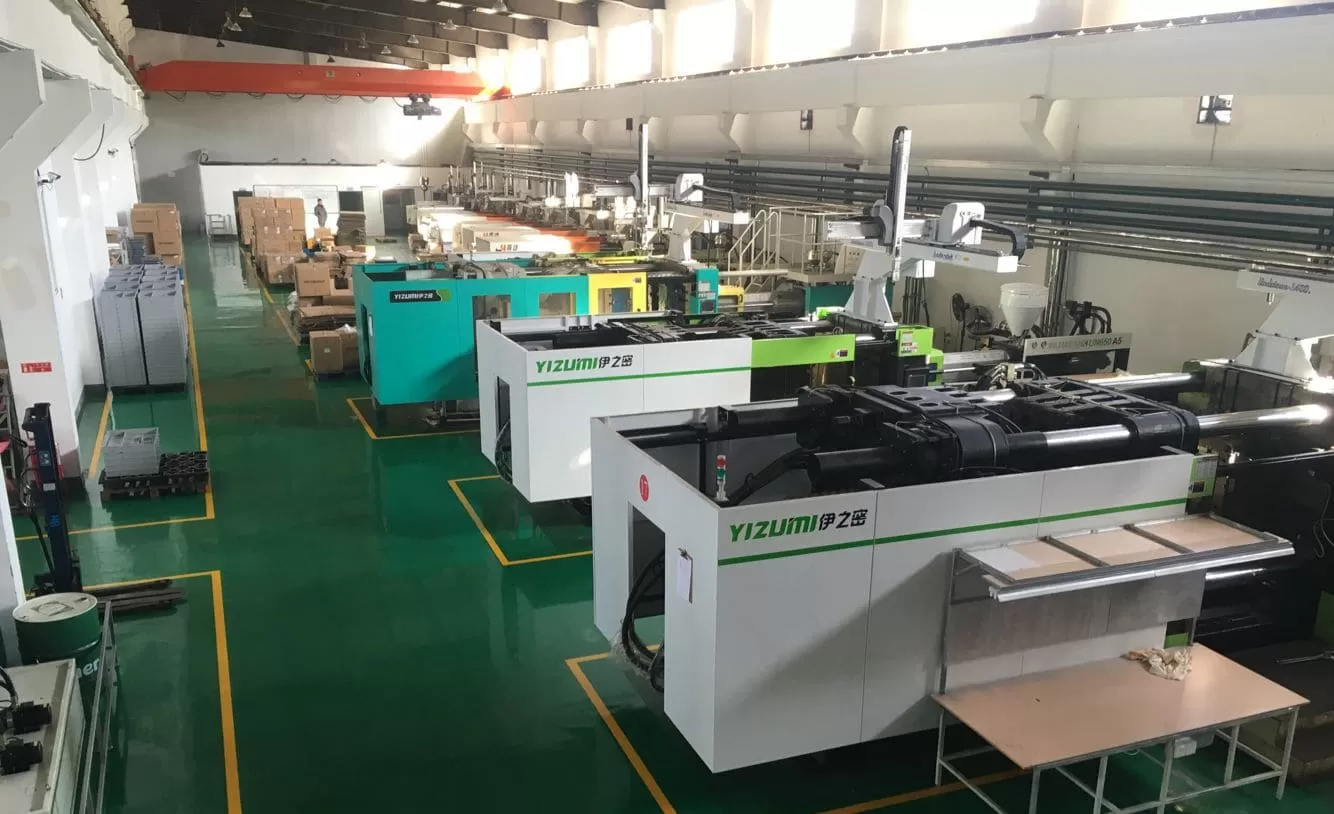
ZetarMold, Şanghay'daki fabrikamızda kendi bünyesindeki kalıp üretim tesisi ve 20 yılı aşkın enjeksiyon kalıplama deneyimiyle 90T ile 1850T arasında 47 enjeksiyon kalıplama makinesi işletir. Mühendislerimiz üretim onayından önce geçiş konumunu ayarlamak için T0/T1 deneme verilerini, eksik baskı numunelerini, yastık eğilimi kayıtlarını ve boyutsal muayeneyi kullanır. Alıcı RFQ'larında geçiş ayarı genel bir makine parametresi olarak ele alınmaz; reçine viskozitesine, yolluk girişinin donmasına ve tekrarlanabilir parça ağırlığına bağlı bir proses kontrolü kararı olarak belgelenir.
Enjeksiyon Kalıplama Nedir?
"Doğru ayarlanmış bir geçiş konumu çapağı, çökme izlerini ve boyutsal değişkenliği aynı anda azaltır."True
Dolum doğru noktada devredildiğinde ütüleme basıncının yalnızca çekmeyi telafi etmesi gerekir; dolumu tamamlaması gerekmez. Böylece erken veya geç geçişi maskelemek için tutma basıncı kullanılmasından doğan çakışan kusurlar önlenir.
"Geçiş konumu yalnızca parça ağırlığını etkiler, görsel kaliteyi etkilemez."False
Yanlış geçiş konumu yalnızca parça ağırlığını değil; çapak, çökme izleri, boşluklar, kaynak çizgileri, çarpılma ve ölçü doğruluğunu etkiler.
- Geçiş konumu, vida strokunun varsayılan yüzdesinden tahmin edilmemeli; dolum kanıtına göre ayarlanmalıdır. Proses penceresini sabitlemeden önce eksik dolum numunelerini, parça ağırlığı kararlılığını ve basınç aktarım zamanlamasını doğrulayın.
- İyi bir ayar, malzeme dolumu ile ütüleme basıncını dengeler: çok erken geçiş eksik doluma veya çökmeye, çok geç geçiş ise kavitenin aşırı ütülenmesine, gerilimin artmasına ve çapak riskine yol açabilir.
- Alıcılar, üretime hazır olma durumunu kabul etmeden önce tedarikçilerden parça ağırlığı eğilimi, ölçü raporu, yastıklama kararlılığı ve belgelenmiş T0/T1 proses parametreleri dâhil tekrarlanabilir kontrol kanıtları istemelidir.
- Çok kaviteli veya dar toleranslı kalıplarda geçiş optimizasyonu, yalnızca kusurlar ortaya çıktıktan sonra ayarlanmak yerine kalıp akışı varsayımları, giriş donma davranışı, reçine viskozitesi ve makine kabiliyetiyle ilişkilendirilmelidir.
"Kısa dolum denemeleri, geçiş konumunu ayarlamak için en güvenilir kanıtı sağlar."True
Her adımda parça ağırlığı ve kusurlar kaydedilerek 80%, 90%, 95%, 98% seviyelerinde kademeli dolum yapılması, varsayılan makine ayarlarına veya tahmine dayanmak yerine optimum geçiş noktasını mühendislere açıkça gösterir.
"Kalıplanmış bir parça bir kez kabul edilebilir görünüyorsa proses otomatik olarak üretime hazırdır."False
Üretime hazır olmak; tekrarlanabilir çevrimler, belgelenmiş muayene, kararlı malzeme koşulları ve açık kabul kriterleri gerektirir.
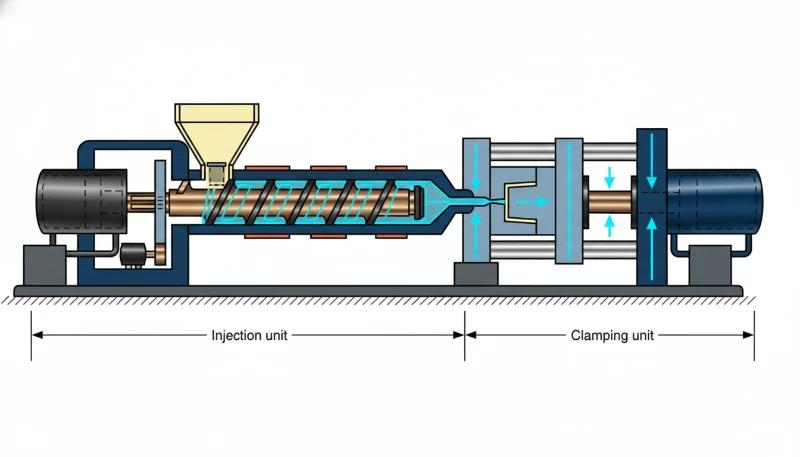
Enjeksiyon kalıplama, plastik reçineyi eritip yüksek hacimde karmaşık ve hassas parçalar oluşturmak üzere bir kalıp boşluğuna enjekte eden bir üretim sürecidir. Yüksek hassasiyet, tekrarlanabilirlik ve düşük parça başı maliyet sunarak seri üretimde verimlilik sağlar. Yaygın uygulamalar arasında otomotiv parçaları, tıbbi cihazlar ve tüketici ürünleri bulunur. Başlıca avantajları hızlı üretim çevrimleri, malzeme çeşitliliği ve asgari son işlemdir; bu nedenle sektörler genelinde plastik bileşen üretiminde tercih edilen yöntemdir.
Enjeksiyon kalıplama adı verilen karmaşık bir üretim süreci, çeşitli plastik ürünler yapmak için kullanılır. Başlamak için, erimiş plastik bir kalıp boşluğuna enjekte edilir; daha sonra soğur ve nihai şekle katılaşır. Bu prosedürde birkaç önemli adım vardır:
Sıkma: Kalıbın iki yarısı kapatılır ve enjeksiyon basıncına dayanacak şekilde birbirine sıkılır.
Enjeksiyon: Erimiş plastik, yüksek basınçla kalıp boşluğuna enjekte edilir.
Soğutma: Kalıbın içindeki plastik soğur ve katılaşarak kalıp gözünün şeklini alır.
İtme: Kalıp açılır ve katılaşmış parça dışarı itilir.
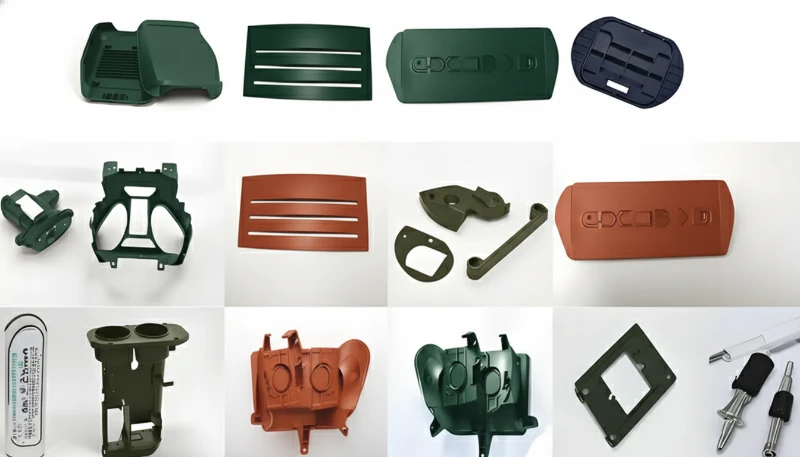
Yüksek kaliteli parçalar üretmek için her aşamanın hassas kontrolü kritik önemdedir. Enjeksiyon aşamasındaki en kritik parametrelerden biri geçiş konumudur.
Enjeksiyon Kalıplamada Geçiş Pozisyonu Nedir?
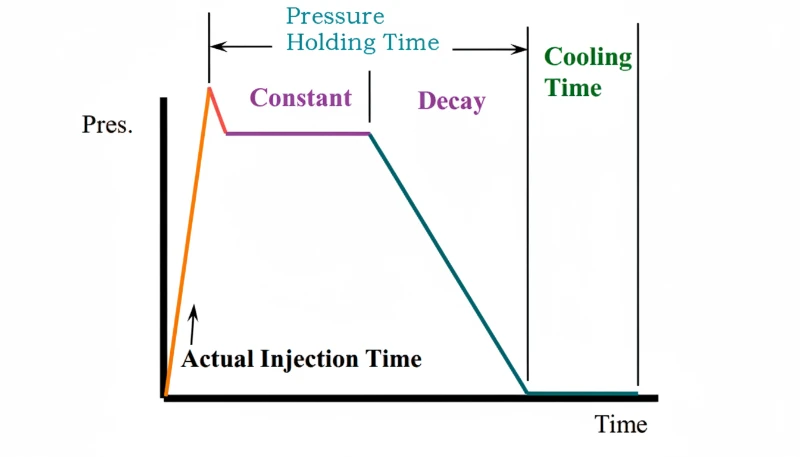
Geçiş konumu, parçayı kararlı hale getirmek ve kusurları en aza indirmek için enjeksiyon basıncının tutma basıncına geçtiği noktadır. Bu parametrenin doğru ayarlanması, kalıp boşluğunun aşırı ütüleme olmadan tamamen dolmasını sağlar; bu da parça ağırlığını, boyutsal doğruluğu ve yüzey finisajını doğrudan etkiler.
Plastik enjeksiyon kalıplamada geçiş konumu, kontrol sisteminin hız kontrolünden basınç kontrolüne (tutma basıncı) geçtiği noktadır. Bu geçiş kritiktir; çünkü erimiş plastiğin kalıp boşluklarını doldurup ütülerken nasıl davrandığını belirler ve hem görünüm gibi kalite unsurlarını hem de her parçanın önceki ve sonraki parçalarla aynı olup olmayacağını doğrudan etkiler. Kalıplama makinesi bu geçişin zamanını birkaç yöntemle belirleyebilir: vida konumu (en yaygın), basınç sınırı, süre veya boşluk basıncı.
Geçiş konumu, enjeksiyon kalıplama döngüsünde sürecin başlangıç aşamasından (enjeksiyon süreci) vites değiştirdiği ve tutma basıncı adı verilen başka bir aşamaya geçtiği kesin bir anı ifade eder. Enjeksiyon aşaması sırasında, erimiş plastik yüksek basınç altında kalıp boşluğuna enjekte edilir. Boşluk doldurulduktan sonra süreç, malzemenin kalıbı tamamen doldurmasını sağlamak için ek basıncın uygulandığı ve plastik soğudukça meydana gelebilecek herhangi bir büzülmeyi telafi eden paketleme aşamasına geçer.
Pozisyon Değiştirmenin Önemi Nedir?
Geçiş konumu; parça kalitesini, çevrim verimliliğini ve maliyeti belirleyen temel kontrol noktasıdır. Doğru ayarlanması, malzeme kullanımını ve çevrim süresini düşük tutarken çapak, eksik baskı ve çökme izlerini önler.
Ürün Kalitesi
Aşamalar arasında başarılı geçiş için kalıp boşluğunun doğru ve eksiksiz dolduğundan emin olun. Yalnızca ütülemeye hazır olduğunda geçiş yapın; aksi hâlde malzeme akışı tamamlanmadığı için boşluk, düzensiz et kalınlığı veya eksik parça gibi kusurlar oluşabilir. Ancak fazla beklemeyin; basınç yükseldikçe kalıp içindeki aşırı çapaklanma nedeniyle çarpılma gibi kozmetik sorunlar ortaya çıkabilir.
Boyutsal Kararlılık
Transfer pozisyonunun etkili yönetimi, kalıplanmış parçaların boyutsal hassasiyetini korumanın anahtarıdır; yakın toleranslar gerektiren bileşenleri üretirken akılda tutulması gereken çok önemli bir faktördür.
Malzeme Verimliliği
Geçiş pozisyonunu doğru ayarlamak atık malzemeyi azaltabilir. Plastik doğru şekilde enjekte edilir ve paketlenirse daha az fazlalık olacaktır - böylece her döngüde kaynaklar daha iyi kullanılır ve genel bir verimlilik tasarrufu sağlanır.
Çevrim Süresi
Daha kısa döngü süreleri ve artan üretkenlik, geçişi her zaman doğru yapmanın diğer iki getirisidir. Daha az hata aynı zamanda kalite kontrol ve hataların ayıklanmasının daha az üretim çabası-saati gerektirdiği anlamına gelir.
Anahtarlama Pozisyonunu Etkileyen Faktörler Nelerdir?
Anahtarlama konumu öncelikle malzeme özellikleri, sıcaklık, basınç ve mekanik tasarım gibi faktörlerden etkilenir. Bu unsurlar, bileşenlerin bir durumdan diğerine nasıl geçtiğini belirleyerek hem hızı hem de doğruluğu etkiler. Bu faktörlerin doğru şekilde yönetilmesi optimum sistem performansı sağlar ve arıza süresini en aza indirir.
Enjeksiyon kalıplamada optimum geçiş pozisyonunun belirlenmesi çeşitli faktörlerin dikkate alınmasını gerektirir:
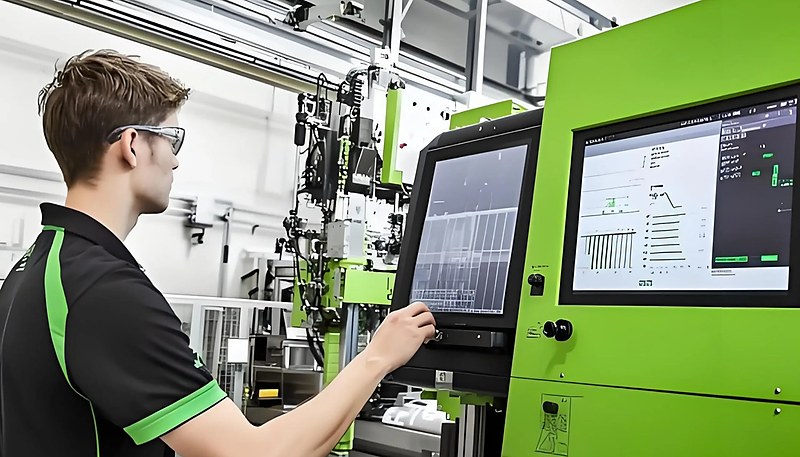
Farklı plastik malzemelerin akış özellikleri değişiklik gösterir, bu da enjeksiyon ve paketleme aşamalarının nasıl ilerlediğini ve kalıbın ne kadar hızlı dolduğunu etkiler. Bir malzeme yüksek viskoziteye sahipse, daha düşük viskoziteye sahip olandan farklı bir geçiş noktasına ihtiyaç duyabilir.
Parça Geometrisi: Karmaşık bir tasarım, hiçbir bölgede çökme izi veya boş alan (boşluk olarak da bilinir) oluşmaması için dolumdan ütülemeye geçiş zamanının değiştirilmesini gerektirebilir.
Kalıp Tasarımı: Kalıbın karmaşıklığı ve geometrisi de geçiş konumunu etkiler. Karmaşık özelliklere sahip girift kalıplarda, tam dolum ve ütüleme sağlamak için geçiş noktasının daha hassas kontrol edilmesi gerekebilir.
Makine spesifikasyonları — basınç, hız ve sıcaklık ayarları — dolum ile sıkıştırma arasındaki en uygun geçiş noktasının belirlenmesinde rol oynar. Üretim sonunda üst düzey parçalar elde etmek için bu etkenlerin doğru ayarlanması şarttır.
Proses Koşulları: Geçişin hangi aşamada yapılacağına karar verirken dikkate alınması gereken diğer etkenler, hem erimiş malzemenin hem de kalıbın sıcaklığı ile enjeksiyonların ne kadar hızlı gerçekleştiğidir.
Anahtarlama Konumu Nasıl Belirlenir?
Eksik dolum çalışmaları, enjeksiyon kalıplamada geçiş konumunu belirlemenin en güvenilir yöntemidir. Kalıbı giderek artan yüzdelerde doldurup her adımda parça ağırlığını ölçen mühendisler, tutma basıncının devreye girmesi gereken dolum noktasını belirler. Diğer yöntemler arasında kalıp akış simülasyonu, kalıp gözü basınç sensörleri ve deneysel proses denemeleri bulunur.
Çeşitli geçiş noktalarında bir dizi deneme gerçekleştirilir ve ortaya çıkan parça kusurları ve kalite ölçümleri analiz edilir. Zaman alsa da, bu teknik gerçek bir üretim ortamından pratik bilgiler verir.
Bu yöntemde en iyi geçiş noktasını tahmin etmek için polimer biliminden elde edilen veriler ve ilkeler kullanılır. Süreç kontrolü, kavite basınç sensörleri ve yazılım simülasyonları gibi tekniklerle o kadar hassas bir şekilde ayarlanabiliyor ki kesin tahmine yaklaşıyorlar.
Günümüzün enjeksiyon kalıpçıları standart olarak gelişmiş sensörlere ve kontrol sistemlerine sahiptir. Bunlar akış hızı, basınç ve sıcaklık gibi değişkenleri gerçek zamanlı olarak sürekli izler. Bu bilgiler, en iyi sonuçları elde etmek amacıyla geçiş noktasını değiştirmek (dinamik olarak değiştirmek) için kullanılabilir.
Anahtarlama Konumu Nasıl Optimize Edilir?
Geçiş konumu en iyi eksik dolum çalışmaları ve kalıp gözü basınç verilerinin analiziyle optimize edilir. Bu sistematik yaklaşım, küçük değişimlerin bile parça reddine yol açtığı yüksek hassasiyetli uygulamalarda tutarlı sonuçlar sağlar. Diğer adımlar malzeme karakterizasyonu, kalıp akış analizi ve gerçek zamanlı proses izlemedir.
Geçiş pozisyonunu optimize etmek, çeşitli proses parametrelerini dengelemek ve tutarlı, yüksek kaliteli parçalar elde etmek için sistematik bir yaklaşım gerektirir. İşte geçiş konumunu optimize etmek için bazı adımlar:
İlk geçiş konumunu belirlemek için plastik malzemenin viskozite ve akış davranışı gibi reolojik özelliklerini anlayın.
Kalıp tasarımı ve parça şekline bağlı olarak en iyi geçiş zamanını tahmin etmek için bilgisayar programlarını kullanın.
Çeşitli şalter konumlarını kullanarak bir dizi test gerçekleştirin ve parçalardaki kusurları inceleyin - örneğin çok kısa olanlar, yapışmış malzeme parlamaları veya çökmüş alanlar. Bu deneme çalışmaları sırasında, farklı şalter ayarlarının nasıl performans gösterdiğini yakından izleyin ve yerinde değişiklik yapmaya hazır olun. Ayrıca, özellikle boyutlardaki yanlışlıklar veya diğer görünür kusurlar gibi sorunları kontrol ederek çıkan kalıplanmış ürünlerin genel kalitesini de göz önünde bulundurun.
"Eksik dolum çalışmaları, optimum geçiş noktasını belirlemede altın standart olmaya devam eder."True
%80, %90, %95 ve %98 seviyelerindeki kademeli dolum testleri, ütüleme aşamasının nerede başlaması gerektiğini açıkça göstererek proses ayarındaki tahminleri ortadan kaldırır.
"Ütüleme basıncını artırmak, hatalı bir geçiş konumunu telafi edebilir."False
Erken veya geç geçiş noktasını gizlemek için tutma basıncını artırmak, viskozite ya da sıcaklık saptığında bozulan kırılgan bir proses oluşturur ve normal üretim değişkenliği sırasında hurda miktarını sıçratır.
Kontrol çizelgeleri gibi araçların yanı sıra istatistiksel teknikleri de kullanın, böylece deneyler sırasında toplanan tüm bu bilgileri anlamlandırabilir ve buradan en iyi geçiş ayarının ne olduğunu bulabilirsiniz.
Süreç değişkenlerini izlemek ve üretim sırasında geçiş konumunu dinamik olarak ayarlamak için gerçek zamanlı izleme sistemleri uygulayın.
İşe mevcut enjeksiyon kalıplama sisteminizin nasıl çalıştığını inceleyerek başlayın. Bunu, tüm döngü boyunca dolum hızını, basıncı ve sıcaklığı takip eden sensörler ve izleme ekipmanı kullanarak sistematik bir şekilde yapabilirsiniz. Bu değişkenlere ilişkin veriler, hem malzeme özelliklerini hem de kalıbın nasıl çalıştığını anlamanıza yardımcı olacaktır - optimum geçiş konumunu belirlemek için temel faktörler.
Yazılım Simülasyonunu DeneyinEnjeksiyon kalıplama simülasyon yazılımı, geçiş noktalarını optimize etmek için denemeye değer faydalı bir araçtır. Bu tür programlar, kullanıcıların farklı ayarlar veya malzemelerle neler olabileceğini görmelerini sağlar; ayrıca çeşitli koşullar altında kalıpların davranışını tahmin etmeyi mümkün kılar. Bu, fiziksel deneme-yanılma yaklaşımına kıyasla zaman ve kaynak tasarrufu sağlayabilir.
Geçiş konumunu gerçek zamanlı verilere göre otomatik olarak ayarlayan kapalı döngü kontrol sistemlerini kullanmayı düşünün. Bu sistemler, üretim süreci boyunca optimum performans sağlayarak tutarlılığı ve hassasiyeti artırabilir.
Kullandığınız plastiklerin spesifik özelliklerini anlamak için malzeme tedarikçilerinizle yakın işbirliği içinde çalışın. Bilgi ve deneyimlerine dayanarak geçiş konumunu optimize etmek için önerilerde bulunabilirler.
Vaka Çalışmaları Nelerdir?
Vaka çalışmaları, belirli bir çözümün veya stratejinin nasıl uygulandığını gösteren gerçek dünya örneklerinin derinlemesine analizleridir. Tipik olarak sorunu, yaklaşımı, sonuçları ve çıkarılan dersleri vurgularlar. İş dünyasında, sağlık hizmetlerinde ve eğitimde yaygın olarak kullanılan vaka çalışmaları, karar verme ve bilgi paylaşımı için güçlü araçlar olarak hizmet eder.
Bir otomotiv parçaları üreticisi, karmaşık plastik parçaları doğru bir şekilde şekillendirme ve düzleştirme konusunda sorun yaşıyordu. Ancak üretim değişiklikleri sırasında işlerin nasıl yürüdüğünü inceledikten sonra - erimiş plastik akışlarının bilgisayarda oluşturulmuş modellerini ve bazı gerçek hayat testlerini kullanarak - işler daha iyi hale geldi. Aslında, şirket bu şekilde çalışarak genel ürün kalitesini iyileştirmede büyük adımlar attı: daha az büzülme ve eğrilme olmaması, her parça için zorlu kriterleri karşılama söz konusu olduğunda daha az ıskarta anlamına geliyordu.
Tıbbi aletler üreten bir kuruluş, malzemenin parçaları tutarlı bir şekilde doldurmaması nedeniyle kusurlu plastik parçalarla ilgili sorunlar yaşıyordu. Şirket, her şeyi olduğu gibi takip etmek için sensörler kullanarak ve ekipmanın tam doğru anda konum değiştirdiğinden emin olarak, bu parçaların nasıl yapıldığını kontrol edebileceğini keşfetti. Sonuç olarak, parti başına daha az hata ve genel olarak daha az atık ortaya çıktı. Aslında, bu değişiklikten sonra üretim dengelendiğinde, birim maliyetler de düştü.
Bir tüketici elektroniği şirketinin muhafazalarında akış izleri ve çarpılma gözlendi. Kalıp akışı ayrıntılı olarak analiz edilip geçiş konumu ayarlanarak bu kusurlar önemli ölçüde azaltıldı. Optimize edilmiş geçiş konumu eşit dolum ve tutma basıncı sağladı; böylece parçalar yakından incelendiğinde iyi görünür ve hasara daha iyi dayanır.
Anahtarlama Konumlarını Optimize Etmenin Zorlukları Nelerdir?
Başlıca zorluklar malzeme partisi değişkenliği, tutarsız kalıp sıcaklıkları ve sensör kalibrasyon sapmasıdır. Bu değişkenler karmaşık biçimde etkileşerek üretim serileri boyunca kararlı kalan tek bir optimum ayar bulmayı zorlaştırır. Çok kaviteli kalıplar ek karmaşıklık yaratır; çünkü her kavite biraz farklı hızda dolabilir ve ayrı geçiş ayarı veya dengeli yolluk sistemleri gerektirebilir.
Geçiş pozisyonunun optimize edilmesi birçok avantaj sunarken, aynı zamanda zorluklar da vardır:
Malzeme özellikleri, parça geometrisi ve proses koşulları birbiriyle etkileşim halinde olduğundan, geçiş noktasının tam olarak nerede olduğunu bulmak zor olabilir.
Bir şeyleri test etmek ve deneme yanılma yöntemini kullanmak uzun zaman alır ve aynı zamanda çok paraya mal olabilir.
İşlenmekte olan malzeme yeni bir parti kullanıldığı için değişirse veya çevresel koşullar değişirse sürekli ayarlamalar yapılması gerekir - bu kendi kendine olmaz.
Bazı enjeksiyon kalıplama makineleri daha fazla kontrol sağlayan akıllı izleme sistemlerine sahip olsa da, tüm makineler buna sahip değildir.
Gelecekteki Trendler ve Yenilikler Nelerdir?
Enjeksiyon kalıplamadaki ilerlemeler devam etmektedir. Hem parça kalitesini hem de süreç kontrolünü iyileştirmek için sürekli olarak yeni teknolojiler ve yöntemler geliştirilmektedir. Geçiş noktasının optimize edilmesi söz konusu olduğunda, önümüzdeki yıllarda daha fazlasını görmeyi bekleyebileceğimiz birkaç trend var:
Geçiş noktasını daha iyi kontrol edebilmek için kalıp gözü basıncını, sıcaklığı ve debiyi gerçek zamanlı izleyen gelişmiş sensörlere ve bugün mevcut olanlardan daha gelişmiş sensörlerin geliştirilmesine ihtiyacımız vardır.
Enjeksiyon kalıplama makinesi deneyimlerinden öğrenebilseydi, bunu geçiş noktalarını daha doğru tahmin etmek için kullanabilirdi. Bunun gerçekleşmesinin bir yolu, yapay zeka (AI) tekniklerinin yanı sıra geçmiş işlerin nasıl gittiğine dair geçmiş veriler ve şu anda neler olduğuna dair bilgiler kullanmak olabilir.
Birbirine bağlı ve akıllı enjeksiyon kalıplama sistemleri oluşturmak için Endüstri 4.0 teknolojilerinden yararlanmak, geçiş konumunu otomatik olarak optimize ederek genel üretim verimliliğini artırabilir.
Yarının bilgisayarları, yarının ne getireceğini bugünden bilmemizi sağlayacak. Bilgisayar modelleme programlarını daha iyi (ve daha da iyi) hale getirerek, mühendisler üretim süreçlerine başlamadan önce farklı koşulları simüle edebilirler … bu nedenle daha sonra kalite kontrollerini vb. kontrol etmek için gereken test sayısını azaltabilirler.
İşleme koşulları hakkında geri bildirim verebilen akıllı malzemeler, geçiş konumu dâhil enjeksiyon kalıplama sürecinin daha iyi kontrol edilmesini sağlayabilir.
Üreticilerin Ne Gibi Pratik Tavsiyeleri Var?
Önerilen yaklaşım, kısa dolum çalışmasının ardından kalıp gözü basıncı ve parça ağırlığı izlenirken geçiş noktasının kademeli olarak ayarlanmasıdır. Malzeme kurutmayı tutarlı tutun, sensörleri düzenli kalibre edin ve prosesin vardiyalar ile makineler arasında tekrarlanabilir kalması için her parametre değişikliğini belgeleyin.
Geçiş pozisyonunu optimize etmek isteyen üreticiler için işte bazı pratik öneriler:
Ekibinizin enjeksiyon kalıplamanın hem pratik hem de teorik yönlerini anladığından emin olun - sürecin neden bu şekilde işlediğini bilmeleri, geçiş pozisyonları gibi şeyleri optimize etmeye çalışırken gerçekten yardımcı olabilir.
Enjeksiyon kalıplama için kendi kontrol sistemleri ve en güncel bilgileri sağlayan monitörlerle birlikte gelen yüksek teknolojili makinelere yatırım yapmayı düşünün; verilere her zaman erişebilmek geçiş noktalarını ayarlamayı çok daha kolay hale getirecektir.
Tutarlı geçiş pozisyonları için çok önemli olan optimum çalışmayı sağlamak için kalıplarınızın ve makinelerinizin bakımını düzenli olarak yapın.
Tedarikçilerden plastikler hakkında daha fazla bilgi edinmeye değer - böyle bir bilgi, hangi geçiş noktasına ihtiyaç duyulduğuna dair daha iyi kararlar alınmasını sağlayabilir.
Süreçlerin nasıl ilerlediğiyle ilgili her bir ayrıntıyı kaydedin; daha sonra, makineler değiştiğinde ince ayar yapmak da dahil olmak üzere, hala iyileştirme yapılabilecek alanları gösteren eğilimler için bilgileri inceleyin.
Alıcılar Geçiş Konumunu Sabitlemeden Önce Ne Yapmalı?
Temel adım, kilitlenmiş herhangi bir geçiş konumunu onaylamadan önce eksik dolum numunesi kanıtı, parça ağırlığı eğilimleri ve boyutsal veriler istemektir. Amaç, tüm üretim serisi boyunca toleransı koruyan, doğrulanabilir ve tekrarlanabilir bir proses penceresidir. Kritik ölçüler için Cpk çalışması ve aynı makinelerde yeniden uygulanabilen belgelenmiş bir geçiş reçetesi isteyin.
Geçiş pozisyonunu optimize etmek zor olsa da, enjeksiyon kalıplama operasyonlarınızın verimliliğini ve kalitesini büyük ölçüde artırma potansiyeline sahiptir. Sürekli yenilik yaparak ve süreç kontrolüne sistematik bir yaklaşım benimseyerek daha yüksek hassasiyet elde edebilir, hataları azaltabilir ve genel üretkenliği artırabilirsiniz. İster enjeksiyon kalıplamada yeni olun ister mevcut süreçlerinizi iyileştirmek isteyin, geçiş pozisyonunuzu optimize etmek için zaman ayırmak üretim operasyonlarınıza önemli faydalar sağlayabilir. En iyi sonuçları elde ettiğinizden emin olmak için kapsamlı bir analiz yaparak, simülasyon araçlarını kullanarak ve kapalı döngü kontrol sistemlerini değerlendirerek işe başlayın.
Kapsamlı bilgi için enjeksiyon kalıplama kılavuzumuza bakın.
Enjeksiyon kalıplama projeniz için rekabetçi bir teklif mi arıyorsunuz? ZetarMold; DFM geri bildirimi, proses doğrulaması (belgelenmiş geçiş parametreleri dâhil) ve 90T ile 1850T arasında 47 prese sahip Şanghay fabrikamızdan hızlı teslimat sunar. Ücretsiz Teklif İsteyin →
Alıcılar Switchover Pozisyonu Hakkında Hangi Soruları Sorar?
Sıkça Sorulan Sorular
Enjeksiyon kalıplamada switchover pozisyonu nedir?
Switchover pozisyonu, enjeksiyon kalıplama döngüsünde makinenin hız kontrollü dolumdan basınç kontrollü paketlemeye geçiş yaptığı kesin noktadır. Bu geçiş noktasında, vida malzemeyi belirli bir hızda itmeyi durdurur ve plastik soğurken hacimsel büzülmeyi telafi etmek için tutma basıncı uygulamaya başlar. Doğru switchover pozisyonunun ayarlanması — tipik olarak boşluğun –99 doluyken — aşırı dolumu, taşmayı, kısa atışları ve boyutsal varyasyonu önler; bu da onu, yüksek hacimli seriler boyunca parça kalitesi ve üretim tutarlılığı için en etkili proses parametrelerinden biri yapar.
Mühendisler doğru switchover pozisyonunu nasıl belirler?
Mühendisler doğru switchover pozisyonunu, kısa atış çalışmaları ile boşluk basıncı izlemenin birleştirilmesiyle belirler. Standart yaklaşım, kalıbı atış hacminin , , ve ‘inde kademeli olarak doldurmayı, her adımda parça ağırlığını ve görsel kaliteyi kaydetmeyi içerir. Optimal switchover noktası tipik olarak –99 doluluktur; burada, aşırı doluluk olmadan büzülmeyi telafi etmek için yeterli dolmamış hacim kalır. Bilimsel kalıplama metodolojisi ayrıca, dolum hızı ve paketleme basıncının bağımsız kontrol değişkenlerine ayrıldığı Ayrıştırılmış Kalıplama tekniklerini kullanır. Kalıp akış simülasyon yazılımı başlangıç switchover ayarını tahmin edebilir, ancak nihai doğrulama her zaman üretim makinesinde gerçek reçine ve kalıp sıcaklıklarıyla fiziksel denemeler gerektirir.
Switchover çok erken gerçekleşirse ne olur?
Switchover çok erken gerçekleşirse, paketleme basıncı başladığında boşluk yetersiz doldurulmuş olur; bu, kısa atışlar, çökme izleri, zayıf kaynak hatları ve boyutsal tutarsızlığa neden olabilir. Paketleme aşaması, yalnızca büzülmeyi telafi etmek yerine eksik dolumu telafi etmek zorunda kalır, bu da malzeme viskozitesi veya kalıp sıcaklığı üretim serileri arasında değiştiğinde kırılgan ve tekrarlanması zor bir proses penceresi yaratır. Erken switchover, ince cidarlı parçalar, uzun akış yolları ve tüm boşluklarda parça düzgünlüğü için dengeli dolumun kritik olduğu çok boşluklu kalıplar için özellikle risklidir.
Switchover çok geç gerçekleşirse ne olur?
Switchover çok geç gerçekleşirse, vida boşluk zaten dolduktan sonra dolmaya devam edebilir, bu da parçayı aşırı doldurabilir. Tipik belirtiler arasında taşma, yüksek iç stres, zor ejeksiyon, aşırı boyutlar, giriş lekesi veya gereksiz kıstırma ve enjeksiyon basınç yükü bulunur. Geç switchover ayrıca, malzeme viskozitesi parti veya kurutma koşulları değiştiğinde prosesi daha az toleranslı hale getirebilir. En iyi ayar, dolum fazını tekrarlanabilir bir geçiş noktasında kontrollü paketlemeden ayırarak hem yetersiz dolumu hem de aşırı dolumu önler.
Alıcılar, geçiş doğrulaması hakkında tedarikçilere ne sormalıdır?
Alıcılar, tedarikçilere geçiş pozisyonunun nasıl seçildiğini ve bunun stabil olduğunu kanıtlayan delillerin neler olduğunu sormalıdır. Yararlı kayıtlar arasında kısa atış numuneleri, nihai parça ağırlıkları, boyutsal muayene raporları, basınç eğrileri, yastık okumaları ve T0/T1 proses formları bulunur. Kritik parçalar için, ayarın yalnızca farklı bir makinede yapılan deneme sırasında değil, aynı zamanda amaçlanan üretim presinde doğrulandığını sorun. Yetkin bir tedarikçi, dolum hızı, transfer noktası, paketleme basıncı, geçit donması ve nihai parça kalitesi arasındaki dengenin açıklamasını yapabilmelidir.
Boşluk basıncı algılama switchover doğruluğunu nasıl artırır?
Boşluk basınç sensörleri, dolum durumunu yalnızca vida pozisyonundan çıkarmak yerine, kalıp boşluğu içindeki gerçek basıncı gerçek zamanlı olarak ölçer. Basınç eğrisi eriyik cephesinin boşluğun sonuna ulaştığını gösterdiğinde, makine paketlemeye geçer. Bu doğrudan ölçüm, vida-pozisyon switchover’ının tespit edemeyeceği viskozite değişikliklerini, kalıp sıcaklığı varyasyonunu ve yolluk dengesini hesaba katar. Çok boşluklu kalıplar için, temsili boşluklardaki basınç algılama, vida-pozisyon yöntemlerinin tamamen kaçıracağı dolum dengesizliklerini tespit eder. Dezavantajı daha yüksek kalıplama maliyeti ve sensör bakımıdır, ancak sıkı toleranslı veya tıbbi parçalar için tutarlılık kazancı yatırıma değer.
Yanlış geçiş pozisyonu kalıba zarar verebilir mi?
Evet. Boşluğu aşırı dolduran geç switchover, kalıp ayırma hatlarına, ejektör pimlerine ve ince çelik bölümlere aşırı mekanik stres bindirerek binlerce üretim döngüsü boyunca aşınmayı hızlandırır. Aşırı dolumdan kaynaklanan tekrarlayan taşma, ayırma hattı yüzeylerine zarar verebilir ve kritik sızdırmazlık kalitesini geri kazanmak için maliyetli yeniden işleme veya parlatma gerektirebilir. Tutarlı doğru switchover, taşma kaynaklı hasarı azaltır ve kalıp ömrünü önemli ölçüde uzatır; bu da yüksek hacimli üretim kalıplarının toplam sahip olma maliyetini düşürür ve müşteri teslimat programlarını aksatan plansız bakım duruş sürelerini önemli ölçüde azaltır.
geçiş konumu: Geçiş konumu, enjeksiyon kalıplama çevriminde enjeksiyonla dolumdan ütüleme veya tutma basıncına geçilen noktadır. ↩
enjeksiyon kalıplama: Enjeksiyon kalıplama; plastiği eritip kalıp boşluğuna enjekte eden, parçayı soğutan ve istikrarlı seri üretim için çevrimi tekrarlayan üretim sürecidir. ↩
parça kalitesi: Parça kalitesi, doğrulanmış bir enjeksiyon kalıplama sürecinin üretim serileri boyunca sağlaması gereken tekrarlanabilir ölçüsel, görsel, işlevsel ve malzeme performansıdır. ↩