 İçeriğe geç

Otomotiv ve havacılık için yüksek sıcaklıkta kalıplanmış parçalar
– Materials like PEEK (processing at 370–400°C), PPS, PEI, and LCP require specialized high-temperature molding equipment.
– Parts produced through high-temp enjeksiyon kalıbıing can withstand continuous service temperatures of 150–260°C.
– Industries including aerospace, automotive, medical, and electronics rely on high temperature molding for mission-critical components.
What Is High Temperature Injection Molding?
high-temp polymer molding is a specialized manufacturing process that uses elevated melt temperatures—typically above 300°C—to process high-performance engineering termoplastikler1. Fabrikamızda, PEEK, PPS ve PEI gibi standart ekipmanlarla işlenmesi mümkün olmayan malzemeler için özel yüksek sıcaklık makineleri kullanıyoruz.

Standard injection molding typically operates at melt temperatures of 180–280°C for commodity plastics like ABS, PP, and PE. High temperature molding pushes well beyond this range, requiring specialized barrel heaters, heat-resistant seals, hardened screws, and mold temperature controllers capable of maintaining mold surfaces at 150–200°C. The payoff is access to materials that outperform metals in many applications—at a fraction of the weight.
What Materials Require High Temperature Processing?
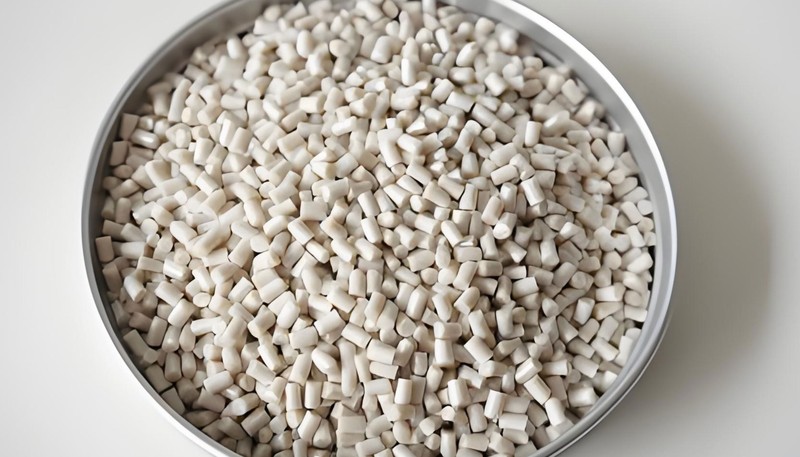
Several families of engineering and high-performance polymers require processing temperatures above 300°C. We regularly work with these materials, and each has distinct processing requirements and performance characteristics.
| Malzeme | Melt Temperature (°C) | Mold Temperature (°C) | Max Service Temperature (°C) | Anahtar Özellikler |
|---|---|---|---|---|
| PEEK | 370–400 | 160–200 | 260 | Exceptional chemical resistance, high strength |
| PPS | 300–340 | 130–150 | 220 | Flame retardant, dimensional stability |
| PEI (Ultem) | 340–400 | 140–175 | 170 | Transparent, high stiffness, FST compliance |
| LCP | 280–350 | 70–150 | 240 | Ultra-thin wall capability, low viscosity |
| PAI (Torlon) | 350–380 | 200–230 | 275 | Highest strength of any thermoplastic |
| PPSU | 360–390 | 150–190 | 190 | Steam sterilizable, impact resistant |
PEEK, atölyemizde en çok talep edilen yüksek sıcaklık malzemesidir. Kusursuz PEEK parçalar üretmek için uygun kurutmanın (150°C'de 3-4 saat, %0.02'den düşük nem seviyesine kadar) ve hassas varil sıcaklık profillemesinin kritik olduğunu tespit ettik.
“Herhangi bir standart enjeksiyon kalıplama makinesi, PEEK ve PEI gibi yüksek sıcaklık malzemelerini işleyebilir.”Yanlış
Standart makineler tipik olarak maksimum 300°C varil sıcaklığı ve 100°C kalıp sıcaklığına sahiptir. PEEK, 370–400°C erime sıcaklığı ve 160–200°C kalıp sıcaklığı gerektirir; bu da standart makinelerde bulunmayan özel variller, ısıtıcılar ve yüksek sıcaklık kalıp kontrolörleri talep eder.
“bu özel işlem, yüksek kapasiteli varil ısıtıcıları ve basınçlı sıcak su veya yağ kalıp sıcaklık kontrolörleri dahil özel ekipman gerektirir.”Doğru
Processing materials above 300°C requires barrel heaters rated for 400°C+, heat-resistant seals, hardened bimetallic screws, and mold temperature units (often oil-based) capable of maintaining mold surfaces at 150–200°C for proper crystallization and surface quality.
What Are the Key Benefits of High Temperature Injection Molding?
Ana fayda, -70 daha az ağırlıkta metal benzeri performans sunan malzemelere erişimdir. Havacılık ve otomotiv müşterileriyle yaptığımız çalışmalardan edindiğimiz deneyime göre, yüksek sıcaklık polimer kalıplama, standart plastiklerle mümkün olmayan tasarımları mümkün kılıyor.

- Superior Heat Resistance: Parts withstand continuous operating temperatures of 150–275°C, compared to 80–120°C for standard plastics.
- Kimyasal Direnç: PEEK and PPS resist aggressive chemicals including jet fuel, automotive fluids, and sterilization agents.
- Mechanical Strength: Tensile strength of 90–200 MPa, with some glass-filled grades exceeding 200 MPa—rivaling aluminum.
- Ağırlık Azaltma: Specific gravity of 1.3–1.7 vs. 2.7 for aluminum and 7.8 for steel, enabling 40–70% weight savings.
- Flame Retardancy: Many high-temperature polymers achieve UL 94 V-0 rating without additives.
- Boyutsal Kararlılık: Low coefficient of thermal expansion means parts maintain tight tolerances across wide temperature ranges.
Which Industries Benefit Most from High Temperature Molding?
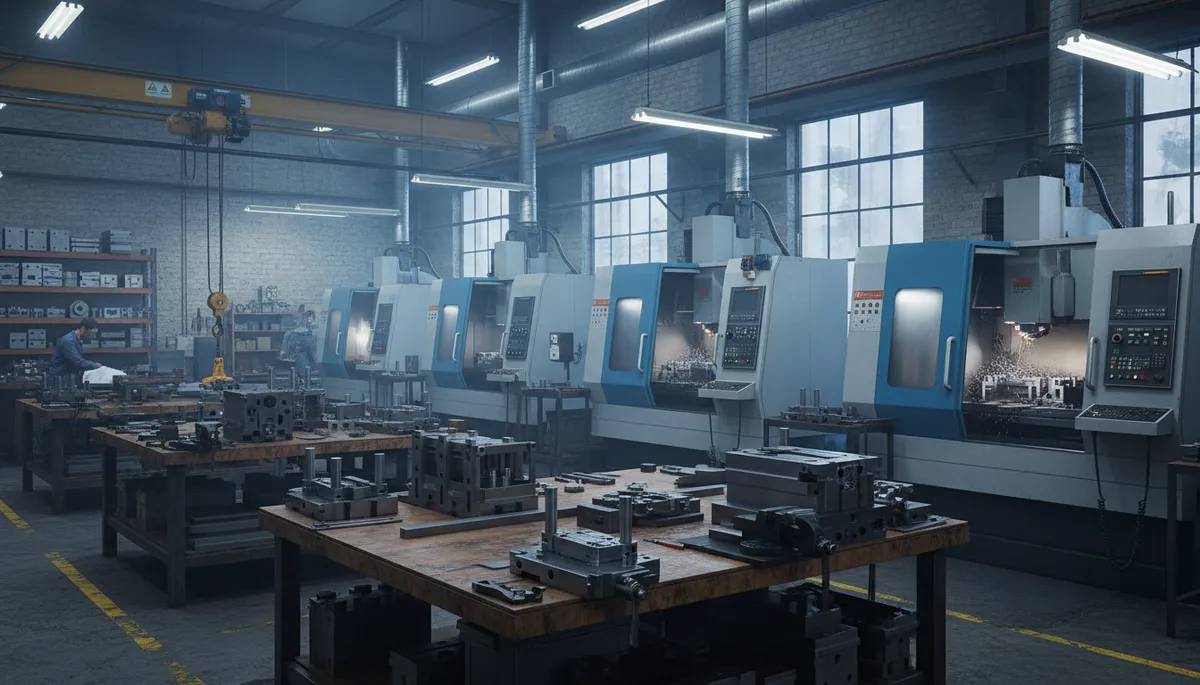
Yüksek sıcaklık enjeksiyon kalıplama, bileşenlerin aşırı termal, kimyasal veya mekanik stres altında performans göstermesi gereken endüstrilere hizmet eder. Tüm bu sektörlerdeki müşterilerimize yüksek sıcaklıkta kalıplanmış parçalar teslim ettik.
| Endüstri | Tipik Uygulamalar | Ortak Malzemeler | Hassas kelepçe kuvveti hesaplaması, sıkı kalıp toleransları |
|---|---|---|---|
| Havacılık ve Uzay | Brackets, ducting, interior panels | PEEK, PEI, PPS | Up to 260°C |
| Otomotiv | Under-hood components, turbo sensors | PPS, PA46, PEEK | Up to 220°C |
| Tıbbi | Surgical instruments, implant components | PEEK, PPSU | Steam sterilization (134°C) |
| Elektronik | Connectors, SMT sockets, insulators | LCP, PPS, PEI | Reflow soldering (260°C peak) |
| Oil & Gas | Seals, valve seats, backup rings | PEEK, PAI | Up to 275°C + chemicals |
Sadece elektronik endüstrisinde, kurşunsuz lehimlemeye geçiş (260°C pik reflow sıcaklıkları), standart naylon veya PBT'nin dayanamayacağı SMT konnektörleri için LCP ve PPS'in büyük ölçüde benimsenmesini sağladı.
What Equipment Modifications Are Needed for High Temperature Processing?
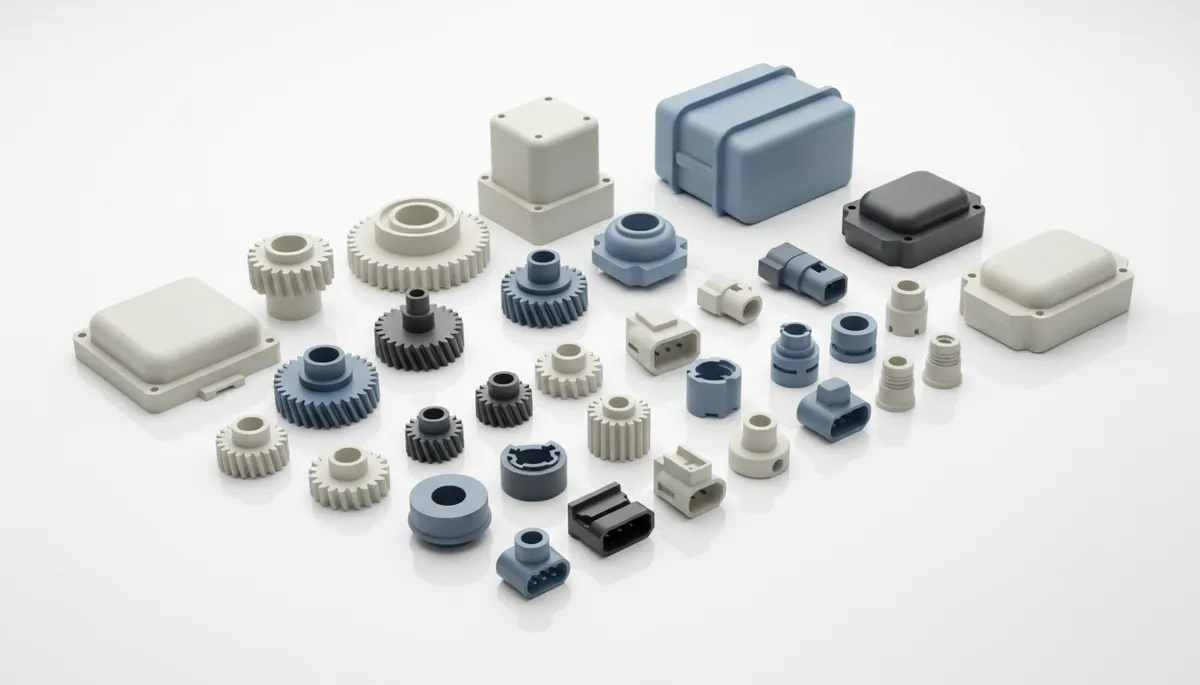
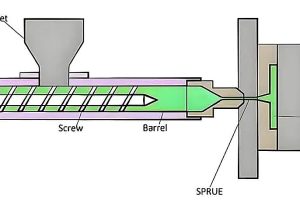
Running high temperature materials requires significant modifications beyond just turning up the varil sıcaklığı2. Özel ekipmana büyük yatırımlar yaptık ve standart kalıplamadan farklar oldukça belirgin.
- Barrel and Screw: Bimetallic barrels with Inconel or Hastelloy linings rated for 420°C+. Screws with lower compression ratios (2.0:1 to 2.5:1) to minimize shear heating.
- Heater Bands: Ceramic or mica heater bands capable of 450°C with precise zone control (±2°C).
- Kalıp Sıcaklık Kontrolü: Pressurized water systems (up to 180°C) or oil-based units (up to 350°C) to maintain high mold temperatures.
- Hot Runner Systems: Specialized hot runners with high-temperature heaters and wear-resistant nozzle tips.
- Drying Equipment: Desiccant dryers capable of 200°C+ for materials like PEEK that require aggressive moisture removal.
The capital investment for a high-temperature molding cell is typically 30–50% higher than a standard cell. But for the right applications, the performance benefits justify the cost.
“Yüksek sıcaklık enjeksiyon kalıplama sadece varil sıcaklığını artırır; başka makine modifikasyonları gerekmez.”Yanlış
Processing high-temperature polymers requires comprehensive equipment upgrades: bimetallic barrels, specialized screws, high-capacity heater bands, pressurized mold temperature controllers, high-temperature hot runners, and industrial desiccant dryers. Simply increasing barrel temperature on a standard machine will damage seals and produce defective parts.
“Yüksek kalıp sıcaklığı (150–200°C), PEEK gibi yarı-kristal yüksek sıcaklık polimerlerinin uygun kristalizasyonu için gereklidir.”Doğru
PEEK is a semi-crystalline polymer that requires mold temperatures of 160–200°C to achieve optimal crystallinity (30–35%). Insufficient mold temperature produces amorphous PEEK with significantly reduced chemical resistance, wear properties, and mechanical strength at elevated temperatures.
What Are Common Challenges and How Do You Overcome Them?
Yüksek sıcaklık enjeksiyon kalıplama, bu zorlu malzemelerle yılların deneyimiyle yönetmeyi öğrendiğimiz birkaç benzersiz zorluk sunar.

| Meydan Okuma | Karşı yüzeyde çökme izlerini önler | Çözüm |
|---|---|---|
| Material degradation | Excessive residence time at high temperature | Minimize cycle time, use correctly sized barrel (40–70% shot-to-barrel ratio) |
| Poor crystallinity (PEEK/PPS) | Mold temperature too low | Maintain mold at 160–200°C for PEEK, 130–150°C for PPS |
| Gate freeze-off | Large temperature differential between melt and mold | Use hot runners, larger gates, sequential valve gating |
| Çarpıklık | Uneven cooling, crystallization differences | Conformal cooling, uniform wall thickness |
| Flaş | Low viscosity at high temperature | Precise clamp force calculation, tight mold tolerances |
| PEEK polimer malzeme özellikleri | Moisture, cold slugs | Aggressive drying protocol, adequate purging |
Öğrendiğimiz kritik bir ders: PEEK'i işleme sıcaklığında, döngü olmadan varilde 5 dakikadan fazla bekletmeyin. Malzeme bozulacak, kehribar renginden koyu kahverengiye dönecek ve mekanik özelliklerinde önemli kayıp olacaktır.
How Does High Temperature Molding Compare to Metal Machining for the Same Applications?
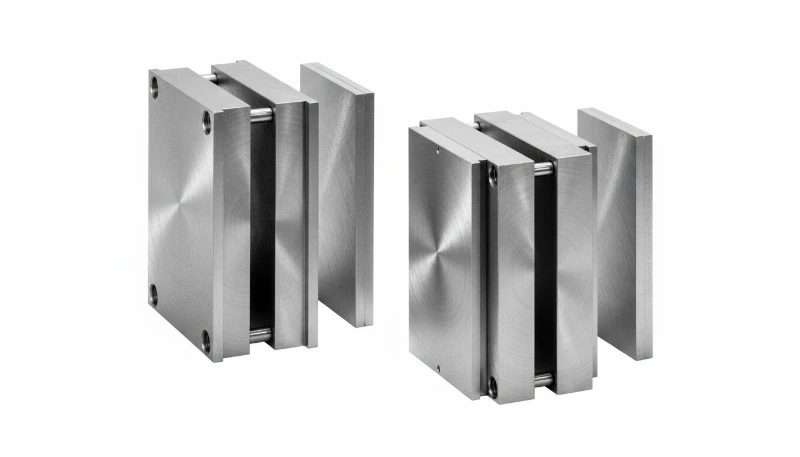
For many applications, high temperature injection molded parts directly replace machined metal components. We frequently help clients make this transition, and the benefits are compelling when the application fits.
The economics shift further in favor of polymer molding at higher production volumes. At quantities below 500 parts, CNC machining aluminum often wins on total cost because tooling investment is minimal. Between 500 and 2,000 parts, the breakeven point depends on part complexity — simple geometries favor machining while complex shapes with internal features favor molding. Above 2,000 parts, injection molding almost always delivers lower per-unit cost, even accounting for the $15,000–$40,000 mold investment typical for high-temperature tooling.
Surface finish presents another key differentiator. Machined metal parts achieve Ra 0.8–1.6 μm without secondary operations, while molded PEEK parts typically produce Ra 0.4–1.2 μm directly from the mold — actually smoother than machined aluminum in many cases. We leverage this advantage for medical device components and optical sensor housings where surface quality directly affects product performance.
| Faktör | PEEK Enjeksiyon Kalıplama | Aluminum CNC Machining |
|---|---|---|
| Ağırlık | 1.3 g/cm³ | 2.7 g/cm³ (52% heavier) |
| Per-Part Cost (10,000 units) | $2–$15 | $15–$100 |
| Çevrim Süresi | 30–90 seconds | 5–30 minutes |
| Kimyasal Direnç | Excellent (most solvents) | Poor (corrodes in acids) |
| Elektrik İzolasyonu | Mükemmel | None (conductive) |
| Max Service Temp | 260°C | 150°C (strength drops) |
Havacılık sektöründen bir müşteri için yakın zamanda yapılan bir projede, CNC ile işlenmiş alüminyum braketler, karbon elyaf dolgulu PEEK ile değiştirildi. Sonuç: ağırlık azalması, seri üretimde maliyet düşüşü ve gelişmiş titreşim sönümlemesi—artı parçalar tuz püskürtme ortamında korozyona uğramıyor.
Another consideration that manufacturers often overlook is the recyclability and sustainability profile of high-performance polymers. Unlike thermoset materials that cannot be remelted, thermoplastic polymers like PEEK, PPS, and PEI can be reground and reprocessed multiple times with minimal property degradation. In our facility, we recover and reuse up to 25% of runner and sprue material from high-temp production runs, reducing raw material waste and lowering the effective cost per part. This closed-loop approach also aligns with the growing demand from automotive and aerospace OEMs for suppliers who demonstrate measurable sustainability practices in their manufacturing operations.
SSS

What is the most common high temperature injection molding material?
PEEK (Polyether Ether Ketone) is the most widely used high-temperature injection molding material, processed at 370–400°C. It offers an exceptional combination of mechanical strength (100 MPa tensile), chemical resistance, and continuous service temperature up to 260°C.
How much does high temperature injection molding cost compared to standard molding?
Yüksek sıcaklık kalıplama, genellikle pahalı hammaddeler ($50–$150/kg'ye karşı $2–$5/kg), daha uzun döngü süreleri (daha yüksek kalıp sıcaklıkları = daha uzun soğutma) ve özel ekipman gereksinimleri nedeniyle parça başına standart kalıplamadan 3–10 kat daha fazla maliyetlidir. Ancak, metal yerine geçen uygulamalar için, hacimli CNC işlemeden genellikle daha ucuzdur.
Can standard injection molds be used for high temperature materials?
Generally no. Molds for high-temperature materials require hardened tool steels (H13 or S7), high-temperature O-rings, and specialized cooling/heating channels. Standard P20 steel molds may soften or distort at the elevated mold temperatures (150–200°C) required for proper processing.
What drying conditions are required for PEEK?
PEEK must be dried at 150°C for 3–4 hours in a desiccant dryer to achieve moisture content below 0.02%. Inadequate drying causes splay marks, bubbles, and degraded mechanical properties. We use inline moisture analyzers to verify dryness before processing.
Is high temperature injection molding suitable for medical devices?
Yes. PEEK and PPSU are widely used in medical devices because they withstand steam sterilization (134°C), are biocompatible (ISO 10993), and offer radiolucency for imaging compatibility. PEEK is also used in spinal implants and dental frameworks.
What is the minimum order quantity for high temperature molded parts?
Due to the high tooling costs ($15,000–$80,000 for PEEK-rated molds) and expensive materials, minimum economical order quantities typically start at 500–1,000 parts. For lower volumes, CNC machining of PEEK stock shapes may be more cost-effective.
Özet

Yüksek sıcaklık enjeksiyon kalıplama, önemli ölçüde azaltılmış ağırlıkta ve seri üretimde maliyette metal benzeri performans sunan malzemelere kapı açıyor. 275°C'ye kadar ısı direnci, olağanüstü kimyasal stabilite ve alüminyumla yarışan mekanik mukavemet gibi faydalar, onu havacılık, otomotiv, tıbbi ve elektronik uygulamalar için vazgeçilmez kılıyor. Özel ekipman ve uzmanlık gerektirse de, performans avantajları ve metal ikame potansiyeli, yüksek sıcaklık enjeksiyon kalıplamayı modern plastik üretimindeki en değerli yeteneklerden biri haline getiriyor. Fabrikamızda, daha fazla endüstrinin keşfetmesiyle, en hızlı büyüyen hizmet alanlarımızdan biri haline geldi. yüksek performansli poli̇merler3 can outperform metals in ways they never expected. See our Injection Molding Complete Guide for a comprehensive overview. See our Injection Molding Complete Guide for a comprehensive overview.
-
Termoplastikler, cam geçiş sıcaklığının (amorf) veya erime noktasının (yarı-kristal) üzerinde ısıtıldığında yumuşayan ve soğutulduğunda katılaşan polimerlerdir. Termosetlerin aksine, birden fazla kez yeniden işlenebilirler. PEEK ve PEI gibi yüksek performanslı termoplastikler, ticari sınıflara göre önemli ölçüde daha yüksek sıcaklıklarda çalışır. ↩
-
Enjeksiyon kalıplamada varil sıcaklığı, plastikleştirme varili boyunca olan sıcaklık profilini ifade eder ve tipik olarak besleme ağzından nozula kadar 3-5 ısıtma bölgesine ayrılır. Yüksek sıcaklık malzemeleri için, bozulmayı önlerken tam erimeyi sağlamak için bölge bazlı hassas kontrol kritiktir. ↩
-
Yüksek performanslı polimerler (ileri mühendislik plastikleri olarak da adlandırılır), olağanüstü termal stabilite, kimyasal direnç ve mekanik mukavemet ile karakterize edilen bir termoplastik ailesidir. Bu kategori, işleme sıcaklıkları 280°C'nin üzerinde olan PEEK, PEI, PPS, LCP, PAI ve PPSU'yu içerir. ↩
Need a Quote for Your Injection Molding Project?
Get competitive pricing, DFM feedback, and production timeline from ZetarMold’s engineering team.


 EN
EN  ES
ES  FR
FR  DE
DE  PT
PT  AR
AR  RU
RU  JA
JA  KO
KO  IT
IT  NL
NL  TR
TR  PL
PL 