Neden Tedarikçi Onay Kontrol Listesine İhtiyacınız Var?
Yeni bir injection molding supplier seçmek altı haneli bir karardır. Tek bir kötü kalıp yeniden işleme için $15,000–$80,000 maliyete ve ürün lansmanınızın aylarca gecikmesine neden olabilir. Buna rağmen birçok alıcı yapılandırılmış devreye alma sürecini atlar ve teklif e-postasıyla fabrika turu fotoğrafına dayanarak doğrudan satın alma siparişi verir. Resmî devreye alma kontrol listesi iki tarafı da korur. Üretim hacmini taahhüt etmeden önce tedarikçiyi kabiliyetini göstermeye zorlar ve mühendislik ekibinize sezgiler yerine açık bir karar çerçevesi sağlar.
Bu kılavuzda, NDA imzalanmasından ilk üretim sevkiyatının onaylanmasına kadar her kontrol noktasını ele alıyoruz. Böylece yurt dışındaki alıcıların 20+ yıldır Çin’den kalıp ve kalıplanmış parça tedarik etmesine yardımcı olurken gördüğümüz pahalı sürprizlerden kaçınabilirsiniz.
- Yazılı bir devreye alma kontrol listesi, her aşamada yeterlilik kanıtı sunulmasını zorunlu kılarak tedarikçi başarısızlığı riskini azaltır.
- Herhangi bir 3D CAD verisi veya kalıp tasarım dosyası paylaşılmadan önce NDA ve IP koruma sözleşmeleri imzalanmalıdır.
- Fabrika denetimi yalnızca broşürleri değil, makineleri, sertifikaları ve gerçek üretim numunelerini doğrulamalıdır.
- T1 numune onayı en kritik geçittir: ölçü raporlarını ve malzeme sertifikalarını asla atlamayın.
- İlk sevkiyat belgeleri, gelecekteki kalite takibinizin referans noktasıdır.
NDA ve IP Koruma Sözleşmesinde Neler Bulunmalıdır?
mold design fikrî mülkiyettir. Muhtemel bir tedarikçiye 3D CAD dosyası, STEP dosyası veya 2D çizim bile göndermeden önce iki taraf da kalıp tasarımı mülkiyetini, parça geometrisi verilerini ve teklif sırasında paylaştığınız süreç bilgisini açıkça kapsayan bir Gizlilik Sözleşmesi (NDA) imzalamalıdır.
Uygulamada enjeksiyon kalıplama için güçlü bir NDA, genel NDA’ların çoğunlukla atladığı üç maddeyi içermelidir: (1) kalıp mülkiyeti teyidi — tüm kalıp tasarımlarının, revizyonların ve fiziksel kalıp takımının alıcı olarak size ait olduğunu belirtir; (2) parça geometriniz için rekabet etmeme — tedarikçi diğer müşteriler için özdeş veya türetilmiş parçalar üretemez; (3) veri işleme kapsamı — CAD dosyalarının tedarikçinin şirket içi R&D çalışmaları veya portföyü için değil, yalnızca parçalarınızın fiyatlandırılması ve üretimi için kullanılabileceğini belirtir. Çin’den tedarik yapıyorsanız NDA’nın iki dilli (Çince ve İngilizce) ve Çin sözleşme hukukuna tabi olmasını sağlayın; çünkü yaptırım tedarikçinin yetki alanında uygulanır.
E-posta üzerinden imzalanan tek sayfalık bir NDA hiç olmamasından iyidir; ancak bir uyuşmazlıkta gerçekten geçerliliğini koruyan belge, Çin hukuku konusunda yetkin bir avukat tarafından incelenmiş resmî bir sözleşmedir.
ZetarMold'da müşteri NDA'larını her gün imzalarız; bu özel bir talep değil, standart çalışma prosedürüdür. Yurt dışındaki alıcılara hizmet veren 20+ yıllık deneyimimiz ve İngilizce konuşan 30+ proje yöneticimizle IP korumasının vazgeçilmez olduğunu anlıyor ve iki dilli hukuk çerçevesini hazır tutuyoruz.
Fabrika Yetkinlikleri ve Sertifikaları Nasıl Değerlendirilir?
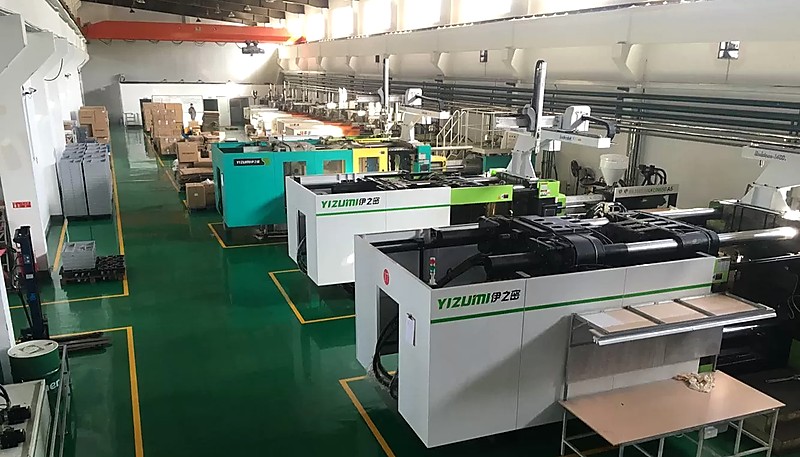
NDA yürürlüğe girdikten sonraki eşik, fabrikanın web sitesinde iddia ettiklerini gerçekten yapabildiğini doğrulamaktır. Bunun için üç şeyi kontrol edin: ekipman kabiliyeti, kalite sistemi sertifikaları ve gerçek üretim kanıtı. Makine listesiyle başlayın. Tedarikçiden injection molding makinelerinin tonaj aralığını ve parça boyutunuza uygun makineleri olup olmadığını sorun. Yalnızca 100T presleri olan bir fabrika, satış temsilcisi ne kadar hevesli görünürse görünsün 2 kilogramlık otomotiv muhafazası kalıplayamaz. Yardımcı ekipmanı da sorun: kurutucuları, otomatik parça çıkarma robotları ve hat içi tartım sistemleri var mı?
Sertifikalarda kabul etmeniz gereken asgari seviye ISO 90011’dir. Parçalarınız tıbbiyse ISO 134852 arayın.
Çevre mevzuatına uyum önemliyse (AB ve ABD’li alıcılar için giderek daha önemli hâle geliyor), ISO 140013 fabrikanın yapılandırılmış bir çevre yönetimine sahip olduğunu gösterir. Bunlar yalnızca duvara asılan sertifikalar değildir; sertifikanın güncel olduğunu ve süresinin dolmadığını doğrulayabilmek için en son denetim raporunu ve belgelendirme kuruluşunun adını isteyin.
ZetarMold, Şanghay fabrikamızda 90T ile 1850T aralığında 47 enjeksiyon kalıplama makinesi işletir ve şirket içi kalıp üretim yetkinliğine sahiptir. Tamamı güncel ve yıllık denetlenen ISO 9001, ISO 13485, ISO 14001 ve ISO 45001 sertifikalarını sürdürürüz.

Kalıp Tasarımı İncelemesinde Hangi Sorular Sorulmalıdır?
"Resmî bir NDA, tüm kalıp tasarımlarının ve fiziksel kalıp takımlarının alıcıya ait olduğunu belirtmelidir."True
Doğru. Herhangi bir CAD verisi tedarikçiyle paylaşılmadan önce kalıp mülkiyeti ve parça geometrisi IP hakları NDA'da açıkça belirtilmelidir.
"E-postayla imzalanan genel bir NDA şablonu, Çin'de kalıp tasarımı IP'si için yeterli koruma sağlar."False
Yanlış. Çin merkezli tedarikçiler için Çin sözleşme hukukuna tabi, yetkin bir avukat tarafından incelenmiş iki dilli bir NDA, uygulanabilir koruma açısından gereklidir.
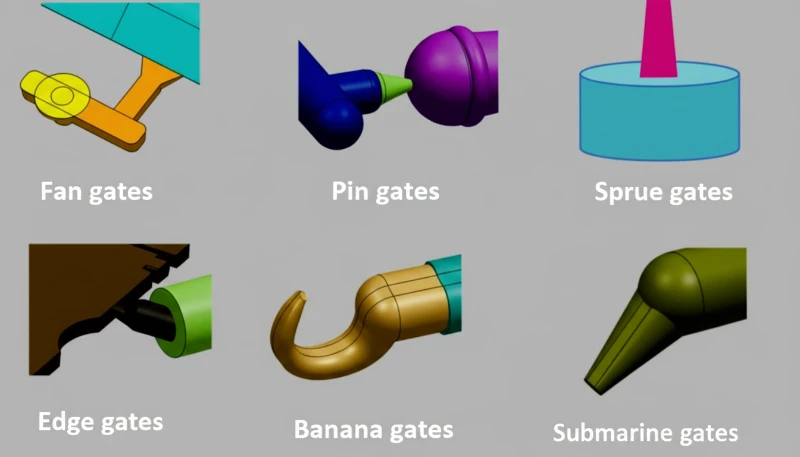
Teklifi onayladığınızda tedarikçi kalıp tasarımına başlar. Bu, çelik kesilmeden önce sorunları yakalamak için en iyi fırsatınızdır. Uygun bir kalıp tasarımı incelemesi şu alanları kapsamalıdır: Yolluk konumu ve türü: Plastik kalıp boşluğuna nereden girecek? Kenar yolluklar, tünel yolluklar ve sıcak yolluk memelerinin her biri farklı akış desenlerine, kaynak izi konumlarına ve yolluk izi gereksinimlerine sahiptir. Belirli bir yüzeyin görünümü önemliyse yolluğun oraya yerleştirilmediğinden emin olun. Çıkma açısı ve ayırma çizgisi: enjeksiyon kalıbı tasarımı, sürüklenme izleri olmadan çıkarma için yeterli çıkma açısı (genellikle her tarafta 0,5°–2°) içeriyor mu? Ayırma çizgisi, çapağın görünmeyeceği veya kolayca temizlenebileceği bir yerde mi?
Soğutma düzeni: Soğutma kanalları çevrim süresini ve parça çarpılmasını belirler. Bir soğutma düzeni şeması isteyin ve parça geometriniz karmaşıksa tedarikçinin konformal soğutmayı değerlendirdiğini doğrulayın. Parça çıkarma yöntemi: Pimler, burçlar, sıyırıcı plakalar veya eğik iticiler; seçim parça geometrisine ve kozmetik gereksinimlere bağlıdır. Küçük boyutlu itici pimler, ince cidarlı parçalarda pim izlerine ve hatta delinmeye neden olur. Kalıp tabanı ve boşluklar için malzeme seçimi: P20 düşük hacimli üretim için standarttır; ancak cam elyaf dolgulu reçineler veya 500,000 baskıyı aşan çalışmalar için H13 ya da S136 sertleştirilmiş çelik gerekir.
"T1 numune onayı her zaman yalnızca fotoğrafları değil, fiziksel numune kontrolünü de içermelidir."True
Doğru. Fotoğraflar malzeme hissini, renk doğruluğunu, eşleşen parçalarla uyumu veya ince yüzey kusurlarını doğrulayamaz; doğru T1 onayı için fiziksel numuneler şarttır.
"T1 numuneleri boyutsal muayeneden geçerse proses parametrelerini kaydetmeyi atlayıp doğrudan üretime geçebilirsiniz."False
Yanlış. T1 sırasında enjeksiyon basıncını, tutma süresini, eriyik sıcaklığını, kalıp sıcaklığını ve çevrim süresini kaydetmek kritiktir — bunlar gelecekteki tüm üretim çalışmaları için sabit proses referansınız olur.
Kalite Kabul Kriterleri ve İlk Numune Kontrolü Nasıl Belirlenir?
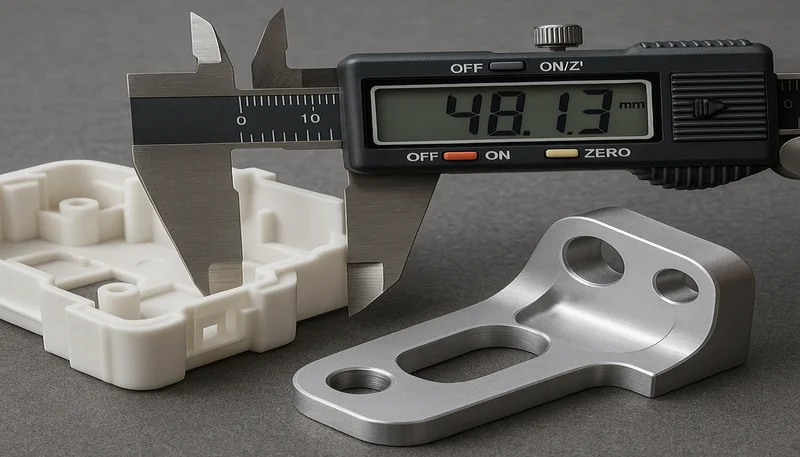
Herhangi bir çelik kesilmeden veya numune kalıplanmadan önce siz ve tedarikçi ölçülebilir kabul kriterleri üzerinde anlaşmalısınız. “İyi kalite” bir spesifikasyon değildir. Şunları kapsayan resmî bir İlk Ürün Muayenesi (FAI) planı gerekir: Boyutsal muayene: Hangi kritik boyutlar, hangi toleransla ve hangi ölçüm aracıyla (kumpas, CMM veya optik komparatör) ölçülecek? Teknik resimdeki her kritik boyutu listeleyip bir tolerans sınıfı atayın. Malzeme sertifikası: Tedarikçi, reçine üreticisinden malzeme kalitesini, lot numarasını ve temel özellikleri (MFI, çekme dayanımı, yoğunluk) doğrulayan Analiz Sertifikası (CoA) sunmalıdır. Yazılı onay olmadan ikame malzeme kabul etmeyin. Görsel ve kozmetik standartlar: Kabul edilebilir yüzey finisajını SPI standartlarıyla (A-1 through D-3) tanımlayın.
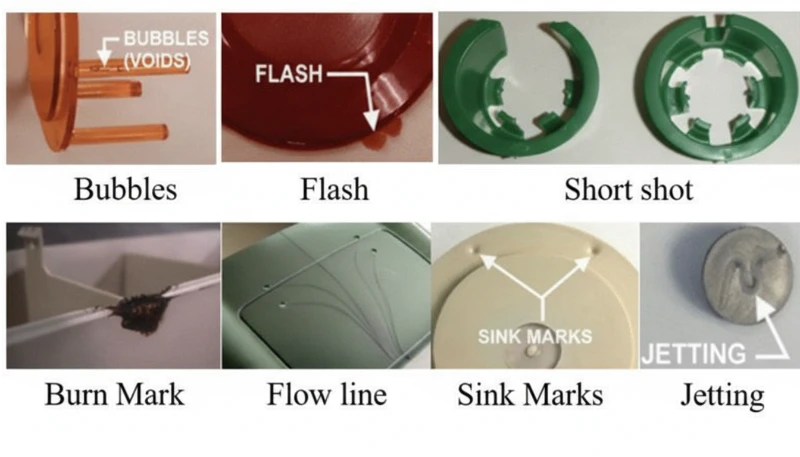
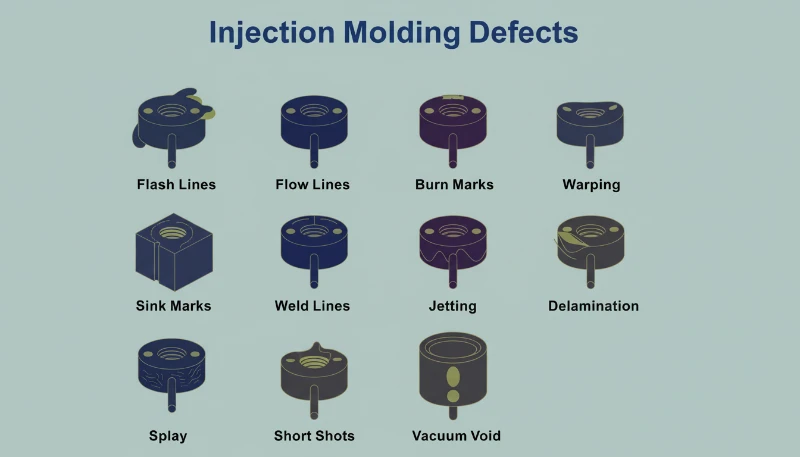
Çökme izleri, akış izleri, birleşme çizgileri veya yolluk izinin kabul edilip edilmediğini ve hangi dereceye kadar kabul edilebileceğini belirtin. Bir sınır numunesi (onaylı fiziksel referans parça), beklentileri uyumlu hâle getirmenin en güvenilir yoludur. Fonksiyonel test: Parçada geçmeli bağlantılar, canlı menteşeler veya montaj arayüzleri varsa FAI protokolüne yalnızca ölçü kontrollerini değil, bir fonksiyonel testi de ekleyin. Renk eşleştirme: Renkli parçaları ana standarda göre spektrofotometre ölçümüyle (Delta E) değerlendirin. Yalnızca görsel karşılaştırma, farklı aydınlatma koşullarında güvenilir değildir.
T1 Numune Onay Süreci Nasıl İşler?
T1 (Deneme 1), tamamlanan kalıptan alınan ilk tam numune püskürtmesidir. Tüm tedarikçi devreye alma prosesindeki en önemli kalite kapısıdır. Uygun bir T1 onayı şunları içermelidir: Boyutsal rapor: Tedarikçi, FAI planına göre tüm kritik boyutları ölçer ve bir boyutsal rapor (genellikle ISIR — İlk Numune Kontrol Raporu olarak adlandırılır) sunar. Her boyut; nominal değer, tolerans, ölçülen gerçek değer ve geçti/kaldı durumuyla listelenmelidir. Malzeme sertifikası: T1 için kullanılan reçine sınıfı ve partisinin spesifikasyonunuzla tam olarak eşleştiğini doğrulayın. Proses parametresi kaydı: Enjeksiyon basıncını, tutma basıncını, eriyik sıcaklığını, kalıp sıcaklığını, soğutma süresini ve çevrim süresini kaydedin. Bunlar üretim için temel proses parametreleriniz olur.
Sınır numunesine göre görsel inceleme: T1 parçayı üzerinde anlaşılmış kozmetik standartla karşılaştırın. Kusurları fotoğraflayın ve kabul edilebilir, koşullu kabul edilebilir (yeniden işlemeyle) veya ret olarak sınıflandırın. T1’in küçük ayarlamalar gerektirmesini beklemelisiniz; bu normaldir. Önemli olan, sapmaların ayarlanabilir aralıkta mı olduğu (proses parametrelerinin düzenlenmesi) yoksa kalıp değişikliği mi gerektirdiğidir (çelik işleme). Çelik değişikliği gerekiyorsa bunu belgeleyin, zaman çizelgesi ve maliyet sorumluluğu üzerinde anlaşın ve T2’ye geçin. Bir T1 numunesini asla yalnızca fotoğraflara dayanarak onaylamayın. Mühendislik ekibinizin elle inceleme yapabilmesi, eşleşen parçalarla montajı test edebilmesi ve malzeme hissi ile rengi yerinde doğrulayabilmesi için fiziksel numunelerin kuryeyle gönderilmesini talep edin.
Numune Üretiminden Seri Üretime Geçiş Nasıl Yönetilir?
Onaylı numunelerden kararlı seri üretim hacmine geçiş, birçok alıcı-tedarikçi ilişkisinin bozulduğu aşamadır. Numune iyi görünür, ancak seri üretim parçalarında çapak, eksik baskı veya ölçü sapması ortaya çıkar. Bu boşluğu şöyle önleyebilirsiniz: Proses parametrelerini kilitleyin: T1 onayında kaydedilen enjeksiyon basıncı, tutma süresi, eriyik sıcaklığı ve kalıp sıcaklığı üretimin kilitli proses formu olmalıdır. Bu parametrelerden her türlü sapma kalite ekibinizin yazılı onayını gerektirmelidir. İstatistiksel proses kontrolü (SPC): 1,000 adedin üzerindeki üretim çalışmalarında tedarikçiden kritik ölçülere SPC uygulamasını isteyin. 1.33 üzerindeki Cpk değerleri yeterli bir prosesi gösterir; 1.0’ın altı ise düzenli olarak tolerans dışı parçalar alacağınız anlamına gelir.
Sizin tarafınızdaki giriş kalite kontrolü: Çok iyi bir tedarikçiniz olsa bile kendi giriş kontrol protokolünüzü oluşturun. Her sevkiyattan 5–10 parçayı FAI referansına göre ölçün. Zaman içindeki eğilimleri izleyin — kademeli ölçü sapması kalıp aşınmasına işaret eder. Ambalaj ve etiketleme standartları: Parçaların nasıl ambalajlanacağını (torba adedi, katman ayırma, higroskopik malzemeler için nem koruması) ve etiketleneceğini (parça numarası, lot numarası, üretim tarihi) tanımlayın. Kötü ambalaj, hatalı kalıplama kadar hasara yol açar.
Ayda 100'den fazla kalıp seti kapasiteli dahili kalıp imalat tesisi ve kalıp tasarımını denetleyen 8 kıdemli mühendis ile ZetarMold, numune alma sürecinden üretime geçişi tamamen dahili olarak yönetir — kalıp modifikasyonları veya deneme çekimleri üçüncü taraflara yaptırılmaz.
İlk Sevkiyatta Hangi Belgeleri Almalısınız?
İlk üretim sevkiyatı yalnızca palet üzerindeki kutulardan ibaret değildir — gelecekteki her siparişiniz için referanstır. İlk sevkiyatla birlikte şu dokümantasyonu almakta ısrar edin: 1. Malzeme Analiz Sertifikası (CoA): Reçine sınıfının, üreticinin, lot numarasının ve test edilen özelliklerin spesifikasyonunuza uygun olduğunu doğrular. 2. Nihai ölçü kontrol raporu: İstatistiksel olarak geçerli bir numunedeki tüm kritik ölçülerin eksiksiz ölçümü (genellikle üretim serisinin başından, ortasından ve sonundan 5–10 parça). Bu, referansınız olur. 3. Proses parametre formu: Bu üretim serisinde kullanılan kilitli enjeksiyon kalıplama parametreleri (basınçlar, sıcaklıklar, süreler). 4. Görsel kontrol raporu: Numune parçaların fotoğrafları ile kabul edilen tüm küçük kusurların belgelenmesi ve sınıflandırılması. 5.
Ambalaj ve etiketleme teyidi: Nemden koruma önlemleri dâhil, parçaların nasıl paketlendiğini gösteren fotoğraflar. 6. Malzeme güvenlik bilgi formu (MSDS/SDS): Çoğu ülkede gümrük işlemleri ve iş yeri güvenliği mevzuatına uyum için gereklidir. 7. Ticari fatura ve çeki listesi: Gümrük ve ödeme işlemleri için standart ticari belgelerdir. Tüm bu belgeleri ilgili parça numarasına bağlı bir proje klasöründe tutun. Altı ay sonra yeniden sipariş verdiğinizde ölçüler sapmışsa, karşılaştırabileceğiniz ilk sevkiyat verileri sayesinde tam olarak neyin değiştiğini bilirsiniz. NDA’dan ilk sevkiyata kadar uzanan bu işe alıştırma kontrol listesi yaklaşımı, tedarikçi yönetimini tepkisel kriz çözmeden tekrarlanabilir bir mühendislik sürecine dönüştürür.
Tüm ilk sevkiyat belgelerini bu parça numarasına bağlı özel bir proje klasöründe saklayın. Altı ay sonra yeniden sipariş verdiğinizde ve boyutlar kaydığında veya yeni bir parti farklı bir reçine partisi kullandığında, karşılaştırma yapmak için orijinal temeliniz olacaktır. Bu belgelendirme disiplini — basit ama tutarlı bir şekilde uygulanan — güvenilir tedarik zincirlerini kaotik olanlardan ayıran şeydir. İlk sevkiyatta bu belgeleri sağlamaya direnen tedarikçiler, zamanla daha da kötüleşecek bir kalite kültürü açığını işaret eder.
Sıkça Sorulan Sorular
Yeni bir enjeksiyon kalıplama tedarikçisini entegre etmek için tipik zaman çizelgesi nedir?
Gizlilik Anlaşması imzalamadan ilk üretim sevkiyatına kadar olan tam uyum süreci genellikle kalıp karmaşıklığına bağlı olarak 8 ila 16 hafta sürer. Basit bir aç-kapa kalıbı, tasarım onayından T1 numunelerine 4 ila 6 haftada gidebilirken, yan hareketli karmaşık çoklu boşluklu kalıplar yalnızca kalıp imalatı için 10 ila 14 hafta sürebilir. T1 numune değerlendirmesi, gerekli kalıp modifikasyonları için 2 ila 3 hafta ve ilk üretim çalışması ve sevkiyat için bir 1 ila 2 hafta daha ekleyin.
Bir enjeksiyon kalıplama tedarikçisi hangi sertifikalara sahip olmalıdır?
Bir enjeksiyon kalıplama tedarikçisinde hangi sertifikalar bulunmalıdır? Asgari olarak, nitelikli herhangi bir enjeksiyon kalıplama tedarikçisi için ISO 9001 sertifikası gereklidir, çünkü bu yapılandırılmış bir kalite yönetim sistemini gösterir. Tıbbi cihaz bileşenleri için, çoğu pazarda düzenleyici gereklilikleri karşılamak amacıyla ISO 13485 zorunludur. Çevre bilincine sahip alıcılar — özellikle AB müşterilerine tedarik sağlayanlar — ISO 14001 çevre yönetim sertifikasını aramalıdır. ISO 45001, yapılandırılmış iş sağlığı ve güvenliği yönetimini gösterir. Sertifikaların geçerlilik sürelerinin dolması tedarikçi denetimlerinde sık karşılaşılan bir uyarı işareti olduğundan, sertifikaların geçerli olup olmadığını her zaman düzenleyen kayıt kuruluşu ile kontrol ederek doğrulayın.
Tüm Çinli enjeksiyon kalıplama tedarikçileri için aynı NDA’yı kullanabilir miyim?
Tüm Çinli enjeksiyon kalıplama tedarikçileri için aynı Gizlilik Anlaşmasını kullanabilir miyim? Bir şablon Gizlilik Anlaşması kullanabilirsiniz, ancak yürürlüğünü sağlamak için ilk kullanımdan önce Çin’de yetkili bir avukat tarafından incelenmelidir. Temel unsurlar, hem Çince hem de İngilizce olarak iki dilli metin, Çin yargı yetkisi altındaki uygulanacak hukuk, kalıp mülkiyetinin alıcıya ait olduğunu belirten açık kalıp mülkiyeti maddeleri, tedarikçinin rakipler için aynı parçaları üretmesini önleyen rekabet etmeme hükümleri ve CAD dosyalarının yalnızca sizin parçalarınız için kullanılabileceğini belirten net veri işleme kapsamını içermelidir. Uygun şekilde incelendikten sonra, şablon her yeni tedarikçi ilişkisi için tedarikçiye özel küçük değişikliklerle yeniden kullanılabilir.
T1 ile ilk parça muayenesi arasındaki fark nedir?
T1 ve ilk numune muayenesi arasındaki fark nedir? T1, tamamlanmış bir kalıptan alınan ilk deneme atışını ifade eder ve özellikle kalıp doğrulamasına odaklanır — kalıbın doğru kapı konumu, dolum deseni ve boyutsal doğrulukla spesifikasyona uygun parçalar ürettiğini teyit eder. İlk Numune Muayenesi (FAI), çizime karşı boyutsal ölçüm, reçine tedarikçisinden malzeme sertifikası, sınır numunelerine karşı görsel muayene ve eşleşen arayüzlerin fonksiyonel testini içeren daha geniş bir kalite belgelendirme sürecidir. T1 onayı, FAI sürecine önemli bir girdidir, ancak FAI ilk üretim serisi için tam kalite kayıt paketini kapsar ve sürekli kalite temeli olarak hizmet eder.
Üretim parçalarının onaylanmış T1 numuneleriyle eşleştiğini nasıl doğrularım?
Üretim parçalarının onaylanmış T1 numuneleriyle eşleştiğini nasıl doğrularım? T1 onayından elde edilen proses parametrelerini — özellikle enjeksiyon basıncı, tutma basıncı, eriyik sıcaklığı, kalıp sıcaklığı ve döngü süresini — üretim standardı olarak kilitleyin. Tedarikçiden, 1.000 parçayı aşan üretim serileri için kritik boyutlarda İstatistiksel Proses Kontrolü (SPC) yapmasını ve proses yeteneğini doğrulamak için 1.33’ün üzerinde Cpk değerleri hedeflemesini isteyin. Her sevkiyatta kendi gelen muayenenizi, 5 ila 10 parçayı FAI temeline göre ölçerek gerçekleştirin. Boyutsal eğilimleri birden fazla sevkiyat boyunca izleyerek, tolerans dışı parçalar üretmeden önce kalıp aşınmasını işaret eden kademeli sapmaları tespit edin.
Yeni bir tedarikçiden ilk üretim sevkiyatına hangi belgeler eşlik etmelidir?
Yeni bir tedarikçiden gelen ilk üretim sevkiyatına hangi belgeler eşlik etmelidir? Yeni bir enjeksiyon kalıplama tedarikçisinden gelen ilk sevkiyat şunları içermelidir: reçine sınıfını ve parti numarasını doğrulayan bir malzeme Analiz Sertifikası (CoA), üretim serisi boyunca istatistiksel örnekleme ile tam boyutsal muayene raporu, onaylanmış üretim serisinden kilitlenmiş proses parametre sayfası, örneklenmiş parçaların fotoğraflarıyla görsel muayene raporu, nem korumasını gösteren paketleme ve etiketleme onay fotoğrafları, gümrük ve işyeri uyumu için malzeme güvenlik bilgi formu (MSDS) ve ticari fatura ve paket listesi dahil standart ticari belgeler. Bu belgeler toplu olarak tüm gelecek siparişleriniz için kalite temeliniz ve değişiklikleri tespit etmek için referansınız haline gelir.
ISO 9001: ISO 9001, kuruluşların tutarlı ürün ve hizmet kalitesini göstermek için karşılaması gereken şartları tanımlayan ve ISO tarafından yayımlanan uluslararası kalite yönetim sistemleri standardıdır. ↩
ISO 13485: ISO 13485, tıbbi cihazlarda kalite yönetim sistemlerine ilişkin ve cihazın tüm yaşam döngüsü boyunca mevzuata uyum şartlarını belirleyen uluslararası standarttır. ↩
ISO 14001: ISO 14001, kuruluşların mevzuata uyumu sürdürürken çevresel etkilerini en aza indirmeleri için bir çerçeve sunan uluslararası çevre yönetim sistemleri standardıdır. ↩