Waarom hebt u een checklist voor het onboarden van leveranciers nodig?
Het kiezen van een nieuwe leverancier van spuitgietproducten is een beslissing van zes cijfers. Eén enkele slechte mal kan €15.000 – €80.000 aan herbewerking kosten en uw productlancering met maanden vertragen. Toch slaan veel kopers de gestructureerde onboarding over en gaan direct over tot het plaatsen van een inkooporder op basis van een offerte-e-mail en een foto van een fabrieksrondleiding. Een formele onboarding-checklist beschermt beide partijen. Het dwingt de leverancier om capaciteiten aan te tonen voordat u productievolume vastlegt, en het geeft uw engineeringteam een duidelijk beslissingskader in plaats van onderbuikgevoelens.
In deze gids doorlopen we elke beslispoort — van het ondertekenen van een NDA tot de goedkeuring van de eerste productiezending — zodat u de kostbare verrassingen voorkomt die we in ruim 20 jaar ondersteuning van buitenlandse inkopers bij de inkoop van matrijzen en gevormde onderdelen uit China hebben gezien.
- Een schriftelijke onboardingchecklist verlaagt het risico op leveranciersfalen door in elke fase bewijs van bekwaamheid te eisen.
- NDA en IP-bescherming moeten worden ondertekend voordat 3D CAD-gegevens of matrijsontwerpbestanden worden gedeeld.
- Een fabrieksaudit moet machines, certificeringen en werkelijke productiemonsters verifiëren — niet alleen brochures.
- Goedkeuring van het T1-monster is de belangrijkste poort: sla maatrapporten en materiaalcertificaten nooit over.
- De documentatie van de eerste zending vormt uw uitgangspunt voor toekomstige kwaliteitsbewaking.
Wat moet er in de NDA- en IE-beschermingsovereenkomst staan?
Uw vorm ontwerp is intellectueel eigendom. Voordat u een 3D CAD-bestand, STEP-bestand of zelfs een 2D-tekening naar een potentiële leverancier verzendt, moeten beide partijen een geheimhoudingsovereenkomst (NDA) ondertekenen waarin expliciet het eigendom van het matrijsontwerp, de geometriegegevens van onderdelen en alle proceskennis die u tijdens de offerte deelt, worden geregeld.
In de praktijk moet een sterke NDA voor spuitgieten drie bepalingen bevatten die algemene NDA’s vaak missen: (1) bevestiging van matrijseigendom, waarin staat dat alle matrijsontwerpen, revisies en de fysieke matrijs aan u als inkoper toebehoren; (2) een concurrentieverbod voor uw onderdeelgeometrie, zodat de leverancier geen identieke of afgeleide onderdelen voor andere klanten mag maken; en (3) de reikwijdte van gegevensverwerking, waarin staat dat CAD-bestanden uitsluitend mogen worden gebruikt voor offertes en productie van uw onderdelen, niet voor interne R&D of het portfolio van de leverancier. Als u uit China inkoopt, zorg dan dat de NDA tweetalig is, Chinees en Engels, en onder Chinees contractrecht valt, omdat handhaving plaatsvindt in het rechtsgebied van de leverancier.
Een NDA van één pagina die per e-mail is ondertekend, is beter dan niets, maar alleen een formele overeenkomst die door een in China gekwalificeerde advocaat is beoordeeld, houdt daadwerkelijk stand bij een geschil.
Bij ZetarMold ondertekenen we dagelijks geheimhoudingsovereenkomsten van klanten — dit is een standaardprocedure, geen speciaal verzoek. Met 20+ jaar ervaring met internationale inkopers en 30+ Engelstalige projectmanagers begrijpen we dat bescherming van intellectueel eigendom niet onderhandelbaar is en hebben we het tweetalige juridische kader gereed.
Hoe beoordeelt u de capaciteiten en certificeringen van de fabriek?
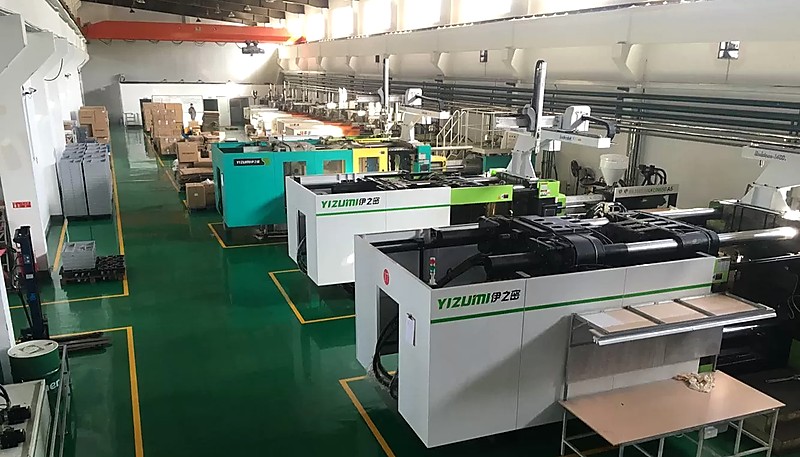
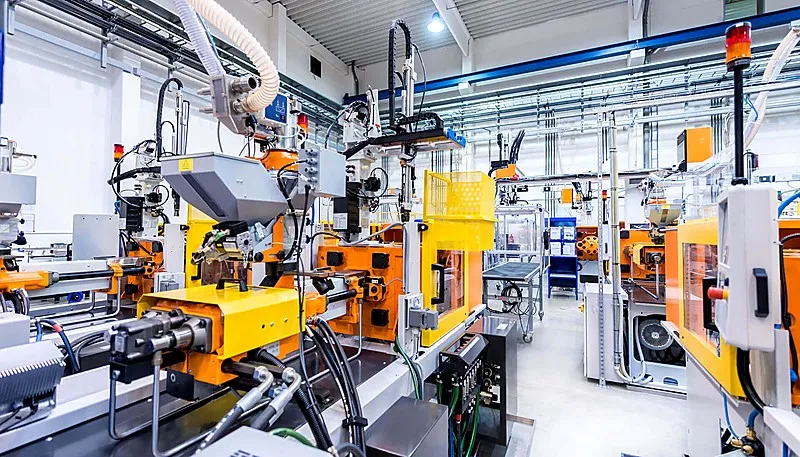
Nadat de geheimhoudingsverklaring is opgesteld, verifieert de volgende poort of de fabriek daadwerkelijk kan doen wat hun website beweert. Dit betekent dat er drie dingen moeten worden gecontroleerd: de capaciteit van de apparatuur, de certificeringen van het kwaliteitssysteem en het echte productiebewijs. Begin met de machinelijst. Vraag de leverancier naar het tonnagebereik van hun spuitgieten-machines en of zij machines hebben die geschikt zijn voor uw onderdeelgrootte. Een fabriek die alleen 100T-persen heeft, kan geen autobehuizing van 2 kilogram vormen, hoe enthousiast de verkoper ook klinkt. Vraag ook naar hulpapparatuur: hebben ze drogers, geautomatiseerde robots voor het verwijderen van onderdelen en in-line weegsystemen?
Wat certificeringen betreft, is ISO 90011 het minimum dat u moet accepteren. Als uw onderdelen medisch zijn, zoek dan naar ISO 134852.
Als naleving van milieuregels belangrijk is (en dat is steeds vaker zo voor kopers in de EU en de VS), toont ISO 140013 aan dat de fabriek een gestructureerd milieubeheer heeft. Dit zijn niet zomaar certificaten voor aan de muur — vraag naar het recentste auditrapport en de naam van de certificerende instelling, zodat u kunt controleren of het certificaat actueel en niet verlopen is.
ZetarMold gebruikt in onze fabriek in Shanghai 47 spuitgietmachines van 90T tot 1850T en beschikt over interne matrijzenbouwcapaciteit. We behouden de certificeringen ISO 9001, ISO 13485, ISO 14001 en ISO 45001 — allemaal actueel en jaarlijks geaudit.
Welke vragen stelt u tijdens de beoordeling van het matrijsontwerp?
"Een formele NDA moet bepalen dat alle matrijsontwerpen en fysieke gereedschappen eigendom zijn van de koper."True
Juist. Het eigendom van de matrijs en de intellectuele-eigendomsrechten op de geometrie van het onderdeel moeten expliciet in de geheimhoudingsovereenkomst staan voordat CAD-gegevens met de leverancier worden gedeeld.
"Een generiek NDA-sjabloon dat per e-mail is ondertekend, beschermt het intellectuele eigendom van matrijsontwerpen in China voldoende."False
Onjuist. Voor leveranciers in China is voor afdwingbare bescherming een tweetalige geheimhoudingsovereenkomst nodig die onder Chinees contractenrecht valt en door een gekwalificeerde advocaat is beoordeeld.
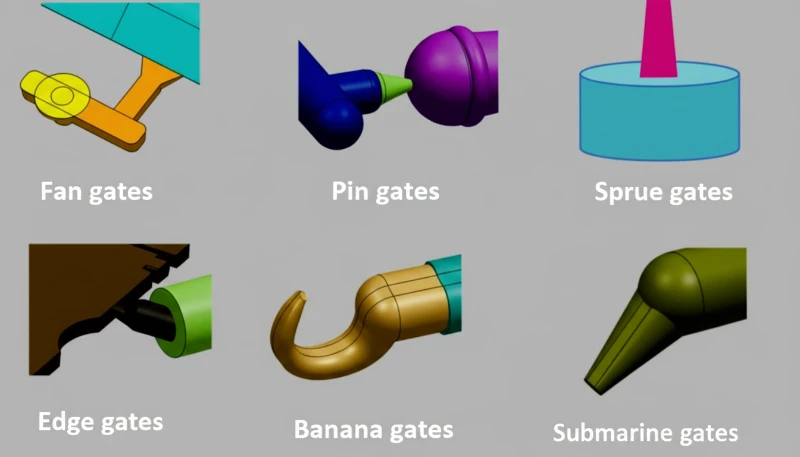
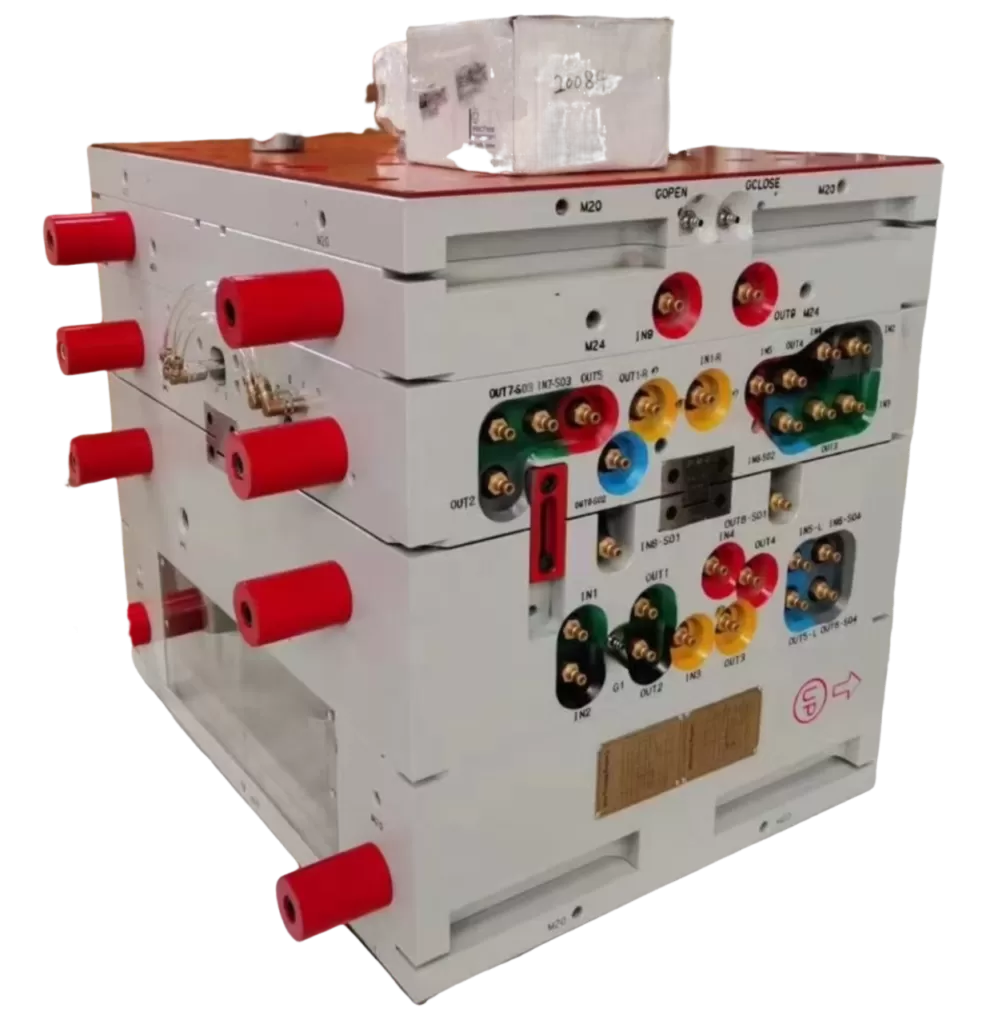
Zodra u de offerte goedkeurt, begint de leverancier met het matrijsontwerp. Dit is uw beste kans om problemen te ontdekken voordat het staal wordt verspaand. Een goede ontwerpbeoordeling moet het volgende omvatten: Positie en type aanspuitpunt: waar komt de kunststof de holte binnen? Randaanspuitingen, tunnelpoorten en hotrunner-aanspuitpunten hebben elk andere stromingspatronen, lasnaadposities en eisen aan aanspuitresten. Als het uiterlijk van een bepaald oppervlak belangrijk is, zorg dan dat het aanspuitpunt daar niet zit. Lossingshoek en deelnaad: bevat het spuitgietmatrijsontwerp een toereikende lossingshoek (doorgaans 0,5°–2° per zijde) voor uitwerpen zonder sleepstrepen? Ligt de deelnaad waar braam onzichtbaar of eenvoudig af te werken is?
Koelconfiguratie: koelkanalen bepalen de cyclustijd en vervorming van het onderdeel. Vraag om een schema van de koelconfiguratie en controleer of de leverancier conforme koeling heeft overwogen wanneer uw onderdeelgeometrie complex is. Uitwerpmethode: pennen, hulzen, afstroopplaten of schuine uitwerpers — de keuze hangt af van de onderdeelgeometrie en esthetische vereisten. Te kleine uitwerppennen veroorzaken penafdrukken of drukken zelfs door dunwandige onderdelen heen. Materiaalkeuze voor de matrijsbasis en matrijsholten: P20 is standaard voor productie in kleine volumes, maar gehard H13- of S136-staal is nodig voor glasgevulde harsen of productieruns van meer dan 500,000 cycli.
"Goedkeuring van het T1-monster moet altijd een fysieke monsterinspectie omvatten, niet alleen foto's."True
Juist. Foto's kunnen het materiaalgevoel, de kleurnauwkeurigheid, de passing met bijbehorende onderdelen of subtiele oppervlaktedefecten niet verifiëren — fysieke monsters zijn essentieel voor een juiste T1-goedkeuring.
"Als T1-monsters de maatinspectie doorstaan, kunt u de registratie van procesparameters overslaan en direct in productie gaan."False
Onjuist. Het registreren van injectiedruk, nadruktijd, smelttemperatuur, matrijstemperatuur en cyclustijd tijdens T1 is cruciaal; deze waarden vormen de vastgelegde procesbasis voor alle toekomstige productieruns.
Hoe stelt u kwaliteitsacceptatiecriteria en een First Article Inspection op?
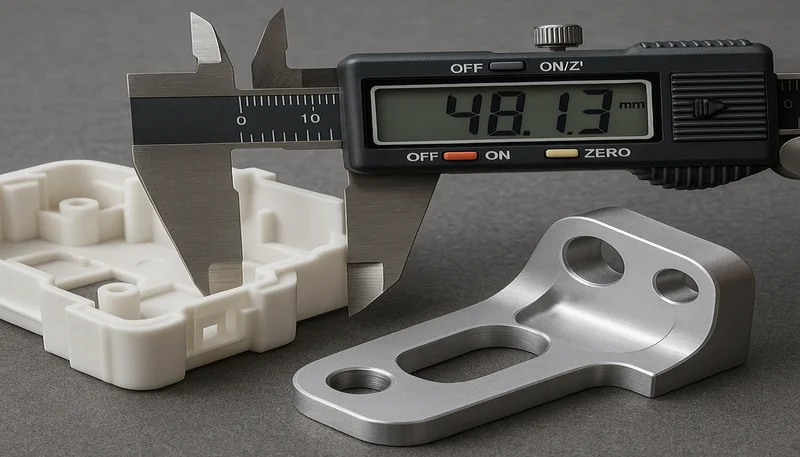
Voordat staal wordt verspaand of een monster wordt gevormd, moeten u en de leverancier meetbare acceptatiecriteria afspreken. “Goede kwaliteit” is geen specificatie. U hebt een formeel First Article Inspection (FAI)-plan nodig met: Maatinspectie: welke kritieke afmetingen worden gemeten, met welke tolerantie en welk meetmiddel (schuifmaat, CMM of optische comparator)? Vermeld elke kritieke afmeting op de tekening en wijs een tolerantieklasse toe. Materiaalcertificering: de leverancier moet een Certificate of Analysis (CoA) van de harsproducent leveren met materiaalkwaliteit, lotnummer en kerneigenschappen (MFI, treksterkte, dichtheid). Accepteer nooit vervangend materiaal zonder schriftelijke goedkeuring. Visuele en cosmetische normen: definieer de toegestane oppervlakteafwerking met SPI-normen (A-1 through D-3).
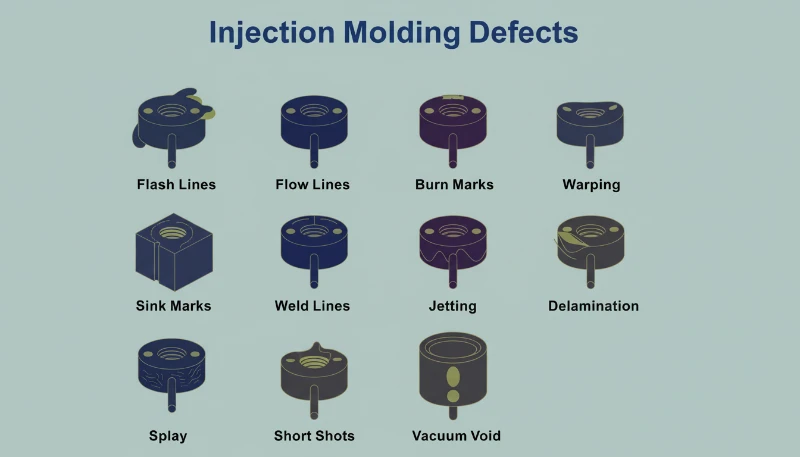
Leg vast of inval, vloeielijnen, laslijnen of aanspuitresten aanvaardbaar zijn en in welke mate. Een grensmonster (een goedgekeurd fysiek referentieonderdeel) is de betrouwbaarste manier om verwachtingen op elkaar af te stemmen. Functionele tests: als het onderdeel klikverbindingen, filmscharnieren of montage-interfaces heeft, neem dan een functionele test op in het FAI-protocol — niet alleen maatcontroles. Kleurafstemming: gebruik voor gekleurde onderdelen een spectrofotometermeting (Delta E) ten opzichte van een hoofdstandaard. Alleen visueel vergelijken is bij verschillende lichtomstandigheden onbetrouwbaar.
Hoe ziet een goedkeuringsproces voor een T1-monster eruit?
T1 (Trial 1) is de eerste volledige proefshot uit de voltooide matrijs. Het is de belangrijkste kwaliteitscontrole in het gehele kwalificatieproces. Een correcte T1-goedkeuring moet het volgende omvatten. Maatrapport: de leverancier meet alle kritieke maten volgens het FAI-plan en verstrekt een maatrapport, vaak ISIR genoemd — Initial Sample Inspection Report. Voor elke maat moeten nominale waarde, tolerantie, werkelijk gemeten waarde en goed-/afkeurstatus worden vermeld. Materiaalcertificaat: bevestig dat de exacte harskwaliteit en partij die voor T1 zijn gebruikt, overeenkomen met uw specificatie. Registratie van procesparameters: registreer injectiedruk, nadruk, smelttemperatuur, matrijstemperatuur, koeltijd en cyclustijd. Dit worden uw basisprocesparameters voor productie.
Visuele inspectie aan de hand van het grensmonster: vergelijk het T1-onderdeel met de overeengekomen cosmetische norm. Fotografeer defecten en classificeer ze als aanvaardbaar, voorwaardelijk aanvaardbaar (met nabewerking) of afgekeurd. U mag verwachten dat T1 kleine aanpassingen nodig heeft — dat is normaal. De kernvraag is of de afwijkingen binnen het instelbare bereik vallen (procesparameters aanpassen) of een matrijswijziging vereisen (staal verspanen). Als een staalwijziging nodig is, documenteer deze dan, maak afspraken over de planning en kostenverantwoordelijkheid en ga door naar T2. Keur een T1-monster nooit alleen op basis van foto’s goed. Sta erop fysieke monsters per koerier te ontvangen, zodat uw engineeringteam ze zelf kan inspecteren, de passing met bijbehorende onderdelen kan testen en materiaalgevoel en kleur persoonlijk kan beoordelen.
Hoe beheert u de overgang van bemonstering naar productie?
De overgang van goedgekeurde monsters naar een stabiel productievolume is waar veel relaties tussen afnemers en leveranciers stuklopen. Het monster zag er uitstekend uit, maar de productieonderdelen worden geleverd met braamvorming, onvolledige vulling of maatafwijkingen. Zo voorkomt u die kloof: Leg procesparameters vast: de injectiedruk, nadruktijd, smelttemperatuur en matrijstemperatuur die tijdens de T1-goedkeuring zijn geregistreerd, moeten het vaste procesblad voor de productie vormen. Voor elke afwijking van deze parameters moet schriftelijke goedkeuring van uw kwaliteitsteam vereist zijn. Statistische procesbeheersing (SPC): vraag de leverancier bij productieruns van meer dan 1.000 stuks om SPC toe te passen op kritieke afmetingen. Cpk-waarden boven 1.33 duiden op een capabel proces; onder 1.0 betekent dat u regelmatig onderdelen buiten de tolerantie zult ontvangen.
Ingangscontrole bij u: stel ook bij een goede leverancier een eigen inspectieprotocol op. Meet per zending 5–10 onderdelen tegen de FAI-basislijn en volg trends; geleidelijke maatafwijking wijst op matrijsslijtage. Verpakkings- en etiketteringsnormen: definieer verpakking (aantal per zak, laagscheiding, vochtbescherming voor hygroscopische materialen) en etiketten (onderdeelnummer, lotnummer, productiedatum). Slechte verpakking veroorzaakt evenveel schade als slecht spuitgieten.
Met een eigen matrijzenfabriek die 100+ matrijssets per maand kan produceren en 8 senior engineers die toezicht houden op het matrijsontwerp, verzorgt ZetarMold de volledige overgang van bemonstering naar productie intern—aanpassingen en proefshots worden niet aan derden uitbesteed.
Welke documentatie moet u bij de eerste levering ontvangen?
De eerste productiezending is niet alleen een stapel dozen op een pallet — ze vormt de referentiebasis voor elke volgende order. Eis bij de eerste zending: 1. Materiaalcertificaat van analyse (CoA): bevestigt dat harskwaliteit, fabrikant, partijnummer en geteste eigenschappen aan uw specificatie voldoen. 2. Eindinspectierapport van afmetingen: volledige meting van alle kritieke maten op een statistisch geldig monster (doorgaans 5–10 stuks uit begin, midden en einde van de productierun). Dit wordt uw referentiebasis. 3. Procesparameterblad: vastgelegde spuitgietparameters (drukken, temperaturen, tijden) voor deze run. 4. Visueel inspectierapport: foto’s van bemonsterde onderdelen en documentatie en classificatie van geaccepteerde kleine defecten. 5.
Bevestiging van verpakking en etikettering: foto’s van de verpakking van de onderdelen, inclusief maatregelen tegen vocht. 6. Veiligheidsinformatieblad (MSDS/SDS): in de meeste rechtsgebieden vereist voor douaneafhandeling en arbeidsveiligheid. 7. Handelsfactuur en paklijst: standaardhandelsdocumenten voor douane en betaling. Bewaar al deze documenten in een projectmap die aan dit onderdeelnummer is gekoppeld. Als u zes maanden later opnieuw bestelt en de afmetingen zijn verlopen, weet u precies wat er is veranderd doordat u de gegevens van de eerste zending kunt vergelijken. Deze checklistaanpak — van NDA tot en met de eerste zending — verandert leveranciersbeheer van reactief brandjes blussen in een herhaalbaar engineeringproces.
Bewaar alle documenten van de eerste zending in een toegewijd projectmap gekoppeld aan dit onderdeelnummer. Wanneer u zes maanden later opnieuw bestelt en de afmetingen zijn veranderd, of een nieuwe batch een ander harslot gebruikt, heeft u de oorspronkelijke baseline om mee te vergelijken. Deze documentatiediscipline — eenvoudig maar consequent toegepast — is wat betrouwbare toeleveringsketens scheidt van chaotische. Leveranciers die terughoudend zijn om deze documenten bij de eerste zending te verstrekken, signaleren een kwaliteitscultuurkloof die alleen maar erger wordt in de loop van de tijd.
Veelgestelde vragen
Wat is de typische tijdlijn voor het onboarden van een nieuwe spuitgietleverancier?
Het volledige onboardingproces van NDA-ondertekening tot eerste productiezending duurt typisch 8 tot 16 weken, afhankelijk van de matrijscomplexiteit. Een eenvoudige open-en-dicht matrijs kan van ontwerpgoedkeuring naar T1-monsters gaan in 4 tot 6 weken, terwijl complexe meervoudige matrijzen met zijacties alleen al 10 tot 14 weken kunnen kosten voor matrijsfabricage. Houd rekening met 2 tot 3 weken voor T1-monsterevaluatie, eventueel benodigde matrijsaanpassingen, en nog eens 1 tot 2 weken voor de eerste productierun en verzending.
Welke certificeringen moet een spuitgietleverancier hebben?
Welke certificeringen moet een spuitgietleverancier hebben? Minimaal is ISO 9001-certificering vereist voor elke gekwalificeerde spuitgietleverancier, omdat dit een gestructureerd kwaliteitsmanagementsysteem aantoont. Voor medische hulpmiddelcomponenten is ISO 13485 verplicht om aan regelgevingsvereisten in de meeste markten te voldoen. Milieubewuste kopers — vooral diegenen die EU-klanten leveren — moeten zoeken naar ISO 14001 milieumanagementcertificering. ISO 45001 duidt op gestructureerd arbeidsgezondheids- en veiligheidsmanagement. Verifieer altijd dat certificaten actueel zijn door contact op te nemen met de uitgevende registrar, aangezien verlopen certificeringen een veelvoorkomende rode vlag zijn tijdens leveranciersaudits.
Kan ik dezelfde NDA gebruiken voor alle Chinese spuitgietleveranciers?
Kan ik dezelfde NDA gebruiken voor alle Chinese spuitgietleveranciers? U kunt een NDA-sjabloon gebruiken, maar deze moet voor het eerste gebruik worden beoordeeld door een in China gekwalificeerde advocaat om de afdwingbaarheid te waarborgen. Belangrijke elementen moeten tweetalige tekst in zowel Chinees als Engels bevatten, toepasselijk recht onder Chinese jurisdictie, expliciete clausules over matrijseigendom die stellen dat het gereedschap van de koper is, non-concurrentiebepalingen die voorkomen dat de leverancier identieke onderdelen voor concurrenten produceert, en een duidelijke reikwijdte voor gegevensbehandeling die specificeert dat CAD-bestanden alleen voor uw onderdelen mogen worden gebruikt. Eenmaal goed beoordeeld, kan het sjabloon worden hergebruikt met kleine leveranciersspecifieke aanpassingen voor elke nieuwe leveranciersrelatie.
Wat is het verschil tussen T1 en eerste artikel inspectie?
Wat is het verschil tussen T1 en eerste artikel inspectie? T1 verwijst naar de eerste proefgiet uit een voltooide matrijs, met specifieke focus op matrijsvalidatie — bevestiging dat de matrijs onderdelen produceert volgens specificatie met correcte poortlocatie, vulpatroon en dimensionale nauwkeurigheid. Eerste Artikel Inspectie (FAI) is een breder kwaliteitsdocumentatieproces dat dimensionale meting tegenover de tekening omvat, materiaalcertificering van de kunststofleverancier, visuele inspectie tegen grensvoorbeelden en functionele tests van koppelingsinterfaces. T1-goedkeuring is een belangrijke input voor het FAI-proces, maar FAI omvat het volledige kwaliteitsdossierpakket voor de eerste productierun en dient als de voortdurende kwaliteitsbasis.
Hoe verifieer ik dat productieonderdelen overeenkomen met de goedgekeurde T1-monsters?
Hoe verifieer ik dat productieonderdelen overeenkomen met de goedgekeurde T1-monsters? Leg de procesparameters van de T1-goedkeuring vast — specifiek injectiedruk, houddruk, smelttemperatuur, matrijstemperatuur en cyclusduur — als de productiestandaard. Eis dat de leverancier Statistical Process Control (SPC) uitvoert op kritieke afmetingen voor productieruns van meer dan 1.000 stuks, met als doel Cpk-waarden boven 1,33 om de procescapaciteit te bevestigen. Voer uw eigen inkomende inspectie uit op elke zending door 5 tot 10 onderdelen te meten tegen de FAI-baseline. Volg dimensionale trends over meerdere zendingen om geleidelijke verschuiving te detecteren die slijtage van de matrijs signaleert voordat het buiten-tolerantie onderdelen produceert.
Welke documenten moeten de eerste productiezending van een nieuwe leverancier vergezellen?
Welke documenten moeten de eerste productiezending van een nieuwe leverancier vergezellen? De eerste zending van een nieuwe spuitgietleverancier moet bevatten: een materiaal Certificaat van Analyse (CoA) dat de harskwaliteit en lotnummer bevestigt, een eindrapportage dimensionale inspectie met statistische steekproeven over de productierun, een vastgelegde procesparametersheet van de goedgekeurde productierun, een visuele inspectierapport met foto’s van bemonsterde onderdelen, verpakkings- en etiketteringsbevestigingsfoto’s die vochtbescherming tonen, een materiaalveiligheidsinformatieblad (MSDS) voor douane- en werkpleknaleving, en standaard handelsdocumenten inclusief commerciële factuur en paklijst. Deze documenten vormen gezamenlijk uw kwaliteitsbaseline voor alle toekomstige orders en uw referentie voor het detecteren van veranderingen.
ISO 9001: ISO 9001 is de door ISO gepubliceerde internationale norm voor kwaliteitsmanagementsystemen en definieert eisen waarmee organisaties een consistente product- en dienstkwaliteit aantonen. ↩
ISO 13485: ISO 13485 is de internationale norm voor kwaliteitsmanagementsystemen voor medische hulpmiddelen en specificeert eisen voor naleving van regelgeving gedurende de volledige levenscyclus. ↩
ISO 14001: ISO 14001 is de internationale norm voor milieumanagementsystemen en biedt organisaties een kader om hun milieueffect te beperken en tegelijk aan de regels te blijven voldoen. ↩