

Choosing an литьё под давлением supplier halfway across the world is a calculated gamble. You are betting tooling money, production timelines, and product quality on a partner you may have never met in person. A single bad supplier decision can cost you tens of thousands of dollars in wasted molds, months of delays, and lost market opportunities.
- Supplier risk goes beyond price — evaluate quality systems, communication, and tooling ownership
- Always verify ISO certifications and request third-party audit reports before committing
- Own your mold tooling outright and clarify IP terms in the contract
- Factory visits reveal risks that emails and video calls cannot
- Use milestone-based payments and clear defect rate agreements to protect your investment
What Is Supplier Risk in Injection Molding?
Supplier risk is the probability that your manufacturing partner fails to deliver parts meeting your specifications, timeline, or budget. Unlike commodity purchasing, injection molding ties you to a specific supplier for the life of the mold.
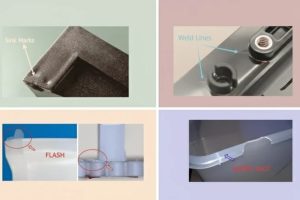
Quality risk means the supplier cannot hold tolerances or lacks proper inspection equipment. Tooling risk means your mold is built with substandard steel, causing flash, sink marks, or warpage after just a few thousand cycles.
Communication risk covers language barriers and time zone gaps that lead to incorrect specifications. Financial risk arises when suppliers demand large upfront payments then deliver late. Supply chain risk occurs when the supplier relies on a single raw material source or lacks backup power.
Why Do Overseas Injection Molding Deals Fail?
Overseas deals fail because the lowest quote is rarely reliable. Buyers who skip verification pay the difference later in rework, delays, and wasted tooling.
Unrealistic pricing leads to shortcuts. When a supplier quotes 30 to 50 percent below market rate, they are cutting corners — usually in формовочная сталь1 grade, surface finish, or inspection rigor. Initial samples may look fine, but production parts diverge as the mold wears prematurely.
No sample approval process. Buyers who skip first-article inspection (FAI) are setting themselves up for disasters. A proper FAI checks every critical dimension against the drawing and establishes the quality baseline.
Vague quality agreements. Without a documented AQL and defect classification system, disputes become subjective. Research shows 64 percent of injection molding sourcing professionals report significant quality issues2 with offshore suppliers.
“Requesting third-party audit reports is worth the expense”Правда
Third-party audits catch issues that supplier self-reporting misses. The cost of an audit is a fraction of a failed production run.
“The lowest quote is always the best deal for injection molding”Ложь
Extremely low quotes often mean the supplier cuts corners on mold steel, surface finish, or inspection. The real cost appears during production when parts fail quality checks.
How Can You Evaluate a Supplier Before Signing?
Yes, you can evaluate a supplier effectively before committing. Use a five-step verification checklist that covers certifications, capabilities, references, communication, and sample quality.
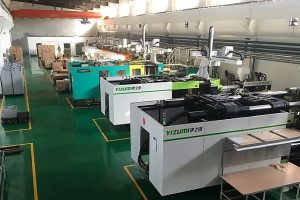
Our Shanghai factory maintains 47 injection molding machines from 90T to 1850T, with in-house mold manufacturing producing over 100 mold sets per month under ISO 9001, ISO 13485, ISO 14001, and ISO 45001 systems.
Step 1: Verify certifications independently. Ask for ISO 9001, ISO 13485, or IATF 16949 certificates, then verify through the issuing registrar. A supplier working under ISO 9001, ISO 13485, ISO 14001, and ISO 45001 demonstrates commitment to quality.
Step 2: Request a facility capabilities sheet. List machine tonnage range, maximum mold size, materials, and inspection equipment. A factory with 45 or more presses from 90T to 1850T can handle most part sizes.
Step 3: Ask for recent customer references. Not website testimonials — actual contact information for customers in your industry. Call them about delivery rates and quality consistency.
Step 4: Test English communication quality. Send a technical inquiry with specific dimensions and material requirements. A team with 30 or more fluent English speakers handles complex projects without costly misunderstandings.
Step 5: Review sample quality with data. Never approve a sample based on appearance alone. Request a full dimensional report with GD&T callouts.
What Quality Systems Should You Look For?
A robust quality management system (QMS) is your best insurance against supplier risk. Look for these specific elements.
Incoming material inspection. Every batch of raw material should be tested for melt flow index, moisture content, and contamination before production. Suppliers who skip this may mix regrind into virgin material.
In-process monitoring. Modern machines record shot weight, injection pressure, and cycle time for every shot. Statistical process control3 charts flag drift before it produces out-of-tolerance parts.
Final inspection with documented results. Your supplier should provide a dimensional report for every run, not just first articles. AQL sampling per ISO 2859-1 is standard practice.
Traceability and CAPA. Each lot should trace back to raw material batch, machine, operator, and cavity. When defects occur, a documented 8D process is essential — “we will try harder” is not corrective action.
How Do You Protect Your Tooling Investment?
“Owning your mold tooling protects you if you need to switch suppliers”Правда
When your contract states mold ownership with transfer provisions, you can move tooling to a new supplier. Without this clause, the original supplier may refuse release.
“ISO 9001 certification alone guarantees consistent part quality”Ложь
ISO 9001 certifies a quality management system exists, not that every part meets spec. Verify actual inspection capabilities and process control.
Tooling protection is straightforward: own your mold, specify quality steel, and enforce clear transfer provisions in your contract.
With in-house mold manufacturing supporting over 100 mold sets per month and 20-plus years of tooling experience, we maintain lifecycle records for every mold. Our 8 senior engineers oversee design reviews before steel is cut.
Own the mold outright. Your purchase agreement must state the mold is your property. Include a clause preventing the supplier from using your mold for other customers.
Specify mold steel and components. Demand P20 or H13 steel for production molds. A mold built with quality components lasts 500,000 or more cycles; a cheap mold may fail at 50,000.
Require maintenance records and transfer provisions. Track mold cycle count and maintenance. Include a clear transfer timeline — typically 15 to 30 days after written request.
For tooling fundamentals, see our injection mold guide.
Force majeure and exit clauses. Define what happens during pandemics, natural disasters, or political disruptions. Include a termination for convenience clause with a 60 to 90 day notice period and clear mold transfer provisions.
Include a termination for convenience clause with a 60 to 90 day notice period. This gives both parties a clear exit path if the relationship is no longer working, without the legal complexity of breach-based termination.
These contractual elements work together to create accountability and protect your investment at every stage of the manufacturing relationship.
What Contract Terms Prevent Supply Chain Disruption?
Well-drafted contract terms are your primary lever for preventing disruption. Six specific clauses make the difference.
Milestone-based payments. Standard structure: 30 to 50 percent with order, 30 to 40 percent after T1 sample approval, balance after production acceptance.
Delivery schedule with penalties. Specify tooling lead times (4 to 8 weeks) and production lead times (2 to 4 weeks) with liquidated damages for delays.
AQL and defect classification. Define AQL 1.0 for critical, AQL 2.5 for major, AQL 4.0 for minor defects. Specify who pays for defective parts and the rework process.
IP protection and dispute resolution. Register designs in the supplier country before sharing. Specify arbitration venue — CIETAC is common for China-based suppliers.
When Should You Switch Injection Molding Suppliers?
Switching suppliers is costly and disruptive. The decision needs clear criteria based on trends, not single incidents.
Switch when: Your defect rate exceeds agreed AQL over three or more consecutive runs and corrective actions fail. Delivery delays exceed 20 percent of committed dates over six months. The supplier makes unauthorized material substitutions.
Do not switch when: You have had one bad run out of twelve. A single issue with a documented CAPA is normal manufacturing, not a systemic failure.
Red flags demanding immediate action: The supplier refuses quality records, produces parts for competitors using your project knowledge, or their ISO certification has lapsed. Budget for a new T1 sampling process at the replacement supplier, which typically takes two to four weeks before production can resume at full capacity.
Our Shanghai facility processes over 400 plastic materials with 10-plus QC specialists and 120-plus production staff. We welcome buyer visits because transparent operations build trust.
In our experience at ZetarMold, a factory visit is the most effective risk assessment tool available to overseas buyers. Walking the production floor reveals what no document can.
Состояние оборудования. Хорошо обслуживаемое, промаркированное оборудование с графиками технического обслуживания говорит о дисциплинированной работе. Оборудование с утечками масла или ручными настройками говорит об обратном.
Хранение материалов. Правильно высушенные и герметичные контейнеры в климатически контролируемых зонах указывают на серьёзную подготовку материалов. Открытые мешки гигроскопичных материалов на полу — это красный флаг.
Зона контроля и хранения пресс-форм. Посетите лабораторию контроля качества, чтобы проверить наличие калиброванного оборудования с актуальными наклейками. Убедитесь, что пресс-формы хранятся с климат-контролем, защитой от коррозии и четкой маркировкой для клиентов.
Поговорите напрямую с инженерами производства — не с продавцами — о самой серьёзной проблеме качества в прошлом месяце и о том, как они её устранили. Конкретика их ответа раскрывает операционную культуру гораздо лучше, чем любая сертификация на стенке. Команда, которая может детально объяснить анализ первопричин, — это команда, которой можно доверить ваше производство.
What Do Buyers Commonly Ask About Injection Molding Supplier Risk?
Это наиболее распространенные вопросы, которые зарубежные покупатели задают о рисках поставщиков литья под давлением и управлении качеством.
Часто задаваемые вопросы
Как проверить, что поставщик литьевого формования является законным?
Запросите их лицензию на ведение деятельности и проверьте сертификаты ISO через регистратора-эмитента, а не просто по копии сертификата, которую они вам отправят по электронной почте. Запросите от трех до пяти рекомендаций от клиентов в вашей отрасли и действительно позвоните им, чтобы обсудить показатели своевременной поставки, стабильность качества и то, как поставщик решает производственные проблемы. В Китае проверьте регистрацию компании через Национальную систему публичного раскрытия информации о кредитовании предприятий, которая предоставляет бесплатный доступ к данным о зарегистрированном бизнесе, включая законного представителя, зарегистрированный капитал и операционный статус. Это критически важный момент для любого покупателя, управляющего отношениями с зарубежными поставщиками и долгосрочным качеством производства.
Какой допустимый процент брака для деталей, полученных литьем под давлением?
Отраслевой стандарт использует выборочный контроль AQL в соответствии с ISO 2859-1: AQL 1.0 для критических размеров, AQL 2.5 для основных функциональных дефектов и AQL 4.0 для незначительных косметических проблем. Ваш конкретный допустимый уровень зависит от конечного применения: корпуса медицинских устройств и компоненты интерьера автомобилей требуют более строгих ограничений, чем стандартные корпуса потребительской электроники. Всегда определяйте классификацию дефектов и уровни AQL в вашем договоре купли-продажи до начала производства, чтобы обе стороны действовали в соответствии с четким, измеримым стандартом качества на протяжении всего производственного сотрудничества и будущих производственных циклов.
Следует ли мне оплачивать оснастку для литья под давлением авансом?
Никогда не оплачивайте полную стоимость оснастки авансом. Используйте поэтапные платежи: обычно от 30 до 50 процентов при размещении заказа на закупку материалов и первоначальную механическую обработку, от 30 до 40 процентов после утверждения образцов T1, подтверждающих, что пресс-форма производит приемлемые детали, и оставшийся баланс после окончательного приемки производства. Такая структура платежей защищает ваши инвестиции на каждом этапе и сохраняет финансовую мотивацию поставщика для своевременной поставки качественной оснастки, вместо того чтобы получать полную оплату до подтверждения своих фактических производственных возможностей и стандартов качества.
Могу ли я перенести свою пресс-форму для литья под давлением к другому поставщику?
Да, если ваш контракт четко указывает, что вы владеете оснасткой, и включает конкретные условия передачи. Соглашение должно определять срок передачи в 15–30 дней после письменного запроса, а также любые сопутствующие затраты на упаковку и отправку формы. Перед передачей убедитесь, что принимающий поставщик тщательно проверил состояние формы, и предусмотрите бюджет на полный процесс квалификационного пробного производства T1 на новом объекте, который обычно занимает две-четыре недели до восстановления полного производства на нормальной мощности.
What certifications should an injection molding supplier have?
Минимум — ISO 9001 для управления качеством необходим любому поставщику литьевого формования. Для компонентов медицинских устройств требуется сертификация ISO 13485, чтобы подтвердить соответствие регуляторным стандартам качества. Автомобильные детали требуют сертификации IATF 16949. Сертификации по управлению окружающей средой (ISO 14001) и охране труда и безопасности (ISO 45001) указывают на более широкую операционную дисциплину. Всегда проверяйте сертификации независимо через регистратора-выдателя, а не принимайте фотокопии на веру, потому что поддельные или просроченные сертификаты встречаются чаще, чем многие зарубежные покупатели думают.
Как долго обычно служит оснастка для литья под давлением?
Производственная пресс-форма, изготовленная из инструментальной стали P20 или H13, может прослужить 500 000 циклов и более в нормальных условиях эксплуатации. Пресс-формы потребительского класса из более мягких сталей, таких как S50C, могут достичь лишь 50 000–100 000 циклов, после чего потребуется значительный ремонт или полная замена критических компонентов. Фактический срок службы зависит от абразивности материала, сложности детали, частоты обслуживания каналов охлаждения и правильных условий хранения между производственными циклами. Стеклонаполненный нейлон и другие абразивные формовочные составы изнашивают пресс-формы значительно быстрее, чем ненаполненные смолы, такие как стандартный полипропилен или полиэтилен.
How Can You Reduce Your Supplier Risk with a Proven Partner?
Снижение рисков поставщика — это трёхэтапный процесс: оценка, контракты и проверка. В ZetarMold мы создавали эти системы более 20 лет.
Получите бесплатное предложение и техническую оценку — мы рассмотрим вашу конструкцию детали, предложим оптимальный материал и подход к оснастке, и дадим честную оценку до того, как вы потратите хоть один доллар.
-
формовочная сталь: сталь для форм означает инструментальную сталь P20, поддерживающую 100 000–500 000 циклов формования; инструментальная сталь H13 поддерживает 1 000 000+ циклов в абразивных или высокотемпературных процессах формования. ↩
-
quality issues: проблемы с качеством относятся к производственным опросам по поиску поставщиков, которые последовательно сообщают, что более 60 процентов специалистов по закупкам сталкивались со значительными проблемами качества у зарубежных поставщиков. ↩
-
Statistical process control: Статистическое управление процессами относится к Руководству по SPC от AIAG, которое определяет методологию контрольных карт для мониторинга процесса литья под давлением. ↩




 EN
EN  ES
ES  FR
FR  DE
DE  PT
PT  AR
AR  RU
RU  JA
JA  KO
KO  IT
IT  NL
NL  TR
TR  PL
PL 