- Китайские предприятия литья под давлением обычно берут за оснастку на 40–70% меньше, чем американские, однако коммуникация и логистика создают скрытые расходы, которые необходимо учитывать.
- Рынок США особенно силён в регулируемых деталях с жёсткими допусками для медицины и аэрокосмической отрасли, обеспечивая более короткие сроки поставки и отсутствие тарифных рисков.
- Средний срок изготовления оснастки в Китае составляет 30–45 дней против 45–75 дней внутри страны, но следует добавить 10–15 дней на доставку и таможню.
- Гибридный подход — оснастка в Китае и производство, разделенное между обеими странами, — часто обеспечивает оптимальный баланс стоимости и качества для среднесерийных проектов.
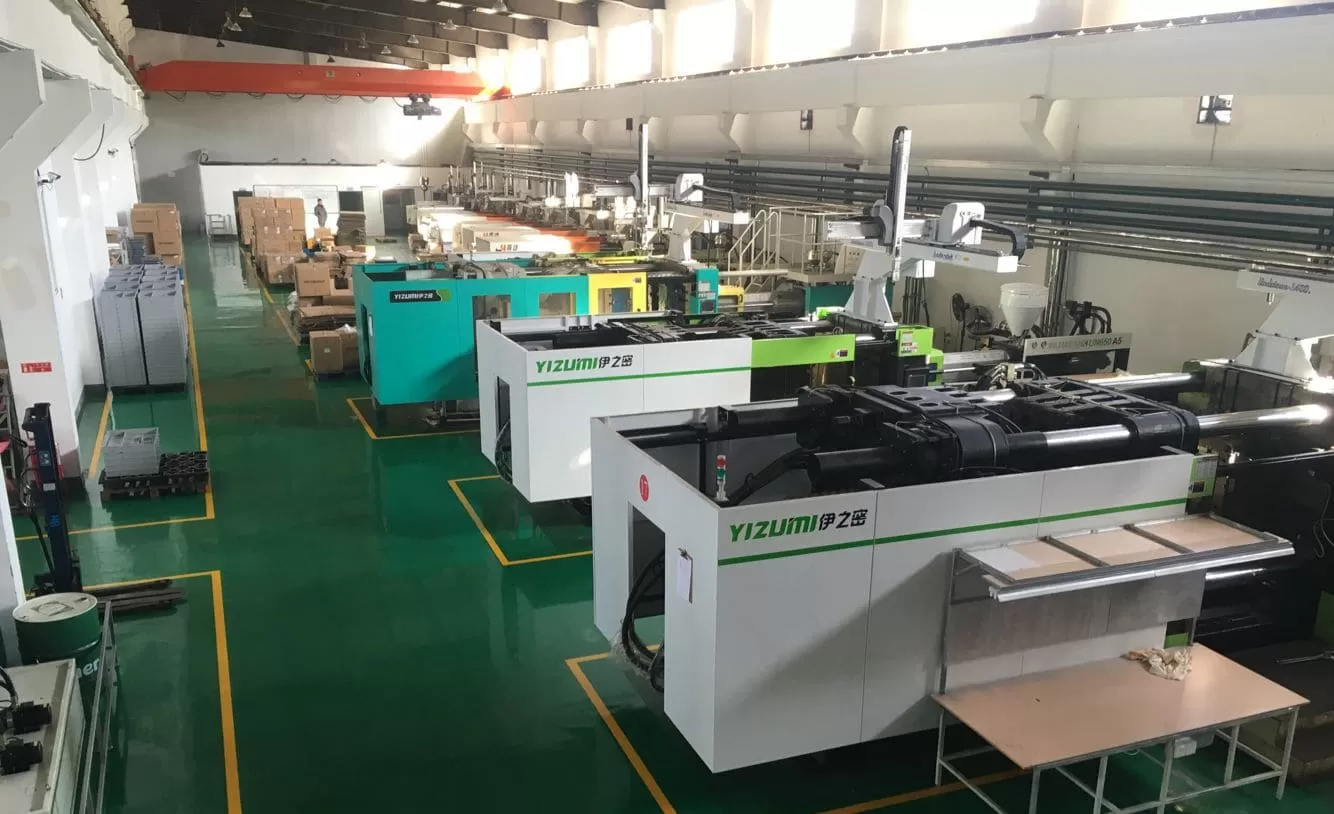
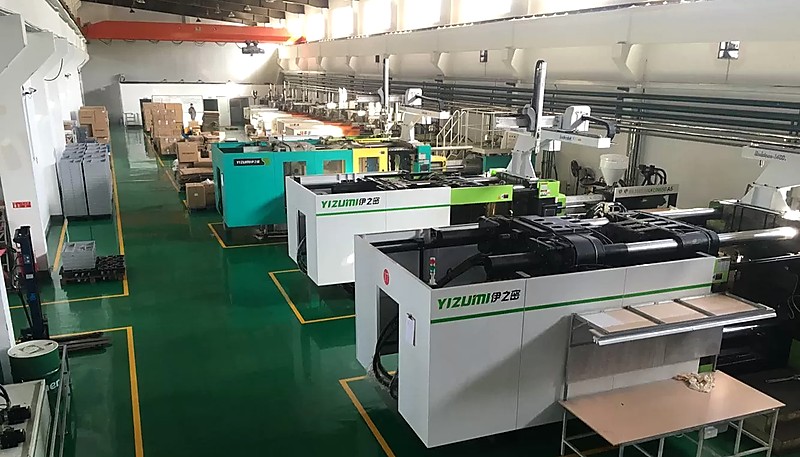
- Шанхайская фабрика ZetarMold (47 машин, 90T–1850T) экспортирует в 40+ стран с 2005 года и сертифицирована по ISO 9001/13485.
Вы только что получили injection mold коммерческих предложения: $8,000 от американской компании и $3,000 от завода в Шанхае. Ваш руководитель хочет понять, почему разница настолько велика и не обойдётся ли более дешёвый вариант дороже в долгосрочной перспективе. Именно на этот вопрос отвечает статья. Без манипуляций и рекламных обещаний — только прямое сравнение injection molding в Китае и США на основе реальных данных за два десятилетия эксплуатации форм на обоих рынках.
Как выглядит рынок литья под давлением в Китае по сравнению с США?
Объем китайского рынка литья под давлением составляет около $38 млрд, а рынка США — около $12 млрд при более высокой цене детали. Китай доминирует по объему экспорта благодаря огромным заводам, работающим 24/7, и кластерным цепочкам поставок, тогда как рынок США раздроблен между тысячами небольших контрактных производств, обслуживающих местных OEM. отрасль литья под давлением1 растет со среднегодовым темпом 5.8% CAGR; стоимость литья под давлением2 в США остается на 30–50% дороже на одну деталь, чем в Китае.
Китай выигрывает по стоимости труда и доступности сырья. США — по срокам внесения изменений, соответствию нормативным требованиям и отсутствию тарифов при внутренних продажах. Правильный выбор зависит от изделия, требуемой скорости итераций и местонахождения конечного клиента.
Какие тенденции формируют отрасль литья под давлением в Китае и США?
Пять тенденций прямо сейчас меняют рынок литья под давлением между Китаем и США, причём действуют они разнонаправленно.
Решоринг и стратегия «China Plus One»
Этот Торговая война между Китаем и США3 [3] действительно существует: 63% производителей США активно рассматривают перенос производства ближе к внутреннему рынку по сравнению с 54% в 2020 году. Однако «ближе к внутреннему рынку» не всегда означает возвращение в Огайо. Многие компании разделяют процессы: оснастка остается в Китае, где она существенно дешевле, а серийное производство размещается в Мексике или Вьетнаме для снижения тарифов либо возвращается в США для SKUs, критичных по срокам. На практике все больше покупателей хотят сочетать китайскую оснастку с гибкостью регионального производства.
Волатильность тарифов
Влияние тарифов на детали, изготовленные литьём, — переменная, а не постоянная величина. Тарифы по разделу 301 на китайские пластиковые детали составляют от 7.5% до 25% в зависимости от классификации. Это не фиксированные затраты, а политическая переменная. Если изготавливаемые вами детали попадают в категории с более высокими тарифами, ценовое преимущество Китая быстро сокращается. Однако для многих категорий разрыв до начисления тарифов достаточно велик, поэтому Китай по-прежнему выигрывает по совокупной стоимости с доставкой.
Рост автоматизации на обоих рынках
Китайские заводы активно инвестируют в автоматизацию: роботизированное извлечение деталей, автоматический контроль качества и безлюдные производственные ячейки. Это сокращает разрыв в качестве, существовавший 10 лет назад. В США автоматизация на одного работника всегда была выше, но масштаб Китая позволяет внедрять её темпами, с которыми трудно конкурировать. Для покупателей это означает, что качество стандартных коммерческих деталей китайских заводов всё чаще неотличимо от местного.
Рост медицинского производства и чистых помещений
На обоих рынках быстро растет литье изделий медицинского назначения. США имеют преимущество в регуляторной инфраструктуре — знании требований FDA и соответствии USP Class VI, — однако китайские заводы с сертификацией ISO 13485 становятся все более конкурентоспособными. Если вам нужны детали медицинского класса и объемы оправдывают заказ, Китай способен их поставить, но квалификация и аудиты потребуют больше времени.
Давление требований устойчивости
Покупатели из EU и US требуют использования вторичного сырья и прозрачных данных об углеродном следе. Производителям в US проще получить сертифицированные полимеры из переработанного потребительского сырья (PCR), тогда как китайские предприятия сокращают отставание, но сталкиваются с трудностями подтверждения сертификации.
Как выбрать между китайским и американским поставщиком литья под давлением?
Не спрашивайте, какая страна лучше. Определите требования конкретного проекта. Ниже приведена практическая схема оценки поставщиков на обоих рынках. Если до размещения заказа нужен нейтральный контрольный список, начните с нашего руководство по поиску поставщика литья под давлением чтобы сравнивать производственные возможности завода, качество коммуникации и коммерческие риски на единой основе.
Критерий 1: объём и жизненный цикл. При объёме менее 10,000 единиц/год литьё в США часто экономически целесообразнее: амортизация оснастки не оправдывает логистические издержки зарубежного производства. При объёме более 50,000 единиц/год преимущество Китая по себестоимости детали уже крайне сложно игнорировать. Диапазон от 10K до 50K — серая зона, в которой решающее значение имеет расчёт полной стоимости с доставкой.
Параметр 2: допуски и сложность. Если вы отливаете детали с жесткими допусками (±0.001” или точнее) из стеклонаполненных или высокотемпературных материалов, США имеют преимущество в зрелости производства — не потому, что китайские заводы не способны выдержать эти требования, а потому, что цикл доработки быстрее, когда ваш инженер может приехать на предприятие. Для потребительских и промышленных деталей со стандартными допусками (±0.005”) Китай полностью конкурентоспособен.
Параметр 3: срок выхода на рынок. Нужны первые образцы через 3 недели? Выбирайте местного поставщика. Можете ждать 6–8 недель? В среднем оснастку в Китае фактически изготавливают быстрее (30–45 дней против 45–75 дней в США), но нужно добавить время доставки и таможенного оформления. Итог: Китай выигрывает по скорости изготовления оснастки для несрочных проектов, США — когда детали нужны у вас на столе уже в следующем месяце.
"Гибридная стратегия закупок — изготовление оснастки в Китае и производство в США — позволяет снизить общую стоимость проекта на 40–60% по форме и избежать пошлин на каждую деталь."True
Этот подход становится всё более распространённым. Вы получаете экономию 60–70% на оснастке в Китае и избегаете пошлин на каждую деталь за счёт литья внутри страны, хотя единовременные расходы на доставку пресс-формы сохраняются.
"Китайская оснастка для литья под давлением всегда на 70% дешевле американской независимо от сложности детали."False
Для стандартных форм экономия обычно составляет 40–70%, но разница сокращается для сверхмногогнездных форм или прецизионной оснастки для микролитья, где основную долю стоимости определяют специальные стали и компетенции.
Фактор 4: регуляторные риски. Медицинские изделия, контакт с пищей, аэрокосмическая отрасль — если конечный рынок находится в US и важна нормативная документация, местное производство исключает целую категорию рисков. Производство за рубежом возможно, но заложите аудит поставщика, сертификаты материалов и, возможно, вторичный контроль в US.
Параметр 5: коммуникация и итерации. Это скрытая статья затрат, которую большинство недооценивает. Разница часовых поясов в 12 часов означает, что ответ на электронное письмо приходит, пока вы спите. Это кажется эффективным, пока не выясняется, что обсуждение DFM в 3 раунда, занимающее 2 дня при работе внутри страны, растягивается до 6 дней при взаимодействии через часовые пояса. Если проект требует частых изменений конструкции, закладывайте в 2–3 раза больше календарного времени на задержки коммуникации.
Данные предприятия ZetarMold: 30+ свободно говорящих по-английски менеджеров проектов ежедневно взаимодействуют с зарубежными заказчиками. Команда работает по SLA с временем ответа ≤24 часов, а большинство циклов обратной связи DFM завершается в течение 48 часов — значительно быстрее среднего показателя китайских экспортеров пресс-форм.
Как различается стоимость литья под давлением в Китае и США?
Производственные пресс-формы в Китае стоят в 3–4× дешевле, чем в США, — это главный фактор при принятии решений о переносе производства за рубеж. Сравнение стоимости пресс-форм показывает, что эта закономерность сохраняется для разных типов и уровней сложности оснастки. Ниже приведены фактические затраты на каждом рынке.
Стоимость оснастки. Серийная пресс-форма для детали средней сложности (4–8 гнезд, стандартная сталь, например P20) стоит в Китае $5,000–$25,000 против $15,000–$80,000 в US. Разница в 3–4x — главный источник представления о том, что «в Китае дешевле». Для многогнездных пресс-форм и форм с большим числом гнезд для упаковки разрыв может быть еще шире.
Цена за деталь. Удельная стоимость в Китае обычно на 30–50% ниже благодаря более низким машинным ставкам ($15–$30/hr против $40–$80/hr в США) и более дешевому сырью, особенно массовым полимерам, таким как PP и ABS. Но не забывайте: доставка добавляет $0.50–$3.00/unit в зависимости от размера детали, а пошлины могут увеличить стоимость еще на 7.5–25%.
Скрытые расходы, о которых часто забывают: морская перевозка серийной пресс-формы ($2,000–$8,000), услуги таможенного брокера ($200–$500 за отправку), входной контроль качества по прибытии ($500–$2,000 при проведении входного QC) и альтернативные издержки 2–4 недель транспортировки, в течение которых капитал заморожен.
Реальная полная стоимость с доставкой. Для типичной потребительской детали среднего объема (50K–200K units/year) полная стоимость поставки из Китая по-прежнему на 20–40% ниже производства в США даже с учетом пошлин, перевозки и контроля. Для малых партий сложных деталей или продукции с высокими тарифными ставками разница сокращается до 5–15% и может не оправдать сложную логистику. На производстве ZetarMold покупатели из США регулярно получают общую экономию 25–35% на среднесерийных автомобильных компонентах и деталях потребительской электроники после учета всех затрат, включая действующие пошлины.
"Средний срок изготовления оснастки в Китае составляет 30–45 дней, что меньше среднего срока 45–75 дней в США."True
Китайские изготовители обычно поставляют серийные пресс-формы за 30–45 дней по сравнению с 45–75 днями в США, однако к общему сроку необходимо добавить 10–15 дней на перевозку и таможенное оформление.
"Тарифы раздела 301 на китайские детали, изготовленные литьем под давлением, фиксированы на уровне 25% для всех пластиковых изделий."False
Ставки пошлин составляют от 7.5% до 25% в зависимости от конкретного кода HS, типа смолы и назначения детали. Для некоторых категорий продукции действуют исключения.

Какие компании входят в десятку крупнейших предприятий литья под давлением в Китае и США?
Ниже представлены известные производители литья под давлением на обоих рынках. Это не рейтинг, а отправная точка для оценки поставщиков.
Производители из Китая
1. Foxconn (Hon Hai Precision Industry) — основана в 1974 году, штат по всему миру — 800,000+ сотрудников. Крупнейший в мире контрактный производитель электроники располагает масштабными мощностями для литья под давлением изделий для потребительской электроники, автомобилестроения и телекоммуникационной отрасли. Штаб-квартира: Тайбэй; основные производственные площадки: Шэньчжэнь и Чжэнчжоу. Веб-сайт: foxconn.com.
2. Luxshare Precision — основана в 2004 году, более 200,000 сотрудников. Быстрорастущий специалист по прецизионным разъемам и литью для крупных OEM электроники и автомобилей. Известна многогнездными формами и электронными компонентами с жесткими допусками. Штаб-квартира: Дунгуань. Сайт: luxshare-ict.com.
3. Крупный производитель электромобилей и электроники (Шэньчжэнь) — основан в 1995 году, более 500,000 сотрудников. Одна из крупнейших компаний Китая располагает масштабными мощностями литья под давлением для изготовления деталей интерьера и экстерьера автомобилей, корпусов аккумуляторов и потребительских товаров. Известна вертикальной интеграцией от пресс-форм до готовых сборочных узлов. Штаб-квартира: Шэньчжэнь.
4. ZetarMold — основана в 2005 году, штат включает 120+ производственных сотрудников. Интегрированный производитель среднего масштаба эксплуатирует 47 термопластавтоматов (90T–1850T) и сертифицирован по ISO 9001/13485/14001/45001. Специализируется на изготовлении пресс-форм и литье по индивидуальным требованиям для автомобильной, медицинской, потребительской электронной и промышленной отраслей. Собственное инструментальное производство выпускает 100+ комплектов пресс-форм в месяц. Англоговорящие руководители проектов (30+) ежедневно взаимодействуют с заказчиками. Завод: Шанхай. Сайт: zetarmold.com.
5. HASCO — основана в 1924 году, штат 2,500+ сотрудников. Крупный производитель прецизионных пресс-форм и поставщик стандартных компонентов. Штаб-квартира находится в Германии, при этом HASCO располагает значительными производственными мощностями в Китае и обслуживает мировой рынок оснастки. Веб-сайт: hasco.com.
Производители из США
6. Protolabs — основана в 1999 году, более 3,500 сотрудников. Пионер цифрового производства, предлагающий быстрое литьё под давлением с заявленным сроком выполнения от 15 рабочих дней. Сильные стороны: прототипирование и малосерийное производство от 25 до 10,000+ деталей. Отрасли: медицина, аэрокосмическая промышленность, потребительские товары. Штаб-квартира: Мейпл-Плейн, MN. Веб-сайт: protolabs.com.
7. Jabil — основана в 1966 году, штат 250,000+ сотрудников по всему миру. Один из крупнейших контрактных производителей в мире с широкими возможностями литья под давлением для медицинской, автомобильной отраслей и потребительской электроники. Компания базируется в US и ведет деятельность по всему миру. Штаб-квартира: St. Petersburg, FL. Сайт: jabil.com.
8. Nypro (компания Jabil) — основана в 1955 году, более 6,000 сотрудников. Специализируется на прецизионном литье под давлением для здравоохранения и потребительской упаковки. Известна производством в чистых помещениях многогнездных медицинских компонентов с жесткими допусками. Штаб-квартира: Clinton, MA. Веб-сайт: nypro.com.
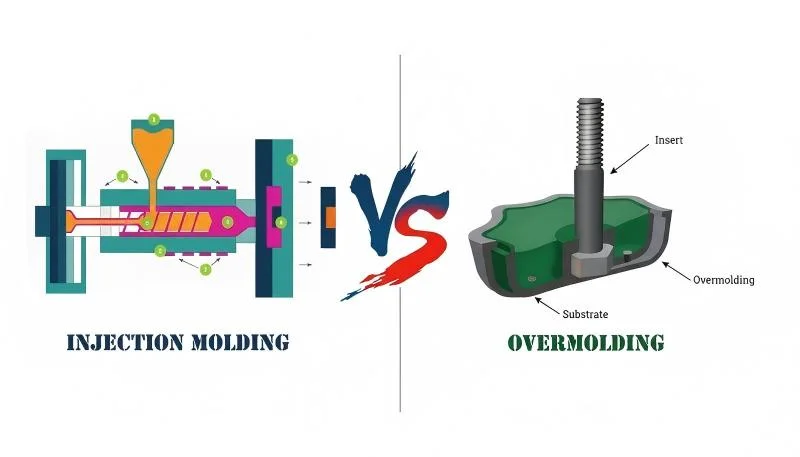
9. EVCO Plastics — основана в 1964 году, более 2,000 сотрудников. Заказное литье под давлением конструкционных смол, двухкомпонентное литье и литье со вставками. Обслуживает производителей бытовой техники, автомобилей и медицинских изделий. Штаб-квартира: DeForest, WI. Сайт: evcoplastics.com.
10. Bemis Manufacturing Company — основана в 1901 году, более 5,000 сотрудников. Крупный изготовитель изделий литьём под давлением на заказ, специализирующийся на сложных многокомпонентных деталях для сидений унитазов, медицинских изделий и потребительских товаров. Штаб-квартира: Шебойган-Фолс, WI. Сайт: bemismfg.com.
Когда для литья под давлением следует выбрать Китай, а когда США?
Китай подходит для объемов свыше 50K единиц/год со стандартными допусками; США предпочтительнее для регулируемых FDA деталей с жесткими допусками и объемом менее 10K единиц. Ниже приведены критерии решения.
Выбирайте Китай, если годовой объем превышает 50,000 единиц, деталь имеет стандартные допуски (±0.005” или шире), вас устраивает начальный срок изготовления 6–8 недель, на продукцию не распространяются высокие тарифы и вам нужна цена производства, обеспечивающая коммерческую жизнеспособность продукта. Китай также целесообразен, если требуются многогнездные серийные пресс-формы: экономия на оснастке растет вместе с объемом.
Выбирайте США, если годовой объём литья менее 10,000 единиц, детали требуют допуска ±0.001” или жёстче, первые образцы нужны менее чем за 3 недели, продукт регулируется FDA или должен соответствовать ITAR, конструкция ещё дорабатывается и требуется обратная связь DFM в тот же день либо деталь относится к категории с высокой пошлиной, устраняющей преимущество в стоимости.
Выбирайте гибридную схему, если вам нужна китайская оснастка с экономией 60% на пресс-форме и локальное производство с более быстрым оборотом и без тарифов на детали либо стратегия двух поставщиков для устойчивости цепочки поставок. Такая модель все чаще применяется в автомобильной промышленности и бытовой электронике: оснастку изготавливают в Китае, а производство ведут на обоих рынках. Главное требование — китайский поставщик должен использовать стандартные основания пресс-форм (DME, HASCO или LKM), чтобы любой литейщик в US мог эксплуатировать их без доработки.
"Средняя стоимость производственной пресс-формы средней сложности (4–8 гнезд) в Китае составляет $5,000–$25,000."True
Отраслевые данные подтверждают этот диапазон для стандартных пресс-форм из стали P20 с 4–8 гнёздами по сравнению с $15,000–$80,000 за сопоставимую сложность в USA.
"Китайские литьевые заводы не могут получить ISO 13485 для медицинского производства."False
Многие китайские заводы имеют действующую сертификацию ISO 13485 и эксплуатируют чистые помещения. Основная задача заключается не в наличии возможностей, а в их проверке и квалификации: необходимо проводить строгий аудит.
Данные завода ZetarMold: 47 термопластавтоматов усилием от 90T до 1850T позволяют шанхайскому предприятию выпускать продукцию от микролитьевых до крупных конструкционных деталей. Собственное инструментальное производство изготавливает 100+ комплектов форм в месяц, а 30+ англоговорящих PM обеспечивают оперативную коммуникацию. С 2005 года завод экспортирует продукцию в 40+ стран в рамках систем ISO 9001, ISO 13485, ISO 14001 и ISO 45001.
Часто задаваемые вопросы о литье под давлением в Китае и США
Часто задаваемые вопросы
Литьё под давлением в Китае дешевле, чем в США?
Да, обычно деталь обходится на 30–50% дешевле, а оснастка — на 60–75%. Серийная пресс-форма стоимостью $50,000 в США может стоить $12,000–$18,000 в Китае при сопоставимой сложности. Однако для расчёта фактической полной стоимости с доставкой необходимо учесть тарифы по Section 301 (7.5–25%), морскую перевозку ($0.50–$3.00/ед. в зависимости от размера), услуги таможенного брокера и входной контроль качества. Для крупносерийных деталей объёмом свыше 50K единиц в год ценовое преимущество Китая обычно сохраняется после всех дополнительных расходов. При объёме менее 10K единиц экономия может не оправдать логистические издержки.
Сколько времени занимает получение деталей, изготовленных литьём под давлением в Китае?
Изготовление стандартной серийной пресс-формы в среднем занимает 30–45 дней. Контроль первого изделия и утверждение образца добавляют еще 7–10 дней. Морская доставка на западное побережье США занимает 14–21 день, а таможенное оформление — еще 2–5 дней. От запуска проекта до поступления серийных деталей на ваш склад для первой партии следует закладывать 8–12 недель. Повторные производственные партии доставляются быстрее — обычно в течение 4–6 недель от заказа до поставки. Для срочных заказов возможна авиадоставка, но она добавляет $3–8/kg, что сводит на нет большую часть ценового преимущества.
Чем отличается качество литья под давлением в Китае и США?
За последнее десятилетие разрыв резко сократился. Ведущие китайские предприятия с сертификатами ISO 9001 и ISO 13485 производят детали с такими же допусками размеров и спецификациями материалов, как предприятия США. Реальное различие заключается в стабильности процесса при масштабировании и строгости документации: предприятия США обычно имеют более зрелые системы статистического управления процессами (SPC) и более строгую прослеживаемость. Для стандартных коммерческих деталей с допусками ±0.005” или шире качество хорошо управляемого китайского предприятия фактически эквивалентно внутреннему производству.
Нужно ли платить тарифы за литые детали из Китая?
На большинство пластиковых деталей, изготовленных литьём под давлением и импортируемых из Китая, распространяются тарифы Section 301 в диапазоне от 7.5% до 25% в зависимости от конкретного кода HS. Оснастка для пресс-форм (HS 8480) относится к иной тарифной структуре, чем готовые формованные детали. Точная ставка зависит от типа полимера, назначения детали и классификации товара таможенным брокером. Существуют отдельные категории исключений, а тарифные ставки неоднократно менялись с 2018 года, поэтому до принятия решения о закупке уточните действующие ставки у своего таможенного брокера.
Могут ли китайские заводы выполнять литьё медицинского класса под давлением?
Да, многие китайские заводы уже сертифицированы по ISO 13485 для производства медицинских изделий и эксплуатируют чистые помещения ISO Class 7 или выше. Однако квалификация сложнее, чем при работе с поставщиком из США. До допуска китайского завода к выпуску компонентов, регулируемых FDA, следует проверить сертификаты непосредственно у выдавшего их органа, запросить отчёты об испытаниях на биосовместимость (USP Class VI, ISO 10993), изучить файлы истории изделий и провести аудит на площадке или силами третьей стороны (SGS, TÜV). До первого утверждения производства у нового китайского поставщика медицинского литья заложите не менее двух-трёх месяцев на квалификацию.
Как проверить завод литья пластмасс под давлением в Китае?
Сначала запросите сертификаты ISO и проверьте их у выдавшего органа по аккредитации — не доверяйте сканам без проверки. Запросите свежий аудит фабрики от SGS, TÜV, Intertek либо закажите собственный. Проверьте парк машин, процедуры контроля качества и записи калибровки. Запросите рекомендации клиентов вашей отрасли и образцы с отчетами по размерам. Надежная фабрика предоставит это за 48–72 часов. Отказ предоставить материалы сам по себе характеризует ее работу.
Каков минимальный объем заказа на литье под давлением в Китае?
Производственные MOQs на большинстве китайских предприятий литья под давлением начинаются с 1,000–5,000 изделий на партию, но практический нижний предел определяется амортизацией оснастки. Если распределить стоимость формы $15,000 на 1,000 изделий, затраты на оснастку составят дополнительные $15.00 на единицу — это может быть приемлемо для дорогостоящих деталей, но непозволительно для массовых стандартных компонентов. Большинство предприятий готовы гибко подходить к MOQ, если вы полностью оплачиваете форму; некоторые также хранят вашу форму и выпускают меньшие партии с надбавкой к цене каждой детали. При заказе только изготовления формы (без услуг литья) минимальный объем заказа, как правило, отсутствует. При заказе только услуг по изготовлению форм (без литья) большинство предприятий не устанавливает минимальный объем и рассчитывает цену за комплект формы.
Следует ли изготовить пресс-форму в Китае, а детали производить в США?
Этот гибридный подход становится все более популярным и часто оказывается наиболее экономически эффективной стратегией. Изготовление формы в Китае с последующей отправкой готовой формы на производственную площадку в США для локального выпуска позволяет сэкономить 60–70% на оснастке. Это обеспечивает быстрое выполнение повторных заказов, отсутствие тарифов на каждую деталь и локальный контроль качества. Ключевое требование — китайский поставщик должен изготовить форму на пакетах плит по стандартам, применяемым в США (DME, HASCO или LKM), и предоставить полный комплект документации, чтобы любой американский литьевой подрядчик мог установить и эксплуатировать форму без доработки.
Почему покупателям из США следует рассмотреть ZetarMold для литья под давлением?
ZetarMold — партнер из Шанхая с 30+ англоговорящими PMs, сертификациями ISO и гибридной моделью снабжения для покупателей из США. Ниже приведены фактические производственные возможности завода.
На заводе в Шанхае работают 47 термопластавтоматов с усилием смыкания от 90T до 1850T, а собственное производство оснастки выпускает более 100 комплектов пресс-форм в месяц. ZetarMold работает по системам ISO 9001, ISO 13485, ISO 14001 и ISO 45001, что важно для прослеживаемости в регулируемых отраслях. За более чем 20 лет завод переработал свыше 400 пластиковых материалов для автомобильной отрасли, медицины, бытовой электроники и промышленного применения.
Коммуникация — жалоба #1 покупателей из US на китайских поставщиков. ZetarMold решает эту проблему напрямую с помощью 30+ свободно говорящих по-английски руководителей проектов и SLA с временем ответа ≤24-hour. Ваша обратная связь DFM не задерживается в очереди на перевод. Сертификаты ISO 9001, ISO 13485, ISO 14001 и ISO 45001 действительны, а их оригиналы предоставляются по запросу для вашего квалификационного досье поставщика.
Для покупателей из США ZetarMold поддерживает гибридные стратегии: изготовление оснастки в Шанхае с последующей отправкой на ваше производственное предприятие в США либо полный цикл производства с прямой поставкой на склад. Завод работает с 400+ материалами, включая инженерные полимеры, и может организовать закупку специальных компаундов. Экспортная документация, таможенные декларации и сертификаты на материалы входят в стандартный комплект — это не дополнительные услуги, которые нужно отдельно согласовывать.
Если вы сравниваете предложения и хотите получить прямой ответ, целесообразно ли производить конкретную деталь в Китае, свяжитесь с нами. Без обязательств и навязчивых продаж: инженер DFM объяснит, подходит ли ваш проект для производства у нас или его лучше реализовать внутри страны. Получите бесплатное предложение на zetarmold.com.
отрасль литья под давлением: отрасль литья под давлением — это мировой производственный сектор, выпускающий формованные пластиковые компоненты; в 2024 году его объём оценивался приблизительно в $235 миллиардов с учётом автомобильной, электронной, упаковочной и медицинской промышленности. ↩
стоимость литья под давлением: Под стоимостью литья под давлением понимаются совокупные затраты на производство формованных деталей, включая изготовление оснастки ($5,000–$80,000 в зависимости от региона и сложности), производство отдельных деталей и вторичные операции. ↩
Торговая война между Китаем и США: Торговая война между Китаем и США — это продолжающийся экономический конфликт, включающий тарифы по Section 301 на импорт из Китая, которые распространяются на пластмассовые детали, изготовленные литьём под давлением, со ставками пошлин от 7.5% до 25%. ↩