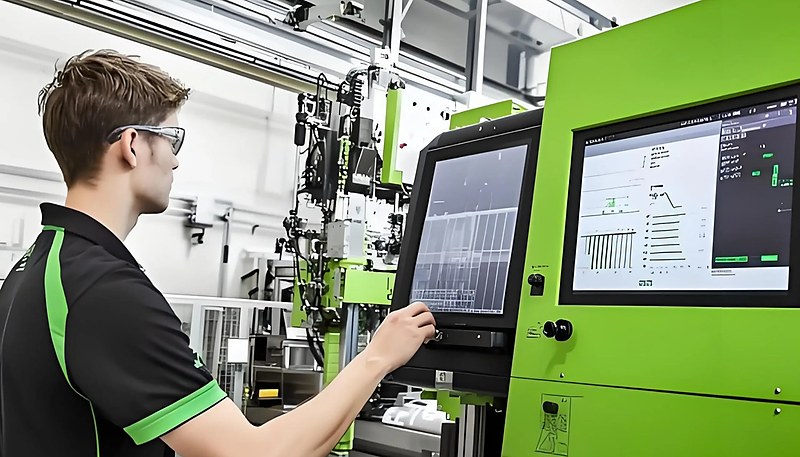
Противодавление1 — один из параметров литья под давлением, отличающих хорошие детали от превосходных. При правильной настройке расплав однороден, масса впрыска стабильна, а детали получаются чистыми. При неправильной весь день приходится бороться с пузырьками, цветовыми полосами и разбросом размеров. На нашем заводе в Шанхае мы ежедневно регулируем противодавление на 47 термопластавтоматах усилием от 90T до 1850T. За более чем 20 лет работы мы убедились, что правильная настройка противодавления часто является самым быстрым способом устранения хронических дефектов.
- Противодавление контролирует скорость отступления шнека во время пластификации, напрямую влияя на качество расплава
- Типичный диапазон противодавления для большинства инженерных пластиков составляет от 5 до 20 бар (0,5–2 МПа)
- Слишком низкое противодавление вызывает воздушные ловушки, цветные полосы и колебания веса впрыска
- Слишком высокое противодавление приводит к деградации материала, подтеканию и увеличению времени цикла
- Всегда начинайте с низкого значения и постепенно увеличивайте, проверяя детали на дефекты
Что такое противодавление при литье под давлением?
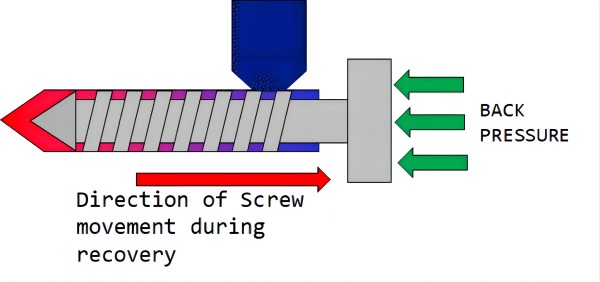
Противодавление при литье под давлением определяется функцией, ограничениями и компромиссами, описанными в этом разделе. Это контролируемое сопротивление движению шнека на стадии пластикации, обычно 50–200 bar (725–2,900 psi), которое сжимает и гомогенизирует расплав. Его также называют давлением пластикации2 или обратным давлением на шнек — сопротивлением, приложенным к задней части шнека при его отходе во время набора дозы. Без него шнек отходит слишком быстро, а расплав остаётся рыхлым и насыщенным воздухом.
В гидравлических машинах противодавление устанавливается путем регулировки перепускного клапана на инжекционном цилиндре. В полностью электрических машинах серводвигатель управляет им напрямую. Ключевой момент заключается в том, что противодавление — это не единое число, которое вы устанавливаете один раз — это динамический параметр, который вы настраиваете в зависимости от материала, геометрии детали, конструкции пресс-формы и даже окружающих условий.
Как формируется противодавление во время пластификации?
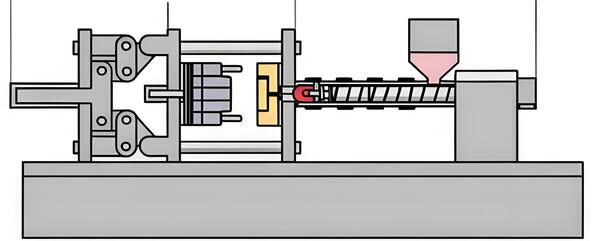
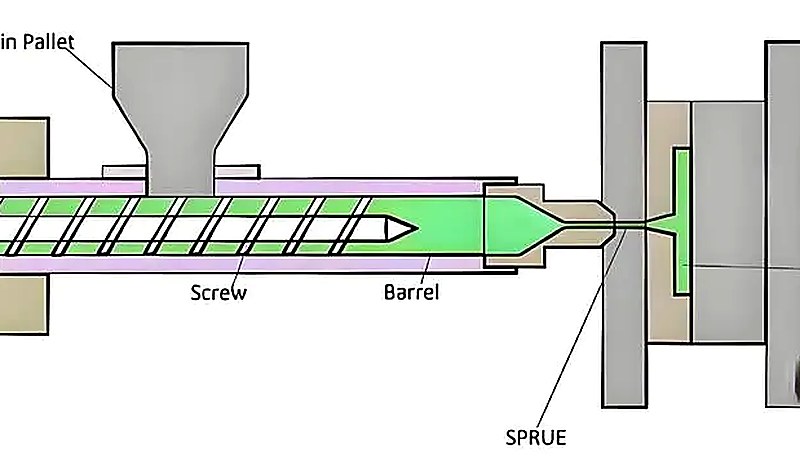
Этот раздел посвящен противодавлению, формируемому во время пластификации, и его влиянию на стоимость, качество, сроки или риск снабжения. Противодавление формируется, когда расплавленный полимер, накапливающийся перед концом шнека, создает достаточную силу, чтобы оттолкнуть шнек назад, а клапан противодавления ограничивает это отступление для сжатия и гомогенизации расплава. Во время фазы пластификации шнека шнек вращается для плавления и дозирования материала. По мере накопления расплавленного пластика перед концом шнека он отталкивает шнек назад. Клапан противодавления ограничивает скорость слива масла из инжекционного цилиндра, создавая сопротивление этому обратному движению.
Процесс происходит так: шнек вращается → материал плавится и движется вперёд → давление расплава растёт → шнек отходит назад → клапан противодавления сопротивляется отходу → расплав сжимается и гомогенизируется. Чем сильнее затянут клапан, тем медленнее отходит шнек термопластавтомата и тем тщательнее перемешивается и уплотняется расплав.
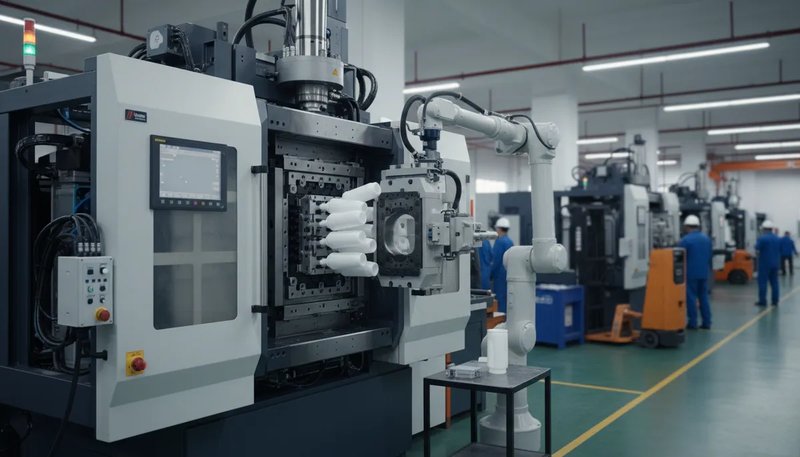
На нашем заводе в Шанхае мы эксплуатируем 47 машин для литья под давлением от 90T до 1850T. За более чем 20 лет производства мы обнаружили, что настройка противодавления составляет примерно 30% от достижений в снижении дефектов при оптимизации новой настройки пресс-формы.
Где находится регулировочный клапан противодавления?
В этом разделе рассматривается расположение клапана регулировки противодавления и его влияние на стоимость, качество, сроки и риски снабжения. На гидравлических машинах клапан находится в задней части инжекционного цилиндра, а на электрических — настройка расположена в меню набора дозы шнеком3 контроллера. В гидравлических машинах клапан регулирует скорость отвода масла из инжекционного цилиндра при отходе шнека во время пластикации.
Для полностью электрических машин гидравлического клапана нет. Вместо этого серводвигатель, приводящий шнек, применяет программируемый предел крутящего момента во время отвода. Это устанавливается в контроллере машины в параметрах восстановления шнека. Принцип идентичен — вы контролируете, какое сопротивление встречает шнек при отступлении.
Как определить правильное значение противодавления?
Не существует единого магического числа. Типичный диапазон противодавления для большинства инженерных пластиков составляет от 5 до 20 бар (0,5 до 2 МПа), но точное значение зависит от нескольких факторов: обрабатываемого материала, конструкции шнека, геометрии изделия и температуры формы. Хорошее эмпирическое правило для начала — установить противодавление на уровне 10–20% от максимального давления впрыска и корректировать оттуда.
Материало-специфичные отправные точки, которые мы используем на нашем заводе:
• PP, PE (полиолефины): 5–10 bar — эти материалы легко плавятся и не требуют сильного уплотнения • ABS, PS: 8–15 bar — умеренное давление для стабильного смешивания цвета и плотности • PC, PMMA (прозрачные смолы): 10–20 bar — повышенное давление обеспечивает оптическую прозрачность и устраняет пузырьки воздуха • PA (нейлон), PBT: 8–15 bar — достаточно для уплотнения расплава без деградации • PVC, POM: 3–8 bar — поддерживайте низкое давление: эти материалы чувствительны к нагреву и быстро разрушаются при высоком противодавлении
"Повышение противодавления улучшает однородность расплава и уменьшает количество воздушных пузырей в формованной детали."True
Более высокое противодавление замедляет отвод шнека, давая материалу больше времени на смешивание и сжатие. Это вытесняет захваченный воздух и создает более однородный расплав, что напрямую уменьшает пузыри и пустоты в готовом изделии.
"Для наилучшего качества детали противодавление всегда следует устанавливать на максимально возможном уровне."False
Чрезмерное противодавление повышает температуру расплава, увеличивает время цикла и может вызвать деградацию материала — особенно у термочувствительных смол, таких как PVC. Это также вызывает подтекание из сопла и облой. Правильный подход — начать с низкого значения и увеличивать только до тех пор, пока дефекты не исчезнут.
Какие проверенные методы регулировки противодавления существуют?
Регулировка противодавления — не просто поворот регулятора. Это системный процесс, требующий знания материала, наблюдения за деталью и последовательного внесения небольших изменений; он входит в более широкий комплекс этапов литья под давлением. Ниже приведён метод, который мы применяем в цехе при каждой установке новой формы.
Как производится настройка в зависимости от типа материала?
Различные полимеры имеют совершенно разные кривые вязкости, окна термической стабильности и чувствительность к сдвиговому нагреву. Материалы с низкой температурой плавления, такие как PE и PP, требуют очень небольшого противодавления — обычно достаточно 5–10 бар. Инженерные пластики, такие как PC и POM, требуют более осторожного обращения: PC выигрывает от 10 до 20 бар для прозрачности и плотности, в то время как POM и PVC должны оставаться ниже 8 бар, чтобы избежать термического разложения. Стеклонаполненные материалы часто требуют немного более высокого противодавления (15–20 бар) для разрушения пучков стекловолокна и достижения равномерного распределения.
Как регулировать в зависимости от размера и геометрии детали?
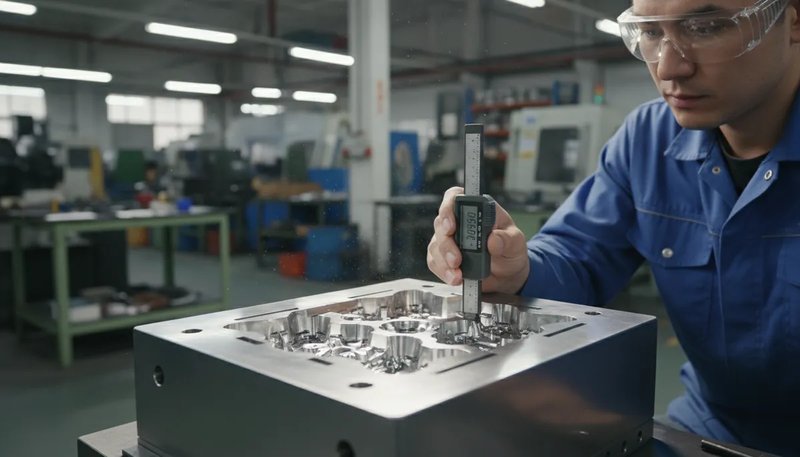
Крупные детали с толстыми стенками выигрывают от более высокого противодавления, поскольку увеличенная плотность расплава помогает равномерно заполнять полость и уменьшает усадочные раковины. С другой стороны, тонкостенные детали требуют баланса — слишком высокое противодавление повышает температуру расплава и может вызвать облой на линии разъема. Для прецизионных деталей с жесткими допусками (±0,05 мм или уже) мы обычно тонко настраиваем противодавление с шагом в 1 бар, контролируя вес и размеры детали с помощью весов и штангенциркуля.
Как использовать динамическое профилирование противодавления?
Современные машины позволяют программировать противодавление поэтапно во время фазы возврата шнека. Вместо одного постоянного значения можно установить, например: Этап 1 — 5 бар для первых 30% хода (плавный старт, чтобы не нарушить подушку), Этап 2 — 15 бар для средних 50% (основное уплотнение и смешивание) и Этап 3 — 8 бар для последних 20% (снижение давления ближе к концу для предотвращения подтекания). Такой поэтапный подход дает лучший контроль над качеством расплава без побочных эффектов от работы под высоким давлением на протяжении всей фазы возврата.
Имея опыт работы с более чем 400 видами пластиковых материалов и собственное производство пресс-форм, наша инженерная команда настраивает параметры обратного давления в рамках каждого протокола испытаний пресс-форм — потому что даже хорошо изготовленная пресс-форма не сможет производить качественные детали, если качество расплава нестабильно.
Что происходит, если обратное давление установлено неправильно?
При слишком низком противодавлении: Шнек отходит слишком быстро, а расплав остаётся рыхлым и насыщенным воздухом. На поверхности появляются газовые следы — серебристые полосы, масса впрыска становится нестабильной, возникают внутренние пузырьки и неравномерный блеск. Смешивание цвета, особенно при использовании суперконцентрата, становится неоднородным, поскольку сопротивления недостаточно для равномерного распределения пигмента в расплаве. В тяжёлых случаях размеры деталей нестабильны, а масса меняется от цикла к циклу на 2% и более.
При слишком высоком противодавлении: Температура расплава повышается из-за чрезмерного сдвига, что может разрушать термочувствительные материалы. Возможны изменение цвета — пожелтение белых деталей или тёмные полосы на цветных, увеличение времени набора дозы шнеком и всего цикла, а также вытекание материала из сопла между впрысками. В крайних случаях избыточное противодавление вызывает облой по линии разъёма, поскольку расплав становится слишком горячим и текучим. Кроме того, ускоряется механический износ шнека, цилиндра и обратного клапана.
"Низкое противодавление часто вызывает серебристые разводы и пузыри на поверхности детали из-за воздуха, захваченного в расплаве."True
При недостаточном противодавлении шнек быстро отходит и недостаточно уплотняет расплав. В полимере остается воздух, который при впрыске создает серебристые полосы (газовые следы) и внутренние пустоты.
"Если на деталях есть утяжины, для устранения проблемы всегда следует повышать противодавление."False
Утяжины возникают главным образом из-за недостаточного давления выдержки или времени охлаждения, а не из-за противодавления. Хотя противодавление влияет на плотность расплава, правильный способ устранения утяжин — регулировка давления и времени подпитки, а также параметров охлаждения. Повышение противодавления может даже усугубить проблему из-за увеличения температуры расплава.
Каковы преимущества правильной регулировки противодавления?
В этом разделе рассматриваются основные преимущества правильной настройки противодавления. Верно установленное противодавление улучшает все аспекты производства. Прежде всего резко повышается однородность расплава: красители смешиваются равномерно, добавки правильно диспергируются, а свойства материала остаются стабильными по всему объёму детали. Разброс массы впрыска стабилизируется в пределах 0.2–0.5%, благодаря чему размеры деталей остаются в допуске от цикла к циклу.
Правильное противодавление также устраняет целую группу поверхностных дефектов: следы газа, холодные пробки и различия глянца значительно уменьшаются. Для прозрачных деталей из PC или PMMA разница между противодавлением 10 bar и 15 bar может отделять кристально прозрачную линзу от линзы с внутренним помутнением.
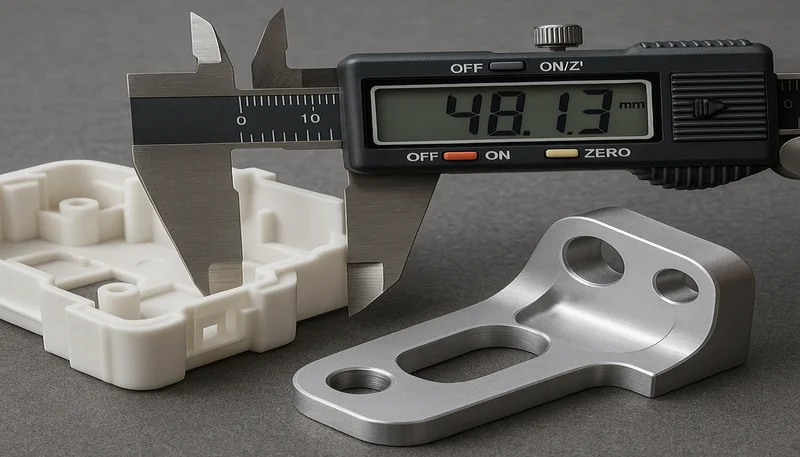
Наконец, стабильное противодавление сокращает последующую доработку. Детали сразу получаются годными: меньше брака и блокировок качества, короче сроки — именно здесь проявляется реальная производственная экономия.
Как следует подходить к оптимизации противодавления?
Настройка противодавления несложна, но требует внимания к деталям. Начните с базовых значений для конкретного материала, внимательно наблюдайте за деталями и вносите небольшие изменения. Следите за характерными признаками: серебристые полосы означают, что противодавление нужно увеличить; подтекание и изменение цвета — уменьшить. Для ещё более точного управления используйте динамическое профилирование на современных машинах.
Нужна помощь в настройке параметров литья под давлением? Ознакомьтесь с нашим полным руководством по литью под давлением, где подробно рассмотрены все ключевые настройки процесса. По вопросам проектирования форм и производственной поддержки обратитесь к нашему полному руководству по пресс-формам. Готовы заказать детали? Наше руководство по поиску поставщика литья под давлением поможет выбрать и квалифицировать завод.
Часто задаваемые вопросы
Каков нормальный диапазон противодавления при литье под давлением?
Типичный диапазон противодавления для большинства инженерных пластмасс составляет 5–20 bar (0.5–2 MPa). Полиолефины, такие как PP и PE, обычно перерабатывают при 5–10 bar, тогда как для материалов с высокими эксплуатационными характеристиками, например PC и PMMA, для достижения достаточной плотности расплава может потребоваться 10–20 bar. Для термочувствительных полимеров, таких как PVC и POM, давление следует поддерживать ниже 8 bar во избежание термической деструкции. Практическая начальная настройка — 10–20% от максимального давления впрыска. Затем постепенно повышайте давление с шагом 1–2 bar, контролируя качество деталей: исчезновение серебристых полос и стабильная масса впрыска указывают на правильный диапазон.
Как противодавление влияет на качество детали?
Противодавление напрямую регулирует плотность и однородность расплава при восстановлении шнека. Правильная настройка устраняет захваченные пузырьки воздуха, обеспечивает равномерное смешивание цвета с мастербатчем, стабилизирует массу впрыска в пределах 0.2–0.5% и уменьшает такие поверхностные дефекты, как серебристые полосы и неравномерный блеск. Недостаточное противодавление вызывает пустоты, цветовые полосы и нестабильность размеров от впрыска к впрыску. Чрезмерное противодавление повышает температуру расплава из-за сдвига, вызывая деградацию материала, подтекание сопла, облой и увеличение времени цикла. Это особенно критично для прозрачных деталей, где даже небольшая неоднородность расплава становится видимым дефектом.
Может ли противодавление при литье под давлением быть слишком высоким?
Да, избыточное противодавление — распространённая производственная проблема. Оно повышает температуру расплава из-за нагрева при сдвиге, что вызывает деструкцию термочувствительных материалов, таких как PVC и POM, и приводит к изменению цвета, появлению тёмных полос или подгоранию. Кроме того, возникают подтекание расплава из сопла между циклами, облой по линии разъёма пресс-формы, существенное увеличение времени восстановления шнека и общей продолжительности цикла, а также ускоренный механический износ шнека, цилиндра и обратного клапана. При появлении любого из этих признаков снижайте противодавление с шагом 3–5 bar и проверяйте, исчезнут ли проблемы в течение нескольких следующих циклов.
Как регулировать противодавление для разных пластмасс?
Начните с базовых значений для конкретных материалов: 5–10 bar для PP и PE, 8–15 bar для ABS и PS, 10–20 bar для PC и PMMA и 3–8 bar для PVC и POM. Эти диапазоны учитывают различия в вязкости расплава, термостабильности и чувствительности к сдвигу. После задания базы внимательно осмотрите детали: повышайте противодавление при газовых следах, серебристых полосах или неравномерном смешении цвета; снижайте его при подтекании сопла, изменении цвета или облое. Выполняйте точную настройку с шагом 1–2 bar и всегда документируйте итоговые параметры для будущих производственных запусков на той же форме.
В чем разница между противодавлением и давлением выдержки?
Противодавление и давление выдержки действуют на совершенно разных стадиях цикла литья под давлением и выполняют разные задачи. Противодавление действует при наборе дозы шнеком — на стадии пластикации: оно регулирует сопротивление обратному движению шнека, напрямую влияя на смешивание, уплотнение и дегазацию расплава перед впрыском. Давление выдержки, напротив, действует после заполнения полости и компенсирует объемную усадку при охлаждении и затвердевании детали. Путаница между ними — типичная ошибка новичков; регулировка неверного параметра не устранит целевой дефект.
Влияет ли противодавление на время цикла?
Да, более высокое противодавление напрямую замедляет восстановление шнека, поскольку шнек должен отходить назад, преодолевая большее сопротивление. Если время восстановления шнека превышает время охлаждения, оно становится узким местом цикла, и общая продолжительность цикла пропорционально возрастает. Поэтому на современных машинах предпочтительно динамическое, или ступенчатое, профилирование противодавления: в средней части восстановления можно использовать повышенное давление для оптимального качества расплава, а ближе к завершению снизить его, чтобы ускорить последнюю стадию. Такой подход одновременно повышает качество деталей и производительность без компромисса, связанного с постоянно высоким противодавлением.
Почему из сопла термопластавтомата вытекает расплав?
Подтекание из сопла обычно означает слишком высокое противодавление или чрезмерную температуру цилиндра у сопла. Давление выталкивает расплав через наконечник между циклами, образуя нити или капли, которые вызывают холодные пробки и закупорку литников в следующем цикле. Сначала снизьте противодавление на 3–5 bar. Если подтекание сохраняется, понизьте температуру цилиндра в зоне сопла на 5–10°C. Для склонных к подтеканию материалов используйте запорное сопло (пружинное или механическое) в дополнение к правильной настройке давления.
Следует ли использовать ступенчатое противодавление для каждой формы?
Ступенчатое противодавление особенно полезно для деталей, требующих высокого качества расплава и одновременно чувствительных к подтеканию или термической деструкции. Для простых массовых деталей из технологичных материалов, таких как PP или PE, обычно достаточно одноступенчатой настройки, которой проще управлять. Для инженерных пластиков, оптических или прозрачных компонентов и прецизионных форм с жесткими допусками ступенчатый профиль почти всегда улучшает результат, а его настройка занимает лишь несколько минут. Считайте его стандартной практикой для любой формы, работающей с PC, PMMA, стеклонаполненными материалами или многогнездной оснасткой, где критична стабильность между гнездами.
противодавление: Контролируемое сопротивление, приложенное к шнеку на стадии пластикации, которое обеспечивает постоянную плотность и однородность расплавленного полимера в цилиндре перед впрыском. ↩
давление пластикации: Это тот же параметр, что и противодавление; он описывает сопротивление, замедляющее отход шнека на стадии набора материала при литье под давлением. ↩
набор дозы шнеком: Важный этап цикла литья под давлением, на котором шнек вращается и отходит назад, пластифицируя и накапливая отмеренный объём расплавленного материала для следующего впрыска. ↩