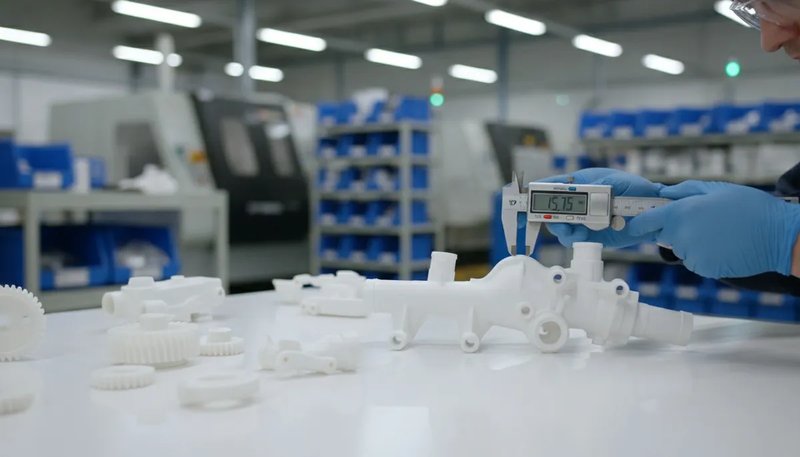
Вы рассчитали проект IML, и стоимость пресс-формы оказалась на 30–40% выше стоимости стандартной оснастки. Заказчик хочет знать почему. Честный ответ: при внутримолдовом этикетировании предварительно напечатанная пленка соединяется с деталью внутри пресс-формы во время каждого цикла впрыска, а каждый дополнительный этап — подготовка пленки, укладка роботом, вакуумирование полости и активация связующего слоя1 — повышает стоимость и сложность. Но когда объем производства оправдывает инвестиции, IML полностью исключает последующее декорирование и создает графику, которая выдерживает посудомоечные машины, растворители и многолетнее воздействие ультрафиолета без отслаивания. В этом руководстве разобран весь процесс литья под давлением с IML — от выбора пленки до предотвращения дефектов — на основе нашего опыта производства IML на предприятии ZetarMold в Шанхае.
- IML соединяет этикетку при формовании — послелитьевой декор не нужен.
- Стоимость плёнки и интеграция робота увеличивают цену детали на 20–40% при малых объёмах.
- Полипропилен — основной материал подложки IML; для PC и ABS требуются специальные связующие слои.
- Статическое позиционирование и вакуум в полости пресс-формы предотвращают смещение этикетки при заполнении.
- По долговечности IML значительно превосходит тампонную печать и этикетки термопереноса.
Что такое литьё под давлением с этикетированием в форме (IML)?
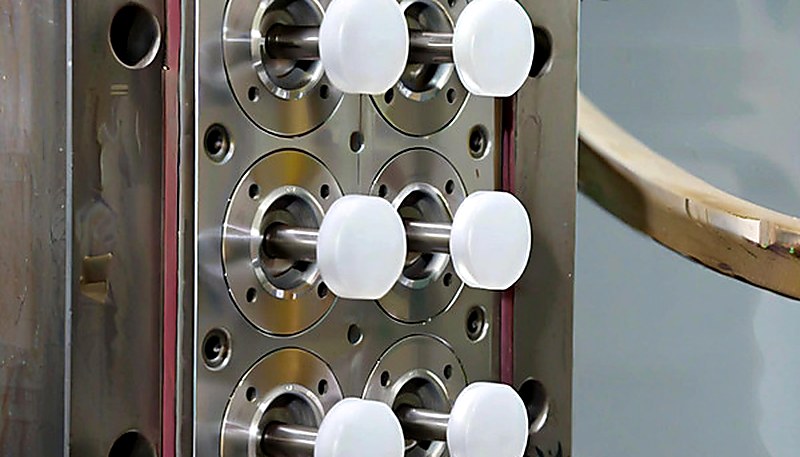
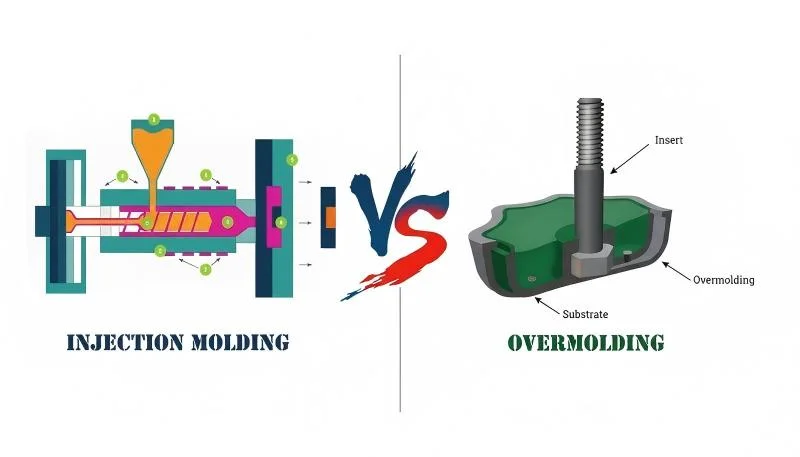
Литьё под давлением IML — это процесс, при котором перед каждым циклом в полость формы помещают полимерную плёнку с предварительно нанесённой печатью. Во время впрыска расплавленный пластик оплавляет задний слой плёнки, сплавляя этикетку и подложку в единую деталь. Клей, вторичная печать и последующее ламинирование не требуются. Изображение становится неотъемлемой частью стенки детали.
Технология появилась в 1990-х годах в производстве пищевой упаковки для контейнеров с маргарином и стаканчиков для молочных продуктов. С тех пор она распространилась на бытовую электронику, отделку салонов автомобилей, корпуса медицинских устройств и косметическую тару. Если вы снимали этикетку с контейнера для масла и замечали, что печать встроена в пластиковую стенку, это была технология IML.
По сравнению с традиционным литьем под давлением с последующей тампонной печатью2 или термотрансферным этикетированием IML создает постоянную, устойчивую к царапинам поверхность за один цикл. Компромисс — более высокая первоначальная стоимость оснастки и более строгий контроль процесса. В ZetarMold мы применяем IML в многогнездных пресс-формах для клиентов, выпускающих потребительские товары партиями от 100 000 единиц: при таком объеме себестоимость детали начинает делать IML выгоднее последующего декорирования.
"IML объединяет этикетку и подложку в единую неразделимую деталь без использования клея."True
Расплав полимера активирует связующий слой на обратной стороне пленки, образуя химическую связь, которая прочнее любого клеевого слоя. При нормальной эксплуатации этикетка не отслаивается, не вздувается и не отделяется от изделия.
"Этикетки IML можно снять и заменить после литья, если в макете обнаружены ошибки."False
После соединения связующего слоя с впрыскиваемой подложкой в цикле этикетка становится постоянной. Снять или заменить её без разрушения детали невозможно. Поэтому макет необходимо одобрить и вычитать до производства.
Как пошагово выполняется процесс IML?
По сравнению со стандартным формованием процесс IML добавляет два этапа перед впрыском и изменяет последовательность смыкания. Ниже подробно описано всё, что происходит внутри машины в каждом цикле — от загрузки плёнки до извлечения детали.
Шаг 1: печать и высечка плёнки
Сначала изображение наносят глубокой или флексографской печатью на многослойную плёнку в рулоне. Типичная структура IML-плёнки включает печатный верхний слой, обычно PP или PET, слой краски, барьерный слой для некоторых пищевых применений и связующий задний слой, сцепляющийся с расплавом. После печати плёнку вырубают в отдельные этикетки по геометрии гнезда. Допуск размеров этикетки обычно составляет ±0.15 mm: при слишком свободном допуске видны зазоры, при слишком жёстком этикетка морщится при установке в гнездо.
Шаг 2: размещение роботом внутри формы
Перед каждым впрыском робот с боковой или верхней загрузкой захватывает высеченную этикетку, сообщает ей электростатический заряд3 и помещает в открытую пресс-форму. Статический заряд плотно удерживает пленку на стенке полости. В некоторых пресс-формах дополнительно используются вакуумные каналы — небольшие отверстия за поверхностью полости, притягивающие этикетку заподлицо. Без надлежащей статики или вакуума этикетка может сместиться или сморщиться при поступлении расплава.
Шаг 3: Закрытие пресс-формы и впрыск
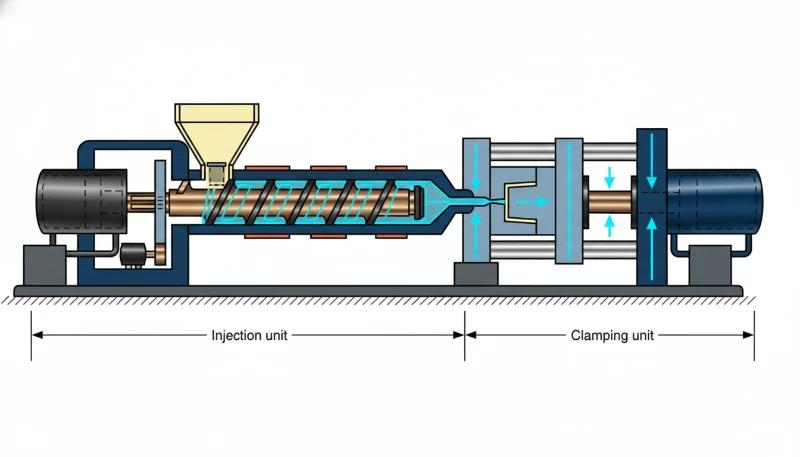
Пресс-форма закрывается, и инжекционный узел заполняет полость. Температура расплава (обычно 200–240 °C для IML на основе PP) активирует связующий слой, который за считанные секунды сцепляется с подложкой. Скорость впрыска критична: при слишком высокой скорости фронт расплава смещает этикетку; при слишком низкой связующий слой активируется не полностью, создавая риск расслоения.
Шаг 4: уплотнение, охлаждение и выталкивание
После заполнения полости давление выдержки подаёт дополнительный материал для компенсации усадки. На этапе охлаждения затвердевают и подложка, и соединение этикетки с деталью. Цикл деталей IML на 10–25% длиннее стандартного впрыска, поскольку плёнка служит небольшим теплоизолятором и замедляет отвод тепла от стенки полости. После охлаждения форма открывается, и робот извлекает готовую декорированную деталь.
На практике последовательность от установки этикетки до выталкивания на 1.5–3 секунды длиннее стандартного цикла той же формы. На упаковочной линии с восьмигнездной формой и циклом 8 секунд это заметно. Но устраняется весь послелитьевой декор — печать, сушка, контроль и переделка, обычно добавляющие 3–5 дней и $0.03–0.08 на деталь.
| Параметр | Стандартное литьё под давлением | IML IM |
|---|---|---|
| Время цикла (PP, деталь 500 g) | 12–15 s | 14–18 s |
| Надбавка к стоимости формы | Исходный уровень | +25–40% |
| Стоимость декорирования одной детали | $0.03–0.08 (тампонная печать) | $0.01–0.04 (плёнка IML) |
| Связующий слой не полностью активирован | 2–5 лет (износ/выцветание) | 10+ лет (интегрированное решение) |
| Уровень автоматизации | Стандартный робот | Робот для этикеток + робот для деталей |
Какие материалы и плёнки подходят для IML?
Совместимость материалов — главное ограничение IML. Полимер основы и пленка должны образовывать химическую связь через адгезионный слой, поэтому тыльный слой пленки необходимо разрабатывать для конкретного семейства формуемых полимеров. Ошибка приводит к расслоению — наиболее неприятному дефекту IML, поскольку он часто проявляется лишь через несколько недель после производства, во время испытаний на термоциклирование или падение.
Полипропилен (PP) — стандартный выбор
Более 70% мирового производства IML работает с PP. Причины очевидны: PP надёжно связывается с IML-плёнками на основе PP без экзотической химии связующего слоя, недорого стоит и доминирует в пищевой упаковке, где IML наиболее распространён. Если деталь можно спроектировать из PP, IML не представляет сложности, а стоимость плёнки остаётся низкой — обычно $0.005–0.015 за этикетку в зависимости от размера и сложности печати.
Полистирол (PS) и ABS
Для PS и ABS требуются специальные рецептуры плёнок с модифицированными связующими слоями. Связь достижима, но менее устойчива к отклонениям: технологические окна температуры расплава и скорости впрыска уже. Мы изготавливали корпуса ABS с IML для клиентов из электронной отрасли, но каждый проект требовал испытаний образцов плёнки до начала изготовления серийной оснастки. По сравнению с IML на основе PP следует предусмотреть дополнительные 2–4 недели на квалификацию материала.
Поликарбонат (PC) и инженерные смолы
PC IML возможен, но редок: высокая температура переработки (280–320 °C) разрушает стандартные пленки IML. Специальные высокотемпературные пленки стоят в 2–3× больше пленки для PP. Если не нужны ударная прочность и прозрачность PC, практичнее лить из низкотемпературной смолы, приняв компромиссы.
На нашем предприятии в Шанхае работают 47 термопластавтоматов усилием от 90T до 1850T, а библиотека из 400+ материалов используется для испытаний IML на PP, ABS и инженерных подложках. Имея более 20 лет опыта литья под давлением и 8 старших инженеров, мы хотя бы раз сталкивались с отказом большинства сочетаний материала и плёнки и знаем, как избежать распространённых ошибок.
Чем форма IML отличается от стандартной формы?
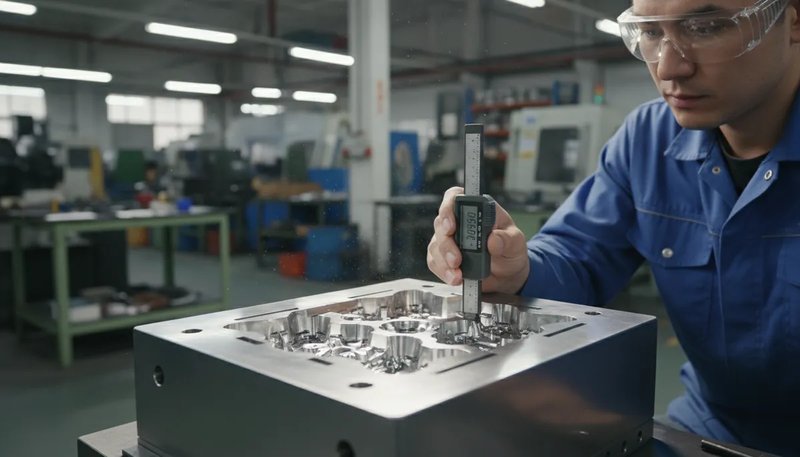
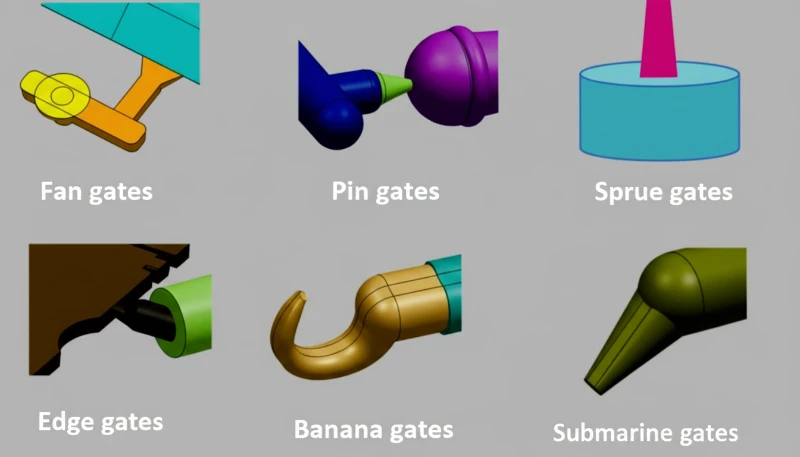
IML-форма — это стандартная форма, модифицированная вакуумными каналами, перемещенными литниками и выталкиванием со стороны сердечника. Эти особенности предотвращают смещение этикетки, образование складок и повреждение от толкателей во время производства.
Вакуумные каналы за формующей полостью
Большинство производственных IML-форм имеют сеть вакуумных отверстий диаметром 0.3–0.5 mm за поверхностью гнезда со стороны этикетки. Вакуум удерживает плёнку плоской при закрытии и впрыске. Одного статического заряда может не хватить при высокой скорости или большой этикетке. Каналы увеличивают время обработки и стоимость вставки, составляя заметную часть доплаты 25–40% за форму.
Изменённые расположение и геометрия впуска
Положение впуска должно направлять поток расплава так, чтобы он проходил по этикетке от одного края к другому, не образуя складок и морщин. В обычной пресс-форме расположение впуска оптимизируют по схеме заполнения и положению линии спая. В пресс-форме IML также нельзя направлять струю расплава прямо на лицевую сторону этикетки, поскольку это вызывает видимые следы пригорания или смещение этикетки. Важно и расположение следа от впуска: по возможности он должен находиться на недекорированной поверхности, чтобы не нарушать печатное изображение.
Зазор системы выталкивания
Выталкивающие штифты не должны проходить через область этикетки. Пробивая пленку, они оставляют видимые следы и нарушают соединение этикетки с деталью. Это ограничение заставляет конструктора размещать всю систему выталкивания со стороны сердечника (стороны без этикетки) либо использовать съемные плиты и пневматическое выталкивание. Такая конструкция реализуема, но требует целенаправленного планирования на этапе проектирования литьевой пресс-формы. Мы видели проекты, в которых после первого испытания пресс-формы из-за этого ограничения пришлось полностью переделывать систему выталкивания. Этот дорогостоящий урок показывает, почему поставщика декора следует привлекать к проектированию IML-пресс-формы с самого начала.
«Для пресс-форм IML требуются вакуумные каналы и модифицированная система выталкивания, чтобы не повредить этикетку при производстве.»True
Вакуумные каналы удерживают этикетку ровно прижатой к стенке полости во время впрыска, а извлечение должно выполняться с немаркированной стороны, чтобы штифты не оставляли следов через плёнку. Оба элемента являются стандартными требованиями к любой серийной форме IML.
"Стандартную серийную пресс-форму можно переоборудовать для IML, просто добавив к машине робота для установки этикеток."False
В стандартной пресс-форме отсутствуют вакуумные каналы, нужное расположение впуска и изменения системы выталкивания, необходимые для надёжного IML. Попытка использовать IML в неизменённой пресс-форме приводит к высокой доле брака из-за смещения этикеток, складок и повреждений от прокола штифтами. Переоборудование технически возможно, но часто стоит почти столько же, сколько изготовление новой пресс-формы IML.
Эти три особенности формы — вакуумные каналы, геометрия литника и схема выталкивания — не подлежат компромиссу. Если изготовитель формы предлагает отказаться от любой из них ради снижения стоимости оснастки, возражайте. Мы видели слишком много проектов, где первоначальная экономия на оснастке была уничтожена процентом брака более 15% при производстве.
Имея ежемесячную мощность свыше 100 комплектов пресс-форм и команду из 8 старших инженеров, контролирующих проектирование каждой IML-оснастки, мы закладываем эти элементы с первого дня, поскольку их последующее добавление всегда обходится дороже правильной первоначальной реализации. Благодаря более чем 120 производственным сотрудникам и свыше 30 англоязычным руководителям проектов информация об изменениях пресс-форм не теряется при переводе — удивительно распространенная проблема, когда поиск поставщиков ведется без специализированной международной коммерческой команды.
Ещё один фактор, который упускают многие первые покупатели IML: периодичность обслуживания формы. Вакуумные каналы формы IML малы (0.3–0.5 mm) и со временем могут забиваться остатками смолы, особенно при работе с наполненными или армированными стекловолокном материалами. Планируйте более частую очистку полости — обычно каждые 50,000–100,000 циклов в зависимости от смолы. Это не недостаток конструкции, а ожидаемая стоимость обслуживания прецизионной оснастки IML.
Какие параметры процесса наиболее важны при IML?
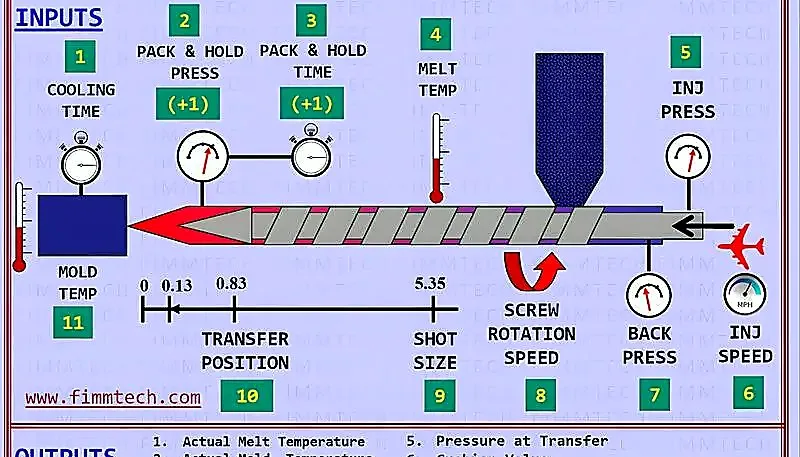
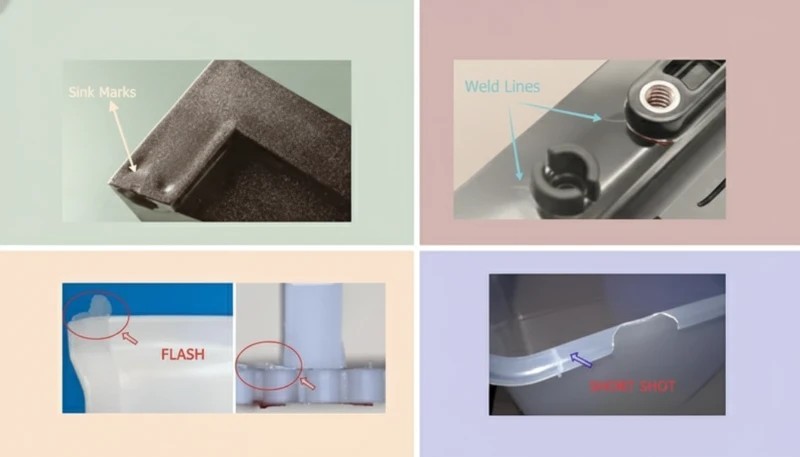
Четыре наиболее важных параметра — это скорость впрыска, температура расплава, давление подпитки и температура формы. Даже небольшие отклонения за пределы технологического окна вызывают дефекты, такие как утяжины, облой и подгорание этикетки.
Скорость впрыска и профиль заполнения
Скорость впрыска — параметр, который чаще всего вызывает дефекты этикетки. При слишком высокой скорости фронт расплава сдвигает этикетку со стенки полости; при слишком низкой связующий слой расплавляется не полностью, что приводит к слабому соединению. В большинстве процессов IML используется многоступенчатый профиль заполнения: вначале медленнее, чтобы сформировать течение по этикетке, затем скорость повышают после стабилизации фронта расплава. Обычно для первых 30% хода впрыска мы задаем 60–80% стандартной скорости заполнения, а затем повышаем ее до полной.
Температура расплава
Температура расплава должна быть достаточно высокой для активации связующего слоя, но не вызывать разрушения печатной поверхности плёнки. Для PP IML мы используем 210–230 °C. При превышении 240 °C возникает риск теневого переноса изображения — слабого отпечатывания краски на поверхности полости, загрязняющего последующие детали. Этот дефект не проявляется на первых 50 впрысках, а постепенно накапливается с каждым циклом, поэтому во время производственного цикла необходимо контролировать чистоту полости.
Давление и время выдержки
Давление выдержки прижимает этикетку к стенке полости, пока связующий слой затвердевает. При слишком низком давлении этикетка может отслаиваться по краям; при слишком высоком расплав способен продавить плёнку в тонких участках. Для IML мы обычно используем 60–80% стандартного давления выдержки с немного большей продолжительностью для компенсации. Ключевой показатель — адгезия краёв: если этикетку можно отслоить в углу ногтем, давление выдержки было недостаточным.
Температура пресс-формы
Сторону полости (сторону этикетки) следует поддерживать на 5–10 °C холоднее стандартной температуры, чтобы сохранить глянец плёнки. Сторона пуансона работает при обычной температуре. Такая разница помогает приклеить этикетку без увеличения общего цикла. На нашем производстве стабильное поддержание этого перепада во всех гнёздах многогнёздной формы является одним из наиболее эффективных средств снижения брака IML.
Каковы наиболее распространённые дефекты IML и как их предотвратить?
Распространенные дефекты IML включают складки, смещение, расслоение по краям, двоение и подгорание, все они вызваны проблемами с размещением, течением или адгезией. Вот что мы видим на производстве и как исправить каждый из них.
| Дефект | Предотвращает образование утяжин на противоположной поверхности | Исправление |
|---|---|---|
| Складка на этикетке | Избыток плёнки или медленное включение вакуума | Ужесточите допуск высечки этикетки до ±0.1 mm; проверьте синхронизацию вакуума |
| Сдвиг / смещение этикетки | Недостаточный статический заряд или высокая скорость впрыска | Увеличить статическое напряжение; снизить начальную скорость заполнения |
| Расслоение по краям | Связующий слой активирован не полностью | Диаграмма, показывающая процесс внутриформенной маркировки в четыре этапа для литья под давлением, в результате чего получается маркированное пластиковое изделие. |
| Дублирование оттиска краски на полости | Слишком высокая температура расплава | Для PP снизьте температуру расплава ниже 240 °C |
| Прижог на лицевой стороне этикетки | Литник направлен прямо на этикетку | Переместить литник или добавить отклонитель потока |
| Воздушная ловушка под этикеткой | Вакуумные отверстия заблокированы или их недостаточно | Добавьте вакуумные отверстия возле места воздушной ловушки |
На нашем заводе в Шанхае большинство дефектов IML выявляются на этапе промежуточного контроля с помощью нашего 6-ступенчатого процесса обеспечения качества (от входного до выходного контроля). В рамках наших систем ISO 9001 и ISO 13485 каждая производственная партия IML проходит выборочную проверку первого образца перед выпуском партии.
Вышеуказанные дефекты составляют примерно 90% брака при IML. Большинство из них можно устранить в первых трех производственных циклах путем регулировки скорости впрыска, времени вакуумирования и положения литника.
Часто задаваемые вопросы о литье под давлением с IML?
В чём разница между IML и IMD?
IML (ин-молд этикетирование) размещает предварительно напечатанную пленку внутри полости формы, соединяя её с основой во время впрыска. IMD (ин-молд декорирование) — это более широкая категория, которая включает IML, а также такие техники, как ин-молд окрашивание и формование с вставкой пленки, где декор может не полностью соединяться с изделием.
Сколько стоит оснастка IML по сравнению со стандартными пресс-формами?
Оснастка для IML обычно стоит на 25–40% дороже стандартной формы аналогичного размера. Надбавка покрывает вакуумные каналы, элементы для позиционирования этикетки и автоматизированную систему работы с этикетками. Более высокие первоначальные затраты компенсируются исключением трудозатрат на декорирование после формования при больших объемах.
Безопасна ли технология IML для пищевых продуктов и пригодна ли такая продукция для переработки?
Да. IML на основе ПП широко используется в упаковке для прямого контакта с пищевыми продуктами и соответствует FDA 21 CFR и регламенту ЕС 10/2011. Поскольку этикетка и контейнер изготовлены из одного полипропилена, готовое изделие полностью перерабатывается в стандартных потоках отходов ПП без отделения этикетки.
Можно ли изменить дизайн этикетки без изменения пресс-формы?
Да — это одно из ключевых эксплуатационных преимуществ IML. Поскольку полость пресс-формы не меняется, требуется лишь заказать новую партию вырубных этикеток с обновлённым макетом. Время и затраты на переналадку минимальны по сравнению с заменой печатных форм для трафаретной или тампонной печати.
Какой минимальный объем производства делает IML рентабельным?
IML становится рентабельным примерно при 50 000–100 000 единиц на производственный цикл. Ниже этого порога надбавка за оснастку и стоимость пленки на этикетку не компенсируются экономией от исключения вторичного декорирования. Если ваш годовой объем составляет менее 50 000 изделий, тампопечать или термотрансферное этикетирование обычно обеспечивают более низкую общую стоимость декорированного изделия. Однако для потребительской электроники и премиальной упаковки, где внешний вид бренда оправдывает более высокую себестоимость единицы, IML может быть целесообразен и при меньших объемах.
связующий слой: Связующий слой — это клеевой соэкструдированный слой внутри многослойной IML-пленки, который химически соединяет декоративную поверхность с впрыскиваемой смолой основы. ↩
тампонная печать: Тампонная печать — процесс последующего декорирования, при котором краска переносится с травленой пластины на поверхность детали силиконовым тампоном; его часто используют для нанесения логотипов и текста на детали, отлитые под давлением. ↩
электростатический заряд: Электростатический заряд — это статическое напряжение, подаваемое на IML-пленку, чтобы при укладке роботом она прилипала к металлической поверхности пресс-формы и не смещалась во время заполнения полости. ↩