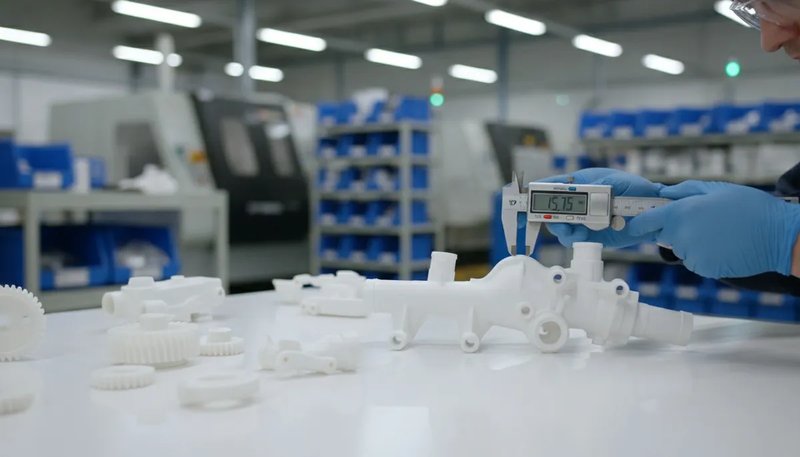
IMLプロジェクトを見積もったところ、金型費用が標準金型より30~40%高くなりました。顧客はその理由を知りたがっています。率直な答えは、インモールドラベリングでは射出サイクルごとに印刷済みフィルムを金型内で接合し、フィルム準備、ロボット配置、キャビティ真空吸着、タイレイヤー1の活性化という追加工程の一つひとつが費用と複雑さを増すからです。しかし、生産量が投資に見合えば、IMLは二次加飾を完全になくし、食器洗浄機、溶剤、長年の紫外線曝露にも剥がれず耐えるグラフィックを実現します。本ガイドでは、ZetarMold上海工場でのIML生産経験に基づき、フィルム選定から不良防止までIML射出成形工程の全体を解説します。
- IMLは成形中にラベルを接着するため、成形後の加飾は不要です。
- フィルム費とロボット統合により、少量生産では部品単価が20~40%上昇します。
- IML基材ではポリプロピレンが主流です。PCとABSには専用の接着層が必要です。
- 金型キャビティ内での静電固定と真空により、充填中のラベルずれを防止します。
- 耐久性では、IMLがパッド印刷や熱転写ラベルを大幅に上回ります。
IML射出成形とは何ですか?
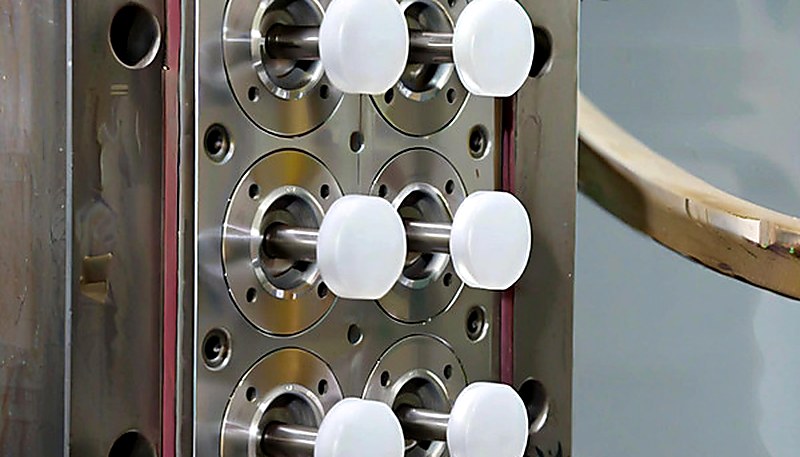
IML射出成形は、各ショットの前に印刷済みポリマーフィルムを金型キャビティ内へ配置する工程です。射出時に溶融プラスチックがフィルムの裏面層を溶かし、ラベルと基材を一体の部品へ融合させます。接着剤、二次印刷、後工程のラミネート加工は不要です。図柄は部品壁の一部になります。
この技術は1990年代に、マーガリン容器や乳製品カップ向けの食品包装業界で生まれました。その後、家電、自動車内装、医療機器筐体、化粧品容器へと広がりました。バター容器からラベルを剥がした際、印刷がプラスチック壁に埋め込まれていることに気付いたなら、それがIMLです。
従来の射出成形後にパッド印刷2や熱転写ラベルを施す方法と比べ、IMLは一回のサイクルで耐久性と耐傷性を備えた恒久的な表面を形成します。その代わり、初期金型費用が高く、より厳密な工程管理が必要です。ZetarMoldでは、一回の生産ロットが100,000個以上必要な消費財顧客向けに多個取り金型でIMLを行っています。この生産量になると、一個当たりの経済性でIMLが二次加飾より有利になります。
「IMLでは接着剤を一切使用せず、ラベルと基材を分離不能な一体部品として接合します。」True
溶融樹脂がフィルム裏面のタイレイヤーを活性化し、どの接着剤層よりも強固な化学結合を形成します。通常の使用条件では、ラベルが剥がれたり、気泡が生じたり、分離したりすることはありません。
「IMLラベルは、図柄に誤りがあった場合、成形後に取り外して交換できる。」False
成形サイクル中に接着層が射出基材と結合すると、ラベルは恒久的になります。部品を破壊せずに除去または交換する方法はありません。そのため、生産前にラベルのアートワークを承認し、校正する必要があります。
IML工程は段階ごとにどのように進みますか?
IML工程では、標準成形と比べて射出前に2つの工程が追加され、型締めシーケンスも変わります。フィルムの装填から部品の突き出しまで、各サイクルで成形機内に起こることを詳しく説明します。
ステップ1:フィルム印刷と型抜き
装飾はまず、ロール状の多層フィルムにグラビアまたはフレキソ印刷されます。一般的なIMLフィルムは、印刷可能な表層(通常PPまたはPET)、インク層、一部の食品用途のバリア層、溶融樹脂に接着する裏面のタイ層で構成されます。印刷後、フィルムをキャビティ形状に合う個別ラベルへ打ち抜きます。ラベル寸法公差は通常±0.15 mmです。緩すぎると隙間が見え、厳しすぎるとキャビティ配置時にしわが生じます。
ステップ2:金型内へのロボット配置
各ショットの前に、サイドエントリーまたはトップエントリー型ロボットが打ち抜き済みラベルを取り上げ、静電荷3を付与して開いた金型へ挿入します。静電気によってフィルムがキャビティ壁へ平らに固定されます。キャビティ表面の裏側に小穴を設けてラベルを吸着する真空流路を併用する金型もあります。静電気または真空が不十分だと、溶融樹脂の流入時にラベルがずれたり、しわになったりします。
ステップ3:金型閉鎖と射出
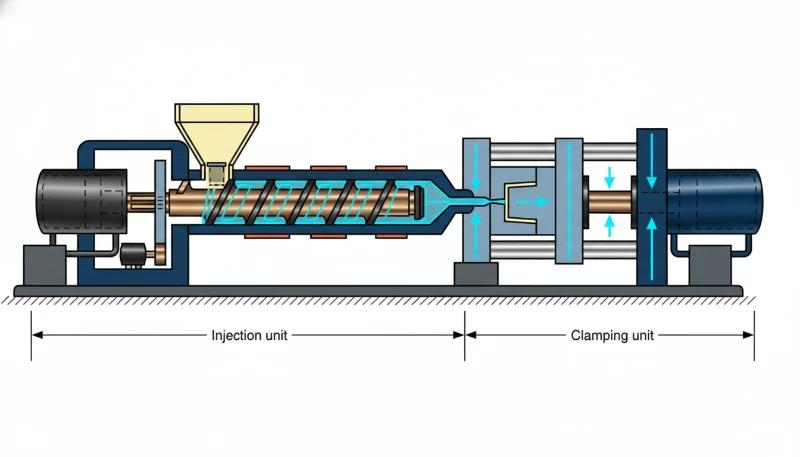
金型が閉じ、射出ユニットがキャビティを充填します。溶融温度(PP系IMLでは通常200–240 °C)によって接着層が活性化し、数秒で基材に接着します。射出速度が重要です。速すぎると溶融先端がラベルをずらし、遅すぎると接着層が十分に活性化せず、層間剥離のリスクが残ります。
ステップ4:保圧、冷却、排出
キャビティ充填後、保圧で追加の材料を詰め、収縮を補います。冷却工程では、基材とラベル・部品間の接着の両方を固化させます。フィルムがわずかな断熱材として働き、キャビティ壁からの熱除去を遅らせるため、IML部品のサイクルタイムは標準的な射出成形より10~25%長くなります。冷却後、金型が開き、ロボットが装飾済みの完成部品を取り出します。
実際には、ラベル配置から部品排出までの全工程は、同じ金型の標準サイクルより1.5~3秒長くなります。8個取り金型を8秒サイクルで稼働する高速包装ラインでは、このロスが積み重なります。しかし経済面で重要なのは、パッド印刷、乾燥、検査、手直しという成形後の加飾工程全体をなくせることです。これらの工程には通常3~5日かかり、部品1個当たり$0.03~0.08が加算されます。
| パラメータ | 標準射出成形 | IML IM |
|---|---|---|
| サイクルタイム(PP、500 g部品) | 12–15 s | 14–18 s |
| 金型コストの上乗せ | 基準値 | +25–40% |
| 部品1個当たりの加飾費 | $0.03~0.08(パッド印刷) | $0.01~0.04(IMLフィルム) |
| ラベルの耐久性 | 2~5年(摩耗・退色) | 10年以上(統合型) |
| 自動化レベル | 標準ロボット | ラベルロボット+部品ロボット |
IMLにはどのような材料とフィルムを使用できるか?
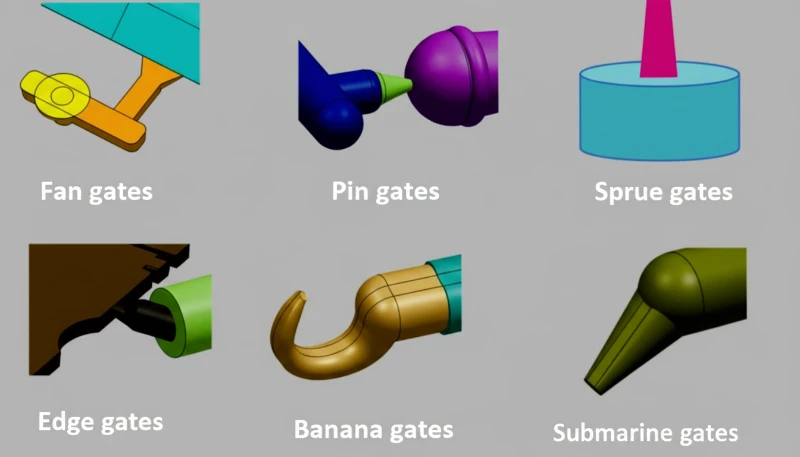
材料適合性は、IMLにおける最大の制約です。基材樹脂とフィルムはタイレイヤーを介して化学的に接着する必要があるため、フィルムの裏面層は成形する特定のポリマー系に合わせて配合しなければなりません。これを誤ると層間剥離が発生します。層間剥離は、生産から数週間後の熱サイクル試験や落下試験で初めて現れることが多く、IMLで特に厄介な不良です。
ラベル表面の焦げ跡
世界のIML生産の70%以上がPPを使用しています。理由は明快です。PPは特殊な接着層の化学処理なしでPP系IMLフィルムと確実に接合し、安価であり、IMLが最も普及している食品包装用途で主流だからです。部品をPPで設計できればIMLは容易で、フィルム費もサイズと印刷の複雑さに応じて通常1ラベル当たり$0.005~0.015と低く抑えられます。
ポリスチレン(PS)およびABS
PSとABSには、改質した接着層を備えた専用フィルム配合が必要です。接合は可能ですが条件の許容幅が狭く、樹脂温度と射出速度の加工ウィンドウも限定されます。当社では電子機器顧客向けにABS IML筐体を成形していますが、どのプロジェクトでも量産金型に着手する前にフィルムサンプル試験が必要でした。PPベースのIMLと比べて、材料認定にさらに2~4週間かかると見込んでください。
ポリカーボネート(PC)とエンジニアリング樹脂
PCのIMLは可能ですが一般的ではありません。高い加工温度(280~320 °C)で標準IMLフィルムが劣化する場合があるためです。特殊な耐熱フィルムもありますが、PP用フィルムの2~3倍の費用がかかります。用途でPCの耐衝撃性と透明性が不可欠でない限り、より低温の樹脂で成形し、設計上のトレードオフを受け入れる方が現実的です。
当社の上海工場では90T~1850Tの射出成形機47台を稼働し、PP、ABS、エンジニアリング基材でのIML試験向けに400種類以上の材料ライブラリを維持しています。20年以上の射出成形経験と8名の上級エンジニアにより、大半の材料・フィルム組み合わせの失敗を少なくとも一度は経験しており、一般的な落とし穴を避ける方法を把握しています。
IML金型は標準金型と何が違いますか?
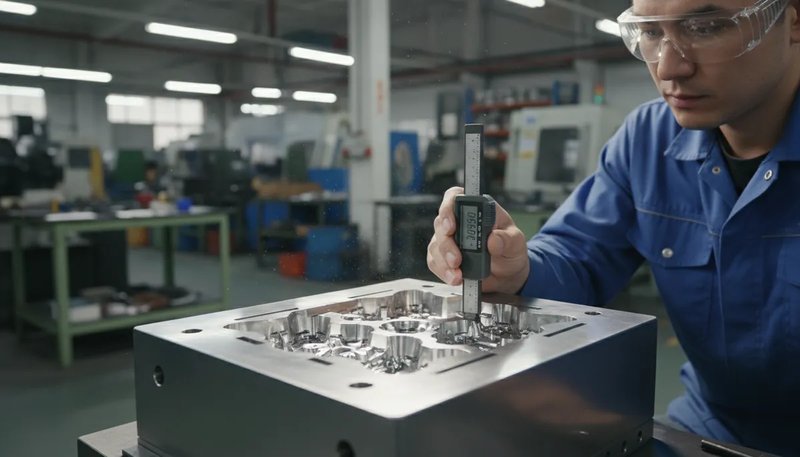
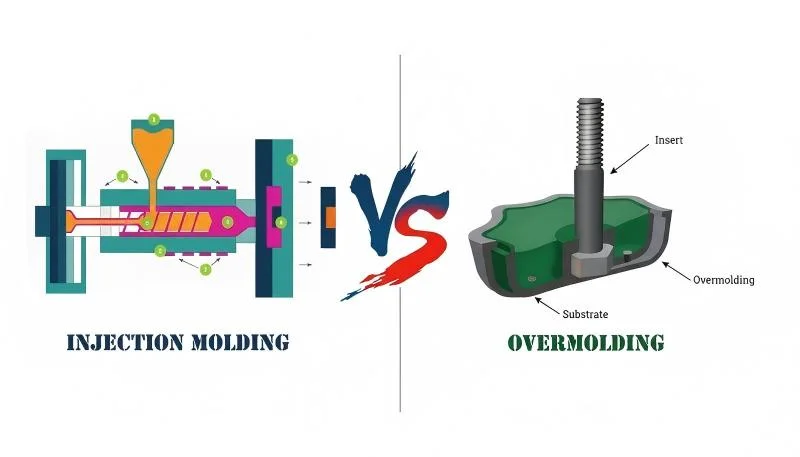
IML金型は、真空チャネル、ゲートの再配置、コア側エジェクションを備えた標準金型を改造したものです。これらの機能により、生産中のラベルのずれ、しわ、ピン貫通による損傷を防止します。
キャビティ背面の真空チャネル
量産用IML金型の多くは、ラベル側キャビティ表面の裏に小さな真空穴(直径0.3~0.5 mm)のネットワークを備えています。これらの穴は、型閉じおよび射出中にフィルムを平坦に保持する真空回路へ接続されます。真空補助がなければ、高い射出速度や大面積ラベルでは静電気だけでは不十分な場合があります。真空水路はキャビティインサートの加工時間と費用を増やし、先に述べた25~40%の金型追加費用の相当部分を占めます。
変更後のゲート位置と形状
ゲート位置は、折れやしわを生じさせず、溶融樹脂がラベルの一方の端から他方へ流れるように設定する必要があります。標準金型では、ゲート配置を充填パターンとウェルドライン位置に合わせて最適化します。IML金型ではさらに、ラベル面へ溶融樹脂を直接噴射し、目立つ焼け跡やラベルずれを生じさせないよう配置する必要があります。ゲート跡の位置も重要です。跡が印刷図柄を妨げないよう、可能な限り装飾のない面に配置します。
突出しシステムのクリアランス
エジェクタピンはラベル領域を通せません。ピンがフィルムを突き破ると、目立つ跡が残り、ラベルと部品の接合が壊れます。この制約があるため、金型設計者はすべての突き出しをコア側(ラベルのない側)から行うか、ストリッパープレートとエアブローによる離型を使用する必要があります。解決可能な設計課題ですが、射出成形金型設計の段階で意図的に計画しなければなりません。当社が経験したプロジェクトでは、この制約により初回金型試作後に突き出しシステムを全面的に再設計する必要がありました。IML金型設計に当初から加飾サプライヤーを関与させるべき理由を示す、高くつく教訓です。
「IML金型には、量産中のラベル損傷を防ぐため、真空チャネルと変更された突出し機構が必要です。」True
真空チャネルは射出中にラベルをキャビティ壁へ平らに保持し、突出はフィルム越しにピン跡が付くのを防ぐため、ラベルのない側に配置する必要があります。どちらも量産用IML金型の標準要件です。
「標準の量産金型でも、成形機にラベルロボットを追加するだけでIML対応に変更できます。」False
標準金型には、信頼性の高いIMLに必要な真空チャネル、ゲート配置、突き出しシステムの改造がありません。未改造金型でIMLを行うと、ラベルずれ、しわ、ピン貫通損傷により高い不良率が生じます。技術的には変換可能ですが、多くの場合、新しいIML金型の製作とほぼ同じ費用がかかります。
真空流路、ゲート形状、突き出し経路という3つの金型上の違いは、妥協できません。金型メーカーが金型費削減のためにいずれかを省く提案をした場合は、異議を唱えてください。当初の金型費節約分が、量産時に15%を超える不良率で帳消しになったプロジェクトを、当社はあまりにも多く見てきました。
当社は月間100セット以上の金型生産能力を持ち、8名のシニアエンジニアがすべてのIML金型設計を監督しています。後から機能を追加する手直し費用は、最初から正しく作る費用を必ず上回るため、初日から必要な機能を組み込みます。120名以上の生産作業者と30名以上の英語対応プロジェクトマネージャーにより、金型変更に関する意思疎通が翻訳の過程で失われることもありません。専任の国際営業チームなしでサプライヤー調達を行う際には、驚くほどよく起きる問題です。
IMLを初めて購入する多くの企業が見落とすもう1つの考慮事項は、金型の保守頻度です。IML金型の真空チャネルは小さく(0.3–0.5 mm)、特に充填材入りまたはガラス繊維強化材料を成形する場合、時間とともに樹脂残留物で詰まることがあります。より頻繁なキャビティ清掃を計画してください。通常、樹脂に応じて50,000–100,000ショットごとです。これは設計上の欠陥ではなく、精密IML金型を稼働する際に想定される保守コストです。
IMLで最も重要な工程パラメータは何ですか?
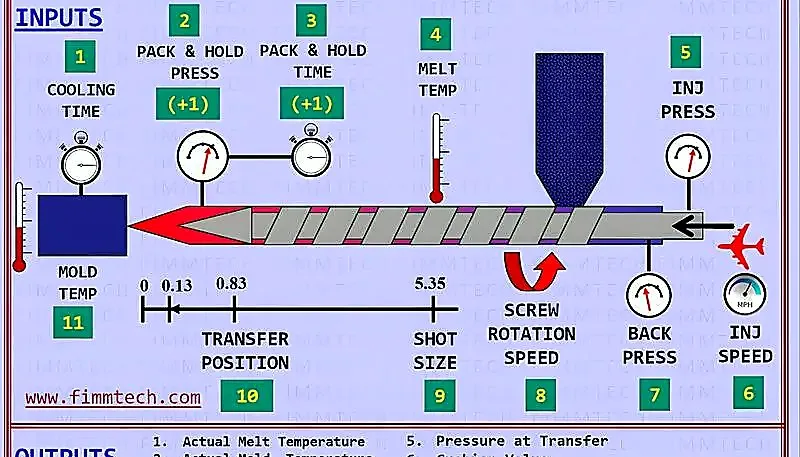
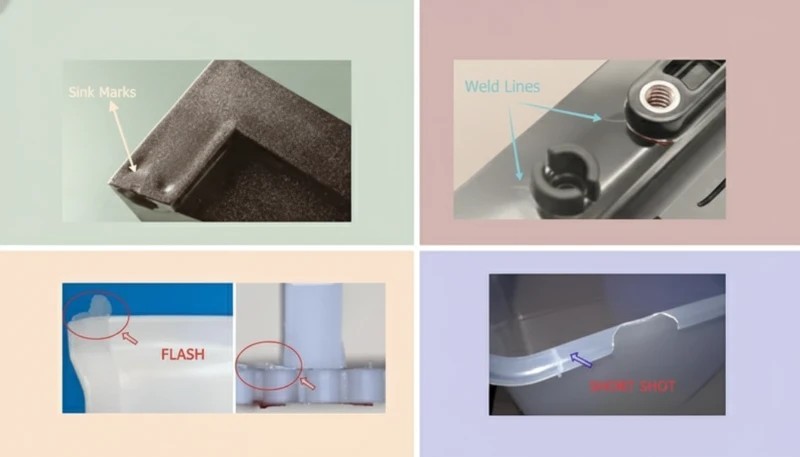
最も重要な4つのパラメータは、射出速度、溶融温度、保圧、金型温度です。プロセスウィンドウからわずかに逸脱するだけで、シンクマーク、バリ、ラベルの焼け跡などの欠陥が発生します。
射出速度と充填プロファイル
射出速度は、ラベル不良を最も引き起こしやすいパラメータです。速すぎると樹脂流動先端がラベルをキャビティ壁から押し離し、遅すぎるとタイ層が完全に溶融せず接着が弱くなります。多くのIML工程では多段充填プロファイルを使用します。開始時はラベル全体に流れを形成するため低速にし、樹脂流動先端が安定した後に速度を上げます。通常、ショットの最初の30%では標準充填速度の60~80%を目標とし、その後フルスピードまで上げます。
溶融温度
溶融温度は、フィルムの印刷面を劣化させることなくタイレイヤーを活性化できる十分な高さが必要です。PP IMLでは210–230 °Cで成形します。240 °Cを超えるとゴーストが発生するおそれがあります。これはインクの画像がキャビティ表面に薄く転写され、その後の成形品を汚染する現象です。ゴーストは最初の50ショットでは現れず、サイクルを重ねるごとに徐々に蓄積する不良のため、生産中にキャビティの清浄度を監視することが不可欠です。
保圧と保圧時間
保圧により、タイ層が固化する間、ラベルをキャビティ壁へ押し付けた状態に保ちます。圧力が低すぎるとラベルの縁が剥離し、高すぎると薄肉部で溶融樹脂がフィルムを突き抜ける場合があります。当社では一般に、IMLで標準保圧の60~80%を使用し、それを補うため保圧時間をわずかに延長します。重要な指標は縁の接着です。爪で角からラベルを剥がせるなら、保圧が不足していました。
金型温度
キャビティ側(ラベル側)は、フィルム表面の光沢を保護するため、標準温度より5~10 °C低く設定します。コア側は通常温度で運転します。この温度差により、サイクルタイム全体を犠牲にすることなくラベルの接着を促進できます。当社の生産現場では、多数個取り金型の全キャビティでこの温度差を一貫して維持することが、IMLスクラップ低減に最も効果的な工程管理の一つであることを確認しています。
最も一般的なIML不良と、その予防方法
一般的なIMLの欠陥には、しわ、ずれ、端部剥離、ゴースト、焼け跡があり、すべて配置、流動、または接着の問題によって引き起こされます。以下は、生産現場で見られる現象とそれぞれの修正方法です。
| 欠陥 | 根本原因 | 対策 |
|---|---|---|
| ラベルのしわ | フィルム過多または真空作動の遅れ | ラベルの打ち抜き公差を±0.1 mmに厳格化し、真空タイミングを確認 |
| ラベルずれ/オフセット | 静電気力不足または射出速度が高すぎる | 静電圧を上げ、初期充填速度を下げる |
| 端部の層間剥離 | タイ層が完全に活性化していない | 溶融温度を5~10 °C上げ、保圧時間を延長 |
| キャビティ上のインク残像 | 溶融温度が高すぎる | PPでは溶融温度を240 °C未満に下げる |
| ラベル面の焼け跡 | 静電気チャージとは、ロボット挿入時にIMLフィルムを金属金型表面に密着させ、キャビティ充填時のずれを防止するために印加される静電圧を指します。 | ゲートを移設するか、フローデフレクタを追加 |
| ラベル下のエア噛み | 真空穴の詰まりまたは不足 | エアトラップ位置の近くに真空穴を追加 |
当社の上海工場では、6段階の品質ワークフロー(IQCからOQCまで)を使用して、工程内検査段階でほとんどのIML欠陥を捕捉しています。ISO 9001およびISO 13485システムの下では、すべてのIML生産ロットは、バッチがリリースされる前に初品検査を受けます。
上記の欠陥は、IML不良品の約90%を占めます。ほとんどの欠陥は、射出速度、真空タイミング、ゲート位置を調整することで、最初の3回の生産ロットで解消できます。
IML射出成形に関するよくある質問
IMLとIMDの違いは何ですか?
IML(インモールドラベリング)は、予め印刷されたフィルムを金型キャビティ内に配置し、射出成形中に基材に接着します。IMD(インモールドデコレーション)は、IMLに加えて、インモールドペインティングやフィルムインサート成形など、装飾が部品と完全に接着しない技術を含むより広いカテゴリーです。
IML金型費は標準金型と比べてどの程度ですか?
IML金型は、同等サイズの標準金型よりも通常25〜40%高価です。このプレミアムは、真空チャネル、ラベル位置決め機能、自動ラベルハンドリングシステムをカバーしています。初期費用の高さは、大量生産における成形後装飾の労力を排除することで相殺されます。
IMLは食品安全性とリサイクル性がありますか?
はい。PPベースのIMLは、食品直接接触包装に広く使用されており、FDA 21 CFRおよびEU規則10/2011に準拠しています。ラベルと容器が同じポリプロピレンであるため、完成品はラベルの分離なしで標準的なPP廃棄物流に完全にリサイクル可能です。
金型を変更せずにラベルデザインを変更できますか?
はい。これはIMLの最大の運用上の利点の一つです。金型キャビティは変更しないため、更新した図柄で打ち抜いたラベルを新たに発注するだけで済みます。スクリーン印刷やパッド印刷で版を変更する場合と比べ、段取り時間とコストを最小限に抑えられます。
IMLが費用対効果を得るための最小生産量は?
IMLは、生産ロットあたり約50,000から100,000ユニットで費用対効果が高くなります。その閾値を下回ると、金型プレミアムとラベルあたりのフィルムコストが、二次装飾を排除することで得られる節約分を相殺できません。年間生産量が50,000部未満の場合、パッド印刷または熱転写ラベリングが通常、装飾部品あたりの総コストを低く抑えます。ただし、ブランドの外観が高い単価を正当化する民生電子機器や高級包装では、少量生産でもIMLが意味を持つ場合があります。