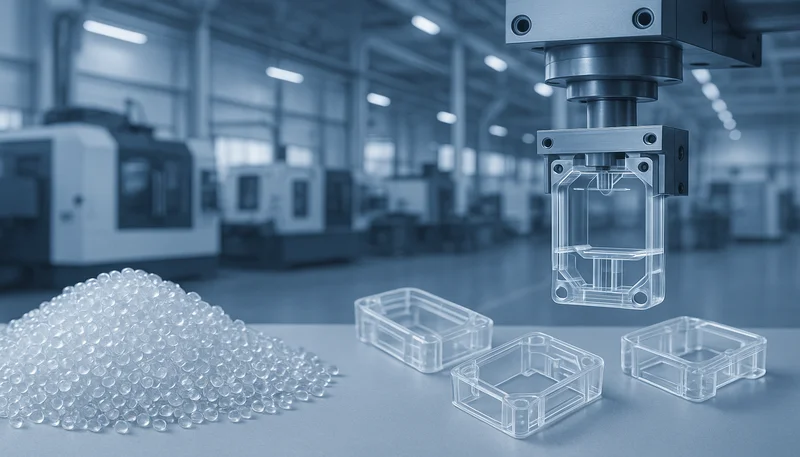
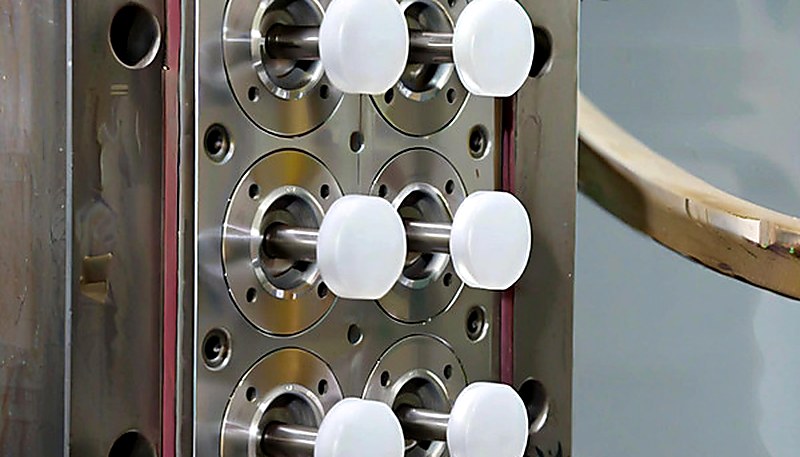
- – Полистирол (PS) — аморфный термопласт с превосходной прозрачностью, стабильностью размеров и коротким циклом 15–30 секунд.
- – Литьё PS выполняется при низких температурах (расплав 180–260°C, форма 20–50°C), поэтому оно энергоэффективнее переработки инженерных пластиков.
- – GPPS обеспечивает светопропускание до 90%; модифицированный каучуком HIPS повышает ударную вязкость долговечных изделий.
- – Типичные области применения включают пищевую упаковку, корпуса электроники и лабораторные расходные материалы, где особенно важны стоимость и прозрачность.
Что такое литьё PS под давлением и почему оно так широко применяется?
Литьё PS под давлением — это процесс изготовления деталей из полистирола1 путём впрыска расплавленной смолы в прецизионную пресс-форму. Это один из самых распространённых в мире процессов литья под давлением, а годовой объём производства PS превышает 14 миллионов метрических тонн. На нашем заводе мы ежедневно выпускаем детали из PS — от прозрачных пищевых контейнеров до корпусов электроники, — поскольку этот материал сочетает низкую стоимость ($1.00–1.50/kg), простоту переработки и превосходное качество поверхности.
Полистирол относится к семейству аморфных полимеров2, то есть не имеет кристаллической структуры. Благодаря этому PS обладает предсказуемой усадкой (0.3–0.6%), высокой точностью размеров и не требует длительных циклов охлаждения, необходимых для полукристаллических материалов. По нашему опыту, для большинства геометрий деталей PS стабильно обеспечивает допуски ±0.1 mm без специальной корректировки оснастки.
В литье PS доминируют две основные марки:
| Недвижимость | GPPS (общего назначения) | HIPS (ударопрочный) |
|---|---|---|
| Прозрачность | Кристально прозрачный (светопропускание 90%) | Непрозрачный |
| Ударная прочность | Низкая (15–20 J/m) | Средняя (60–120 J/m) |
| Прочность на разрыв | 35–55 MPa | 20–35 MPa |
| Теплостойкость (HDT) | 80–95°C | 75–90°C |
| Типичное применение | Прозрачная упаковка, оптические детали | Корпуса электроники, бытовая техника |
"“При литье PS под давлением температура пресс-формы ниже (20–50°C), чем для большинства конструкционных пластмасс.”"True
Поскольку PS аморфен и имеет температуру стеклования около 100°C, он быстро затвердевает при низкой температуре пресс-формы, сокращая цикл и энергопотребление.
"“Для правильного заполнения полистиролу требуется высокая температура формы выше 100°C.”"False
PS — аморфный полимер с относительно низкой вязкостью расплава. Температуры формы 20–50°C достаточно для большинства деталей из PS, что является одной из причин высокой энергоэффективности его переработки.
Какие ключевые свойства материала делают PS идеальным для литья под давлением?
Ключевые свойства PS — низкая вязкость расплава, минимальная усадка и отличная текучесть. По нашему опыту, PS заполняет тонкостенные участки толщиной до 0.5 mm при минимальном давлении, тогда как материалы PC или POM при той же толщине стенки справляются с этим хуже.
Вот критически важные свойства материала, которые мы учитываем при выборе PS для проекта:
| Недвижимость | Диапазон значений | Почему это важно |
|---|---|---|
| Индекс текучести расплава (MFI) | 2–30 g/10min | Более высокий MFI = более лёгкое заполнение сложной геометрии |
| Плотность | 1.04–1.06 g/cm3 | Лёгкие детали, меньшая стоимость материала на объём |
| Скорость усадки | 0.3–0.6% | Предсказуемые размеры, достижимы жёсткие допуски |
| Точка размягчения по Викату | 85–105°C | Определяет максимальную рабочую температуру |
| Диэлектрическая прочность | 20–28 кВ/мм | Хорошая электрическая изоляция для электроники |
| Водопоглощение (24h) | 0.03–0.10% | Перед переработкой требуется минимальная сушка |
Одно из практических преимуществ PS — очень низкое влагопоглощение, обычно менее 0,1%. Поэтому часто можно отказаться от предварительной сушки, обязательной для таких материалов, как нейлон или PET. В большинстве случаев GPPS подается из мешка прямо в загрузочную воронку. Для HIPS может быть полезна сушка в течение 1–2 часов при 70–80°C, если материал хранился во влажных условиях, но это редко имеет критическое значение.
Каковы основные этапы процесса литья PS под давлением?
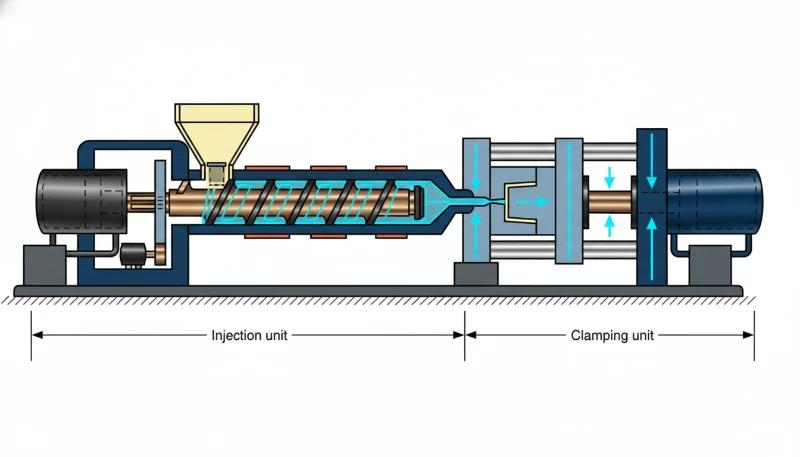
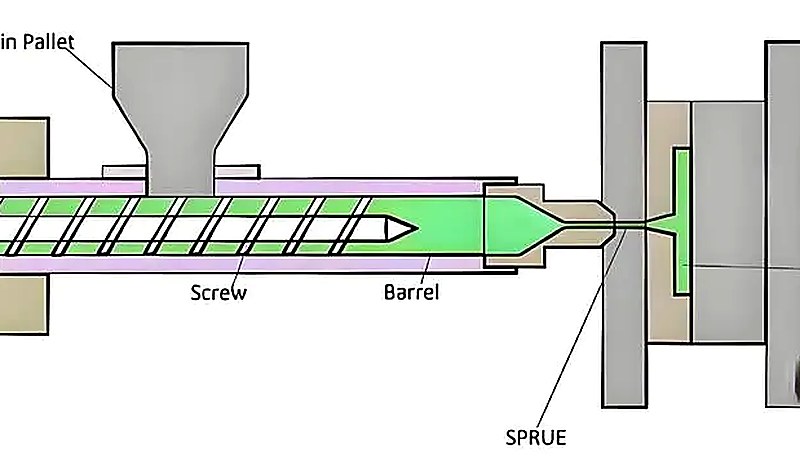
Процесс литья PS представляет собой стандартный цикл плавления, впрыска, выдержки под давлением, охлаждения и выталкивания, оптимизированный с учётом низкой вязкости полистирола. Типичный цикл занимает 15–30 секунд, что на 20–40% быстрее, чем при изготовлении сопоставимых деталей из ABS или PC.
Вот как мы перерабатываем PS на нашем предприятии:
Шаг 1: Подготовка материала. Загрузите гранулы PS в бункер. GPPS обычно не требует сушки. При необходимости сушите HIPS при 70–80°C в течение 1–2 часов.
Шаг 2: Пластикация. Шнек вращается, расплавляя PS при 180–260°C. Мы используем универсальный шнек со степенью сжатия 2.0–2.5:1. PS легко плавится и не требует высокой точности температуры расплава3 — допустимо отклонение ±5°C.
Шаг 3: Впрыск. Шнек движется вперёд со скоростью впрыска 30–80 mm/s, заполняя полость под давлением 40–100 MPa. PS обладает высокой текучестью, поэтому мы поддерживаем умеренную скорость впрыска, чтобы избежать струйных следов на поверхности.
Шаг 4: Подпрессовка и выдержка. В течение 3–8 секунд мы поддерживаем давление выдержки на уровне 40–60% от давления впрыска, чтобы компенсировать усадку. Поскольку усадка PS невелика (0.3–0.6%), время подпрессовки относительно короткое.
Шаг 5: Охлаждение. Детали охлаждаются в пресс-форме при 20–50°C в течение 8–20 секунд. Будучи аморфным материалом, PS быстро затвердевает — время на кристаллизацию не требуется.
Шаг 6: Извлечение. Пресс-форма открывается, и выталкивающие штифты извлекают деталь. PS жёсткий и может быть хрупким (особенно GPPS), поэтому мы используем достаточное количество выталкивающих штифтов, чтобы равномерно распределить усилие и избежать растрескивания.
Какие параметры переработки критически важны для качества литья PS под давлением?
Критические параметры литья PS под давлением — температура расплава, скорость впрыска и время охлаждения. Правильная настройка этих трёх параметров определяет, получите ли вы кристально прозрачные детали из GPPS или помутнение, следы напряжений и хрупкие разрушения. Мы оптимизировали эти параметры в сотнях проектов из PS, и таблица ниже отражает наши проверенные настройки.
| Параметр | Диапазон GPPS | Диапазон HIPS | Примечания |
|---|---|---|---|
| Температура расплава | 180–240°C | 200–260°C | Более высокая температура улучшает прозрачность GPPS |
| Температура пресс-формы | 20–40°C | 30–50°C | Ниже температура = короче цикл, выше температура = лучше поверхность |
| Давление впрыска | 40–80 MPa | 50–100 MPa | Для HIPS требуется немного большее давление |
| Скорость впрыска | Средняя (30–60 mm/s) | Средне-высокая (40–80 mm/s) | Слишком высокая скорость вызывает струйное течение, слишком низкая — следы течения |
| Давление удержания | 30–50 MPa | 35–60 MPa | 40–60% давления впрыска |
| Время удержания | 3–6 секунд | 4–8 секунд | До затвердевания литника |
| Время охлаждения | 8–15 секунд | 10–20 секунд | Зависит от толщины стенки |
| Противодавление | 3–10 MPa | 5–15 MPa | Обеспечивает однородность расплава |
Ключевой усвоенный нами урок: для прозрачных деталей из GPPS поддерживайте температуру расплава в верхней части диапазона (220–240°C), а скорость впрыска — умеренной. Высокая скорость вызывает помутнение из-за сдвига, которое ухудшает оптическую прозрачность. Для деталей из HIPS, где ударная прочность важнее внешнего вида, мы повышаем температуру расплава до 240–260°C для полного диспергирования каучуковой фазы.
"“PS обладает одной из самых низких чувствительностей к влаге среди распространенных пластиков для литья под давлением.”"True
При водопоглощении менее 0.1% PS гораздо менее чувствителен к влаге, чем нейлон (1.5–2.5%), PET (0.3%) и даже ABS (0.2–0.4%). Это упрощает обращение с материалом и сокращает время и стоимость предварительной подготовки.
"“PS требует длительной сушки (4+ часа) перед литьем под давлением, как и нейлон.”"False
Полистирол поглощает очень мало влаги (0,03–0,10% за 24 часа). GPPS обычно можно перерабатывать без сушки, а HIPS во влажных условиях требуется лишь 1–2 часа при 70–80°C. Это значительно менее строгие требования, чем для нейлона, которому требуется сушка в течение 4–6 часов.
Каковы распространенные дефекты при литье PS под давлением и как их предотвратить?
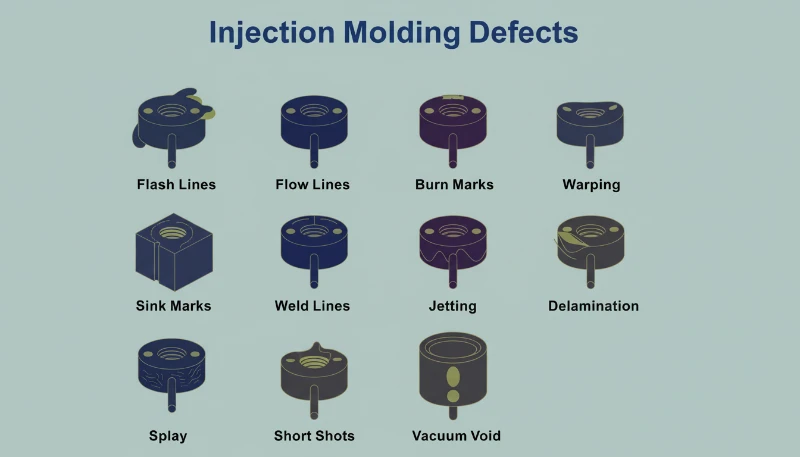
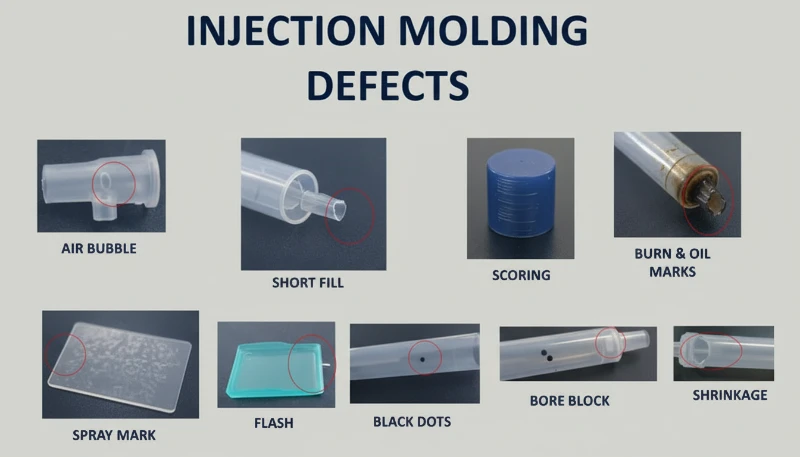
Наиболее распространенные дефекты литья PS — растрескивание, следы течения и серебристые полосы, вызванные его жесткой аморфной структурой. На нашем производстве разработаны специальные меры против каждого дефекта, снижающие долю брака ниже 1%.
| Дефект | Предотвращает образование утяжин на противоположной поверхности | Решение |
|---|---|---|
| Растрескивание / хрупкость | Чрезмерные внутренние напряжения, переуплотнение | Да, марки GPPS и HIPS доступны в составах, соответствующих требованиям FDA и ЕС 10/2011 для контакта с пищевыми продуктами. PS широко используется для стаканчиков для йогурта, контейнеров для деликатесов и одноразовых столовых приборов. Всегда уточняйте у вашего поставщика пищевую смолу и следите, чтобы температура обработки не превышала 280°C, чтобы избежать термической деградации. |
| Серебряные полосы | Влага, разложение материала | При необходимости высушите материал, снизьте температуру расплава, проверьте наличие загрязнений |
| Знаки потока | Холодный материал, медленный впрыск | Увеличьте температуру расплава на 10–15°C, оптимизируйте профиль скорости впрыска |
| Мутность (GPPS) | Кристаллиты, вызванные сдвигом, загрязнение | Снизьте скорость впрыска, тщательно очистите цилиндр, используйте первичный материал |
| Деформация | Неравномерное охлаждение, асимметричная толщина стенок | Сбалансируйте каналы охлаждения, поддерживайте равномерную толщину стенки ±10% |
| Маркировка раковины | Толстые участки, недостаточная подпитка | Удалите материал из толстых участков, увеличьте давление/время выдержки |
| Струйная обработка | Высокоскоростное течение через малый литник | Увеличьте литник, снизьте начальную скорость впрыска, используйте веерный литник |
Одна критическая проблема, характерная для PS, — растрескивание под напряжением при воздействии некоторых химических веществ. Мы наблюдали самопроизвольное растрескивание деталей из GPPS после контакта с клеями, чистящими растворителями и даже некоторыми печатными красками. Всегда проверяйте химическую совместимость, прежде чем выбирать PS для деталей, которые будут склеиваться, окрашиваться или подвергаться воздействию растворителей при эксплуатации.
Где в реальных изделиях применяется литье PS под давлением?
Литые детали из PS применяются во всём мире в пищевой упаковке, электронике, медицинских изделиях и товарах для дома. Мы производим детали из PS для заказчиков во всех этих отраслях, и универсальность материала продолжает нас удивлять.
Пищевая упаковка (GPPS и HIPS): прозрачные контейнеры-ракушки, стаканчики для йогурта, одноразовые столовые приборы и лотки для гастрономических продуктов. GPPS обеспечивает ожидаемую потребителями прозрачность, а HIPS подходит для изделий, требующих большей прочности. PS соответствует требованиям FDA к материалам, контактирующим с пищевыми продуктами.
Бытовая электроника (HIPS): корпуса телевизоров и пультов дистанционного управления, картриджи для принтеров и панели бытовой техники. HIPS отличается хорошей ударопрочностью, легко окрашивается и запечатывается, а также обеспечивает низкую себестоимость массовых потребительских товаров.
Медицинские и лабораторные изделия (GPPS): чашки Петри, пробирки, наконечники пипеток и корпуса диагностических приборов. Благодаря оптической прозрачности и совместимости с гамма-стерилизацией GPPS широко применяется для производства лабораторных расходных материалов.
Товары для дома: коробки для CD/DVD, фоторамки, вешалки для одежды и органайзеры для хранения. Из PS легко формовать изделия сложной формы с превосходным качеством поверхности при минимальных затратах.
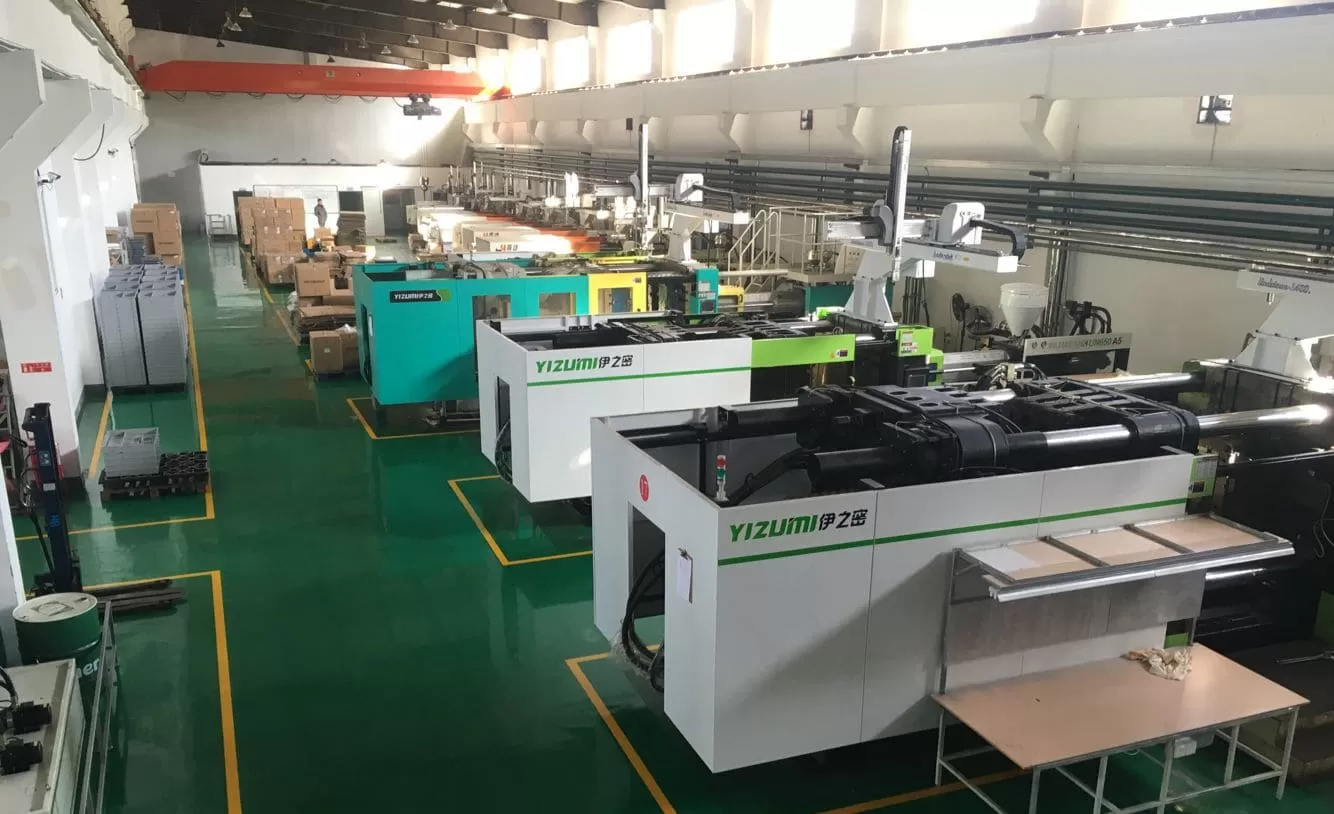
На нашем заводе в Шанхае эксплуатируются 47 термопластавтоматов усилием смыкания от 90T до 1850T; мы имеем опыт переработки 400+ видов пластмасс, включая как GPPS, так и HIPS. Такой диапазон позволяет точно подбирать марку PS и усилие смыкания машины под требования каждого проекта.
Как конструкция формы предотвращает распространенные дефекты литья PS?
Конструкция формы для PS критически важна, поскольку хрупкость материала превращает любые ошибки оснастки в дефекты, ведущие к браку. Так как PS более хрупок, чем ABS или PP, ошибки конструкции формы, допустимые для более прочных материалов, при работе с полистиролом становятся причиной брака.
Конструкция литника: для деталей из PS мы рекомендуем веерные или туннельные литники. Точечные литники подходят для небольших деталей, но могут создавать концентрацию напряжений в области литника, приводящую к растрескиванию. Для GPPS диаметр литника должен составлять 60–80% толщины стенки, а для HIPS — быть немного больше.
Схема охлаждения: равномерное охлаждение критически важно, поскольку перепады температуры легко вызывают коробление PS. Мы размещаем охлаждающие каналы на расстоянии от поверхности полости, равном 1.5–2× диаметра канала, и поддерживаем температуру воды на уровне 20–40°C. Конформное охлаждение особенно эффективно для деталей сложной геометрии.
Углы уклона: для PS требуется уклон не менее 1–2° — больше, чем для PP (0.5–1°), — поскольку из-за жёсткости и хрупкости материал может растрескаться при принудительном снятии с пуансона. Для текстурированных поверхностей добавляйте 1° на каждые 0.025 mm глубины текстуры.
Толщина стенки: поддерживайте равномерную толщину стенок в пределах 1.0–3.0 mm. В изделиях с коротким путём течения PS способен заполнять стенки толщиной до 0.5 mm, однако при толщине менее 1.0 mm повышается риск хрупкого разрушения. Чтобы предотвратить коробление, отклонение толщины не должно превышать ±10%.
Система выталкивания: используйте больше выталкивающих штифтов, чем для PP или PE. При изготовлении деталей из PS мы обычно размещаем выталкиватели на расстоянии не более 50 mm друг от друга, а для длинных кромок используем пластинчатые выталкиватели, чтобы распределить усилие и предотвратить появление трещин от напряжений.
Часто задаваемые вопросы
В чем разница между GPPS и HIPS при литье под давлением?
GPPS (полистирол общего назначения) — прозрачная жесткая марка со светопропусканием около 90%, предпочтительная для прозрачной упаковки, оптических компонентов и лабораторных расходных материалов, таких как чашки Петри и пробирки. HIPS (ударопрочный полистирол) — непрозрачная модифицированная каучуком марка с ударной прочностью в 3–6 раз выше: обычно 60–120 J/m против 15–20 J/m у GPPS. HIPS широко применяют для корпусов электроники, панелей бытовой техники и потребительских изделий, где долговечность важнее прозрачности. Обе марки перерабатываются при сходных температурах и относятся к наиболее экономичным термопластам для литья под давлением.
Можно ли переработать детали PS, отлитые под давлением?
Да, PS полностью пригоден для переработки под идентификационным кодом смолы 6. Марки GPPS и HIPS можно неоднократно измельчать и перерабатывать; на нашем заводе мы регулярно смешиваем 20–30 процентов дробленого вторичного материала с первичным без существенной потери механических свойств. Однако фактический уровень переработки сильно зависит от местной коммунальной инфраструктуры: многие муниципальные программы не принимают пеноматериал PS или жесткие контейнеры из PS. В промышленности замкнутые системы повторного использования дробленого материала являются стандартной практикой и наиболее эффективным способом переработки деталей из PS, изготовленных литьем под давлением.
Какова типичная продолжительность цикла литья PS под давлением?
Типичный цикл литья PS составляет 15–30 секунд для стандартных деталей с толщиной стенки 1.5–2.5 mm. Это на 20–40% быстрее, чем для сопоставимых деталей из ABS или PC, поскольку аморфный PS быстро затвердевает при низкой температуре формы 20–50 градусов Цельсия. Для тонкостенной упаковки оптимизированное охлаждение и высокоскоростное выталкивание сокращают цикл до 8–12 секунд. Короткий цикл — одно из ключевых экономических преимуществ PS в крупносерийном производстве.
Безопасен ли PS для изделий, контактирующих с пищевыми продуктами?
И GPPS, и HIPS доступны в рецептурах, соответствующих требованиям FDA и EU Regulation 10/2011 для прямого контакта с пищевыми продуктами. PS — один из наиболее широко используемых материалов для пищевой упаковки: стаканчики для йогурта, контейнеры для готовых продуктов, раскладная упаковка и одноразовые столовые приборы обычно изготавливаются из пищевого PS. При выборе полимера пищевого класса подтвердите сертификацию марки у поставщика и обеспечьте температуру переработки ниже 280 degrees Celsius, чтобы предотвратить термическую деструкцию и свести к минимуму риск миграции мономера стирола в пищевые продукты.
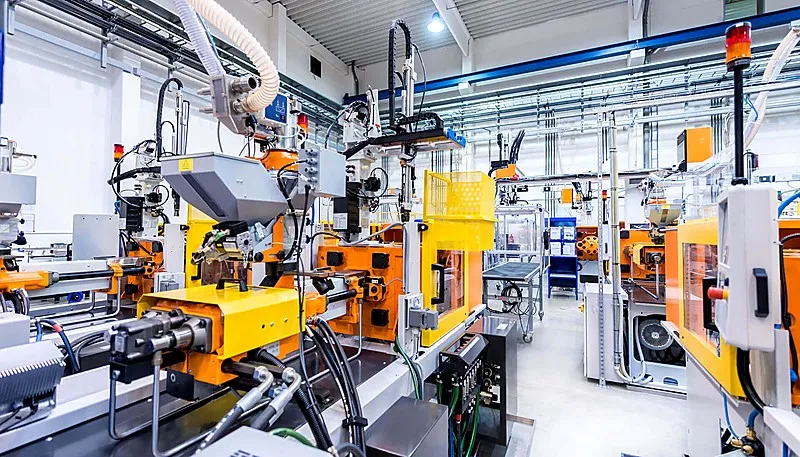
Высокотехнологичный завод по литью под давлением с автоматизированными производственными линиями
В расчёте на килограмм PS стоит на 30–40% меньше, чем ABS, и перерабатывается быстрее благодаря более низкой вязкости расплава и менее строгим требованиям к температуре пресс-формы, что снижает энергопотребление за цикл. Однако ударная прочность ABS в 5–10 раз выше, а теплостойкость лучше: HDT составляет от 95 до 110 градусов Цельсия против 80–95 градусов Цельсия у PS. ABS также обладает более высокой химической стойкостью и легче поддаётся окрашиванию или склеиванию. Выбор определяется приоритетом применения: стоимость и прозрачность (PS) либо ударная вязкость и более высокая рабочая температура (ABS).
Почему детали из PS трескаются после формования?
Растрескивание деталей из PS после формования чаще всего вызвано остаточными внутренними напряжениями из-за чрезмерного давления выдержки, высокой скорости впрыска или недостаточных уклонов при выталкивании. Ещё один существенный риск — растрескивание под воздействием среды: PS чувствителен к растворителям, клеям, некоторым чистящим средствам и даже отдельным печатным краскам, которые могут вызвать отсроченное хрупкое разрушение. Для предотвращения трещин снизьте давление выдержки до 40–60 процентов давления впрыска, поддерживайте температуру формы от 40 до 50 градусов Цельсия, предусмотрите уклон не менее 1.5 градуса и обязательно проводите испытания на химическую совместимость до утверждения PS для любого применения, связанного с клеями, покрытиями или воздействием растворителей.
Что следует помнить о литье PS под давлением?
Литьё PS под давлением — экономичный процесс с 15-секундными циклами и температурой расплава 180–260°C. GPPS обеспечивает оптическую прозрачность, а HIPS — повышенную ударную вязкость. Успех зависит от контроля скорости впрыска, уклонов в конструкции пресс-формы и химической совместимости. Более широкий контекст представлен в нашем полном руководстве по литью под давлением; вы также можете найти поставщика услуг литья под давлением для своего следующего проекта.
полистирол: Полистирол (PS) — это синтетический ароматический полимер, получаемый из мономера стирола и относящийся к аморфным термопластам. Он выпускается в марках общего назначения (GPPS) и ударопрочных марках (HIPS). ↩
аморфный полимер: Аморфный полимер — это пластик, молекулярные цепи которого не имеют дальнего кристаллического порядка, что обеспечивает прозрачность, изотропную усадку и наличие выраженной температуры стеклования вместо чёткой температуры плавления. ↩
температура расплава: Температура расплава — это температура, при которой полимер полностью расплавляется и приобретает достаточную текучесть для литья под давлением; она измеряется на конце сопла. Она напрямую влияет на характер течения, ориентацию молекул и возможную термическую деструкцию материала. ↩