- Перечисленные поставщики из Сингапура выполняют программы для здравоохранения, термопластов и высокоточного промышленного литья.
- До присуждения RFQ при формировании короткого списка следует сравнить права на конструкцию пресс-формы, дисциплину валидации и скорость коммуникации.
- Одних мощностей по изготовлению оснастки недостаточно; покупателям также нужны документированный контроль качества и управление изменениями после T1.
- Зарубежного поставщика вроде Zetar можно сравнивать с местными, когда важны мощности, стоимость или вторичные процессы.
- Используйте контрольный список выбора поставщика до окончательного расчёта, чтобы снизить риски запуска и избежать коммерческих неожиданностей.
Сингапур находится на перекрестке глобальной торговли, точного машиностроения и передового производства, что делает его одним из наиболее стратегически важных мест в Юго-Восточной Азии для поиска высококачественной пресс-форма для литья под давлением продукции в области машиностроения термопласты1. Независимо от того, являетесь ли вы разработчиком продукции, ищущим компоненты с жесткими допусками, или партнером по закупкам для литья под давлением, сочетание технического опыта, инфраструктуры мирового класса и строгих стандартов качества делает Сингапур привлекательным местом для производства.
Как выглядит рынок литья под давлением в Сингапуре?
Рынок литья под давлением в Сингапуре оценивается примерно в USD 1.8 миллиарда и растет на 5–7% в год благодаря спросу со стороны производителей медицинских изделий, полупроводникового оборудования и прецизионной электроники. В городе-государстве работает более 200 компаний точного машиностроения; для многих литье под давлением является ключевой компетенцией вертикально интегрированных предприятий в промышленных зонах Tuas Biomedical Park, Gul Circle и Woodlands Industrial Park.
Рынок состоит из трех уровней: крупные контрактные производители, связанные с международными группами (Beyonics, Hi-P, Sunningdale Tech) и обслуживающие глобальных OEM; средние прецизионные литейщики (Fu Yu, Techplas, Meiban), специализирующиеся на сложной многогнездной оснастке для регулируемых отраслей; гибкие SMEs, ориентированные на быстрое прототипирование, малосерийный выпуск и переработку нишевых материалов. В отличие от соседних Малайзии и Вьетнама, ценностное предложение Сингапура — не стоимость, а сочетание защиты IP, глубины нормативного соответствия и точности персонала, оправдывающее повышенные цены.
Ключевые области применения включают медицинские изделия и диагностику (литье в чистых помещениях, сертификация ISO 13485), компоненты полупроводникового оборудования (защита от ESD, сверхжесткие допуски), корпуса и разъемы бытовой электроники, а также узлы автомобильной электроники. Стратегическое положение Сингапура как логистического центра — с авиаперевозками через аэропорт Чанги и одним из самых загруженных контейнерных портов мира — позволяет местным предприятиям поставлять продукцию заказчикам в US, EU и странах ASEAN со сроками доставки, сопоставимыми или меньшими, чем у конкурентов на юге Китая.
Какие компании литья под давлением являются ведущими в Сингапуре?
К ведущим сингапурским компаниям по литью под давлением относятся Beyonics, Fu Yu, Hi-P, Sunningdale Tech и Meiban Group. Ниже приведён подробный профиль возможностей и специализации каждой компании.
1. Beyonics International
Beyonics International — ведущий поставщик решений в области точного производства и технологий со штаб-квартирой в Сингапуре и предприятиями по всей Юго-Восточной Азии. Компания специализируется на прецизионном литье для жёстких дисков, бытовой электроники и автомобилей. Предприятия оснащены полностью автоматизированными ячейками, чистыми помещениями и комплексом вторичных операций, включая окраску, нанесение покрытий и узловую сборку. Сингапурская площадка служит центром инженерной поддержки и управления программами, координируя производство в Малайзии и Таиланде.
2. Fu Yu Corporation
Fu Yu — публичная компания, производящая прецизионные пластиковые изделия на площадках в Сингапуре, Малайзии и Китае. Компания специализируется на прецизионном литье под давлением деталей для офисного оборудования, бытовой электроники и медицинских изделий. Подразделения Fu Yu в Сингапуре сосредоточены на дорогостоящих сложных формах, требующих жестких допусков размеров и высококачественной отделки поверхности. Вертикально интегрированная модель — от проектирования форм до вторичных операций — обеспечивает сквозной контроль цепочки поставок.
Hi-P International, ныне входящая в группу Foxconn, — один из крупнейших в Сингапуре производителей прецизионных пластмассовых деталей литьем под давлением и поставщиков контрактного производства. Компания предлагает международным заказчикам из отраслей бытовой электроники, телекоммуникаций и здравоохранения комплексные производственные решения, включая проектирование продукции, изготовление пресс-форм, литье под давлением и окончательную сборку. Сингапурские предприятия Hi-P специализируются на многономенклатурном производстве средних и крупных серий с развитой автоматизацией, декорированием в пресс-форме (IMD) и двухкомпонентным литьем.
3. Hi-P International
4. Coda Plastics
Ecospec Global Technology — сингапурский производитель изделий методом литья под давлением, ориентированный на экологически устойчивые производственные процессы и переработку экологичных полимеров. Компания специализируется на литье изделий из рецептур на основе вторичного и биосырья для потребительских товаров, упаковки и строительных материалов. Возможности Ecospec включают литье под давлением стандартных и инженерных полимеров, собственные испытания качества, подбор цвета и поддержку при сертификации материалов.
Coda Plastics — средний производитель литья под давлением для строительства, электротехники и потребительских товаров в Сингапуре и регионе ASEAN. Компания предлагает литье стандартной и средней сложности, собственную оснастку и вторичные операции: тампонную печать, ультразвуковую сварку и сборку.
5. Ecospec Global Technology
Sunningdale Tech — зарегистрированный на Сингапурской бирже производитель прецизионных изделий с предприятиями литья под давлением в Сингапуре, Малайзии, Китае и Индонезии. Компания обслуживает автомобильную и медицинскую отрасли, производителей бытовой электроники и систем фильтрации воды, предлагая передовое проектирование оснастки, высокоточное многогнездное литьё и автоматизированную сборку. Компетенции Sunningdale включают литьё со вставками, литьё поверх основы, производство медицинских изделий в чистых помещениях и развитую метрологию для деталей с жёсткими допусками.
6. Sunningdale Tech
7. Techplas Industries
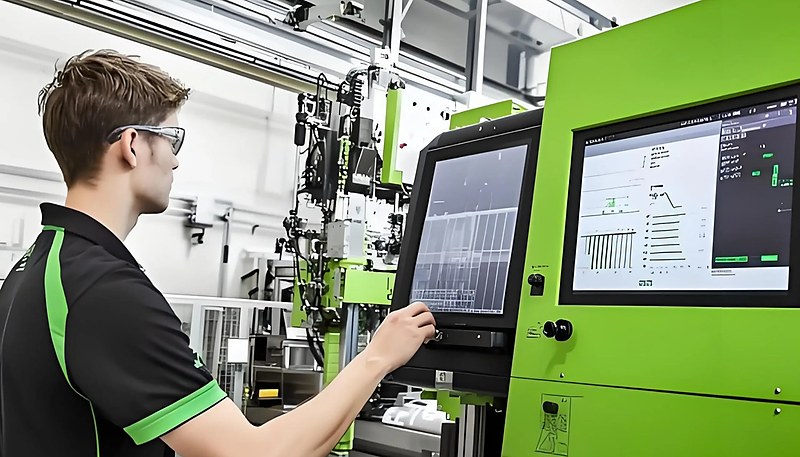
Techplas Industries — сингапурский производитель прецизионных литьевых деталей, специализирующийся на сложных пластмассовых компонентах для медицины, электроники и промышленности. Компания эксплуатирует чистые помещения для литья, сертифицированные по ISO 13485, и оказывает полную поддержку DFM от проектирования пресс-формы до серийного выпуска. Techplas известна высоким уровнем изготовления пресс-форм и способностью выполнять сложные проекты многогнездной оснастки с жесткими размерными допусками.
8. Pacific Plastics Singapore
Pacific Plastics — среднее или крупное предприятие литья под давлением, обслуживающее производителей автомобилей, потребительской электроники и товаров для дома в Сингапуре и регионе ASEAN. Парк термопластавтоматов компании охватывает широкий диапазон усилий смыкания; также предлагаются комплексные вторичные операции, включая тампонную печать, горячее тиснение, ультразвуковую сварку и сборку. Ориентация Pacific Plastics на эффективность производства и стабильное качество делает компанию предпочтительным партнёром для средне- и крупносерийных программ.
9. Акьютек Пресижн Мэньюфэкчуринг
Acutech Precision Manufacturing специализируется на прецизионных пластиковых компонентах с высокими допусками для сингапурского полупроводникового оборудования и передовой электроники. Их возможности в литье под давлением включают ESD-безопасное и высокотемпературное формование полимеров, что делает их идеальным партнером для чувствительных электронных сборок.
10. Группа Meiban
Meiban Group — один из известных сингапурских производителей прецизионных пластиковых изделий с многолетним опытом работы в секторах бытовой электроники, информационных технологий и медицинских изделий. Компания располагает предприятиями по литью под давлением в Сингапуре и Китае, предлагая заказчикам сочетание сингапурского уровня управления качеством и региональных производственных мощностей. Инженерная команда Meiban предоставляет комплексные консультации по DFM, анализ течения расплава и услуги по валидации первых образцов, сопровождая заказчиков в рамках программ NPI.
Какие тенденции формируют отрасль литья под давлением в Сингапуре?
Отрасль литья под давлением Сингапура меняется в ответ на сдвиги глобальных цепочек поставок, требования устойчивости и инвестиции в технологии. Понимание тенденций помогает покупателям прогнозировать будущие возможности и приоритеты инвестиций поставщиков:
Внедрение Индустрии 4.0 и интеллектуального производства
Разработанная Советом экономического развития Сингапура система Smart Industry Readiness Index (SIRI) ускоряет внедрение технологий Industry 4.0 в секторе прецизионного производства. Ведущие предприятия литья под давлением внедряют автоматизированный мониторинг процессов, сбор данных SPC в реальном времени и системы предиктивного обслуживания. Эти возможности повышают стабильность процессов и снижают риск пропуска дефектов в крупносерийном производстве.
Требования устойчивого развития и циркулярной экономики
Сингапурский генеральный план Zero Waste и система расширенной ответственности производителя (EPR) побуждают производителей переходить к экологичным материалам и замкнутым производственным циклам. Предприятия литья под давлением инвестируют в возможности переработки вторичных полимеров из бытовых отходов (PCR), биополимеров и пригодных для повторной переработки инженерных материалов без ухудшения размерных или механических характеристик.
Регионализация производства и диверсификация цепочки поставок
Реструктуризация цепочки поставок после пандемии побуждает транснациональные компании внедрять стратегии двойного снабжения во многих азиатских производственных центрах. Сингапур извлекает выгоду из этой тенденции как надежная база контрактное производство2, сочетающая в себе нормативную стабильность, защиту интеллектуальной собственности и стабильное качество для компаний, которым нужны надежные вторичные источники наряду с более дешевыми филиалами в странах АСЕАН.
"Сингапур требует сертификации ISO 13485 для всех предприятий литья под давлением медицинских изделий в биомедицинском парке Туас."True
Предприятия Tuas Biomedical Park обязаны поддерживать регистрацию GMP и системы менеджмента качества ISO 13485 — одни из самых строгих требований в Юго-Восточной Азии.
"Затраты на рабочую силу при литье под давлением в Сингапуре всегда ниже, чем в Китае или Вьетнаме."False
Затраты на производственный труд в Сингапуре одни из самых высоких в Азии, обычно в 3–6 раз выше, чем во Вьетнаме или Индонезии. Надбавка оправдана только тогда, когда критически важны защита IP 1, нормативное соответствие или сверхжёсткие допуски.
Как стоимость литья под давлением в Сингапуре соотносится с Китаем?
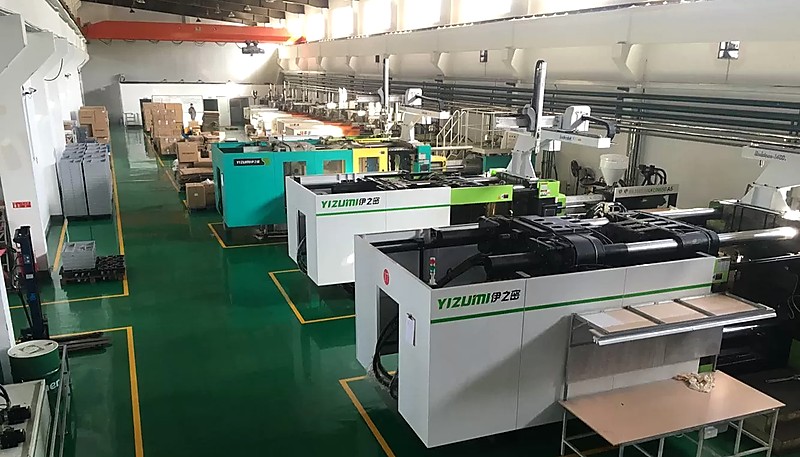
Производственные затраты на литьё под давлением в Сингапуре относятся к самым высоким в Юго-Восточной Азии. По нашему опыту поставок деталей с завода в Шанхае заказчикам по всему региону, такая надбавка оправдана только тогда, когда защита интеллектуальной собственности, соблюдение нормативных требований или сверхжёсткие допуски не подлежат компромиссу.
Расходы на оплату труда
Затраты на производственный персонал в Сингапуре относятся к числу самых высоких в Азии, что отражает статус страны как экономики с высоким уровнем дохода. Заработная плата квалифицированных производственных рабочих значительно превышает региональные альтернативы, формируя разницу в затратах по сравнению с соседними странами:
Малайзия, Johor Bahru: существенно ниже — примерно в 3–4× по сравнению с Сингапуром
Вьетнам (Хошимин): один из самых низких уровней в Юго-Восточной Азии
Таиланд (Бангкок/EEC): умеренный уровень — ниже, чем в Сингапуре, но выше, чем во Вьетнаме/Индонезии
Китай (Гуандун): умеренная — сопоставима с Малайзией или немного ниже
Индонезия (Батам): одна из самых низких в регионе
Разница трудозатрат в 3–6× с региональными конкурентами напрямую влияет на цену трудоемких сборок. Для высокоавтоматизированного прецизионного литья, где важнее доступность машины и стабильность процесса, разница значительно меньше.
Затраты на оснастку
Оснастка для пресс-форм, изготовленная в Сингапуре, обычно стоит значительно дороже эквивалентной оснастки из Малайзии или Китая. Типичная многогнездная производственная пресс-форма (4–8 гнезд, сталь P20) в Сингапуре может стоить SGD 25,000–80,000 против USD 8,000–25,000 в Китае. Однако сингапурская оснастка часто обеспечивает более высокую точность размеров, более длительный срок службы и лучшую стабильность качества поверхности, что оправдывает надбавку для крупносерийных или высокоточных применений.
Накладные расходы и затраты на производственные помещения
Промышленная земля в производственных зонах Сингапура — одна из самых дорогих в Юго-Восточной Азии. Вместе с корпоративным налогом (номинально 17% с льготами), коммунальными расходами и обязательными взносами работодателя в CPF (Central Provident Fund) это делает накладные расходы значительно выше региональных конкурентов. Они заложены в цену деталей.
Когда надбавка за производство в Сингапуре оправданна
Повышенная стоимость в Сингапуре оправдана, когда:
Нормативные требования предписывают местное или сингапурское производство (например, зарегистрированных HSA медицинских изделий для рынка Сингапура)
Чувствительность интеллектуальной собственности чрезвычайно высока, а риск правоприменения в других юрисдикциях неприемлем
Сверхжесткие допуски (±0.01mm или точнее) требуют прецизионной инструментальной инфраструктуры, доступной в Сингапуре
Требования к поставкам точно в срок для сборочных предприятий в Сингапуре устраняют недостатки по логистическим затратам
В договорах с заказчиками или правилах государственных закупок указано требование использовать компоненты сингапурского происхождения
"Производственные затраты на литьё под давлением в Сингапуре — одни из самых высоких в Юго-Восточной Азии."True
Затраты на производственный персонал, аренду промышленных площадей и содержание предприятий в Сингапуре делают производство в 3–6 раз дороже, чем в таких региональных альтернативах, как Вьетнам, Индонезия или Таиланд.
"Сингапурские изготовители обычно поставляют производственную форму менее чем за 2 недели."False
Реальные сроки изготовления серийной оснастки в Сингапуре составляют от 6 до 10 недель для одногнездных пресс-форм и от 10 до 16 недель для сложных многогнездных пресс-форм, что соответствует общемировым отраслевым ориентирам.
Когда Сингапур подходит для закупки литьевых изделий?
Сингапур является подходящим источником поставок, когда соответствие нормативным требованиям, защита интеллектуальной собственности или сверхжесткие допуски важнее стоимости. Для большинства стандартных серийных программ Китай обеспечивает сопоставимое качество при стоимости на 30–50% ниже.
Компоненты регулируемых медицинских изделий
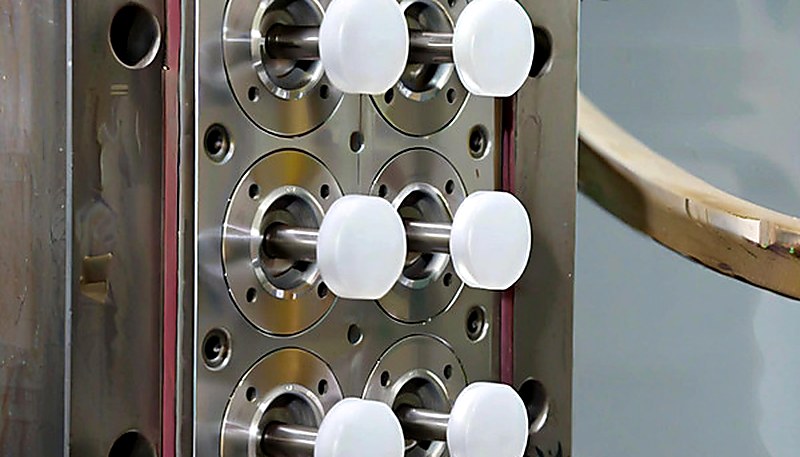
Когда обязательны регистрация на рынке Singapore HSA, производство по требованиям FDA или сертификация ISO 13485 в сочетании с производственными площадками, зарегистрированными по GMP, развитую медицинскую производственную экосистему Сингапура трудно воспроизвести в других странах Юго-Восточной Азии. Проекты, в которых клинический или нормативный риск важнее экономии, следует размещать в медицинских парках Сингапура.
Предельная точность и жесткие допуски
Изделия с допусками ±0.01mm или жестче — компоненты полупроводникового оборудования, оптические узлы, детали аэрокосмических приводов — выигрывают от развитой сингапурской культуры прецизионного машиностроения, подготовки кадров и метрологической инфраструктуры. Когда потери от брака или снижения выхода годной продукции из-за размерных несоответствий превышают ценовую надбавку Сингапура, местные закупки экономически оправданы.
Запуск новых продуктов с чувствительной интеллектуальной собственностью
Для компаний, внедряющих революционные разработки продуктов, где кража интеллектуальной собственности может нанести катастрофический ущерб, законодательно закрепленная защита интеллектуальной собственности и судебная система Сингапура обеспечивают уровень безопасности, который оправдывает премиальные цены. Ранние этапы NPI для инновационных продуктов часто требуют Сингапура поиск перед переносом массового производства в регионы с более низкими затратами, как только риск интеллектуальной собственности уменьшится.
Сборка в Сингапуре по принципу «точно в срок»
Если окончательная сборка выполняется в Сингапуре, местные поставки литых компонентов устраняют расходы на международную перевозку, задержки на таможне и потребность в буферных запасах. В таких случаях более высокая цена детали в Сингапуре частично или полностью компенсируется упрощением цепочки поставок.
Как выбрать поставщика литья под давлением в Сингапуре?
Правильный способ выбрать поставщика литья под давлением в Сингапуре — оценить каждого кандидата по пяти ключевым критериям. Проведя аудит сотен поставщиков для международных клиентов, мы применяем приведенную ниже структурированную методику и на собственном предприятии.
1. Сначала определите основные требования
До обращения к поставщику подробно зафиксируйте требования проекта:
Технические требования к материалу (марка смолы, требования нормативного соответствия)
Размерные допуски и критичные для качества размеры (CTQ)
Требования к годовому объёму (объёмы прототипирования, NPI и серийного производства)
Необходимые сертификаты (ISO 13485, IATF 16949, AS9100)
Вторичные операции (сборка, окраска, печать, ультразвуковая сварка)
Требования к упаковке и маркировке
Требования к документации по качеству (уровень PPAP, отчёты FAI, данные CMM)
2. Оцените технические возможности
Запросите аудит завода или подробное описание производственных возможностей по следующим вопросам:
Диапазон усилия смыкания: располагает ли поставщик подходящим усилием для размера вашей детали? Общее правило: 2–5 тонн на квадратный дюйм проекционной площади
Возможности инструментального участка: собственное изготовление пресс-форм значительно сокращает сроки и ускоряет итерации конструкции
Метрологическое оборудование: CMM, оптический компаратор, профилометр, оборудование для испытаний материалов (FTIR, DSC)
Наличие чистого помещения: обязательно для медицинских и оптических применений
Специальные процессы: литье со вставками, многокомпонентное литье, литье с газовым подпором, микролитье
3. Оцените системы качества
Не ограничивайтесь сертификатами на стене — проверьте фактическое внедрение системы качества:
Запросите копии процедур качества для входного контроля материалов, контроля процесса и окончательного контроля
Проверьте последние записи CAPA (корректирующие/предупреждающие действия), чтобы оценить порядок устранения проблем качества
Оцените внедрение статистического управления процессами (SPC): параметры процесса контролируются и анализируются в динамике или только регистрируются?
Проверьте документацию по прослеживаемости материала — может ли поставщик обеспечить полную прослеживаемость партии от сертификата на полимер до готовой детали?
4. Оцените коммуникацию и управление проектом

Даже технически сильный поставщик может провалить проект при нарушении коммуникации. Оцените:
Выделенный руководитель проекта для вашего заказа (избегайте поставщиков, у которых вам всегда приходится общаться только с отделом продаж)
Инженерная поддержка DFM-анализа и оптимизации процесса
Четкие документы о праве собственности на оснастку и регламенты обслуживания формы
Оперативная коммуникация между часовыми поясами (критически важна для поставщиков из Сингапура, обслуживающих заказчиков из США или ЕС)
5. Проведите пилотную программу
Перед переходом к полномасштабному производству проведите структурированную пилотную программу:
Отливки пресс-формы T1 и контроль первого изделия (FAI)
Исследования воспроизводимости процесса (Cpk ≥ 1.33 для размеров CTQ)
Малая производственная партия (500–2,000 изделий) с полным комплектом документации по качеству
Соблюдение согласованного графика поставок
Почему ZetarMold — подходящий партнер для покупателей из Сингапура?
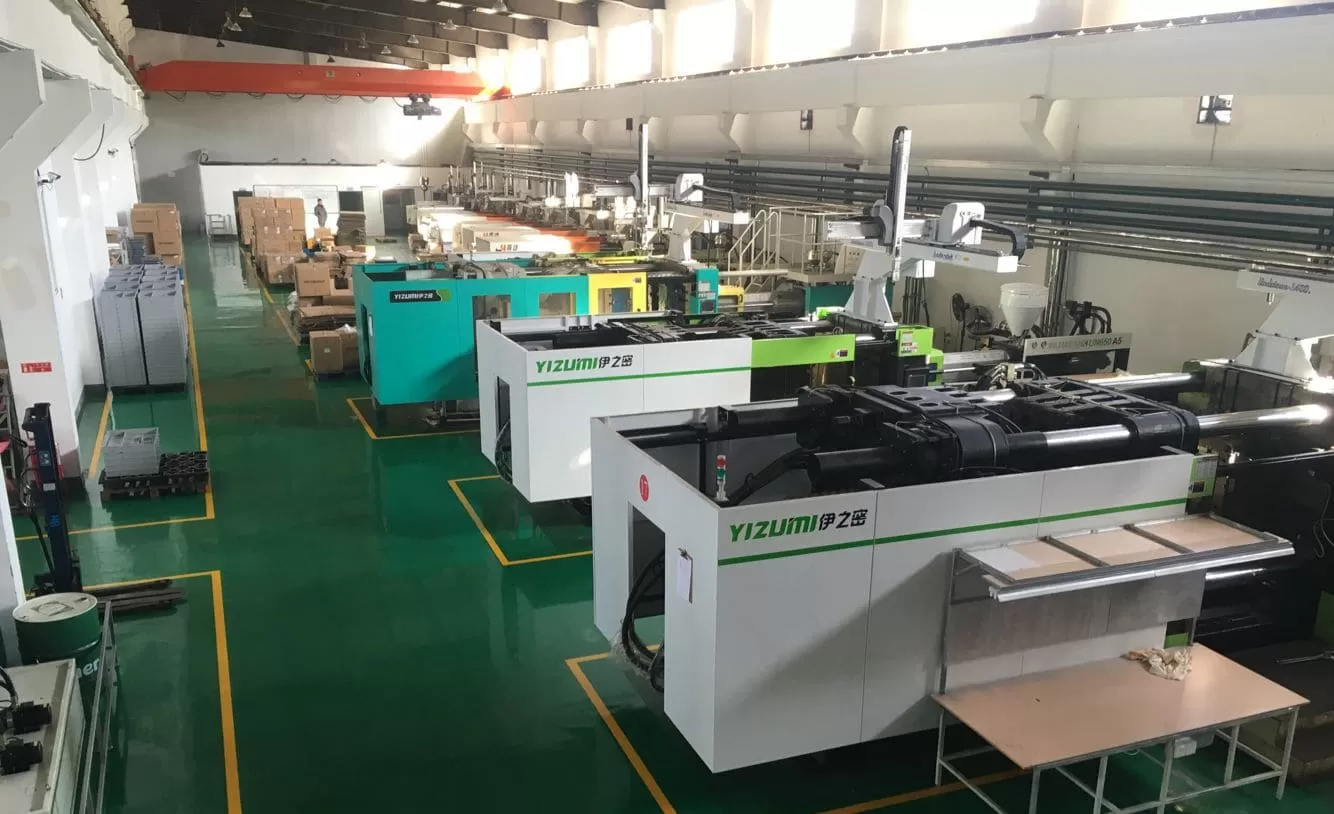
На нашем производстве в Шанхае работают 47 литьевых машин с усилием смыкания от 90T до 1,850T, перерабатывающих более 400 марок материалов. Для покупателей из Сингапура это экономичная альтернатива с равноценными сертификатами качества и более чем 30 англоговорящими инженерами для беспрепятственного взаимодействия по проектам.
ZetarMold соответствует уровню ведущих сингапурских изготовителей пресс-форм по качеству при стоимости на 30–50% ниже, располагает сертификатами ISO и командой из 30+ англоязычных инженеров. Ниже объясняется, почему это важно.
Соответствующие сертификаты и стандарты качества
ZetarMold имеет сертификаты ISO 90013:2015 и ISO 13485:2016, а также регистрацию FDA для производства компонентов медицинского оборудования. Наша система управления качеством отражает стандарты, применяемые ведущими сингапурскими производителями медицинского и прецизионного формования, включая полную отслеживаемость материалов, проверенные производственные процессы (IQ/OQ/PQ) и комплексную документацию по контролю размеров (доступен уровень 3 PPAP).
Передовые технические возможности
На нашем предприятии в Шанхае установлены:
47 термопластавтоматов с усилием смыкания от 90T до 1,850T
Чистое помещение ISO Class 7 для производства медицинских и оптических компонентов
Собственное производство пресс-форм на обрабатывающих центрах DMG Mori CNC и оборудовании EDM
Полноценная метрологическая лаборатория с CMM (Zeiss), оптическими профилометрами и оборудованием для испытаний материалов
Специальные процессы: двухкомпонентное литье, литье со вставками, обливка, литье под давлением с газом, литье LSR (жидкого силиконового каучука)
Экспертиза по всем категориям материалов
ZetarMold перерабатывает более 400 марок полимеров общего назначения, конструкционных и высокоэффективных полимеров, включая компаунды PEEK, PPS, LCP, PTFE и все основные смолы медицинского класса. Наша команда инженеров по материалам оказывает поддержку в области DFM и выбора материала с самых ранних этапов проектирования, помогая заказчикам избежать дорогостоящей замены материала на поздних этапах разработки.
Управление проектами на английском языке
Постоянная проблема производства в Китае — качество коммуникации. В команде управления проектами ZetarMold работают англоязычные инженеры, которые ведут всю техническую коммуникацию: ответы на RFQ, анализ DFM, утверждение оснастки, документацию PPAP и производственные отчеты — без задержек на перевод.
Конкурентоспособные сроки выполнения
Стандартный срок изготовления производственной оснастки ZetarMold, составляющий 4–6 недель, соответствует или превосходит большинство формовщиков в Сингапуре, а варианты быстрого прототипирования доступны всего за 5–7 рабочих дней. Наш завод в Шанхае имеет прямой доступ к экосистеме прецизионного производства в дельте реки Янцзы — одной из наиболее концентрированных в мире цепочек поставок специальных компонентов пресс-форм, смол и услуг по отделке поверхности, которые поддерживают агрессивные графики.
Глобальная логистика из Китая
ZetarMold поставляет продукцию заказчикам более чем в 30 странах и имеет налаженные партнерские связи в сфере морских перевозок (порты Шанхай Яншань и Нинбо) и авиаперевозок (международный аэропорт Шанхай Пудун). Наша команда по экспортному соответствию оформляет таможенную документацию, сертификаты на материалы и нормативные декларации, упрощая импорт для заказчиков на регулируемых рынках.
Готовы сравнить возможности и цены ZetarMold с предложениями поставщиков из Сингапура? Обратитесь к нашей инженерной команде за бесплатным DFM-анализом и коммерческим предложением по вашему проекту литья под давлением.
Часто задаваемые вопросы о литье под давлением в Сингапуре
Что следует проверить перед запросом предложения у сингапурского поставщика литья под давлением?
Начните с коммерческих и инженерных основ: чертежей детали, годового объема, марки материала, критических допусков, требований к внешнему виду и ожидаемого срока запуска. Затем проверьте, располагает ли поставщик собственным производством оснастки, как проводится утверждение образцов, какие протоколы контроля могут быть предоставлены и оформляются ли запросы на изменения официально. При формировании короткого списка поставщиков из Сингапура также уточните порядок экспортных коммуникаций, требования к упаковке и поддержку после запуска, чтобы сравнивать реальные исполнительские возможности, а не только перечни оборудования или заявленные цены. Качественный запрос котировки должен обязывать всех финалистов отвечать на одинаковые операционные вопросы в едином формате.
Может ли сингапурский поставщик одновременно изготавливать формы и выполнять серийное литье?
Некоторые поставщики могут выполнять оба вида работ на одной площадке, тогда как другие специализируются на литье, а изготовление оснастки передают подрядчикам. Это различие важно, поскольку при разделении изготовления оснастки и литья сложнее управлять правом собственности на форму, изменениями стали, сроками и ответственностью за техническое обслуживание. При сравнении поставщиков спросите, кто проектирует форму, кто утверждает спецификацию стали, где проводится отбор образцов T1 и кто оплачивает циклы доработки после проверки первого изделия. Ответы покажут, действительно ли поставщик способен вести программу от RFQ до стабильного серийного выпуска. Они также покажут, насколько заявленный срок выполнения реалистичен с операционной точки зрения.
Когда следует сравнивать зарубежных поставщиков, таких как Zetar, с местным сингапурским поставщиком услуг литья под давлением?
Обычно это имеет смысл, когда проекту нужны более широкие возможности по изготовлению оснастки, меньшая итоговая стоимость оснастки с учётом доставки или более широкий набор вторичных процессов, чем могут предложить местные поставщики из короткого списка. Не следует сводить сравнение только к выбору между местным и зарубежным производством. Вместо этого сравнивайте глубину проработки конструкции пресс-формы, коммуникацию по проекту, строгость валидации, упаковку, график отгрузок и скорость инженерной реакции после T1. Если зарубежная команда может чётко документировать эти меры контроля и при этом предложить более выгодные коммерческие условия, её следует рассматривать наравне с местными поставщиками при окончательном выборе источника поставок.
Какие документы по качеству покупателям следует запросить до размещения заказа на серийное литьё под давлением?
Надежный поставщик должен предоставить схему процесса, план управления, процедуры входного контроля материалов, протоколы размерного контроля, подтверждение утверждения образцов и сертификаты, актуальные для вашей отрасли. Для регулируемых или высокоточных проектов запросите четкий план выборочного контроля, стратегию измерений и порядок эскалации по несоответствующим деталям. Если поставка включает оснастку, уточните права на компоновку пресс-формы, требования к обслуживанию и метод контроля версий при утвержденных изменениях стали. Эти документы показывают, способен ли поставщик вести воспроизводимую производственную систему, а не выполнять заказ как разовую работу.
Сколько поставщиков литья под давлением следует сравнить перед окончательным выбором?
Обычно наиболее эффективный диапазон — от трех до пяти квалифицированных поставщиков. При числе менее трех сложно сравнивать технические предположения, а избыток поставщиков создает информационный шум и замедляет обратную связь. На первом этапе отбора сократите список по возможностям, качеству коммуникации и доказательствам управления процессом. Затем запросите сопоставимые предложения у финалистов, используя одинаковый пакет RFQ, предположения по материалу и требования к качеству. Такая структура обеспечивает чистое коммерческое сравнение и не вынуждает инженерную команду оценивать разрозненный набор несогласованных предложений.
Каков типичный срок изготовления пресс-форм для серийного литья под давлением у поставщиков из Сингапура?
В Сингапуре стандартная одногнёздная серийная форма обычно требует от 6 до 10 недель от утверждения конструкции до испытания T1. Для многогнёздной или сложной оснастки с боковыми подвижными элементами, наклонными выталкивателями или вывинчиваемыми сердечниками срок может увеличиться до 12–16 недель. Сроки сильно зависят от сложности формы, наличия требуемой марки стали и того, изготавливает ли поставщик оснастку собственными силами или передаёт региональному инструментальному цеху. Покупателям следует запрашивать подробный график изготовления оснастки с контрольными этапами — проверкой конструкции, резкой стали, обработкой электродов и первым испытанием, — а не соглашаться на единую дату поставки. Видимость этапов позволяет рано выявить риск нарушения графика и изменить приоритеты, если последующие процессы зависят от своевременной поставки оснастки.
Предусмотрены ли государственные льготы для компаний, занимающихся литьем под давлением в Сингапуре?
Да. Совет экономического развития Сингапура предлагает льготы по программам Development and Expansion Incentive, Pioneer Certificate Incentive и Investment Allowance, которые снижают эффективную ставку корпоративного налога для компаний со значительными капиталовложениями в передовое производство. Программа SkillsFuture Enterprise Credit также субсидирует обучение персонала точному машиностроению и передовым производственным технологиям. Для иностранных покупателей эти меры означают, что сингапурские поставщики могут иметь более новое оборудование и лучше подготовленный персонал, чем позволили бы исключительно рыночные инвестиции, обеспечивая более высокую воспроизводимость процесса и стабильное качество в течение жизненного цикла программы.
термопласты: термины термопласты представляют собой полимерные материалы, которые размягчаются при нагревании и снова затвердевают при охлаждении, что делает их пригодными для повторяемых циклов литья под давлением. ↩
Контрактное производство: Контрактное производство подразумевает передачу производства стороннему производителю, который работает в соответствии со спецификациями нанимающей компании и требованиями к качеству. ↩
ISO 9001: ISO 9001 — это международный стандарт управления качеством, который определяет, как организация документирует, контролирует и улучшает повторяемые производственные процессы. ↩