- De leveranciers uit Singapore in deze lijst bedienen programma's voor gezondheidszorg, thermoplasten en industriële precisiespuitgietproducten.
- Bij het opstellen van een shortlist moeten vóór de RFQ-gunning het eigendom van het spuitgietmatrijsontwerp, de validatiediscipline en de communicatiesnelheid worden vergeleken.
- Alleen gereedschapscapaciteit volstaat niet; kopers hebben ook gedocumenteerde kwaliteitsbeheersing en wijzigingsbeheer na T1 nodig.
- Een offshoreleverancier als Zetar kan naast lokale leveranciers worden gebenchmarkt wanneer capaciteit, kosten of secundaire processen van belang zijn.
- Gebruik vóór de definitieve offerte een checklist voor leveranciersselectie om introductierisico's en commerciële verrassingen te beperken.
Singapore ligt op het kruispunt van wereldhandel, precisietechniek en geavanceerde productie, waardoor het een van de meest strategische locaties in Zuidoost-Azië is voor de inkoop van hoogwaardige producten uit een spuitgietmatrijs in technische thermoplasten1. Of u nu productontwerper bent en componenten met nauwe toleranties zoekt of een partner voor de inkoop van spuitgietwerk, Singapore is dankzij zijn technische expertise, infrastructuur van wereldklasse en strenge kwaliteitsnormen een aantrekkelijke productielocatie.
Hoe ziet de Singaporese spuitgietmarkt eruit?
De Singaporese spuitgietmarkt heeft een waarde van ongeveer USD 1.8 miljard en groeit jaarlijks met 5–7%, gedreven door de vraag vanuit medische hulpmiddelen, halfgeleiderapparatuur en de productie van precisie-elektronica. De stadstaat telt meer dan 200 precisie-engineeringbedrijven, waarvan vele spuitgieten als kerncapaciteit inzetten binnen verticaal geïntegreerde productiefaciliteiten op industrieterreinen zoals Tuas Biomedical Park, Gul Circle en Woodlands Industrial Park.
De markt bestaat uit drie segmenten: grote contractfabrikanten die aan multinationals zijn verbonden (Beyonics, Hi-P, Sunningdale Tech) en wereldwijde OEM’s bedienen; middelgrote precisiespuitgieters (Fu Yu, Techplas, Meiban) die gespecialiseerd zijn in complexe meervoudige matrijzen voor gereguleerde sectoren; en wendbare mkb-bedrijven die zich richten op snelle prototyping, kleine series en verwerking van specialistische materialen. Anders dan buurlanden Maleisië en Vietnam concurreert Singapore niet op kosten, maar op de combinatie van IE-bescherming, grondige naleving van regelgeving en een nauwkeurig werkend personeelsbestand, waarmee de hogere prijzen worden gerechtvaardigd.
Belangrijke toepassingssectoren zijn medische hulpmiddelen en diagnostiek (cleanroomspuitgieten, ISO 13485-gecertificeerd), componenten voor halfgeleiderapparatuur (ESD-veilig, uiterst nauwe toleranties), behuizingen en connectoren voor consumentenelektronica en subassemblages voor automotive elektronica. Dankzij de strategische positie van Singapore als logistiek knooppunt — met luchtvracht via Changi Airport en een van de drukste containerhavens ter wereld — kunnen spuitgieters hier naar klanten in de VS, de EU en de ASEAN-regio verzenden met transittijden die concurrenten in Zuid-China evenaren of overtreffen.
Wat zijn de grootste spuitgietbedrijven in Singapore?
De belangrijkste spuitgietbedrijven van Singapore zijn Beyonics, Fu Yu, Hi-P, Sunningdale Tech en Meiban Group. Hieronder volgt een gedetailleerd profiel van de capaciteiten en specialisaties van elk bedrijf.
1. Beyonics International
Beyonics International is een toonaangevende leverancier van precisieproductie en technologische oplossingen, met het hoofdkantoor in Singapore en activiteiten in heel Zuidoost-Azië. Het bedrijf is gespecialiseerd in precisiespuitgieten voor harde schijven, consumentenelektronica en de automobielsector. Beyonics exploiteert geavanceerde productiefaciliteiten met volledig geautomatiseerde productiecellen, cleanroomspuitgietcapaciteiten en uitgebreide secundaire processen, waaronder lakken, plateren en subassemblage. De vestiging in Singapore fungeert als centrum voor engineering en programmabeheer en coördineert de productie op regionale locaties in Maleisië en Thailand.
2. Fu Yu Corporation
Fu Yu is een beursgenoteerde fabrikant van nauwkeurige kunststofproducten met productielocaties in Singapore, Maleisië en China. Het bedrijf is gespecialiseerd in precisiespuitgieten voor kantoorautomatiseringsapparatuur, consumentenelektronica en medische hulpmiddelen. De activiteiten in Singapore richten zich op waardevolle, complexe matrijzen met nauwe maattoleranties en geavanceerde oppervlakteafwerkingen. Het verticaal geïntegreerde model — van matrijsontwerp tot secundaire bewerkingen — biedt end-to-endbeheer van de toeleveringsketen.
Hi-P International (nu onderdeel van de Foxconn-groep) is een van de grootste precisiespuitgietbedrijven en contractfabrikanten van Singapore. Het bedrijf biedt integrale productieoplossingen, waaronder productontwerp, matrijzenbouw, spuitgieten en eindassemblage, voor multinationale klanten in consumentenelektronica, telecommunicatie en gezondheidszorg. De activiteiten van Hi-P in Singapore richten zich op sterk gevarieerde productie in middelgrote tot grote volumes, met geavanceerde automatisering, in-mold decoration (IMD) en tweekomponentenspuitgieten.
Automotive-gerichte spuitgietbedrijven in Singapore beschikken over IATF 16949-certificering, die klantspecifieke eisen van grote automotive OEM’s integreert naast de kernprincipes van APQP (Advanced Product Quality Planning) en PPAP (Production Part Approval Process). Deze certificering is essentieel voor spuitgietbedrijven die leveren aan de Singaporese exportmarkt voor auto-onderdelen.
4. Coda Plastics
Ecospec Global Technology is een Singaporese spuitgieter gericht op duurzame productie en groene polymeerverwerking. Het bedrijf verwerkt recyclaat en biogebaseerde harsen voor consumptiegoederen, verpakkingen en bouwmaterialen en biedt intern kwaliteitstesten, kleurafstemming en materiaalcertificering.
Coda Plastics is een middelgrote spuitgieter die de bouw-, elektrotechnische en consumentengoederensector in Singapore en de bredere ASEAN-regio bedient. Het bedrijf biedt spuitgieten van standaard- tot middelhoge complexiteit, met interne matrijsfabricage en secundaire bewerkingen zoals tampondruk, ultrasoon lassen en assemblage.
5. Ecospec Global Technology
Sunningdale Tech is een beursgenoteerde precisiefabrikant uit Singapore met spuitgietactiviteiten in Singapore, Maleisië, China en Indonesië. Het bedrijf bedient de automotive-, medische, consumentenelektronica- en waterfiltratie-industrie met geavanceerd gereedschapsontwerp, uiterst nauwkeurig spuitgieten met veel caviteiten en geautomatiseerde assemblage. De technische sterke punten van Sunningdale omvatten insert molding, overmolding, cleanroomproductie voor medische hulpmiddelen en uitgebreide metrologische mogelijkheden voor toepassingen met nauwe toleranties.
6. Sunningdale Tech
7. Techplas Industries
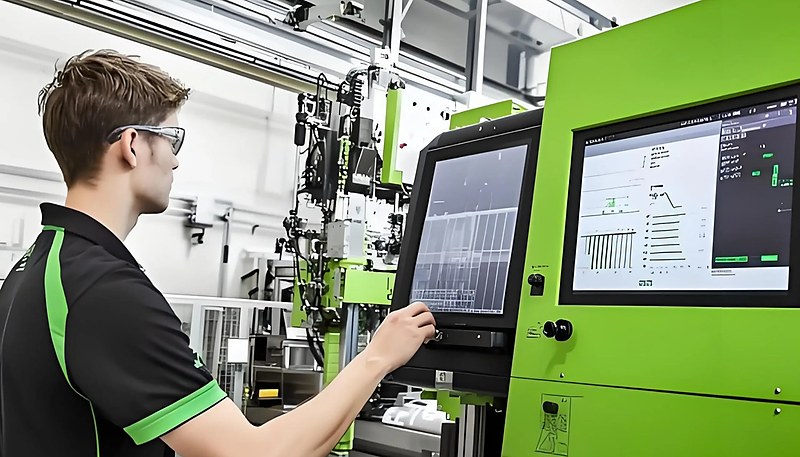
Techplas Industries is een precisiespuitgieter in Singapore die gespecialiseerd is in zeer complexe kunststofcomponenten voor de medische, elektronische en industriële sector. Het bedrijf exploiteert ISO 13485-gecertificeerde cleanroomfaciliteiten voor spuitgieten en biedt volledige DFM-ondersteuning, van matrijsontwerp tot serieproductie. Techplas staat bekend om zijn sterke matrijzenbouwcapaciteiten en zijn vermogen om ingewikkelde projecten met matrijzen met meerdere caviteiten en nauwe maattoleranties uit te voeren.
8. Pacific Plastics Singapore
Pacific Plastics is een middelgrote tot grote spuitgieter die fabrikanten van auto’s, consumentenelektronica en huishoudelijke artikelen in Singapore en de ASEAN-regio bedient. Het bedrijf beschikt over een breed bereik aan sluitkrachten in zijn spuitgietmachinepark en biedt geïntegreerde secundaire bewerkingen, waaronder tampondruk, warmdruk, ultrasoon lassen en assemblage. De nadruk van Pacific Plastics op productie-efficiëntie en constante kwaliteit maakt het tot een voorkeurspartner voor programma’s met middelgrote tot grote volumes.
9. Acutech Precision Manufacturing
Acutech Precision Manufacturing richt zich op nauwkeurige kunststofcomponenten met kleine toleranties voor de Singaporese sectoren halfgeleiderapparatuur en geavanceerde elektronica. De capaciteiten voor spuitgieten omvatten ESD-veilige polymeren en polymeren voor hoge temperaturen, waardoor het een vaste partner is voor gevoelige elektronische assemblages.
10. Meiban Group
Meiban Group is een van de gevestigde Singaporese fabrikanten van precisiekunststof en heeft tientallen jaren ervaring in de sectoren consumentenelektronica, informatietechnologie en medische hulpmiddelen. Het bedrijf exploiteert spuitgietfabrieken in Singapore en China en biedt klanten zo de flexibiliteit van Singaporese kwaliteitscontrole in combinatie met regionale productiecapaciteit. Het engineeringteam van Meiban biedt uitgebreid DFM-advies, matrijsstroomanalyse en validatie van eerste artikelen om klanten tijdens NPI-programma’s te ondersteunen.
Welke trends bepalen de spuitgietindustrie van Singapore?
De spuitgietindustrie van Singapore ontwikkelt zich als reactie op verschuivingen in wereldwijde toeleveringsketens, duurzaamheidseisen en technologische investeringen. Inzicht in deze trends helpt inkopers toekomstige capaciteiten en investeringsprioriteiten van leveranciers te voorzien:
Industrie 4.0 en de invoering van slimme productie
Het Smart Industry Readiness Index (SIRI)-kader van Singapore, ontwikkeld door de Economic Development Board, versnelt de invoering van Industrie 4.0-technologieën in de precisieproductiesector. Toonaangevende spuitgietbedrijven integreren geautomatiseerde procesbewaking, realtime verzameling van SPC-gegevens en systemen voor voorspellend onderhoud — capaciteiten die de procesconsistentie verbeteren en voorkomen dat defecten bij grootschalige productie onopgemerkt blijven.
Verplichtingen inzake duurzaamheid en circulaire economie
Het Zero Waste Masterplan van Singapore en het kader voor Extended Producer Responsibility (EPR) stimuleren fabrikanten om duurzame materialen te kiezen en gesloten productiekringlopen in te voeren. Spuitgieters investeren in de capaciteit om post-consumer gerecyclede (PCR) harsen, biogebaseerde polymeren en recyclebare technische materialen te verwerken zonder concessies aan de maatvastheid of mechanische prestaties.
Nearshoring en diversificatie van de toeleveringsketen
De herstructurering van toeleveringsketens na de pandemie zet multinationals ertoe aan dual-sourcingstrategieën op te zetten in meerdere Aziatische productiecentra. Singapore profiteert hiervan als betrouwbare basis voor contractproductie2, met een combinatie van stabiele regelgeving, bescherming van intellectueel eigendom en constante kwaliteit voor bedrijven die naast goedkopere ASEAN-locaties een betrouwbare tweede inkoopbron nodig hebben.
"Singapore verplicht ISO 13485-certificering voor alle spuitgietfaciliteiten voor medische hulpmiddelen in Tuas Biomedical Park."True
Vestigingen in Tuas Biomedical Park moeten hun GMP-registratie en ISO 13485-kwaliteitsmanagementsystemen handhaven; dit behoort tot de strengste eisen in Zuidoost-Azië.
"De arbeidskosten voor spuitgieten in Singapore zijn altijd lager dan in China of Vietnam."False
Singapore heeft een van de hoogste arbeidskosten in de Aziatische maakindustrie, doorgaans 3 to 6 times hoger dan Vietnam of Indonesia. De meerprijs is alleen gerechtvaardigd wanneer IP protection 1 , naleving van regelgeving of uiterst nauwe toleranties kritieke eisen zijn.
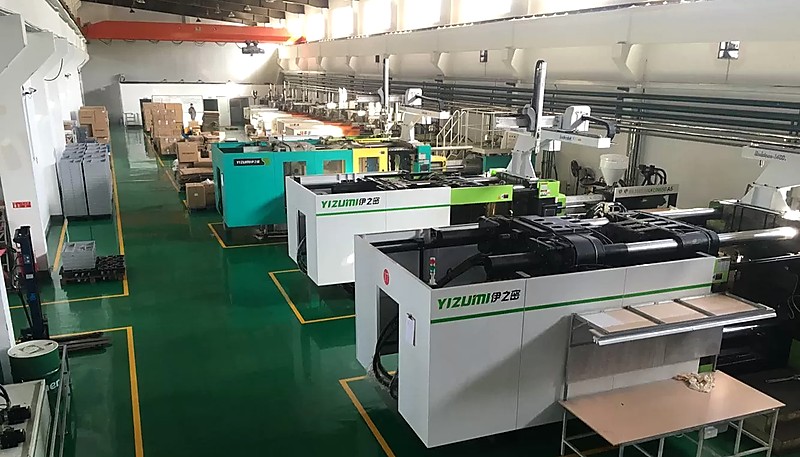
Hoe verhouden de spuitgietkosten in Singapore zich tot die in China?
De productiekosten voor spuitgieten in Singapore behoren tot de hoogste in Zuidoost-Azië. Vanuit onze fabriek in Shanghai leveren we onderdelen aan klanten in de hele regio; volgens onze ervaring is de meerprijs alleen gerechtvaardigd wanneer IE-bescherming, naleving van regelgeving of uiterst nauwe toleranties niet onderhandelbaar zijn.
Arbeidskosten
De arbeidskosten voor productie in Singapore behoren tot de hoogste in Azië, wat de status van het land als economie met hoge inkomens weerspiegelt. Geschoolde productiemedewerkers verdienen aanzienlijk meer dan bij regionale alternatieven, waardoor kostenverschillen met buurlanden ontstaan:
Maleisië (Johor Bahru): Aanzienlijk lager — ongeveer 3–4× lager dan Singapore
Vietnam (Ho Chi Minh City): behoort tot de laagste in Zuidoost-Azië
Thailand (Bangkok/EEC): Gemiddeld — lager dan Singapore, maar hoger dan Vietnam/Indonesië
China (Guangdong): gemiddeld — vergelijkbaar met of iets lager dan Maleisië
Indonesië (Batam): een van de laagste in de regio
Arbeidskosten die drie- tot zesmaal lager zijn dan bij regionale concurrenten beïnvloeden de stuksprijs van arbeidsintensieve assemblages rechtstreeks. Bij sterk geautomatiseerd precisiespuitgieten, waar machinebeschikbaarheid en procesconsistentie belangrijker zijn, is het verschil veel kleiner.
Toolingkosten
Matrijsgereedschap dat in Singapore wordt gemaakt, kost doorgaans aanzienlijk meer dan gelijkwaardig gereedschap uit Maleisië of China. Een typische productiematrijs met meerdere holten (4–8 holten, P20-staal) kan in Singapore SGD 25.000–80.000 kosten tegenover USD 8.000–25.000 in China. Gereedschap uit Singapore biedt echter vaak een hogere maatnauwkeurigheid, langere levensduur en consistentere oppervlakteafwerking — wat de meerprijs rechtvaardigt voor toepassingen met grote volumes of hoge precisie.
Overhead- en faciliteitskosten
Industriegrond in de productiezones van Singapore behoort tot de duurste in Zuidoost-Azië. In combinatie met vennootschapsbelastingtarieven (een nominaal tarief van 17%, met diverse vrijstellingen), nutsvoorzieningskosten en verplichte werkgeversbijdragen aan het CPF (Central Provident Fund), ligt de overheadstructuur van Singapore aanzienlijk hoger dan die van regionale concurrenten. Deze kosten zijn verwerkt in de stukprijs.
Wanneer de meerprijs van Singapore gerechtvaardigd is
De hogere kosten in Singapore zijn gerechtvaardigd wanneer:
Regelgeving schrijft lokale productie of productie in Singapore voor (bijvoorbeeld bij HSA-geregistreerde medische hulpmiddelen voor de Singaporese markt)
De gevoeligheid van intellectueel eigendom is extreem hoog en het handhavingsrisico elders is onaanvaardbaar
Ultranauwe toleranties (±0.01mm of beter) vereisen de infrastructuur voor precisiegereedschappen die in Singapore beschikbaar is
Just-in-time-leveringseisen voor assemblageactiviteiten in Singapore nemen logistieke kostennadelen weg
Klantcontracten of regels voor overheidsinkoop schrijven componenten van Singaporese oorsprong voor
"De productiekosten voor spuitgieten in Singapore behoren tot de hoogste van Zuidoost-Azië."True
Door arbeidskosten in de productie, huur van industrieterreinen en facilitaire overhead is Singapore 3 tot 6 keer duurder dan regionale alternatieven zoals Vietnam, Indonesië of Thailand.
"Spuitgietbedrijven in Singapore leveren productiegereedschap doorgaans binnen 2 weken."False
Realistische doorlooptijden voor productiematrijzen in Singapore bedragen 6 tot 10 weken voor matrijzen met één holte en 10 tot 16 weken voor complexe matrijzen met meerdere holten, in lijn met wereldwijde industrienormen.
Wanneer is Singapore de juiste inkoopkeuze voor spuitgieten?
Singapore is de juiste inkoopkeuze wanneer naleving van regelgeving, bescherming van intellectueel eigendom of uiterst nauwe toleranties zwaarder wegen dan kosten. Voor de meeste algemene productieprogramma’s levert China gelijkwaardige kwaliteit tegen 30–50% lagere kosten.
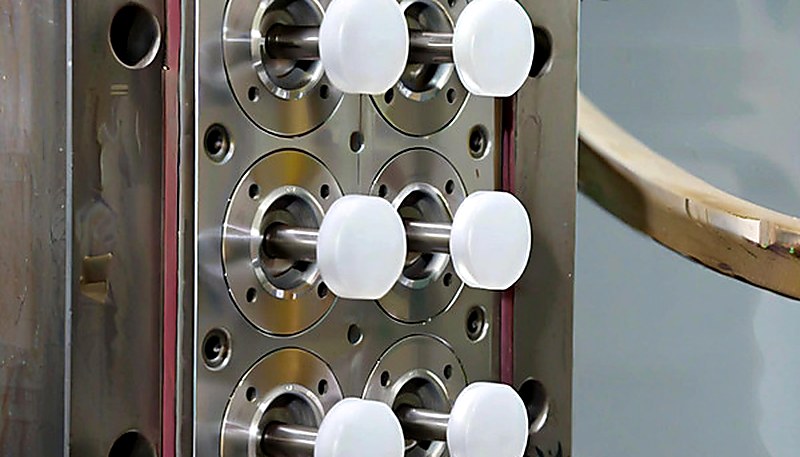
Gereguleerde onderdelen voor medische hulpmiddelen
Wanneer marktregistratie bij de Singaporese HSA, productie volgens FDA-eisen of ISO 13485-certificering in combinatie met GMP-geregistreerde productiefaciliteiten een absolute eis is, is het gevestigde medische productie-ecosysteem van Singapore elders in Zuidoost-Azië moeilijk te evenaren. Projecten waarbij klinisch of regelgevingsrisico zwaarder weegt dan kostenbesparing horen thuis in de medische parken van Singapore.
Extreme precisie en nauwe toleranties
Toepassingen die toleranties van ±0,01 mm of beter vereisen—componenten voor halfgeleiderapparatuur, optische assemblages en onderdelen van luchtvaartactuatoren—profiteren van Singapore’s diepgewortelde cultuur van precisietechniek, opleiding van vakmensen en metrologische infrastructuur. Wanneer uitvalpercentages of rendementsverliezen door afwijkende afmetingen hoger zijn dan de meerkosten in Singapore, is lokale inkoop economisch zinvol.
Introducties van nieuwe producten met gevoelige intellectuele eigendom
Voor bedrijven die baanbrekende productontwerpen introduceren waarbij diefstal van intellectueel eigendom rampzalig zou zijn, bieden de wettelijk afgedwongen IE-bescherming en het rechtssysteem van Singapore een mate van zekerheid die hogere prijzen rechtvaardigt. In vroege NPI-fasen van innovatieve producten is inkoop in Singapore vaak gerechtvaardigd, voordat de serieproductie naar goedkopere regio’s verhuist zodra het IE-risico afneemt.
Just-in-time assemblage in Singapore
Als uw eindassemblage in Singapore plaatsvindt, voorkomt lokale levering van spuitgegoten componenten internationale vrachtkosten, douanevertragingen en de noodzaak van buffervoorraden. In deze gevallen worden de hogere stukskosten in Singapore deels of volledig gecompenseerd door de vereenvoudiging van de toeleveringsketen.
Hoe kiest u een spuitgietleverancier in Singapore?
De juiste manier om een spuitgietleverancier in Singapore te kiezen, is elke kandidaat op vijf kerndimensies te beoordelen. Nadat we voor onze internationale klanten honderden leveranciers hebben geaudit, gebruiken we in onze eigen vestiging het onderstaande gestructureerde kader.
1. Bepaal eerst uw kernvereisten
Documenteer uw projectvereisten volledig voordat u een leverancier benadert:
Materiaalspecificaties (harskwaliteit, wettelijke conformiteitseisen)
Maattoleranties en kritieke kwaliteitsmaten (CTQ)
Jaarlijkse volumevereisten (prototype-, NPI- en productievolumes)
Vereiste certificeringen (ISO 13485, IATF 16949, AS9100)
Secundaire bewerkingen (assemblage, lakken, bedrukken en ultrasoon lassen)
Vereisten voor verpakking en etikettering
Vereisten voor kwaliteitsdocumentatie (PPAP-niveau, FAI-rapporten, CMM-gegevens)
2. Beoordeel technische capaciteiten
Vraag om een fabrieksaudit of een gedetailleerde capaciteitsverklaring over:
Tonnagebereik van de machine: heeft de leverancier voldoende sluitkracht voor uw onderdeelgrootte? (Algemene richtlijn: 2–5 ton per vierkante inch geprojecteerd oppervlak)
Capaciteiten van de gereedschapmakerij: interne matrijzenbouw verkort doorlooptijden aanzienlijk en versnelt ontwerpiteraties
Meetapparatuur: CMM, optische comparator, oppervlakteruwheidsmeter, materiaaltests (FTIR, DSC)
Beschikbaarheid cleanroom: vereist voor medische en optische toepassingen
Speciale processen: insert molding, overspuitgieten, gasgeassisteerd spuitgieten, microspuitgieten
3. Beoordeel kwaliteitssystemen
Kijk verder dan certificeringsplaquettes aan de muur en onderzoek de daadwerkelijke uitvoering van het kwaliteitssysteem:
Vraag kopieën op van kwaliteitsprocedures voor de ingangscontrole van materiaal, procescontrole en eindinspectie
Beoordeel recente CAPA-registraties voor corrigerende en preventieve maatregelen om vast te stellen hoe kwaliteitsproblemen worden afgehandeld
Beoordeel de implementatie van statistische procesbeheersing (SPC) — worden procesparameters bewaakt en als trend gevolgd, of alleen vastgelegd?
Controleer de documentatie voor materiaaltraceerbaarheid — kan de leverancier volledige batchtraceerbaarheid bieden, van het harscertificaat tot het eindproduct?
4. Beoordeel communicatie en projectmanagement

Zelfs technisch superieure leveranciers falen als de projectcommunicatie tekortschiet. Beoordeel:
Changi Airport Verkeersstatistieken
Technische ondersteuning voor DFM-beoordeling en procesoptimalisatie
Duidelijke documentatie over gereedschapseigendom en protocollen voor matrijsonderhoud
Vlotte communicatie over tijdzones heen (cruciaal voor leveranciers uit Singapore die klanten in de VS of EU bedienen)
5. Voer een pilotprogramma uit
Voer vóór de overstap naar volledige productievolumes een gestructureerd proefprogramma uit:
T1-proefspuitingen en inspectie van het eerste artikel (FAI)
Onderzoek naar procescapaciteit (Cpk ≥ 1,33 voor kritieke kwaliteitsmaten)
Kleine productierun (500–2,000 stuks) met volledige kwaliteitsdocumentatie
Prestatie voor tijdige levering volgens de overeengekomen planning
Waarom is ZetarMold de juiste partner voor kopers in Singapore?
Onze productiefaciliteit in Shanghai bedrijft 47 spuitgietmachines met een bereik van 90T tot 1.850T sluitkracht, verwerkt 400+ materiaalkwaliteiten — en biedt Singapore kopers een kosteneffectief alternatief met gelijkwaardige kwaliteitscertificeringen en 30+ vloeiend Engelssprekende ingenieurs voor naadloze projectcommunicatie.
ZetarMold evenaart top Singaporees matrijzenmakers op kwaliteit tegen 30–50% lagere kosten, ondersteund door ISO-certificeringen en 30+ Engelssprekende ingenieurs. Dit is waarom dat belangrijk is.
Passende certificeringen en kwaliteitsnormen
ZetarMold is gecertificeerd volgens ISO 90013:2015 en ISO 13485:2016 en heeft een FDA-registratie voor de productie van componenten voor medische hulpmiddelen. Ons kwaliteitsmanagementsysteem weerspiegelt de normen van Singaporese medische en precisiespuitgieters van topniveau, waaronder volledige materiaaltraceerbaarheid, gevalideerde productieprocessen (IQ/OQ/PQ) en uitgebreide documentatie van maatinspecties (PPAP Level 3 beschikbaar).
Geavanceerde technische capaciteiten
Onze fabriek in Shanghai huisvest:
47 spuitgietmachines van 90T tot 1.850T sluitkracht
ISO-klasse 7 cleanroom voor productie van medische en optische componenten
In-house matrijzenproductie met DMG Mori CNC-bewerkingscentra en EDM
Volledig metrologielaboratorium met CMM (Zeiss), optische profilometers en materiaaltestapparatuur
Speciale processen: tweekleurenspuitgieten, insert molding, overmolding, gasgeassisteerd spuitgieten, LSR-vormen (vloeibaar siliconenrubber)
Materiaalexpertise in alle categorieën
ZetarMold verwerkt 400+ materiaalkwaliteiten in de categorieën standaard-, technische en hoogwaardige polymeren — waaronder PEEK, PPS, LCP, PTFE-compounds en alle belangrijke harsen van medische kwaliteit. Ons materiaalengineeringteam biedt vanaf de vroegste ontwerpfasen ondersteuning bij DFM en materiaalkeuze, zodat klanten kostbare materiaalvervangingen laat in de ontwikkelingscyclus vermijden.
Engelstalig projectmanagement
Een hardnekkige uitdaging bij productie in China is de kwaliteit van de communicatie. Het projectmanagementteam van ZetarMold omvat speciaal toegewezen Engelstalige engineers die alle technische communicatie afhandelen — RFQ-reacties, DFM-analyse, matrijsgoedkeuring, PPAP-documentatie en productie-updates — zonder de vertaalvertragingen die veel relaties met Chinese leveranciers bemoeilijken.
Concurrerende doorlooptijden
De standaarddoorlooptijd van ZetarMold voor productiegereedschappen van 4–6 weken evenaart of overtreft die van de meeste Singaporese matrijzenmakers, met opties voor snelle prototyping vanaf 5–7 werkdagen. Onze fabriek in Shanghai heeft rechtstreeks toegang tot het precisieproductie-ecosysteem van de Yangtzedelta, een van ‘s werelds meest geconcentreerde toeleveringsketens voor speciale matrijscomponenten, harsen en oppervlaktebehandelingen die strakke planningen ondersteunen.
Wereldwijde logistiek vanuit China
ZetarMold levert aan klanten in meer dan 30 landen, met gevestigde logistieke partnerschappen voor zeevracht (Shanghai Yangshan haven en Ningbo haven) en luchtvracht (Shanghai Pudong International Airport). Ons exportcompliance-team behandelt douanedocumentatie, materiaalcertificaten en regelgevende verklaringen om importprocessen voor klanten in gereguleerde markten te stroomlijnen.
Wilt u de mogelijkheden en prijzen van ZetarMold vergelijken met opties uit Singapore? Neem contact op met ons engineeringteam voor een gratis DFM-beoordeling en offerte voor uw spuitgietproject.
Veelgestelde vragen over spuitgieten in Singapore
Wat moet ik controleren voordat ik een offerte aanvraag bij een Singaporese spuitgietleverancier?
Begin met de commerciële en technische basis: onderdeeltekeningen, jaarlijks volume, materiaalkwaliteit, kritieke toleranties, cosmetische eisen en uw verwachte lanceringstiming. Controleer vervolgens of de leverancier eigen gereedschapsbouw in huis heeft, hoe monsterkeuring wordt afgehandeld, welke inspectierecords gedeeld kunnen worden en of wijzigingsverzoeken formeel worden gedocumenteerd. Voor een shortlist in Singapore bevestig ook de exportcommunicatie, verpakkingsverwachtingen en ondersteuning na lancering, zodat u echte uitvoeringscapaciteit vergelijkt in plaats van alleen machineoverzichten of hoofdprijzen. Een sterke RFQ moet elke finalist dwingen dezelfde operationele vragen in hetzelfde formaat te beantwoorden.
Kan een leverancier in Singapore zowel de matrijzenbouw als het productiespuitgieten uitvoeren?
Sommige leveranciers kunnen beide activiteiten onder één dak uitvoeren, terwijl andere zich op het spuitgieten richten en de matrijsbouw uitbesteden. Dat verschil is belangrijk, omdat het beheer van matrijseigendom, staalwijzigingen, tijdlijnen en onderhoudsverantwoordelijkheid moeilijker wordt wanneer matrijsbouw en spuitgieten gescheiden zijn. Vraag bij het vergelijken van leveranciers wie de matrijs ontwerpt, wie de staalspecificatie goedkeurt, waar de T1-bemonstering plaatsvindt en wie de wijzigingsrondes na de beoordeling van het eerste product betaalt. Uit die antwoorden blijkt of de leverancier het programma daadwerkelijk van RFQ tot stabiele serieproductie kan begeleiden. Ze laten ook zien of de opgegeven doorlooptijd operationeel geloofwaardig is.
Wanneer moet ik offshoreleveranciers zoals Zetar vergelijken met een lokale spuitgietleverancier in Singapore?
Dit is doorgaans zinvol wanneer het project meer gereedschapscapaciteit, lagere totale geleverde gereedschapskosten of bredere ondersteuning voor secundaire processen nodig heeft dan een lokale shortlist kan bieden. De vergelijking moet niet uitsluitend als lokaal tegenover offshore worden gepresenteerd. Vergelijk in plaats daarvan de diepgang van het matrijsontwerp, projectcommunicatie, validatiediscipline, verpakking, verzendfrequentie en snelheid van de technische reactie na T1. Als een offshoreteam deze beheersmaatregelen duidelijk kan documenteren en toch een beter commercieel pakket levert, verdient het een plaats naast lokale leveranciers in de uiteindelijke inkoopbeslissing.
Welke kwaliteitsdocumenten moeten kopers opvragen voordat ze spuitgietproductie gunnen?
Een serieuze leverancier moet een processtroom, controleplan, controles van binnenkomend materiaal, maatinspectierapporten, bewijs van goedkeuring van monsters en voor uw sector relevante certificeringen kunnen verstrekken. Vraag voor gereguleerde of uiterst nauwkeurige programma’s om een duidelijk bemonsteringsplan, meetmiddelenstrategie en escalatietraject voor niet-conforme onderdelen. Als gereedschappen zijn inbegrepen, vraag dan naar het eigendom van de matrijsindeling, de onderhoudsverwachtingen en de methode voor revisiebeheer die wordt gebruikt wanneer wijzigingen aan het staal worden goedgekeurd. Deze documenten tonen aan of de leverancier een herhaalbaar productiesysteem kan uitvoeren in plaats van de order als een eenmalige opdracht te behandelen.
Hoeveel spuitgietleveranciers moet ik vergelijken voordat ik een definitieve keuze maak?
Drie tot vijf gekwalificeerde leveranciers is doorgaans het efficiëntste bereik. Met minder dan drie is het moeilijk technische aannames te vergelijken, terwijl te veel leveranciers ruis veroorzaken en feedback vertragen. Gebruik de eerste selectieronde om de lijst te verkorten op basis van capaciteit, communicatiekwaliteit en bewijs van procesbeheersing. Vraag vervolgens vergelijkbare offertes aan bij de finalisten met hetzelfde RFQ-pakket, dezelfde materiaalaannames en kwaliteitseisen. Die structuur biedt een zuivere commerciële vergelijking zonder dat uw engineeringteam een versnipperde reeks inconsistente voorstellen hoeft te beoordelen.
Wat is de typische levertijd voor productie spuitgietmatrijzen van leveranciers in Singapore?
Een standaard productiegietvorm met één holte duurt doorgaans 6 tot 10 weken van ontwerpgoedkeuring tot T1-monstername in Singapore. Meervoudige of complexe gereedschappen met zijacties, lifters of ontkerningskernen kunnen oplopen tot 12 tot 16 weken. Doorlooptijden zijn sterk afhankelijk van de complexiteit van de matrijs, de beschikbaarheid van staalkwaliteit en of de leverancier de gereedschapsbouw in huis maakt of uitbesteedt aan een regionale matrijsmaker. Kopers moeten een gedetailleerd gereedschapschema opvragen met mijlpaalcontroles — ontwerpbeoordeling, staal snijden, elektrodebewerking, eerste proef — in plaats van een enkele leverdatum te accepteren, omdat zicht op mijlpalen u vroegtijdig risico’s in het schema laat signaleren en herprioriteren mogelijk maakt als downstreamprocessen afhankelijk zijn van tijdige levering van gereedschap.
Zijn er overheidsstimulansen voor spuitgietbedrijven die actief zijn in Singapore?
Ja. De Singapore Economic Development Board biedt stimulansen via de Development and Expansion Incentive, Pioneer Certificate Incentive en Investment Allowance-regelingen die de effectieve vennootschapsbelasting verlagen voor bedrijven die aanzienlijke kapitaalinvesteringen doen in geavanceerde productie. De SkillsFuture Enterprise Credit subsidieert ook opleiding van werknemers in precisietechniek en geavanceerde productietechnologieën. Voor buitenlandse kopers betekenen deze stimulansen dat leveranciers in Singapore mogelijk toegang hebben tot nieuwere apparatuur en beter opgeleid personeel dan puur marktgedreven investeringen zouden ondersteunen, wat zich kan vertalen in een hoger procesvermogen en consistentere kwaliteitsoutput gedurende de levenscyclus van het programma.
Thermoplasten: Thermoplasten zijn polymeermaterialen die bij verhitting zacht worden en bij afkoeling weer stollen, waardoor ze geschikt zijn voor herhaalbare spuitgietcycli. ↩
Contractproductie: Contractproductie betekent dat de productie wordt uitbesteed aan een externe fabrikant die werkt volgens de specificaties en kwaliteitseisen van de opdrachtgever. ↩
ISO 9001: ISO 9001 is een internationale norm voor kwaliteitsmanagement die bepaalt hoe een organisatie herhaalbare productieprocessen documenteert, beheerst en verbetert. ↩