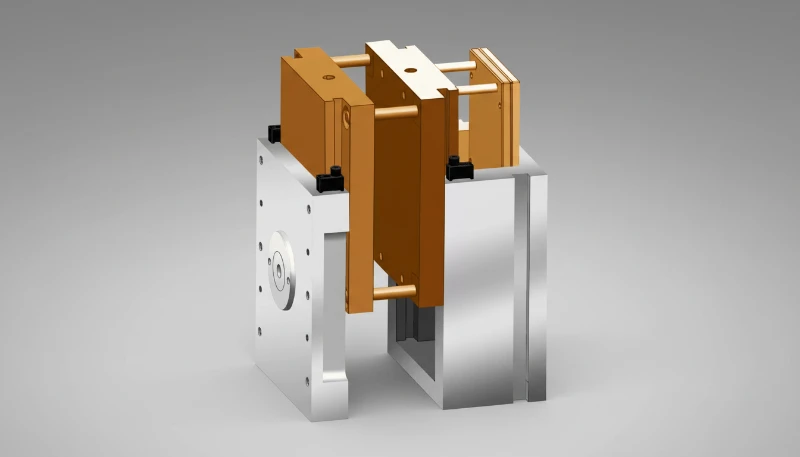
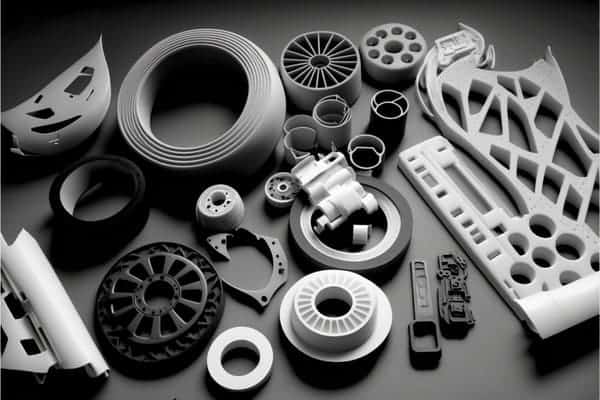
Вы только что получили CAD-модель от конструкторской группы. На экране всё выглядит отлично: малые радиусы, нулевые уклоны и несколько поднутрений, которые, как утверждают конструкторы, «необходимы». Затем модель передают вам с вопросом: «Можно ли это отлить?» Именно в этот момент определяется успех или неудача большинства проектов прецизионных пресс-форм, и литьевая машина здесь ни при чём. Всё начинается с конструкции самой формы.
В статье рассмотрены ключевые решения при проектировании пресс-формы1 — от выбора стали и расположения литника до стратегии охлаждения и анализа течения расплава2. Проектируете ли вы первую точную форму или устраняете проблемы в пятидесятой, именно эти решения отличают форму, выдерживающую 500 000 циклов, от формы, требующей доработки после 10 000.
- Проектирование формы начинается на этапе проектирования детали — устраните проблемы DFM до обработки стали.
- Выбор стали (P20, H13 или S136) определяет срок службы и стоимость оснастки, а также качество поверхности детали.
- Расположение и тип литника напрямую влияют на линии спая, воздушные ловушки и точность размеров.
- Конструкция каналов охлаждения обеспечивает до 70% оптимизации времени цикла.
- Допуски менее ±0.05 mm требуют специальных элементов пресс-формы и средств управления процессом.
- Всегда выполняйте моделирование течения расплава до начала изготовления оснастки.
Чем прецизионная литьевая пресс-форма отличается от стандартной?
В этом разделе рассказывается о том, чем прецизионная литьевая форма отличается от стандартной и как это влияет на стоимость, качество, сроки или риски поставки. Прецизионная форма отличается от стандартной по трем измеримым параметрам: более жесткий размерный допуск (±0,01–±0,05 мм против ±0,1–±0,25 мм), превосходная чистота поверхности (SPI A-1–A-3 против класса B или C) и оптимизированное время цикла, нацеленное на однозначные секунды. Это не постепенные улучшения — они требуют принципиально иного подхода к выбору стали, компоновке охлаждения и валидации процесса.
Прецизионные формы требуют более строгих марок стали, сложного охлаждения, многоосевой чистовой обработки CNC и часто систем измерения в процессе. Стандартную форму можно изготовить за 3–4 недели, а прецизионную для той же детали — за 8–12 недель и в 2–3 раза дороже. Окупаемость — стабильность: детали повторяют CAD от впрыска к впрыску при браке ниже 1%.
На нашем предприятии в Шанхае мы изготавливали прецизионные формы для компонентов медицинских изделий с допуском уплотнительной поверхности ±0.015 mm. Стандартный подход к форме такого результата не обеспечивает. Требуются специальный подбор стали, управление температурой основания формы и валидация процесса на сотнях образцов до первой производственной партии.
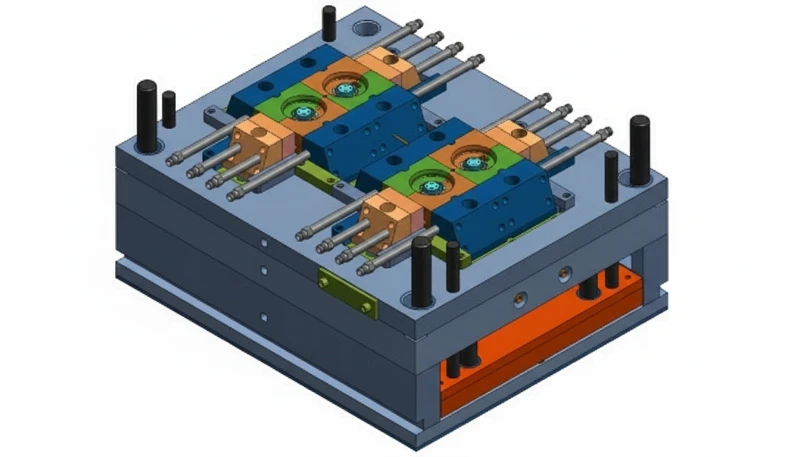
Различие в точности наиболее заметно в многогнёздных пресс-формах. Если для корпуса разъёма используется 8-гнёздная пресс-форма, каждая полость должна производить идентичные детали. Любые различия в охлаждении, размере впуска или вентиляции между полостями проявляются как разброс размеров деталей из одного впрыска. Поэтому прецизионным многогнёздным пресс-формам необходимы сбалансированная схема литников, индивидуально регулируемое охлаждение и отдельное отслеживание размеров каждой полости при изготовлении образцов.
Как выбрать подходящую сталь для прецизионной пресс-формы?
Выбор инструментальной стали — первое необратимое решение при проектировании формы. Правильный вариант зависит от трёх факторов: объёма выпуска, формуемого материала и требований к поверхности. Ошибка приводит либо к лишним расходам на оснастку, либо к преждевременному износу формы.
| Марка стали | Твердость (HRC) | Лучшее для | Ожидаемый ресурс оснастки |
|---|---|---|---|
| P20 / P20HH | 28–36 | Малосерийное производство (менее 100K циклов), общего назначения | 100K–300K циклов |
| H13 | 44–52 | Высокотемпературные смолы (PEEK, LCP), большой объём | Ресурс 500K–1M+ циклов |
| S136 / STAVAX | 48–54 | Зеркальная полировка, медицинские и оптические изделия, коррозионная стойкость | Ресурс 500K–1M+ циклов |
| NAK80 | 37–41 | Предварительно закалённая, хорошо обрабатывается, для средних объёмов | 300K–500K циклов |
| 718H | 33–38 | Универсальное назначение, хорошая полируемость, экономичность | 200K–500K циклов |
Распространенная ошибка — завышать требования к стали. Не каждой пресс-форме нужна H13. Если вы изготавливаете 20,000 деталей из PP с матовой поверхностью, P20 вполне достаточно, что экономит 30–40% стоимости оснастки. Но если вы перерабатываете армированный стекловолокном нейлон при 300°C с отделкой SPI A-2, необходима закаленная сталь: более мягкий материал за несколько недель подвергнется эрозии в зоне впуска.
Для прецизионных изделий мы обычно назначаем S136 или STAVAX для полостей, требующих зеркальной полировки, в сочетании с H13 для вставок стержней, подвергающихся интенсивному термоциклированию. Такое сочетание обеспечивает качество поверхности, необходимое прецизионным деталям, и термическую стойкость, требуемую крупносерийным производством. Каждый из наших 8 ведущих инженеров имеет более 10 лет опыта выбора и назначения этих материалов для конкретных областей применения.
Собственное производство пресс-форм ZetarMold в Шанхае оснащено станками CNC, электроэрозионными проволочно-вырезными и прошивными станками, шлифовальными станками и прецизионными граверами, что обеспечивает ежемесячную мощность более 100 комплектов пресс-форм. В штате 8 старших инженеров со средним опытом более 10 лет; мы выбираем марки стали исходя из реальных условий производства: типа смолы, ожидаемого объема и требуемой чистоты поверхности, а не теоретических рекомендаций из каталога.
Какова роль компенсации усадки в проектировании пресс-форм?
Любой пластик усаживается при охлаждении, и компенсация этой усадки — один из самых математически сложных аспектов проектирования прецизионных пресс-форм. Усадка распространённых инженерных пластиков варьируется от 0.2% для аморфных материалов, таких как PC, до 2.5% для полукристаллических материалов, таких как POM. Компенсацию необходимо выполнять по направлениям, поскольку усадка неодинакова по всей детали.
Номинальный размер 100 mm в PA66 с усадкой 1.3% требует полости 101.3 mm. Но это упрощение: усадка зависит от стенок, направления течения, близости литника и давления выдержки. Ребро 2 mm усаживается иначе, чем соседняя стенка 4 mm. Мы видели детали, где разница продольной и поперечной усадки превышала 0.4%, чего достаточно для выхода допуска ±0.05 mm.
Именно поэтому прецизионные пресс-формы требуют анализа течения расплава до резки стали. Моделирование предсказывает, как будет усаживаться каждая область детали, что позволяет конструктору оснастки применить дифференциальную компенсацию — слегка увеличить одни элементы полости, уменьшить другие и скорректировать геометрию пресс-формы так, чтобы готовая деталь после охлаждения оставалась в пределах допуска. Без моделирования вы действуете наугад, а перерезка закаленной стали — дорого и медленно.
Как спроектировать литник и систему каналов?
Этот раздел посвящен проектированию литниковой системы и ее влиянию на стоимость, качество, сроки или риски снабжения. Литник — это место, где расплавленный пластик входит в полость, а его тип, размер и расположение определяют картину течения, положение линии сварки, эффективность уплотнения и видимый след, остающийся на детали. Для прецизионных пресс-форм проектирование литника является ключевым инженерным решением, а не второстепенным. Ошибитесь с литником — и никакая настройка процесса не обеспечит необходимой вам размерной стабильности.
"Расположение впуска напрямую влияет на точность размеров детали и прочность линии спая."True
Литник определяет схему заполнения полости. Неудачное расположение литника приводит к неравномерной выдержке под давлением, из-за чего размеры одной стороны детали отличаются от другой. В многолитниковых конструкциях в местах встречи фронтов потока образуются линии спая — если они приходятся на силовой элемент, прочность детали снижается на 20–40%.
"Увеличенный литник всегда обеспечивает более высокое качество деталей."False
Слишком большой литник оставляет крупный след, требующий дополнительной обрезки, увеличивает время застывания (замедляя цикл) и может вызвать переуплотнение вблизи литника, приводящее к образованию облоя. Размер литника должен обеспечивать баланс между скоростью заполнения, передачей давления выдержки и чистым отделением литника.
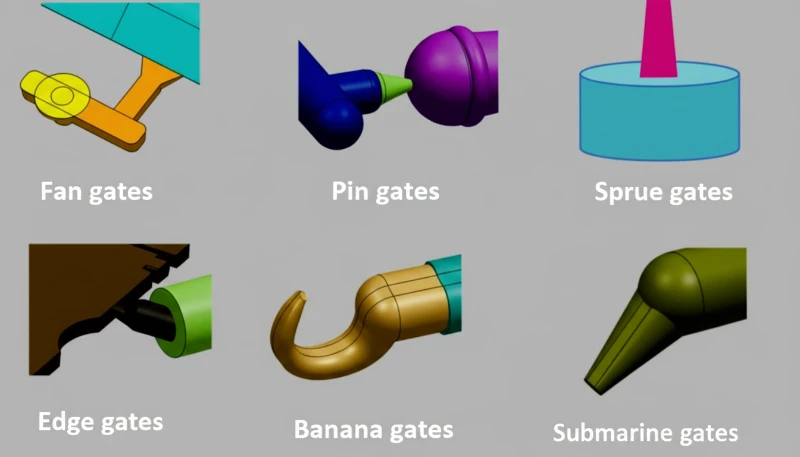
Для точных деталей чаще применяют туннельные литники с минимальными следами и прямые литники для одногнездных форм, где нужно максимальное уплотнение. Краевые подходят для плоских деталей, но оставляют видимый след. Выбор зависит от геометрии, внешнего вида и объёма.
Система разводящих литников соединяет центральный литник с впусками. В прецизионном формовании часто предпочитают горячеканальные системы, поскольку они устраняют отходы холодных литников, сокращают время цикла и обеспечивают более стабильную температуру расплава в каждой полости. Однако горячеканальная система увеличивает стоимость оснастки на USD 3,000–15,000 и создаёт дополнительные точки обслуживания. Для прецизионных многогнёздных пресс-форм крупносерийного производства окупаемость обычно достигается в пределах первых 50,000 циклов.
Почему конструкция каналов охлаждения критична для прецизионных деталей?
Охлаждение занимает 60–70% общего цикла литья. В точном литье оно также напрямую влияет на качество: неравномерное охлаждение вызывает различную усадку, коробление и внутренние напряжения, выводящие размеры за допуск. Хорошо спроектированная система быстро и равномерно отводит тепло; плохая создаёт горячие зоны, деформирует детали и повышает уровень брака.
Стандартные сверленые каналы охлаждения — это прямые линии через плиту пресс-формы. Они подходят для простой геометрии, но не могут повторять сложные контуры детали. Для прецизионных деталей с переменной толщиной стенок или глубокими ребрами конформное охлаждение — каналы, следующие за поверхностью полости — значительно эффективнее. Исследования и наши собственные производственные данные показывают, что конформное охлаждение сокращает время цикла на 20–35% и улучшает стабильность размеров на 15–25%.
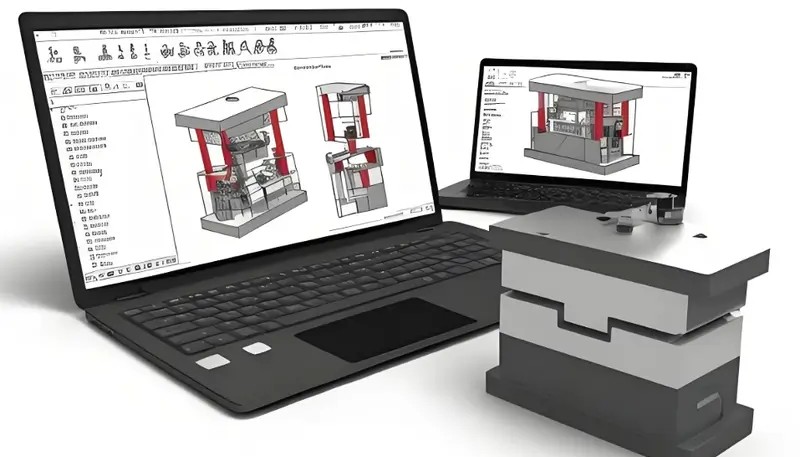
Практическая сложность конформного охлаждения заключается в изготовлении. Обычным сверлением невозможно создать изогнутые каналы. Требуется либо металлическая 3D-печать (селективное лазерное плавление) вставок сердечника, либо система изготовленных перегородок и барботеров, приближающая поток к конформному. Оба подхода увеличивают стоимость и сроки, поэтому важно привлечь квалифицированного поставщика литья на ранней стадии. На нашем предприятии каждый проект точной формы оценивается отдельно: иногда грамотно спроектированная система перегородок обеспечивает 80% эффекта конформного охлаждения при 30% его стоимости.
Какие ключевые конструктивные особенности детали влияют на точность пресс-формы?
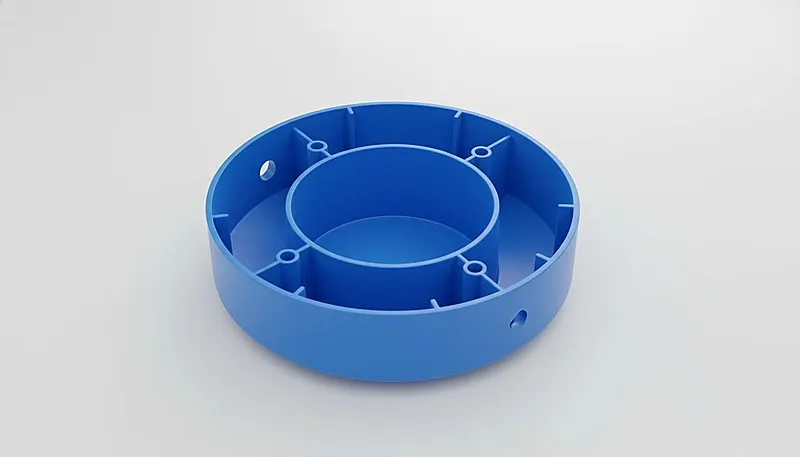
Ключевые особенности конструкции детали, влияющие на точность пресс-формы, — это основные категории или варианты, описанные в этом разделе. Лучший дизайн пресс-формы не исправит плохую конструкцию детали. Точность начинается на этапе CAD, и есть несколько особенностей, которые либо способствуют, либо препятствуют прецизионному литью. Решение этих вопросов во время обзора DFM экономит недели на доработку пресс-формы в дальнейшем.
Углы уклона обязательны. Даже прецизионным деталям требуется уклон не менее 0.5° на вертикальных поверхностях; предпочтительно 1–2°. Распространённый аргумент о том, что уклон изменяет размеры, упускает главное. Без уклона деталь трётся о стенку полости при извлечении, вызывая царапины, разброс размеров и в конечном итоге повреждение полости. Решение состоит в том, чтобы с самого начала заложить уклон в размерную цепь допусков.
Равномерность толщины стенок — второй критически важный фактор. Различия более 15–20% между соседними участками вызывают неравномерное охлаждение, утяжины и внутренние напряжения. Если рядом с тонкими участками детали расположены толстые, необходимо либо сделать толстые зоны полыми, либо принять их отличающуюся усадку. Во время анализа DFM мы регулярно помогаем клиентам скорректировать переходы толщины стенок до начала изготовления пресс-формы.
Третий фактор — радиусы углов. Острые внутренние углы создают концентрации напряжений, вызывающие растрескивание при эксплуатации и нестабильное заполнение формы. Стандартный минимальный внутренний радиус составляет 0.5 mm; для нагруженных прецизионных деталей рекомендуется 1.0 mm или больше. Внешние углы также должны иметь небольшой радиус — минимум 0.25 mm, — чтобы предотвратить выкрашивание стали на кромке гнезда в течение миллионов циклов смыкания формы.
"Для точного извлечения детали из полированной полости достаточно уклона всего 0.5°."True
В полостях, отполированных до SPI A-2 или лучше, трение поверхности достаточно низкое, поэтому уклон 0.5° обеспечивает чистое извлечение большинства конструкционных пластмасс. Однако для стеклонаполненных материалов или текстурированных поверхностей требуется 1.5–3°, чтобы предотвратить следы задиров.
"Прецизионные детали не могут иметь поднутрений, поскольку боковые механизмы снижают точность."False
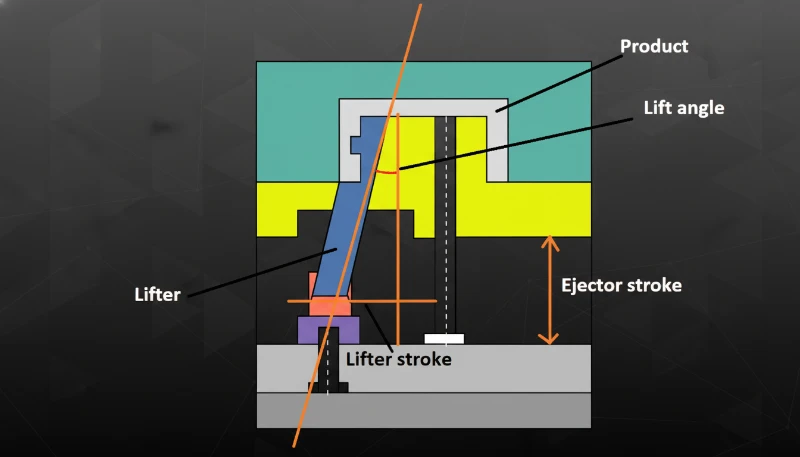
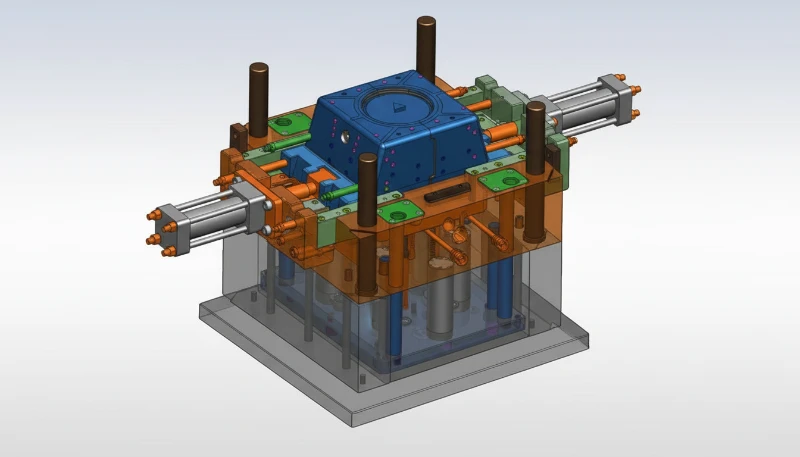
Современные механизмы наклонных толкателей и ползунов способны поддерживать точность позиционирования в пределах ±0.02 mm. Ключевое значение имеет конструкция бокового механизма с закалёнными износостойкими пластинами и достаточным направлением. По возможности поднутрений следует избегать, но они не исключают автоматически возможность прецизионного изготовления.
Какие этапы контроля и валидации обеспечивают точность пресс-формы?
Прецизионная форма готова не после обработки стали, а после прохождения контроля первыми изделиями. Валидация — последний и наиболее критичный этап, требующий оборудования и процедур, которые многие цеха пропускают ради скорости.
Мы соблюдаем следующую последовательность. Сначала проверяем размеры полости на КИМ (координатно-измерительной машине) ещё до попадания пластмассы в форму. Это выявляет ошибки обработки стали; как правило, размеры полости до начала литья должны укладываться в 80% допуска с компенсацией усадки. Затем проводим анализ недолива, постепенно заполняя полость и проверяя соответствие потока результатам моделирования3. Наконец, выполняем полный размерный анализ 30–50 образцов на КИМ или оптическом оборудовании для определения воспроизводимости процесса (минимум Cpk ≥ 1,33 для точных изделий и ≥ 1,67 для медицинских).
Наша команда контроля качества из более чем 10 специалистов применяет шестиступенчатый процесс: от входного контроля материала через проверки в процессе до окончательного выходного контроля. Для прецизионных форм мы добавляем исследование воспроизводимости конкретной формы, выполняя более 100 последовательных впрысков, чтобы подтвердить сохранение разброса размеров в пределах спецификации. Так выявляются износ полости, дрейф охлаждения и эрозия литника до того, как они повлияют на серийные детали.
Помимо немедленного измерения мы также проводим контроль размеров через 24 часа после формования. Он выявляет отложенные изменения размеров из-за релаксации остаточных напряжений или продолжающейся кристаллизации, что особенно важно для полукристаллических материалов, таких как POM и PA66, где усадка может продолжаться 48 часов и более.
Часто задаваемые вопросы о проектировании прецизионных литьевых форм
Какую точность может обеспечить прецизионная литьевая форма?
Хорошо спроектированная прецизионная литьевая пресс-форма способна надёжно выдерживать допуски от ±0.01 до ±0.05 mm на критических размерах в зависимости от геометрии детали, выбора материала и сложности конструкции формы. Для стабильного достижения ±0.01 mm требуются полости из закалённой стали (S136 или H13), оптимизированные схемы конформного охлаждения и окна процесса, подтверждённые исследованиями возможностей с Cpk ≥ 1.67. Для большинства инженерных применений допуск от ±0.025 до ±0.05 mm — практичная и экономичная цель, обеспечивающая баланс требований точности и экономики производства. Для критически важных медицинских и оптических применений мы рекомендуем задавать проектный допуск ±0.025 mm и проверять Cpk процесса как минимум на 100 последовательных впрысках.
Сколько стоит прецизионная литьевая форма по сравнению со стандартной?
Высокоточная пресс-форма обычно стоит в 2–3 раза дороже стандартной формы для детали той же геометрии. Доплата обусловлена применением стали более высокой марки (S136 или H13 вместо P20), многоосевой чистовой обработкой на станках с ЧПУ, дополнительными этапами валидации, включая измерения на КИМ, и более сложными системами охлаждения, например конформными каналами. Для детали средней сложности это может означать USD 15,000–25,000 вместо USD 6,000–10,000 за стандартную оснастку. Однако меньший процент брака и более длительный срок службы оснастки часто окупают эту доплату уже в первой производственной серии. По нашему опыту ежемесячного изготовления высокоточных форм, дополнительные вложения окупаются благодаря снижению брака и сокращению производственных простоев.
Сколько времени требуется для изготовления прецизионной литьевой формы?
Срок изготовления составляет от 6 до 12 недель в зависимости от сложности и требований к стали. Одногнездная пресс-форма с элементами средней сложности может быть изготовлена за 6–8 недель от утверждения конструкции до получения образцов T0. Многогнездная пресс-форма с боковыми механизмами, наклонными выталкивателями и конформным охлаждением может потребовать 10–14 недель. Этап валидации — получение образцов T0, анализ размеров 30–50 деталей и необходимые доработки — добавляет еще 1–3 недели сверх срока изготовления пресс-формы. Ускоренные сроки возможны, но часто достигаются за счет сокращения этапа валидации, что мы не рекомендуем для прецизионных изделий.
Требуются ли всем прецизионным формам системы горячеканальные?
Нет, горячеканальная система требуется не каждой прецизионной форме. Горячие каналы настоятельно рекомендуются для многогнёздных прецизионных форм и крупносерийного производства, поскольку устраняют отходы холодных литников и обеспечивают более стабильную температуру расплава в каждом гнезде, повышая размерную однородность. Однако для одногнёздных форм или малосерийных прецизионных работ холодный канал с прямым центральным литником может обеспечить такую же размерную точность при значительно меньшей стоимости оснастки. Выбор между горячими и холодными каналами следует делать на этапе DFM-проверки с учётом прогнозируемого годового объёма и характеристик материала.
Какова самая распространенная ошибка в проектировании прецизионных форм?
Самая частая ошибка — недооценка взаимосвязи между конструкцией каналов охлаждения и итоговой точностью размеров детали. Инженеры часто сосредоточиваются на допусках полости и точности обработки стали, но пренебрегают равномерностью охлаждения. В результате детали имеют правильные размеры сразу после формования, но выходят за допуск по мере релаксации внутренних напряжений в течение 24–48 часов. Тепловизионный контроль при опробовании и расширенные исследования возможностей на более чем 100 циклах позволяют выявить это заранее. Наша стандартная практика — всегда проводить контроль размеров через 24 часа после формования, чтобы обнаруживать отложенные смещения из-за релаксации напряжений.
Может ли прецизионная форма производить детали из различных материалов?
Да, прецизионная форма может производить детали из разных материалов, но с важными оговорками. Разные пластики имеют различную усадку, текучесть и температуру переработки. Форма, спроектированная для PA66 с усадкой 1.0–1.5%, не обеспечит правильные размеры деталей из POM с усадкой 1.8–2.5% без корректировки полости. Смена материала в прецизионных формах обычно требует новых вставок полости, компенсационного смещения в конструкции формы или отдельного исследования воспроизводимости для каждого материала. Мы рекомендуем указывать основной производственный материал на начальном этапе проектирования формы.
Какую чистоту поверхности может обеспечить прецизионная пресс-форма?
Прецизионные формы могут обеспечивать качество поверхности от SPI A-1 (зеркальная, ниже 0.01 μm Ra) до SPI A-3 в зависимости от марки стали и применяемого процесса полирования. Для поверхностей оптического качества предпочтительны стали S136 и STAVAX, поскольку высокое содержание хрома позволяет алмазной полировкой достигать чрезвычайно низкой шероховатости. Достижимое качество также сильно зависит от геометрии детали: глубокие рёбра, тесные углы и тонкостенные участки полировать значительно сложнее, чем открытые плоские поверхности. Для прецизионных оптических компонентов мы задаём STAVAX с полировкой SPI A-1 и последующей проверкой покрытия.
Готовы изготовить прецизионную пресс-форму?
Этот раздел посвящен готовности к изготовлению вашей прецизионной пресс-формы и ее влиянию на стоимость, качество, сроки или риски снабжения. Проектирование прецизионной литьевой пресс-формы — это серия инженерных решений — марка стали, размещение литника, схема охлаждения, компенсация усадки — где каждый выбор ограничивает следующий. Лучшие результаты достигаются опытными конструкторами оснастки, которые понимают всю цепочку от проектирования детали до валидации производства.
В ZetarMold мы эксплуатируем 47 литьевых машин от 90T до 1850T на нашем предприятии в Шанхае, с собственным цехом по производству пресс-форм, способным выпускать более 100 комплектов пресс-форм в месяц. Наша команда из 8 старших инженеров имеет более чем 10-летний опыт каждый в проектировании прецизионных пресс-форм, подкрепленный полным процессом контроля качества от IQC до OQC. Независимо от того, нужна ли вам одногнездная прототипная пресс-форма или 16-гнездная производственная оснастка с горячеканальными системами и конформным охлаждением, мы поможем вам добиться точности, которую требуют ваши детали.
Обратитесь за консультацией по конструкции пресс-формы — мы проанализируем конструкцию вашей детали, выявим потенциальные проблемы с точностью и дадим рекомендацию по оснастке до того, как вы закажете обработку стали.
Проектирование пресс-формы: инженерный процесс создания формующей полости, сердечника, системы охлаждения и механизма выталкивания, используемых для получения пластмассовых деталей литьём под давлением. ↩
Анализ течения расплава: компьютерное моделирование заполнения, уплотнения и охлаждения расплавленной пластмассы в полости формы, помогающее оптимизировать положение литника и параметры процесса. ↩
Моделирование течения расплава: применение метода конечных элементов для прогнозирования заполнения, уплотнения и охлаждения расплавленной пластмассы в полости; позволяет оптимизировать расположение литников, управлять линиями спая и проектировать каналы охлаждения до обработки стали. ↩