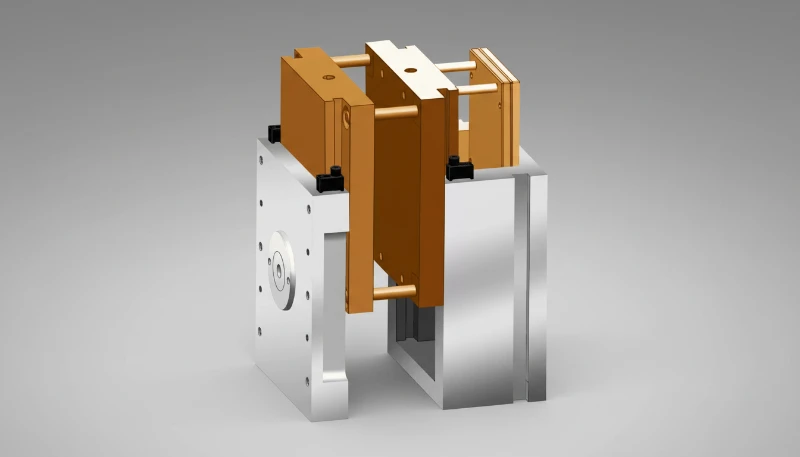
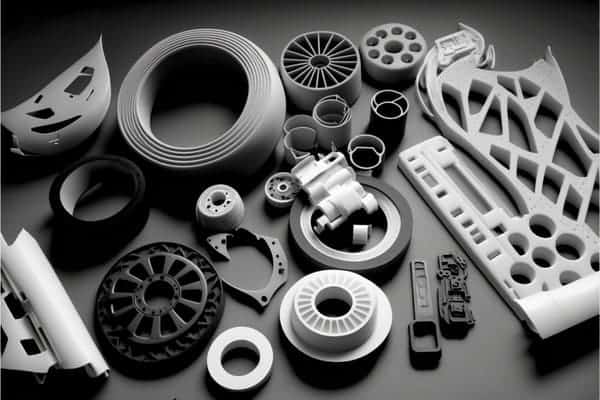
Sie haben soeben ein CAD-Modell von Ihrem Konstruktionsteam erhalten. Auf dem Bildschirm sieht es gut aus — enge Radien, keine Entformungsschrägen und einige Hinterschneidungen, die angeblich “notwendig” sind. Dann legt es Ihnen jemand vor und fragt: “Können wir das formen?” In diesem Moment entscheidet sich bei den meisten Präzisionsformprojekten der Erfolg oder Misserfolg, und die Spritzgießmaschine spielt dabei keine Rolle. Entscheidend ist die Konstruktion der Form selbst.
Dieser Artikel erläutert die entscheidenden Entscheidungen beim Spritzgussformenbau1 – von Stahlauswahl und Anschnittposition bis zu Kühlstrategie und Moldflow-Analyse2. Ob Sie Ihre erste Präzisionsform konstruieren oder bei der fünfzigsten Fehler suchen: Diese Entscheidungen trennen eine Form für 500.000 Schüsse von einer, die nach 10.000 nachgearbeitet werden muss.
- Die Formkonstruktion beginnt bei der Bauteilkonstruktion – DFM-Probleme vor der Stahlbearbeitung beheben.
- Die Stahlwahl (P20 gegenüber H13 gegenüber S136) bestimmt Werkzeuglebensdauer, Kosten und Oberflächenqualität des Teils.
- Lage und Art des Anschnitts wirken sich direkt auf Bindenähte, Lufteinschlüsse und Maßgenauigkeit aus.
- Die Auslegung der Kühlkanäle macht bis zu 70 % der Zykluszeitoptimierung aus.
- Toleranzen unter ±0.05 mm erfordern spezielle Formmerkmale und Prozessregelungen.
- Führen Sie immer eine Formfüllsimulation durch, bevor Sie die Werkzeugfertigung freigeben.
Wodurch unterscheidet sich ein Präzisionsspritzgießwerkzeug von einem Standardwerkzeug?
Dieser Abschnitt erläutert, wodurch sich ein Präzisionsspritzgießwerkzeug von einem Standardwerkzeug unterscheidet und wie sich dies auf Kosten, Qualität, Termine oder Beschaffungsrisiken auswirkt. Ein Präzisionswerkzeug unterscheidet sich in drei messbaren Punkten von einem Standardwerkzeug: engere Maßtoleranzen (±0.01 bis ±0.05 mm gegenüber ±0.1 bis ±0.25 mm), bessere Oberflächengüten (SPI A-1 bis A-3 gegenüber Güte B oder C) und optimierte Zykluszeiten im einstelligen Sekundenbereich. Dies sind keine schrittweisen Verbesserungen — sie erfordern grundlegend andere Ansätze bei Stahlauswahl, Kühlkanalanordnung und Prozessvalidierung.
Präzisionswerkzeuge erfordern enger spezifizierte Stahlsorten, anspruchsvollere Kühlkonzepte, mehrachsige CNC-Endbearbeitung und häufig prozessintegrierte Messsysteme. Der Bau eines Standardwerkzeugs kann 3–4 Wochen dauern. Ein Präzisionswerkzeug für dasselbe Teil kann 8–12 Wochen benötigen und das 2–3-Fache kosten. Dafür bietet es Konstanz: Schuss für Schuss dem CAD-Modell entsprechende Teile bei einer Ausschussquote unter 1%.
In unserem Werk in Shanghai haben wir Präzisionsformen für Komponenten medizinischer Geräte gebaut, bei denen die Toleranz einer Dichtfläche ±0.015 mm betrug. Das lässt sich mit einem Standardformenansatz nicht erreichen. Erforderlich sind eine gezielte Stahlauswahl, das Wärmemanagement im Formaufbau und eine Prozessvalidierung mit Hunderten von Mustern vor der ersten Produktionscharge.
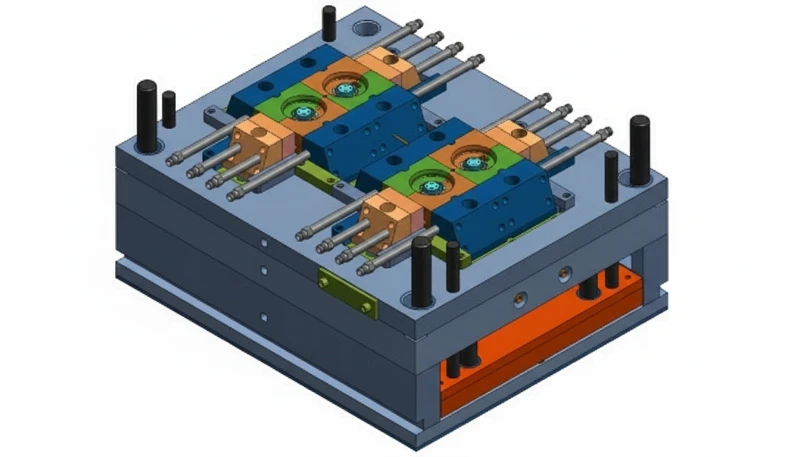
Am deutlichsten wird der Präzisionsunterschied bei Mehrkavitätenwerkzeugen. Wenn Sie ein 8-Kavitätenwerkzeug für ein Steckverbindergehäuse betreiben, muss jede Kavität identische Teile erzeugen. Jede Abweichung bei Kühlung, Anschnittgröße oder Entlüftung zwischen den Kavitäten zeigt sich als Maßstreuung bei Teilen desselben Schusses. Deshalb benötigen Präzisions-Mehrkavitätenwerkzeuge ausbalancierte Angussanordnungen, individuell einstellbare Kühlung und eine kavitätsspezifische Maßverfolgung während der Bemusterung.
Wie wählen Sie den richtigen Stahl für ein Präzisionswerkzeug aus?
Die Auswahl des Werkzeugstahls ist die erste unumkehrbare Entscheidung bei der Formkonstruktion. Die richtige Wahl hängt von Produktionsvolumen, verarbeitetem Material und Anforderungen an die Oberflächengüte ab. Eine Fehlentscheidung führt entweder zu überhöhten Werkzeugkosten oder vorzeitigem Formenverschleiß.
| Stahlsorte | Härte (HRC) | Am besten für | Erwartete Werkzeuglebensdauer |
|---|---|---|---|
| P20 / P20HH | 28–36 | Kleine Stückzahlen (unter 100K Schuss), universell einsetzbar | 100K–300K Schuss |
| H13 | 44–52 | Hochtemperaturharze (PEEK, LCP), hohe Stückzahl | 500K–1M+ Schuss |
| S136 / STAVAX | 48–54 | Spiegelpolierte Oberflächen, Medizin/Optik, korrosionsbeständig | 500K–1M+ Schuss |
| NAK80 | 37–41 | Vorgehärtet, gut zerspanbar, mittlere Stückzahlen | 300K–500K Schüsse |
| 718H | 33–38 | Universell einsetzbar, gut polierbar, kostengünstig | 200K–500K Schuss |
Ein häufiger Fehler ist die Überspezifikation des Stahls. Nicht jede Form benötigt H13. Wenn Sie 20,000 Teile aus PP mit matter Oberfläche spritzen, ist P20 vollkommen ausreichend und spart 30–40% der Werkzeugkosten. Verarbeiten Sie jedoch glasfaserverstärktes Nylon bei 300°C mit einer SPI-A-2-Oberfläche, benötigen Sie gehärteten Stahl — jedes weichere Material erodiert innerhalb weniger Wochen im Angussbereich.
Für Präzisionsarbeiten spezifizieren wir für Kavitäten, die Hochglanzoberflächen benötigen, typischerweise S136 oder STAVAX, kombiniert mit H13 für Kerneinsätze mit hoher thermischer Wechselbelastung. Diese Kombination bietet die von Präzisionsteilen geforderte Oberflächenqualität und zugleich die für die Großserienfertigung erforderliche thermische Beständigkeit. Unsere 8 erfahrenen Ingenieure verfügen jeweils über mehr als 10 Jahre Erfahrung mit der Auswahl und Spezifikation dieser Materialien für konkrete Anwendungen.
Bei ZetarMold umfasst unsere eigene Werkzeugfertigung in Shanghai CNC-Maschinen, Drahterodiermaschinen, Senkerodiermaschinen, Schleifmaschinen und Präzisionsgraviermaschinen – zusammen ermöglichen sie eine monatliche Kapazität von mehr als 100 Werkzeugsätzen. Mit acht leitenden Ingenieuren, die im Durchschnitt über mehr als zehn Jahre Erfahrung verfügen, wählen wir die Stahlsorten anhand der tatsächlichen Produktionsbedingungen aus: Harztyp, erwartete Stückzahl und erforderliche Oberflächenqualität statt theoretischer Katalogempfehlungen.
Welche Rolle spielt die Schwindungskompensation bei der Formenkonstruktion?
Jeder Kunststoff schwindet beim Abkühlen, und der Ausgleich dieser Schwindung gehört zu den mathematisch anspruchsvollsten Aspekten der Präzisionswerkzeugkonstruktion. Die Schwindungsrate gängiger technischer Kunststoffe reicht von 0.2% bei amorphen Werkstoffen wie PC bis 2.5% bei teilkristallinen Werkstoffen wie POM. Sie müssen die Schwindung richtungsabhängig ausgleichen, da sie über das Teil nicht gleichmäßig ist.
Bei einem Nennmaß von 100 mm und einer Schwindung von 1.3% muss die Kavität für PA66 auf 101.3 mm gefertigt werden. Das ist jedoch nur die vereinfachte Betrachtung. Tatsächlich hängt die Schwindung von Wanddicke, Fließrichtung, Anschnittnähe und Nachdruck ab. Eine 2 mm dicke Rippe schwindet anders als die angrenzende 4 mm dicke Wand. In unserer Werkzeugbauerfahrung haben wir Teile gesehen, bei denen der Unterschied zwischen der Schwindung in Fließ- und Querrichtung mehr als 0.4% betrug – genug, um eine Toleranz von ±0.05 mm zu überschreiten.
Genau deshalb erfordern Präzisionsformen vor der Stahlbearbeitung eine Moldflow-Analyse. Die Simulation sagt voraus, wie jeder Bereich des Teils schwindet, sodass der Werkzeugkonstrukteur eine differenzielle Kompensation vornehmen kann — einige Kavitätsmerkmale werden geringfügig überdimensioniert, andere unterdimensioniert und die Formgeometrie so angepasst, dass das fertige Teil nach dem Abkühlen innerhalb der Toleranz liegt. Ohne Simulation wird lediglich geraten, und das Nachbearbeiten gehärteten Stahls ist teuer und langsam.
Wie sollten Anschnitt und Angusskanalsystem konstruiert werden?
Dieser Abschnitt behandelt die Auslegung von Anschnitt- und Verteilerkanalsystem sowie deren Einfluss auf Kosten, Qualität, Termine und Beschaffungsrisiken. Am Anschnitt tritt die Kunststoffschmelze in die Kavität ein; Typ, Größe und Position bestimmen Fließbild, Lage der Bindenaht, Nachdruckwirkung und die sichtbare Markierung am Teil. Bei Präzisionswerkzeugen ist die Anschnittauslegung eine zentrale Engineering-Entscheidung, kein nachträgliches Detail. Ist der Anschnitt falsch ausgelegt, liefert auch intensive Prozessoptimierung nicht die erforderliche Maßkonstanz.
"Die Anschnittposition beeinflusst unmittelbar die Maßgenauigkeit des Teils und die Festigkeit der Bindenaht."True
Der Anschnitt bestimmt das Füllmuster innerhalb der Kavität. Ein ungünstig platzierter Anschnitt führt zu ungleichmäßigem Nachdruck, wodurch sich eine Seite des Teils maßlich von der anderen unterscheidet. Bei Konstruktionen mit mehreren Anschnitten entstehen Bindenähte dort, wo Fließfronten aufeinandertreffen—liegen diese auf einem tragenden Merkmal, sinkt die Bauteilfestigkeit um 20–40%.
"Ein größerer Anschnitt führt immer zu Bauteilen höherer Qualität."False
Ein zu großer Anschnitt hinterlässt eine große Spur, die nachträglich beschnitten werden muss, verlängert die Erstarrungszeit und damit den Zyklus und kann in Anschnittnähe zu Überpackung mit Gratbildung führen. Die Anschnittgröße muss Füllgeschwindigkeit, Übertragung des Nachdrucks und sauberes Abtrennen in Einklang bringen.
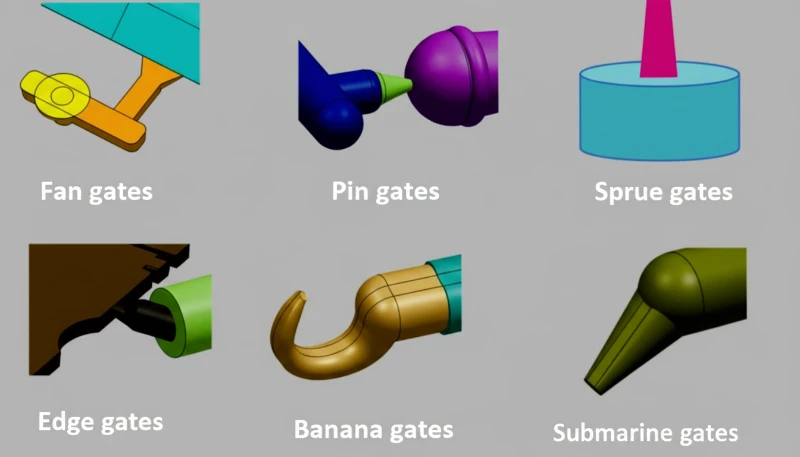
Bei Präzisionsteilen sind Tunnelanschnitte, die nur minimale sichtbare Spuren hinterlassen, sowie Direktangüsse für Einkavitätenformen mit maximalem Nachdruck am gebräuchlichsten. Seitenanschnitte eignen sich für flache Teile, hinterlassen jedoch eine sichtbare Spur, die berücksichtigt werden muss. Die Wahl hängt von der Bauteilgeometrie, den optischen Anforderungen und der Produktionsmenge ab.
Das Angusssystem verbindet den Anguss mit den Anschnitten. Beim Präzisionsspritzgießen werden häufig Heißkanalsysteme bevorzugt, weil sie Kaltkanalabfall vermeiden, die Zykluszeit verkürzen und jeder Kavität eine gleichmäßigere Schmelzetemperatur zuführen. Allerdings erhöhen Heißkanäle die Werkzeugkosten um 3.000–15.000 US-Dollar und schaffen zusätzliche potenzielle Wartungspunkte. Bei Mehrkavitäten-Präzisionswerkzeugen in der Großserienfertigung amortisiert sich diese Investition in der Regel innerhalb der ersten 50.000 Schuss.
Warum ist die Kühlkanalkonstruktion für Präzisionsteile entscheidend?
Die Kühlung macht 60–70 % des gesamten Spritzgießzyklus aus. Beim Präzisionsspritzguss beeinflusst sie direkt die Teilequalität: Ungleichmäßige Kühlung verursacht unterschiedliche Schwindung, Verzug und innere Spannungen, die Maße aus der Toleranz drücken. Ein gut ausgelegtes Kühlsystem führt Wärme gleichmäßig und schnell ab; ein schlechtes erzeugt Hotspots, verformt Teile und erhöht den Ausschuss.
Standardmäßig gebohrte Kühlkanäle verlaufen geradlinig durch den Werkzeuggrundkörper. Sie eignen sich für einfache Geometrien, können jedoch komplexen Bauteilkonturen nicht folgen. Bei Präzisionsteilen mit unterschiedlichen Wanddicken oder tiefen Rippen ist die konturnahe Kühlung—Kanäle, die der Kavitätsoberfläche folgen—deutlich wirksamer. Forschungsergebnisse und unsere eigenen Produktionsdaten zeigen, dass die konturnahe Kühlung die Zykluszeit um 20–35% verkürzt und die Maßhaltigkeit um 15–25% verbessert.
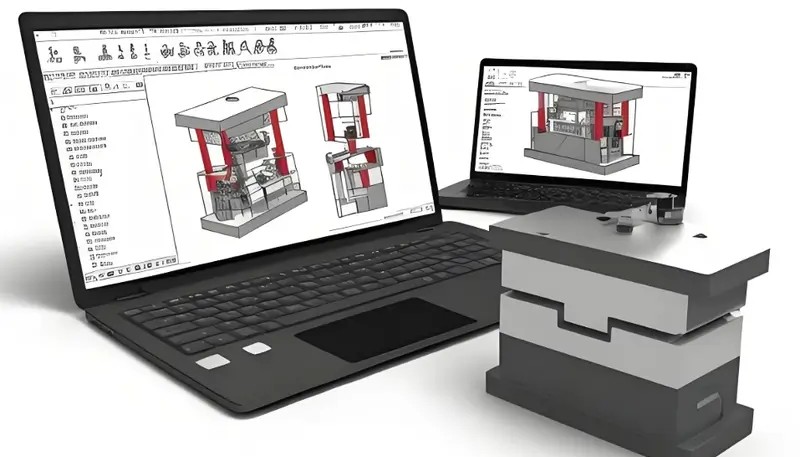
Die praktische Herausforderung bei konturnaher Kühlung liegt in der Fertigung. Mit herkömmlichen Bohrverfahren lassen sich keine gekrümmten Kanäle herstellen. Für die Kerneinsätze ist entweder Metall-3D-Druck (selektives Laserschmelzen) erforderlich, oder es werden Leitblech- und Sprudelrohrkonstruktionen gefertigt, die eine konturnahe Strömung annähern. Beide Ansätze erhöhen Kosten und Durchlaufzeit, weshalb die frühzeitige Auswahl eines qualifizierten Spritzgießlieferanten wichtig ist. In unserem Werk bewerten wir jedes Präzisionsformenprojekt einzeln – manchmal erzielt ein gut ausgelegtes Leitblechsystem 80 % des Nutzens einer konturnahen Kühlung bei 30 % der Kosten.
Welche wichtigen Merkmale der Teilekonstruktion beeinflussen die Formpräzision?
Die wichtigsten Merkmale der Bauteilkonstruktion, die die Formpräzision beeinflussen, sind die in diesem Abschnitt erläuterten Hauptkategorien beziehungsweise Optionen. Selbst die beste Formkonstruktion kann eine schlechte Bauteilkonstruktion nicht ausgleichen. Präzision beginnt in der CAD-Phase, und verschiedene Merkmale ermöglichen oder verhindern Präzisionsspritzguss. Werden sie in der DFM-Prüfung berücksichtigt, erspart dies später wochenlange Nacharbeit an der Form.
Entformungsschrägen sind unverzichtbar. Selbst Präzisionsteile benötigen an senkrechten Flächen mindestens 0.5° Schräge; 1–2° sind vorzuziehen. Das häufige Argument, eine Schräge verändere die Abmessungen, verfehlt den Punkt. Ohne Schräge schleift das Teil beim Auswerfen an der Kavitätswand, wodurch Kratzer, Maßabweichungen und schließlich Kavitätsschäden entstehen. Die Lösung besteht darin, die Schräge von Anfang an in die Toleranzkette einzubeziehen.
Die Gleichmäßigkeit der Wanddicke ist der zweite kritische Faktor. Abweichungen von mehr als 15–20 % zwischen benachbarten Bereichen führen zu unterschiedlicher Kühlung, Einfallstellen und inneren Spannungen. Weist Ihr Bauteil dicke Bereiche neben dünnen auf, müssen Sie entweder die dicken Bereiche aushöhlen oder hinnehmen, dass sie unterschiedlich schrumpfen. Während der DFM-Prüfung arbeiten wir regelmäßig mit Kunden daran, Wanddickenübergänge anzupassen, bevor das Werkzeug bearbeitet wird.
An dritter Stelle stehen Eckenradien. Scharfe Innenecken erzeugen Spannungskonzentrationen, die im Einsatz Risse verursachen und eine gleichmäßige Formfüllung verhindern. Ein Mindestinnenradius von 0.5 mm ist Standard; bei im Einsatz belasteten Präzisionsteilen werden 1.0 mm oder mehr empfohlen. Auch Außenecken sollten einen kleinen Radius aufweisen—mindestens 0.25 mm—damit der Stahl an der Kavitätskante während der Millionen Schließzyklen, denen das Werkzeug standhalten muss, nicht ausbricht.
"Ein Entformungswinkel von nur 0.5° reicht für eine präzise Auswerfung an polierten Kavitätsoberflächen aus."True
Bei auf SPI A-2 oder besser polierten Kavitäten ist die Oberflächenreibung so gering, dass 0.5° Entformungsschräge bei den meisten technischen Kunststoffen eine saubere Entformung ermöglicht. Bei glasfasergefüllten Werkstoffen oder strukturierten Oberflächen sind jedoch 1.5–3° erforderlich, um Schleifspuren zu vermeiden.
"Präzisionsteile dürfen keine Hinterschnitte aufweisen, weil seitliche Schieber die Genauigkeit verringern."False
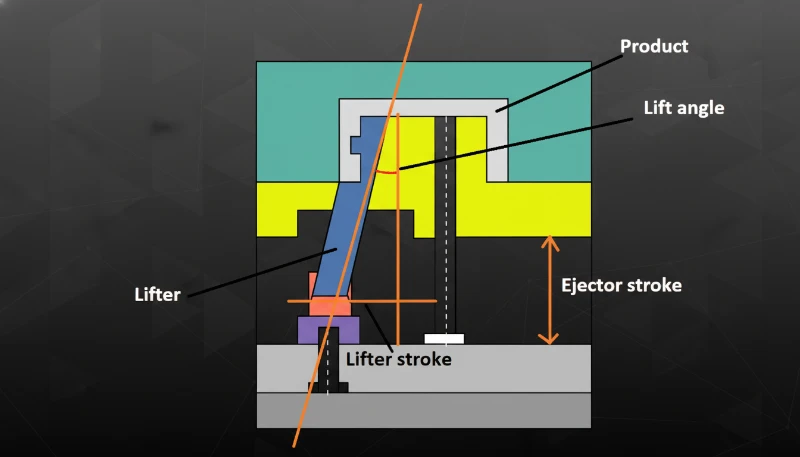
Moderne Schrägauswerfer- und Schiebermechanismen können eine Positionsgenauigkeit von ±0.02 mm einhalten. Entscheidend ist, die Seitenbewegung mit gehärteten Verschleißplatten und ausreichender Führung auszulegen. Hinterschnitte sollten möglichst vermieden werden, sind für Präzisionsanwendungen jedoch kein automatisches Ausschlusskriterium.
Welche Prüf- und Validierungsschritte gewährleisten die Präzision des Werkzeugs?
Eine Präzisionsform ist nicht fertig, wenn der Stahl bearbeitet ist, sondern wenn die Erstmuster die Prüfung bestanden haben. Die Validierung ist die letzte und wichtigste Phase. Sie erfordert spezielle Ausrüstung und Verfahren, die viele Formenbauer aus Zeitgründen überspringen.
Unser Ablauf: Erstens prüfen wir die Kavitätsmaße per CMM (Koordinatenmessmaschine), bevor die Form überhaupt Kunststoff sieht. Dadurch werden Fehler beim Stahlabtrag erkannt – üblicherweise sollten die Kavitätsmaße vor Beginn des Formens innerhalb von 80 % der um die Schwindung korrigierten Toleranz liegen. Zweitens folgt eine Kurzschussanalyse: Die Kavität wird schrittweise gefüllt, um zu prüfen, ob der Fluss der Moldflow-Simulation3 entspricht. Drittens führen wir an 30–50 Mustern eine vollständige Maßanalyse per CMM oder optischer Messung durch, um die Prozessfähigkeit zu bestimmen (Cpk ≥ 1,33 ist das Minimum für Präzisionsarbeiten; ≥ 1,67 für Medizintechnik).
Unser QS-Team aus über 10 Fachleuten verwendet einen sechsstufigen Qualitätskontrollprozess—von der Wareneingangsprüfung über prozessbegleitende Kontrollen bis zur abschließenden Ausgangsprüfung. Bei Präzisionsformen führen wir zusätzlich eine werkzeugspezifische Fähigkeitsuntersuchung mit über 100 aufeinanderfolgenden Schüssen durch, um zu bestätigen, dass die Maßabweichung langfristig innerhalb der Spezifikation bleibt. So werden Probleme wie Kavitätsverschleiß, Kühlungsdrift und Anschnitterosion erkannt, bevor sie Produktionsteile beeinträchtigen.
Zusätzlich zur unmittelbaren Messung führen wir 24 Stunden nach dem Spritzgießen eine Maßprüfung durch. Damit erfassen wir verzögerte Maßänderungen, die durch den Abbau von Restspannungen oder fortgesetzte Kristallisation verursacht werden – besonders wichtig bei teilkristallinen Werkstoffen wie POM und PA66, bei denen die Nachschwindung nach dem Formen 48 Stunden oder länger andauern kann.
Häufig gestellte Fragen zur Konstruktion von Präzisionsspritzgießformen
Welche Toleranz kann ein Präzisionsspritzgießwerkzeug erreichen?
Eine gut konstruierte Präzisionsspritzgussform kann bei kritischen Maßen je nach Bauteilgeometrie, Materialauswahl und Komplexität der Formkonstruktion zuverlässig Toleranzen von ±0.01 bis ±0.05 mm einhalten. Um ±0.01 mm konstant zu erreichen, sind gehärtete Stahlkavitäten (S136 oder H13), optimierte konturnahe Kühlkanalanordnungen und durch Fähigkeitsuntersuchungen mit Cpk ≥ 1.67 validierte Prozessfenster erforderlich. Für die meisten technischen Anwendungen sind ±0.025 bis ±0.05 mm ein praktisches und kostengünstiges Ziel, das Präzisionsanforderungen und Produktionswirtschaftlichkeit ausgleicht. Für kritische medizinische und optische Anwendungen empfehlen wir ±0.025 mm als Konstruktionstoleranz und die Validierung des Prozess-Cpk über mindestens 100 aufeinanderfolgende Schüsse.
Wie viel kostet ein Präzisionsspritzgießwerkzeug im Vergleich zu einem Standardwerkzeug?
Ein Präzisionswerkzeug kostet bei gleicher Bauteilgeometrie typischerweise 2–3-mal so viel wie ein Standardwerkzeug. Der Aufpreis entsteht durch höherwertigen Stahl (S136 oder H13 statt P20), mehrachsige CNC-Endbearbeitung, zusätzliche Validierungsschritte einschließlich CMM-Messung und anspruchsvollere Kühlsysteme wie konturnahe Kanäle. Bei einem Teil mittlerer Komplexität kann dies USD 15,000–25,000 gegenüber USD 6,000–10,000 für ein Standardwerkzeug bedeuten. Die niedrigere Ausschussrate und längere Werkzeugstandzeit gleichen den Aufpreis jedoch häufig bereits im ersten Produktionslauf aus. Nach unserer Erfahrung mit dem monatlichen Bau von Präzisionswerkzeugen amortisiert sich die Zusatzinvestition durch weniger Ausschuss und weniger Produktionsunterbrechungen.
Wie lange dauert der Bau einer Präzisionsspritzgießform?
Die Bauzeit beträgt je nach Komplexität und Stahlanforderungen 6 bis 12 Wochen. Ein Einkavitätenwerkzeug mit mäßig komplexen Merkmalen benötigt von der Konstruktionsfreigabe bis zur T0-Bemusterung etwa 6–8 Wochen. Ein Mehrkavitätenwerkzeug mit Seitenbewegungen, Schrägauswerfern und konturnaher Kühlung kann 10–14 Wochen dauern. Die Validierungsphase — T0-Bemusterung, Maßprüfung an 30–50 Teilen und erforderliche Überarbeitungen — verlängert die Werkzeugfertigung um weitere 1–3 Wochen. Eiltermine sind möglich, beeinträchtigen jedoch häufig die Validierung, was wir für Präzisionsanwendungen nicht empfehlen.
Benötigen alle Präzisionswerkzeuge Heißkanalsysteme?
Nein, nicht alle Präzisionsformen benötigen Heißkanalsysteme. Heißkanäle werden für Mehrkavitäten-Präzisionsformen und die Großserienproduktion dringend empfohlen, da sie Kaltkanalabfall vermeiden und jeder Kavität eine konstantere Schmelzetemperatur zuführen, was die Maßgleichmäßigkeit verbessert. Bei 1-fach-Formen oder Präzisionsarbeiten in kleinen Stückzahlen kann ein Kaltkanal mit direktem Anguss jedoch dieselbe Maßhaltigkeit bei deutlich geringeren Werkzeugkosten erreichen. Die Entscheidung zwischen Heiß- und Kaltkanal sollte während der DFM-Prüfung unter Berücksichtigung der prognostizierten Jahresmengen und Materialeigenschaften getroffen werden.
Was ist der häufigste Fehler bei der Konstruktion von Präzisionswerkzeugen?
Der häufigste Fehler besteht darin, die Wechselwirkung zwischen Kühlkanalauslegung und endgültiger Maßhaltigkeit des Teils zu unterschätzen. Ingenieure konzentrieren sich häufig stark auf Kavitätstoleranzen und die Präzision der Stahlbearbeitung, vernachlässigen jedoch die gleichmäßige Kühlung. Dadurch entstehen Teile, die unmittelbar nach dem Formen korrekt gemessen werden, aber aus der Toleranz driften, wenn sich innere Spannungen über 24–48 Stunden abbauen. Wärmebildaufnahmen während der Bemusterung und erweiterte Fähigkeitsuntersuchungen über 100+ Schuss erkennen dies frühzeitig. Unsere Standardpraxis besteht darin, stets 24 Stunden nach dem Formen eine Maßprüfung durchzuführen, um verzögerte Verschiebungen durch Spannungsabbau zu erfassen.
Kann ein Präzisionswerkzeug Teile aus unterschiedlichen Materialien herstellen?
Ja, ein Präzisionswerkzeug kann Teile aus verschiedenen Materialien fertigen, allerdings mit wichtigen Einschränkungen. Unterschiedliche Kunststoffe besitzen unterschiedliche Schwindungsraten, Fließeigenschaften und Verarbeitungstemperaturen. Ein für PA66 (1.0–1.5 % Schwindung) ausgelegtes Werkzeug fertigt aus POM (1.8–2.5 % Schwindung) ohne Anpassung der Kavität keine maßlich korrekten Teile. Materialwechsel bei Präzisionswerkzeugen erfordern typischerweise neue Kavitätseinsätze, Versatzkompensation in der Werkzeugkonstruktion oder eine separate Prozessfähigkeitsuntersuchung für jedes Material. Wir empfehlen, den primären Produktionswerkstoff bereits in der ersten Phase der Werkzeugkonstruktion festzulegen.
Welche Oberflächengüte kann eine Präzisionsform erzielen?
Präzisionsformen können je nach verwendeter Stahlsorte und Polierverfahren Oberflächengüten von SPI A-1 (Spiegelglanz, unter 0,01 μm Ra) bis SPI A-3 erreichen. S136 und STAVAX sind die bevorzugten Stahlsorten für Oberflächen in optischer Qualität, da ihr hoher Chromgehalt das Diamantpolieren auf extrem niedrige Rauheitswerte ermöglicht. Die erreichbare Güte hängt auch stark von der Bauteilgeometrie ab – tiefe Rippen, enge Ecken und dünnwandige Bereiche sind deutlich schwieriger zu polieren als offene ebene Flächen. Für optische Präzisionskomponenten spezifizieren wir STAVAX mit SPI-A-1-Politur und anschließender Beschichtungsprüfung.
Bereit, Ihre Präzisionsform zu bauen?
Dieser Abschnitt behandelt die Vorbereitung Ihres Präzisionswerkzeugs und deren Auswirkungen auf Kosten, Qualität, Termin und Beschaffungsrisiko. Die Konstruktion eines Präzisionsspritzgießwerkzeugs ist eine Folge technischer Entscheidungen — Stahlsorte, Anschnittposition, Kühlungskonzept, Schwindungskompensation —, bei der jede Wahl die nächste einschränkt. Die besten Ergebnisse erzielen erfahrene Werkzeugkonstrukteure, die die gesamte Kette von der Bauteilkonstruktion bis zur Produktionsvalidierung verstehen.
Bei ZetarMold betreiben wir an unserem Standort in Shanghai 47 Spritzgießmaschinen von 90T bis 1850T sowie einen eigenen Werkzeugbau, der mehr als 100 Werkzeugsätze pro Monat liefern kann. Unser Team aus 8 leitenden Ingenieuren verfügt jeweils über mehr als 10 Jahre Erfahrung in der Präzisionswerkzeugkonstruktion und wird durch einen vollständigen Qualitätskontrollprozess von IQC bis OQC unterstützt. Ob Sie ein Einkavitäten-Prototypenwerkzeug oder ein 16-Kavitäten-Produktionswerkzeug mit Heißkanälen und konturnaher Kühlung benötigen — wir helfen Ihnen, die für Ihre Teile erforderliche Präzision zu erreichen.
Kontaktieren Sie uns für eine Beratung zur Formkonstruktion. Wir prüfen Ihre Bauteilkonstruktion, erkennen mögliche Präzisionsprobleme und geben eine Werkzeugempfehlung, bevor Sie sich auf die Stahlbearbeitung festlegen.
Spritzgussformenbau: Spritzgussformenbau bezeichnet den technischen Prozess zur Konstruktion von Werkzeugkavität, Kern, Kühlsystem und Auswerfermechanismus, mit denen Kunststoffteile durch Spritzgießen geformt werden. ↩
Moldflow-Analyse: Die Moldflow-Analyse ist eine Computersimulation, die vorhersagt, wie geschmolzener Kunststoff eine Formkavität füllt, nachverdichtet und darin abkühlt. Sie hilft Ingenieuren, Anschnittposition und Prozessparameter zu optimieren. ↩
Moldflow-Simulation: Die Moldflow-Simulation nutzt die Finite-Elemente-Analyse, um vorherzusagen, wie geschmolzener Kunststoff eine Formkavität füllt, nachverdichtet und darin abkühlt. So lassen sich Anschnittposition, Bindenähte und Kühlkanalanordnung optimieren, bevor Stahl bearbeitet wird. ↩