 Перейти к содержанию

When you request a quote from an injection molding supplier, the number you get back is rarely the full story. Behind that unit price1 sits tooling amortization, material markups, setup fees, design-change charges, and a dozen other line items that can push your true cost 30–50% higher than the initial quote. After 20+ years of running injection molding projects—first as a toolmaker, then as a production partner—we have seen every cost structure, every hidden fee, and every negotiation tactic. This article breaks down every cost component so you can compare supplier quotes accurately, negotiate from a position of knowledge, and avoid budget surprises.
- Tooling is your biggest upfront cost — molds range from $3,000 to $100,000+ depending on cavitation and complexity
- Unit price depends heavily on volume — at 100,000+ units, tooling amortization becomes negligible
- Material selection can swing part cost by 300–500% — commodity resins vs. engineering plastics
- Hidden fees like design changes, shipping, and storage can add 15–30% to quoted price
- Always request an itemized cost breakdown, not just a bottom-line unit price
What Are the Main Cost Components of Injection Molding?
The main cost components of injection molding are tooling, materials, processing, and ancillary fees. Tooling covers the mold fabrication. Materials are the plastic resin pellets. Processing includes machine time, labor, and energy. Ancillary costs cover shipping, quality control, packaging, and hidden fees.
Here is a typical cost distribution for a mid-volume production run (10,000 to 50,000 units). Tooling (mold fabrication) accounts for 20 to 40 percent of total cost, typically ranging from 3,000 to over 100,000 dollars. Raw material (resin) represents 15 to 35 percent, at 1 to 15 dollars per pound depending on grade. Processing (machine time and labor) takes 15 to 30 percent, at 0.10 to 5.00 dollars per part. Secondary operations and quality control account for 5 to 15 percent, at 0.05 to 2.00 dollars per part. Shipping and packaging make up 3 to 10 percent, variable by destination.
For a broader overview of the process itself, see our руководство по литью под давлением.

How Much Does Injection Molding Tooling Cost?
Tooling is the elephant in every injection molding quote. A single-cavity aluminum mold for prototyping might cost 3,000 to 8,000 dollars, while a production-grade steel mold with multiple cavities, slides, and lifters can easily exceed 80,000 dollars. The price depends on five factors: cavity count, mold complexity such as undercuts, threads, and side-actions, surface finish requirements, steel grade whether P20, H13, or S136, and expected tool life measured in total shots. Understanding these five variables helps you evaluate whether a quoted tooling price is fair and competitive for your specific part geometry and production volume requirements.
Here is what you should expect for different production tiers and mold configurations. These cost ranges reflect typical manufacturing prices for standard steel molds with moderate geometric complexity and standard polished surface finishes. A prototype aluminum mold with 1 cavity costs 3,000 to 8,000 dollars and lasts 1,000 to 5,000 shots. A low-volume production steel mold with 1 to 2 cavities costs 8,000 to 25,000 dollars and lasts 50,000 to 100,000 shots. A mid-volume production mold with 2 to 4 cavities costs 25,000 to 50,000 dollars and lasts 200,000 to 500,000 shots. A high-volume production mold with 4 to 16 or more cavities costs 50,000 to over 100,000 dollars and lasts 500,000 to over 1,000,000 shots.
Having in-house tooling and molding capabilities under one roof eliminates the common finger-pointing that occurs when your mold shop blames the molder and vice versa for quality issues during production. If a tool needs adjustment during a production run, qualified engineers can modify and retest it within hours rather than waiting weeks for an external mold shop to respond. This integrated approach means mold maintenance, repair, and process optimization all happen on the same production floor, reducing lead times and improving overall part consistency across every production run.
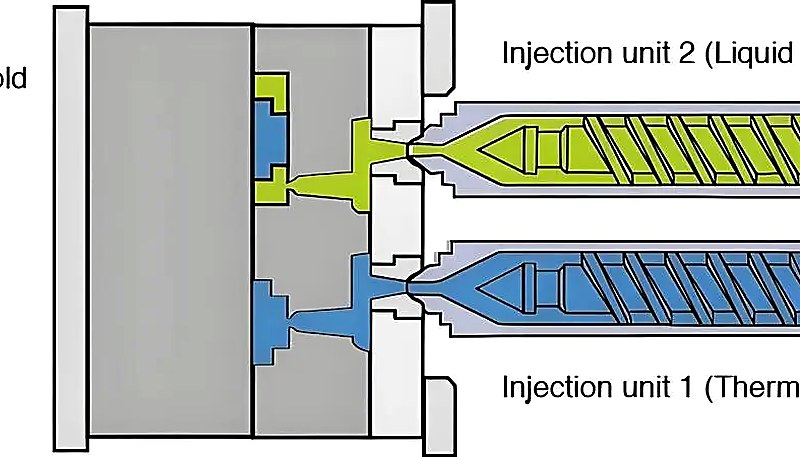
Having tooling and molding under one roof eliminates the finger-pointing that happens when your mold shop blames the molder and vice versa. If a tool needs adjustment, our engineers can modify it and test within hours—not weeks.
What Affects Unit Price in Injection Molding?
Unit price is where most buyers focus—and where most surprises hide. The part price you see on a quote is the result of several variables: cycle time, machine tonnage, labor rate, overhead allocation, and the suppliers markup. Cycle time is the biggest lever: a part that cycles in 15 seconds costs roughly half as much per unit as one that takes 30 seconds, assuming the same press and material. Volume dramatically shifts unit economics.
Here is a simplified example for a 50-gram ABS housing. At 1,000 units, the mold cost amortized per part is 8.00 dollars, material cost2 is 0.15 dollars, processing is 0.80 dollars, yielding a typical unit price of 9.00 to 12.00 dollars. At 10,000 units, amortized mold cost drops to 0.80 dollars per part, material stays at 0.15 dollars, processing falls to 0.50 dollars, for a unit price of 1.80 to 2.50 dollars. At 100,000 units, amortized mold cost is only 0.08 dollars per part, material is 0.12 dollars, processing is 0.30 dollars, for a unit price of 0.60 to 0.90 dollars.
At 1,000,000 or more units, amortized mold cost becomes negligible at 0.01 dollars, material is 0.10 dollars, processing is 0.20 dollars, for a unit price of 0.35 to 0.50 dollars. Notice how the unit price drops by 10 to 20x as you move from 1,000 to 100,000 units.
That is not because the supplier is giving you a volume discount on labor—it is because tooling amortization goes from dominant to negligible. For guidance on finding the right supplier partnership, see our sourcing guide.
With 8 senior engineers and 30+ English-speaking project managers, we help clients optimize the volume-cost curve by recommending the right cavitation strategy early in the design phase.
How Do Material Costs Impact Your Total Budget?
Material cost is the most volatile component in your injection molding budget. Commodity resins like polypropylene (PP) or high-density polyethylene (HDPE) might cost 0.80 to 1.50 dollars per pound, while engineering-grade materials like PEEK or PEI (Ultem) can run 20 to 60 dollars per pound. For most projects, material represents 15 to 35 percent of total cost—but for specialty applications (medical, aerospace, automotive under-hood), it can exceed 50 percent.
Here is a cost comparison of commonly molded materials. PP costs 0.80 to 1.20 dollars per pound and is used for packaging and consumer goods, offering chemical resistance and lightweight properties. ABS costs 1.20 to 2.00 dollars per pound for housings and automotive interiors, providing impact resistance and easy moldability. PC costs 2.50 to 4.00 dollars per pound for lenses and electronic housings, with transparency and high heat resistance. Nylon 6/6 costs 2.50 to 4.50 dollars per pound for gears and structural parts, offering strength and wear resistance. POM (Acetal) costs 2.00 to 3.50 dollars per pound for precision gears and valves, with low friction and dimensional stability.
PEEK costs 25 to 60 dollars per pound for aerospace and medical implants, providing extreme temperature and chemical resistance.
One common mistake buyers make is specifying an engineering-grade material when a commodity resin with the right additives would perform equally well at a fraction of the cost. Start with functional requirements, not the most expensive catalog option.

Over 20+ years in injection molding, we have processed 400+ materials—from commodity polyolefins to high-temperature PEEK and LCP.
This is the section most suppliers would rather you did not read. Hidden fees are not necessarily dishonest—many are legitimate costs that simply do not appear on a standard quote. But if you do not ask about them, you will not know they exist until they show up on an invoice. The most common hidden fees include:
1. Design change charges (500 to 5,000 dollars per revision): Any modification to an approved mold design triggers engineering time, steel cutting, and requalification. Even a 0.5mm wall thickness change can require recutting a cavity.
2. Overrun tolerance (typically 5 to 10 percent): Most suppliers produce slightly more parts than ordered to account for QC rejects. You may be billed for these overruns.
Clarify this upfront.
3. Setup fees (200 to 1,500 dollars per run): If you order in multiple batches rather than a single run, each batch incurs a setup charge for press time, material loading, and first-article inspection.
4. Storage fees (0.50 to 5.00 dollars per cubic foot/month): If your parts sit in the suppliers warehouse awaiting shipment, storage charges accrue—often buried in shipping line items.
5. Inspection and documentation (100 to 500 dollars per lot): Dimensional reports, material certifications, and PPAP documentation are frequently billed separately.
6. Rush surcharges (15 to 50 percent): Expedited timelines almost always carry a premium. The single best defense against hidden fees is a transparent, itemized quote.
We have found that clients who understand their cost structure come back for the next project. A transparent, itemized quote is the foundation of that trust.
Our team of 120+ production staff operates under ISO 9001, ISO 13485, ISO 14001, and ISO 45001 systems, which means documentation and traceability are built into our standard process—not billed as extras.
How Can You Reduce Injection Molding Costs?
The most effective ways to reduce costs are DFM optimization, cavitation right-sizing, material substitution, and shipment consolidation. Each strategy compounds savings across your entire production run.
If your annual volume is 5,000 to 20,000 units, a single-cavity mold amortized over three years is often more economical than a four-cavity mold that sits idle half the year. Conversely, if you are running millions of parts annually, investing in a high-cavitation mold pays for itself within months. For mold design fundamentals that support cost-effective production, see our injection mold guide.
Negotiate tooling ownership: Some suppliers include tooling cost3 in the unit price, which sounds attractive but locks you in. Owning your tool gives you the freedom to move production if needed—and that leverage keeps your supplier competitive on pricing.

«Коммерческие смолы, такие как ПП и ПЭВП, с правильными добавками могут заменить инженерные пластмассы во многих областях применения».Правда
Во многих конструкционных и потребительских областях применения наполненный полипропилен или армированный стеклом нейлон обеспечивают производительность, сопоставимую с инженерными материалами, при стоимости материала на 30-70% ниже.
«Стальная производственная пресс-форма всегда стоит более 50 000 долларов.»Ложь
Стальные формы стоят от 8 000 долларов за простые одногнездные инструменты до более 100 000 долларов за сложные многогнездные формы. Многие производственные стальные формы находятся в диапазоне от 15 000 до 40 000 долларов.
Понимание этих распространенных заблуждений необходимо для точного бюджетирования и эффективных переговоров с поставщиками. Многие покупатели вступают в процесс запроса предложений с предположениями о стоимости форм, скидках за объем и стоимости материалов, которые не соответствуют реальности. Утверждения ниже затрагивают дополнительные предположения о стоимости, которые часто приводят к неожиданным расходам в счетах поставщиков, особенно в области экономики объема и затрат на модификацию после изготовления инструмента. Проверка ваших знаний по этим темам поможет избежать дорогостоящих ошибок при оценке следующего предложения по литью под давлением.
«Изменения в конструкции после изготовления пресс-формы обычно стоят более 1000 долларов за каждую доработку.»Правда
Изменения дизайна после изготовления варьируются от 500 до более 5 000 долларов за переработку. Даже незначительные корректировки размеров требуют доработки стали, повторной полировки и повторной квалификации. Лучший подход — утверждать дизайны с помощью прототипирования до перехода к производственному инструменту.
«Цена за единицу уменьшается линейно с увеличением объема заказа».Ложь
Снижение носит логарифмический, а не линейный характер. Наибольшая экономия на единицу продукции происходит между 1 000 и 50 000 единиц за счет амортизации оснастки. После 100 000 единиц дальнейшее снижение становится незначительным.
Часто задаваемые вопросы
Часто задаваемые вопросы
Какова стоимость типичной инжекционной формы?
Типичная форма для литья под давлением стоит от 3 000 до 100 000 долларов в зависимости от сложности, количества гнезд и ожидаемого срока службы инструмента. Прототипы алюминиевых форм начинаются от 3 000 долларов за простые одногнездные инструменты для коротких серий, в то время как производственные стальные формы с несколькими гнездами, слайдами и подъемниками стоят от 15 000 до 80 000 долларов. Ключевыми факторами стоимости являются количество гнезд, требования к качеству поверхности, особенности сложности формы (такие как поднутрения и боковые механизмы) и конкретная марка стали, выбранная с учетом ожидаемого объема производства и требований к геометрии детали.
Какова средняя стоимость единицы продукции при литье под давлением?
Средняя стоимость единицы продукции колеблется от 0,50 до 15,00 долларов в зависимости от размера детали, выбора материала и объема производства. При 100 000 единицах детали среднего размера из ABS ожидайте 0,60–1,50 доллара за единицу. При 1000 единицах та же деталь может стоить 8,00–12,00 долларов, поскольку амортизация оснастки доминирует в расчете стоимости единицы. Запрос детализированной разбивки у вашего поставщика помогает понять каждый отдельный компонент затрат и определить наилучшие возможности для оптимизации затрат в течение вашего производственного цикла.
Как выбор материала влияет на стоимость литья под давлением?
Выбор материала может изменить стоимость детали на 300-500% или более. Коммерческие смолы, такие как ПП, стоят 0,80–1,50 доллара за фунт, в то время как инженерные материалы, такие как ПИК, стоят 25–60 долларов за фунт. Для большинства применений выбор самого дешевого материала, отвечающего функциональным требованиям, а не использование по умолчанию самого дорогого варианта, является наиболее эффективной стратегией оптимизации затрат. Например, нейлон, наполненный стеклом, предлагает многие конструкционные свойства ПИК примерно за одну десятую стоимости материала.
Являются ли поставщики литья под давлением в Китае более дешевыми?
Китайские поставщики обычно предлагают цены на 30–60% ниже, чем западные аналоги, в основном из-за более низких затрат на труд и накладные расходы в регионе. Однако общая стоимость поставки должна учитывать международные транспортные расходы, импортные пошлины, накладные расходы на коммуникацию и требования к обеспечению качества. Работа с поставщиком, имеющим действующие сертификаты ISO, включая 9001 и 13485, нанимающим англоговорящих менеджеров проектов и обладающим собственными возможностями по изготовлению оснастки, минимизирует операционные риски, которые могут свести на нет первоначальную экономию, и обеспечивает стабильное качество на протяжении всей вашей производственной программы.
О каких скрытых расходах следует спросить при получении предложения?
Уточняйте информацию о стоимости изменений дизайна (от 500 до 5 000 долларов за переработку), допустимых превышениях объемов (обычно на 5-10% больше заказанного количества), стоимости настройки для серийного производства (от 200 до 1 500 долларов за партию), расходах на складское хранение, проверку и документацию, а также наценках за срочный заказ (15-50%). Эти пункты могут в совокупности добавить 15-30% к заявленной цене за единицу. Прозрачный поставщик предоставит детализированную разбивку заранее, а не объединит все в одну сумму.
Как я могу снизить расходы на литье под давлением?
Наиболее эффективные стратегии снижения затрат: оптимизация конструкции для производства, подбор количества гнезд формы под фактический объем производства, замена материалов на более дешевые аналоги и консолидация отгрузок для снижения логистических расходов. Только оптимизация конструкции может снизить стоимость инструмента на 20–40%, а время цикла — на 15–30%. Критически важным является раннее сотрудничество с инженерной командой вашего поставщика на этапе проектирования, потому что большая часть общей производственной стоимости определяется решениями, принятыми еще до изготовления формы.
What is the minimum order quantity for injection molding?
Технически минимального объема заказа для литья под давлением не существует, но экономика процесса резко меняется ниже 1000 единиц. При очень малых тиражах рассмотрите 3D-печать или вакуумное литье как альтернативные методы производства. Для литья под давлением 1000–5000 единиц обычно являются точкой безубыточности, когда стоимость оснастки на единицу становится разумной по сравнению с другими методами производства. Некоторые поставщики предлагают программы прототипного литья, специально разработанные для потребностей мелкосерийного производства, с использованием алюминиевых пресс-форм, которые стоят значительно дешевле стальной производственной оснастки, при этом обеспечивая качество деталей, соответствующее серийному производству.
Сколько служит литьевая форма?
Правильно обслуживаемая стальная производственная пресс-форма обычно служит от 200 000 до более 1 000 000 циклов в зависимости от выбранной марки стали, сложности детали и конкретного материала, используемого при производстве. Пресс-формы из стали P20 обычно выдерживают 200 000–500 000 отливок, в то время как более твердые марки стали, такие как H13 или S136, могут превышать 1 000 000 отливок в оптимальных условиях. Регулярное обслуживание, включающее очистку полостей, полировку поверхности и своевременную замену изношенных компонентов, значительно продлевает срок службы пресс-формы и защищает ваши долгосрочные инвестиции в оснастку на протяжении всего жизненного цикла производства.
-
unit priceЭкономика цены за единицу описывает логарифмическую зависимость между объемом и стоимостью, при которой цена за единицу падает в 10-20 раз при увеличении объема с 1 000 до 100 000 единиц. ↩
-
material costРазброс стоимости материалов означает разницу в цене на 300–500% между коммерческими смолами (0,80–1,50 доллара за фунт) и инженерными пластмассами (25–60 долларов за фунт). ↩
-
tooling costСтоимость инструмента варьируется от 3 000 до более 100 000 долларов для форм литья под давлением в зависимости от сложности, количества гнезд и ожидаемого срока службы. ↩




 EN
EN  ES
ES  FR
FR  DE
DE  PT
PT  AR
AR  RU
RU  JA
JA  KO
KO  IT
IT  NL
NL  TR
TR  PL
PL 