Dlaczego formowanie wtryskowe jest najpowszechniej stosowanym procesem produkcji tworzyw sztucznych?
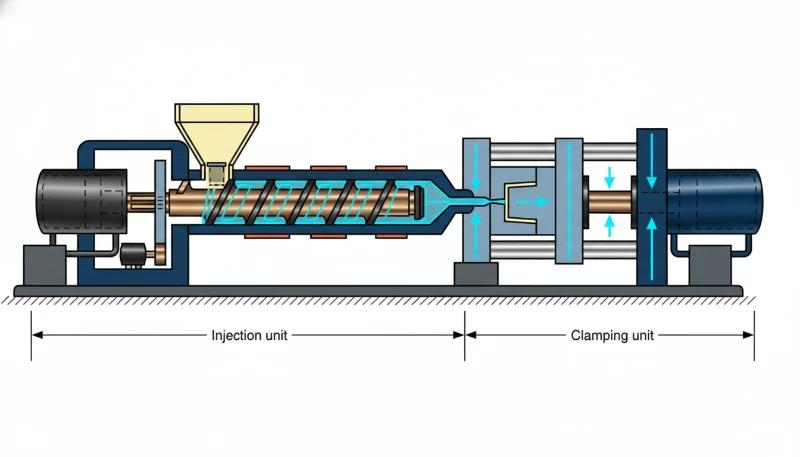
Proces wtryskowy jest najczęściej stosowanym sposobem wytwarzania tworzyw sztucznych, ponieważ przemawia za nim bilans kosztów, jakości, wielkości produkcji i możliwości zastosowania. Formowanie wtryskowe1 jest najpowszechniejszym procesem produkcji wyrobów z tworzyw, gdyż zapewnia niezrównaną szybkość, precyzję i efektywność kosztową w dużej skali — wytwarza identyczne części co 5–60 sekund z tolerancją sięgającą ±0,005 mm. Żaden inny proces nie dorównuje mu połączeniem złożoności geometrycznej, wszechstronności materiałowej i ekonomiki dużych serii, dlatego służy praktycznie każdej branży produkcyjnej na świecie. Z tego względu doświadczeni dostawcy mają znaczenie w każdym zastosowaniu branżowym.
Ekonomia jest prosta: po wykonaniu formy wtryskowej2 każda kolejna część kosztuje tylko tyle, ile materiał, energia i czas maszyny — zwykle od $0.01 do $5.00 za sztukę, zależnie od rozmiaru i złożoności. W przypadku produktów wymagających ponad 1,000–5,000 identycznych części formowanie wtryskowe niemal zawsze zapewnia niższy koszt jednostkowy niż obróbka CNC, druk 3D i odlewanie ciśnieniowe.
Proces obsługuje ogromny zakres materiałów — ponad 25 000 kompozytów termoplastycznych jest dostępnych komercyjnie — pozwalając inżynierom precyzyjnie dostosować siłę, elastyczność, transparentność, odporność chemiczną, samogaszenie i właściwości elektryczne dla każdej aplikacji. Od obudowy medycznego sensoru o wadze 0,5 grama do 8-kilogramowego zderzaka automotive, ta sama fundamentalna technologia jest stosowana.
- Formowanie wtryskowe służy w automotive, medycynie, elektronice, pakowaniu, przemysłowym i aerospace — każda branża ma unikalne wymagania materiałowe i dotyczące jakości.
- Motoryzacja jest największym konsumentem, z 300–500 częściami formowanymi wtryskowo na pojazd.
- Formowanie medyczne wymaga produkcji cleanroom ISO 13485 i materiałów biokompatybilnych ISO 10993.
- Formy pakujące wysokokomorowe (64–128 komór) mają cykle poniżej 3 sekund, produkując ponad 1 milion części na zmianę.
- Wybór materiału determinuje sukces aplikacji — PP, PA, PC, PEEK i PPS służą różnym potrzebom branż.
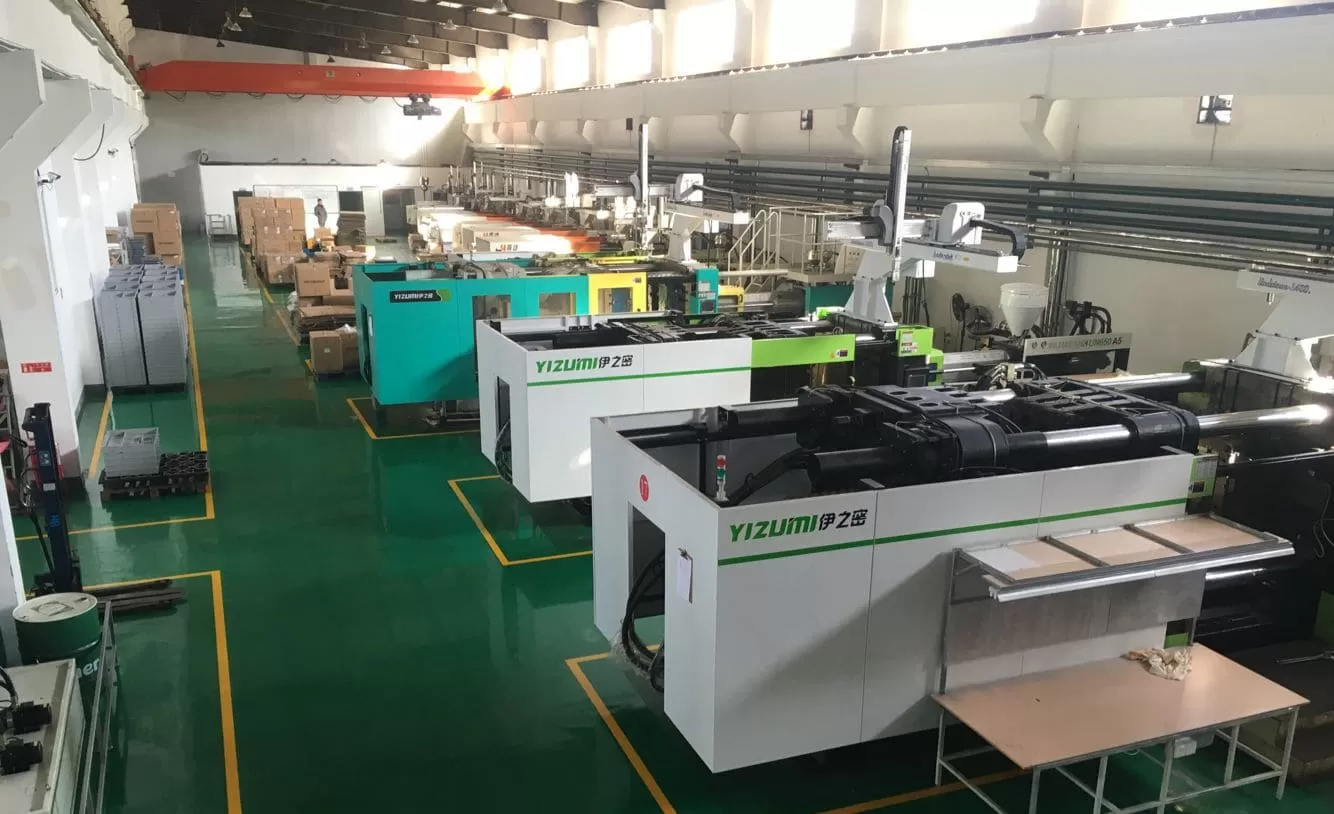
W naszej fabryce w Szanghaju pracuje 47 wtryskarek o sile zwarcia od 90 do 1850 ton, a za nimi stoi ponad 20 lat praktycznego doświadczenia w zastosowaniach motoryzacyjnych, medycznych, elektronicznych i przemysłowych. Każdego dnia bezpośrednio obserwujemy na hali produkcyjnej, jak ta sama technologia procesowa służy zasadniczo różnym wymaganiom poszczególnych branż.
Jakie są główne zastosowania formowania wtryskowego w motoryzacji?
Główne zastosowania formowania wtryskowego w automotive są głównymi kategoriami lub opcjami omówionymi w tej sekcji. Branża automotive jest największym konsumentem części wtryskowych, wykorzystując je do elementów wnętrza, paneli nadwozia, komponentów pod maską, systemów oświetlenia i wzmocnień strukturalnych. Nowoczesne pojazdy zawierają 300–500 różnych plastikowych komponentów wtryskowych, reprezentujących 50–60 kg plastiku na samochód — liczba ta ciągle rosną, gdy producenci zastępują metal termoplastykami konstrukcyjnymi, aby zmniejszyć wagę i poprawić efektywność paliwową.
Zastosowania we wnętrzu obejmują tablice rozdzielcze (zwykle mieszanki PC/ABS), panele drzwiowe (PP z wypełniaczem talkowym), obudowy konsoli środkowej, kanały HVAC (PP), elementy konstrukcyjne siedzeń (PA 6/6) i osłony słupków (ABS). Części te muszą spełniać rygorystyczne wymagania dotyczące stabilności UV, odporności cieplnej do 90°C w pobliżu przedniej szyby, odporności na zarysowania oraz niskiej emisji VOC dla zachowania jakości powietrza w kabinie.
Zastosowania zewnętrzne obejmują poszycia zderzaków (PP-EPDM z modyfikatorami udarności), obudowy lusterek (ABS lub lakierowany PC), zespoły atrap chłodnicy, nadkola (PP) i stopnie boczne. Stabilizatory UV oraz modyfikatory udarności w niskiej temperaturze są niezbędne — zderzak musi przejść próbę udarności w temperaturze -40°C bez pęknięcia. Coraz częściej wymaga się powierzchni klasy A uzyskiwanej bezpośrednio z formy, bez konieczności lakierowania.
Zastosowania pod maską wykorzystują właściwości materiałów do granic możliwości: kolektory dolotowe (PA 6/6 + 30% włókna szklanego), elementy układu chłodzenia (PA 6/6), obudowy akumulatorów pojazdów elektrycznych (PP ze środkiem zmniejszającym palność) oraz złącza elektryczne (PBT, PPS). Regularnie przetwarzamy PA 6/6-GF30 w temperaturze stopionego tworzywa 270–290°C i temperaturze formy 80–100°C, aby uzyskać krystaliczność niezbędną do odporności cieplnej i chemicznej w komorze silnika.
| Obszar zastosowań | Typowy materiał | Kluczowe wymaganie | Części Typowe |
|---|---|---|---|
| Elementy wnętrza | PC/ABS, PP, ABS | Stabilność UV, niska emisja VOC, odporność na zarysowania | Deski rozdzielcze, panele drzwiowe, konsolki |
| Elementy nadwozia | PP-EPDM, TPO | Odporność na uderzenia (-40°C), wykończenie klasy A | Zderzaki, obudowy lusterek, kratki |
| Pod pokrywą | PA 6/6-GF30, PPS | Odporność na temperaturę >120°C, odporność chemiczna | Manifoldy dolotowe, złącza, obudowy |
| Bateria EV | PP-FR, PC | Certyfikacja UL 94 V-0, stabilność wymiarowa | Obudowy baterii, separatory ogniw |
| Oświetlenie | PC, PMMA | Czystość optyczna, odporność na UV | Osłony soczewek, światłowody, reflektory |
Tworzywa konstrukcyjne w obudowach akumulatorów pojazdów elektrycznych zmniejszają masę o 40–50% w porównaniu z aluminium, spełniając jednocześnie wymagania odporności ogniowej UL 94 V-0.True
Kompozyty PP samogaszące stosowane w obudowach baterii EV są znacznie lżejsze niż odpowiadające obudowy aluminiowe, a redukcja wagi bezpośrednio zwiększa zasięg na jednym ładowaniu. Certyfikacja UL 94 V-0 zapewnia, że materiał samogaszący się w ciągu 10 sekund po usunięciu źródła ognia.
"W zastosowaniach motoryzacyjnych części metalowe są zawsze mocniejsze niż części z tworzyw sztucznych formowane wtryskowo."False
Nowoczesne tworzywa konstrukcyjne, takie jak PA 6/6 wzmocniony włóknem szklanym3 (wytrzymałość na rozciąganie 180–210 MPa) oraz PPS, mogą osiągać wyższy stosunek wytrzymałości do masy niż wiele metali. Elementy pod maską wykonane z PA 6/6-GF30 wytrzymują temperatury powyżej 120°C i znaczne obciążenia mechaniczne, a w wielu rzeczywistych zastosowaniach przewyższają aluminium pod względem wytrzymałości właściwej na kilogram masy.
Jak formowanie wtryskowe jest wykorzystywane w branży medycznej?
Formowanie wtryskowe jest stosowane w branży medycznej do produkcji powtarzalnych części z kontrolowanym materiałem, narzędziami i wymaganiami dotyczącymi jakości. Formowanie wtryskowe jest stosowane w branży medycznej głównie do masowej produkcji sterylnych, jednorazowych urządzeń — strzykawek, elementów IV, uchwytów instrumentów chirurgicznych, obudów diagnostycznych i implantowanych komponentów — z wymaganą przez standardy regulacyjne precyzją wymiarową i zgodnością z cleanroom. Formowanie medyczne działa w ramach najbardziej rygorystycznych kontroli procesów w każdej kategorii zastosowania.
Formowanie medyczne wymaga materiałów biokompatybilnych spełniających standardy ISO 10993⁴. Najczęściej stosowane żywice są polipropylen (PP) dla strzykawki i jednorazowych kontenerów, polikarbonat (PC) dla transparentnych obudów i komponentów obsługujących krwi, PEEK dla implantowanych komponentów strukturalnych, i ABS dla obudów diagnostycznych urządzeń. Każda partia materiału musi być możliwa do śledzenia od surowej żywicy do gotowej części, aby spełnić wymagania śledzenia FDA 21 CFR Part 820 i EU MDR. Formowanie w cleanroomie ISO Class 7 lub lepszym jest standardem dla urządzeń inwazyjnych, i protokoły walidacji muszą obejmować kwalifikację instalacji (IQ), kwalifikację operacyjną (OQ) i kwalifikację performance (PQ) przed rozpoczęciem produkcji.
Formowanie wtryskowe w cleanroom — przeprowadzane w środowiskach ISO Class 7 lub Class 8 z filtrowanym powietrzem HEPA i procedurami ubioru — jest standardem dla każdego urządzenia, które będzie kontaktować się z pacjentem. Parametry procesu są monitorowane i logowane w czasie rzeczywistym: ciśnienie wtrysku (±1 bar), temperatura melt (±2°C) i czas cyklu (±0.1 sekundy) aby wykazać stałość procesu dla wniosków regulacyjnych FDA i EU MDR.
| Zastosowanie | Typowy materiał | Kluczowe wymaganie | Norma regulacyjna |
|---|---|---|---|
| Strzykawki i elementy do IV | PP, COC | Biokompatybilność, sterylizacja promieniowaniem gamma | ISO 10993, FDA 21 CFR |
| Obudowy urządzeń diagnostycznych | ABS, PC | Ochrona ESD, montaż w cleanroom | ISO 13485, IEC 60601 |
| Narzędzia chirurgiczne | PEEK, PEI (Ultem) | Sterylizacja w autoklawie w temperaturze 134°C | ISO 13485, EU MDR |
| Komponenty wszczepialne | PEEK i PP klasy medycznej | Długoterminowa biokompatybilność, kompatybilność z MRI | ISO 10993-1, FDA PMA |
| Systemy podawania leków | PP, HDPE, TPE | Obojętność chemiczna, wąskie tolerancje | Normy USP Class VI i ISO 15747 |
W jakich zastosowaniach elektroniki użytkowej wykorzystuje się formowanie wtryskowe?
Poniżej porównano grupy części stosowanych w elektronice użytkowej i wytwarzanych metodą formowania wtryskowego pod względem funkcji, materiału oraz wymagań jakościowych. Formowanie wtryskowe służy do produkcji praktycznie każdego elementu z tworzywa sztucznego w elektronice użytkowej — obudów smartfonów, ram laptopów, pilotów, kontrolerów do gier, maskownic głośników i obudów urządzeń ubieralnych — ponieważ żadna inna technologia nie zapewnia jednocześnie wymaganej jakości powierzchni, dokładności wymiarowej i wydajności liczonej w milionach sztuk.
Jeden smartfon zawiera od 20 do 40 elementów formowanych wtryskowo: tylne obudowy (PC/ABS lub PC/GF), wkładki przycisków (PC), okna antenowe (przezroczysty PC), kratki mikrofonów i głośników (drobnooczkowy PP) oraz wewnętrzne ramy konstrukcyjne (PA 6/6-GF30). Każda część musi spełniać wymagania dotyczące powierzchni klasy A — polerowanie SPI A-1 do A-2 — i oglądana z odległości wyciągniętej ręki nie może wykazywać skaz, zapadnięć ani pozostałości po przewężce.
PC/ABS jest najczęściej stosowanym materiałem na obudowy elektroniki użytkowej, ponieważ łączy udarność i odporność cieplną PC z doskonałą przetwarzalnością i jakością powierzchni ABS. Typowe parametry przetwarzania to temperatura stopu 230–260 °C i temperatura formy 60–80 °C, pozwalające uzyskać połysk powierzchni oczekiwany przez konsumentów.
Formowanie z wkładkami — polegające na umieszczeniu w formie przed wtryskiem metalowych wkładek gwintowanych, puszek ekranujących EMI i pól styków elektrycznych — jest standardową praktyką w elektronice. Serie produkcyjne obejmujące 12–16 wkładek na jeden wtrysk, przy zachowaniu dokładności położenia ±0.05 mm, są możliwe dzięki precyzyjnym kołkom ustalającym i systemom wizyjnej kontroli przed wtryskiem. Jest to jeden z obszarów, w których złożoność konstrukcji formy bezpośrednio decyduje o jakości produktu.
Jak formowanie wtryskowe służy branży opakowaniowej?
Formowanie wtryskowe stosuje się w branży opakowaniowej do produkcji wielkoseryjnych części, w których znaczenie mają czas cyklu, powtarzalność i właściwości materiału. Każdego roku tą metodą produkuje się miliardy nakrętek, zamknięć, cienkościennych pojemników, słoików kosmetycznych, pokrywek do przechowywania żywności i fiolek farmaceutycznych, przy czasach cyklu poniżej 10 sekund z użyciem form wielogniazdowych. Pod względem liczby sztuk opakowania są największym zastosowaniem formowania wtryskowego — 64-gniazdowa forma do nakrętek produkuje ponad 1,2 miliona nakrętek podczas 8-godzinnej zmiany.
Cienkościenne formowanie wtryskowe opakowań doprowadza przepływ materiału do granic fizycznych — ścianki o grubości 0,3–0,8 mm wymagają prędkości wtrysku 300–500 mm/s oraz ciśnienia powyżej 1,400 bar, aby wypełnić wszystkie gniazda, zanim tworzywo zastygnie w wąskim kanale. Kluczowe jest zrównoważenie kanałów doprowadzających w 64 lub 128 gniazdach; nawet niewielkie różnice temperatur powodują niedolewy w skrajnych pozycjach.
PP (polipropylen) dominuje w opakowaniach do żywności dzięki zgodności z wymaganiami FDA dotyczącymi kontaktu z żywnością, odporności chemicznej i doskonałej płynności przy formowaniu cienkościennym. HDPE jest standardowym materiałem na pojemniki do kosmetyków i chemii gospodarczej. Preformy PET do rozdmuchiwania z rozciąganiem należą do najbardziej wymagających technicznie zastosowań opakowaniowych — wymagają wyjątkowej przejrzystości stopionego tworzywa i ścisłej kontroli masy we wszystkich gniazdach, zwykle z dokładnością do ±0,1 grama.
"Równowaga cieplna systemu gorącokanałowego ma kluczowe znaczenie w formach opakowaniowych z 64+ gniazdami, ponieważ zapobiega niedolewom w gniazdach zewnętrznych."True
Różnice długości dróg przepływu między gniazdami wewnętrznymi i zewnętrznymi powodują nierównowagę napełniania. Prawidłowo zaprojektowane i termicznie zrównoważone kolektory gorącokanałowe napełniają wszystkie gniazda jednocześnie, zapobiegając niedolewom i różnicom wymiarowym na skrajnych pozycjach.
"Cienkościenne części opakowań wymagają niższego ciśnienia wtrysku niż grubościenne części konstrukcyjne."False
Jest odwrotnie. Części cienkościenne (0,3–0,8 mm) wymagają ciśnienia wtrysku 1200–1500 bar oraz prędkości 300–500 mm/s, aby wypełnić gniazdo, zanim stopione tworzywo zestali się w wąskim kanale. Części grubościenne wypełniają się przy znacznie niższym ciśnieniu, ponieważ szerszy kanał przepływu stawia mniejszy opór.
W jakich zastosowaniach przemysłowych i budowlanych wykorzystuje się części formowane wtryskowo?
Poniżej porównano według funkcji, materiału i wymagań jakościowych grupy części stosowanych w przemyśle i budownictwie. Formowanie wtryskowe umożliwia produkcję szerokiej gamy komponentów przemysłowych i budowlanych — złączek rurowych, korpusów kanałów elektroinstalacyjnych, systemów prowadzenia kabli, wsporników konstrukcyjnych, korpusów pomp i zaworów — w których trwałość użytkowa i stabilność wymiarowa są ważniejsze od estetyki powierzchni. To niezawodne zastosowania, które podtrzymują funkcjonowanie infrastruktury.
Kształtki rurowe z PP i HDPE należą do przemysłowych części formowanych produkowanych w największych ilościach na świecie. Każdego roku wytwarza się miliardy gwintowanych złączek, kolan i trójników zgodnych z wymaganiami wymiarowymi i klasami ciśnieniowymi norm ASTM D2466 lub ISO 15874. Wymiary gniazd w obszarze gwintów utrzymujemy w tolerancji ±0.05 mm, aby zapewnić niezawodny montaż ze standardowymi systemami rurowymi.
Nylon (PA 6/6) to podstawowy materiał do zastosowań przemysłowych wymagających zarówno wytrzymałości, jak i odporności na temperaturę. Obudowy pomp i przekładni, elementy przenośników oraz wsporniki konstrukcyjne korzystają z jego wytrzymałości na rozciąganie wynoszącej 180–210 MPa (po wzmocnieniu włóknem szklanym)³, temperatury pracy ciągłej 130°C i doskonałej odporności na pełzanie pod długotrwałym obciążeniem.
Jak formowanie wtryskowe jest wykorzystywane w lotnictwie, kosmonautyce i obronności?
Wtryskiwanie stosuje się w przemyśle lotniczym i obronnym, gdy części muszą mieć powtarzalną geometrię, zwalidowane materiały i powtarzalną kontrolę produkcji. Wielkość produkcji wtryskowej dla tych sektorów jest mniejsza niż w motoryzacji lub branży dóbr konsumpcyjnych, lecz wymagania techniczne są wysokie — potrzebne są materiały niezawodnie pracujące w skrajnych temperaturach, pod wpływem substancji chemicznych i w konstrukcjach, w których masa ma krytyczne znaczenie. W lotnictwie liczy się każdy gram, a marginesy właściwości materiału są wykorzystywane do granic możliwości.
PEEK (polieteroeteroketon) jest dominującym wysokowydajnym tworzywem stosowanym we wtrysku dla przemysłu lotniczego. Wytrzymuje ciągłą temperaturę pracy 250°C, zachowuje integralność strukturalną w paliwie lotniczym, płynie hydraulicznym i środkach odladzających oraz osiąga wytrzymałość na rozciąganie 100–170 MPa. Typowe zastosowania PEEK obejmują elementy wnętrz statków powietrznych, uchwyty do prowadzenia kabli, obudowy czujników i elementy układów przepływowych.
PEEK wzmocniony włóknem węglowym (PEEK-CF30) osiąga moduł zginania ponad 20 GPa — zbliżony do sztywności aluminium — przy masie mniejszej o 50%. Przetwarzanie PEEK wymaga specjalistycznego wyposażenia: temperatur stopu 370–400°C, temperatur formy 150–180°C oraz materiałów cylindra odpornych na korozyjny polimer. PPS (polisiarczek fenylenu) to inne popularne tworzywo lotnicze do złączy elektrycznych i wsporników konstrukcyjnych, zapewniające doskonałą odporność chemiczną i klasę palności UL 94 V-0 przy niższym koszcie niż PEEK.
Dlaczego formowanie wtryskowe jest tak ważne w różnych branżach?
Formowanie wtryskowe ma istotne znaczenie w wielu branżach, ponieważ łączy skalowalną produkcję, elastyczność doboru materiałów i powtarzalną jakość części. Dominacja formowania wtryskowego w sektorach od motoryzacji po przemysł lotniczy i kosmiczny odzwierciedla podstawową prawdę: żaden inny proces produkcyjny nie oferuje porównywalnego połączenia swobody geometrycznej, wszechstronności materiałowej i ekonomiki produkcji wielkoseryjnej. Każda duża branża znalazła kluczowe zastosowania dla tworzyw formowanych wtryskowo, a trend w kierunku lżejszych, bardziej złożonych i precyzyjniej projektowanych części stale przyspiesza.
W naszej fabryce codziennie obserwujemy szerokie spektrum tych zastosowań. Zderzak samochodowy i korpus strzykawki medycznej mogą być wykonane z PP i formowane na podobnych maszynach, a mimo to podlegają zupełnie innym normom jakości, wymaganiom dotyczącym certyfikacji materiałów i dokumentacji procesu. Zrozumienie tych różnic — wynikających z zastosowania, branży i środowiska końcowego użytkowania — odróżnia dobrego dostawcę usług formowania wtryskowego od wybitnego.
Jeśli rozważasz formowanie wtryskowe w nowym zastosowaniu, należy zadać trzy kluczowe pytania: jakie wymagania eksploatacyjne narzuca środowisko użytkowania? Jakie certyfikaty prawne mają zastosowanie? Jaka wielkość produkcji uzasadnia inwestycję w oprzyrządowanie? Odpowiedzi wskażą właściwy materiał, typ formy i strategię produkcji. Wskazówki dotyczące zaopatrzenia zawiera nasz przewodnik po wyborze dostawcy.
Potrzebujesz wyceny projektu formowania wtryskowego? Skontaktuj się z naszym zespołem inżynierów, aby omówić swoje zastosowanie. Niezależnie od tego, czy potrzebujesz złączy samochodowych, obudów medycznych czy obudów elektroniki użytkowej, nasza fabryka w Szanghaju dostarcza wysokiej jakości części z maszyn o sile zwarcia od 90T do 1850T, korzystając z ponad 20 lat doświadczenia.
Uzyskaj konkurencyjną wycenę, informacje zwrotne DFM i harmonogram produkcji od zespołu inżynierów ZetarMold.
Poproś o bezpłatną wycenę →
Najczęściej zadawane pytania dotyczące zastosowań formowania wtryskowego?
Jakie tworzywo jest najczęściej stosowane we wszystkich obszarach formowania wtryskowego?
Polipropylen (PP) jest najczęściej stosowanym na świecie materiałem do formowania wtryskowego i stanowi objętościowo około 30% wszystkich przetwarzanych tworzyw termoplastycznych. Dzięki niskiemu kosztowi surowca, doskonałej odporności chemicznej, dobrej wytrzymałości zmęczeniowej w zawiasach integralnych oraz znakomitej przetwarzalności w szerokim zakresie temperatur PP znajduje zastosowanie w elementach wnętrz samochodów, zamknięciach opakowań, strzykawkach medycznych, wyrobach konsumpcyjnych i przemysłowych złączkach rurowych. PP można dodatkowo modyfikować napełniaczem talkowym w celu zwiększenia sztywności, włóknem szklanym w celu zwiększenia wytrzymałości lub modyfikatorami udarności w celu poprawy odporności na pękanie — dzięki temu jest najbardziej wszechstronnym masowym tworzywem termoplastycznym do formowania wtryskowego.
Czy metodą formowania wtryskowego można wytwarzać części optycznie przezroczyste?
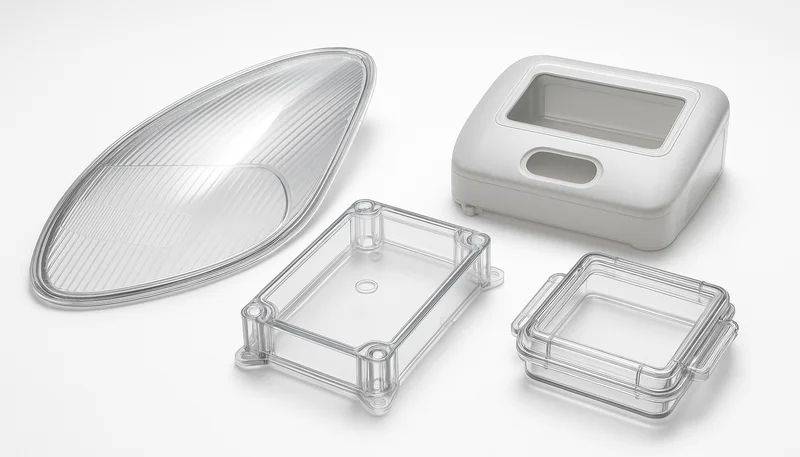
Tak, formowanie wtryskowe może wytwarzać optycznie przezroczyste części przy użyciu odpowiednich przezroczystych żywic i technik przetwarzania. Podstawowe materiały optyczne to poliwęglan (PC), PMMA (akryl), COC (kopolimer cykloolefinowy) i COP. Typowe zastosowania obejmują soczewki reflektorów samochodowych, elementy obiektywów, fiolki medyczne, światłowody LED i okna wyświetlaczy elektroniki użytkowej. Uzyskanie rzeczywistej przejrzystości optycznej wymaga lustrzanego poleru powierzchni formy (wykończenie SPI A-1, Ra < 0.025 μm), ścisłej kontroli zanieczyszczeń podczas obsługi materiału i precyzyjnego sterowania temperaturą stopu, aby zapobiec smugom, pęcherzom lub żółknięciu gotowej części.
Jaka jest najmniejsza część, którą można formować wtryskowo?
Formowanie mikrowtryskowe umożliwia wytwarzanie części o masie zaledwie 0.01 grama — mniejszych niż pojedyncze ziarnko ryżu — z wymiarami detali mierzonymi w mikrometrach. Metodą tą rutynowo produkuje się medyczne urządzenia mikroprzepływowe, złącza elektroniczne i miniaturowe koła zębate do zegarków. Proces wykorzystuje specjalistyczne maszyny do formowania mikrowtryskowego, wyposażone w precyzyjną kontrolę objętości wtrysku i szybko działające zespoły zamykania, aby zapewnić powtarzalne wypełnienie przy wyjątkowo małej objętości wtrysku. W ZetarMold wytwarzaliśmy mikrowtryskowe komponenty medyczne o masie poniżej jednego grama na maszynach klasy 90T, utrzymując tolerancje wymiarowe w granicach ±0.01 mm w seriach produkcyjnych przekraczających 500,000 cykli.
Czy formowanie wtryskowe nadaje się do części elastycznych lub gumopodobnych?
Tak, elastomery termoplastyczne (TPE, TPU, TPV) można przetwarzać na standardowych wtryskarkach, uzyskując elastyczne, gumopodobne detale bez specjalistycznego wyposażenia wymaganego dla tradycyjnej gumy wulkanizowanej. Typowe przykłady to uszczelki TPU, uchwyty z nadlewem TPE i samochodowe uszczelnienia TPV. Główna różnica przetwórcza względem sztywnych tworzyw polega na tym, że TPE i TPU wymagają starannego suszenia z wilgoci (zwykle 2–4 hours at 80–100 °C) oraz węższych zakresów temperatury stopu, aby uniknąć degradacji. Formowanie wielokomponentowe umożliwia również połączenie sztywnego podłoża z miękkim nadlewem TPE w jednym cyklu maszyny, tworząc zintegrowane elementy soft-touch.
W których branżach wykorzystanie formowania wtryskowego rośnie najszybciej?
Najszybciej rosnącymi sektorami wykorzystującymi formowanie wtryskowe są pojazdy elektryczne, wyroby medyczne i energetyka odnawialna. Produkcja pojazdów elektrycznych generuje ogromny popyt na trudnopalne obudowy akumulatorów z PP, elementy konstrukcyjne z PA oraz części układów zarządzania temperaturą. Wzrost rynku wyrobów medycznych wynika z rozwoju sprzętu diagnostycznego, noszonych urządzeń monitorujących stan zdrowia oraz fabrycznie napełnianych systemów podawania leków. Zastosowania w energetyce odnawialnej obejmują wsporniki montażowe paneli fotowoltaicznych, obudowy czujników turbin wiatrowych i elementy infrastruktury ładowania pojazdów elektrycznych. Wszystkie trzy sektory łączy rosnące zapotrzebowanie na precyzyjnie zaprojektowane części z tworzyw sztucznych produkowane w dużych seriach.
Czy formowanie wtryskowe umożliwia produkcję części wielokolorowych lub wielomateriałowych?
Tak, za pomocą wtryskiwania dwukomponentowego (2K) lub obtryskiwania. Wtryskiwanie dwukomponentowe polega na sekwencyjnym wtrysku dwóch różnych materiałów w jednym cyklu maszyny z użyciem formy obrotowej — rozwiązanie to często stosuje się w szczoteczkach do zębów z miękkim uchwytem, dwukolorowych przyciskach samochodowych i uszczelnionych obudowach elektroniki, w których sztywne podłoże wymaga elastycznej krawędzi uszczelniającej. Obtryskiwanie polega na naniesieniu drugiego materiału na wcześniej uformowane podłoże w oddzielnej operacji. Kluczowa jest zgodność materiałów: drugi materiał musi połączyć się z podłożem chemicznie lub mechanicznie. Typowe zestawienia obejmują ABS + TPU, PC + silikon oraz PP + TPE; każde z nich dobiera się odpowiednio do wymaganej siły adhezji, kontrastu kolorów i wymagań funkcjonalnych.
Jak formowanie wtryskowe wypada w porównaniu z drukiem 3D w produkcji?
Przy wolumenach powyżej 500–1,000 części formowanie wtryskowe zdecydowanie wygrywa pod względem kosztu jednostkowego i szybkości produkcji. Jeden cykl wtrysku wytwarza od 1 do ponad 128 części w ciągu 5–60 sekund, natomiast druk 3D buduje jedną część warstwa po warstwie przez wiele godzin. Druk 3D nie wymaga jednak żadnych inwestycji w oprzyrządowanie i doskonale sprawdza się w szybkim prototypowaniu oraz produkcji bardzo małoseryjnej. Praktyczny próg opłacalności zależy od złożoności części, wymaganych tolerancji, oczekiwanego wykończenia powierzchni i właściwości materiału — ale przy wolumenie produkcji przekraczającym kilka tysięcy sztuk formowanie wtryskowe niemal zawsze jest bardziej ekonomicznym wyborem.
Jakie normy jakości mają zastosowanie do części formowanych wtryskowo?
Normy jakości różnią się znacznie w zależności od branży i zastosowania. Części motoryzacyjne podlegają normie IATF 16949 i wymagają dokumentacji PPAP (proces zatwierdzania części do produkcji) wraz z pełnymi raportami wymiarowymi. Części medyczne muszą spełniać wymagania systemu jakości ISO 13485 oraz przepisy FDA 21 CFR, przy zachowaniu pełnej identyfikowalności. Części lotnicze wymagają certyfikacji AS9100 i identyfikowalności materiału na poziomie partii, aż do pierwotnych partii granulatu. Opakowania przeznaczone do kontaktu z żywnością muszą być zgodne z wymaganiami FDA lub rozporządzeniem UE 10/2011 dotyczącym materiałów do kontaktu z żywnością. We wszystkich branżach tolerancje wymiarowe określa się zgodnie z ISO 2768 lub zasadami GD&T według ASME Y14.5, a badania materiałowe (wytrzymałość na rozciąganie, udarność, klasa palności) są standardem.
formowanie wtryskowe: Formowanie wtryskowe to proces produkcyjny, w którym stopione tworzywo termoplastyczne jest wtryskiwane pod wysokim ciśnieniem do precyzyjnie obrobionej wnęki formy, chłodzone do zestalenia, a następnie wypychane jako gotowa część. Proces ten umożliwia masową produkcję złożonych geometrii z powtarzalnymi tolerancjami. ↩
forma wtryskowa: Forma wtryskowa to precyzyjne narzędzie, wykonywane zazwyczaj z hartowanej stali lub aluminium, które określa geometrię części, wykończenie powierzchni, układ kanałów chłodzących, system wypychania oraz położenie punktów wtrysku. ↩
wzmocnienie włóknem szklanym: Nylon (PA 6/6) wzmocniony 30% krótkich włókien szklanych (PA 6/6-GF30) tworzy kompozyt o wytrzymałości na rozciąganie 180–210 MPa, module zginania 8–10 GPa i temperaturze pracy ciągłej 130°C, znacznie przewyższający właściwości niewzmocnionego nylonu. ↩