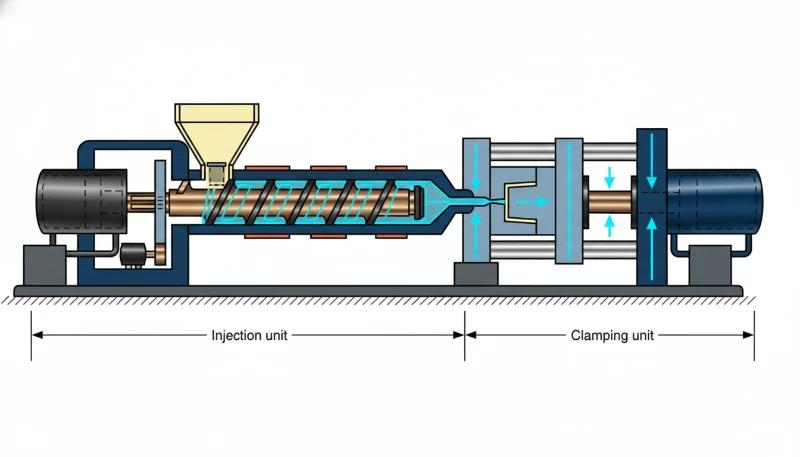
- De Maleisische kunststofindustrie genereerde in 2024 RM 64.8 miljard, waarbij spuitgieten de automotive-, elektronica- en consumentengoederensector bedient.
- V.S. Industry Berhad en SKP Resources zijn de twee grootste beursgenoteerde spuitgietbedrijven, elk met meer dan 6.000 werknemers.
- Maleisische spuitgietkosten lopen 20–40% hoger dan China voor gereedschap, maar lagere logistieke kosten naar ASEAN-markten kunnen het verschil compenseren.
- Kies Maleisië voor ASEAN-gerichte productie, Engelstalige communicatie en middelmatige volumes; kies China voor grote runs, complexe tooling en lagere unit pricing.
- Controleer altijd ISO-certificeringen, bezoek de faciliteit en vraag eerste-artikel inspectierapporten op voordat u zich vastlegt bij een Maleisische leverancier.
Hoe ziet de Maleisische spuitgietmarkt eruit?
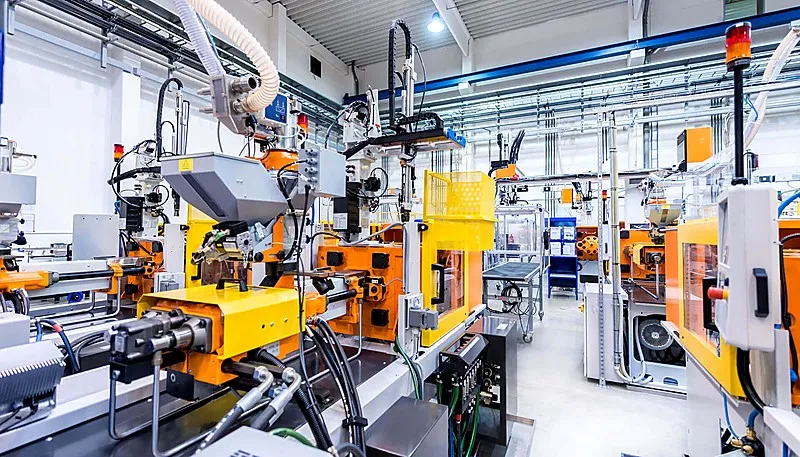
De Maleisische markt voor spuitgieten1 is een bedrijfstak van RM 64,8 miljard, gedragen door meer dan 1.300 kunststofproducenten en ongeveer 81.500 werknemers, aldus de Malaysian Plastics Manufacturers Association (MPMA). Spuitgieten vormt een aanzienlijk deel van die productie, aangedreven door drie sectoren: elektronica (halfgeleiderverpakkingen, connectoren en behuizingen), automobiel (interieurbekleding, componenten onder de motorkap en verlichting) en consumentengoederen (apparaten en verpakkingen).
Voor een breder overzicht behandelt onze complete gids over spuitgieten de basisprincipes van het proces, materiaalgedrag en productiebeslissingen.
Voor inkopers die Maleisische spuitgieters vergelijken met gereedschapspartners in China, moet de beslissing draaien om introductierisico, gereedschapsdiepgang, harservaring en documentatiekwaliteit, niet alleen om het land. Maleisië is sterk in elektronica-assemblage, regionale logistiek en de levering van grote volumes kunststofonderdelen, maar complex precisie-matrijsontwerp, validatie, beheer van technische wijzigingen en kostendiscipline vereisen nog steeds een zorgvuldige leveranciersselectie vóór de offerteaanvraag. Dit is vooral belangrijk bij medische hulpmiddelen, autoassemblages, strenge visuele eisen of exportdocumentatie voor toeleveringsketens in de VS en ASEAN.
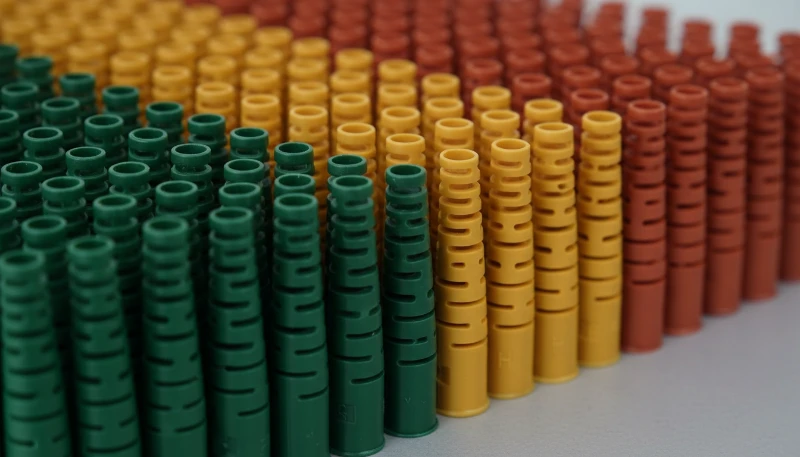
De grote spelers vallen uiteen in drie niveaus. Bovenaan staan beursgenoteerde conglomeraten als V.S. Industry Berhad en SKP Resources, die beide geïntegreerde elektronicaproductiediensten (EMS) aanbieden waarin de vervaardiging van spuitgietmatrijzen2 wordt gecombineerd met PCB-assemblage en box-build. Het middensegment bestaat uit particuliere specialisten als Pro-Fine Plastics, Trisen Manufacturing en May Plastics Technology — bedrijven met 200–500 werknemers die zich richten op precisiespuitgieten voor specifieke sectoren. Het onderste segment omvat honderden kleinere loonbedrijven voor lokale OEM’s.
Geografisch clustert de industrie rond drie zones: de Klang Valley (Selangor en Kuala Lumpur), Penang (elektronicacorridor) en Johor Bahru (manufacturing hub nabij Singapore). Elke zone heeft zijn eigen supply chain-ecosysteem, waarbij Penang richting halfgeleider-gerelateerde delen leunt en Johor zich richt op assemblage van consumentenelektronica.
"De Maleisische kunststofindustrie groeide tussen 2023 en 2024 van RM 61.4 miljard naar RM 64.8 miljard."True
MPMA-data tonen een gestage expansie, gedreven door export van elektronica en automotive-investeringen, vooral van Japanse en Europese OEM's die regionale productie opzetten.
‘De meeste Maleisische spuitgieters richten zich uitsluitend op binnenlandse afnemers.’False
In werkelijkheid exporteren de topbedrijven het grootste deel van hun productie — V.S. Industry verscheept naar Europa, Japan en de Verenigde Staten, en SKP Resources bedient wereldwijde elektronica-merken.
Welke trends bepalen de spuitgietindustrie van Maleisië?
Verschillende trends veranderen hoe Maleisische matrijzenmakers werken en concurreren.
Invoering van automatisering en Industrie 4.0
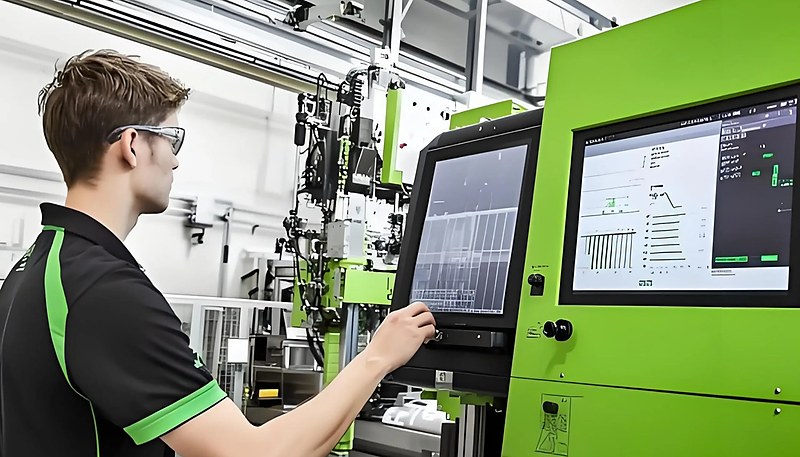
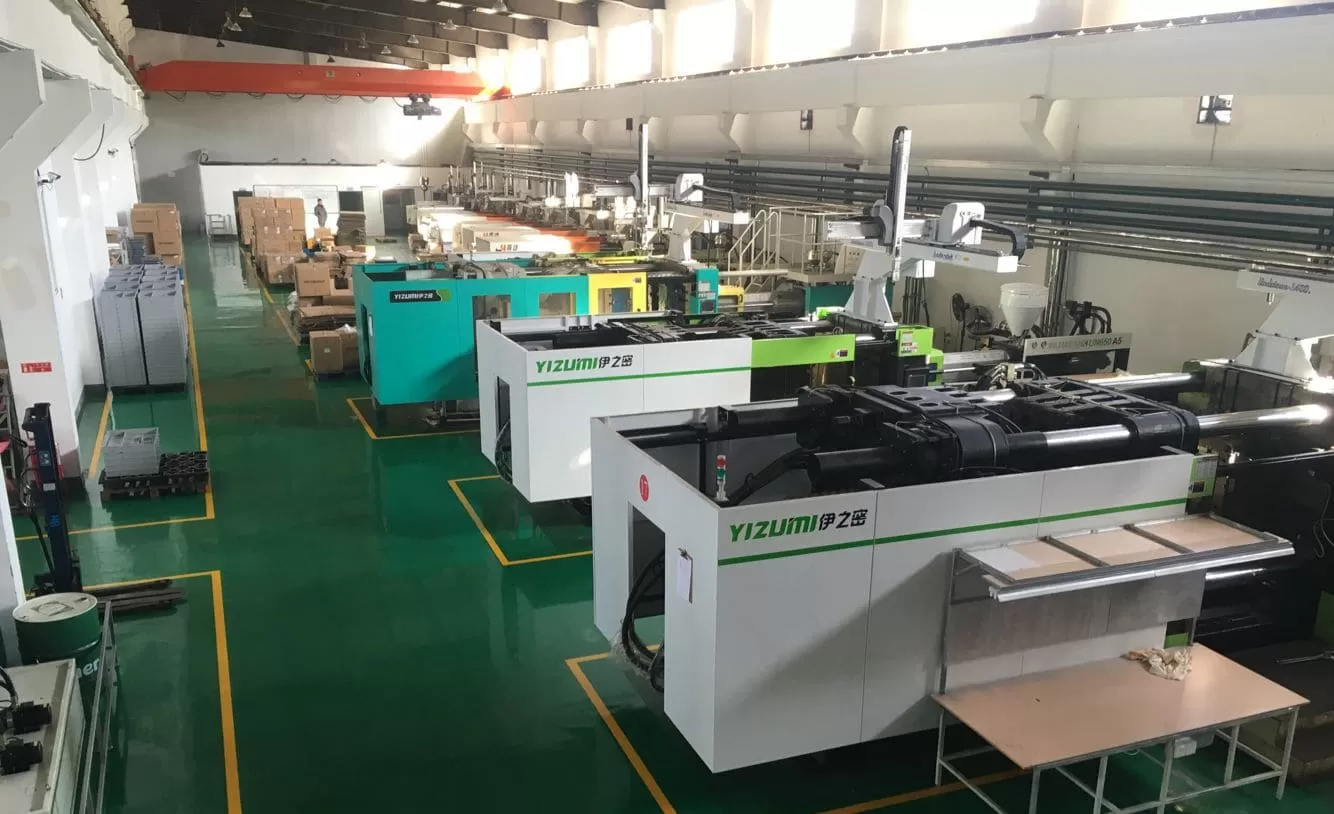
De grotere marktpartijen investeren fors in robotgestuurde onderdeeluitname, geautomatiseerde kwaliteitsinspectie en realtime procesmonitoring. De vestigingen van V.S. Industry in Johor gebruiken inmiddels meer dan 500 spuitgietmachines met geïntegreerde robotcellen. Dit is relevant omdat de arbeidskosten in Maleisië, hoewel lager dan in Singapore, jaarlijks met 5–8% stijgen. Automatisering is daardoor een overlevingsstrategie in plaats van een luxe.
Uitbreiding van medische productie en cleanrooms
De Maleisische exportmarkt voor medische hulpmiddelen groeit met dubbele cijfers en verschillende spuitgieters hebben ISO 13485-gecertificeerde cleanroomproductie toegevoegd. Bedrijven zoals May Plastics Technology hebben speciale cleanroomfaciliteiten gebouwd om opdrachten voor medische en farmaceutische verpakkingen binnen te halen. Als u medische onderdelen in Zuidoost-Azië nodig hebt, werkt deze trend in uw voordeel.
Elektrische Voertuig Componenten
Nu internationale autofabrikanten EV-toeleveringsketens in ASEAN opbouwen, kwalificeren Maleisische spuitgietbedrijven zich voor componenten van batterijbehuizingen, laadconnectoren en lichtgewicht constructiedelen. Het National Automotive Policy 2020 van de Maleisische overheid biedt fiscale stimulansen voor EV-gerelateerde productie, wat nieuwe investeringen in precisiegereedschappen en technische kunststoffen aantrekt.
Duurzaamheid en gerecycled materiaal
MPMA heeft circulaire economie-initiatieven gepromoot, en verschillende middenlaag-spuitgieters bieden nu opties met post-consumer recycled (PCR) inhoud aan. De infrastructuur voor industriële recycling van kunststoffen in Maleisië blijft echter onvolwassen vergeleken met Europa of Japan. Als duurzaamheidscertificeringen een harde vereiste zijn, verifieer dan de specifieke recyclingketen voordat u zich vastlegt.
"Maleisische spuitgietbedrijven investeren in automatisering wegens jaarlijkse stijgingen van de arbeidskosten met 5–8%."True
Robotische onderdeelverwijdering en geautomatiseerde inspectie verminderen de afhankelijkheid van handmatige arbeid en verbeteren de consistentie, vooral voor grote series consumentenelektronica.
"De Maleisische infrastructuur voor kunststofrecycling voldoet aan Europese normen."False
Hoewel MPMA doelstellingen voor een circulaire economie bevordert, blijft de feitelijke infrastructuur voor inzameling, sortering en herverwerking van industrieel PCR-materiaal beperkt vergeleken met de gevestigde systemen in de EU.
Hoe kiest u een spuitgiet leverancier in Maleisië?
Bij het kiezen van de juiste Maleisische spuitgieter gaat het niet om de laagste offerte. Het gaat erom de technische eisen van uw project te koppelen aan een leverancier die daadwerkelijk kan leveren. Dit is het kader dat ik zou gebruiken.
| Afmeting | Wat te controleren | Waarschuwingssignalen |
|---|---|---|
| Certificeringen | ISO 9001 minimum; ISO 13485 voor medisch; IATF 16949 voor automotive | Geen auditcertificaten van derden beschikbaar |
| Machinebereik | Tonnen moet uw onderdeelgrootte dekken; vraag om een specifieke machinelijst | Alleen kleine machines wanneer u 1000T+ nodig heeft |
| Capaciteit voor gereedschapsbouw | In-house mold shop vs. outsourced; vraag naar matrijzen staal kwaliteiten | Kan P20 vs. H13 vs. S136 niet uitleggen |
| Kwaliteitssysteem | CMM, optische comparator, inkomende/uitgaande inspectieproces | Inspectieruimte is een bureau met schuifmaten |
| Communicatie | Engelstalige vaardigheid van projectmanagers; trackrecord van reactietijden | Alleen verkoop spreekt Engels; geen technisch contact |
| Flexibiliteit MOQ | Minimale orderhoeveelheden die passen bij uw volume fase | 500K MOQ wanneer je een 5K pilot run nodig hebt |
Een praktische tip: vraag altijd om een first article inspection (FAI)-rapport voordat u de productie goedkeurt. De beste Maleisische leveranciers zullen dimensionale gegevens, materiaalcertificaten en procescapaciteitswaarden (Cpk) verstrekken zonder dat u twee keer hoeft te vragen. Als een leverancier aarzelt bij FAI, zegt die aarzeling iets belangrijks over hun kwaliteitscultuur.
Een bekende valkuil is aannemen dat een onderneming met een notering aan Bursa Malaysia, de lokale effectenbeurs, automatisch hogere kwaliteit levert. Een beursnotering betekent financiële transparantie, niet noodzakelijk beter spuitgieten. Ik heb particuliere bedrijven met 30 machines beursgenoteerde conglomeraten zien overtreffen bij precisiewerk, omdat het hele bedrijf van die ene technische niche afhankelijk is.
Voor inkopers die nieuw zijn in de regio werkt het model voor contractproductie3 in Maleisië hetzelfde als in andere ASEAN-landen: u levert 3D-CAD-bestanden en materiaalspecificaties, de spuitgieter offreert de gereedschappen en stukprijs en de productie begint na goedkeuring van het eerste product. Het verschil is dat Maleisische leveranciers tijdens de DFM-beoordeling doorgaans proactiever ontwerpproblemen signaleren, wat tijd bespaart als u openstaat voor feedback.
Wat Zijn de Top 10 Spuitgietbedrijven in Maleisië?
Hieronder staan tien Maleisische spuitgietbedrijven die het kennen waard zijn, gerangschikt op basis van een combinatie van schaal, capaciteiten en reputatie in de industrie. Ik heb de publieke data waar mogelijk gecontroleerd en aangegeven waar informatie van bedrijfswebsites komt in plaats van externe bronnen.
1. V.S. Industry Berhad
V.S. Industry Berhad, opgericht in 1982 en gevestigd in Johor Bahru, is de grootste geïntegreerde EMS-aanbieder van Maleisië. De groep gebruikt meer dan 47 spuitgietmachines, heeft ruim 12,000 werknemers en rapporteerde in het boekjaar een recordomzet van RM 1.9 miljard. De diensten omvatten kunststofspuitgieten, gereedschapsfabricage, PCB-assemblage en complete box-build. Belangrijke klanten zijn Dyson, Japanse merken voor consumentenelektronica en Europese fabrikanten van huishoudelijke apparaten. Het bedrijf is genoteerd aan Bursa Malaysia (aandelencode: VSOLY). De schaal van V.S. Industry maakt het geschikt voor hoogvolumeprogramma’s voor consumentenelektronica en apparaten, maar kleinere kopers kunnen de MOQ’s en accountmanagementstructuur te rigide vinden voor projecten in de pilotfase.
Websiteadres: vs-i.com
2. SKP Resources Berhad
Oorspronkelijk opgericht als Sin Kwang Plastics in Johor Bahru in 1974, SKP Resources is gegroeid van twee machines tot meer dan 500 state-of-the-art productiesystemen in faciliteiten van meer dan 1 miljoen vierkante meter. Genoteerd op Bursa Malaysia, het bedrijf heeft ongeveer 6.300 fulltime personeelsleden. SKP biedt geïntegreerde services inclusief ontwerp en engineering, tool fabricatie, spuitgieten met cosmetische afwerking, contract manufacturing en logistiek. Hun primaire focus is elektronische plastic producten en consumentenapparaten.
Internetsite: skpres.com
3. Pro-Fine Plastics Sdn Bhd
Pro-Fine Plastics, opgericht in 1995 en gevestigd in Selangor, is gespecialiseerd in productie, kwaliteitscontrole, secundaire processen, mechanische assemblage en gereedschapsbouw. Het bedrijf heeft 200–299 medewerkers en bedient elektronica, automotive en consumentengoederen. De slogan — ‘Quality is our product’ — weerspiegelt een kwaliteitsgerichte aanpak die langdurige relaties met Japanse OEMs heeft opgeleverd. Pro-Fine is een solide keuze voor middelgrote series precisieonderdelen wanneer u praktisch projectmanagement nodig hebt en langere levertijden accepteert dan bij megaspuitgieters.
Webadres: profine.com.my
4. Trisen Manufacturing Sdn Bhd
Trisen Manufacturing, sinds 1988 actief in Selangor, is een precisie spuitgietbedrijf voor plastic, gericht op elektrische en elektronische apparatuur en decoratieve interieurcomponenten voor auto’s. Met meer dan 35 jaar ervaring heeft Trisen een reputatie opgebouwd voor consistente kwaliteit in de automotive trim-sector. Ze bieden volledige spuitgietdiensten inclusief matrijsontwerp, productie en secundaire processen zoals schilderen en assemblage.
Webadres: trisen.com.my
5. May Plastics Technology Sdn Bhd
May Plastics, opgericht in 1975 in Rawang, Selangor, begon met slechts twee spuitgietmachines en heeft zich uitgebreid naar een locatie van 200.000 vierkante voet (105.000 sq ft productieoppervlak). Het bedrijf bedient zowel lokale Maleisische industrieën als internationale markten, inclusief Japan, Europa en de Verenigde Staten. May Plastics heeft geïnvesteerd in cleanroomfaciliteiten voor medische en farmaceutische verpakkingen, en biedt matrijsontwerp naast productie. Hun lange levensduur — bijna 50 jaar — spreekt voor stabiliteit, en hun internationale klantenbasis suggereert dat ze de documentatie en communicatiestandaarden kunnen hanteren die exportinkopers verwachten.
Webadres: mayplastics.com
6. HH Precision Mould Sdn Bhd
Oorspronkelijk opgericht als HH Engineering Works in 1970 in Shah Alam, Selangor, hernoemde het bedrijf zich in 1985 tot HH Precision Mould na een partnerschap met Watertec, een specialist in sanitairproducten. HH Precision is een one-stop-shop die matrijsontwikkeling, productieondersteuning en full-service capaciteit van prototyping tot massaproductie biedt. Hun productassortiment omvat automotive-onderdelen, schrijfwaren, printercartridges, huishoudelijke apparaten, auto-audiosystemen, AC-panelen en medische apparaten. Het bedrijf kreeg pioniersstatus en een 5-jarige gedeeltelijke belastingvrijstelling van de Maleisische overheid, wat zijn erkende bijdrage aan de maakindustrie weerspiegelt.
Websiteadres: hhmould.com
7. Glasfil Polymer Sdn Bhd
Met meer dan 28 jaar ervaring en 7.000+ voltooide projecten, exploiteert Glasfil Polymer twee productiefaciliteiten en een magazijn in Maleisië. Ze bedienen internationale klanten in Japan, Dubai, de Verenigde Staten en het Verenigd Koninkrijk. Glasfil biedt kunststofspuitgieten samen met matrijsproductiediensten en positioneert zichzelf als een kosteneffectieve partner tijdens de productontwikkelingsfase. Hun lange projectgeschiedenis en internationale reikwijdte maken hen een levensvatbare optie voor kopers die een kleinere, responsievere leverancier met exportervaring nodig hebben.
Websiteadres: glasfil.com
8. FOZ One (FOZ Group)
FOZ One is een in Maleisië gevestigde spuitgietexpert die diensten aanbiedt op het gebied van matrijsexpertise, materiaalvaardigheid en kleuraanpassing. Hun mogelijkheden omvatten geavanceerde spuitgiettechnieken zoals overmolding, insert molding en two-shot molding. FOZ One richt zich op kopers die meer nodig hebben dan eenvoudig enkelvoudig spuitgieten en een leverancier willen die in staat is om multimateriaal- en multikleurprojecten onder één dak te beheren.
Websiteadres: fozgroup.com
9. Advance Plus Mould Sdn Bhd
Advance Plus Mould, opgericht in 1992, heeft 100–250 personeelsleden en bouwde zijn reputatie op plastic matrijsontwerp en matrijsproductie in Maleisië. Over de jaren heeft het bedrijf veel ervaring opgebouwd in precisiematrijsbouw, waardoor het een betrouwbare partner werd voor contractmanufacturingprojecten. Ze bedienen inkopers die goed gebouwde matrijzen nodig hebben die betrouwbaar honderdduizenden cycli zullen draaien, in plaats van de meest kostenefficiënte matrijsoptie.
Websiteadres: advanceplusmould.com
10. Scientex Berhad (afdeling precisiespuitgieten)
Scientex Berhad staat vooral bekend als een van de grootste producenten van rekfolie in Zuidoost-Azië, maar heeft ook een afdeling voor precisiespuitgieten die OEM’s in de automobiel- en consumentenelektronica bedient. Met een beursnotering aan Bursa Malaysia en jaaromzetten van meer dan RM 4 miljard over alle divisies biedt Scientex financiële stabiliteit en verticaal geïntegreerde materiaalinkoop. De spuitgietdivisie is een praktische optie wanneer uw project naast precisie-kunststofonderdelen ook verpakkingen omvat en u leveranciers wilt consolideren.
Websiteadres: scientex.com.my
| Bedrijfsnaam | Opgericht | Werknemers | Belangrijkste sectoren | Hoofdkantoor |
|---|---|---|---|---|
| V.S. Industry Berhad | 1982 | 12,000+ | Consumentenelektronica, apparaten | Johor Bahru |
| SKP Resources Berhad | 1974 | 6,300+ | Elektronica, consumentenapparaten | Johor Bahru |
| Pro-Fine Plastics | 1995 | 200–299 | Elektronica, automobielindustrie | Selangor |
| Trisen Manufacturing | 1988 | 100–250 | E&E, auto-interieurafwerking | Selangor |
| May Plastics Technology | 1975 | 200+ | Medisch, elektronica, automotive | Selangor |
| HH Precision Mould | 1970 | 100–250 | Auto-industrie, medisch, huishoudelijke apparaten | Selangor |
| Glasfil Polymer | ~1996 | 100–250 | Industrieel, consument | Selangor |
| FOZ One | N/A | 100–500 | Multi-materiaal, consumenten | Maleisië |
| Advance Plus Mould | 1992 | 100–250 | Gereedschap, algemene vormgeving | Selangor |
| Scientex Berhad | 1968 | 5,000+ | Automotive, verpakking | Johor |
Hoe verhouden de kosten van spuitgieten in Maleisië zich tot die in China?
Hier wordt het gesprek eerlijk. Maleisië is niet goedkoper dan China voor spuitgieten. Dat was het kort, ongeveer 15 jaar geleden, toen de arbeidskosten in China snel stegen en Maleisië een koopje leek. Tegenwoordig is het kostenplaatje genuanceerder.
| Kostenfactor | Maleisië | China | Opmerkingen |
|---|---|---|---|
| Matrijsgereedschap (gemiddelde complexiteit) | $12,000–$25,000 | $6,000–$15,000 | China gereedschap kost 30–50% minder |
| Stukprijs eenheid (ABS, 50g) | $0.12–$0.18 | $0.06–$0.12 | Volume-afhankelijk; kloof wordt kleiner bij 500K+ |
| Technische arbeid (per uur) | $8–$15 | $5–$12 | Het Engelse taalvoordeel van Maleisië is hier relevant |
| Verzending naar ASEAN (per kg) | $0.50–$1.50 | $1.50–$3.50 | Maleisië wint voor intra-ASEAN logistiek |
| Verzending naar VS/EU (per kg) | $3.00–$5.00 | $2.50–$4.00 | China heeft meer verzendroutes |
| Invoerrechten (ASEAN-herkomst) | 0% (AFTA) | 0–5% (RCEP) | Maleisië heeft betere ASEAN-handelsvoorwaarden |
De verborgen kosten die mensen verrassen zijn gereedschapsiteraties. Als uw matrijs drie rondes aanpassingen nodig heeft (wat normaal is voor een nieuw product), kost elke ronde wijzigingen bij een Maleisische werkplaats absoluut meer omdat het uurtarief voor geschoolde gereedschapmakers hoger is. Bij een recent auto-interieurproject dat ik volgde, gaf de koper €18.000 uit aan gereedschap in China (inclusief drie aanpassingsrondes) versus €28.000 voor het equivalente gereedschap in Maleisië. De stukprijs was vergelijkbaar genoeg dat bij 200K stuks de totale projectkosten slechts 8% hoger waren vanuit Maleisië.
Een legitiem kostenvoordeel dat Maleisië biedt: als uw eindmarkt binnen ASEAN ligt, schaft de ASEAN Free Trade Area (AFTA) de meeste invoerrechten op goederen van Maleisische oorsprong af. Verzending vanuit Maleisië naar Thailand, Vietnam of Indonesië is sneller en goedkoper dan verzending vanuit Zuid-China. Voor ASEAN-gerichte distributie kan dat logistieke voordeel het prijsverschil per eenheid volledig dichten.
Voor een diepere analyse van hoe productie in China zich vergelijkt op totale kosten, zie onze sourcinggids voor spuitgietleveranciers, die gereedschap, stukprijs en logistiek uitsplitst voor kopers die meerdere landen evalueren.
"Voor distributie gericht op ASEAN kunnen de AFTA-handelsvoordelen van Maleisië en kortere transportroutes de totale landed cost concurrerend maken met China."True
Zero-tarief toegang tot ASEAN-markten gecombineerd met 2–5 dagen verzending versus 7–14 dagen vanuit China kan de hogere matrijs- en stukprijzen compenseren voor programma's met gemiddelde volumes.
"Spuitgieten in Maleisië is voor productie in grote volumes altijd goedkoper dan in China."False
Bij volumes boven 500.000 stuks leiden de lagere gereedschapskosten, ruimere machinekeuze en dichtere toeleveringsketen van China doorgaans tot lagere totale projectkosten, zelfs na verzending.
Wanneer Is Maleisië de Juiste Inkoopkeuze voor Spuitgieten?
Maleisië is de juiste keuze voor ASEAN-gerichte productie bij 10K–500K units waar Engelse communicatie belangrijk is. China wint bij 500K+ units, complexe matrijzen, of de laagste kosten.
Kies Maleisië Wanneer:
Uw primaire markt is ASEAN. Als u verkoopt naar Thailand, Indonesië, Vietnam of de Filipijnen, dan geven de AFTA-tariefbesparingen en de kortere logistieke keten Maleisië de voorkeur. Een fabriek in Johor kan binnen 3 dagen per vrachtwagen-veerboot naar Bangkok leveren; hetzelfde onderdeel uit Shenzhen duurt 10 dagen over zee.
U heeft sterke Engelse communicatie nodig. Maleisische projectmanagers en ingenieurs spreken over het algemeen uitstekend Engels — het is de taal van zaken en onderwijs. Als u gefrustreerd bent geweest door communicatieproblemen met Chinese leveranciers, kan dit alleen al de kostprijs rechtvaardigen.
U werkt met gemiddelde volumes (10K–500K eenheden). In dit bereik is het eenheidsprijsverschil beheersbaar, en de voordelen van een kleinere, meer attente leveranciersrelatie doen er echt toe. De megafabrieken in China geven niet om uw bestelling van 50K eenheden.
Kies China wanneer:
U hebt grootschalige productie nodig (500K+ eenheden). Door de dichte toeleveringsketen, lagere matrijskosten en omvangrijke machineparken is China onovertroffen voor productieseries met grote volumes. Een fabriek in Shanghai met 47 machines en tonnages van 90T tot 1850T kan elke opdracht aan, van micro-onderdelen tot grote spuitgietcomponenten voor de auto-industrie.
Uw project vereist complex gereedschap of snelle matrijsiteraties. Het Chinese ecosysteem voor matrijzenbouw is omvangrijker — meer leveranciers van gereedschapsstaal, meer CNC/EDM-capaciteit en meer ervaren gereedschapsmakers die elk ontwerpprobleem al hebben gezien. Als uw onderdeel ondersnijdingen, zijschuiven of nauwe toleranties heeft, zullen Chinese matrijzenbouwers sneller itereren.
Kosten zijn de belangrijkste drijfveer. In elk volume zal China een lagere offerte produceren. Of die offerte zich vertaalt naar een betere totale waarde hangt af van alle bovenstaande factoren, maar op ruwe prijs wint China.
Er is ook een hybride aanpak die het overwegen waard is: gereedschap en initiële productieruns in China (waar iteratiesnelheid en kosten cruciaal zijn), en vervolgens de gevalideerde matrijs overdragen naar een Maleisische productiepartner voor ASEAN-distributie. Sommige kopers doen dit met succes, maar u moet ervoor zorgen dat beide leveranciers vooraf akkoord gaan met de eigendomsoverdracht en overdrachtsvoorwaarden van de matrijs.
Veelgestelde vragen over spuitgieten in Maleisië
Veelgestelde vragen
Wat is de gemiddelde levertijd voor een spuitgietmatrijs in Maleisië?
Reken op 6–10 weken voor een matrijs van gemiddelde complexiteit (class 101, één caviteit). Eenvoudige matrijzen kunnen binnen 4–6 weken worden geleverd, terwijl matrijzen met meerdere caviteiten, combinatiematrijzen of matrijzen met zijschuiven doorgaans 10–14 weken vergen. Deze doorlooptijden zijn vergelijkbaar met Zuid-China, maar langer dan bij de snelste matrijzenbouwers in Shenzhen, die een eenvoudige matrijs met spoed in 2–3 weken kunnen opleveren. De belangrijkste variabele is of de Maleisische leverancier zelf matrijzen bouwt of dit uitbesteedt aan een externe matrijzenbouwer, wat 1–2 weken extra coördinatietijd oplevert.
Werken Maleisische spuitgieters met technische kunststoffen zoals PEEK of PPSU?
Ja, maar niet allemaal. De grotere bedrijven zoals V.S. Industry en SKP Resources verwerken routinematig hoogtemperatuur technische harsen. Middelgrote bedrijven hebben mogelijk beperkte ervaring met exotische materialen, en hun droogapparatuur voldoet mogelijk niet aan de strikte vochtigheidseisen die PEEK stelt (minder dan 0,02% vocht voor verwerking). Vraag altijd om specifieke materiaalverwerkingsregistraties — een leverancier die PEEK heeft gedraaid voor een medische klant is heel anders dan een die zegt dat ze het kunnen proberen. Vraag om materiaaltestrapporten van eerdere runs.
Welke kwaliteitscertificeringen moet ik zoeken bij een Maleisische spuitgieter?
Minimaal is ISO 9001-certificering vereist. Voor auto-onderdelen is IATF 16949 essentieel, omdat deze norm statistische procesbeheersing en faalwijzenanalyse vereist. Componenten voor medische hulpmiddelen vereisen ISO 13485, die volledige traceerbaarheid en gevalideerde processen voorschrijft. Sommige Maleisische bedrijven hebben ook UL-certificeringen voor elektrische componenten. Vraag om het daadwerkelijke certificaat — niet alleen een bewering op een website — en controleer het toepassingsgebied en de vervaldatum. U hebt een certificaat nodig dat “plastic injection molding” omvat, niet een certificaat dat alleen voor een andere bedrijfseenheid geldt.
Kunnen Maleisische spuitgieters overmolding en insert molding aan?
Ja. Verschillende bedrijven op deze lijst, waaronder FOZ One en V.S. Industry, bieden meercomponenten spuitgieten, overspuitgieten en insertgieten als standaarddiensten aan. De beschikbaarheid van specifieke technieken varieert echter aanzienlijk per bedrijf en machinepark. Als uw ontwerp tweeschotsgieten vereist met een TPE-overspuiting, bevestig dan dat de leverancier over speciale tweeschotsmachines beschikt (niet alleen enkelschotsmachines met handmatige insertlading) en ervaring heeft met uw specifieke combinatie van substraat en hechting. Vraag om voorbeeldonderdelen van eerdere overspuitgietprojecten om de hechtingskwaliteit en duurzaamheid onder praktijkomstandigheden te beoordelen.
Hoe beïnvloedt het politieke en regelgevende klimaat in Maleisië de productie?
Maleisië heeft een relatief stabiel zakelijk klimaat voor buitenlandse investeerders. De Maleisische Investeringsontwikkelingsautoriteit (MIDA) biedt belastingvoordelen voor productie, met name in hightechsectoren, inclusief pioniersstatus met gedeeltelijke belastingvrijstellingen tot 10 jaar. Het land heeft dubbele belastingverdragen met meer dan 70 landen, wat financiële planning voor internationale kopers vereenvoudigt. Intellectuele eigendomsbescherming is adequaat maar niet zo robuust als Singapore — gebruik passende NDA’s en registreer patenten waar van toepassing. Buitenlandse eigendom van productiebedrijven is over het algemeen toegestaan tot 100% voor exportgerichte activiteiten.
Wat is de minimale bestelhoeveelheid (MOQ) voor spuitgietonderdelen in Maleisië?
MOQ’s variëren sterk per leverancier en onderdeelcomplexiteit. Grote EMS-leveranciers zoals V.S. Industry kunnen minimale runs van 50.000–100.000 stuks vereisen omdat hun machines en planningen zijn geoptimaliseerd voor hoogvolume consumentenelektronica. Middelgrote bedrijven zijn vaak flexibeler — 5.000–10.000 eenheden is gebruikelijk voor productieorders, en sommigen gaan zelfs zo laag als 1.000 stuks voor gevestigde klanten. Voor prototyping of overbruggingsgereedschap zullen enkele bedrijven batches van 500 stuks draaien, maar verwacht een aanzienlijke premie per stuk. De beste aanpak is transparant te zijn over uw volumeprognose en te vragen naar getrapte prijzen.
Is het mogelijk om Maleisische spuitgietfabrieken te bezoeken voordat u een bestelling plaatst?
Absoluut, en ik raad het sterk aan. Maleisië is goed bereikbaar via Kuala Lumpur International Airport (KLIA) en Senai Airport in Johor. De meeste fabrieken in Klang Valley liggen binnen 90 minuten van KLIA; locaties in Johor zijn bereikbaar via de dam vanuit Singapore of een korte binnenlandse vlucht. Tijdens een fabrieksbezoek controleert u de machinestaat en orde, ontmoet u het engineeringteam en beoordeelt u of de kwaliteitscultuur aansluit. Betrouwbare leveranciers verwelkomen audits en bereiden machinelijsten, kwaliteitsregistraties en monsters voor.
Onze Shanghai-fabriek heeft 47 spuitgietmachines variërend van 90T tot 1850T, met ervaring met 400+ kunststofmaterialen. Een team van 30+ vloeiende Engelssprekers zorgt voor soepele communicatie met Maleisië-gebaseerde kopers gedurende de gehele projectlevenscyclus.
Waarom is ZetarMold de juiste partner voor Maleisische kopers?
ZetarMold is de juiste partner voor Maleisische kopers omdat onze fabriek Chinese gereedschapsdiepte, Engelse controle en exportklare levering combineert. Onze ingenieurs beoordelen DFM-risico’s, staalkeuze, spuitgietbeperkingen en inspectieplannen voordat het staal wordt gesneden, zodat ASEAN-kopers een duidelijker pad krijgen van offerte tot stabiele productie.
Voor Maleisische bedrijven zijn de praktische voordelen duidelijk: onze 30+ Engelssprekende projectmanagers elimineren de communicatiewrijving die grensoverschrijdende productie bemoeilijkt. Wij hebben ISO 9001, ISO 13485, ISO 14001 en ISO 45001 certificeringen, wat betekent dat ons kwaliteitssysteem voldoet aan de documentatienormen die Maleisische medische en automotive kopers vereisen. Onze interne matrijsproductiefaciliteit — uitgerust met CNC-machines, EDM’s, draadsnijders en precisiegraveermachines — betekent dat uw matrijs onder één dak wordt gebouwd, niet uitbesteed aan drie verschillende werkplaatsen.
Of u nu een enkelvoudige prototype matrijs nodig heeft voor productvalidatie of een meervoudige productiematrijs voor 500K+ cycli, wij kunnen leveren. Ons ingeniersteam van 8 senior ingenieurs (elk met 10+ jaar ervaring) behandelt alles van DFM-review tot matrijsstroomanalyse voordat staal wordt gesneden.
Vraag een gratis offerte aan voor uw volgende spuitgietproject — wij reageren binnen 24 uur met een gedetailleerde kostenanalyse en tijdlijn.
Spuitgieten: Spuitgieten is een productieproces waarbij gesmolten kunststof onder druk in een matrijsholte wordt geïnjecteerd en daar afkoelt en stolt tot de gewenste vorm van het onderdeel. ↩
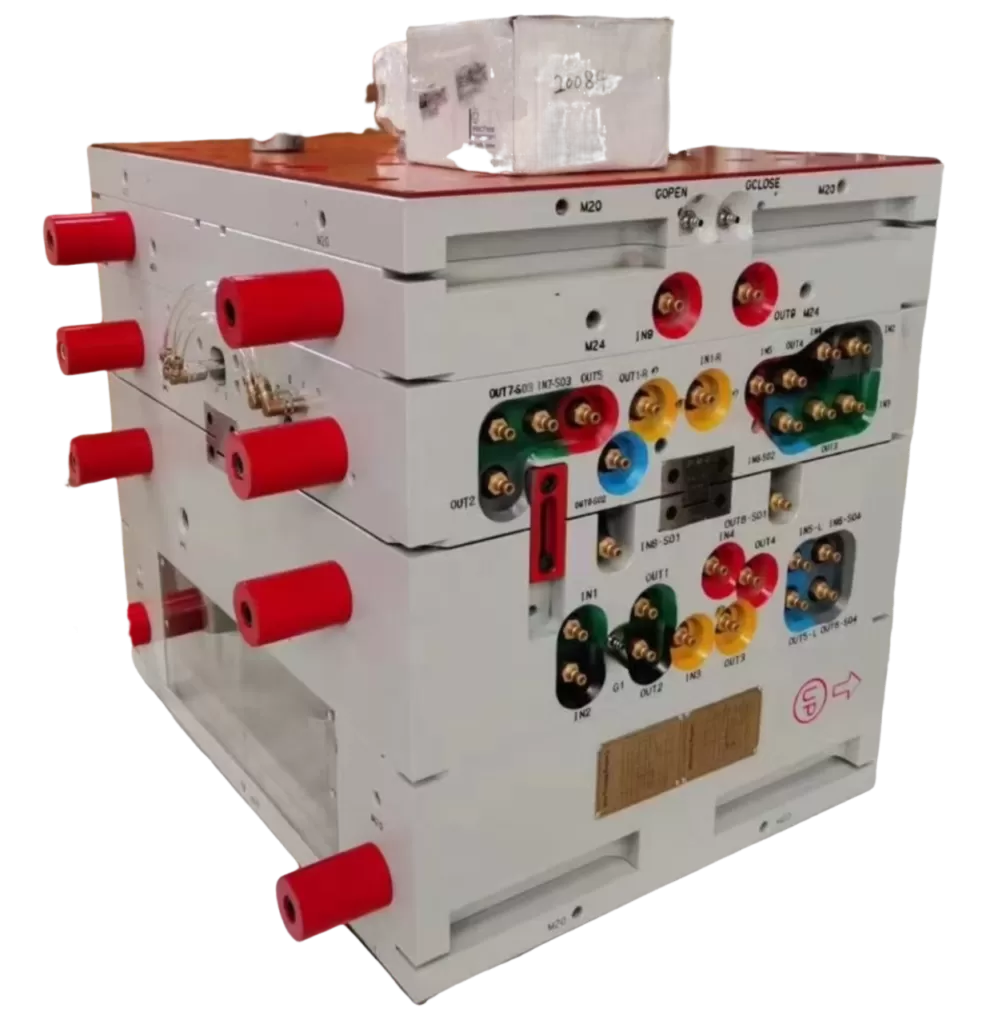
Spuitgietmatrijs: Een spuitgietmatrijs is een nauwkeurig ontworpen gereedschap, doorgaans uit staal of aluminium vervaardigd, dat de vorm bepaalt van de holte waarin gesmolten kunststof wordt geïnjecteerd om een onderdeel te vormen. ↩
Contractproductie: Contractproductie is een bedrijfsmodel waarbij een onderneming de productie van onderdelen of complete producten uitbesteedt aan een externe fabrikant die volgens de specificaties van de klant werkt. ↩