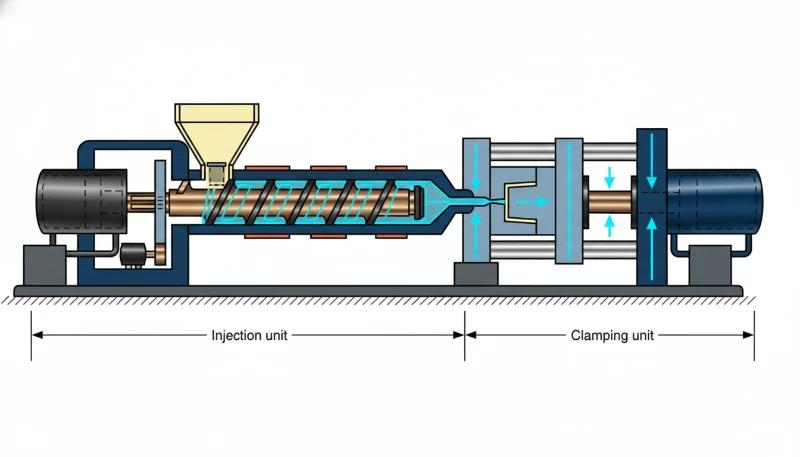
- De Indonesische kunststofmarkt bedroeg in 2021 meer dan 7 miljard USD en groeit tot 2027 met een CAGR van meer dan 6%.
- De 10 grootste Indonesische spuitgietbedrijven zijn actief in de automobiel-, verpakkings-, consumptiegoederen- en medische sector.
- De matrijskosten in Indonesië liggen bij vergelijkbare kwaliteit 20–40% lager dan in Europa, maar 10–30% hoger dan in China.
- Kopers moeten ISO-certificeringen, eigendomsvoorwaarden voor de matrijs en communicatievermogen voor export verifiëren voordat ze RFQ's gunnen.
- Een offshorepartner zoals ZetarMold kan lokale inkoop in Indonesië aanvullen wanneer een groter tonnagebereik of snellere DFM-doorlooptijd nodig is.
De Indonesische kunststofmarkt werd in 2021 gewaardeerd op meer dan USD 7 miljard, met een verwachte CAGR1 van meer dan 6% tot en met 2027. De productiesector van het land profiteert van een jonge beroepsbevolking, concurrerende arbeidskosten en een strategische positie binnen Zuidoost-Aziatische toeleveringsketens. Spuitgieten bedient met name verpakkingen, auto’s, elektronica en consumentengoederen — de vier pijlers van de Indonesische industriële vraag.
Deze gids bespreekt het marktlandschap, belangrijke trends in de sector, een gestructureerd kader voor leveranciersselectie, gedetailleerde profielen van de tien beste bedrijven voor spuitgieten in Indonesië, kostenvergelijkingen met China en duidelijke richtlijnen voor situaties waarin Indonesië de juiste inkoopkeuze is. Of u nu lokale leveranciers beoordeelt of ze vergelijkt met een buitenlandse optie als ZetarMold, het doel is u te helpen sneller een beter onderbouwde inkoopbeslissing te nemen.
Hoe ziet de Indonesische spuitgietmarkt eruit?
Indonesië is de grootste economie van Zuidoost-Azië en een van de snelst groeiende kunststofmarkten in de regio. De binnenlandse vraag naar kunststofproducten wordt aangedreven door een bevolking van meer dan 270 miljoen, snelle verstedelijking en groeiende consumptie door de middenklasse. Alleen de verpakkingssector is goed voor ongeveer 40% van het totale kunststofverbruik, gevolgd door auto-onderdelen met circa 20% en elektronica met ongeveer 15%.
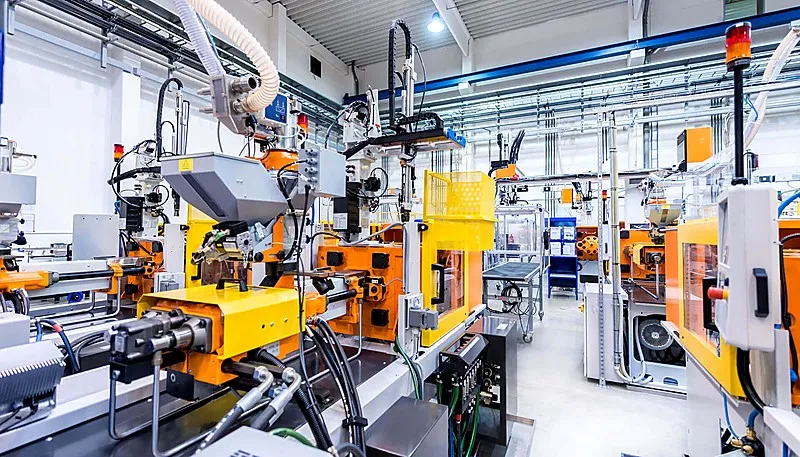
Het land telt ruim 1,200 geregistreerde kunststofproducenten, van kleine loonspuitgieters tot grote geïntegreerde ondernemingen met ISO-gecertificeerde productielijnen. De meeste spuitgietcapaciteit bevindt zich op Java, vooral in de industriële corridors rond Jakarta, Bekasi, Cikarang en Surabaya, waar infrastructuur, logistiek en haventoegang exportgerichte productie ondersteunen.
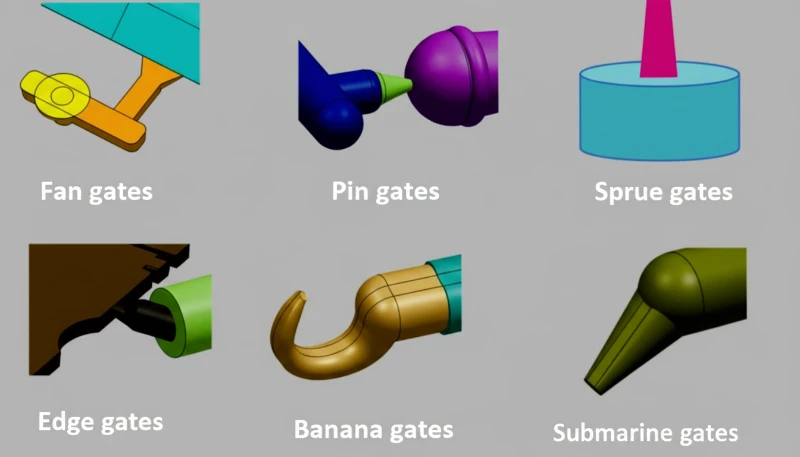
Indonesische spuitgieters bedienen doorgaans twee vraagniveaus: verpakkingsproducten in grote volumes (flessen, doppen en bakken) en industriële componenten met middelhoge tot hoge precisie (interieur- en exterieuronderdelen voor auto’s, elektrische behuizingen en medische hulpmiddelen). Het precisiesegment is gestaag gegroeid doordat Japanse, Koreaanse en Europese OEM’s meer lokaal inkopen bij hun Indonesische leveranciersbasis.
De grondstoffenvoorziening blijft een structurele beperking — Indonesië importeert ongeveer 60% van zijn harsbehoefte — waardoor doorlooptijden en materiaalkosten met de mondiale petrochemische markten kunnen fluctueren. Kopers moeten dit meenemen in totale kostenberekeningen wanneer ze Indonesische leveranciers vergelijken met Chinese alternatieven met een diepere upstreamintegratie.
Welke trends bepalen de Indonesische spuitgietindustrie?
De belangrijkste trends in de Indonesische spuitgietindustrie zijn automatisering, lokale inkoop en verwerking van gerecycled materiaal. Inzicht hierin helpt inkopers risico’s rond doorlooptijd, kwaliteit en capaciteit te voorzien voordat zij leveranciers selecteren.
Invoering van automatisering en Industrie 4.0
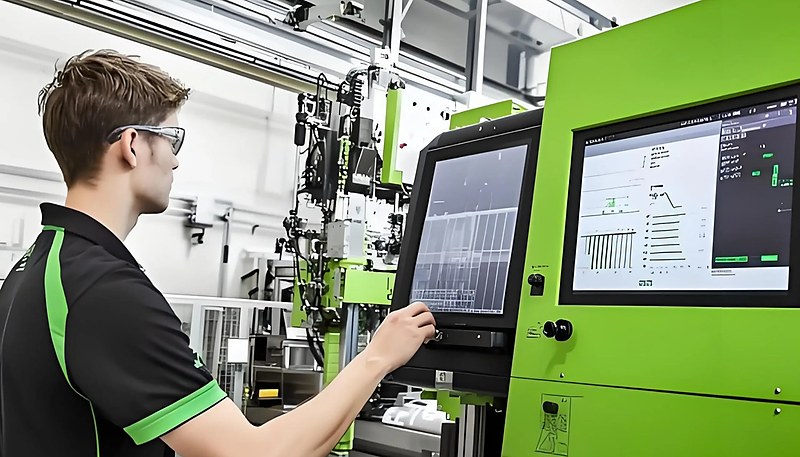
Toonaangevende Indonesische spuitgieters — vooral leveranciers aan automotive-OEM’s — investeren in robotgestuurde productuitname, inline kwaliteitsinspectie en realtime procesbewaking. Bedrijven als PT. FLN en PT Padma Soode Indonesia hebben systemen ingevoerd die voldoen aan IATF 169492 en gedocumenteerde procesbeheersing en statistisch bewijs van procesvermogen vereisen. Deze trend stuurt de sector naar nauwere toleranties en een constantere kwaliteit tussen productiebatches.
Lokalisatievereisten voor de automobielsector
De Indonesische regels voor lokale inhoud (TKDN3) schrijven een minimumpercentage lokaal geproduceerde componenten voor in voertuigen die binnenlands worden verkocht. Dit beleid stimuleert Japanse en Koreaanse autofabrikanten om spuitgegoten interieur- en exterieuronderdelen bij Indonesische leveranciers in te kopen in plaats van ze te importeren. Het resultaat: meer investeringen in machines met een grotere sluitkracht (500T–1000T), assemblage in de matrijs en expertise in oppervlakteafwerking.
Duurzame materialen en circulaire economie
De Indonesische overheid heeft strengere regels ingevoerd voor kunststoffen voor eenmalig gebruik en grote merken in consumentengoederen schakelen over op harsen met gerecycled materiaal en biogebaseerde polymeren. Spuitgieters die rPET, bio-PE en gerecycled PP kunnen verwerken, krijgen bij voorkeur toegang tot verpakkingscontracten. PT. Tunggal Jaya Plastic heeft bijvoorbeeld gerecycled HDPE in zijn productassortiment opgenomen. Inkopers die de productietijd voor spuitgieten vergelijken, moeten de doorlooptijden voor gereedschappen, bemonstering en verpakking afzonderlijk controleren.
Exportgerichte expansie
Indonesische spuitgieters richten zich steeds meer op regionale exportmarkten — Maleisië, Thailand, de Filipijnen en Australië — in plaats van uitsluitend op binnenlands volume te vertrouwen. Deze verschuiving vereist sterkere Engelstalige communicatie, betere documentatiepraktijken en naleving van internationale kwaliteitsnormen zoals ISO 9001, ISO 14001 en IATF 16949.
Hoe kiest u een spuitgietleverancier in Indonesië?
Voor de keuze van de juiste leverancier van spuitgietmatrijzen in Indonesië is meer nodig dan het vergelijken van machinelijsten. Dit is een praktisch beoordelingskader met vijf dimensies:
1. Certificeringen en kwaliteitssystemen
Controleer minimaal de ISO 9001-certificering. Vereis voor automobiel- of medische toepassingen respectievelijk IATF 16949 of ISO 13485. Vraag om auditrapporten, registraties van corrigerende maatregelen en recente kwaliteitsscorekaarten van klanten — niet alleen om het certificaat.
2. Eigendom van het matrijsontwerp en diepgang van de gereedschapskennis
Maak duidelijk wie de spuitgietmatrijs ontwerpt, wie de staalsoort selecteert en wie na de T1-bemonstering voor wijzigingen betaalt. Sommige Indonesische leveranciers besteden de matrijzenbouw uit, wat de beheersing van de planning en de handhaving van garanties kan bemoeilijken.
3. Afstemming van machineklemkracht en capaciteit
Stem onderdeelafmetingen en volume af op het persbereik van de leverancier. Indonesië heeft veel capaciteit tussen 100T–500T, maar minder boven 1000T. Vereist uw project grote automotive- of industriële behuizingen, bevestig dan zowel het tonnage als de inbouwruimte voor uw matrijs.
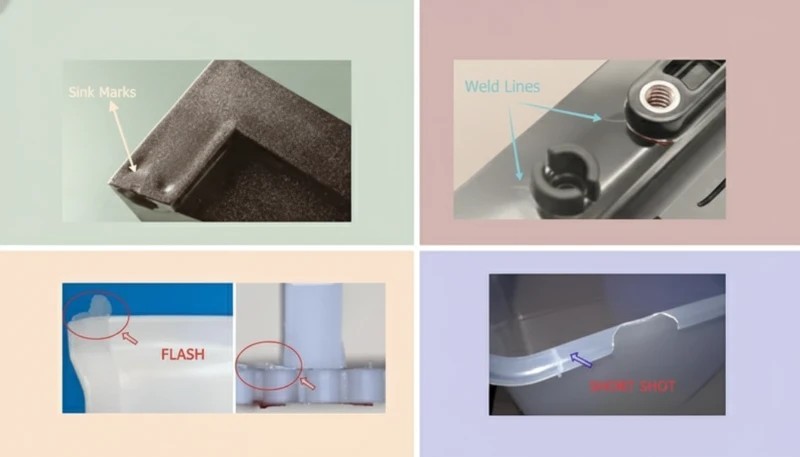
4. Exportcommunicatie en documentatie
Als u buiten Indonesië inkoopt, beoordeel dan de Engelse taalvaardigheid, reactiesnelheid en bereidheid om inspectierapporten, maatgegevens en procesdocumentatie te leveren in een formaat dat uw engineeringteam kan gebruiken. Kleinere Indonesische bedrijven schieten hierin vaak tekort.
5. Totale landed cost, niet alleen de stukprijs
Neem matrijskosten, bemonsteringsrondes, materiaaltoeslagen (harsimport), binnenlands vervoer naar de haven, zeevracht, douanerechten en valutarisico mee. Een lagere stukprijs aan de fabriekspoort leidt mogelijk niet tot lagere totale kosten wanneer logistiek en het risico op kwaliteitsafkeur worden meegerekend.
Wat zijn de 10 grootste spuitgietbedrijven in Indonesië?
De 10 grootste spuitgietbedrijven in Indonesië zijn de hieronder vergeleken leveranciers op basis van capaciteit, geschiktheid voor de sector en betrouwbaarheid van de inkoop. Hieronder staan tien gevestigde Indonesische spuitgietbedrijven, geselecteerd op operationele geschiedenis, branchecertificeringen en gedocumenteerde productiecapaciteiten. Elk profiel bevat locatie, oprichtingsjaar, personeelsomvang, kerncapaciteiten en belangrijke onderscheidende kenmerken.
1. PT. Tunggal Jaya Plastic
Locatie: Gunung Putri, West-Java | Opgericht: 1974 | Werknemers: 300–399 | Sectoren: verpakkingen, farmacie, voedingsmiddelen en dranken, cosmetica
PT. Tunggal Jaya Plastic is een van Indonesië’s meest ervaren fabrikanten van harde kunststofverpakkingen, met meer dan 50 jaar bedrijfsgeschiedenis. Het bedrijf beschikt over geïntegreerde spuitgiet- en blaasvormlijnen en produceert flessen, houders, farmaceutische verpakkingen en sluitingen uit diverse harsen, waaronder PC, PE, PP, PVC, PS, ABS en PET.
Dankzij hun interne matrijzenbouw kunnen ontwerpen voor aangepaste verpakkingen sneller worden geïtereerd. Belangrijkste sterke punt: ruime ervaring met FDA- en BPOM-conforme (de Indonesische voedsel- en geneesmiddelenautoriteit) verpakkingen voor farmaceutische toepassingen en toepassingen met voedselcontact.
2. PT. FLN
Locatie: Jawa Barat | Opgericht: 2000 | Werknemers: 300–399 | Sectoren: automobiel, exterieur- en interieuraccessoires
PT. FLN is gespecialiseerd in plastic extrusie-blowmoulding, vacuümvormen, acrylcompressiegieten en polyurethaan injectiegieten. Hun productieproces is IATF 16949-gecertificeerd, waardoor ze een gekwalificeerde leverancier zijn voor automotive OEM-programma’s.
FLN heeft OEM-contracten verdiend met grote Aziatische autobouwers voor spoilers, bumperbeschermers, zijlichaamprofielen, over fenders en consoleboxen. Hun geïntegreerde design-to-productie service omvat meeste externe en interne accessoires. Sterkte: auto-kwaliteitssysteem met bewezen OEM-trackrecord.
3. PT. JAEIL INDONESIË
Locatie: Cikarang, West-Java | Opgericht: 1999 | Werknemers: 200–299 | Sectoren: componenten voor auto-interieurs
PT. JAEIL INDONESIA exploiteert twee fabrieken van 4.100 m² in Cikarang, gericht op precisie spuitgiet-gevormde autointerieuronderdelen: spiegelhuisjes, garnituurpanelen, airbagcovers, radiatorbases en metercovers. Na de overgang naar volledig lokale eigendom in 2014 heeft het bedrijf geïnvesteerd in nieuwere machines en strengere procescontroles.
Kernkracht: gespecialiseerde focus op auto-interieurcomponenten met een lean, lokaal eigendom bedrijf dat de verwachtingen van binnenlandse OEM’s begrijpt.
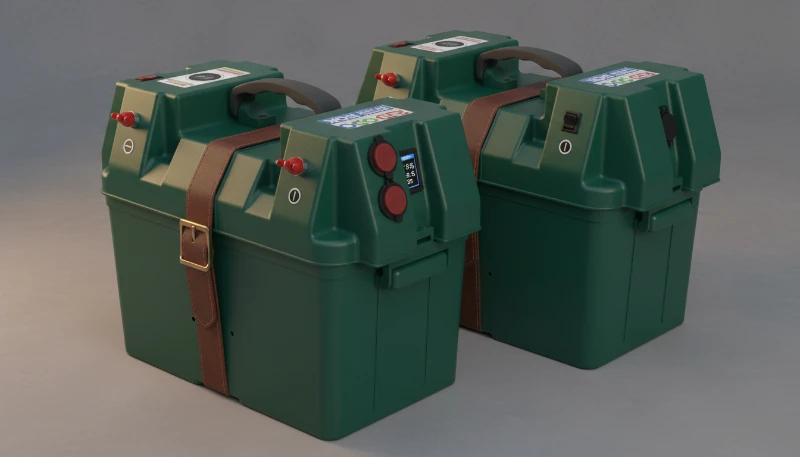
4. PT. KIRANA JAYA MULTI (KJM)
Locatie: Lippo Cikarang, West-Java | Opgericht: 2014 | Werknemers: 100–199 | Sectoren: Exterieuraccessoires voor auto’s
PT. KIRANA JAYA MULTI produceert spuitgiet- en blaasgiet-gevormde autoaccessoires: achterste dakspoilers, voor- en achterbumperspoilers, zijskirts, achterdeurprofielen en bumperbeschermers. Hun procescapaciteiten omvatten spuitgieten, blaasgieten, schuren en afwerking onder één dak.
Kernkracht: geïntegreerd gieten en afwerken voor automobiel exterieurtrim, met een kwaliteit-eerst bedrijfsfilosofie.
5. PT Pandawa Cipta Mandiri (PCM)
Locatie: Regio Cikarang, West-Java | Opgericht: 1999 | Werknemers: 100–199 | Sectoren: Matrijzenbouw, CNC-verspaning, precisieonderdelen
PCM begon als matrijzenmaker en CNC-bewerkingscentrum en breidde later uit naar de productie van kunststof spuitgietwerk. Het bedrijf biedt geïntegreerd matrijsontwerp, gereedschapsfabricage en spuitgieten — een voordeel voor inkopers die gereedschap en productie bij één commerciële partij willen onderbrengen.
Sterkte: sterke basis in matrijsbouw met CNC en gereedschap/bevestigingsmogelijkheden, geschikt voor precisieprogramma’s waarbij responsiviteit van gereedschaponderhoud belangrijk is.
6. PT Cosmo Makmur Indonesië
Locatie: Cileungsi, Bogor | Opgericht: 2002 | Werknemers: 100–199 | Sectoren: Voedselveilige verpakkingen, huishoudelijke producten
PT. Cosmo Makmur Indonesia is gespecialiseerd in injectieblaasvormen van voedselveilige kunststofverpakkingen: flessen, gallons en houders voor voedingsmiddelen en dranken, elektronische reserveonderdelen en huishoudelijke toepassingen. De vestiging in Cileungsi is ingericht voor schaalbare productie met specifieke voedselveiligheidscontroles.
Kernkracht: focus op voedselveilige verpakkingen met gevestigde binnenlandse distributie over meerdere consumentensegmenten.
7. PT. GAYA REMAJA
Locatie: Oost-Java | Opgericht: 1999 | Werknemers: 50–99 | Sectoren: Huishoudelijke artikelen, verpakkingen, industriële apparatuur
PT. Gaya Remaja biedt plastic spuitgiet- en blaasgietdiensten voor huishoudelijke artikelen, verpakkingen, schoenen en accessoires, componenten voor industriële apparatuur en extrusie-onderdelen. Onderdeel van de Foxstars International groep combineren zij 25+ jaar ervaring met nabewerkingscapaciteiten.
Kernkracht: gediversifieerd productassortiment met nabewerking (extrusie, afwerking) en infrastructuur op groepsniveau.
8. PT Padma Soode Indonesia (PSI)
Locatie: Bekasi, West-Java | Opgericht: 1989 | Werknemers: 50–99 | Sectoren: Automotive, elektronica, rubbercomponenten
PSI biedt geïntegreerde diensten, van matrijsontwerp en -fabricage tot metaalstansen, precisiebewerking, plastic spuitgieten en eindmontage — een echt alles-in-één oplossing. Hun faciliteiten hebben ISO 9001- en ISO 14001-certificeringen, en hun hoofdlocatie heeft EPTE-status (Export Production Facility for Tax Exemption).
Kernkracht: verticaal geïntegreerde productie met gereedschapsbouw, gieten, stansen en assemblage, plus belastingvoordelen in exportzones voor internationale kopers.
9. PMM-KAC Group
Locatie: Banten (25 km ten westen van Jakarta) | Opgericht: 1978 | Werknemers: 50–99 | Sectoren: Precisiespuitgieten, verpakkingen
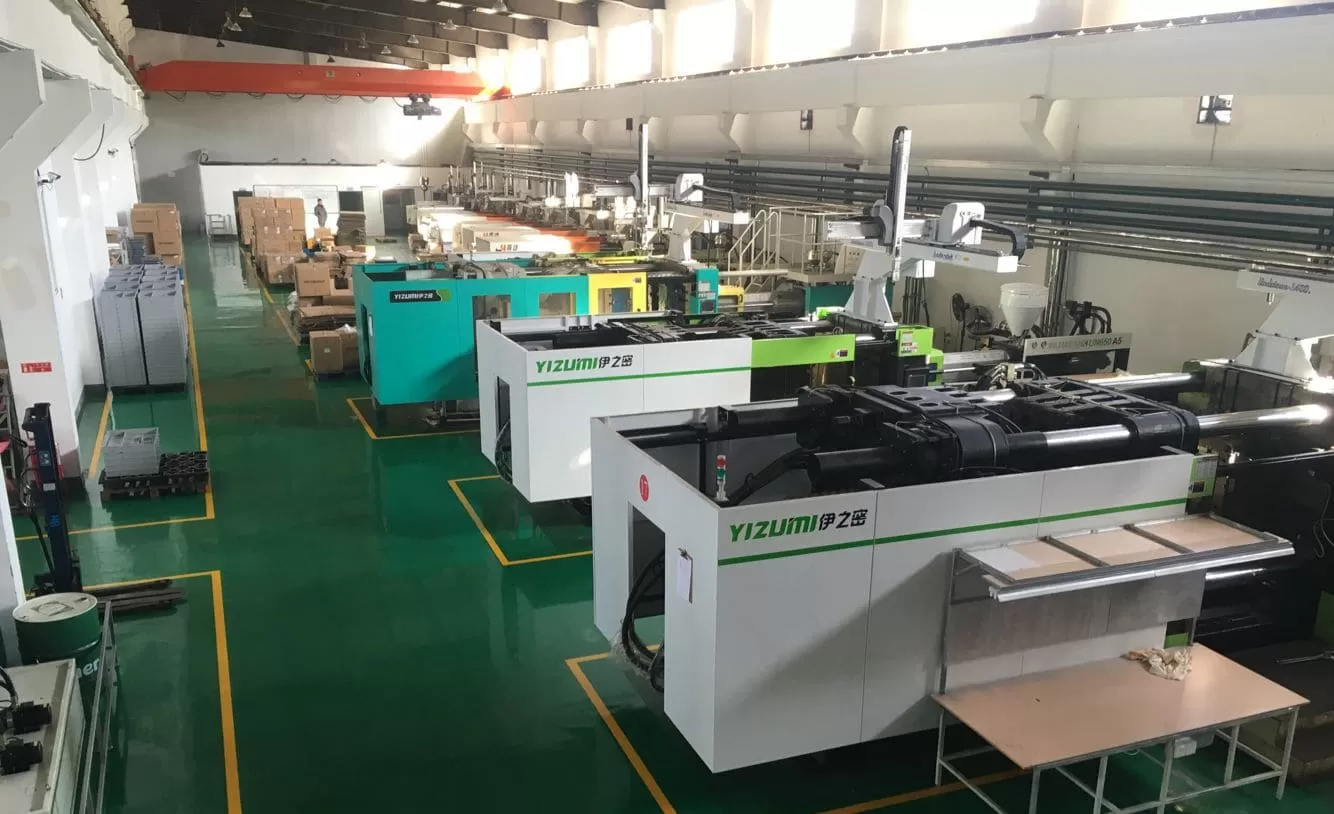
PMM-KAC exploiteert een 8.000 m² faciliteit met 40 spuitgietmachines van 100T tot 500T, met uitbreiding gepland naar 850T. Ze werken ook samen met blaasgiet- en flexibele verpakkingproducenten om totaaloplossingen te bieden. Hun proces omvat planning, prototyping, productie en logistiek.
Sterkte: grote machinevloot (40 persen) met goede dekking in middenklasse tonnage, geschikt voor volumeverpakkingen en consumentenproductprogramma’s.
10. OptiMIM Indonesië
Locatie: Banten | Opgericht: 2001 | Werknemers: 50–99 | Sectoren: Metaalspuitgieten, precisieonderdelen
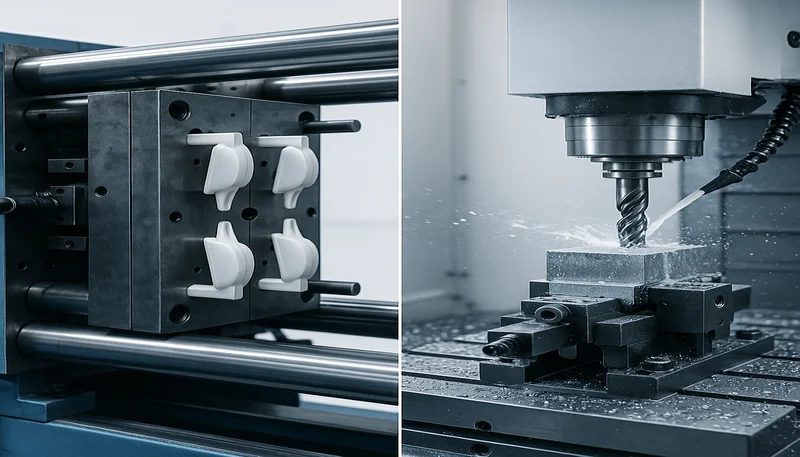
OptiMIM, onderdeel van Form Technologies, specialiseert zich in metal injection molding (MIM) — zeer nauwkeurige kleine metalen componenten in roestvast staal, laaggelegeerd staal en koper. Hoewel geen traditionele kunststofspuitgieter, vertegenwoordigt OptiMIM de groeiende Indonesische precisieproductie voor inkopers die regionaal zowel kunststof- als metaalonderdelen zoeken.
Belangrijkste kracht: expertise in MIM voor miniatuurprecisieonderdelen van metaal, relevant voor elektronica, medische hulpmiddelen en autosensoren.
Hoe verhouden de spuitgietkosten in Indonesië zich tot die in China?
Kosten zijn vaak de doorslaggevende factor wanneer inkopers Indonesische en Chinese leveranciers van spuitgietwerk vergelijken. Hieronder volgt een praktische vergelijking van de belangrijkste kostendrijvers:
Kosten van matrijzen en gereedschap: Indonesische gereedschapsprijzen liggen doorgaans 20–40% lager dan Europese of Noord-Amerikaanse offertes, maar 10–30% hoger dan die voor vergelijkbaar Chinees gereedschap. Bij eenvoudigere matrijzen wordt het verschil kleiner, maar bij matrijzen met meerdere caviteiten of zeer nauwkeurige gereedschappen wordt het groter, omdat de dichte Chinese toeleveringsketen (staalleveranciers, hotrunnerleveranciers en EDM-bedrijven) een snellere doorlooptijd tegen lagere kosten mogelijk maakt.
Prijs per onderdeel: Indonesische onderdeelprijzen zijn concurrerend voor middelgrote series (10.000–500.000 stuks per jaar) in standaardharsen. Voor grote series standaardonderdelen leveren de schaalvoordelen van China — grotere machineparken, bulkaankoop van hars en geautomatiseerde cellen — doorgaans 15–25% lagere stukkosten op.
"Een betrouwbare shortlist van Indonesische leveranciers moet de diepgang in gereedschapmakerij, bewijs van kwaliteitssystemen en exportcommunicatie vergelijken — niet alleen het aantal machines."True
Een leverancier kan op papier sterk lijken, maar moeite hebben met matrijsonderhoud, beheersing van technische wijzigingen of Engelstalig projectmanagement. Inkopers beperken risico door capaciteit, documentatie en communicatie gezamenlijk te beoordelen.
"Als een spuitgieter moderne machines heeft, kunt u de beoordeling van matrijseigendom, bemonsteringsplannen en verantwoordelijkheid voor wijzigingsbeheer overslaan."False
Alleen het aantal machines zegt niet wie het gereedschapsontwerp beheert, wie staalaanpassingen betaalt of hoe procesdrift na T1-bemonstering wordt gedocumenteerd. Die beheersmaatregelen bepalen of een RFQ een stabiel programma wordt.
Doorlooptijd: De doorlooptijd voor gereedschap in Indonesië bedraagt gemiddeld 6–10 weken voor een matrijs met één caviteit, tegenover 4–8 weken in China. Zodra het gereedschap is gekwalificeerd, zijn de productiedoorlooptijden vergelijkbaar.
Verborgen kosten: In beide landen moet rekening worden gehouden met logistiek, invoerheffingen en valutarisico. De Indonesische invoerheffing op ruwe hars (wanneer die niet lokaal wordt ingekocht) kan de materiaalkosten met 5–10% verhogen. Zeevracht vanuit Jakarta is voor bestemmingen in Zuidoost-Azië doorgaans vergelijkbaar met die vanuit Shanghai, maar voor Europa of Noord-Amerika 10–20% duurder.
Wanneer is Indonesië de juiste inkoopkeuze voor spuitgieten?
Indonesië is de juiste inkoopkeuze wanneer communicatie, regionale nabijheid en productie in middelgrote volumes belangrijker zijn dan de laagste stukprijs. In specifieke scenario’s is Indonesië een logische primaire inkoopbestemming:
"De Indonesische eis voor lokale inhoud (TKDN) maakt binnenlandse spuitgietleveranciers essentieel voor automotive programma's die in het land worden verkocht."True
Het TKDN-beleid schrijft minimale percentages lokale inhoud voor voertuigen voor die in Indonesië worden verkocht. Internationale autofabrikanten moeten voor naleving een deel bij gecertificeerde lokale leveranciers inkopen.
"Alle Indonesische spuitgietbedrijven kunnen Chinese leveranciers evenaren in prijs, levertijd en materiaalassortiment."False
Indonesische leveranciers zijn concurrerend voor standaardmateriaalprogramma's met middelgrote volumes, maar kunnen doorgaans niet tippen aan China's schaal bij prijzen voor grote volumes, snelheid van complexe gereedschappen of keuze uit meer dan 400 technische materialen.
Kies voor Indonesië wanneer:
Distributie in Zuidoost-Azië heeft prioriteit. Als uw eindmarkten Indonesië, Maleisië, Thailand of de Filipijnen zijn, verlaagt lokale productie de vrachtkosten, verkort ze de levertijd en voorkomt ze blootstelling aan tarieven van buiten ASEAN.
U moet voldoen aan lokale-inhoudseisen voor de automotive-industrie. De Indonesische TKDN-eisen schrijven percentages voor binnenlandse inhoud voor. Als u aan de Indonesische automarkt levert, hebt u ongeacht de relatieve kosten een lokale spuitgieter nodig.
Uw volumes zijn middelgroot en de kwaliteitseisen liggen in het middensegment. Voor verpakkingen, huishoudelijke artikelen en standaard industriële componenten in de orde van 10.000–500.000 stuks per jaar bieden Indonesische leveranciers concurrerende prijzen en kortere communicatielijnen voor in ASEAN gevestigde inkoopteams.
Kies China (of een in China gevestigde partner) wanneer:
U hebt een hoger sluitvermogen of bredere materiaalcapaciteit nodig. De Chinese leveranciersbasis biedt machines van 90T tot 4000T+ en verwerkt meer dan 400 technische materialen, tegenover het beperktere aanbod in Indonesië.
De complexiteit of snelheid van de gereedschapsbouw is doorslaggevend. Chinese matrijzenmakers met interne CNC, EDM, draadvonken en CMM kunnen complexe matrijzen met meerdere caviteiten in 4–6 weken leveren, inclusief gedocumenteerde maatvoering.
U hebt geïntegreerde matrijzenbouw, spuitgieten en assemblage onder één dak nodig. Bedrijven als ZetarMold bieden een end-to-endservice, van DFM-beoordeling en matrijzenfabricage tot productiespuitgieten, secundaire bewerkingen en verzending — met meer dan 30 Engelssprekende projectmanagers en DFM-reactietijden van 24 uur.
"Grensoverschrijdende leveranciersselectie is veiliger wanneer inkopers vóór de definitieve RFQ-vergelijking de ISO-dekking, inspectiebewijzen en reactiesnelheid verifiëren."True
Een shortlist wordt betrouwbaarder wanneer elke leverancier procesdocumentatie, discipline bij corrigerende maatregelen en snelle technische feedback toont. Zo kunnen inkopers de uitvoeringskwaliteit vergelijken in plaats van af te gaan op verkooptaal.
"De goedkoopste matrijsofferte levert voor een spuitgietprogramma doorgaans de laagste totale kosten inclusief levering op."False
Een lage gereedschapsprijs kan een zwakkere staalkeuze, tragere communicatie, onvolledige validatie of meer uitval tijdens de opstart verbergen. De totale geleverde kostprijs hangt af van de matrijslevensduur, processtabiliteit, logistiek en snelheid van probleemoplossing.
Veelgestelde vragen over spuitgieten in Indonesië
Wat is de gemiddelde doorlooptijd voor een in Indonesië gebouwde spuitgietmatrijs?
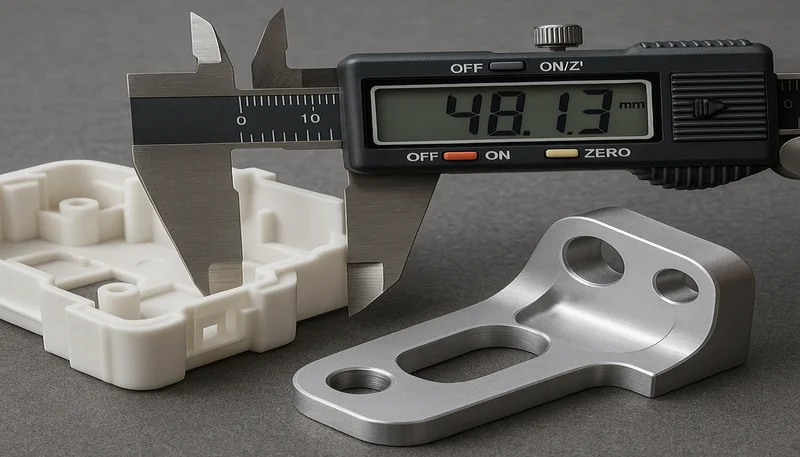
Een productiematrijs met één holte vergt in Indonesië doorgaans 6 tot 10 weken van inkooporder tot T1-bemonstering. Matrijzen met meerdere holtes of hoge precisie kunnen afhankelijk van de complexiteit 10 tot 14 weken vergen. Doorlooptijden hangen af van de complexiteit van het matrijsontwerp, de beschikbaarheid van de staalsoort en de interne matrijscapaciteit van de leverancier. Inkopers die een snellere levering nodig hebben, moeten bevestigen of de spuitgieter zelf matrijzen bouwt of dit uitbesteedt, omdat uitbesteding extra coördinatie vereist en de planning verlengt ten opzichte van de eerste offerte.
Zijn Indonesische spuitgietbedrijven ISO-gecertificeerd?
Veel grotere Indonesische spuitgietleveranciers zijn ISO 9001-gecertificeerd en diverse automobielgerichte fabrikanten, zoals PT. FLN, hebben een IATF 16949-accreditatie. Kleinere bedrijven werken soms zonder formele certificering en vertrouwen op klantaudits en informele kwaliteitspraktijken. Vraag voor gereguleerde of exportgerichte programma’s altijd om actuele certificaten en waar mogelijk om recente auditrapporten van derden of kwaliteitsscorekaarten van klanten. Een certificaat alleen garandeert geen procesdiscipline — gedocumenteerde corrigerende maatregelen en consistent inspectiebewijs zijn sterkere indicatoren van werkelijke kwaliteitscapaciteit.
Kunnen Indonesische leveranciers overspuiten en insert molding uitvoeren?
Sommige Indonesische leveranciers beheersen overmolding en insert molding, waaronder PT. FLN, PT Padma Soode Indonesia en PT Pandawa Cipta Mandiri. Deze processen vereisen specifieke machineconfiguraties, zoals draaitafels of units met meerdere cilinders, plus bewezen expertise in substraathechting en materiaalcompatibiliteit. Controleer vooraf of de leverancier aantoonbaar eigenaar is van het ontwerp van multi-shotmatrijzen, hechtingstestgegevens kan leveren en realistische cyclustijden uit eerdere productieruns documenteert.
Hoe beïnvloedt de wisselkoers van de Indonesische roepia de spuitgietkosten?
De Indonesische roepia is historisch volatiel, met perioden waarin de koers binnen één kalenderjaar 5 tot 10 procent schommelde ten opzichte van de US dollar. Bij contracten met een vaste prijs moeten inkopers een valutaclausule afspreken of de offerte indexeren op een referentiewisselkoers met overeengekomen datum. Overweeg bij langlopende productieprogramma’s de materiaalkosten — vaak in USD omdat harsen worden geïmporteerd — te scheiden van de conversiekosten in IDR. Zo wordt elke partij afgeschermd tegen het valutarisico dat het meest relevant is voor haar werkelijke kostenbasis.
Is het realistisch om gespuitgiete onderdelen uit Indonesië in te kopen voor de Amerikaanse of Europese markt?
Ja, voor de juiste programma’s is dit realistisch. Verpakkingscomponenten, automobielsubassemblages en onderdelen voor consumptiegoederen worden vanuit Indonesië veelvuldig naar zowel de Amerikaanse als Europese markt geëxporteerd. Inkopers moeten rekening houden met een zeetransittijd van 4 tot 6 weken naar Europa en 5 tot 7 weken naar de Amerikaanse westkust, plus douaneafhandeling en eventuele antidumpingheffingen. Een grondige analyse van de totale kosten bij levering moet de volledige toeleveringsketen vergelijken — inclusief vracht, verzekering, tarieven en een buffer voor kwaliteitsafkeur — in plaats van uitsluitend uit te gaan van de af-fabriekprijs.
Wat is de gebruikelijke MOQ voor spuitgietproductie in Indonesië?
Minimumafnamehoeveelheden verschillen sterk tussen Indonesische leveranciers. Grote verpakkingsproducenten kunnen per order minimaal 50,000 stuks vereisen, terwijl kleinere loonbedrijven 1,000 tot 5,000 stuks accepteren. Sommige leveranciers bieden voor prototypes en brugproductie in lage volumes korte runs met aluminium matrijzen, al is dit in Indonesië minder gangbaar dan in China. Kopers met lagere volumes moeten tijdens de RFQ-fase expliciet MOQ-flexibiliteit bespreken en bevestigen dat batchgroottes zonder matrijsherontwerp of instelkostentoeslagen kunnen worden aangepast.
Hoe verifieer ik de werkelijke productiecapaciteit van een Indonesische spuitgietleverancier?
De meest betrouwbare aanpak is een fabrieksaudit uitvoeren, door persoonlijk te gaan of via een reputabele inspectiebedrijf van derden. Tijdens de audit controleert u het actuele machinepark inclusief tonnagebereik, machineleeftijd en merk tegenover wat werd aangeboden. Vraag om dimensie-inspectiegegevens van recente productiebatches te zien en bevestig dat het kwaliteitslab gekalibreerde meetapparatuur heeft zoals coördinaatmeetmachines en profielprojectors. Een leverancier die CMM-rapporten, procescapabiliteitsindexdata en gedocumenteerde correctieve-actievoorbeelden kan leveren, toont operationele volwassenheid, niet alleen een verkooppresentatie.
Waarom is ZetarMold de Juiste Partner voor Indonesische Kopers?
Als uw inkoopbeoordeling verder reikt dan de grenzen van Indonesië, biedt ZetarMold een aanvullende offshore-optie met specifieke voordelen voor kopers in Indonesië en de ASEAN-regio:
Breder machinebereik: De vestiging van ZetarMold in Shanghai beschikt over 45 spuitgietmachines van 90T tot 1850T — voor het volledige spectrum van micro-onderdelen tot grote automotive- en industriële componenten met een spuitgewicht tot 10 kg. Dit sluitkrachtbereik is groter dan wat de meeste Indonesische leveranciers intern kunnen bieden.
Geïntegreerde matrijzenproductie: Met een interne matrijzenmakerij die is uitgerust met CNC-bewerkingscentra, EDM, draadvonk-EDM, precisiegraveermachines en slijpmachines bouwt en onderhoudt ZetarMold alle gereedschappen onder één dak. Dit elimineert het coördinatierisico tussen gereedschapsbouw en spuitgieten dat projecten bemoeilijkt bij leveranciers die de matrijzenbouw uitbesteden.
Kwaliteitsdocumentatie en communicatie: Meer dan 30 Engelssprekende projectmanagers en 8 senior engineers met meer dan 10 jaar ervaring zorgen voor een DFM-reactie binnen ≤24 uur. De kwaliteit wordt bewaakt met een proces van zes stappen, van IQC tot OQC, ondersteund door certificeringen volgens ISO 9001, ISO 13485, ISO 14001 en ISO 45001. Onze engineers gebruiken in de praktijk CMM-controlepunten van 0,02 mm, een DFM-reactiedoel van 24,0 uur en een drempel van 10.000 onderdelen voor proefseries om inkooprisico te onderscheiden van normale variatie tussen leveranciers.
Materiaalbreedte: ZetarMold verwerkt meer dan 400 materialen, waaronder technische harsen (PEEK, PPS, PPSU, PC en PC/ABS) en standaardpolymeren, zodat één leverancier meerdere materiaalvereisten binnen uw productportfolio kan afdekken.
Voor Indonesische inkopers die een hoger sluitvermogen, snellere gereedschapsbouw of een bredere materiaalcapaciteit nodig hebben dan lokale leveranciers kunnen bieden, is ZetarMold een bewezen offshore alternatief. Vraag een gratis offerte aan en vergelijk vóór afronding van de RFQ de beperkingen voor sluitkracht en spuitvolume met onze gids voor schroefspuitgietmachines.
CAGR: CAGR staat voor samengesteld jaarlijks groeipercentage en meet het geannualiseerde gemiddelde rendement over een bepaalde periode; hier wordt het gebruikt om het verwachte groeipad van de Indonesische kunststofmarkt te beschrijven. ↩
IATF 16949: IATF 16949 is de internationale norm voor kwaliteitsmanagementsystemen in de automotive-industrie, ontwikkeld door de International Automotive Task Force. De norm stelt eisen aan procesbeheersing, defectpreventie en voortdurende verbetering in toeleveringsketens voor de automotive-industrie. ↩
TKDN: Tingkat Komponen Dalam Negeri (TKDN) is het Indonesische beleid voor lokale inhoud, dat voor producten in bepaalde sectoren, waaronder de automotive-industrie, een minimumpercentage aan in eigen land vervaardigde componenten voorschrijft. ↩