- Il mercato indonesiano della plastica ha superato USD 7 miliardi nel 2021 e cresce a un CAGR superiore al 6% fino al 2027.
- Le 10 principali aziende indonesiane di stampaggio a iniezione operano nei settori automobilistico, degli imballaggi, dei beni di consumo e medicale.
- I costi degli stampi in Indonesia sono inferiori del 20–40% rispetto all'Europa, ma superiori del 10–30% rispetto alla Cina a parità di qualità.
- Prima di assegnare le RFQ, gli acquirenti devono verificare le certificazioni ISO, le condizioni di proprietà degli stampi e la capacità di comunicazione per l'esportazione.
- Un partner offshore come ZetarMold può integrare l'approvvigionamento locale indonesiano quando servono una gamma di tonnellaggi più ampia o tempi DFM più rapidi.
Nel 2021 il mercato indonesiano della plastica valeva oltre USD 7 miliardi, con un CAGR1 previsto superiore al 6% fino al 2027. Il settore manifatturiero del Paese beneficia di una forza lavoro giovane, costi competitivi e una posizione strategica nelle catene di fornitura del Sud-est asiatico. In particolare, lo stampaggio a iniezione serve imballaggio, automotive, elettronica e beni di consumo, i quattro pilastri della domanda industriale indonesiana.
Questa guida illustra il panorama di mercato, le principali tendenze del settore, un metodo strutturato di selezione dei fornitori, i profili dettagliati delle 10 maggiori aziende di stampaggio a iniezione in Indonesia, il confronto dei costi con la Cina e indicazioni chiare su quando l’Indonesia sia la scelta giusta per l’approvvigionamento. Che stiate valutando fornitori locali o confrontandoli con un’opzione offshore come ZetarMold, l’obiettivo è aiutarvi a prendere una decisione più rapida e consapevole.
Com’è il mercato dello stampaggio a iniezione in Indonesia?
L’Indonesia è la maggiore economia del Sud-est asiatico e uno dei mercati delle materie plastiche in più rapida crescita nella regione. La domanda interna di prodotti in plastica è sostenuta da una popolazione di oltre 270 milioni di abitanti, dalla rapida urbanizzazione e dall’espansione dei consumi della classe media. Il solo settore degli imballaggi rappresenta circa il 40% del consumo totale di plastica, seguito dai componenti automobilistici con circa il 20% e dall’elettronica con circa il 15%.
Il Paese ospita oltre 1,200 produttori di materie plastiche registrati, da piccole officine conto terzi a grandi stabilimenti integrati con linee certificate ISO. La maggior parte della capacità di stampaggio a iniezione è concentrata a Giava, in particolare nei corridoi industriali attorno a Giacarta, Bekasi, Cikarang e Surabaya, dove infrastrutture, logistica e accesso ai porti sostengono la produzione orientata all’esportazione.
Gli stampatori indonesiani servono generalmente due livelli di domanda: imballaggi di largo consumo ad alto volume (bottiglie, tappi, contenitori) e componenti industriali di precisione medio-alta (parti interne/esterne per automobili, alloggiamenti elettrici, dispositivi medici). Il segmento della precisione è cresciuto costantemente con l’espansione degli acquisti locali da parte degli OEM giapponesi, coreani ed europei presso le rispettive basi di fornitura indonesiane.
L’approvvigionamento delle materie prime resta un vincolo strutturale: l’Indonesia importa circa il 60% del proprio fabbisogno di resina, per cui tempi di consegna e costi dei materiali possono oscillare con i mercati petrolchimici globali. Nel confrontare i fornitori indonesiani con le alternative cinesi, caratterizzate da una maggiore integrazione a monte, gli acquirenti devono includere questo fattore nel calcolo del costo totale.
Quali tendenze stanno plasmando l’industria indonesiana dello stampaggio a iniezione?
Le principali tendenze che stanno plasmando l’industria indonesiana dello stampaggio a iniezione sono l’automazione, l’approvvigionamento di contenuto locale e la capacità di lavorare materiali riciclati. Comprendere questi cambiamenti aiuta gli acquirenti ad anticipare i rischi relativi a tempi di consegna, qualità e capacità prima di selezionare i fornitori.
Adozione dell’automazione e dell’Industria 4.0
I principali stampatori indonesiani, soprattutto quelli che servono gli OEM automobilistici, investono nell’estrazione robotizzata dei pezzi, nel controllo qualità in linea e nel monitoraggio dei processi in tempo reale. Aziende come PT. FLN e PT Padma Soode Indonesia hanno adottato sistemi conformi a IATF 169492, che richiedono un controllo documentato del processo e prove statistiche della capacità. Questa tendenza spinge il settore verso tolleranze più strette e una qualità più costante tra i lotti.
Requisiti di localizzazione nel settore automobilistico
Le norme indonesiane sul contenuto locale (TKDN3) impongono una percentuale minima di componenti prodotti nel Paese per i veicoli venduti localmente. Questa politica induce le case automobilistiche giapponesi e coreane ad acquistare da fornitori indonesiani i componenti stampati a iniezione per interni ed esterni invece di importarli. Ne derivano maggiori investimenti in macchine di tonnellaggio superiore (500T-1000T), capacità di assemblaggio nello stampo e competenze nelle finiture superficiali.
Materiali sostenibili ed economia circolare
Il governo indonesiano ha introdotto norme più severe sulla plastica monouso e i grandi marchi dei beni di consumo stanno passando a resine con contenuto riciclato e polimeri biobased. Gli stampatori capaci di lavorare rPET, bio-PE e PP riciclato ottengono un accesso preferenziale ai contratti per imballaggi. PT. Tunggal Jaya Plastic, ad esempio, ha integrato l’HDPE riciclato nella propria gamma. Gli acquirenti che confrontano i tempi di produzione dello stampaggio a iniezione devono verificare separatamente i tempi di attrezzaggio, campionatura e imballaggio.
Espansione orientata all’esportazione
Gli stampatori indonesiani si rivolgono sempre più ai mercati regionali di esportazione — Malaysia, Thailandia, Filippine e Australia — anziché dipendere esclusivamente dai volumi interni. Questo cambiamento richiede una migliore comunicazione in inglese, pratiche documentali più solide e la conformità a standard qualitativi internazionali quali ISO 9001, ISO 14001 e IATF 16949.
Come scegliere un fornitore di stampaggio a iniezione in Indonesia?
La scelta del fornitore di stampi a iniezione più adatto in Indonesia richiede più di un semplice confronto degli elenchi delle macchine. Ecco un pratico schema di valutazione articolato in cinque dimensioni:
1. Certificazioni e sistemi di qualità
Come minimo, verificare la certificazione ISO 9001. Per applicazioni automobilistiche o medicali, richiedere rispettivamente IATF 16949 o ISO 13485. Chiedere rapporti di audit, registri delle azioni correttive e recenti schede di valutazione della qualità dei clienti, non soltanto il certificato.
2. Proprietà del progetto dello stampo e competenza nell’attrezzaggio
Chiarisci chi progetta lo stampo a iniezione, chi seleziona il grado di acciaio e chi paga le modifiche dopo la campionatura T1. Alcuni fornitori indonesiani esternalizzano la costruzione degli stampi, complicando il controllo delle tempistiche e l’applicazione della garanzia.
3. Corrispondenza tra tonnellaggio e capacità della macchina
Adeguate le dimensioni e il volume del pezzo alla gamma di presse del fornitore. L’Indonesia dispone di una notevole capacità nella fascia 100T–500T, ma offre meno alternative sopra le 1000T. Se il progetto richiede grandi alloggiamenti automobilistici o industriali, verificate che il fornitore disponga sia del tonnellaggio sia delle dimensioni utili necessarie per utilizzare il vostro stampo.
4. Comunicazione e documentazione per l’esportazione
Per l’approvvigionamento fuori dall’Indonesia, valutare inglese, rapidità di risposta e disponibilità a fornire rapporti d’ispezione, dati dimensionali e documenti di processo utilizzabili dall’ingegneria. Le officine indonesiane più piccole spesso sono carenti qui.
5. Costo totale a destino, non solo prezzo unitario
Considera il costo dello stampo, le iterazioni di campionamento, i supplementi per i materiali (importazioni di resina), il trasporto interno fino al porto, il trasporto marittimo, i dazi doganali e il rischio valutario. Un prezzo unitario inferiore franco fabbrica può non tradursi in un costo totale inferiore una volta inclusi la logistica e il rischio di scarti per problemi di qualità.
Quali sono le 10 principali aziende di stampaggio a iniezione in Indonesia?
Le 10 principali aziende di stampaggio a iniezione in Indonesia sono i fornitori confrontati di seguito in base a capacità, idoneità al settore e affidabilità dell’approvvigionamento. Di seguito sono presentate dieci aziende indonesiane consolidate di stampaggio a iniezione, selezionate in base alla storia operativa, alle certificazioni di settore e alle capacità produttive documentate. Ogni profilo include ubicazione, anno di fondazione, dimensioni dell’organico, capacità principali e fattori distintivi.
1. Azienda PT. Tunggal Jaya Plastic
Sede: Gunung Putri, Giava Occidentale | Fondata: 1974 | Dipendenti: 300-399 | Settori: imballaggio, farmaceutica, alimenti e bevande, cosmetica
PT. Tunggal Jaya Plastic è uno dei produttori indonesiani di imballaggi in plastica rigida con maggiore esperienza, grazie a oltre 50 anni di attività. L’azienda gestisce linee integrate di stampaggio a iniezione e soffiaggio, producendo bottiglie, contenitori, imballaggi farmaceutici e chiusure con diverse resine, tra cui PC, PE, PP, PVC, PS, ABS e PET.
La capacità interna di costruzione degli stampi consente iterazioni progettuali più rapide per gli imballaggi personalizzati. Punto di forza principale: profonda esperienza negli imballaggi conformi ai requisiti FDA e BPOM, l’autorità indonesiana per alimenti e farmaci, destinati ad applicazioni farmaceutiche e al contatto con alimenti.
2. PT. FLN
Sede: Giava Occidentale | Fondata: 2000 | Dipendenti: 300-399 | Settori: automotive, accessori per esterni/interni
PT. FLN è specializzata in stampaggio a soffiaggio per estrusione di materie plastiche, formatura sottovuoto, stampaggio a compressione di acrilico e stampaggio a iniezione di poliuretano. Il loro processo di produzione è certificato IATF 16949, il che li rende un fornitore qualificato per programmi OEM automobilistici.
FLN ha ottenuto contratti OEM con importanti case automobilistiche asiatiche per spoiler, paraurti, modanature laterali, parafanghi estesi e vani console. Il loro servizio integrato dal design alla produzione copre la maggior parte degli accessori esterni e interni. Punto di forza: sistema di qualità di livello automobilistico con comprovata esperienza OEM.
3. PT. JAEIL INDONESIA
Sede: Cikarang, Giava Occidentale | Fondata: 1999 | Dipendenti: 200-299 | Settori: componenti per interni auto
PT. JAEIL INDONESIA gestisce due stabilimenti produttivi per un totale di 4.100 m² a Cikarang, focalizzati su parti interne automotive stampate a iniezione di precisione: alloggiamenti specchietti, pannelli decorativi, copriairbag, basi radiatore e coprimetri. Dopo la transizione a proprietà totalmente locale nel 2014, l’azienda ha investito in macchinari più nuovi e controlli di processo più rigorosi.
Punto di forza principale: specializzazione nei componenti interni automobilistici con un’operazione snella e di proprietà locale che comprende le aspettative degli OEM nazionali.
4. PT. KIRANA JAYA MULTI (KJM)
Sede: Lippo Cikarang, Giava Occidentale | Fondata: 2014 | Dipendenti: 100-199 | Settori: accessori per esterni auto
PT. KIRANA JAYA MULTI produce accessori automobilistici stampati a iniezione e a soffiaggio: spoiler posteriori del tetto, spoiler anteriori e posteriori del paraurti, minigonne, modanature del portellone e protezioni paraurti. Le loro capacità di processo includono stampaggio a iniezione, stampaggio a soffiaggio, carteggiatura e finitura sotto un unico tetto.
Punto di forza: stampaggio e finitura integrati per guarnizioni esterne automobilistiche, con una filosofia operativa che dà priorità alla qualità.
5. PT Pandawa Cipta Mandiri (PCM)
Sede: area di Cikarang, Giava Occidentale | Fondata: 1999 | Dipendenti: 100-199 | Settori: costruzione di stampi, lavorazioni CNC, pezzi di precisione
PCM è nata come costruttore di stampi e centro di lavorazione CNC, per poi espandersi nella produzione mediante stampaggio a iniezione della plastica. Offre progettazione degli stampi, fabbricazione delle attrezzature e stampaggio integrati: un vantaggio per gli acquirenti che desiderano attrezzaggio e produzione sotto un unico referente commerciale.
Punto di forza: solida base nella costruzione stampi con capacità CNC e di attrezzature/posizionamento, adatta per programmi di precisione dove è importante la reattività nella manutenzione degli stampi.
6. Azienda PT Cosmo Makmur Indonesia
Sede: Cileungsi, Bogor | Fondata: 2002 | Dipendenti: 100-199 | Settori: imballaggi per alimenti, prodotti per la casa
PT. Cosmo Makmur Indonesia produce per soffiaggio a iniezione imballaggi alimentari: bottiglie, taniche e contenitori, oltre a ricambi e articoli domestici. Cileungsi supporta volumi scalabili con controlli alimentari.
Punto di forza: focus su packaging per alimenti con distribuzione domestica consolidata in più segmenti consumer.
7. PT. GAYA REMAJA
Sede: Giava Orientale | Fondata: 1999 | Dipendenti: 50-99 | Settori: articoli per la casa, imballaggio, attrezzature industriali
PT. Gaya Remaja offre servizi di stampaggio a iniezione e soffiaggio per articoli casalinghi, packaging, calzature e accessori, componenti per attrezzature industriali e parti per estrusione. Operando sotto il gruppo Foxstars International, uniscono oltre 25 anni di esperienza a capacità di lavorazioni secondarie.
Punto di forza: gamma di prodotti diversificata con lavorazioni secondarie (estrusione, finitura) e infrastrutture a livello di gruppo.
8. Azienda PT Padma Soode Indonesia (PSI)
Sede: Bekasi, Giava Occidentale | Fondata: 1989 | Dipendenti: 50-99 | Settori: automotive, elettronica, componenti in gomma
PSI offre servizi integrati dalla progettazione e fabbricazione di stampi, attraverso stampaggio metallo, lavorazione di precisione, stampaggio a iniezione plastica e assemblaggio finale — una vera soluzione one-stop. I loro stabilimenti hanno certificazioni ISO 9001 e ISO 14001, e il sito principale ha status EPTE (Export Production Facility for Tax Exemption).
Punto di forza: produzione verticalmente integrata con stampi, stampaggio a iniezione, stampaggio e assemblaggio, oltre a vantaggi fiscali della zona di esportazione per acquirenti internazionali.
9. Gruppo PMM-KAC
Sede: Banten (25 km a ovest di Giacarta) | Fondata: 1978 | Dipendenti: 50-99 | Settori: stampaggio a iniezione di precisione, imballaggio
PMM-KAC gestisce uno stabilimento di 8.000 m² che ospita 40 macchine per lo stampaggio a iniezione con una forza di chiusura da 100T a 500T, con un’espansione pianificata a 850T. Collaborano anche con produttori di stampaggio a soffiaggio e imballaggi flessibili per offrire soluzioni chiavi in mano. Il loro processo copre pianificazione, prototipazione, produzione e logistica.
Punto di forza principale: ampia flotta di macchine (40 presse) con una buona copertura di tonnellaggio nella fascia media, adatta per imballaggi di volume e programmi di prodotti di consumo.
10. OptiMIM Indonesia
Sede: Banten | Fondata: 2001 | Dipendenti: 50-99 | Settori: stampaggio a iniezione di metalli, componenti di precisione
OptiMIM, una società di Form Technologies, si specializza nella stampa ad iniezione di metallo (MIM) — producendo componenti metallici di piccole dimensioni e alta precisione in acciaio inossidabile, acciaio basso-alligato e rame. Nonostante non sia un tradizionale stampatore ad iniezione di plastica, OptiMIM rappresenta la crescente capacità di produzione di precisione in Indonesia per gli acquirenti che necessitano sia di componenti plastici sia metallici provenienti dalla regione.
Punto di forza chiave: competenza nello stampaggio a iniezione di metallo (MIM) per parti metalliche di precisione in miniatura, rilevante per elettronica, dispositivi medici e sensori automotive.
Come si confronta il costo dello stampaggio a iniezione in Indonesia con quello in Cina?
Il costo è spesso il fattore decisivo quando gli acquirenti valutano fornitori indonesiani rispetto a quelli cinesi per lo stampaggio a iniezione. Ecco un confronto pratico sui principali fattori di costo:
Costo di stampi e attrezzaggio: in Indonesia i prezzi degli stampi sono generalmente inferiori del 20-40% rispetto alle offerte europee o nordamericane, ma superiori del 10-30% rispetto ad attrezzature cinesi equivalenti. Il divario si riduce per gli stampi semplici, ma aumenta per quelli multicavità o ad alta precisione, nei quali la densità della catena di fornitura cinese, tra fornitori di acciaio, sistemi a canale caldo e officine EDM, consente consegne più rapide a costi inferiori.
Prezzo per pezzo: i prezzi indonesiani sono competitivi per produzioni di medio volume, 10.000-500.000 unità/anno, in resine standard. Per i pezzi commodity ad alto volume, i vantaggi di scala della Cina, tra flotte di macchine più grandi, acquisti di resina sfusa e celle automatizzate, offrono in genere costi unitari inferiori del 15-25%.
"Una shortlist affidabile di fornitori indonesiani deve confrontare competenza negli stampi, prove del sistema qualità e capacità di comunicazione per l'export, non soltanto il numero di macchine."True
Un fornitore può apparire forte sulla carta ma avere difficoltà con la manutenzione degli stampi, il controllo delle modifiche ingegneristiche o la gestione di progetti in lingua inglese. Gli acquirenti riducono il rischio quando valutano insieme capacità, documentazione e comunicazione.
"Se uno stampatore dispone di macchine moderne, si può evitare di verificare proprietà dello stampo, piani di campionamento e responsabilità del controllo modifiche."False
Il solo numero di macchine non indica chi controlla il progetto dell'utensile, chi paga per le modifiche dell'acciaio o come la deriva del processo viene documentata dopo il campionamento T1. Quei controlli determinano se un'RFQ diventa un programma stabile.
Tempi di consegna: in Indonesia, per uno stampo a cavità singola, i tempi medi di attrezzaggio sono di 6-10 settimane, contro 4-8 in Cina. Una volta qualificato lo stampo, i tempi di produzione sono comparabili.
Costi nascosti: entrambi i Paesi richiedono attenzione a logistica, dazi e rischio valutario. In Indonesia, i dazi sull’importazione della resina grezza, quando non reperita localmente, possono aggiungere il 5-10% al costo del materiale. Il trasporto marittimo da Giacarta è in genere comparabile a quello da Shanghai per le destinazioni del Sud-est asiatico, ma costa il 10-20% in più verso Europa o Nord America.
Quando l’Indonesia è la Scelta Giusta per l’Approvvigionamento dello Stampaggio a Iniezione?
L’Indonesia è la scelta di approvvigionamento giusta quando la comunicazione, la prossimità regionale e la produzione a medio volume contano più del prezzo unitario più basso. L’Indonesia ha senso come destinazione primaria di approvvigionamento in scenari specifici:
"Il requisito indonesiano sul contenuto locale (TKDN) rende essenziali i fornitori nazionali di stampaggio a iniezione per i programmi automobilistici venduti nel Paese."True
La politica TKDN impone percentuali minime di contenuto domestico per i veicoli venduti in Indonesia. I costruttori automobilistici internazionali devono approvvigionarsi in parte da fornitori locali certificati per conformarsi.
"Tutte le aziende indonesiane di stampaggio a iniezione possono competere con i fornitori cinesi per prezzo, tempi di consegna e gamma di materiali."False
I fornitori indonesiani sono competitivi per medi volumi e materiali standard, ma generalmente non eguagliano la Cina nei prezzi per grandi volumi, nella rapidità degli stampi complessi o nelle oltre 400 opzioni di materiali tecnici.
Scegliere l’Indonesia quando:
La distribuzione nel Sud-est asiatico è la priorità. Se i mercati finali sono Indonesia, Malaysia, Thailandia o Filippine, la produzione locale riduce i costi di trasporto, accorcia le consegne ed evita l’esposizione ai dazi esterni all’ASEAN.
Dovete rispettare i requisiti di contenuto locale nel settore automobilistico. Le norme TKDN dell’Indonesia impongono percentuali di contenuto nazionale. Se rifornite il mercato automobilistico indonesiano, serve uno stampatore locale indipendentemente dal confronto dei costi.
I volumi sono moderati e i requisiti di qualità di fascia media. Per imballaggi, articoli per la casa e componenti industriali standard nella fascia 10.000-500.000 unità/anno, i fornitori indonesiani offrono prezzi competitivi e distanze comunicative inferiori per i team acquisti con sede nell’ASEAN.
Scegliere la Cina (o un partner basato in Cina) quando:
Vi servono tonnellaggi maggiori o una più ampia capacità sui materiali. La base di fornitori cinese offre macchine da 90T a oltre 4000T e lavora più di 400 materiali tecnici, contro la gamma più limitata dell’Indonesia.
La complessità o la rapidità dell’attrezzaggio è critica. Le officine cinesi dotate internamente di CNC, EDM, elettroerosione a filo e CMM possono consegnare stampi multicavità complessi in 4-6 settimane, corredati da prove dimensionali documentate.
Vi serve un servizio integrato di costruzione stampi, stampaggio e assemblaggio sotto lo stesso tetto. Aziende come ZetarMold offrono un servizio completo, dalla revisione DFM alla fabbricazione dello stampo, allo stampaggio in produzione, alle operazioni secondarie e alla spedizione, con oltre 30 project manager anglofoni e risposte DFM entro 24 ore.
"L'approvvigionamento transfrontaliero è più sicuro quando gli acquirenti verificano copertura ISO, prove d'ispezione e rapidità di risposta prima del confronto finale delle RFQ."True
Una shortlist diventa più affidabile quando ogni fornitore mostra documentazione del processo, disciplina nelle azioni correttive e feedback ingegneristico rapido — permettendo agli acquirenti di confrontare la qualità dell'esecuzione piuttosto che affidarsi al linguaggio commerciale.
"Il preventivo più economico per lo stampo genera normalmente il costo totale a destino più basso per un programma di stampaggio a iniezione."False
Un basso prezzo degli utensili può nascondere una selezione dell'acciaio più debole, una comunicazione più lenta, una validazione incompleta o uno scarto più elevato durante l'avvio. Il costo totale di approdo dipende dalla vita dello stampo, dalla stabilità del processo, dalla logistica e dalla velocità di risoluzione dei problemi.
Domande Frequenti sullo Stampaggio a Iniezione in Indonesia
Qual è il tempo medio di consegna per uno stampo per iniezione costruito in Indonesia?
In Indonesia, uno stampo di produzione monoimpronta richiede in genere da 6 a 10 settimane dall’ordine al campionamento T1. Gli stampi multi-impronta o ad alta precisione possono richiedere da 10 a 14 settimane, secondo la complessità. I tempi dipendono dalla complessità del progetto, dalla disponibilità del grado di acciaio e dalla capacità interna del fornitore nella costruzione degli stampi. Chi necessita di tempi più brevi deve verificare se lo stampatore costruisce internamente gli stampi o li affida a un’officina esterna, poiché l’esternalizzazione aumenta il coordinamento e prolunga i tempi oltre la stima iniziale dell’offerta.
Le aziende indonesiane di stampaggio a iniezione sono certificate ISO?
Molti dei più grandi fornitori indonesiani di stampaggio a iniezione detengono la certificazione ISO 9001, e diversi produttori focalizzati sull’automotive come PT. FLN mantengono l’accreditamento IATF 16949. Tuttavia, le officine più piccole possono operare senza certificazione formale, affidandosi ad audit dei clienti e pratiche di qualità informali. Per programmi regolamentati o orientati all’esportazione, richiedere sempre certificati attuali e, quando possibile, recenti rapporti di audit di terze parti o schede di valutazione delle prestazioni di qualità dei clienti. Il solo certificato non garantisce la disciplina del processo - registri documentati di azioni correttive ed evidenza di ispezione coerente sono segnali più forti dell’effettiva capacità di qualità.
I fornitori indonesiani possono gestire lo stampaggio a sovrastampa e a inserto?
Alcuni fornitori indonesiani possono gestire la sovrastampaggio e lo stampaggio con inserti, inclusi PT. FLN, PT Padma Soode Indonesia e PT Pandawa Cipta Mandiri, che offrono capacità multi-processo. Tuttavia, la sovrastampaggio e lo stampaggio con inserti richiedono configurazioni macchina specifiche come piatti rotanti o unità multi-cilindro, insieme a una comprovata competenza nel processo di legame del substrato e compatibilità dei materiali. Prima di impegnarsi, confermare che il fornitore abbia dimostrato la proprietà del progetto utensile per utensili multi-colpo, possa fornire dati di test di legame e abbia aspettative realistiche sui tempi di ciclo documentate da precedenti produzioni.
In che modo il tasso di cambio della rupia indonesiana influisce sui costi dello stampaggio a iniezione?
La rupia indonesiana è storicamente volatile, con periodi di fluttuazione dal 5 al 10 percento rispetto al dollaro statunitense all’interno di un singolo anno solare. Per contratti a prezzo fisso, gli acquirenti dovrebbero negoziare una clausola valutaria o indicizzare il preventivo a un tasso di cambio di riferimento con una data concordata. Per programmi di produzione di durata più lunga, considera di separare il costo del materiale — spesso denominato in USD perché le resine sono importate — dal costo di conversione, denominato in IDR. Questa struttura isola ciascuna parte dall’esposizione valutaria più rilevante per la loro base di costo effettiva.
È realistico approvvigionarsi di parti stampate a iniezione dall’Indonesia per il mercato statunitense o europeo?
Sì, è realistico per i programmi giusti. Componenti per imballaggio, sotto-assiemi automobilistici e parti per beni di consumo sono comunemente esportati dall’Indonesia sia verso il mercato statunitense che europeo. Gli acquirenti dovrebbero considerare il tempo di transito marittimo di 4-6 settimane verso l’Europa e 5-7 settimane verso la costa occidentale degli USA, più lo sdoganamento e eventuali dazi antidumping applicabili. Un’analisi accurata del costo totale sbarcato dovrebbe confrontare l’intera catena di fornitura, inclusi trasporto, assicurazione, dazi e margine per scarti di qualità, piuttosto che basarsi esclusivamente sul prezzo ex-works della fabbrica.
Qual è la MOQ tipica per la produzione di stampaggio a iniezione in Indonesia?
Le quantità minime d’ordine variano significativamente tra i fornitori indonesiani. I grandi stampatori per imballaggio possono richiedere lotti minimi di 50.000 o più unità per ordine di produzione, mentre le officine più piccole possono accettare ordini da 1.000 a 5.000 unità. Per la prototipazione e la produzione ponte a basso volume, alcuni fornitori offrono stampaggio a lotti ridotti utilizzando stampi in alluminio, sebbene questa capacità sia meno comune in Indonesia che in Cina. Gli acquirenti con requisiti di volume minori dovrebbero discutere esplicitamente la flessibilità della MOQ durante la fase di RFQ e confermare se il fornitore può adattarsi a modifiche della dimensione del lotto senza riprogettazione dello stampo o penalità di costo di setup.
Come verificare l’effettiva capacità produttiva di un fornitore indonesiano di stampaggio a iniezione?
L’approccio più affidabile è commissionare un audit di fabbrica, visitando di persona o attraverso una società di ispezione di terze parti affidabile. Durante l’audit, verifica l’inventario effettivo delle macchine, inclusi intervallo di tonnellaggio, età e marca, rispetto a quanto quotato. Chiedi di vedere i registri di ispezione dimensionale di recenti lotti di produzione e conferma che il laboratorio qualità disponga di attrezzature di misura calibrate come macchine di misura a coordinate e proiettori di profilo. Un fornitore che può fornire rapporti CMM, dati dell’indice di capacità del processo ed esempi documentati di azioni correttive dimostra una reale maturità operativa, non solo una presentazione commerciale.
Perché ZetarMold è il Partner Giusto per gli Acquirenti Indonesiani?
Se la valutazione dei fornitori supera i confini dell’Indonesia, ZetarMold offre un’opzione offshore complementare con vantaggi specifici per gli acquirenti indonesiani e dell’ASEAN:
Gamma di macchine più ampia: lo stabilimento ZetarMold di Shanghai utilizza 45 presse a iniezione da 90T a 1850T, coprendo l’intero spettro, dai microcomponenti ai grandi pezzi automobilistici e industriali con peso di iniezione fino a 10 kg. Questa gamma di tonnellaggi supera quella che la maggior parte dei fornitori indonesiani può offrire internamente.
Produzione integrata degli stampi: grazie a un reparto interno dotato di centri di lavoro CNC, EDM, elettroerosione a filo, incisori di precisione e rettificatrici, ZetarMold costruisce e mantiene interamente gli stampi sotto lo stesso tetto. Ciò elimina il rischio di coordinamento tra attrezzaggio e stampaggio che complica i progetti presso i fornitori che esternalizzano la costruzione degli stampi.
Documentazione della qualità e comunicazione: oltre 30 project manager anglofoni e 8 ingegneri senior con più di 10 anni di esperienza garantiscono riscontri DFM entro 24 ore. La qualità segue un processo in sei fasi, dall’IQC all’OQC, sostenuto dalle certificazioni ISO 9001, ISO 13485, ISO 14001 e ISO 45001. Nella nostra esperienza, gli ingegneri utilizzano punti di controllo CMM da 0,02 mm, obiettivi di risposta DFM di 24,0 ore e soglie di produzione pilota di 10.000 pezzi per distinguere il rischio di approvvigionamento dalla normale variabilità del fornitore.
Ampiezza dei materiali: ZetarMold lavora oltre 400 materiali, comprese resine di grado tecnico come PEEK, PPS, PPSU, PC e PC/ABS e polimeri commodity, consentendo a un unico fornitore di coprire molteplici requisiti di materiale nell’intero portafoglio prodotti.
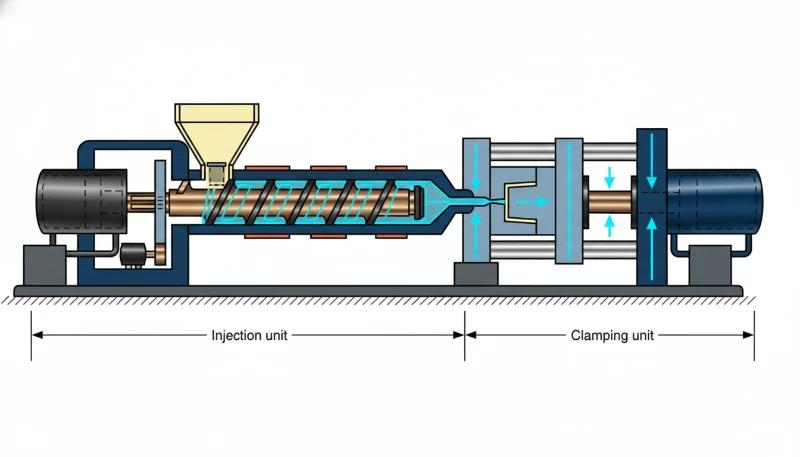
Per gli acquirenti indonesiani che necessitano di tonnellaggi maggiori, attrezzaggi più rapidi o capacità sui materiali più ampie rispetto a quelle dei fornitori locali, ZetarMold offre un’alternativa offshore collaudata. Richiedete un preventivo gratuito e confrontate i limiti di tonnellaggio e volume di iniezione con la nostra guida alla pressa a iniezione a vite prima di finalizzare la RFQ.
CAGR: il CAGR, ossia tasso annuo di crescita composto, misura il tasso medio annualizzato di rendimento in un determinato periodo ed è qui usato per descrivere la traiettoria di crescita prevista del mercato indonesiano della plastica. ↩
IATF 16949: IATF 16949 è lo standard internazionale dei sistemi di gestione della qualità per l'industria automobilistica, sviluppato dall'International Automotive Task Force. Definisce i requisiti per il controllo dei processi, la prevenzione dei difetti e il miglioramento continuo nelle catene di fornitura automobilistiche. ↩
TKDN: Tingkat Komponen Dalam Negeri (TKDN) è la politica indonesiana sui requisiti di contenuto locale, che impone una percentuale minima di componenti prodotti nel Paese per i prodotti venduti in determinati settori, compreso l'automotive. ↩