- De Australische spuitgietmarkt bedraagt jaarlijks meer dan AUD 4.2 miljard, met centra in Melbourne, Sydney en Brisbane, maar de binnenlandse kosten liggen 35-55% hoger dan bij vergelijkbare productie in China.
- ZetarMold exploiteert 47 spuitgietmachines (50-1,600 ton), handhaaft een first-pass-kwaliteitspercentage van 92% en is gecertificeerd volgens ISO 9001:2015 en ISO 13485.
- Voor standaardmatrijzen worden T1-proefstukken binnen 15–25 dagen verzonden; zeetransport van ZetarMolds vestiging in de regio Shenzhen naar Melbourne en Sydney duurt 12–16 dagen.
- Het Australische invoerrecht op de meeste gevormde kunststofcomponenten bedraagt 5% (Tariff Heading 3926), plus 10% GST over de CIF-waarde — ZetarMold verstrekt vooraf ramingen van de totale kosten bij levering.
- Ondersteuning voor meer dan 200 technische harsen, van standaard PP en ABS tot medische PC en PEEK, voor de automobiel-, mijnbouw-, medische-hulpmiddelen- en consumentengoederensector.
De Australische spuitgietsector1 genereert jaarlijks circa AUD 4,2 miljard, met productie rond zuidoostelijk Melbourne, westelijk Sydney en de handelskust van Brisbane. Deze centra bedienen automotive-OEM’s, fabrikanten van medische hulpmiddelen, mijnbouwleveranciers en consumentenmerken. Ondanks sterke lokale capaciteit beoordelen inkoopteams steeds vaker buitenlandse leveranciers vanwege aanhoudende kosten-, doorlooptijd- en capaciteitsdruk die lokale bedrijven niet zonder grote investeringen kunnen oplossen.
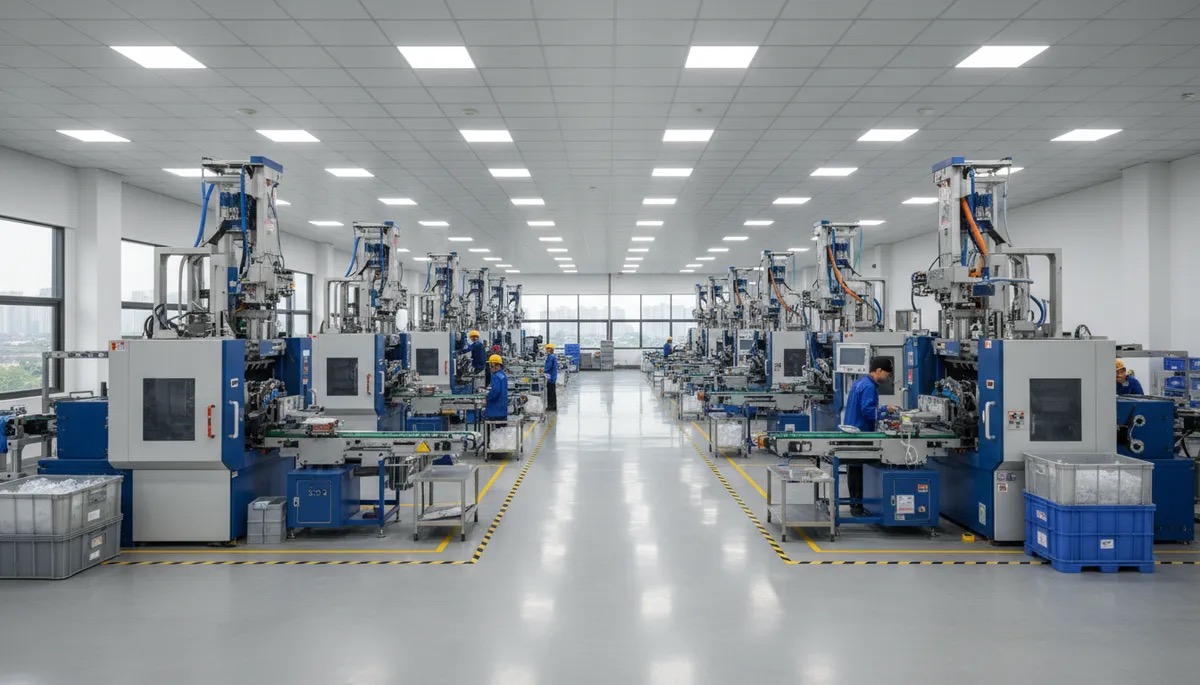
ZetarMold ondersteunt Australische fabrikanten met spuitgietdiensten die de kostenefficiëntie van China combineren met kwaliteitssystemen die zijn ontwikkeld voor exportmarkten. Onze fabriek heeft 47 spuitgietmachines van 50 tot 1,600 ton, behaalt een first-pass-kwaliteitspercentage van 92% en beschikt over ISO 9001:2015- en ISO 13485-certificeringen die Australische importeurs vereisen in gereguleerde sectoren, waaronder medische hulpmiddelen en auto-onderdelen.
Waarom overwegen Australische bedrijven offshoreleveranciers voor spuitgieten?
Binnenlands spuitgieten in Australië kost doorgaans 35 tot 55% meer per onderdeel dan vergelijkbare productie in China door hogere lonen, energie- en grondstofprijzen. Een standaard enkelvoudige matrijs van AUD 15,000 tot 25,000 in Australië kan bij een gekwalificeerd Chinees bedrijf voor AUD 7,000 tot 12,000 worden gemaakt, met vergelijkbare P20- en H13-staalsoorten en afwerking. Dit verschil compenseert vracht en invoerrechten bij de meeste programma’s boven 50,000 onderdelen per jaar.
Ook de doorlooptijden voor gereedschap zijn gunstiger bij offshoreleveranciers. Australische matrijzenmakers offreren doorgaans 10 tot 16 weken voor productiegereedschap van gemiddelde complexiteit, terwijl gevestigde Chinese bedrijven als ZetarMold T1-monsters in 15 tot 25 dagen leveren voor standaard enkel- en meervoudige matrijzen. Dit snelheidsvoordeel is het grootst tijdens productontwikkeling, wanneer technische wijzigingen snelle matrijsaanpassingen vereisen om de introductieplanning te halen.
Hoe valuta en capaciteit de Australische inkoop beïnvloeden
Capaciteitsbeperkingen vormen een derde drijfveer. De Australische spuitgietindustrie telt ongeveer 25,000 werknemers bij 800 bedrijven, maar de meeste werkplaatsen hebben minder dan 20 machines. Voor programma’s met jaarlijks 500,000 of meer onderdelen kan binnenlandse capaciteit moeilijk te reserveren zijn zonder boekingsvensters van 6 tot 12 maanden. ZetarMold’s park van 47 machines verwerkt productieruns van prototypes van 500 stuks tot jaarlijkse volumes van miljoenen eenheden, zonder de planningsbeperkingen van kleinere binnenlandse leveranciers.
| Metrisch | Binnenlands Australisch | ZetarMold (China) |
|---|---|---|
| Gereedschapskosten voor één caviteit | AUD 15,000–25,000 | AUD 7,000–12,000 |
| Doorlooptijd voor productiegereedschap | 10–16 weken | 15–25 dagen (T1) |
| Omvang machinepark | 5–20 machines (gebruikelijk) | 47 spuitgietmachines |
| Kwaliteitspercentage bij eerste doorgang | Varieert per fabriek | 92% |
| Zeevracht naar Melbourne | N/A | 12–16 dagen |
| ISO 13485-certificering | Varieert per fabriek | Ja |
Valutadynamiek voegt een vierde dimensie toe. De AUD/CNY-wisselkoers heeft Australische inkopers historisch koopkracht geboden die het basiskostenverschil versterkt. Inkoopteams die meerjarige contracten vastleggen tijdens gunstige valutaperioden realiseren boven op het basiskostenverschil nog 10 tot 20% besparing. ZetarMold biedt contracten in USD waarmee Australische inkopers hun valutarisico via termijncontractprogramma’s van hun bank kunnen afdekken.
Naast kosten, doorlooptijd en capaciteit noemen Australische inkoopteams veerkracht van de toeleveringsketen steeds vaker als prioriteit. Verstoringen na de pandemie toonden het risico van één binnenlandse bron aan. ZetarMold fungeert als tweede bron voor bedrijven met bestaand binnenlands gereedschap en als primaire buitenlandse bron voor nieuwe productintroducties, en biedt zo diversificatie van de toeleveringsketen die het productierisico verlaagt zonder extra complexiteit in leveranciersbeheer.
Wat ZetarMold Australische klanten biedt
Het servicemodel van ZetarMold voor Australische klanten behandelt de drie belangrijkste zorgen die inkoopmanagers uiten bij de beoordeling van buitenlandse leveranciers: kwaliteitsborging, betrouwbare communicatie en voorspelbare logistiek. Elke zorg krijgt een gestructureerd antwoord, onderbouwd met gedocumenteerde processen en meetbare resultaten.
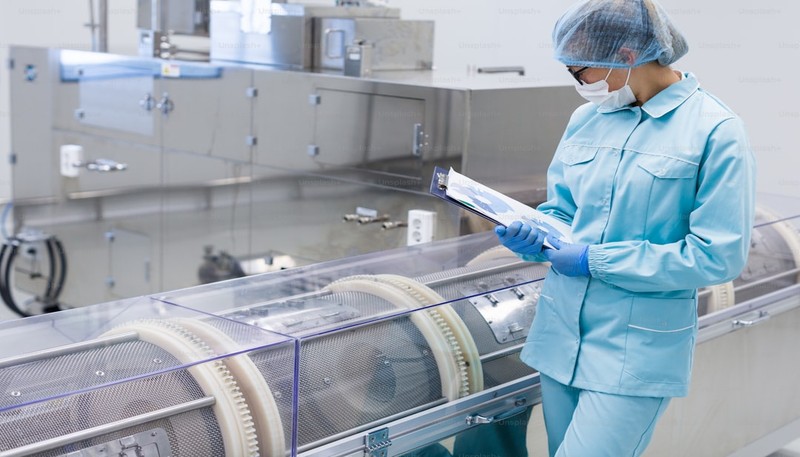
Kwaliteitsborging bij ZetarMold begint bij het spuitgietproces: elk gereedschap ondergaat volledige maatcontrole met coördinatenmeetmachines tot ±0,005 mm. Productieonderdelen worden getoetst aan CTQ-specificaties uit de beoordeling van ontwerp voor maakbaarheid2. Onze first-pass-rate van 92% betekent minder iteraties tussen T1 en productiegoedkeuring en weerspiegelt de grondigheid van DFM. Voor medische componenten levert ISO 13485 de traceerbaarheidsdocumentatie die Australische TGA-aanvragen vereisen.
Communicatie en logistiek naar Australië
Communicatie over het verschil met de AEST-tijdzone verloopt via vaste projectmanagers die dagelijks van 8:00 AM tot 12:00 PM AEST beschikbaar zijn tijdens Australische kantooruren. Wekelijkse videogesprekken met gedeelde projectdashboards voorkomen de onzekerheid van e-mailketens die vaak voorkomt bij buitenlandse samenwerking. Elke mijlpaal — DFM-goedkeuring, autorisatie om staal te bewerken, verzending van T1-monsters en voltooiing van PPAP — activeert automatische statusmeldingen aan het projectteam van de klant.
De logistiek vanuit ZetarMold’s vestiging in de regio Shenzhen volgt gevestigde handelsroutes in Azië-Pacific. Zeevracht naar Melbourne (Port of Melbourne) en Sydney (Port Botany) duurt 12 tot 16 dagen; voor Brisbane en Fremantle komen daar 2 tot 4 transitdagen bij. Luchtvracht wordt binnen 3 tot 5 werkdagen geleverd voor urgente monsterzendingen of versnelde productieruns. ZetarMold consolideert zendingen voor klanten met meerdere onderdeelnummers en verlaagt zo de vrachtkosten per eenheid met 20 tot 30% ten opzichte van afzonderlijk gefactureerde zendingen.
“Offshore spuitgieten in China verlaagt de kosten per onderdeel voor Australische inkopers met 35-55%.”True
Hogere Australische lonen, energiekosten en binnenlandse harsprijzen creëren een structureel kostenverschil. De kostenstructuur van ZetarMold levert dit verschil consistent bij standaard- en technische harsen.
“Offshore spuitgieten leidt voor Australische kopers altijd tot langere totale projectdoorlooptijden.”False
ZetarMold levert T1-monsters binnen 15-25 dagen, terwijl Australische matrijzenmakers voor dezelfde matrijs doorgaans 10-16 weken offreren. Zeevracht naar Melbourne voegt 12-16 dagen toe, wat de totale offshore-doorlooptijd voor eerste monsters op 4-6 weken brengt — sneller dan veel binnenlandse offertes.
Waar Australische klanten de meeste waarde aan hechten
Australische importeurs van spuitgietonderdelen geven bij de kwalificatie van buitenlandse leveranciers consequent prioriteit aan drie factoren: documentatie voor naleving van regelgeving, mechanismen voor bescherming van intellectueel eigendom en transparantie van de totale landed cost. Elke factor weerspiegelt lessen van inkoopteams die buitenlandse relaties hebben beheerd, en ZetarMold heeft voor elk daarvan gestructureerde antwoorden ontwikkeld.
Naleving van regelgeving voor Australische sectoren
De wettelijke nalevingseisen verschillen per eindgebruiksector en zijn in Australië complexer dan in de meeste markten. Auto-onderdelen voor in Australië geassembleerde of geregistreerde voertuigen moeten voldoen aan ADR-normen (Australian Design Rules), die nauw aansluiten bij UNECE-regelgeving voor materialen, maattoleranties en brandbaarheidsklassen. Medische hulpmiddelen voor de Australische markt vereisen, afhankelijk van hun classificatie onder de Therapeutic Goods Act, melding of registratie bij de TGA; de productielocatie moet GMP-naleving volgens ISO 13485 of gelijkwaardig aantonen. Consumentenproducten vallen onder de Australian Consumer Law, met specifieke eisen voor kunststoffen in voedselcontact volgens AS 2070 en brandbaarheid van elektrische behuizingen volgens AS/NZS 3820.
ZetarMold onderhoudt documentatiepakketten die op elk regelgevend kader zijn afgestemd, waaronder registraties voor materiaaltraceerbaarheid, procesparameterlogboeken en analyses van meetsystemen die door externe auditors en toezichthouders worden geaccepteerd. Deze documentatiecapaciteit verlaagt de compliancelast voor Australische inkoopteams, die deze gegevens anders zouden moeten opvragen bij leveranciers die niet vertrouwd zijn met Australische eisen.
| Aandachtspunt | ZetarMold-oplossing |
|---|---|
| Naleving van regelgeving (TGA, ADR) | ISO 13485, documentatiepakketten afgestemd op ADR |
| Bescherming van intellectueel eigendom | NDA volgens het gewoonterecht van HK, toegangsgecontroleerde matrijsopslag |
| Verborgen totale invoerkosten | Vooraf gespecificeerde raming van invoerrechten + GST + vrachtkosten |
| Communicatie tussen tijdzones | Dagelijkse beschikbaarheid van de projectmanager tijdens de overlap van 8–12 AM AEST |
Bescherming van intellectueel eigendom is de voornaamste zorg voor Australische bedrijven die voor het eerst offshore inkoop beoordelen. ZetarMold pakt dit aan met juridisch afdwingbare NDA’s onder Hongkongs recht, dat Australische juridische afdelingen vertrouwde Common Law-bescherming biedt. Fysieke beveiliging omvat aparte, toegangsgecontroleerde gereedschapsopslag; CAD-bestanden worden beheerd in een digitale kluis waartoe alleen toegewezen projectingenieurs toegang hebben. Gereedschapseigendom wordt in Australië op naam van de klant geregistreerd en gereedschappen kunnen bij beëindiging van de relatie naar Australië worden teruggebracht of aan een derde spuitgieter worden overgedragen.
Bij de berekening van de totale geleverde kosten voor Australische import moet rekening worden gehouden met het invoerrecht van 5% op de meeste spuitgegoten kunststofcomponenten onder tariefpost 3926.90.90, plus 10% GST berekend over de CIF-waarde (kosten, verzekering en vracht), inclusief invoerrechten. De vrachtverzekering bedraagt 0.3 tot 0.5% van de goederenwaarde en de kosten voor douaneafhandeling variëren van AUD 150 tot 350 per zending, afhankelijk van de expediteur en de complexiteit van de aangifte. ZetarMold verstrekt tijdens de offertefase gespecificeerde ramingen van de geleverde kosten — inclusief alle toepasselijke tariefcodes, verwachte vrachttarieven per haven en geraamde afhandelingskosten — zodat Australische kopers nauwkeurig met binnenlandse prijzen kunnen vergelijken zonder na de opdracht voor kostenverrassingen te komen staan.
Industriesectoren die ZetarMold bedient voor Australische bedrijven
De Australische vraag naar spuitgieten is geconcentreerd in vier primaire sectoren, elk met eigen technische eisen en regelgevingskaders. ZetarMold heeft actieve projectervaring in alle vier, met documentatie en procescapaciteiten afgestemd op de compliance-eisen van elke sector.
De automobielsector vertegenwoordigt ongeveer 28% van de Australische import van spuitgegoten componenten. De onderdelen variëren van componenten onder de motorkap van glasvezelversterkt nylon en PP tot interieurpanelen van ABS en PC/ABS-mengsels. ADR-conformiteitsdocumentatie en op IATF 16949 afgestemde productiebeheersing zijn standaard voor matrijzen voor automotiveprogramma’s bij ZetarMold. Wij ondersteunen Australische eerstelijnsleveranciers in de automobielsector met programma’s van 10,000 tot 5 miljoen onderdelen per jaar en PPAP-documentatiepakketten die aansluiten op zowel OEM-specifieke eisen als AS/NZS-normen.
De sector voor medische hulpmiddelen genereert een aanzienlijke vraag naar nauwkeurig gespuitgiete componenten uit medische harsen, waaronder polypropyleen, polycarbonaat en polysulfon. Fabrikanten van hulpmiddelen in TGA Class I en Class IIa gebruiken ZetarMold voor behuizingen, connectoren, vloeistofkanalen en componenten voor diagnostische cartridges. Ons ISO 13485:2016-systeem levert de batchregistraties, materiaalcertificaten en meetrapporten die voor TGA-productaanvragen vereist zijn. Cleanroomcompatibele assemblage en primaire verpakking zijn beschikbaar voor componenten van Class II waarvoor beheersing van verontreiniging vereist is.
Toepassingen in mijnbouw en consumentengoederen
De mijnbouw- en grondstoffensector is een uitgesproken Australische vraagmotor met weinig parallellen in andere markten. Onderdelen voor mijnbouwapparatuur — waaronder klephuizen, pomphuizen, onderdelen van transportsystemen en elektrische behuizingen — vereisen materialen met uitzonderlijke slijtvastheid, chemische bestendigheid tegen procesvloeistoffen en UV-stabiliteit voor buitenmontage. ZetarMold verwerkt hoogwaardige technische harsen, waaronder PEEK, PPS, glasvezelversterkt nylon en UV-gestabiliseerd HDPE, voor Australische mijnbouwklanten. Toleranties voor aansluitvlakken van hydraulische koppelingen worden tijdens productieruns op ±0.02 mm gehouden.
Consumptiegoederen vormen qua aantallen het grootste segment: huishoudproducten, verpakkingen, tuin- en buitenapparatuur en retailartikelen. Australische fabrikanten en importeurs gebruiken matrijsstroomsimulatie4 om aanspuitpunten en wanddiktes vóór staalbewerking te optimaliseren, T1-iteraties te verminderen en marktintroductie te versnellen. ZetarMold beoordeelt elk gereedschap vóór bewerking en ontdekt vroegtijdig stromingsonbalans, laslijnproblemen en gebrekkige koelcircuits.
“Australische mijnbouwtoepassingen vereisen gespecialiseerde hoogwaardige kunststoffen die in de meeste markten niet nodig zijn.”True
De Australische mijnbouwsector vereist PEEK, PPS en glasgevulde technische harsen voor pomponderdelen, klephuizen en elektrische behuizingen in chemisch agressieve omgevingen en bij hoge temperaturen. ZetarMold verwerkt meer dan 200 harskwaliteiten om aan deze eisen te voldoen.
“Naleving van de TGA-voorschriften voor medische hulpmiddelen vereist productie in Australië.”False
TGA-registratie beoordeelt het product en het kwaliteitsmanagementsysteem, niet het productieland. Een buitenlandse fabrikant met ISO 13485-certificering en conforme technische documentatie voldoet volledig aan de TGA-eisen voor medische hulpmiddelen van klasse I tot en met klasse IIb.
Een project met ZetarMold starten vanuit Australië

Een spuitgietproject vanuit Australië starten met ZetarMold volgt een gestructureerd onboardingproces dat onzekerheid bij elk overdrachtspunt wegneemt. Het proces begint met een gratis DFM-beoordeling binnen 48 uur na ontvangst van 3D CAD-bestanden in STEP- of IGES-formaat. Het DFM-rapport identificeert overtredingen van wanddiktes, vereiste lossingshoeken, ondersnijdingen waarvoor zijdelingse bewegingen nodig zijn en aanbevelingen voor aanspuitplaatsing — steeds met concrete wijzigingsvoorstellen in plaats van algemene waarschuwingen.
Na DFM-goedkeuring verstrekt ZetarMold een gedetailleerde offerte met de matrijskosten, de doorlooptijd voor T1-monsters, de stuksprijzen bij drie volumeniveaus (10K, 100K, 500K eenheden per jaar) en een raming van de geleverde kosten tot de aangewezen Australische haven. Voor nieuwe Australische klanten gelden de volgende betalingsvoorwaarden: 50% aanbetaling op de matrijs bij de inkooporder, de resterende 50% bij goedkeuring van het T1-monster en net-30 voor productieorders nadat met de eerste drie zendingen een betrouwbare leveringshistorie is opgebouwd.
Goedkeuring van monsters en vrijgave voor productie
T1-monsters worden via DHL Express naar Australië verzonden met volledige maatinspectierapporten. Het monsterpakket bevat documentatie van de first-article inspection (FAI), materiaalcertificaten voor elke gebruikte harspartij en registraties van procesparameters. Australische klanten toetsen monsters aan hun CTQ-specificatielijst en leveren binnen de afgesproken beoordelingsperiode—doorgaans 10 tot 15 werkdagen—goedgekeurde tekeningen of tekeningen met correcties. Technische wijzigingen worden binnen 48 uur geoffreerd en uitgevoerd zonder de productietijdlijn verder te verlengen dan de periode waarop de wijziging invloed heeft.
Productieorders worden na schriftelijke goedkeuring van T1-monsters vrijgegeven. De standaarddoorlooptijd is 3 tot 5 weken voor orders tot 100,000 onderdelen; zeevracht naar Melbourne en Sydney voegt 12 tot 16 dagen toe. Australische klanten van ZetarMold houden doorgaans 8 tot 10 weken veiligheidsvoorraad aan als buffer voor de zeevrachtcyclus. Dit verlaagt de vereiste veiligheidsvoorraad met 30 tot 50% ten opzichte van langere offshoreketens met minder betrouwbare levertijden.
Waarom ZetarMold de juiste partner is voor de Australische maakindustrie
De fabriek van ZetarMold beslaat 10,000 vierkante meter en beschikt over 47 spuitgietmachines die in drie ploegen 24 uur per dag draaien. Deze capaciteit biedt Australische klanten een productievolume en planningsflexibiliteit die de meeste binnenlandse Australische vestigingen alleen met reserveringstermijnen van 6 tot 12 maanden kunnen evenaren.
Onze staat van dienst bij klanten op de Australische markt omvat 20 jaar exportproductie. We hebben meer dan 300 projecten geleverd aan kopers in Azië-Pacific, met een herhaalorderpercentage boven 85% — een maatstaf voor leverbetrouwbaarheid en constante kwaliteit, niet alleen concurrerende prijzen. Australische klanten noemen DFM-kwaliteit, proactieve communicatie en documentatie als onderscheidende factoren voor herhaalorders.
Voor Australische bedrijven die hun toeleveringsketen voor spuitgieten evalueren, biedt ZetarMold een vrijblijvende DFM-beoordeling en een concurrerende offerte binnen 48 uur na ontvangst van 3D CAD-bestanden. Ons team verstrekt ramingen van de totale kosten bij levering, inclusief alle toepasselijke Australische invoerrechten, GST, vrachtkosten en douane-expeditie — waardoor de onzekerheid over verborgen kosten die de evaluatie van buitenlandse toeleveringsketens bemoeilijkt, wordt weggenomen. Neem contact met ons op om te ontdekken hoe spuitgieten in het buitenland uw kosten per onderdeel met 35 tot 55% kan verlagen, met behoud van de kwaliteitsnormen die op gereguleerde Australische markten vereist zijn.
Wat is het invoerrecht op gespuitgiete kunststof onderdelen in Australië?
Op de meeste in Australië ingevoerde gespuitgiete kunststofcomponenten geldt 5% invoerrecht onder tariefpost 3926.90.90 (andere artikelen van kunststof). Vervolgens wordt 10% GST geheven over de CIF-waarde plus het invoerrecht. Voor sommige componenten gelden andere tariefposten met hogere of lagere tarieven: auto-onderdelen (post 8708) hebben 5% invoerrecht, terwijl medische hulpmiddelen onder bepaalde TGA-classificaties mogelijk rechtenvrij kunnen worden ingevoerd. ZetarMold verstrekt bij elke offerte een beoordeling van de tariefindeling om een nauwkeurige raming van de totale invoerkosten te waarborgen.
Hoe lang duurt zeevervoer van China naar Australië?
Zeevracht van de ZetarMold-vestiging nabij Shenzhen naar Melbourne (Port of Melbourne) duurt 12 tot 16 dagen en naar Sydney (Port Botany) 12 tot 15 dagen. Brisbane (Port of Brisbane) duurt doorgaans 14 tot 18 dagen en Fremantle (Perth) 16 tot 20 dagen. Dit betreft directe of vrijwel directe diensten van grote Zuid-Chinese havens naar de Australische oost- en westkust. Luchtvracht via DHL of FedEx levert binnen 3 tot 5 werkdagen in elke Australische hoofdstad.
Heeft ZetarMold een ISO 13485-certificering voor de productie van medische hulpmiddelen?
Ja. ZetarMold is ISO 13485:2016-gecertificeerd voor het ontwerp van spuitgietmatrijzen, gereedschapsbouw en productie van componenten voor medische hulpmiddelen. Ons systeem omvat batchregistratie, traceerbaarheid tot harsbatch en analysecertificaat, maatrapporten en afwijkingsbeheer volgens TGA-auditeisen. Het bestrijkt ontwerpbeoordeling, materiaalkwalificatie, productiegoedkeuring en verzendinspectie. Klanten ontvangen op verzoek certificaat en scope. First-article-inspectiepakketten voldoen aan AS/NZS- en TGA-dossiereisen.
Kan ZetarMold technische harsen verwerken voor Australische mijnbouwtoepassingen?
Ja. ZetarMold verwerkt meer dan 200 kunststoffen, waaronder PEEK, PPS, PTFE-filled nylon, glass-filled PA66, UV-stabilized HDPE en chemical-resistant PVDF. Toepassingen voor mijnbouwapparatuur — waaronder pompwaaiers, klepzittingen, transportgeleiders en componenten voor kabelbuizen — vereisen nauwkeurige temperatuurregeling en langere vultijden, waarvoor onze machines zijn geconfigureerd. Elke productierun gebruikt een gevalideerde set procesparameters die tijdens de inspectie van het eerste product is vastgesteld. Elke materiaalpartij wordt geleverd met een conformiteitscertificaat met gegevens van de harsfabrikant. Daarnaast houden we materiaalwijzigingen bij om te voldoen aan de traceerbaarheidseisen voor veiligheidskritieke componenten in de Australische mijnbouw- en grondstoffensector.
Welke IE-bescherming biedt ZetarMold aan Australische klanten?
ZetarMold beschermt IE via contractuele en fysieke controles. Wij sluiten NDA’s onder het common law van Hongkong, afdwingbaar via gevestigde internationale arbitrage. Gereedschappen van klanten staan fysiek in toegangsbeveiligde ruimten met verplaatsingsregistratie; CAD-bestanden staan in een kluissysteem met rolgebaseerde toegang. Eigendom wordt op naam van de klant geregistreerd en gereedschappen kunnen altijd naar Australië worden teruggebracht. In 20+ jaar exportproductie hebben wij geen IE-geschillen geregistreerd.
spuitgieten: Spuitgieten is een productieproces waarbij gesmolten kunststof onder hoge druk in een stalen matrijsholte wordt geïnjecteerd, afkoelt en als afgewerkt onderdeel wordt uitgeworpen. ↩
ontwerp voor maakbaarheid: Design for manufacturability (DFM) is de engineeringpraktijk waarbij onderdelen zo worden ontworpen dat ze betrouwbaar en kosteneffectief kunnen worden geproduceerd. ↩
spuitgieten in lage volumes: Productieruns van 500 tot 10.000 onderdelen, doorgaans met aluminium of P20-stalen gereedschappen om de initiële matrijskosten te verlagen. ↩
matrijsstroomsimulatie: Een computersimulatietechniek die voorspelt hoe gesmolten kunststof een matrijsholte vult en engineers helpt mogelijke defecten te vinden voordat staal wordt bewerkt. ↩
Ontvang concurrerende prijzen, DFM-feedback en een productieplanning van het engineeringteam van ZetarMold.
Vraag een gratis offerte aan → Bekijk onze gids voor leveranciersselectie voor een volledig overzicht.