Spuitgieten1 wordt veel gebruikt voor onderdelen in grote series, maar kent uitdagingen zoals hoge initiële opstartkosten en mogelijke defecten. Voordat ingenieurs en inkopers voor dit proces kiezen, moeten zij de afwegingen zorgvuldig beoordelen. Inzicht in de nadelen helpt bepalen wanneer spuitgieten geschikt is voor een project en wanneer een ander productieproces beter past. Deze gids behandelt de belangrijkste nadelen, waaronder matrijskosten, doorlooptijden, ontwerpbeperkingen en materiaalbeperkingen.
Vergelijk dit onderwerp voor een bredere context met onze gids voor het ontwerpen van spuitgietmatrijzen en onze gids voor leveranciersselectie. De juiste productiepartner kiezen is even belangrijk als het juiste proces kiezen. Kennis van de beperkingen van spuitgieten helpt u mogelijke leveranciers doeltreffender te beoordelen.
- Hoge initiële matrijskosten: $5,000 tot $100,000, afhankelijk van de onderdeelcomplexiteit
- Lange doorlooptijden: 4 tot 8 weken voor productiematrijzen
- Proces is onomkeerbaar: ontwerpwijzigingen vereisen investering in een nieuwe matrijs
- Hoog uitvalpercentage door temperatuur- en drukvariaties die kromtrekken en braamvorming veroorzaken
- Beperkingen in afmetingen en ontwerp: grote onderdelen en complexe geometrieën verhogen de kosten
Wat is spuitgieten?
Spuitgieten is een veelgebruikt productieproces waarbij gesmolten kunststof in mallen wordt gespoten om snel en efficiënt complexe onderdelen te maken. Het is ideaal voor de productie van grote volumes.
Belangrijkste machinecomponenten: diagram van trechter, cilinder en sluiteenheid
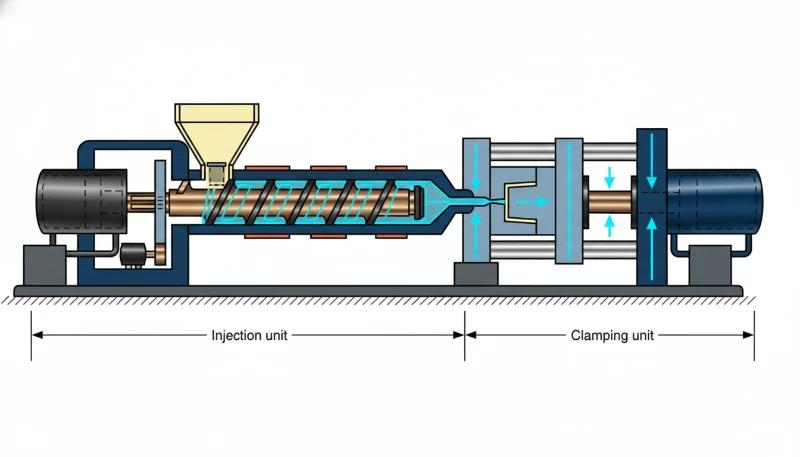
Spuitgieten is een proces waarbij gesmolten kunststof in een vormholte wordt gespoten om onderdelen te vormen. Het staat bekend om zijn hoge efficiëntie, precisie en de mogelijkheid om complexe vormen te produceren met minimaal afval. Het wordt gebruikt in industrieën zoals de auto-industrie, elektronica en de medische sector.
Bij spuitgieten wordt hete, gesmolten kunststof in een matrijs gespoten en vervolgens afgekoeld tot de uiteindelijke vorm. Kunststofgranulaat of poeder gaat in de trechter boven op de machine. De trechter voert het materiaal naar een verwarmde cilinder, waar een reciprocerende schroef het smelt.
Dan spuit het de vloeistof in een koude, gesloten mal via een spuitmond aan het einde van de machine. De mal koelt de vloeistof af en maakt hem hard. Als je de mal opent en het plastic eruit haalt, ben je klaar. Dat is één cyclus.
Voor het spuitgietproces kan een breed scala aan thermoplasten en thermoharders worden gebruikt. Veelgebruikte materialen zijn ABS, polycarbonaat, nylon en polypropyleen, elk met andere mechanische eigenschappen.
"Spuitgieten is een snelle en kosteneffectieve productiemethode."True
Spuitgieten maakt productie op hoge snelheid en efficiënt materiaalgebruik mogelijk, waardoor het een kosteneffectieve methode is om onderdelen in massa te produceren.
"Spuitgieten wordt alleen voor kunststof onderdelen gebruikt."False
Hoewel het vaak gebruikt wordt voor kunststof, kan spuitgieten ook gebruikt worden voor andere materialen zoals metalen, rubber en glasgevulde verbindingen.
Wat zijn de stappen in het spuitgietproces?
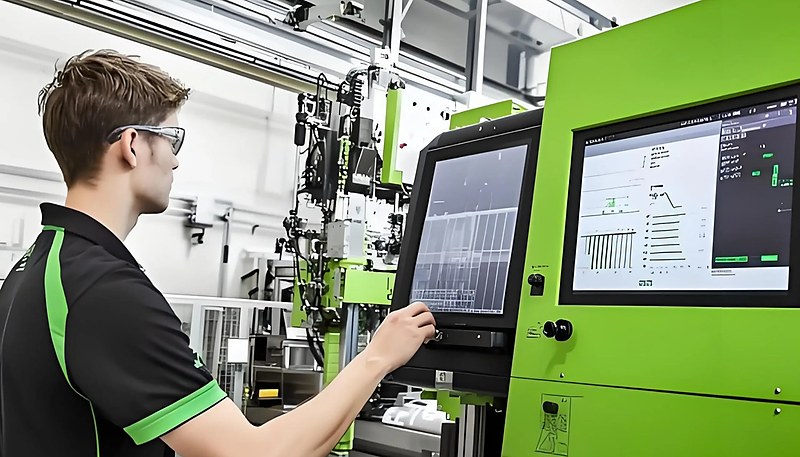
De stappen van het spuitgietproces zijn sluiten, injecteren, koelen en uitwerpen. Elke stap moet nauwkeurig worden beheerst om een kwalitatief goed resultaat te verkrijgen.
Het spuitgietproces omvat vastklemmen, injecteren, afkoelen en uitwerpen. Het begint met het smelten van kunststof, het injecteren in een matrijs, het laten afkoelen en het uitwerpen van het afgewerkte onderdeel. Deze stappen zorgen voor precisie, snelheid en minimaal afval bij de productie.
Schema spuitgietmachine: cilinder, trechter en schroef
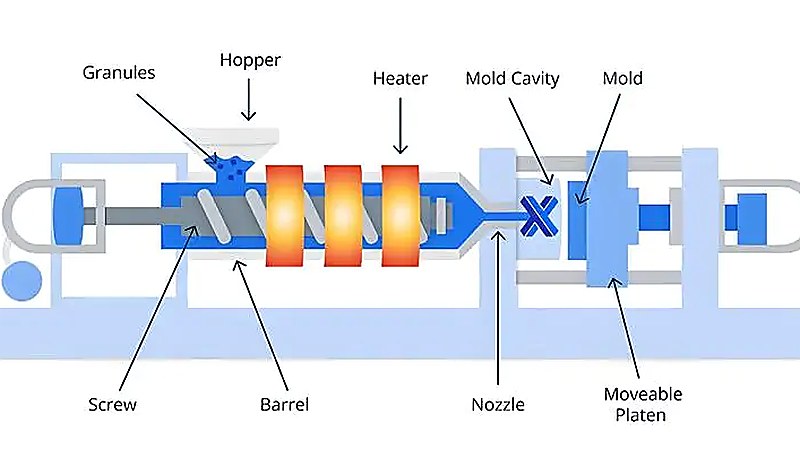
Elke fase vereist nauwkeurige regeling van temperatuur, druk en timing. De kwaliteit van het eindonderdeel hangt sterk af van de beheersing van deze parameters gedurende de cyclus.
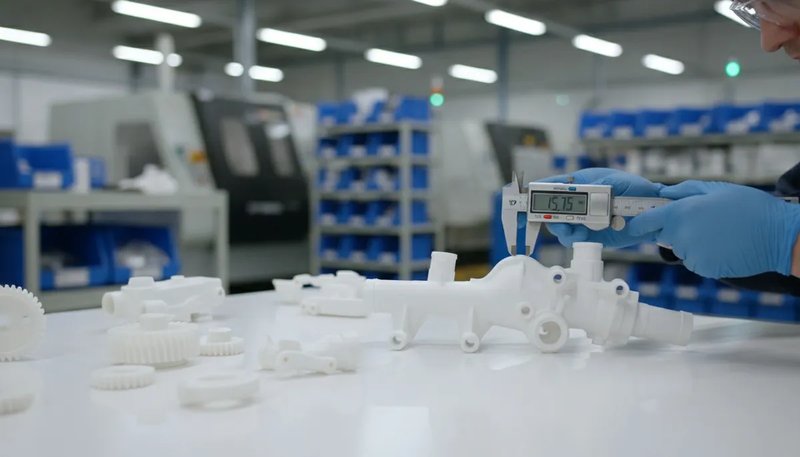
Een goede procesbeheersing bepaalt het verschil tussen een maatvast onderdeel en kostbare uitval. Variabelen zoals smelttemperatuur, injectiesnelheid en nadruk beïnvloeden elkaar en moeten voor elke nieuwe matrijs zorgvuldig worden geoptimaliseerd.
Een typische spuitgietcyclus duurt tussen 2 seconden en 2 minuten, afhankelijk van de grootte van het onderdeel en het materiaal. Het proces moet voor elke matrijs nauwkeurig worden afgesteld om een consistente onderdeelkwaliteit te garanderen.
Optimalisatie van de cyclustijd is een van de belangrijkste factoren bij het beheersen van productiekosten. Zelfs een verkorting van één seconde per cyclus kan tijdens een productierun van 100,000 onderdelen duizenden dollars besparen.
Vulfase
Vullen is de eerste stap van het volledige spuitgietproces. De tijd loopt vanaf het sluiten van de matrijs en het inspuiten totdat de matrijsholte voor ongeveer 95% is gevuld. Theoretisch leidt een kortere vultijd tot een hogere spuitgietefficiëntie, maar in de praktijk hangen de cyclustijd en injectiesnelheid van veel omstandigheden af.
Drukhoudfase
De drukhoudfase is er om de druk erop te houden, de smelt in te pakken, de kunststof dichter te maken (verdichten) en de krimp van de kunststof te compenseren. De tegendruk is hoog tijdens de drukhoudfase omdat de vormholte al vol kunststof zit.
Tijdens de drukhoud- en verpakkingsfase kan de schroef van de spuitgietmachine slechts een klein beetje en langzaam vooruit bewegen, en de stroomsnelheid van de kunststof is ook langzaam. Deze stroom wordt drukhoudstroom genoemd. Omdat de kunststof tijdens het vasthouden wordt afgekoeld en gestold door de matrijswand en de viscositeit van de smelt snel toeneemt, is de weerstand in de matrijsholte erg hoog.
In het latere deel van de nadrukfase blijft de dichtheid van het kunststofmateriaal toenemen en begint het kunststofonderdeel zich te vormen. De nadrukfase moet doorgaan totdat het aanspuitpunt gestold en afgedicht is. Op dit punt is de matrijsholtedruk tijdens de nadrukfase hoog.
Koelfase
Het ontwerp van het koelsysteem is erg belangrijk bij spuitgietmatrijzen. De reden hiervoor is dat alleen als de gevormde kunststof producten afgekoeld zijn en voldoende stijf zijn geworden, voorkomen kan worden dat de kunststof producten vervormd worden door externe krachten na het ontvormen.
Omdat de koeltijd ongeveer 70% tot 80% van de volledige spuitgietcyclus uitmaakt, kan een goed ontworpen koelsysteem de spuitgiettijd aanzienlijk verkorten, de productiviteit van het spuitgieten verhogen en de kosten verlagen. Onjuist ontworpen koelsystemen verlengen de spuitgiettijd en verhogen de kosten; ongelijkmatige koelleidingen veroorzaken bovendien kromtrekken en vervorming van kunststofproducten.
Demolding stadium
Ontvormen is de laatste schakel in een spuitgietcyclus. Hoewel het product koud gevormd is, heeft ontvormen nog steeds een zeer belangrijke invloed op de kwaliteit van het product. Onjuiste ontvormmethoden kunnen leiden tot ongelijkmatige kracht op het product tijdens het ontvormen en productvervorming tijdens het uitwerpen.
Er zijn twee belangrijke manieren om te ontvormen: ejector en stripper. Kies bij het ontwerpen van een matrijs de juiste ontvormmethode op basis van de structurele kenmerken van het product om de productkwaliteit te garanderen.
"Spuitgieten heeft hoge aanvangskosten."True
De kosten voor het maken van matrijzen en het instellen van machines kunnen aanzienlijk zijn, waardoor het meer geschikt is voor grote productieruns.
"Spuitgieten werkt alleen met bepaalde soorten kunststof."False
Spuitgieten kan werken met verschillende thermoplastische en thermohardende materialen, niet alleen met een beperkte selectie kunststoffen.
Wat zijn de nadelen van spuitgieten?
Spuitgieten is een populair productieproces, maar heeft nadelen, waaronder hoge initiële kosten en ontwerpbeperkingen.
Nadelen van spuitgieten zijn onder andere hoge instelkosten, de noodzaak van dure matrijzen en beperkte flexibiliteit in materiaalkeuzes. Het is minder effectief voor kleine productieruns vanwege de dure matrijzen en het instellen.
Hoge initiële matrijskosten
Een van de grote nadelen van spuitgieten zijn de hoge kosten voor het maken van de matrijs. Het ontwerpen en maken van mallen die passen bij de vorm van een specifiek onderdeel kan erg duur zijn, vooral voor complexe of mooie ontwerpen. Deze initiële kosten kunnen een spelbreker zijn voor bedrijven met een kleinere productie of een beperkt budget.
Nadelen van spuitgieten zijn hoge opstartkosten, dure matrijzen en beperkte flexibiliteit in materiaalkeuze. Door de kosten van matrijsproductie en installatie is het proces minder geschikt voor kleine series. Door vroegtijdig de juiste leverancier2 te kiezen, kunnen sommige nadelen worden beperkt met betere DFM-feedback en een passende matrijsstrategie.
In onze fabriek in Shanghai gebruiken we 47 spuitgietmachines van 90T tot 1850T. Uit onze ervaring blijkt dat de kosten voor de productie van grote, complexe matrijzen een van de grootste drempels voor nieuwe klanten zijn. Daarom bieden we DFM-beoordelingen en voorstellen voor kostenverlaging voordat u zich aan gereedschap vastlegt.
Laag rendement
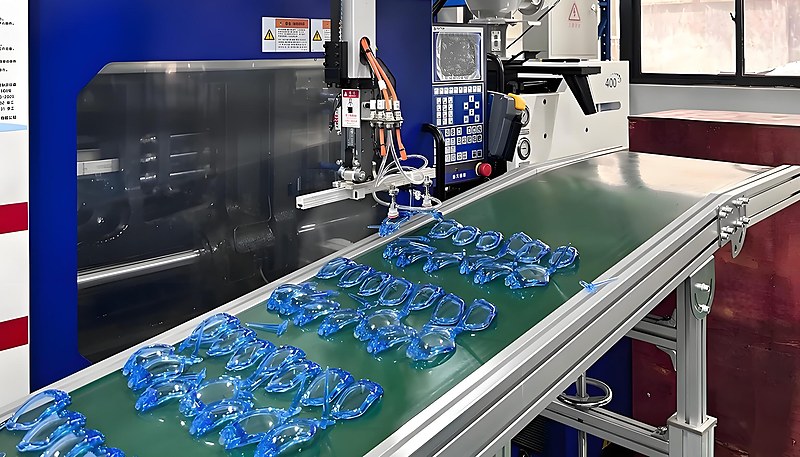
De snelheid van kunststof spuitgieten hangt af van de grootte van de spuitgietmachine en de procesomstandigheden. Hoe groter de injectiemachine, hoe sneller de productie.
Maar zelfs met een grote spuitgietmachine duurt het tientallen seconden om één spuitgietbeweging te maken. De productiesnelheid van kunststof spuitgieten is dus relatief laag in vergelijking met andere productieprocessen, wat de productie-efficiëntie van industriële producten beïnvloedt.
Procesonomkeerbaarheid
Hoewel spuitgieten meerdere kunststofmaterialen in elke vorm kan gieten, is het eenrichtingsverkeer. Zodra het spuitgieten klaar is, staat de vorm vast. Als je het ontwerp moet veranderen of aanpassen, moet je een nieuwe matrijs maken, wat tijd en geld kost.
Hoog uitvalpercentage
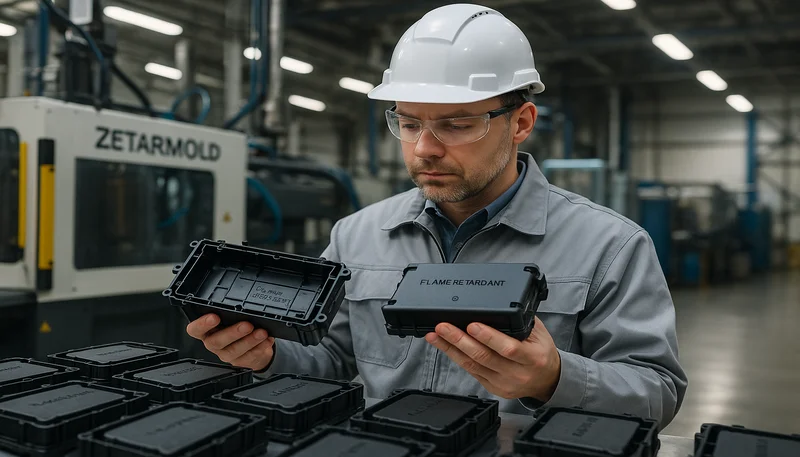
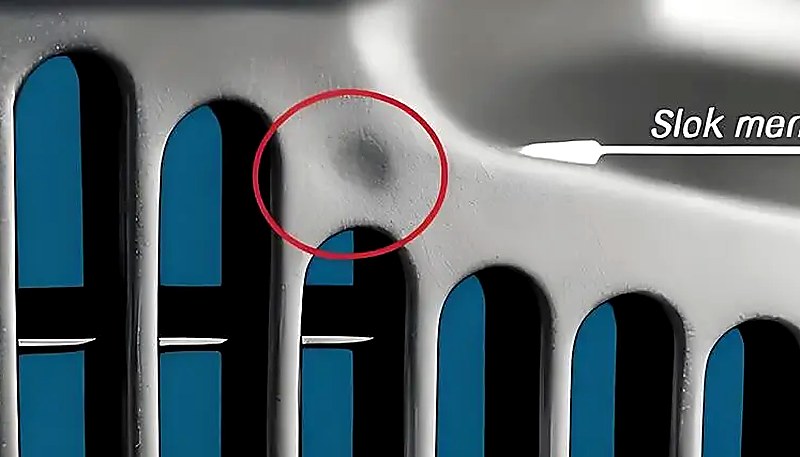
Ook het uitvalpercentage bij kunststofspuitgieten is relatief hoog. Veranderingen in temperatuur en druk tijdens het proces kunnen defecten veroorzaken, zoals kromtrekken, braamvorming en holten. Bij zulke problemen moet de spuitgietmatrijs3 worden aangepast of moet het afgekeurde onderdeel worden weggegooid, waardoor meer tijd en geld verloren gaan.
Groottebeperkingen
Spuitgieten kent maatbeperkingen, vooral voor grote onderdelen. De grootte van de spuitgietmachine bepaalt de maximale afmetingen van de onderdelen die u kunt produceren. Machines worden ingedeeld naar sluitkracht, doorgaans van 90 ton tot meer dan 1,850 ton. Grotere machines kunnen grotere onderdelen produceren, maar kosten dagelijks aanzienlijk meer om te bedienen en te onderhouden. Voor onderdelen die de capaciteit van standaardmachines overschrijden, zoals carrosseriepanelen of grote containers, moet u mogelijk alternatieve processen gebruiken, zoals rotatiegieten, blaasvormen of structureel schuimgieten.
Matrijzen met meerdere holten kunnen de output van kleinere onderdelen verhogen, maar naarmate onderdelen groter worden, passen er minder holten in een matrijs en stijgen de kosten per onderdeel. Voor zeer grote componenten kan een matrijs met één holte de enige optie zijn, waardoor de schaalvoordelen verdwijnen die spuitgieten kosteneffectief maken. Ingenieurs moeten ook rekening houden met de invloed van de onderdeelgrootte op de koeltijd, omdat dikkere secties langzamer stollen en de cyclustijd aanzienlijk kunnen verlengen.
Ontwerpbeperkingen
Bij het ontwerpen van kunststofonderdelen voor spuitgieten moet u enkele basisontwerpregels volgen: een uniforme wanddikte, passende lossingshoeken en vloeiende overgangen tussen secties. Onderdelen met een ongelijke wanddikte kunnen ongelijkmatig afkoelen, wat kromtrekken, inval of interne spanningen veroorzaakt. Lossingshoeken van één tot twee graden per zijde zijn essentieel om onderdelen goed uit de matrijs te werpen. Zonder voldoende lossingshoek kunnen onderdelen vast komen te zitten of tijdens het ontvormen oppervlakteschade oplopen. Voor ondersnijdingen zijn zijschuiven in de matrijs nodig, wat de complexiteit en kosten aanzienlijk verhoogt.
Materiaalkeuze beïnvloedt ook de ontwerpbeperkingen. Sommige technische kunststoffen vereisen hogere verwerkingstemperaturen, wat de keuze van matrijsmateriaal kan beperken en slijtage kan verhogen. Andere hebben hoge krimp waarvoor het matrijsontwerp moet compenseren. Inzicht in de wisselwerking tussen materiaaleigenschappen en matrijsontwerp is cruciaal voor consequent maatnauwkeurige onderdelen.
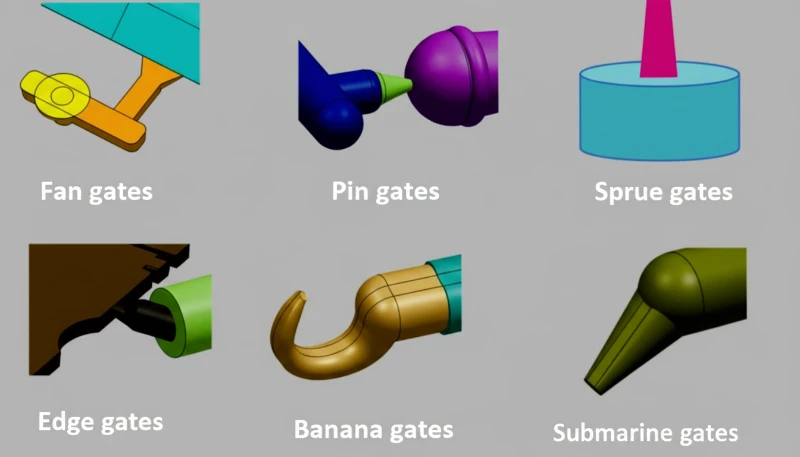
Bedenk dat matrijzen meestal van staal of aluminium zijn, waardoor ontwerpwijzigingen na de matrijsbouw moeilijk zijn. Als u kunststof aan een onderdeel wilt toevoegen, kunt u de matrijsholte vergroten door staal of aluminium weg te verspanen. Om kunststof te verwijderen, moet u de matrijsholte echter verkleinen door aluminium of metaal toe te voegen. Dit is zeer moeilijk en betekent vaak dat de matrijs moet worden afgeschreven en opnieuw gebouwd. Daarom zijn beoordelingen van ontwerp voor maakbaarheid (DFM) vóór de matrijsbouw zo cruciaal — vroegtijdige detectie bespaart duizenden dollars aan matrijsnabewerking.
Ook het gewicht en de afmetingen van het onderdeel bepalen de benodigde gereedschaps- en persgrootte. Hoe groter het onderdeel, hoe moeilijker en duurder de productie. Grote onderdelen kunnen gespecialiseerde apparatuur of meerdere vormholten vereisen, wat aanzienlijke kosten en complexiteit aan het project toevoegt. Leveranciers met een breed bereik aan machinekrachten kunnen grotere onderdeelafmetingen flexibeler verwerken zonder uitbesteding aan externe faciliteiten.
Spuitgieten is een veelzijdig proces voor allerlei vormen en details, maar kent grenzen. Vormen zoals scherpe hoeken, dunne wanden of diepe gaten kunnen het vullen van de matrijs, het koelen van het onderdeel of het lossen bemoeilijken. Samenwerken met een ervaren leverancier die deze beperkingen begrijpt, helpt kostbare ontwerpfouten voorkomen die anders pas na de eerste proefshots zichtbaar worden.
Ons team van ingenieurs is gespecialiseerd in DFM-beoordelingen om ontwerpbeperkingen te minimaliseren. Dankzij onze interne matrijzenbouwcapaciteit en ervaring met meer dan 400+ kunststofmaterialen kunnen we vaak ontwerpwijzigingen voorstellen die de matrijskosten met 15 tot 30 procent verlagen.
Wat zijn de belangrijkste conclusies over de nadelen van spuitgieten?
Nadelen van spuitgieten zijn hoge matrijskosten, beperkte ontwerpvrijheid, afmetingsbeperkingen en materiaalbeperkingen.
Deze nadelen omvatten een lage efficiëntie, hoge initiële kosten, een onomkeerbaar spuitgietproces en een hoog uitvalpercentage. Bedrijven moeten zich hiervan bewust zijn om de problemen beter op te lossen en de productie-efficiëntie en economische opbrengst te verbeteren. Bekijk ons overzicht van spuitgieten voor meer informatie.
Een offerte nodig voor uw spuitgietproject?
Ontvang concurrerende prijzen, DFM-feedback en een productieplanning van het engineeringteam van ZetarMold.
Of u nu één prototypematrijs of hoogvolumeproductiegereedschap nodig hebt, ons team kan binnen 24 uur een gedetailleerde offerte leveren. Neem contact met ons op om uw projecteisen te bespreken.
Veelgestelde vragen
Veelgestelde vragen
Wat is het grootste nadeel van spuitgieten?
Het grootste nadeel zijn de hoge initiële matrijskosten. Een productiematrijs van staal kan, afhankelijk van de complexiteit van het onderdeel, het aantal matrijsholten en de eisen aan de oppervlakteafwerking, $5,000 tot meer dan $100,000 kosten. Spuitgieten is daardoor alleen economisch haalbaar wanneer de kosten over een groot productievolume kunnen worden afgeschreven, doorgaans 10,000 eenheden of meer. Voor kleine series zijn alternatieven zoals 3D-printen of urethaangieten veel kosteneffectiever. Kopers moeten vóór de opdracht de matrijskosten per onderdeel berekenen om de economische haalbaarheid van het project te waarborgen.
Hoe lang duurt het om een spuitgietmatrijs te maken?
Een typische productiematrijs vergt 4 tot 8 weken van ontwerpgoedkeuring tot eerste bemonstering. Eenvoudige matrijzen met basisgeometrie kunnen in 3 tot 4 weken gereed zijn; complexe matrijzen met meerdere caviteiten, zijschuiven of losschroefkernen kunnen 10 tot 12 weken vergen. De planning omvat matrijsontwerp, CNC-bewerking, EDM, polijsten, assemblage en proefproductie. Spoedorders kunnen de doorlooptijd met 30 tot 50 procent verkorten, maar verhogen de kosten aanzienlijk. Een leverancier met interne matrijzenbouw kan de doorlooptijd verkorten doordat overdrachten tussen afzonderlijke matrijzenbouwers vervallen.
Kan spuitgieten grote producten maken?
Ja, maar met beperkingen. De maximale productgrootte hangt af van de sluitkracht van de machine en de matrijsgrootte. Grote producten, zoals autobumpers, vereisen machines met een sluitkracht van 1,500T of meer, waardoor minder leveranciers ze kunnen produceren. Grote producten hebben ook een hoger defectpercentage door ongelijkmatige koeling en krimp over het productoppervlak. Een uniforme wanddikte en strategische aanspuitpuntplaatsing helpen deze problemen te beperken. Leveranciers met een breed tonnagebereik, zoals 90T tot 1850T, kunnen een breder spectrum aan productafmetingen verwerken.
Wat veroorzaakt defecten in spuitgegoten onderdelen?
Veelvoorkomende defecten zijn zinkmerken, vervorming, uitsteeksels, onvolledige vulling en holtes. Deze worden veroorzaakt door onjuiste temperatuurregeling, onvoldoende houddruk, ongelijke koeling of slecht matrijsontwerp. Zinkmerken verschijnen bijvoorbeeld wanneer dikke secties ongelijkmatig afkoelen, terwijl uitsteeksels optreden wanneer de injectiedruk de klemkracht overschrijdt. Procesoptimalisatie en matrijsstroomanalyse kunnen de meeste van deze problemen voorkomen voordat de productie begint. Ervaren leveranciers zullen tijdens de ontwerpfase matrijsstroomsimulaties uitvoeren om potentiële defectgebieden te identificeren en de gereedschaps- of procesparameters dienovereenkomstig aan te passen.
Is spuitgieten geschikt voor prototyping?
Over het algemeen niet, vanwege de hoge initiële gereedschapskosten en lange doorlooptijd. Prototyping wordt beter bediend door 3D-printen, CNC-bewerking of siliconen gieten, die een snellere doorlooptijd en lagere kosten bieden voor kleine hoeveelheden. Echter, als het prototype het exacte productiemateriaal en -proces moet gebruiken, kan een zachte aluminium matrijs worden gebruikt voor korte prototyperuns van 100 tot 1.000 onderdelen voordat wordt overgegaan op productiestaal gereedschap. Deze brug-gereedschapsaanpak laat u het ontwerp en proces valideren terwijl u de volledige productiematrijsinvestering uitstelt.
Wat zijn de ontwerpregels voor spuitgegoten onderdelen?
Belangrijke ontwerpregels zijn onder meer het handhaven van een uniforme wanddikte tussen 1,5 mm en 4 mm, het toevoegen van trekhaken van minimaal 1 graad per zijde voor het uitwerpen, het gebruik van afrondingen in plaats van scherpe binnenhoeken met een minimale straal van 0,5 mm, en het vermijden van ondervormen tenzij zijwaartse acties zijn gepland. Het volgen van deze regels verlaagt de gereedschapskosten, verkort de cyclustijd en minimaliseert het foutenpercentage tijdens de productie. Een grondige DFM-beoordeling met uw leverancier voordat de gereedschapsfabricage begint, zal overtredingen van deze regels identificeren en correcties voorstellen die zowel tijd als geld besparen.
Hoe kan ik de kosten voor spuitgieten verlagen?
Om kosten te verlagen, richt u zich op ontwerp voor vervaardigbaarheid: vereenvoudig de onderdeelgeometrie, verminder ondervormen, minimaliseer het aantal zijwaartse acties en gebruik standaard oppervlakteafwerkingen. Het samenvoegen van meerdere onderdelen tot één gegoten component kan ook de assemblagekosten stroomafwaarts besparen. Vanuit de inkoopkant kan het kiezen van een leverancier met interne gereedschapsfabricage en technische ondersteuning de kosten voor matrijsiteraties met 15 tot 30 procent verlagen in vergelijking met het uitbesteden van matrijsfabricage apart. Het aanvragen van offertes bij meerdere leveranciers en het vergelijken van zowel prijs als DFM-feedback helpt de beste algehele waarde te identificeren.
Wanneer moet ik een ander productieproces kiezen?
Overweeg alternatieve processen wanneer uw jaarlijkse volume onder de 1.000 onderdelen ligt, wanneer uw ontwerp nog vaak verandert, of wanneer u multi-materiaal onderdelen in één component nodig heeft. 3D-printen is uitstekend voor complexe geometrieën in lage volumes, CNC-bewerking is beter voor metaalonderdelen met strakke toleranties, en thermoformen werkt goed voor grote dunwandige onderdelen. Elk proces heeft zijn eigen kosten- en capaciteitstrade-offs die moeten worden geëvalueerd tegen uw specifieke vereisten. Een deskundige leverancier kan u helpen het meest kosteneffectieve proces voor uw specifieke toepassing en volume te bepalen.
spuitgieten: een productieproces waarbij kunststof wordt gesmolten, in een matrijsholte wordt geïnjecteerd, het onderdeel afkoelt en de cyclus wordt herhaald voor stabiele serieproductie. ↩
leverancier: een productiepartner die wordt beoordeeld op matrijscapaciteiten, procesbeheersing, materiaalkennis, inspectiediscipline, communicatie en betrouwbaarheid. ↩
spuitgietmatrijs: een precisiegereedschap dat de geometrie van het onderdeel, het koelgedrag, de uitwerping, aanspuiting, oppervlakteafwerking en reproduceerbaarheid bepaalt. ↩