enjeksiyon kalıplama1 yüksek hacimli parçaların üretiminde yaygın olarak kullanılır; ancak yüksek ilk kurulum maliyetleri ve kusur olasılığı gibi bazı zorluklar içerir. Bu prosesi seçmeden önce mühendisler ve alıcılar ödünleşimleri dikkatle değerlendirmelidir. Enjeksiyon kalıplamanın dezavantajlarını anlamak, projeniz için ne zaman doğru üretim yöntemi olduğuna ve ne zaman alternatif proseslerin daha iyi sonuç verebileceğine karar vermenizi sağlar. Bu kılavuz kalıp maliyetleri, teslim süreleri, tasarım kısıtları ve malzeme sınırlamaları dâhil başlıca dezavantajları ele alır.
Daha geniş bağlam için bu konuyu şu içeriğimizle karşılaştırın: enjeksiyon kalıp tasarımı kılavuzu ve tedarikçi bulma kılavuzu. Doğru imalat iş ortağını seçmek, doğru prosesi seçmek kadar önemlidir ve enjeksiyon kalıplamanın sınırlamalarını anlamak potansiyel tedarikçileri daha etkili değerlendirmenize yardımcı olur.
- Yüksek başlangıç kalıp maliyeti: parça karmaşıklığına bağlı olarak $5,000 ile $100,000
- Uzun teslim süreleri: Üretim kalıbı takımları için 4 ila 8 hafta
- Prosesin geri döndürülemezliği: tasarım değişiklikleri yeni kalıp yatırımı gerektirir
- Çarpılma ve çapağa yol açan sıcaklık ve basınç değişimleri nedeniyle yüksek hurda oranı
- Boyut ve tasarım sınırlamaları: büyük parçalar ve karmaşık geometriler maliyeti artırır
Enjeksiyon Kalıplama Nedir?
Enjeksiyon kalıplama, karmaşık parçaları hızlı ve verimli bir şekilde oluşturmak için erimiş plastiğin kalıplara enjekte edildiği yaygın olarak kullanılan bir üretim sürecidir. Yüksek hacimli üretim için idealdir.
Temel Makine Bileşenleri: Huni, Kovan ve Kapama Ünitesi Şeması
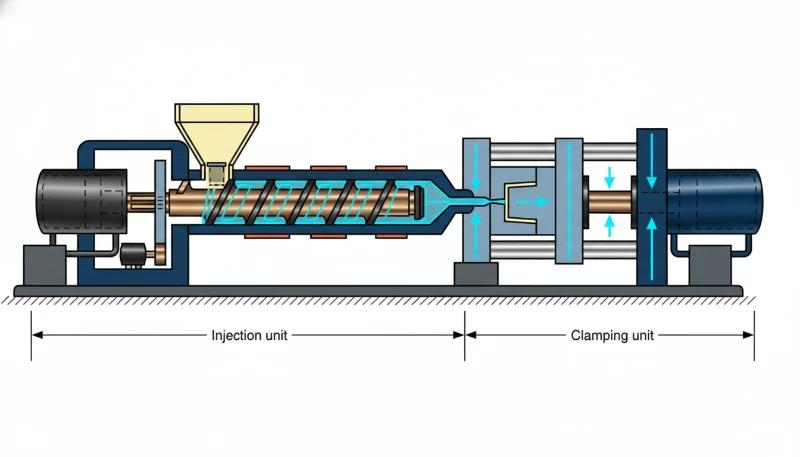
Enjeksiyon kalıplama, parçaları oluşturmak için eritilmiş plastiğin bir kalıp boşluğuna enjekte edildiği bir süreçtir. Yüksek verimlilik, hassasiyet ve minimum atıkla karmaşık şekiller üretme yeteneği ile bilinir. Otomotiv, elektronik ve medikal gibi sektörlerde kullanılır.
Enjeksiyon kalıplama, sıcak ve erimiş plastiğin kalıba enjekte edilmesi, ardından soğutulup son şeklinde sertleştirilmesidir. Süreç şöyle işler: Plastik granül veya toz, makinenin üstündeki hazneye konur. Hazne bunları, ileri geri hareket eden bir vidanın erittiği ısıtılmış kovana besler.
Daha sonra sıvıyı makinenin ucundaki bir nozül aracılığıyla soğuk, kapalı bir kalıba fışkırtır. Kalıp sıvıyı soğutur ve sertleştirir. Kalıbı açıp plastiği çıkardığınızda işiniz biter. Bu bir döngüdür.
Bu enjeksiyon kalıplama süreci çok çeşitli termoplastik ve termoset malzemeler kullanabilir. Yaygın malzemeler arasında farklı mekanik özellikler sunan ABS, polikarbonat, naylon ve polipropilen bulunur.
"Enjeksiyon kalıplama hızlı ve uygun maliyetli bir üretim yöntemidir."True
Enjeksiyon kalıplama, yüksek hızlı üretime ve malzemelerin verimli kullanımına olanak tanıyarak parçaların seri üretimi için uygun maliyetli bir yöntem haline gelir.
"Enjeksiyon kalıplama yalnızca plastik parçalar için kullanılır."False
Yaygın olarak plastik için kullanılsa da, enjeksiyon kalıplama metaller, kauçuk ve cam dolgulu bileşikler gibi diğer malzemelerle de kullanılabilir.
Enjeksiyon Kalıplama Sürecindeki Adımlar Nelerdir?
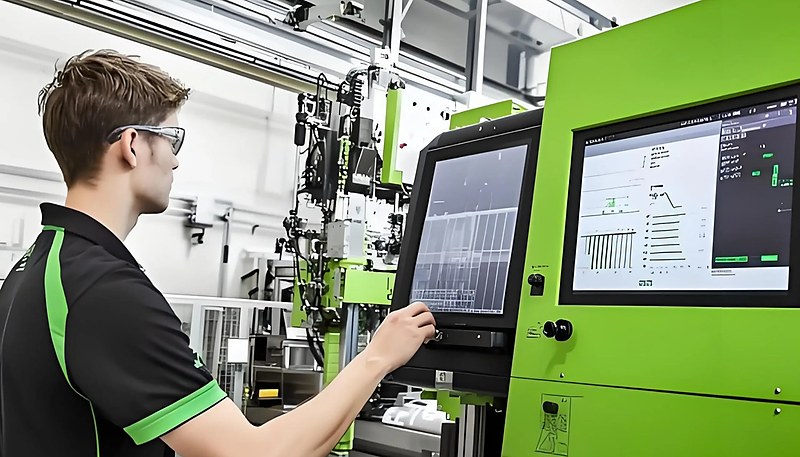
Enjeksiyon kalıplama prosesinin adımları kapama, enjeksiyon, soğutma ve itmedir. Kaliteli çıktı için her adım hassas biçimde kontrol edilmelidir.
Enjeksiyon kalıplama süreci sıkıştırma, enjeksiyon, soğutma ve çıkarma işlemlerini içerir. Plastiğin eritilmesi, bir kalıba enjekte edilmesi, soğumaya bırakılması ve ardından bitmiş parçanın çıkarılmasıyla başlar. Bu adımlar üretimde hassasiyet, hız ve minimum atık sağlar.
Enjeksiyon Makinesi Şeması: Kovan, Huni ve Vida Gösterimi
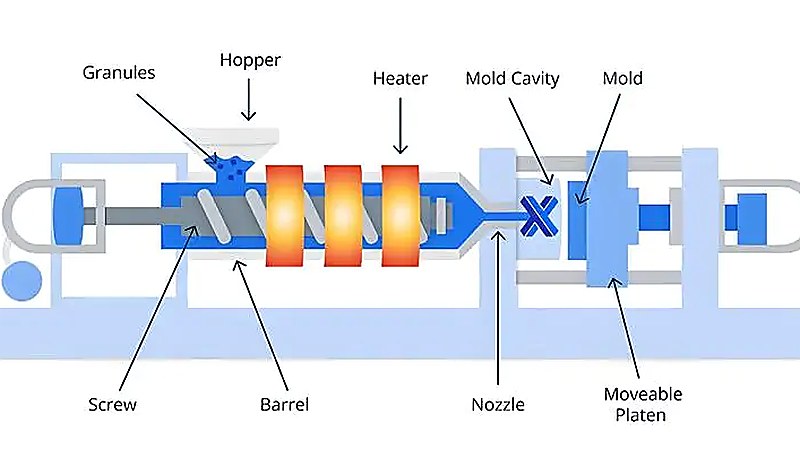
Her aşama sıcaklık, basınç ve zamanlamanın dikkatle kontrol edilmesini gerektirir. Nihai parçanın kalitesi, bu parametrelerin çevrim boyunca ne kadar iyi yönetildiğine büyük ölçüde bağlıdır.
Doğru proses kontrolü, boyutsal olarak hassas bir parça ile maliyetli bir ret arasındaki farkı belirleyebilir. Eriyik sıcaklığı, enjeksiyon hızı ve tutma basıncı gibi değişkenler, her yeni kalıp için dikkatli optimizasyon gerektirecek biçimde birbirleriyle etkileşir.
Tipik bir enjeksiyon kalıplama çevrimi, parça boyutu ve malzemeye bağlı olarak 2 saniye ile 2 dakika sürer. Tutarlı parça kalitesi için proses her kalıba özel olarak hassas biçimde ayarlanmalıdır.
Çevrim süresi optimizasyonu, üretim maliyetlerini kontrol etmenin en önemli unsurlarından biridir. Çevrim başına yalnızca bir saniyelik azalma bile 100,000 parçalık bir üretim çalışmasında binlerce dolar tasarruf sağlayabilir.
Dolum Aşaması
Dolum, enjeksiyon kalıplama sürecinin ilk adımıdır. Süre, kalıbın kapanması ve enjeksiyonun başlamasından kalıp boşluğunun yaklaşık 95% dolmasına kadar hesaplanır. Teoride dolum süresi kısaldıkça kalıplama verimliliği artar; ancak uygulamada kalıplama süresi veya enjeksiyon hızı birçok koşula bağlıdır.
Basınç Tutma Kademesi
Basınç tutma aşaması, basıncı açık tutmak, eriyiği paketlemek, plastiği daha yoğun hale getirmek (yoğunlaştırma) ve plastiğin büzülmesini telafi etmek için vardır. Basınç tutma aşaması sırasında geri basınç yüksektir çünkü kalıp boşluğu zaten plastikle doludur.
Basınç tutma ve paketleme aşamasında, enjeksiyon kalıplama makinesinin vidası sadece biraz ve yavaş ilerleyebilir ve plastiğin akış hızı da yavaştır. Bu akışa basınç tutma akışı denir. Plastik, tutma aşamasında kalıp duvarı tarafından soğutulup katılaştırıldığından ve eriyik viskozitesi hızla arttığından, kalıp boşluğundaki direnç çok yüksektir.
Tutma aşamasının ilerleyen bölümünde plastik malzemenin yoğunluğu artmaya devam eder ve plastik parça şekillenmeye başlar. Tutma aşaması, yolluk girişi katılaşıp sızdırmaz hâle gelene kadar sürmelidir. Bu noktada tutma aşamasındaki kalıp gözü basıncı yüksektir.
Soğutma Aşaması
Enjeksiyon kalıplarında soğutma sistemi tasarımı çok önemlidir. Çünkü ancak kalıplanan plastik ürünler soğutulduğunda ve yeterince sert olacak şekilde katılaştığında, plastik ürünlerin kalıptan çıkarıldıktan sonra dış kuvvetler tarafından deforme olması engellenebilir.
Soğutma süresi tüm kalıplama çevriminin yaklaşık %70 ila %80’ini oluşturduğundan iyi tasarlanmış bir soğutma sistemi kalıplama süresini büyük ölçüde kısaltabilir, enjeksiyon kalıplama verimliliğini artırabilir ve maliyetleri düşürebilir. Yanlış tasarlanmış soğutma sistemleri kalıplama süresini uzatır ve maliyetleri artırır; dengesiz soğutma hatları ayrıca plastik ürünlerde çarpılma ve deformasyona neden olur.
Kalıptan Çıkarma Aşaması
Kalıptan çıkarma, enjeksiyon kalıplama döngüsünün son halkasıdır. Ürün soğuk şekillendirilmiş olsa da kalıptan çıkarma işleminin ürünün kalitesi üzerinde çok önemli bir etkisi vardır. Yanlış kalıptan çıkarma yöntemleri, kalıptan çıkarma sırasında ürün üzerinde eşit olmayan kuvvete ve çıkarma sırasında ürün deformasyonuna neden olabilir.
Kalıptan çıkarmanın iki ana yolu vardır: ejektör ve sıyırıcı. Bir kalıp tasarlarken, ürün kalitesini sağlamak için ürünün yapısal özelliklerine göre uygun kalıptan çıkarma yöntemini seçin.
"Enjeksiyon kalıplamanın başlangıç maliyetleri yüksektir."True
Kalıp oluşturma ve makine kurulum maliyeti önemli olabilir, bu da onu büyük ölçekli üretim çalışmaları için daha uygun hale getirir.
"Enjeksiyon kalıplama yalnızca belirli plastik türleriyle çalışır."False
Enjeksiyon kalıplama, sadece sınırlı sayıda plastikle değil, çeşitli termoplastik ve termoset malzemelerle de çalışabilir.
Enjeksiyon Kalıplamanın Dezavantajları Nelerdir?
Enjeksiyon kalıplama yaygın bir üretim prosesidir; ancak yüksek başlangıç maliyetleri ve tasarım sınırlamaları gibi dezavantajları vardır.
Enjeksiyon kalıplamanın dezavantajları arasında yüksek kurulum maliyetleri, pahalı kalıplara duyulan ihtiyaç ve malzeme seçimlerinde sınırlı esneklik sayılabilir. Pahalı kalıp yapımı ve kurulumu nedeniyle küçük üretim çalışmaları için daha az etkilidir.
Yüksek İlk Kalıp Maliyeti
Enjeksiyon kalıplamanın en büyük dezavantajlarından biri kalıp yapmanın yüksek maliyetidir. Belirli bir parça şekline uyan kalıplar tasarlamak ve yapmak, özellikle karmaşık veya süslü tasarımlar için gerçekten pahalı olabilir. Bu ön maliyet, daha küçük üretim yapan veya sınırlı bütçeye sahip şirketler için bir anlaşma kırıcı olabilir.
Enjeksiyon kalıplamanın dezavantajları arasında yüksek kurulum maliyetleri, pahalı kalıp gereksinimi ve malzeme seçimindeki sınırlı esneklik bulunur. Pahalı kalıp yapımı ve kurulum nedeniyle küçük üretim serilerinde daha az etkilidir. Doğru seçimi yapmak Zetar’da 20’den fazla İngilizce konuşan ve 7 deneyimli enjeksiyon kalıp tasarım mühendisi bulunmaktadır (bazıları İngilizce de konuşabilir), bu da akıcı iletişim sağlayabilir ve uygulanabilir tasarım çözümleri sunabilir.2 prosesin erken aşamasında daha iyi DFM geri bildirimi ve takım stratejisiyle bu dezavantajların bazılarını azaltmaya yardımcı olabilir.
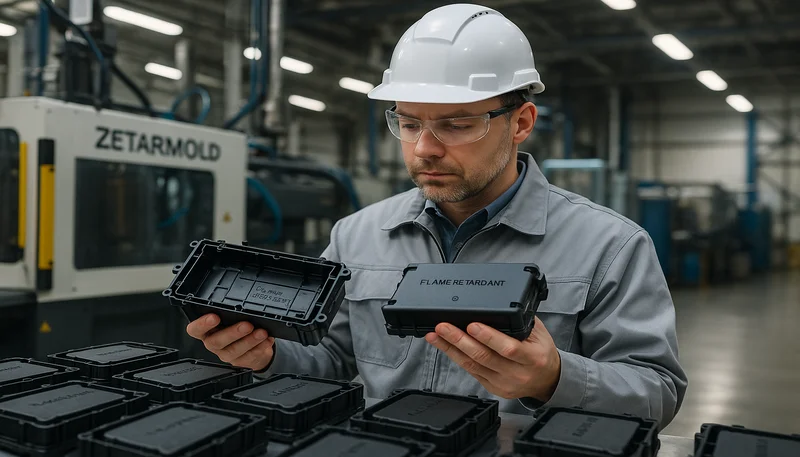
Şanghay fabrikamızda 90T ila 1850T aralığında 47 enjeksiyon kalıplama makinesi çalıştırıyoruz. Deneyimlerimize göre büyük ve karmaşık kalıpların üretim maliyeti yeni müşteriler için en büyük engellerden biridir; bu nedenle takım taahhüdünden önce DFM incelemeleri ve maliyet azaltma önerileri sunuyoruz.
Düşük Verimlilik
Plastik enjeksiyon kalıplama hızı, enjeksiyon makinesinin boyutuna ve işlem koşullarına bağlıdır. Enjeksiyon makinesi ne kadar büyükse, üretim o kadar hızlı olur.
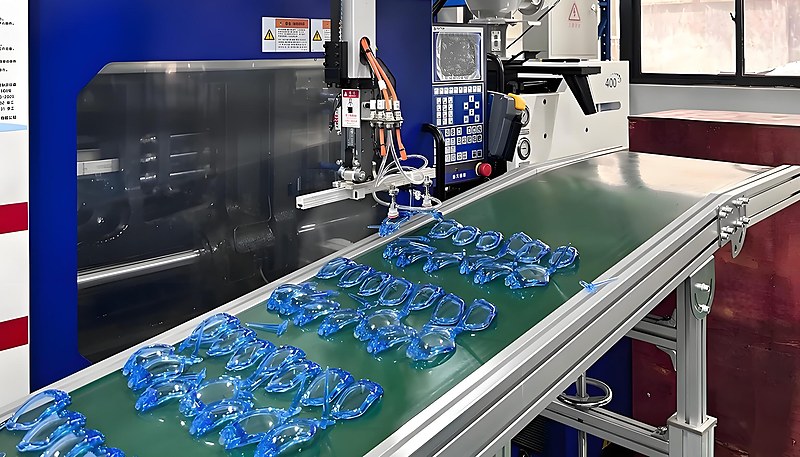
Ancak büyük bir enjeksiyon makinesiyle bile, bir atışın enjekte edilmesi onlarca saniye sürer. Bu nedenle, plastik enjeksiyon kalıplamanın üretim hızı, endüstriyel ürünlerin üretim verimliliğini etkileyen diğer üretim süreçlerine kıyasla nispeten yavaştır.
Sürecin Geri Döndürülemezliği
Enjeksiyon kalıplama birden fazla plastik malzemeyi herhangi bir forma sokabilirken, bu tek yönlü bir yoldur. Kalıplama yapıldıktan sonra şekil belirlenir. Tasarımı değiştirmeniz veya modifiye etmeniz gerekiyorsa, zaman ve paraya mal olan yeni bir kalıp yapmanız gerekir.
Yüksek Hurda Oranı
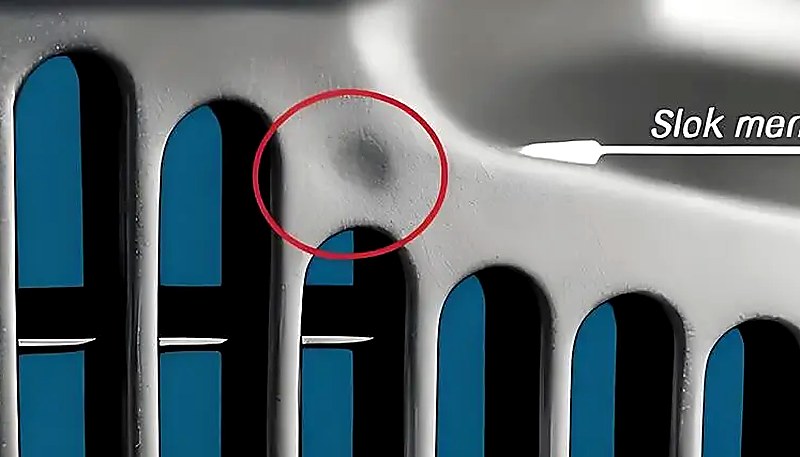
Plastik enjeksiyon kalıplama üretim sürecindeki hurda oranı da nispeten yüksektir. Bunun nedeni, enjeksiyon kalıplama sırasında sıcaklık ve basınç değişimlerinin çarpılma, çapak ve boşluk gibi kusurlara yol açabilmesidir. Bu sorunlar oluştuğunda enjeksiyon kalıbı3 yeniden üretilmeli veya hatalı parça atılmalıdır; bu da para ve zaman kaybını artırır.
Boyut Sınırlamaları
Enjeksiyon kalıplamanın özellikle büyük parçalar için boyut sınırları vardır. Üretebileceğiniz azami parça boyutlarını enjeksiyon kalıplama makinesinin boyutu belirler. Makineler, genellikle 90 tondan 1,850 tonun üzerine kadar değişen sıkma kuvvetine göre sınıflandırılır. Daha büyük makineler daha büyük parçalar üretebilir, ancak günlük işletme ve bakım maliyetleri önemli ölçüde daha yüksektir. Otomotiv gövde panelleri veya büyük konteynerler gibi standart makine kapasitesini aşan parçalar için rotasyon kalıplama, şişirme kalıplama veya yapısal köpük kalıplama gibi alternatif prosesler kullanmanız gerekebilir.
Çok gözlü kalıplar küçük parçaların üretimini artırabilir; ancak parça boyutu büyüdükçe kalıp başına göz sayısı azalır ve parça maliyeti yükselir. Çok büyük bileşenlerde tek gözlü kalıp tek seçenek olabilir; bu da enjeksiyon kalıplamayı ekonomik kılan ölçek avantajını ortadan kaldırır. Mühendisler parça boyutunun soğuma süresine etkisini de dikkate almalıdır; kalın kesitler daha geç katılaşır ve çevrim süresini önemli ölçüde uzatabilir.
Tasarım Sınırlamaları
Enjeksiyon kalıplama için plastik parça tasarlarken bazı temel tasarım kurallarına uymalısınız: eşit duvar kalınlığı, uygun kalıp çıkış açıları ve kesitler arasında yumuşak geçişler. Eşit olmayan duvar kalınlığına sahip parçalar dengesiz soğuyarak çarpılmaya, çökme izlerine veya iç gerilmelere yol açabilir. Her tarafta bir ila iki derecelik kalıp çıkış açısı, parçanın kalıptan temiz biçimde çıkarılması için gereklidir. Yeterli açı olmadığında parçalar sıkışabilir veya kalıptan çıkarma sırasında yüzey hasarı görebilir. Ters açılar kalıpta yan hareketler gerektirerek karmaşıklığı ve maliyeti önemli ölçüde artırır.
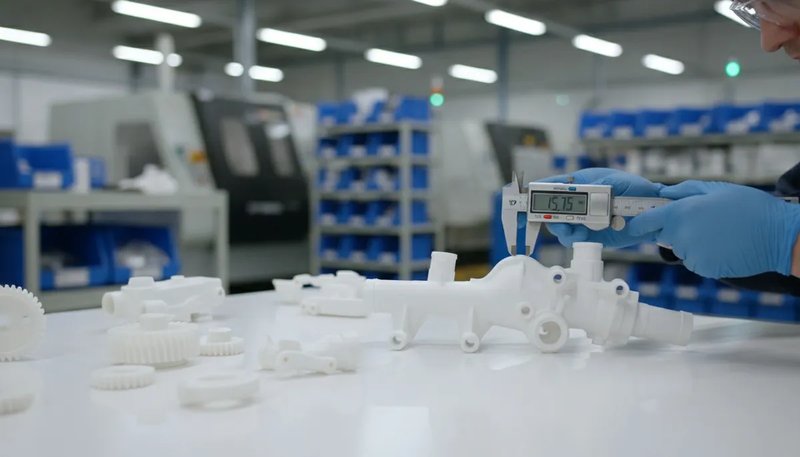
Malzeme seçimi tasarım kısıtlarında da rol oynar. Bazı mühendislik plastikleri daha yüksek işleme sıcaklıkları gerektirir; bu durum kalıp malzemesi seçeneklerini sınırlayabilir ve zamanla aşınmayı artırabilir. Bazılarının yüksek büzülme oranları ise kalıp tasarımında telafi edilmelidir. Malzeme özellikleri ile kalıp tasarımı arasındaki etkileşimi anlamak, boyutsal olarak hassas parçaları sürekli üretebilmek için kritiktir.
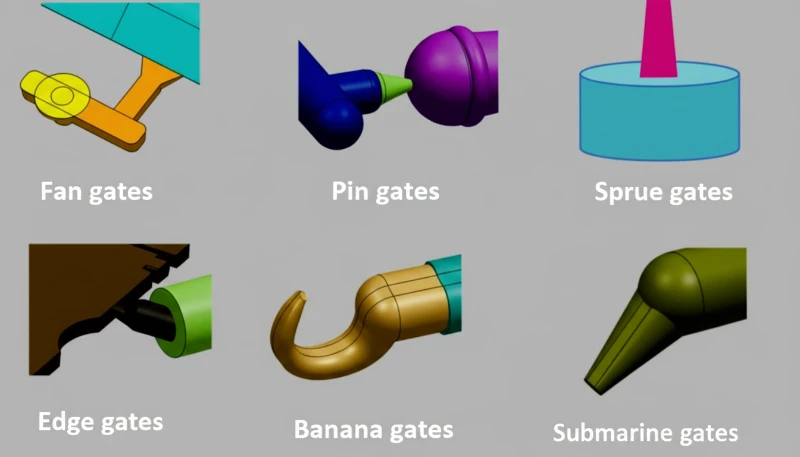
Takımların genellikle çelik veya alüminyumdan yapıldığını unutmayın; bu nedenle kalıp üretildikten sonra tasarım değişiklikleri yapmak zordur. Bir parçaya plastik eklemeniz gerekirse çeliği veya alüminyumu keserek takım boşluğunu büyütebilirsiniz. Ancak plastiği azaltmak için alüminyum veya metal ekleyerek takım boşluğunu küçültmeniz gerekir. Bu çok zordur ve çoğu durumda takımı hurdaya ayırıp baştan başlamanız anlamına gelir. Üretilebilirlik için tasarım (DFM) incelemelerinin kalıp üretimi başlamadan önce bu kadar kritik olmasının nedeni budur — sorunları erken yakalamak kalıpta yeniden işleme maliyetinden binlerce dolar tasarruf sağlar.
Ayrıca parçanın ağırlığı ve boyutu, ihtiyaç duyduğunuz takım ve pres boyutunu belirler. Parça büyüdükçe üretimi zorlaşır ve pahalılaşır. Büyük parçalar özel ekipman veya birden fazla kalıp gözü gerektirebilir; her ikisi de projeye önemli maliyet ve karmaşıklık ekler. Geniş makine tonajı aralığına sahip tedarikçiler, üçüncü taraf tesislere dış kaynak kullanmadan daha büyük parça boyutlarına uyum sağlamada daha fazla esneklik sunabilir.
Enjeksiyon kalıplama her tür şekil ve ayrıntıyı üretmeye uygun çok yönlü bir prosestir, ancak sınırları vardır. Keskin köşeler, ince etler veya derin delikler gibi bazı şekiller kalıbın doldurulmasını, parçanın soğutulmasını ya da kalıptan çıkarılmasını zorlaştırabilir. Bu kısıtları bilen deneyimli bir tedarikçiyle çalışmak, ancak ilk deneme baskılarından sonra ortaya çıkan maliyetli tasarım hatalarını önlemenize yardımcı olur.
Mühendis ekibimiz tasarım sınırlamalarını en aza indirmek için DFM incelemelerinde uzmanlaşmıştır. Şirket içi kalıp imalat kabiliyetimiz ve 400+ plastik malzemedeki deneyimimiz sayesinde takım maliyetlerini yüzde 15 ila 30 azaltan tasarım değişiklikleri sıklıkla önerebiliriz.
Enjeksiyon Kalıplamanın Dezavantajlarına İlişkin Temel Çıkarımlar Nelerdir?
Enjeksiyon kalıplamanın dezavantajları; yüksek kalıp maliyeti, sınırlı tasarım esnekliği, boyut kısıtları ve malzeme kısıtlarıdır.
Bu dezavantajlar; düşük verimlilik, yüksek ilk maliyet, geri döndürülemez enjeksiyon kalıplama prosesi ve yüksek hurda oranıdır. Şirketler bu prosesi kullanırken sorunları daha iyi çözmek, üretim verimliliğini ve ekonomik faydayı artırmak için bunların farkında olmalıdır. Şuna bakın: enjeksiyon kalıplama kapsamlı bir genel bakış için.
Enjeksiyon Kalıplama Projeniz İçin Teklif mi Gerekiyor?
ZetarMold mühendislik ekibinden rekabetçi fiyat, DFM geri bildirimi ve üretim zaman çizelgesi alın.
İster tek bir prototip kalıba ister yüksek hacimli üretim kalıbına ihtiyacınız olsun, ekibimiz 24 saat içinde ayrıntılı teklif sunabilir. Proje gereksinimlerinizi görüşmek için bizimle iletişime geçin.
Sıkça Sorulan Sorular
Sıkça Sorulan Sorular
Enjeksiyon kalıplamanın en büyük dezavantajı nedir?
En büyük dezavantaj, yüksek ilk kalıp maliyetidir. Üretim sınıfı bir çelik kalıp; parça karmaşıklığına, göz sayısına ve yüzey kalitesi gereksinimlerine bağlı olarak $5,000 ile $100,000’ın üzerinde bir fiyata mal olabilir. Bu durum enjeksiyon kalıplamayı yalnızca maliyetin, genellikle 10,000 veya daha fazla birimden oluşan yüksek üretim hacmine yayılabildiği durumlarda ekonomik kılar. Düşük hacimli üretimlerde 3D baskı veya üretan döküm gibi alternatifler çok daha uygun maliyetlidir. Alıcılar, proje ekonomisinin uygunluğunu güvence altına almak için taahhütte bulunmadan önce parça başına kalıp maliyetini hesaplamalıdır.
Bir enjeksiyon kalıbı yapmak ne kadar sürer?
Tipik bir üretim kalıbının tasarım onayından ilk numune alımına kadar tamamlanması 4 ila 8 hafta sürer. Temel geometriye sahip basit kalıplar 3 ila 4 haftada tamamlanabilirken yan hareketleri veya vida açan maçaları bulunan karmaşık çok gözlü kalıplar 10 ila 12 hafta sürebilir. Takvim; kalıp tasarımı, CNC işleme, EDM, polisaj, montaj ve deneme çalışmalarını kapsar. Acil siparişler bu süreyi yüzde 30 ila 50 azaltabilir ancak maliyeti önemli ölçüde artırır. Kendi takım imalat kabiliyetine sahip bir tedarikçiyle çalışmak, ayrı kalıphaneler arasındaki devirleri ortadan kaldırarak teslim sürelerini kısaltabilir.
Enjeksiyon kalıplamayla büyük parçalar üretilebilir mi?
Evet, ancak bazı sınırlamalar vardır. Maksimum parça boyutu makinenin kapama tonajına ve kalıp boyutuna bağlıdır. Otomotiv tamponları gibi büyük parçalar 1,500T veya daha yüksek kapama kuvvetli makineler gerektirir; bu da üretim yapabilen tedarikçi sayısını sınırlar. Büyük parçalar, yüzey boyunca eşit olmayan soğutma ve büzülme nedeniyle daha yüksek hata oranlarıyla da karşılaşır. Eşit duvar kalınlığı ve stratejik giriş yerleşimi bu sorunları azaltır. 90T ile 1850T gibi geniş tonaj aralığına sahip tedarikçiler daha çeşitli parça boyutlarını üretebilir.
Enjeksiyonla kalıplanmış parçalardaki kusurlara ne neden olur?
Yaygın kusurlar arasında çökme izleri, çarpılma, çapak, eksik dolum ve boşluklar bulunur. Bunlar uygunsuz sıcaklık kontrolü, yetersiz tutma basıncı, düzensiz soğutma veya kötü kalıp tasarımından kaynaklanır. Örneğin kalın kesitler düzensiz soğuduğunda çökme izleri, enjeksiyon basıncı kapama kuvvetini aştığında ise çapak oluşur. Proses optimizasyonu ve kalıp akış analizi, üretim başlamadan önce bu sorunların çoğunu önleyebilir. Deneyimli tedarikçiler, olası kusur alanlarını belirlemek ve kalıbı veya proses parametrelerini buna göre ayarlamak için tasarım aşamasında kalıp akış simülasyonları yürütür.
Enjeksiyon kalıplama prototiplemeye uygun mudur?
Yüksek başlangıç takım maliyeti ve uzun teslim süresi nedeniyle genellikle hayır. Küçük miktarlarda daha hızlı sonuç ve daha düşük maliyet sunan 3D baskı, CNC işleme veya silikon kalıplama, prototipleme için daha uygundur. Ancak prototipte üretimdeki malzeme ve prosesin aynısı kullanılmak zorundaysa, üretim çeliğinden takım yatırımı yapılmadan önce 100 ila 1.000 parçalık kısa prototip serileri için yumuşak bir alüminyum kalıp kullanılabilir. Bu köprü takım yaklaşımı, tam üretim kalıbı yatırımını ertelerken tasarımı ve prosesi doğrulamanızı sağlar.
Enjeksiyon kalıplı parçalar için tasarım kuralları nelerdir?
Temel tasarım kuralları; 1.5mm ile 4mm arasında eşit cidar kalınlığını korumayı, parçanın çıkarılması için her yanda en az 1 degree kalıp açısı vermeyi, keskin iç köşeler yerine minimum 0.5mm radyüslü geçişler kullanmayı ve yan hareketler planlanmadıkça ters açılardan kaçınmayı içerir. Bu kurallara uymak takım maliyetini düşürür, çevrim süresini kısaltır ve üretimdeki kusur oranlarını en aza indirir. Takım üretimi başlamadan önce tedarikçinizle yapılacak kapsamlı bir DFM incelemesi, bu kurallara aykırılıkları belirler ve hem zaman hem para kazandıracak düzeltmeler önerir.
Enjeksiyon kalıplama maliyetlerini nasıl azaltabilirim?
Maliyetleri düşürmek için üretilebilir tasarıma odaklanın: parça geometrisini basitleştirin, ters açıları azaltın, yan hareket sayısını en aza indirin ve standart yüzey kaliteleri kullanın. Birden fazla parçayı tek bir kalıplanmış bileşende birleştirmek de sonraki montaj maliyetlerinden tasarruf sağlayabilir. Tedarik açısından, şirket içi takım üretimi ve mühendislik desteği sunan bir tedarikçi seçmek, kalıp imalatını ayrı taşerona vermeye kıyasla kalıp yineleme maliyetlerini yüzde 15 ila 30 azaltabilir. Birden fazla tedarikçiden teklif istemek ve hem fiyatı hem de DFM geri bildirimini karşılaştırmak, en iyi toplam değeri belirlemeye yardımcı olur.
Bunun yerine ne zaman farklı bir üretim prosesi seçmeliyim?
Yıllık hacminiz 1,000 parçanın altındaysa, tasarımınız hâlâ sık sık değişiyorsa veya tek bir bileşende çok malzemeli parçalara ihtiyacınız varsa alternatif prosesleri değerlendirin. 3D baskı, düşük hacimlerde karmaşık geometriler için üstündür; CNC işleme, dar toleranslı metal parçalar için daha iyidir; termoform ise büyük, ince cidarlı parçalarda iyi sonuç verir. Her prosesin, özel gereksinimlerinize göre değerlendirilmesi gereken kendi maliyet ve yetkinlik ödünleşimleri vardır. Bilgili bir tedarikçi, uygulamanız ve hacminiz için en uygun maliyetli prosesi belirlemenize yardımcı olabilir.
enjeksiyon kalıplama: enjeksiyon kalıplama; kararlı hacimli üretim için plastiği eriten, kalıp boşluğuna enjekte eden, parçayı soğutan ve çevrimi tekrarlayan üretim prosesini ifade eder. ↩
Zetar'da 20'den fazla İngilizce konuşan ve 7 deneyimli enjeksiyon kalıp tasarım mühendisi bulunmaktadır (bazıları İngilizce de konuşabilir), bu da akıcı iletişim sağlayabilir ve uygulanabilir tasarım çözümleri sunabilir.: Tedarikçi; kalıpçılık kabiliyeti, süreç kontrolü, malzeme bilgisi, denetim disiplini, iletişim ve güvenilirlik açısından değerlendirilen bir üretim ortağıdır. ↩
enjeksiyon kalıbı: Enjeksiyon kalıbı; parça geometrisini, soğutma davranışını, çıkarmayı, giriş sistemini, yüzey kalitesini ve tekrarlanabilirliği tanımlayan hassas takımdır. ↩