U hebt een onderdeelontwerp. U hebt een leverancier voor spuitgieten gevonden. De offerte lijkt redelijk. Wat nu? Het verschil tussen een soepele productiestart en zes maanden kopzorgen komt meestal neer op één ding: de technische ondersteuning die uw leverancier biedt voordat de matrijsbouw begint. Onze ervaring is dat inkopers die technische beoordelingen vóór de productie overslaan uiteindelijk 30 tot 50 procent meer uitgeven aan matrijsaanpassingen en vertragingen in de planning. Dit artikel bespreekt precies welke technische ondersteuning u mag verwachten — en wanneer u beter weg kunt lopen als u die niet krijgt.
- Sta altijd op een schriftelijk DFM-rapport waarin specifieke afmetingen op uw CAD-model zijn gemarkeerd
- Matrijsstroomanalyse ontdekt vuldefecten voordat het staal wordt bewerkt en bespaart zo weken aan herstelwerk
- Leveranciers die uw ontwerpaannames ter discussie stellen, zijn waardevoller dan leveranciers die alles goedkeuren
- Preproductietechniek kost een fractie van één matrijsaanpassing, maar voorkomt de meeste ontwerpproblemen
Welke technische ondersteuning mag u van een spuitgietleverancier verwachten?
Een DFM-beoordeling, matrijsstroomanalyse en begeleiding bij materiaalkeuze zijn drie technische kerndiensten die elke gekwalificeerde leverancier moet bieden. U mag ook ondersteuning bij prototypemonsters en productieplanning verwachten. Als uw leverancier alleen een prijsopgave geeft zonder technische feedback, is dat een waarschuwingssignaal. Goede leveranciers behandelen de fase vóór de matrijsbouw als technische samenwerking.
Goede leveranciers behandelen de fase vóór de matrijsbouw als een gezamenlijk technisch proces — want dat is het. Ze moeten uw ontwerpaannames ter discussie stellen, alternatieven voorstellen en u helpen zowel de kwaliteit als de kosten te optimaliseren. Deze tijdsinvestering vooraf bespaart later weken aan herstelwerk. In de praktijk omvat technische ondersteuning vijf kerngebieden: een Design for Manufacturing-beoordeling (DFM), matrijsstroomanalyse, begeleiding bij materiaalkeuze, prototypen en monstername, en productieplanning. Elk gebied pakt een andere risicocategorie aan.
DFM brengt geometrische problemen aan het licht — ondersnijdingen die zijkernen vereisen, variaties in wanddikte die invalplekken veroorzaken, of lossingshoeken die te klein zijn voor een probleemloze uitwerping. Matrijsstroomanalyse voorspelt hoe de kunststofsmelt de holte vult, waar vloeilijnen ontstaan en of er onvolledige vullingen zullen optreden. Bij de materiaalkeuze worden krimppercentages en chemische bestendigheid beoordeeld. Met prototypen valideert u de passing en werking voordat u zich vastlegt op een productiematrijs voor spuitgieten.
Met prototypen kunt u de passing en werking valideren voordat u zich vastlegt op een productiematrijs. En productieplanning zorgt ervoor dat het matrijsontwerp aansluit op uw volumevereisten en doelstellingen voor de cyclustijd.
Waarom is een DFM-beoordeling (Design for Manufacturing) cruciaal vóór de matrijsbouw?
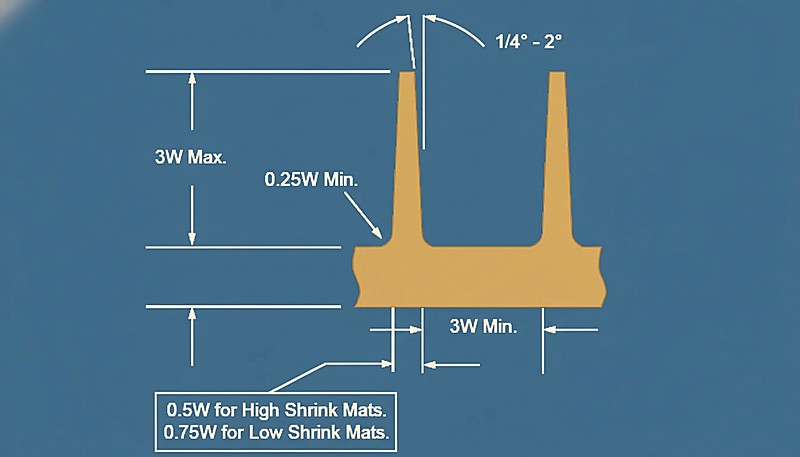
Een DFM-beoordeling is de waardevolste technische dienst die uw leverancier kan bieden. Hierbij onderzoeken ervaren matrijsingenieurs uw CAD-model en identificeren ze kenmerken die tijdens de productie problemen zullen veroorzaken — voordat u zich aan een matrijs verbindt. We hebben ontwerpen gezien waarbij een wijziging van 0.5 mm in de wanddikte invalplekken volledig wegnam, of waarbij het toevoegen van 1 graad lossingshoek de uitwerpkracht met 40 procent verminderde. Dit zijn geen voor de hand liggende zaken als u geen matrijsingenieur bent. Een degelijk DFM-rapport moet de gelijkmatigheid van de wanddikte, lossingshoeken, ribverhoudingen, het ontwerp van bevestigingsnokken, de haalbaarheid van de aanspuitlocatie en een analyse van ondersnijdingen behandelen.
Dit zijn de meest voorkomende DFM-problemen waardoor inkopers worden verrast. Een gelijkmatige wanddikte is cruciaal — verschillen van meer dan 10 procent tussen aangrenzende doorsneden veroorzaken bijna altijd invalplekken of kromtrekken. Lossingshoeken van minder dan 1 graad per zijde bemoeilijken het uitwerpen en verlengen de cyclustijd. De ribdikte mag niet meer dan 60 procent van de nominale wanddikte bedragen om optische onvolkomenheden aan het tegenoverliggende oppervlak te voorkomen. Bussen hebben verstevigingsribben nodig, maar te grote verstevigingsribben veroorzaken zelf problemen met invalplekken. Scherpe binnenhoeken concentreren spanning en moeten worden afgerond met een straal van ten minste 0.5 mm.
Vraag uw leverancier om een schriftelijk DFM-rapport met specifieke afmetingen die op uw CAD-model zijn gemarkeerd. Het rapport moet elk aandachtspunt benadrukken, uitleggen waarom het belangrijk is en een oplossing voorstellen. Sommige aandachtspunten kunnen aanvaardbare afwegingen zijn — uw leverancier moet u helpen begrijpen welke cruciaal zijn en welke alleen wenselijk. Een ingenieur die honderden matrijzen voor vergelijkbare toepassingen heeft gebouwd, weet welke problemen daadwerkelijk tot afkeur leiden en welke theoretische risico’s zijn. Dat oordeel is meer waard dan welk softwarepakket ook.
Hoe voorkomt matrijsstroomanalyse kostbare fouten?
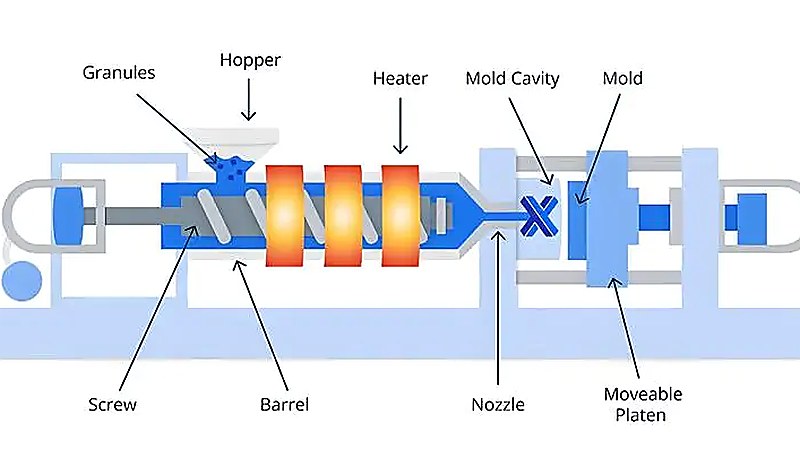
Matrijsstroomanalyse simuleert hoe gesmolten kunststof de matrijsholte vult om defecten te voorspellen voordat er staal wordt bewerkt. De analyse toont vulpatronen, drukverdeling, temperatuurgradiënten, locaties van luchtinsluitingen, posities van vloeilijnen en krimpgedrag. Zonder deze analyse gokt u in feite of uw matrijs aanvaardbare onderdelen zal produceren. We hebben projecten gezien waarbij de analyse een vloeilijn blootlegde die over een structurele bevestigingsnok liep — een defect dat pas weken later tijdens de T1-monstername1 zichtbaar zou worden.
We hebben projecten gezien waarbij matrijsstroomanalyse aantoonde dat één aanspuitlocatie een vloeilijn dwars over een structurele bevestigingsnok zou veroorzaken — een defect dat pas tijdens de T1-monstername zichtbaar zou worden, weken nadat de bouw was begonnen. Door de aanspuitlocatie vóór het begin van de matrijsbouw te wijzigen, bleef de volledige projectplanning intact. Een grondige analyse moet vier belangrijke resultaten omvatten: een animatie van de vultijd die laat zien of de holte gelijkmatig en volledig wordt gevuld, de drukverdeling om te bevestigen dat de spuitgietmachine voldoende tonnage heeft, een kaart van vloeilijnen om te waarborgen dat structurele verbindingen niet op kritieke oppervlakken terechtkomen, en een koelanalyse om de cyclustijd en het kromtrekken te voorspellen.
Niet elk onderdeel vereist een volledige matrijsstroomanalyse. Eenvoudige open-dichtmatrijzen met een gelijkmatige geometrie rechtvaardigen de kosten mogelijk niet. Maar voor elk onderdeel met complexe kenmerken, meerdere aanspuitingen, dunwandige doorsneden, nauwe toleranties of hoge esthetische eisen verdient matrijsstroomanalyse zichzelf vele malen terug. De kosten van de analyse bedragen een fractie van één matrijsaanpassing. Beschouw het als een verzekering — u ontdekt een vulprobleem liever op een computerscherm dan op een stalen matrijs waarvan de bouw zes weken heeft geduurd.
Welke rol speelt begeleiding bij materiaalkeuze in het succes van een project?
Polycarbonaatkwaliteiten variëren van standaardvloeiend tot hoogvloeiend, met verschillen in slagvastheid tot 50 procent tussen kwaliteiten. Uw leverancier moet ten minste twee materiaalalternatieven presenteren met een vergelijkingstabel voor treksterkte, slagvastheid, warmtevervormingstemperatuur en kosten per kilogram. Vraag waarom als uw leverancier slechts één materiaal aanbiedt. De juiste keuze vergt vaak afwegingen tussen prestaties, verwerkbaarheid en naleving van regelgeving.
Uw leverancier moet ten minste twee of drie materiaalalternatieven presenteren met een vergelijking van de belangrijkste eigenschappen: treksterkte, slagvastheid, warmtevervormingstemperatuur, krimppercentage en kosten per kilogram. Naast mechanische eigenschappen spelen bij de materiaalkeuze ook wettelijke overwegingen die uw leverancier moet signaleren. Komt uw onderdeel in contact met voedsel? Is een ontvlambaarheidsclassificatie UL942 V-0 vereist? Is biocompatibiliteit van medische kwaliteit vereist? Elk van deze beperkingen verkleint de materiaalkeuze aanzienlijk en uw leverancier moet weten welke kwaliteiten over de benodigde certificeringen beschikken.
De leverancier moet ook advies geven over inkleurbaarheid — sommige materialen nemen pigmenten beter op dan andere, en voor transparante kwaliteiten gelden weer eigen beperkingen. Houd ten slotte rekening met de verwerkingseigenschappen: een materiaal dat aan alle prestatievereisten voldoet, maar een extreem hoge injectiedruk of een smal procesvenster vereist, zal na verloop van tijd uw productiekosten en defectpercentage verhogen.
Wanneer moet u ondersteuning voor prototypen en monstername aanvragen?
Prototypemonsters zijn uw laatste kans om het ontwerp te valideren voordat u zich vastlegt op productiegereedschap. Er zijn twee benaderingen: rapid prototyping met 3D-printen of CNC-bewerking voor eerste passingscontroles, en prototypespuitgieten met zacht gereedschap of aluminium matrijzen voor functionele tests. De juiste aanpak hangt af van uw planning en risicotolerantie.
Als u een nieuw product met een onbeproefde geometrie introduceert, is een prototypematrijs de extra twee tot drie weken waard. Daarmee kunt u het daadwerkelijke spuitgegoten materiaal onder reële omstandigheden testen — niet een 3D-geprinte benadering met andere mechanische eigenschappen. Uw leverancier moet proactief monstername aanbevelen wanneer deze kenmerken ziet die alleen met analyse moeilijk te voorspellen zijn, zoals filmscharnieren, klikverbindingen of assemblages met meerdere wanden.
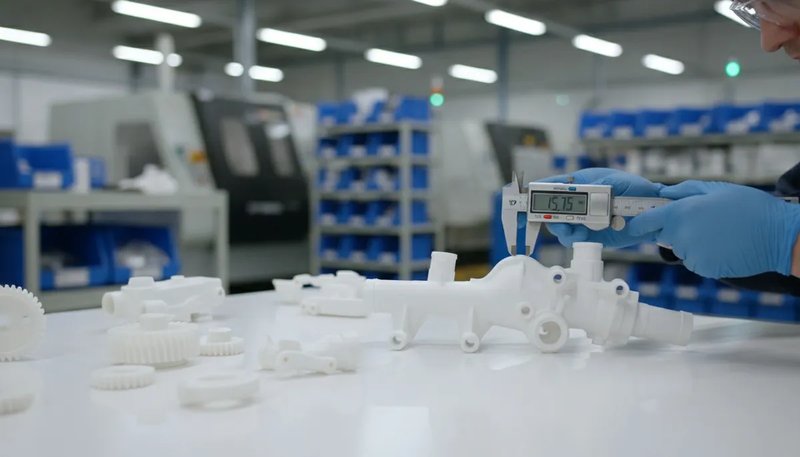
Let tijdens de monsterfase op wat uw leverancier meet en rapporteert. Een goed monsterrapport bevat maatgegevens voor kritieke kenmerken vergeleken met de toleranties op de tekening, resultaten van visuele inspecties op esthetische defecten, documentatie van materiaalcertificeringen en een consistent gewicht over de monsters. Als uw leverancier u alleen een doos onderdelen zonder gegevens stuurt, biedt deze geen technische ondersteuning — alleen productiecapaciteit. Het verschil is enorm belangrijk wanneer u een leverancier voor productie kwalificeert.
Hoe beïnvloeden de capaciteiten van een leverancier de kwaliteit van matrijzen?
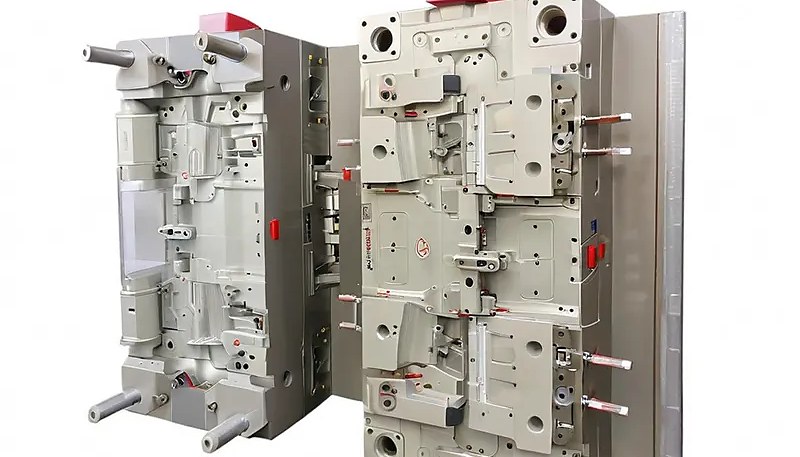
De kwaliteit van technische ondersteuning hangt rechtstreeks samen met wat een leverancier daadwerkelijk intern kan uitvoeren. Een leverancier die matrijsontwerp, matrijsbouw en secundaire bewerkingen aan verschillende bedrijven uitbesteedt, voegt communicatielagen toe waarin details verloren gaan. Wanneer uw DFM-ingenieur naast de matrijsontwerper zit, die naar de CNC-programmeur loopt voor overleg, duren feedbacklussen uren in plaats van weken.
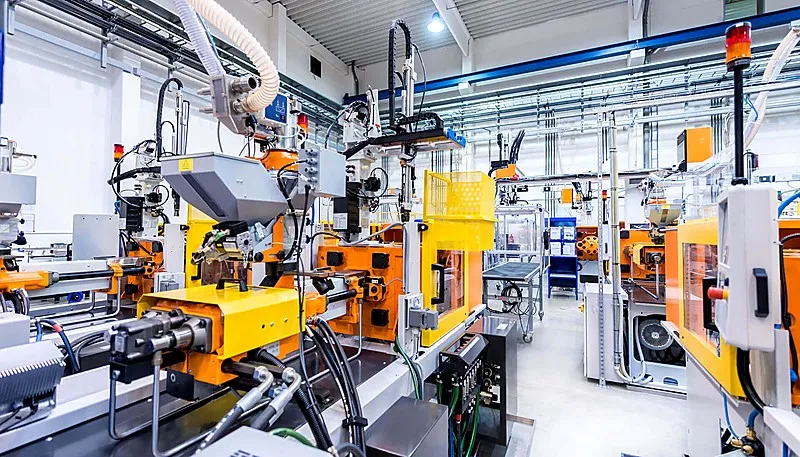
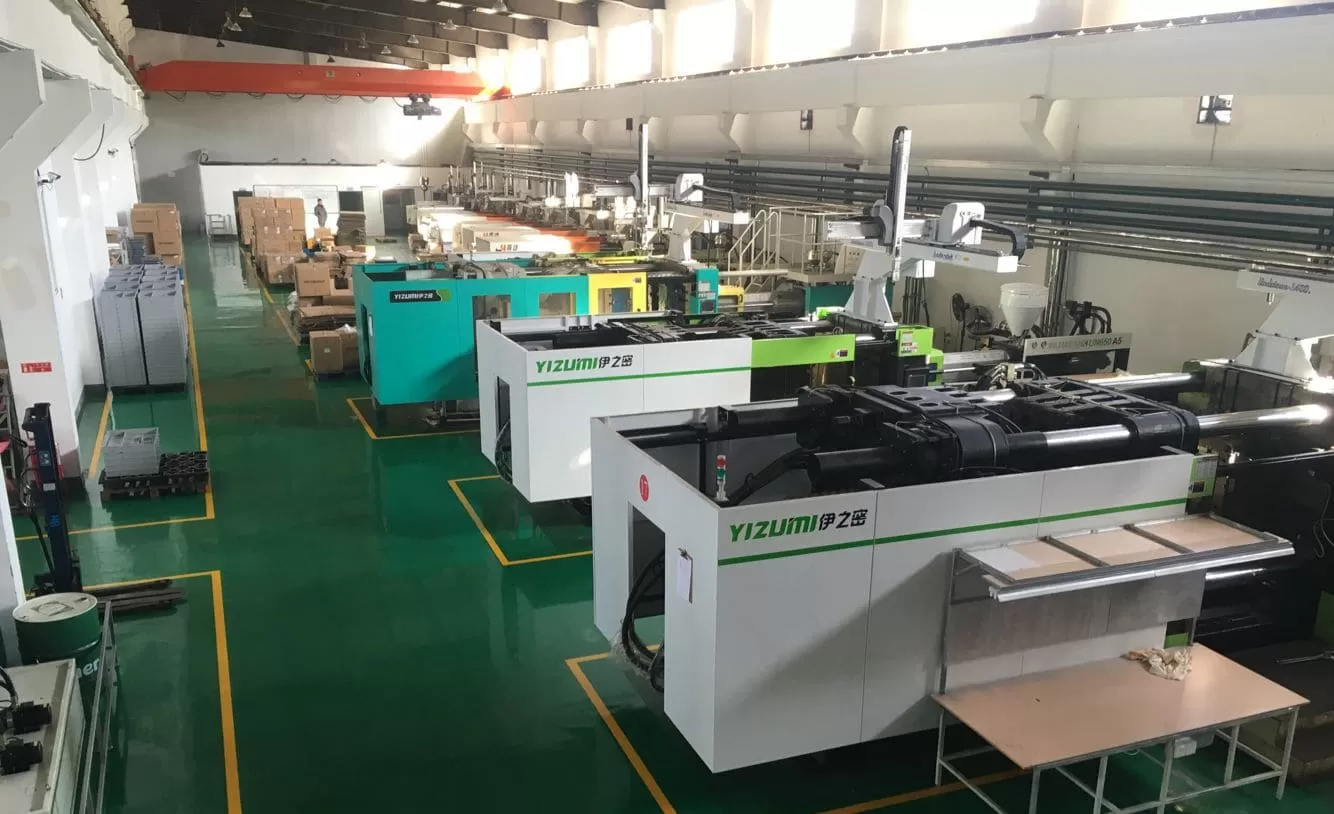
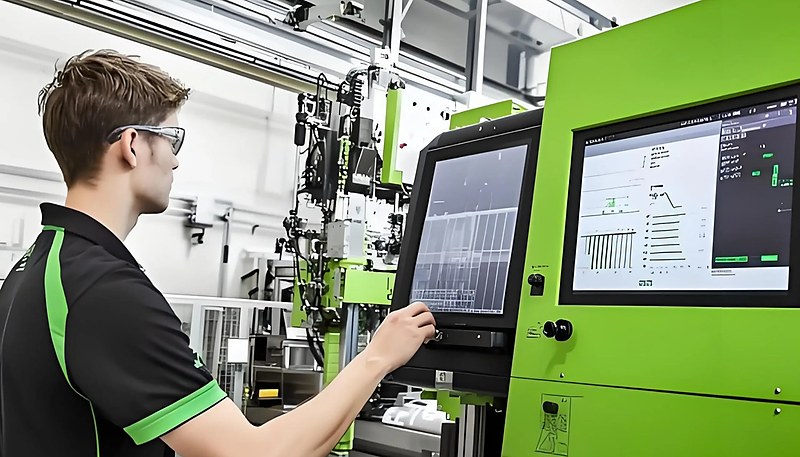
Technische ondersteuning is het sterkst wanneer het team dat uw matrijs ontwerpt samenwerkt met de mensen die elke dag de persen bedienen. In onze fabriek in Shanghai zorgen 8 senior ingenieurs en 47 spuitgietmachines onder één dak ervoor dat ontwerpbeslissingen onmiddellijk aan de werkelijke machinecapaciteiten kunnen worden getoetst.
Stel uw leverancier specifieke vragen over diens capaciteiten: Wat is het tonnagebereik van de machines? Heeft het bedrijf ervaring met uw materiaalfamilie? Kan het u voorbeeldrapporten van DFM uit eerdere projecten laten zien? Voert het bedrijf matrijsstroomanalyse intern uit of besteedt het die uit? De antwoorden vertellen u of het een fabrikant met diepgaande technische kennis is of een handelsonderneming die bestanden tussen u en een onbekende werkplaats doorstuurt. Ons tonnagebereik van 90T tot 1850T omvat alles van medische microcomponenten tot grote behuizingen voor de auto-industrie, en ons technische team heeft voor deze toepassingen meer dan 20 jaar expertise opgebouwd.
Welke communicatienormen onderscheiden goede leveranciers van slechte?
Technische ondersteuning staat of valt met de kwaliteit van de communicatie. Technische expertise is niets waard als die niet duidelijk, snel en in een taal die u begrijpt kan worden overgebracht. Daarom hebben we een team van 30+ medewerkers die vloeiend Engels spreken — wanneer uw ingenieur een DFM-aandachtspunt toelicht, moet u niet alleen begrijpen wat het probleem is, maar ook waarom het belangrijk is en welke afwegingen elke voorgestelde oplossing met zich meebrengt.
Technische vragen moeten op werkdagen binnen 24 uur worden beantwoord — sneller als het om een blokkade gaat. Uw leverancier moet op vastgelegde mijlpalen regelmatig updates over de projectstatus geven: voltooiing van DFM, goedkeuring van het matrijsontwerp, voortgang van de matrijsbouw, T1-monstername en levering van het maatrapport. Elke mijlpaal moet relevante documentatie omvatten — niet alleen een statusupdate, maar ook foto’s van het werk in uitvoering, meetgegevens en eventuele afwijkingen van het plan. Als u uw leverancier om updates moet blijven vragen, is dat een communicatieprobleem dat tijdens de productie alleen maar erger wordt. Leg vooraf een communicatieritme vast en houd uw leverancier daaraan.
Waarom bespaart preproductietechniek op lange termijn geld?
Ja — preproductietechniek levert meetbare besparingen op doordat ontwerpproblemen worden ontdekt voordat het staal wordt bewerkt. Een DFM-beoordeling en matrijsstroomanalyse voorkomen samen de meest voorkomende oorzaken van herstelwerk aan matrijzen, dat per aanpassing duizenden kost en weken aan de planning toevoegt.
Een DFM-beoordeling duurt daarentegen één tot drie dagen en kost niets wanneer deze in uw leveranciersovereenkomst is opgenomen. Matrijsstroomanalyse voegt vooraf twee tot vijf dagen aan de planning toe, maar neemt de meest voorkomende oorzaken van mislukte T1-monsternames weg. Neem een gebruikelijk scenario: een inkoper slaat de DFM-beoordeling over om tijd te besparen. De matrijs wordt gebouwd. T1-monsters vertonen invalplekken op het zichtoppervlak door dikke doorsneden achter bevestigingsnokken. De matrijs moet worden aangepast — de dikke doorsneden moeten worden uitgekernd, er moeten procesontluchtingen worden toegevoegd en de betreffende oppervlakken moeten opnieuw worden gepolijst. Totale kosten: twee weken vertraging plus aanpassingskosten.
Met een degelijke DFM-beoordeling zou de ingenieur de dikke doorsneden hebben gesignaleerd en hebben aanbevolen ze al in het oorspronkelijke ontwerp uit te kernen, waarna de matrijs vanaf de eerste dag correct zou zijn gebouwd. De aanpak met preproductietechniek is niet langzamer — deze is juist sneller omdat u de volledige aanpassingscyclus overslaat. SPI3-normen voor matrijsclassificatie en toleranties geven ingenieurs een gemeenschappelijke taal voor deze besprekingen.
Klopt het dat goede preproductietechniek zichzelf terugverdient?
Toets uw kennis van technische ondersteuning door een spuitgietleverancier aan deze uitspraken over gangbare aannames van inkopers.
"Een DFM-beoordeling kan tot 80 procent van de ontwerpproblemen wegnemen voordat de matrijsbouw begint."True
Een grondige DFM-beoordeling ontdekt verreweg de meeste maakbaarheidsproblemen voordat het staal wordt bewerkt, waaronder inconsistenties in wanddikte, onvoldoende lossingshoek, onjuiste ribverhoudingen en problemen met de plaatsing van aanspuitingen.
"Een prijsopgave zonder technische feedback wijst op voldoende technische ondersteuning."False
Een kale offerte zonder DFM-opmerkingen of processuggesties betekent dat de leverancier uw ontwerp niet heeft geanalyseerd. Dit leidt tijdens de monstername en productie tot kostbare verrassingen.
Het verschil tussen leveranciers die in preproductietechniek investeren en leveranciers die deze overslaan, wordt tijdens de T1-monsterfase het duidelijkst zichtbaar. Leveranciers die grondige DFM-beoordelingen en matrijsstroomanalyses hebben uitgevoerd, produceren bij de eerste spuiting maatnauwkeurige onderdelen met een gaaf uiterlijk. Leveranciers die deze stappen hebben overgeslagen, produceren vaak onderdelen met invalplekken, kromtrekken of onvolledige vulling — problemen waarvoor matrijsaanpassingen nodig zijn die duizenden dollars en weken vertraging kosten. Het patroon is consistent bij honderden projecten: inspanningen voor preproductietechniek hangen rechtstreeks samen met tijdige levering en kwaliteit bij de eerste spuiting. Vraag bij de beoordeling van leveranciers naar hun preproductieproces.
Het antwoord vertelt u alles wat u moet weten over de vraag of ze een partner of een probleem zullen zijn.
"Preproductietechniek bespaart vijf tot tien keer de eigen kosten aan vermeden aanpassingen."True
Elke dollar die aan DFM en matrijsstroomanalyse wordt besteed, voorkomt dure matrijsaanpassingen, vertragingen en kwaliteitsafkeur die veel meer kosten om te herstellen nadat de matrijs is gebouwd.
"Elke spuitgietleverancier kan voldoende technische ondersteuning bieden."False
De kwaliteit van ondersteuning verschilt enorm binnen de sector. Handelsondernemingen die werk uitbesteden, beschikken mogelijk niet over de interne expertise voor zinvolle DFM-beoordelingen of matrijsstroomanalyse.
Veelgestelde vragen over technische ondersteuning door spuitgietleveranciers
Veelgestelde vragen
Wat moet een DFM-rapport van een spuitgietleverancier bevatten?
Een degelijk DFM-rapport moet geannoteerde CAD-schermafbeeldingen bevatten waarop problemen met de wanddikte, metingen van lossingshoeken, verhoudingen van ribben en bevestigingsnokken, aanbevelingen voor aanspuitlocaties en een analyse van ondersnijdingen zijn aangegeven, plus een overzichtstabel van alle geïdentificeerde aandachtspunten met ernstclassificaties en voorgestelde oplossingen. Elk probleem moet verwijzen naar specifieke afmetingen in de geometrie van uw onderdeel en de ingenieur moet beschikbaar zijn om elke bevinding gedetailleerd te bespreken. Het rapport moet ook aanbevelingen voor ontwerpwijzigingen bevatten met duidelijke uitleg van de bijbehorende afwegingen, zodat u weloverwogen beslissingen kunt nemen over welke aanpassingen u accepteert.
Hoe lang duurt een gebruikelijke DFM-beoordeling?
Een standaard DFM-beoordeling duurt één tot drie werkdagen, afhankelijk van de complexiteit van het onderdeel. Eenvoudige onderdelen met een ongecompliceerde geometrie kunnen in één dag worden beoordeeld, terwijl complexe matrijzen met meerdere holten, zijdelingse bewegingen, lifters en nauwe toleranties drie tot vijf dagen kunnen vergen voor een grondige analyse. Uw leverancier moet zich vooraf vastleggen op een specifieke planning en het rapport op tijd leveren. Als de beoordeling langer duurt dan verwacht, moet de leverancier de reden meedelen en een herziene leverdatum geven in plaats van u zonder updates te laten wachten.
Is matrijsstroomanalyse bij de matrijsprijs inbegrepen of wordt deze afzonderlijk berekend?
Dit verschilt per leverancier. Sommige leveranciers nemen een eenvoudige matrijsstroomanalyse op in hun matrijspakket, vooral bij complexe onderdelen waarvoor die duidelijk nodig is, terwijl andere leveranciers deze als een afzonderlijke post berekenen. Beide benaderingen zijn aanvaardbaar, zolang de analyse daadwerkelijk wordt uitgevoerd en de resultaten met u worden gedeeld in een vorm die u kunt begrijpen. Vraag hier tijdens het offertetraject uitdrukkelijk naar om aannames te voorkomen. De kernvraag is niet of de analyse gratis of betaald is, maar of deze wordt uitgevoerd en of de leverancier de resultaten met u doorneemt.
Kan een leverancier technische ondersteuning bieden voor een onderdeel dat deze niet heeft ontworpen?
Ja, en dit is zelfs het meest voorkomende scenario in de spuitgietsector. De meeste leveranciers ontvangen ontwerpen die door hun klanten of externe ontwerpbureaus zijn gemaakt. De rol van de ingenieur van de leverancier is het ontwerp op maakbaarheid te beoordelen, optimalisaties voor te stellen en ervoor te zorgen dat de matrijs het onderdeel consistent op het vereiste kwaliteitsniveau kan produceren. U hoeft uw onderdeel niet vanaf nul door de leverancier te laten ontwerpen om van diens technische expertise te profiteren. Een onafhankelijke beoordeling door iemand die niet bij het oorspronkelijke ontwerp betrokken was, brengt vaak zelfs problemen aan het licht die de oorspronkelijke ontwerper vanwege vertrouwdheidsbias over het hoofd heeft gezien.
Welke vragen moet ik een leverancier stellen om diens technische capaciteiten te beoordelen?
Vraag om te beginnen een voorbeeld van een DFM-rapport uit een eerder project — dat laat u de diepgang en vorm van de analyse zien. Vraag of de leverancier matrijsstroomanalyse intern uitvoert of deze uitbesteedt. Vraag om een beschrijving van het proces voor prototypemonsters en welke resultaten u mag verwachten. Vraag hoeveel ingenieurs het bedrijf in dienst heeft, wat hun specialismen zijn en hoeveel jaar ervaring ze gezamenlijk hebben. Vraag om specifieke voorbeelden van de manier waarop het bedrijf productie-uitdagingen in eerdere projecten heeft opgelost. De diepgang en concreetheid van de antwoorden vertellen u veel meer dan welk marketingmateriaal of welke verkooppresentatie ook.
Hoe merkt u of feedback van een leverancier eerlijk is?
Eerlijke technische feedback bevat aandachtspunten, afwegingen en soms aanbevelingen die tegen uw voorkeursaanpak ingaan. Als uw leverancier elke ontwerpbeslissing zonder commentaar goedkeurt, beoordeelt deze uw ontwerp niet zorgvuldig of vermijdt deze moeilijke gesprekken. Goede ingenieurs bieden weerwoord wanneer ze risico’s zien, omdat ze weten dat ze verantwoordelijk worden gehouden voor de productieresultaten. Een leverancier die in uw eerste inzending drie gegronde aandachtspunten aanwijst, bewijst u een grotere dienst dan een leverancier die zegt dat alles er perfect uitziet. Vertrouw leveranciers die problemen proactief bij u aankaarten in plaats van te wachten tot u ze tijdens de monstername ontdekt.
Welke technische ondersteuning mag ik verwachten bij spuitgieten in kleine volumes?
Zelfs voor projecten met kleine volumes moet u minimaal een DFM-beoordeling en materiaalaanbevelingen ontvangen — die kosten de leverancier zeer weinig en beschermen beide partijen tegen dure fouten. Matrijsstroomanalyse kan voor eenvoudige geometrieën worden afgeschaald, maar moet nog steeds de vulling van eventuele complexe kenmerken verifiëren. Prototypemonsters blijven waardevol, ongeacht uw productievolume, omdat ze bevestigen dat de matrijs onderdelen produceert die aan uw specificaties voldoen. Het belangrijkste verschil bij werk in kleine volumes is dat sommige technische diensten vereenvoudigde benaderingen kunnen gebruiken om kosteneffectief te blijven, maar de fundamentele beoordelingen moeten nog steeds worden uitgevoerd en gedocumenteerd.
Het kiezen van een spuitgietleverancier draait niet alleen om de prijs — het gaat om samenwerken met een team dat u helpt uw onderdeel in één keer goed te krijgen. Technische ondersteuning vóór de matrijsbouw maakt het verschil tussen een soepele introductie en maanden van dure aanpassingen. Zorg er bij de beoordeling van leveranciers voor uw volgende project voor dat ze een uitgebreide DFM-beoordeling, matrijsstroomanalyse, begeleiding bij materiaalkeuze en prototypemonsters aanbieden. Neem contact op met ons technische team om uw projectvereisten te bespreken en te zien hoe ondersteuning vóór de productie eruitziet wanneer deze goed wordt uitgevoerd.
T1-monstername: T1-monstername verwijst naar de eerste proefspuiting uit een voltooide matrijs, die wordt gebruikt om de afmetingen en kwaliteit van onderdelen te verifiëren vóór goedkeuring voor productie ↩
UL94: UL94 verwijst naar de ontvlambaarheidsnorm van Underwriters Laboratories voor kunststofmaterialen die in apparaten en toestellen worden gebruikt ↩
SPI: SPI verwijst naar de Society of the Plastics Industry — de normeringsorganisatie voor de kunststofverwerkende industrie ↩