 콘텐츠로 건너뛰기

ASA(아크릴로니트릴 스타이렌 아크릴레이트) 사출 성형은 ABS가 제공하지 못하는 것을 제공합니다: 페인팅이나 코팅 없이 진정한 장기 UV 및 내후성입니다. 수년간 햇빛에 노출되는 야외 하우징, 자동차 외장 트림 또는 정원 장비에 재료를 지정하는 경우, ASA가 일반적으로 올바른 선택입니다. 이 가이드는 ASA 부품을 제대로 제조하기 위해 필요한 가공 매개변수, 일반적인 함정 및 설계 고려 사항을 다룹니다.
- ASA는 고유의 자외선 안정성을 위해 ABS의 부타디엔을 아크릴레이트 고무로 대체합니다
- 용융 온도 범위: 240–260°C; 금형 온도: 40–80°C
- 수축률은 0.4–0.7% — ABS와 유사하지만 특정 등급으로 확인하세요
- 표면 결함을 방지하기 위해 80–85°C에서 2–4시간 동안 예비 건조
- 야외, 자동차 외장 및 정원 장비 부품에 가장 적합합니다
ASA란 무엇이며 사출 성형에 ABS 대신 ASA를 선택하는 이유는 무엇인가요?
ASA는 ABS의 직접적인 자외선 차대체 재료로 설계된 테르폴리머(아크릴로니트릴, 스티렌, 아크릴레이트 고무)입니다. 주요 구조적 차이점: ABS는 자외선 조사 하에서 분해되는 이중 결합을 포함하는 폴리부타디엔을 고무 상으로 사용합니다. ASA는 아크릴레이트 고무(포화 폴리머)를 대체하여 햇빛으로 인한 분해가 발생하지 않습니다. ISO 4892-2 내후성 시험 기준에 따르면, ASA는 1000시간의 자외선 노출 후 인장 강도의 90% 이상을 유지하는 반면, ABS의 분해는 단 200–400시간 후에 시작됩니다. 그 결과, ASA는 수년간 지속적인 실외 노출 후에도 색상, 표면 광택 및 기계적 특성을 유지하는 재료입니다.
단점은 무엇일까요? ASA는 일반적으로 킬로그램당 ABS보다 15–30% 비쌉니다. 또한 실온에서 고충격 ABS 등급에 비해 충격 저항성이 약간 낮습니다. 하지만 부품이 야외에 사용된다면, ASA의 비용은 페인팅, 코팅 또는 고장난 ABS 부품 교체 비용보다 거의 항상 저렴합니다. 우리가 실행할 때 사출 성형 당사 시설에서 실외 적용을 위한 시험을 진행할 때, 고객이 ABS 도장을 강제하는 특정 비용 상한선이 없는 한 기본적으로 ASA를 권장합니다.
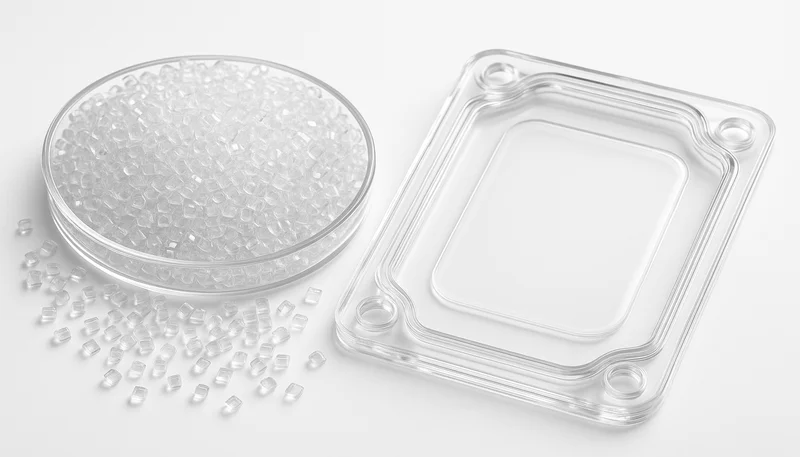
“ASA는 코팅이나 페인트 없이도 수년간 야외에서 색상과 기계적 특성을 유지합니다.”True
ASA의 아크릴레이트 고무 상은 불포화 이중 결합을 포함하는 ABS의 폴리부타디엔과 달리 자외선에 의한 분해에 저항하는 포화 폴리머입니다.
“자외선 안정화 ABS는 장기간 실외 노출에 있어 ASA만큼 우수한 성능을 발휘합니다.”False
UV 안정화 ABS는 1–2년 후에 유출되는 첨가제를 사용하며, 그 이후에는 분해가 가속화됩니다. ASA의 UV 저항성은 구조적(고분자 사슬에 내장됨)이며 시간이 지나도 감소하지 않습니다.
주요 ASA 사출 성형 매개변수는 무엇인가요?
핵심 ASA 사출 성형 매개변수는 이 섹션에서 설명된 주요 범주 또는 옵션입니다. ASA는 ABS와 유사하게 가공되지만, 온도 창과 건조 요건에 주의를 기울여야 합니다. ASA 가공 가이드와 당사의 생산 데이터를 바탕으로, ASA를 실행하기 전에 확정해야 할 중요한 매개변수는 다음과 같습니다.
| 매개변수 | 권장 범위 | 참고 |
|---|---|---|
| 용융 온도 | 240–260°C | 270°C를 초과하지 마십시오 — 열분해 위험이 있습니다 |
| 배럴 후부 영역 | 215–225°C | 점진적인 가열은 조기 용융을 방지합니다 |
| 배럴 중간 구역 | 230–240°C | 일관된 용융을 위한 전이 구역 |
| 배럴 전부 영역 | 240–250°C | 목표 용융 온도에 근접 |
| 노즐 온도 | 240–245°C | 드루얼이나 프리즈오프를 방지하려면 전면 영역을 맞춥니다 |
| 금형 온도 | 40–80°C | 높은 금형 온도는 표면 마감을 개선하고 용접선을 줄입니다 |
| 사출 압력 | 800–1400 bar | 부품 형상과 유동 길이에 따라 조정합니다 |
| 보압/패킹 압력 | 30–60%의 사출 압력 | 체적 수축을 보상합니다 |
| 배압 | 3–15 bar | 높은 백프레셔는 용융 균질성을 향상시킵니다 |
| 나사 속도 | 40–80 rpm | 전단 분해를 피하기 위해 중간 속도 사용 |
| 건조 온도 | 80–85°C | 2–4 hours; moisture content below 0.1% |
| 수축 | 0.4–0.7% | Verify with specific grade data sheet 4 |
The most common mistake I see engineers make with ASA is skipping or under-drying the material. ASA is hygroscopic — it absorbs moisture from the air, and if you inject it wet, you get silver streaks, splay marks, and reduced mechanical properties. At our 사출 금형 shop, we always run a moisture check with a halogen analyzer before starting a production run. Target is below 0.1% moisture. If the material has been sitting in open bags for more than a few hours, re-dry it.
“Pre-drying ASA pellets to below 0.1% moisture is essential to prevent silver streaks and splay marks.”True
ASA is hygroscopic and absorbs moisture from humid air. When injected wet, the water turns to steam in the barrel, creating visible surface defects and reducing part strength.
“ASA does not require pre-drying because it is less hygroscopic than ABS.”False
ASA is actually more hygroscopic than standard ABS grades and requires strict drying at 80–85°C for 2–4 hours. Skipping this step is the most common cause of surface defects in ASA molding.
금형 온도가 ASA 부품 품질에 어떤 영향을 미치나요?
Mold temperature is the single most impactful parameter for ASA surface quality. At 40–50°C, you get fast cycle times but the surface finish is matte and weld lines are more visible. Push the mold temperature up to 60–80°C, and the surface becomes glossy, weld lines fade, and the part’s impact resistance improves because internal stresses are lower.
The trade-off is cycle time. Going from 40°C to 70°C mold temperature typically adds 5–15 seconds to your cycle, depending on wall thickness. For thin-wall parts (under 2mm), you might barely notice the difference. For thick-wall structural parts (4mm+), the cooling time penalty is real.
In our experience running ASA for automotive exterior trim at the ZetarMold facility, we target 60–70°C mold temperature as the sweet spot. This gives a Class A surface finish that eliminates the need for post-molding painting on many projects. The gloss level is consistent across the part, and color matching to a specific Pantone or RAL reference is reliable batch-to-batch.
일반적인 ASA 사출 성형 결함은 무엇이며 어떻게 해결하나요?
ASA shares most of the same defect modes as ABS, but a few are more frequent or present differently because of the acrylate rubber phase.
Silver Streaks and Splay Marks
This is the #1 defect with ASA, and it’s almost always a moisture problem. ASA absorbs moisture faster than ABS. If your pellets aren’t dried to below 0.1% moisture, the water turns to steam in the barrel and creates silver streaks on the part surface. Fix: dry at 80–85°C for 2–4 hours minimum. Use a desiccant dryer, not a hot-air oven.
Weld Lines and Flow Marks
ASA’s melt viscosity is slightly higher than ABS, so weld lines can be more prominent, especially around inserts or multiple-gate designs. Fix: raise mold temperature to 60–80°C, increase injection speed, and consider moving the weld line to a non-cosmetic area during mold design.
Discoloration and Yellowing
If your ASA parts are coming out yellowed or brown-tinted, you’re running too hot or leaving material sitting in the barrel too long. ASA starts to degrade above 270°C. Fix: reduce melt temperature, purge the barrel if the machine has been idle, and keep residence time under 5 minutes.
Warpage and Shrinkage Variation
ASA shrinks in the same practical range reported on the ASA Resin1 reference page, and differential shrinkage between thick and thin sections causes warpage. Fix: maintain uniform wall thickness (target 2–3mm nominal), use adequate hold pressure and time, and ensure even cooling channel layout in the mold.
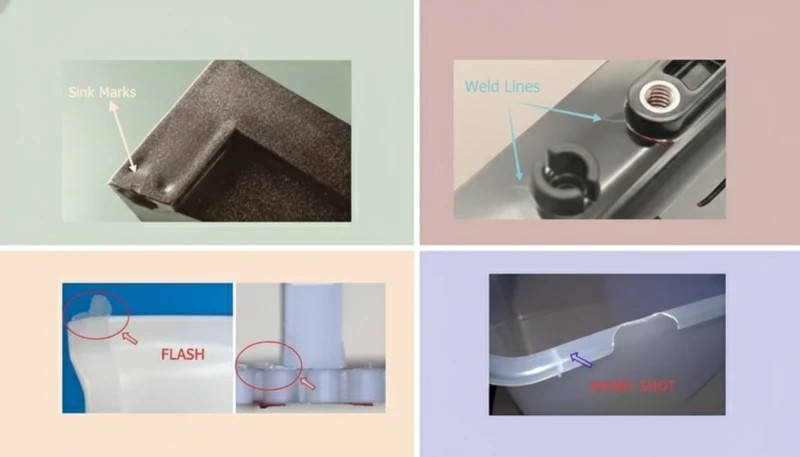
| 결함 | Most Likely Cause | First Fix | Second Fix |
|---|---|---|---|
| Silver streaks / splay | Moisture in pellets | Re-dry material (80–85°C, 3–4h) | Check hopper dryer functionality |
| Short shots | Insufficient injection pressure | Increase injection speed | Raise melt temperature by 5–10°C |
| 플래시 | Excessive pressure or worn tool | Reduce injection pressure | Inspect mold parting line |
| Weld lines (visible) | Low mold temperature | Raise mold temp to 65–80°C | Increase injection speed |
| 금형 수명 종료: | Insufficient hold pressure/time | Increase hold time by 1–2s | Reduce wall thickness variation |
| Discoloration | Melt temperature too high | Lower barrel temps by 5–10°C | Purge barrel, reduce residence time |
| Part sticking | Insufficient draft angle | Increase draft to 1.5°+ | Apply mold release (temporary) |
| Brittle parts | Material degraded or over-dried | Check melt temp below 270°C | Reduce drying time (max 6h at 85°C) |
One thing that catches people off guard with ASA: over-drying can be as bad as under-drying. If you dry ASA pellets at 85°C for more than 6–8 hours, the acrylate rubber phase starts to oxidize, and impact strength drops. Set a timer and don’t forget the material in the dryer overnight.
ASA는 다른 내후성 재료와 어떻게 비교되나요?
Asa is more competitive than other weatherable materials when the cost, lead time, and quality tradeoffs below match your program needs. ASA isn’t the only option for outdoor parts. According to SABIC Luran S2 and our own comparative testing, here’s how ASA stacks up against the main alternatives engineers consider for weatherable applications.
| 속성 | ASA | ABS (UV-stabilized) | PC/ABS Blend | PP (UV-stabilized) |
|---|---|---|---|---|
| UV Resistance | Excellent (inherent) | Moderate (additives degrade) | Good | Moderate (additives needed) |
| Impact Strength (notched Izod) | 10–35 kJ/m² 2 | 15–40 kJ/m² | 50–60 kJ/m² | 3–10 kJ/m² |
| Heat Deflection Temp | 85–100°C | 85–100°C | 95–115°C | 55–65°C |
| Cost (relative to ABS) | 1.2–1.3x | 1.0x (기준) | 1.4–1.6x | 0.5–0.7x |
| Color Retention (outdoor) | Excellent (5+ years) | Poor to fair | Good | 공정 |
| 표면 마감 (성형 상태) | Glossy, paint-free | Paint required | Good | Waxy, matte |
| 내화학성 | Good (oils, dilute acids) | Good | Very good | 우수 |
The bottom line: if you need UV resistance and a good-looking surface without painting, ASA is often the most cost-effective sourcing choice for exterior molded parts. UV-stabilized ABS is cheaper but the UV additives migrate out over time and long-term degradation accelerates. PC/ABS blends have better impact and heat resistance but at a higher price point, and they still need UV stabilizer additives. PP is the cheapest option but its surface quality is inferior and it does not hold pigments as well as ASA.
“ASA can eliminate the need for post-molding painting on outdoor parts, saving 20–30% on per-part cost.”True
Because ASA’s UV resistance is built into the polymer structure, the as-molded glossy surface maintains color and gloss for years. This removes paint material, equipment, labor, and rework costs.
“ASA has higher impact resistance than all ABS grades at room temperature.”False
Standard ASA grades typically have 10–35 kJ/m² notched Izod, while high-impact ABS grades can reach 35–40 kJ/m². ASA’s advantage is maintaining properties outdoors, not peak impact strength.
ASA 부품 설계 시 따라야 할 지침은 무엇인가요?
This section is about design guidelines should you follow for asa parts and its impact on cost, quality, timing, or sourcing risk. Designing for ASA follows standard thermoplastic injection molding guidelines with a few material-specific considerations.
Wall thickness: 1.5–4mm nominal. Stay under 5mm to avoid sink marks. Maintain ±10% thickness uniformity across the part.
Draft angle: 1–2° minimum per side. ASA has a slightly higher coefficient of friction against polished steel than ABS, so don’t skimp on draft.
Radii: 0.5mm minimum inside corners. Sharp internal corners create stress concentrators that reduce impact resistance — this matters more for ASA because the acrylate rubber phase is less forgiving than butadiene at notches.
Ribs: max 50–60% of nominal wall thickness. Over-sized ribs cause sink marks on the opposite (cosmetic) surface.
Gate placement: ASA’s flow characteristics work well with edge gates, submarine gates, or valve gates. Avoid pinpoint gates for parts over 200g — the shear rate is too high and causes jetting.
ASA 사출 성형 부품의 주요 적용 분야는 무엇인가요?
The main applications of asa injection molded parts are the main categories or options explained in this section. ASA shows up wherever a part needs to look good and survive outdoors. The major application categories:
Automotive exterior trim: grille surrounds, mirror housings, door handles, cowl vents. ASA holds up to road salt, UV, and temperature cycling without fading. This is the single largest application segment for ASA globally.
Outdoor equipment housings: lawnmower covers, chainsaw housings, garden tool handles. The combination of impact resistance and color stability is hard to beat for consumer-visible surfaces.
Electrical enclosures (outdoor): junction boxes, meter covers, antenna housings. ASA’s electrical insulation properties are comparable to ABS, and the ZetarMold Injection Molding Guide3 notes that the UL 746C thermal index rates ASA for continuous use up to 85°C.
Marine accessories: boat fittings, dock equipment, buoy housings. ASA resists salt spray and humidity better than UV-stabilized ABS, making it reliable for coastal and marine environments.
Recreational vehicles: RV trim, caravan panels, ATV body panels. Long-term color matching across multiple production batches is one of ASA’s strengths — important when you need replacement parts to match the original years later.
At our Shanghai facility, we’ve run ASA production for automotive exterior components and outdoor equipment housings across our 47 injection molding machines (90T–1850T clamping force range). The material processes consistently once your drying and temperature profiles are locked in, and our 8 senior engineers have accumulated significant experience optimizing ASA parameters for different part geometries and surface-finish requirements.
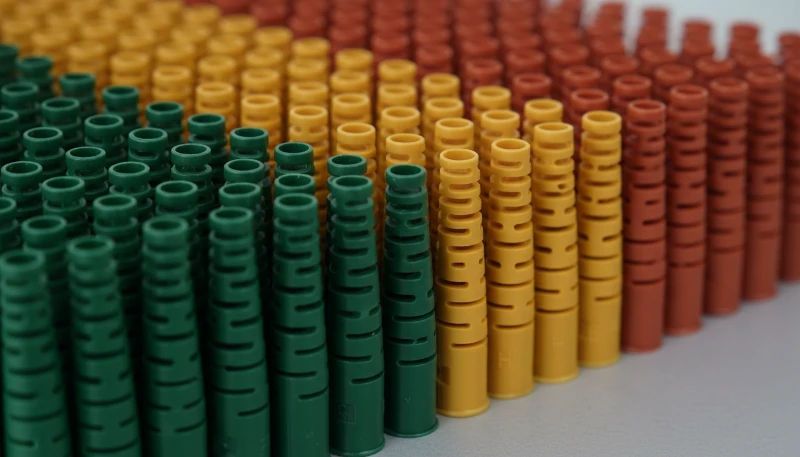
제타몰드의 상하이 시설에서는 90톤부터 1850톤까지의 사출 성형기 47대를 통해 ASA를 가공합니다. 8명의 수석 엔지니어(각각 10년 이상의 경력 보유)가 자동차 외장 트림, 실외용 하우징, 전기 인클로저용 ASA 매개변수를 최적화했습니다. 우리는 엄격한 건조 프로토콜을 유지합니다 — 모든 ASA 생산 런은 0.1% 미만의 수분 함량 검증으로 시작합니다. 가공 데이터베이스에 400개 이상의 소재와 30명 이상의 영어를 구사하는 프로젝트 매니저를 보유하고 있어 적합한 ASA 등급을 추천하고 초도품부터 대량 생산까지 일관된 표면 품질을 제공할 수 있습니다.
ASA 사출 성형에 관한 자주 묻는 질문
성형 전 ASA의 권장 건조 온도는 얼마인가요?
ASA를 데시컨트 드라이어에서 80~85°C로 2~4시간 건조하고, 성형 전 수분 함량을 0.1% 미만으로 유지하는 것을 목표로 하세요. 생산 현장에서는 호퍼 이슬점과 수분 수준을 확인할 수 없는 한, 개봉된 백의 재료는 습한 것으로 취급하는 것이 더 안전한 규칙입니다. 수지가 습한 공기 중에 하룻밤 방치되었다면, 더 긴 건조 시간을 사용하고 건조 후 공급 시스템을 닫아 두세요. 목표는 스플레이(은선) 방지뿐만이 아닙니다. 적절한 건조는 광택을 안정화시키고, 가스 자국을 줄이며, 시동 및 색상 변경 시 공정 윈도우를 훨씬 넓혀줍니다.
ASA를 TPE 또는 다른 소재와 오버몰딩할 수 있나요?
네, ASA는 오버몰딩이 가능하지만, 실제 답은 두 번째 소재와 필요한 접착 메커니즘에 따라 달라집니다. TPE, TPU 및 일부 TPV 등급은 가능한 후보이지만, 카탈로그의 주장만 의존하기보다는 실제 박리 또는 인장 시험으로 접착력을 확인해야 합니다. ASA 기재의 표면 온도, 게이트 위치, 금형 텍스처 및 두 번째 사출 전의 체류 시간은 모두 접착 강도에 영향을 미칩니다. 부품이 실외에서 사용될 경우, 초기에는 양호해 보이는 접착이 기후 노출 후 실패할 수 있으므로 UV 노화 및 열 사이클링도 검증해야 합니다.
ASA 금형 설계에 사용해야 할 수축률은 얼마인가요?
몰드 설계의 경우, 먼저 0.4~0.7%의 선형 수축 가정으로 시작한 다음, 사용하는 정확한 등급의 시험 데이터로 수치를 조정하세요. ASA의 거동은 벽 두께, 광택 패키지, 안료 함량 및 흐름 방향에 따라 변하므로, 하나의 일반적인 수치는 시작점에 불과합니다. 외관이 중요한 외부 부품의 경우, 강철을 안전하게 가공하고 최종 연마 또는 질감 승인 전에 첫 샷의 치수를 측정하는 것이 더 안전합니다. 형상이 길고 비대칭인 경우, 파일럿 런에서 뒤틀림 문제가 주로 나타나는 곳이기 때문에 방향성 수축에도 주의하세요.
사출 성형 후 ASA는 재활용 가능한가요?
ASA는 열가소성 수지이므로 재활용이 가능하지만, 내후성과 표면 품질이 여전히 필요한 경우 재사용 전략이 중요합니다. 재분쇄물은 일반적으로 통제된 비율로 허용되지만, 추가 가열 이력은 인성을 약간 감소시키고 색상을 변화시킬 수 있습니다. 구조적 또는 고객 노출 부품의 경우, 많은 팀이 등급과 외관 요구사항에 따라 재분쇄물을 약 10~25%로 제한합니다. 스프루와 러너를 깨끗하게 유지하고 어두운 색과 밝은 색을 분리하며 알 수 없는 재분쇄물 로트를 혼합하지 마십시오. 부품이 외장 트림인 경우, 재생 블렌드를 생산에 승인하기 전에 충격과 광택을 다시 검증하세요.
ASA 사출 성형의 최대 벽 두께는 얼마인가요?
기술적으로 ASA를 벽 두께 5mm 이상으로 성형할 수는 있지만, 형상이 매우 단순하고 외관이 중요하지 않은 경우를 제외하면 일반적으로 좋은 생산 결정이 아닙니다. 두꺼운 벽은 싱크 위험을 증가시키고, 열을 가두며, 사이클 시간을 연장하고, 특히 광택 있는 외부 부품에서 내부 공극 발생 가능성을 높입니다. 더 나은 공학적 접근법은 공칭 벽 두께를 약 2~4mm로 유지하고, 강성이 필요한 곳에 리브, 거셋 또는 국부 보스를 추가하는 것입니다. 두꺼운 단면을 피할 수 없는 경우, 추가 냉각 용량을 계획하고, 팩 압력 반응을 확인하며, 시뮬레이션만 믿지 말고 첫 샘플의 단면을 확인하세요.
ASA는 추운 날씨 환경에서 어떻게 성능을 발휘하나요?
ASA는 실외에서 잘 작동하며 일반적인 겨울 노출을 표준 ABS보다 잘 견디지만, 극한 저온 충격 서비스에는 최선의 선택이 아닙니다. 대략 영하 10~20°C 이하에서는 인성이 충분히 저하되어 얇은 클립, 스냅 피트 및 높은 노치 디테일에 특별한 주의가 필요합니다. 제품이 북부 기후에서 사용될 경우, 상온 데이터가 그대로 적용된다고 가정하기보다 정확한 등급을 냉각 낙하 또는 충격 시험으로 검증하세요. 많은 프로젝트에서 올바른 해결책은 더 강인한 ASA 등급 또는 PC/ASA 블렌드이며, 특히 내후성과 더 나은 저온 충격 저항성 모두 필요할 때 그렇습니다.
실외 사용을 위해 ASA 부품에 도장이 필요한가요?
대부분의 ASA 부품은 야외 사용 시 도장이 필요하지 않습니다. 왜냐하면 내재된 자외선 안정성이 ASA를 선택하는 주된 이유이기 때문입니다. 색상, 광택, 질감이 올바르게 설계되었다면, 성형된 상태의 부품은 일반적으로 바로 사용될 수 있으며 도장 라인의 비용과 변동성을 피할 수 있습니다. 그렇지만, 매우 특정한 브랜드 색상, 금속 효과, 추가적인 화학적 저항성, 또는 이미 도장된 인접 부품과의 시각적 일치가 필요할 때는 여전히 도장이 합리적입니다. 공학적 질문은 ASA가 도장 없이도 버틸 수 있는지가 아닙니다. 그것은 제품 사양이 성형만으로는 일관되게 제공할 수 없는 마감을 요구하는지 여부입니다.
ASA 성형에 가장 적합한 사출 속도는 무엇인가요?
ASA는 일반적으로 중간에서 높은 사출 속도에서 가장 잘 작동합니다. 용융 전면이 냉각되고 용접선이 뚜렷해지기 전에 캐비티를 채우기를 원하기 때문입니다. 일반적인 시작 프로파일은 캐비티 대부분을 빠르게 채운 다음, 플래시나 날카로운 특징 부분의 과다 압축을 생성하지 않도록 팩킹으로 제어된 전환을 하는 것입니다. 너무 느리게 진행하면 표면 품질이 떨어지고 니트 라인이 더 쉽게 보입니다. 너무 빠르게 진행하면 제팅, 번 마크 또는 불안정한 쿠션 거동을 생성할 수 있습니다. 올바른 설정은 일관된 중량, 외관 및 배기 성능을 제공하는 가장 높은 안정적인 속도입니다.
경험 많은 ASA 성형 공급업체와 언제 협력해야 할까요?
이 섹션은 경험 있는 ASA 성형 공급업체와 협력 및 그에 따른 비용, 품질, 시기 또는 조달 위험에 관한 내용입니다. ASA는 성형하기 어려운 소재는 아니지만, 특히 자동차 또는 소비자 제품의 Class A 표면에 대해 일관되게 올바르게 성형하려면 해당 소재의 특정 거동에 대한 경험이 필요합니다. 건조 규율, 온도 제어 및 금형 설계 고려 사항은 학습 가능하지만, 주의가 필요합니다.
ZetarMold에서는 수년 동안 상하이 시설에서 야외 및 자동차 응용 분야를 위한 ASA 생산을 운영해 왔습니다. 47대의 사출 성형기(90T~1850T), 평균 10년 이상의 경력을 가진 8명의 수석 엔지니어, 그리고 공정 데이터베이스에 400종 이상의 재료를 보유하고 있어 ASA 매개변수를 빠르게 설정하고 일관된 품질을 제공할 수 있습니다. 30명 이상의 영어를 구사하는 프로젝트 관리자가 DFM 검토부터 생산 납품까지 원활한 의사소통을 보장합니다.
새 부품이든 ABS에서 전환하든 ASA 성형 프로젝트를 계획 중이라면 기술적 논의를 위해 문의해 주세요. 금형 투자 전에 부품 설계를 검토하고 적합한 ASA 등급을 추천하며 가공 계획을 제공해 드립니다. 무료 프로젝트 평가 받기 →
-
ASA 수지: ASA 수지란 아크릴로니트릴 스티렌 아크릴레이트에 대한 플라스틱 성형 개념의 재료 참조를 의미하며, 이는 일반적인 야외 사용 특성과 몰드 보상 결정에 사용되는 0.2~0.7% 범위의 수축 지침을 요약한 것입니다. ↩
-
SABIC Luran S: SABIC Luran S는 SABIC의 ASA 수지 계열 데이터를 의미하며, 등급에 따라 노치 Izod 충격값 10–35 kJ/m² 및 0.45 MPa에서 약 85–100°C의 열변형 온도 값을 포함합니다. ↩
-
ZetarMold 사출 성형 가이드: ZetarMold 사출 성형 가이드는 ZetarMold가 상하이 시설에서 45대의 사출 성형기(90T~1850T)를 통해 400종 이상의 열가소성 재료를 처리하는 공정을 의미하며, 여기에는 자동차 및 야외 응용 분야용 ASA 등급이 포함됩니다. ↩





 EN
EN  ES
ES  FR
FR  DE
DE  PT
PT  AR
AR  RU
RU  JA
JA  KO
KO  IT
IT  NL
NL  TR
TR  PL
PL 