 콘텐츠로 건너뛰기

사출 성형 부품의 취성은 성능 저하와 고장으로 이어질 수 있습니다. 부품 내구성과 생산 효율성을 개선하려면 근본 원인을 파악하는 것이 필수적입니다.
사출 성형 부품의 취성 주 원인은 무엇인가요? 사출 금형 설계1[1]. Solutions include adjusting the molding parameters, using impact-resistant materials, and improving cooling rates.
취성 문제를 해결하려면 재료 특성과 공정 제어에 대한 철저한 검토가 필요합니다. 성형 조건과 소재 선택을 최적화하여 부품 강도와 성능을 향상시키는 방법에 대해 자세히 알아보세요.
- Brittleness usually comes from a combined material, mold, process, and use-environment failure rather than one isolated variable.
- The fastest correction path is to verify resin condition, drying, melt temperature, injection speed, holding pressure, and cooling balance in sequence.
- A production-ready solution needs DFM, material testing, and process validation so the fix does not create new warpage or dimensional risks.
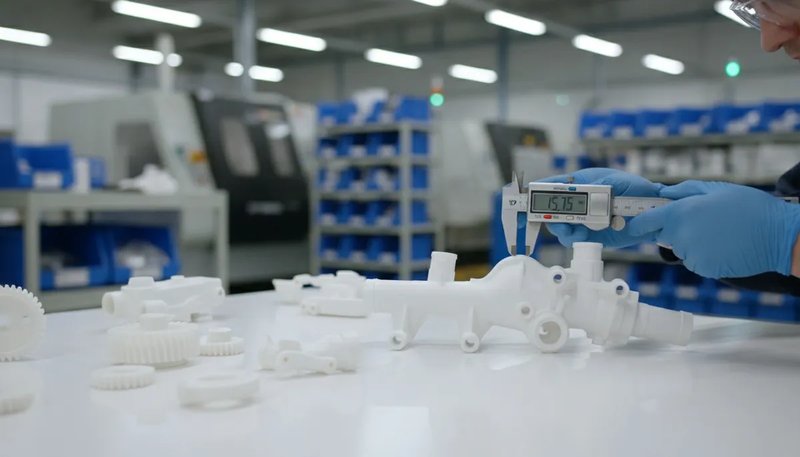
“부적절한 냉각은 사출 성형 부품의 취성을 유발합니다.”True
급격하거나 고르지 않은 냉각은 내부 응력을 유발하여 부품 취성을 유발할 수 있습니다. 적절한 냉각 속도는 응력을 줄이고 부품 강도를 향상시킵니다.
“모든 사출 성형 부품에 동일한 재료를 사용하면 취성이 제거됩니다.”False
부품마다 기능에 따라 다른 소재가 필요합니다. 모든 소재가 모든 용도에 적합한 것은 아니며, 잘못된 소재 선택은 취성을 유발할 수 있습니다.
재료 선택이 사출 성형 제품의 취성에 어떤 영향을 미칩니까?
If you are comparing vendors or planning procurement, our supplier sourcing guide covers RFQ prep, qualification, and commercial risk checks.
The material choice in 사출 성형2 significantly influences the brittleness of molded products. Selecting the right material is crucial for achieving the desired durability and flexibility.
ABS, 폴리카보네이트, 나일론과 같은 소재는 더 강하고 내구성이 뛰어난 성형 제품을 제공합니다. 취성은 온도, 재료 특성 및 가공 조건과 같은 요소의 영향을 받아 제품 성능에 영향을 미칩니다.
부적절한 재료 선택
For instance, the impact strength of polystyrene (PS) and 사출 성형 부품에서 검은 반점, 번 마크, 검은 점이 발생하는 원인—열분해, 디젤 효과, 데드 존—을 이해하고 각 결함 유형을 체계적으로 제거하는 방법을 알아보세요.3[2] can decrease at low temperatures. Using tougher materials such as polypropylene (PP), polyethylene (PE), or impact-modified grades can improve cold resistance and reduce brittle cracking in molded parts.
재료 에이징
플라스틱 소재는 열, 빛, 산소 등의 요인으로 인해 시간이 지남에 따라 손상됩니다. 소재가 노화됨에 따라 소재는 점차 더 부서지기 쉬운데, 이는 소재에 사슬 구조가 존재하기 때문입니다. 항산화제와 자외선 흡수제를 추가하면 플라스틱 소재의 필요한 특성을 향상시키고 노화 과정을 연장할 수 있습니다.
재활용 재료의 과도한 사용
재활용 소재의 기계적 강도는 일반적으로 천연 소재보다 낮습니다. 재활용 소재의 비율이 너무 높으면 제품이 더 쉽게 부서질 수 있습니다.
또한 재활용 소재는 재가공 단계에서 품질이 약간 저하되었을 수 있습니다. 재활용 재료의 비율을 조절하고 필요한 품질 검사를 수행하면 재활용 재료 사용으로 인한 취성 문제를 최소화할 수 있습니다.
“적절한 재료 선택은 사출 성형 제품의 취성을 줄입니다.”True
ABS 또는 폴리카보네이트와 같이 인성이 높은 소재는 성형 제품의 유연성과 내구성을 향상시켜 부서짐을 줄여줍니다.
“재료 선택과 관계없이 모든 사출 성형 제품은 동일하게 취약합니다.”False
소재에 따라 스트레스를 받으면 다르게 반응합니다. 폴리카보네이트와 같은 일부 소재는 폴리스티렌과 같은 다른 소재에 비해 충격에 강하고 잘 부서지지 않습니다.
금형 설계 인자가 사출 성형 부품의 취성에 미치는 영향은 무엇입니까?
Mold design is a major brittleness control point. It controls melt flow, cooling balance, venting, and stress concentration, so poor gate location, unbalanced runners, sharp ribs, or uneven cooling can lock stress into the part.
게이트 위치 및 냉각 시간과 같은 금형 설계 요소는 성형 부품의 결정화 및 내부 응력에 직접적인 영향을 미쳐 취성에 영향을 미칩니다. 적절한 설계는 결함을 최소화하고 부품의 인성과 수명을 향상시킵니다.
러너 및 게이트 디자인
러너와 게이트의 설계가 잘못되면 용융물의 공급이 불균일해지고 그 결과 응력 균열과 캐스트의 부서지기 쉬운 특성이 발생합니다. 균형 잡힌 러너 설계와 다중 게이트를 사용하면 용융 유량을 높이고 응력 집중을 방지하는 데 도움이 될 수 있습니다.
금형 온도 제어
금형 온도가 너무 낮거나 너무 높으면 용융물의 흐름과 냉각 속도에 문제가 발생할 수 있습니다. 금형 온도가 높으면 재료가 열화되고, 온도가 낮으면 용융 흐름 불량, 캐비티 불완전 충진, 내부 응력 등의 문제가 발생합니다. 이 문제를 해결하기 위해 온도 컨트롤러를 사용하여 금형 온도를 효과적으로 제어할 수 있습니다.
통풍구 디자인
적절한 통풍구 설계는 주물에서 공기가 자유롭게 배출되고 응력 집중을 유발하여 제품의 취성을 증가시킬 수 있는 제품 내 약화 구역을 형성하지 않도록 보장하는 데 필수적입니다. 벤트 및 벤트 슬롯을 올바르게 배치하고 형상을 제어하면 버닝스루 벽 근처에 빈 공간이 생기는 것을 방지하고 응력 집중을 줄일 수 있습니다.
“금형 설계 최적화는 사출 성형 부품의 취성을 줄입니다.”True
최적화된 게이트 배치와 제어된 냉각으로 내부 응력을 줄이고 재료 흐름을 개선하여 취성을 최소화하고 부품 내구성을 향상시킵니다.
“더 빠른 냉각 속도를 사용하면 항상 취성이 줄어듭니다.”False
냉각 속도는 취성에 영향을 미치지만, 지나치게 빠른 냉각은 응력 분포가 고르지 않고 내부 결함을 유발하여 경우에 따라 취성을 증가시킬 수 있습니다.
사출 성형에서 취성을 줄이기 위해 공정 파라미터를 어떻게 조정할 수 있습니까?
Processing parameter control is the fastest way to reduce brittleness after material selection. In our factory, our engineers validate trials on presses from 90 ton to 1850 ton so the final process window works under real production conditions.
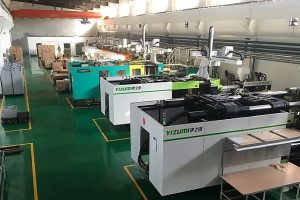
In our factory, our engineers use more than 20 years of molding experience and 47 injection molding machines from 90 ton to 1850 ton to validate brittleness countermeasures against real press capacity, mold temperature control, material drying, and cooling constraints.
Excessive injection speed beyond the required level may result in high shear stress within the mold, creating turbulence in the melt that breaks molecular chains and increases the brittleness of the part.
사출 속도
Excessive injection speedthat is beyond the required level may result in high shear stress within the mold creating turbulence on the melt breaks molecular chains and thus increases the brittleness of the part.
그러나 사출 속도가 낮거나 작으면 불균일하거나 부분적으로 채워진 부분과 내부 보이드가 발생하고 제품에 사출 성형 결함이 발생합니다. 위의 분석과 관련하여 제품의 취성을 줄이기 위해 제어해야 할 가장 중요한 매개 변수 중 하나는 해당 재료의 사출 속도입니다.
사출 압력
사출 압력이 너무 높으면 원치 않는 응력이 추가되고 분자 사슬이 끊어지며 내부 응력 집중 영역이 생성되고 공정에서 인성이 감소합니다. 낮은 사출 압력은 비균질한 제품 밀도에 영향을 미쳐 취성을 증가시킵니다. 따라서 실험을 통해 사출 압력 값을 제어하면 제품의 취성을 최소화할 수 있습니다.
용융 온도
높은 용융 온도는 재료의 열 분해를 가속화하고 분자 사슬을 파괴하며 취성을 유발합니다. 낮은 용융 온도는 유동성에 영향을 미쳐 불균일한 충진 및 품질 문제를 유발합니다.
용융 온도에 대한 다양한 재료의 민감도는 용융 온도를 특정 범위로 최적화하여 제품 인성을 개선함으로써 해결할 수 있습니다.
유지 압력 및 냉각 시간
Short holding pressure time leads to uneven internal density and increased brittleness; excessive holding time can leave residual stress in the molded part. If the product is demolded before full solidification, deformation and brittle cracking can appear later. Determining the right holding pressure, holding time, and cooling time through systematic molding trials can effectively reduce brittleness while protecting dimensional stability.
“금형 온도 증가는 사출 성형에서 취성을 줄입니다.”True
금형 온도가 높을수록 재료가 더 고르게 흐르기 때문에 내부 응력이 감소하고 취성을 방지할 수 있습니다.
“느린 냉각 속도는 항상 사출 성형에서 취성을 줄입니다.”False
냉각 속도가 느리면 취성을 줄일 수 있지만 모든 재료에 최적이 아닐 수도 있습니다. 각 소재에는 강도와 효율성의 균형을 맞추기 위한 이상적인 냉각 속도가 있습니다.
환경적 요인이 사출 성형 재료의 취성에 어떤 영향을 미칠까요?
Environmental control is required because moisture, chemical exposure, and service temperature can change toughness after molding. Hygroscopic materials need drying and storage control, while cold, hot, outdoor, or chemical-use parts need resin testing that matches the real use environment.
환경적 요인은 사출 성형 소재의 취성을 증가시키거나 감소시킬 수 있습니다. 높은 습도나 극한의 온도는 소재의 성능 저하로 이어질 수 있지만, 제어된 환경은 소재의 인성과 수명을 향상시킬 수 있습니다.
습도
Some plastic materials are highly hygroscopic, and once the plastic absorbs moisture, its mechanical properties change. For example, polyamide (nylon) can become brittle and fragile after absorbing moisture. Therefore, the humidity during production and storage should be controlled, or dehumidifiers should be used to reduce this problem.
사용 환경의 온도 변화는 플라스틱 제품의 취성에 영향을 미칩니다. 온도가 낮으면 소재가 부서지기 쉽고, 온도가 높으면 소재의 노화 및 열화가 가속화됩니다. 특정 사용 환경에 적합한 소재를 선택하고 온도 관리 조치를 취하면 온도 변화로 인해 소재가 부서지기 쉬운 영향을 극복할 수 있습니다.
화학 환경
일부 화학물질은 플라스틱 소재를 공격하여 소재의 기계적 특성을 저하시키고 일반적인 취성을 유발할 수 있습니다. 예를 들어 산성 및 알칼리성 용액과 유기 용매가 이에 해당합니다. 제품의 사용 환경을 이해하고 내화학성이 있는 소재를 선택하면 화학적 환경으로 인한 취성을 효과적으로 줄일 수 있습니다.
“환경적 요인은 사출 성형 재료의 취성을 증가시킬 수 있습니다.”True
높은 습도, 극한의 온도, 화학물질에 노출되면 소재가 약해져 금이 가거나 깨지기 쉬워질 수 있습니다.
“사출 성형 재료는 환경적 요인에 영향을 받지 않습니다.”False
환경 조건은 재료 성능에 중요한 역할을 하며, 이를 고려하지 않으면 다양한 애플리케이션에서 제품 고장으로 이어질 수 있습니다.
응력 농도 인자는 사출 성형 제품의 취성에 어떤 영향을 미칩니까?
Stress concentration is a local geometry or loading problem that makes cracks start early. Thin walls, sharp corners, weak weld lines, and assembly loads should be corrected with radius transitions, uniform wall thickness, and validation testing.
사출 성형 제품의 응력 집중 요인은 국부적인 응력을 유발하여 균열과 취성을 유발할 수 있습니다. 이러한 요인은 재료 특성, 디자인 및 성형 조건에 따라 달라집니다. 날카로운 모서리를 줄이고 설계를 최적화하면 제품 강도를 향상시킬 수 있습니다.
불합리한 구조 설계
제품 설계에서 얇은 벽과 날카로운 모서리는 국부 응력 집중을 쉽게 유발하고 취성을 증가시킬 수 있습니다. 응력이 국부적으로 집중되지 않도록 모서리를 합리적으로 둥글게 처리하거나 벽 두께를 균일하게 만들어야 합니다. 유한 요소 분석 및 기타 컴퓨터 지원 설계 소프트웨어 도구를 사용하여 설계 중에 응력을 평가하고 제품 구조를 수정할 수 있습니다.
조립 및 사용 중 스트레스
조립 및 사용 중 외력은 응력 집중의 원인이 될 수 있으며, 특히 동적 하중이 가해지는 경우 응력 집중 부위에 균열이 발생할 가능성이 높기 때문에 취성 재료가 생성될 수 있습니다. 따라서 응력 집중을 줄이고 취성을 방지하려면 적절한 조립 방법과 적절한 완충 조치를 사용해야 합니다.
내부 스트레스
사출 성형 중 불균일한 냉각과 부적절한 공정 매개변수로 인해 제품 내부에 내부 응력이 형성될 수 있습니다. 내부 응력으로 인해 제품이 힘을 받으면 부서지기 쉬워질 수 있습니다. 어닐링 처리는 내부 응력을 효과적으로 제거하고 기계적 특성을 개선할 수 있습니다.
“응력 집중 계수는 사출 성형 제품의 취성 증가로 이어집니다.”True
날카로운 모서리나 부적절한 재료 분포와 같은 요인으로 인한 국부적인 응력은 성형 부품에 균열과 취성을 유발할 수 있습니다.
“응력 집중 계수는 항상 사출 성형 제품의 취성을 유발합니다.”False
응력 집중 요인은 취성 위험을 증가시키지만 재료 강도 및 설계 최적화에 따라 항상 고장으로 이어지는 것은 아닙니다.
사출 성형 부품의 취성을 방지하기 위해 검사 및 품질 관리는 어떤 역할을 합니까?
Inspection and quality control are the safeguards that catch brittle-part risk before shipment. Based on more than 20 years of tooling and injection molding work, our team combines material testing, process-window records, first-article inspection, and functional validation.
효과적인 검사 및 품질 관리 프로세스는 재료 흐름 불량, 부적절한 냉각 또는 응력과 같은 결함을 식별하여 취성을 유발할 수 있는 모든 결함을 찾아냅니다. 제조업체는 철저한 검사를 시행함으로써 이러한 문제의 위험을 줄이고 전반적인 부품 강도를 개선할 수 있습니다.
온라인 탐지
사출 성형 생산 과정에서 X-레이 및 초음파 테스트와 같은 온라인 감지 기술을 적용하여 제품 품질을 실시간으로 개선하고 잠재적인 취성 원인을 감지 및 수정할 수 있습니다. 따라서 온라인 감지 기술을 활용하면 제품 수율과 생산 효율을 향상시킬 수 있습니다.
재료 분석
입고되는 원자재의 경우 인장 강도와 충격 강도의 품질이 생산 기준에 부합하도록 엄격하게 테스트를 수행합니다. 재료 분석을 통해 가공 전에 재료에 약점이 있는지, 생산 중에 재료가 부서지지 않는지 확인할 수 있습니다.
제품 테스트
노화 및 내한성 테스트와 같이 실제 사용 환경에 가까운 테스트 조건을 만들어 제품의 취성 문제를 조기에 발견하고 그에 따른 개선이 이루어질 수 있습니다. 제품 테스트는 제품이 원래 용도에 맞게 안전하고 효율적으로 사용되는지 확인하기 위한 품질 보증의 일부입니다.
프로세스 유효성 검사
공정 검증은 생산 전 공정이 생산에 사용되기 전에 필요한 만큼 안정적이고 신뢰할 수 있는지 확인하는 데 도움이 됩니다. 공정 검증, 소량 시험 생산 패턴, 파라미터 최적화 등. 그리고 성능 테스트는 생산 중 취성을 제어하는 데 중요한 역할을 할 수 있습니다.
“검사와 품질 관리는 사출 성형 부품의 취성을 줄입니다.”True
면밀한 검사를 통해 부품을 사용하기 전에 에어 포켓이나 부적절한 경화 등 취성을 유발하는 결함을 식별하고 수정할 수 있습니다.
“품질 관리는 항상 사출 성형 부품의 취성을 방지하기에 충분합니다.”False
품질 관리를 통해 취성을 크게 줄일 수 있지만, 재료 선택 및 금형 설계와 같은 다른 요소도 부품 고장을 방지하는 데 중요한 역할을 합니다.
사출 성형 제품의 취성을 해결하기 위한 일반적인 솔루션에는 어떤 것이 있나요?
Some common solutions to address brittleness in injection-molded products are the main categories or options explained in this section. Brittleness in injection-molded products can be addressed through various techniques like optimizing material selection, adjusting processing conditions, and adding reinforcements to improve durability and toughness.
취성을 줄이기 위한 일반적인 솔루션으로는 내충격성 폴리머 사용, 금형 온도 변경, 냉각 속도 조정, 재료 유연성 향상을 위한 필러 또는 가소제 추가 등이 있습니다. 이러한 방법은 제품의 복원력을 개선하고 파손 위험을 줄이는 데 도움이 됩니다.
재료 선택 최적화
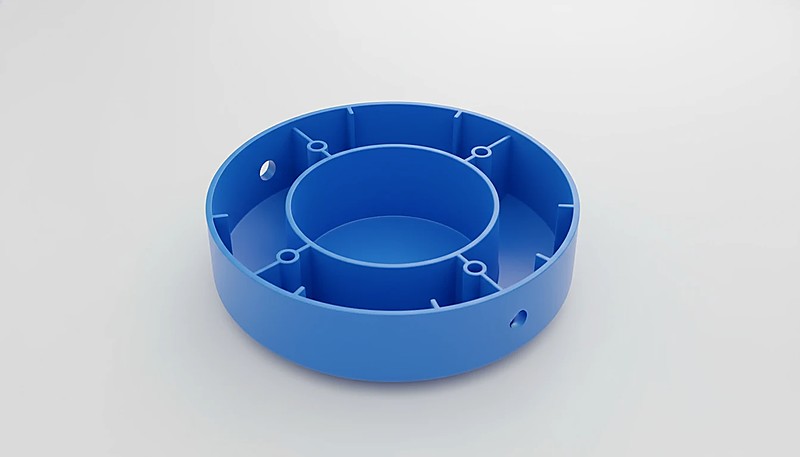
최종 용도 및 성능 요구 사항에 따라 적합한 플라스틱 유형을 선택하세요. 높은 인성이 필요한 경우 폴리에틸렌(PE) 및 폴리프로필렌(PP)과 같은 더 나은 소재를 선택할 수 있습니다. 고온 저항성 또는 화학적 내식성이 필요한 경우 폴리아미드(PA) 및 폴리에스테르(PET) 소재를 선택할 수 있습니다.
금형 설계 개선
용융물의 흐름이 균일하도록 러너와 게이트를 설계합니다. 금형 온도를 제어하여 온도가 극단적인 수준에 도달하지 않도록 합니다. 응력 집중을 줄이기 위한 수단으로 여러 개의 게이트를 사용하는 것이 좋습니다. 원활한 공기 배출을 보장하고 공극 및 응력 집중을 방지하기 위해 벤트 설계를 최적화합니다.
처리 매개변수 조정
Control the injection speed and pressure within a reasonable range to make the melt fill the mold cavity evenly and reduce internal stress. Change the melt temperature according to material properties to prevent material damage. Other process parameters such as holding pressure and cooling time should also be set to make the product material density evenly distributed and reduce the impact of residual stress.
프로덕션 환경 개선
재료의 수분 함량에 영향을 미치므로 생산 환경의 습도와 온도를 조절하세요. 민감한 품목에는 제습 장비를 사용할 수 있습니다. 화학적 환경이 재료를 부식시키지 않도록 적절한 화학적 보호 조치를 취하세요.
합리적인 구조 설계
설계 시 얇은 벽과 날카로운 모서리는 점진적인 전환 대신 제공되어서는 안 되며 벽의 두께가 동일한 것이 최선의 선택입니다. 부품 응력은 조립 및 사용 중에 균등하게 분산되어 응력 집중을 방지해야 합니다. 유한 요소 해석 소프트웨어를 사용하여 특정 제품의 구조와 관련하여 개선이 필요한 부분을 파악하세요.
탐지 및 품질 관리 강화
온라인 감지 기술을 사용하여 제품 품질을 실시간으로 모니터링합니다. 원자재를 엄격하게 테스트하여 생산 요건을 충족하는지 확인합니다. 실제 사용 환경 테스트를 시뮬레이션하여 취성 문제를 가능한 한 빨리 발견하고 개선합니다. 새로운 공정과 신소재에 대한 광범위한 공정 검증을 실시하여 안정성과 신뢰성이 있는지 확인합니다.
“내충격성 재료 사용은 사출 성형 제품의 취성을 줄입니다.”True
PC/ABS 혼합 및 폴리카보네이트와 같은 소재는 내충격성이 높아 성형 부품의 인성을 개선합니다.
“느린 냉각 속도는 항상 사출 성형 부품의 취성을 방지합니다.”False
냉각 속도가 느리면 내부 응력을 줄일 수 있지만, 지나치게 느리게 냉각하면 사이클 시간이 길어지고 뒤틀림이 발생할 수 있어 취성을 항상 방지할 수 있는 것은 아닙니다.
How Can Manufacturers Effectively Overcome Brittleness in Injection Molded Parts?
A system-level fix is the safest way to overcome brittleness in injection molded parts. The action plan should connect resin selection, mold design, drying, melt temperature, pressure control, cooling balance, and final inspection.
Injection molding is a complex process that demands comprehensive consideration of all contributing factors. By implementing the solutions outlined above—from scientific material selection to advanced online detection—production teams can systematically eliminate brittleness problems and deliver consistently high-quality products.
For a comprehensive overview of best practices across the entire injection molding process, see our Injection Molding Complete Guide. 다음 프로젝트에 전문가 지원이 필요하시다면, ZetarMold의 엔지니어링 팀이 DFM 피드백, 재료 추천 및 경쟁력 있는 견적을 제공합니다.
For a comprehensive overview of best practices across the entire injection molding process, see our Injection Molding Complete Guide[3]. If you need expert support for your next project, ZetarMold engineering team provides DFM feedback, material recommendations, and competitive quoting.
자주 묻는 질문
What is the main cause of brittleness in injection molded parts?
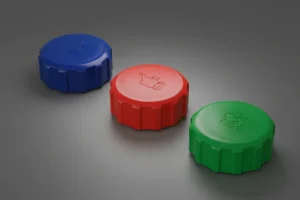
블루 사출 성형 부품은 응력 집중이 가능한 형상을 보여줍니다
How does mold design affect the brittleness of injection molded parts?
Mold design affects brittleness because it controls how plastic fills, packs, cools, and releases from the tool. Poor gate placement can create weld lines, shear stress, or uneven flow length. Unbalanced runners may leave one cavity overpacked while another is weak. Inadequate venting can trap gas and create burn marks or weak zones. Cooling channels that remove heat unevenly can lock internal stress into the part. A good mold design reduces these risks by balancing flow, venting air, and stabilizing cooling.
Can recycled materials cause brittleness in injection molding?
Yes, recycled material can cause brittleness when the ratio is too high or when the recycled stream is not controlled. Each heat history can shorten polymer chains, reduce impact strength, and introduce contamination or colorant variation. Regrind can still be useful for noncritical parts, but it needs a defined blend ratio, drying control, and mechanical testing. For structural, safety, or appearance-critical parts, the safer approach is to limit recycled content and validate toughness with actual production samples before approving mass production.
How can environmental factors be managed to prevent brittleness?
Environmental factors should be managed by matching the resin to the real service environment and then controlling storage, drying, and production conditions. Hygroscopic materials such as nylon need moisture control before molding, because absorbed water can change mechanical properties. Parts used in cold, hot, chemical, or outdoor environments need material selection and testing based on those conditions. Aging, cold impact, humidity, and chemical exposure tests help confirm that the molded part will not become brittle after shipment or daily use.
What quality control measures help prevent brittle injection molded parts?
Useful quality control measures include incoming resin inspection, moisture checks, melt temperature records, process window validation, first-article inspection, and impact or tensile testing where toughness is critical. In-process monitoring can catch abnormal pressure, speed, or temperature changes before they create brittle batches. Final inspection should look for cracks, stress whitening, weak weld lines, and dimensional distortion. The strongest prevention method is to connect material testing, DFM review, molding parameters, and production inspection into one controlled validation plan before shipment approval.
-
injection mold design: injection mold design refers to the tooling decisions that define gate placement, cooling behavior, ejection, venting, wall thickness, and other factors that influence brittleness. ↩
-
injection molding: injection molding refers to the production process that melts plastic, injects it into a mold cavity, cools the part, and repeats the cycle for stable volume manufacturing. ↩
-
ABS injection molding: ABS injection molding refers to molding acrylonitrile butadiene styrene resin where grade choice, drying, melt temperature, and mold design affect toughness. ↩


 EN
EN  ES
ES  FR
FR  DE
DE  PT
PT  AR
AR  RU
RU  JA
JA  KO
KO  IT
IT  NL
NL  TR
TR  PL
PL 