Brittleness in injection-molded parts can lead to poor performance and failure. Identifying the root causes is essential to improving part durability and production efficiency.
Brittleness in injection molded parts often stems from issues like improper material selection, incorrect processing conditions, or poor injection mold design1[1]. Solutions include adjusting the molding parameters, using impact-resistant materials, and improving cooling rates.
Addressing brittleness requires a thorough examination of material properties and process control. Learn more about how to optimize molding conditions and material choices to enhance part strength and performance.
- Brittleness usually comes from a combined material, mold, process, and use-environment failure rather than one isolated variable.
- The fastest correction path is to verify resin condition, drying, melt temperature, injection speed, holding pressure, and cooling balance in sequence.
- A production-ready solution needs DFM, material testing, and process validation so the fix does not create new warpage or dimensional risks.
“Improper cooling causes brittleness in injection molded parts.”True
Rapid or uneven cooling can cause internal stresses, leading to part brittleness. Proper cooling rates reduce stress and improve part strength.
“Using the same material for all injection molded parts eliminates brittleness.”False
Different parts require different materials depending on their function. Not all materials are suitable for every application, and incorrect material selection can lead to brittleness.
How Does the Choice of Materials Affect Brittleness in Injection Molded Products?
If you are comparing vendors or planning procurement, our supplier sourcing guide covers RFQ prep, qualification, and commercial risk checks.
The material choice in injection molding2 significantly influences the brittleness of molded products. Selecting the right material is crucial for achieving the desired durability and flexibility.
Materials like ABS, polycarbonate, and nylon provide stronger, more durable molded products. Brittleness is influenced by factors like temperature, material properties, and processing conditions, affecting product performance.
Improper Material Selection
For instance, the impact strength of polystyrene (PS) and ABS injection molding3[2] can decrease at low temperatures. Using tougher materials such as polypropylene (PP), polyethylene (PE), or impact-modified grades can improve cold resistance and reduce brittle cracking in molded parts.
Material Aging
Plastic materials are damaged over time due to factors such as heat, light, and oxygen. As the material ages, the material gradually becomes more brittle, which is due to the presence of chain structures in the material. Adding antioxidants and UV absorbers can enhance the necessary properties of the plastic material and prolong its aging process.
Excessive Use of Recycled Materials
The mechanical strength of recycled materials is usually lower than that of virgin materials. If the proportion of recycled materials is too high, it will cause the product to become brittle more easily.
In addition, recycled materials may have been degraded a little during the reprocessing step. Controlling the proportion of recycled materials and performing necessary quality checks can minimize the brittleness problems caused by the use of recycled materials.
“Choosing the right material reduces brittleness in injection molded products.”True
Materials with higher toughness, such as ABS or polycarbonate, improve the flexibility and durability of the molded product, reducing brittleness.
“All injection molded products are equally brittle regardless of material choice.”False
Different materials behave differently under stress. Some, like polycarbonate, are more impact-resistant and less brittle compared to others like polystyrene.
What Effect do Mold Design Factors Have on the Brittleness of Injection Molded Parts?
Mold design is a major brittleness control point. It controls melt flow, cooling balance, venting, and stress concentration, so poor gate location, unbalanced runners, sharp ribs, or uneven cooling can lock stress into the part.
Mold design factors like gate position and cooling time directly affect the crystallization and internal stress in molded parts, influencing their brittleness. Proper design minimizes defects and improves the part’s toughness and longevity.
Runner and Gate Design
Poor design in the runners and gates creates unequal feed of the melt, and resultant stress crack and brittle nature of the cast. Using balanced runner designs and multiple gates can help to increase the melt flow rate and avoid the increased stress concentration.
Mold Temperature Control
Both too low and too high mold temperatures can create issues with the flow of the melt and the rate of cooling. Those, in turn, will lead to material degradation in the case of high mold temperatures, while low temperatures cause issues such as poor melt flow, incomplete filling of the cavity, and internal stress. To address this problem, a temperature controller can be used to effectively control the mold temperature.
Vent Design
Proper vent designing is essential to guarantee that air will be allowed to discharge from the casting freely and formation of zones of weakness in the product that might cause concentration of stress thereby increasing the brittleness of the product. Correct vent and venting slot placement, together with the control of their geometry, allows avoiding a void near the burning-through wall and creating less stress concentrations.
“Optimizing mold design reduces brittleness in injection-molded parts.”True
Optimized gate placement and controlled cooling reduce internal stress and improve material flow, minimizing brittleness and enhancing part durability.
“Using faster cooling rates always reduces brittleness.”False
While cooling rate affects brittleness, excessively fast cooling can lead to uneven stress distribution and internal defects, potentially increasing brittleness in some cases.
How Can Processing Parameters be Adjusted to Reduce Brittleness in Injection Molding?
Processing parameter control is the fastest way to reduce brittleness after material selection. In our factory, our engineers validate trials on presses from 90 ton to 1850 ton so the final process window works under real production conditions.
In our factory, our engineers use more than 20 years of molding experience and 47 injection molding machines from 90 ton to 1850 ton to validate brittleness countermeasures against real press capacity, mold temperature control, material drying, and cooling constraints.
Excessive injection speed beyond the required level may result in high shear stress within the mold, creating turbulence in the melt that breaks molecular chains and increases the brittleness of the part.
Injection Speed
Excessive injection speedthat is beyond the required level may result in high shear stress within the mold creating turbulence on the melt breaks molecular chains and thus increases the brittleness of the part.
However, if the injection speed is low or small, it results in non-uniform or in part filled sections and inside voids and injection molding defect in the product. In relation to the above analysis, one of the most important parameters to control in order to reduce the brittleness of the product is the injection speed of the material in question.
Injection Pressure
Injection pressures that are too high add unwanted stresses, break molecular chains, create areas of internal stress concentrations, and decrease the toughness in the process. Low injection pressure has impacts on non-homogeneous product density so it increases brittleness. Thus, controlling the value of injection pressure through experiments can minimize the brittleness of the product.
Melt Temperature
High melt temperature accelerates thermal degradation of materials, destroys molecular chains and causes brittleness. Low melt temperature affects fluidity, leading to uneven filling and quality problems.
The sensitivity of different materials to melt temperature can be solved by optimizing the melt temperature to a certain range to improve product toughness.
Holding Pressure and Cooling Time
Short holding pressure time leads to uneven internal density and increased brittleness; excessive holding time can leave residual stress in the molded part. If the product is demolded before full solidification, deformation and brittle cracking can appear later. Determining the right holding pressure, holding time, and cooling time through systematic molding trials can effectively reduce brittleness while protecting dimensional stability.
“Increasing mold temperature reduces brittleness in injection molding.”True
Higher mold temperatures allow the material to flow more evenly, reducing internal stresses and preventing brittleness.
“Slower cooling rates always reduce brittleness in injection molding.”False
While slower cooling rates can reduce brittleness, it may not be optimal for all materials. Each material has its ideal cooling rate to balance strength and efficiency.
How do Environmental Factors Affect the Brittleness of Injection Molded Materials?
Environmental control is required because moisture, chemical exposure, and service temperature can change toughness after molding. Hygroscopic materials need drying and storage control, while cold, hot, outdoor, or chemical-use parts need resin testing that matches the real use environment.
Environmental factors can increase or decrease the brittleness of injection-molded materials. High humidity or extreme temperatures may lead to material degradation, while controlled environments can enhance material toughness and longevity.
Humidity
Some plastic materials are highly hygroscopic, and once the plastic absorbs moisture, its mechanical properties change. For example, polyamide (nylon) can become brittle and fragile after absorbing moisture. Therefore, the humidity during production and storage should be controlled, or dehumidifiers should be used to reduce this problem.
Temperature changes in the use environment will affect the brittleness of plastic products. Low temperatures will make the material brittle, and high temperatures will accelerate the aging and degradation of the material. Selecting materials suitable for specific use environments and taking temperature control measures can overcome the effect of temperature changes making the material brittle.
Chemical Environment
Some chemicals can attack the plastic materials thus resulting into a deterioration of the mechanical properties of the material and general brittleness. For example, acidic and alkaline solutions and organic solvents. Understanding the use environment of the product and selecting materials with chemical resistance can effectively reduce brittleness caused by the chemical environment.
“Environmental factors can increase brittleness of injection-molded materials.”True
Exposure to high humidity, extreme temperatures, and chemicals can weaken the material, making it more prone to cracking or breaking.
“Injection-molded materials are unaffected by environmental factors.”False
Environmental conditions play a crucial role in material performance, and failure to account for them can lead to product failures in various applications.
How Do Stress Concentration Factors Affect the Brittleness of Injection Molded Products?
Stress concentration is a local geometry or loading problem that makes cracks start early. Thin walls, sharp corners, weak weld lines, and assembly loads should be corrected with radius transitions, uniform wall thickness, and validation testing.
Stress concentration factors in injection molded products can cause localized stress, leading to cracks and brittleness. These factors depend on material properties, design, and molding conditions. Reducing sharp corners and optimizing design can enhance product strength.
Unreasonable Structural Design
Thin walls and sharp corners in product design can easily cause local stress concentration and increase brittleness. Reasonable rounded corner transition or uniform wall thickness should be adopted to avoid stress regional concentration. Finite element analysis and other computer-aided design software tools can be used to evaluate stress and modify product structure during design.
Stress During Assembly and Use
In assembling and during usage external forces can be a source of concentrated stresses which in turn can lead to the creation of brittle materials especially where dynamic loads are being applied because the stress concentration area is likely to develop cracks. So reducing stress concentration and avoiding brittleness; it is necessary to use proper assembly methods as well as proper buffering measures.
Internal Stress
Due to uneven cooling and improper processing parameters during injection molding, internal stress may form within the product. Internal stress can make the product more prone to brittleness under force. Annealing treatment can effectively eliminate internal stress and improve mechanical properties.
“Stress concentration factors lead to increased brittleness in injection molded products.”True
Localized stress caused by factors such as sharp corners or improper material distribution can lead to cracks and brittleness in molded parts.
“Stress concentration factors always cause brittleness in injection molded products.”False
Stress concentration factors increase the risk of brittleness but do not always lead to failure, depending on material strength and design optimization.
What Role Does Inspection And Quality Control Play in Preventing Brittleness in Injection Molded Parts?
Inspection and quality control are the safeguards that catch brittle-part risk before shipment. Based on more than 20 years of tooling and injection molding work, our team combines material testing, process-window records, first-article inspection, and functional validation.
Effective inspection and quality control processes identify defects like poor material flow, improper cooling, or stress, all of which can lead to brittleness. By implementing thorough checks, manufacturers can reduce the risk of these issues and improve the overall part strength.
Online Detection
During the injection molding production it is possible to apply online detection technologies such as X-ray and ultrasonic testing which enable the real time improvement of product quality and the detection and correction of potential brittleness sources. Thus, utilisation of online detection technologies enhance the product yield and production efficiency of a business.
Material Analysis
In the case of incoming raw material, testing is carried out strictly so that the quality of tensile strength and the impact strength of the material is up to the production standards. Material analysis can determine if there is any possible weakness in the material before it is processed and during production it does not turn brittle.
Product Testing
Test conditions close to actual use can be created, such as aging and cold resistance tests, to detect product brittleness problems early and make corresponding improvements. Product testing is part of quality assurance to ensure that products are used safely and efficiently for their intended use.
Process Validation
Process validation helps to establish that processes before they are produced are as stable and reliable as is required before they are used in production. Process validation, patterns of small-batch trial production, parameter optimization, etc. , and performance testing can play an important role in controlling the brittleness during production.
“Inspection and quality control reduce brittleness in injection molded parts.”True
Through careful inspection, defects leading to brittleness, such as air pockets or improper curing, can be identified and corrected before parts are used.
“Quality control is always sufficient to prevent brittleness in injection molded parts.”False
While quality control significantly reduces brittleness, other factors like material choice and mold design also play a key role in preventing part failure.
What are Some Common Solutions to Address Brittleness in Injection-Molded Products?
Some common solutions to address brittleness in injection-molded products are the main categories or options explained in this section. Brittleness in injection-molded products can be addressed through various techniques like optimizing material selection, adjusting processing conditions, and adding reinforcements to improve durability and toughness.
Common solutions to reduce brittleness include using impact-resistant polymers, modifying mold temperature, adjusting cooling rates, and adding fillers or plasticizers to enhance material flexibility. These methods help improve the product’s resilience and reduce breakage risks.
Optimizing Material Selection
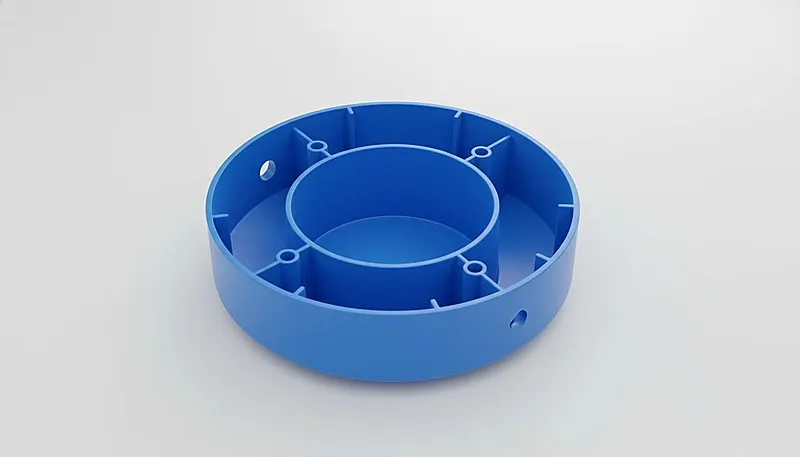
Choose the right plastic type according to the end use and performance requirements. When high toughness is required, you can choose better materials such as polyethylene (PE) and polypropylene (PP). When high temperature resistance or chemical corrosion resistance is required, you can choose polyamide (PA) and polyester (PET) materials.
Improving Mold Design
Design runners and gates to ensure uniform melt flow. Control mold temperature to ensure that the temperature does not reach extreme levels. It is recommended to use multiple gates as a means to reduce stress concentration. Optimize vent design to ensure smooth air discharge and avoid voids and stress concentration.
Adjusting Processing Parameters
Control the injection speed and pressure within a reasonable range to make the melt fill the mold cavity evenly and reduce internal stress. Change the melt temperature according to material properties to prevent material damage. Other process parameters such as holding pressure and cooling time should also be set to make the product material density evenly distributed and reduce the impact of residual stress.
Improving Production Environment
Control the humidity and temperature of the production environment, as this will affect the moisture content of the materials. Dehumidification equipment can be used for sensitive items. Take appropriate chemical protection measures to avoid chemical environment from corroding materials.
Reasonable Structural Design
In the design the thin walls and sharp corners should not be provided instead of this gradual transitions and equal thickness of the walls are the best option. The component stress should be equally distributed during assembly and use so that stress concentration is avoided. Make use of the finite element analysis software to determine areas of improvement with regards to the structure of specific products.
Enhancing Detection and Quality Control
Use online detection technology to monitor product quality in real time. Strictly test raw materials to ensure that they meet production requirements. Simulate actual use environment testing to detect brittleness problems as early as possible and make improvements. Conduct extensive process verification of new processes and new materials to determine whether they are stable and reliable.
“Using impact-resistant materials reduces brittleness in injection-molded products.”True
Materials like PC/ABS blends and polycarbonate offer higher impact resistance, improving the toughness of molded parts.
“Slower cooling rates always prevent brittleness in injection-molded parts.”False
While slower cooling can reduce internal stresses, overly slow cooling may lead to longer cycle times and potential warping, which does not always prevent brittleness.
How Can Manufacturers Effectively Overcome Brittleness in Injection Molded Parts?
A system-level fix is the safest way to overcome brittleness in injection molded parts. The action plan should connect resin selection, mold design, drying, melt temperature, pressure control, cooling balance, and final inspection.
Injection molding is a complex process that demands comprehensive consideration of all contributing factors. By implementing the solutions outlined above—from scientific material selection to advanced online detection—production teams can systematically eliminate brittleness problems and deliver consistently high-quality products.
For a comprehensive overview of best practices across the entire injection molding process, see our Injection Molding Complete Guide. If you need expert support for your next project, ZetarMold’s engineering team provides DFM feedback, material recommendations, and competitive quoting.
For a comprehensive overview of best practices across the entire injection molding process, see our Injection Molding Complete Guide[3]. If you need expert support for your next project, ZetarMold engineering team provides DFM feedback, material recommendations, and competitive quoting.
Frequently Asked Questions
What is the main cause of brittleness in injection molded parts?
The main cause is usually a combined failure across resin selection, drying, melt temperature, injection speed, holding pressure, and cooling balance. A material that looks acceptable on a data sheet can still become brittle if it absorbs moisture, overheats in the barrel, cools unevenly, or carries too much internal stress after packing. The practical correction path is to verify resin grade, check moisture content, review processing windows, inspect gate and cooling design, and run controlled trials before changing multiple variables at once.
How does mold design affect the brittleness of injection molded parts?
Mold design affects brittleness because it controls how plastic fills, packs, cools, and releases from the tool. Poor gate placement can create weld lines, shear stress, or uneven flow length. Unbalanced runners may leave one cavity overpacked while another is weak. Inadequate venting can trap gas and create burn marks or weak zones. Cooling channels that remove heat unevenly can lock internal stress into the part. A good mold design reduces these risks by balancing flow, venting air, and stabilizing cooling.
Can recycled materials cause brittleness in injection molding?
Yes, recycled material can cause brittleness when the ratio is too high or when the recycled stream is not controlled. Each heat history can shorten polymer chains, reduce impact strength, and introduce contamination or colorant variation. Regrind can still be useful for noncritical parts, but it needs a defined blend ratio, drying control, and mechanical testing. For structural, safety, or appearance-critical parts, the safer approach is to limit recycled content and validate toughness with actual production samples before approving mass production.
How can environmental factors be managed to prevent brittleness?
Environmental factors should be managed by matching the resin to the real service environment and then controlling storage, drying, and production conditions. Hygroscopic materials such as nylon need moisture control before molding, because absorbed water can change mechanical properties. Parts used in cold, hot, chemical, or outdoor environments need material selection and testing based on those conditions. Aging, cold impact, humidity, and chemical exposure tests help confirm that the molded part will not become brittle after shipment or daily use.
What quality control measures help prevent brittle injection molded parts?
Useful quality control measures include incoming resin inspection, moisture checks, melt temperature records, process window validation, first-article inspection, and impact or tensile testing where toughness is critical. In-process monitoring can catch abnormal pressure, speed, or temperature changes before they create brittle batches. Final inspection should look for cracks, stress whitening, weak weld lines, and dimensional distortion. The strongest prevention method is to connect material testing, DFM review, molding parameters, and production inspection into one controlled validation plan before shipment approval.
-
injection mold design: injection mold design refers to the tooling decisions that define gate placement, cooling behavior, ejection, venting, wall thickness, and other factors that influence brittleness. ↩
-
injection molding: injection molding refers to the production process that melts plastic, injects it into a mold cavity, cools the part, and repeats the cycle for stable volume manufacturing. ↩
-
ABS injection molding: ABS injection molding refers to molding acrylonitrile butadiene styrene resin where grade choice, drying, melt temperature, and mold design affect toughness. ↩