あなたのプロジェクトには、一つの組み立て品に収まる5つのプラスチック部品があります。5つの別々の金型を作ることもできますが、ファミリー金型を使用すれば工具費用を40-60%削減できます。ただし、ファミリー金型は部品の容量、肉厚、サイクル要件が類似している場合のみ費用を節約できます。そうでない場合、品質問題が発生し、工具で節約した費用をすべて失うことになります。
20年間のファミリー金型運用の中で、非常に効率的な8キャビティファミリー工具から、部品の不一致によりスクラップが多すぎてプロジェクトが個別金型に戻された高価な失敗まで、あらゆるケースを見てきました。このガイドでは、ファミリー金型設計が有効な場合、無効な場合、そして鋼材にコミットする前にその違いを見極める方法を詳細に解説します。
- ファミリー金型は複数の部品形状を一つの工具に組み合わせ、金型コストを40~60%削減します。
- 部品は類似した体積(20%以内)、肉厚、材料要件を共有する必要があります。
- バランスの取れたランナー設計は、ファミリー金型レイアウトにおいて最も重要な工学的決定事項です。
- 充填バランスの崩れはショートショット、フラッシュ、キャビティ間の寸法ばらつきを引き起こします。
- 中程度の生産量(年間5,000~100,000個)で3~8個の関連部品からなるアセンブリにファミリー金型を使用します。
ファミリー射出金型とは何ですか?
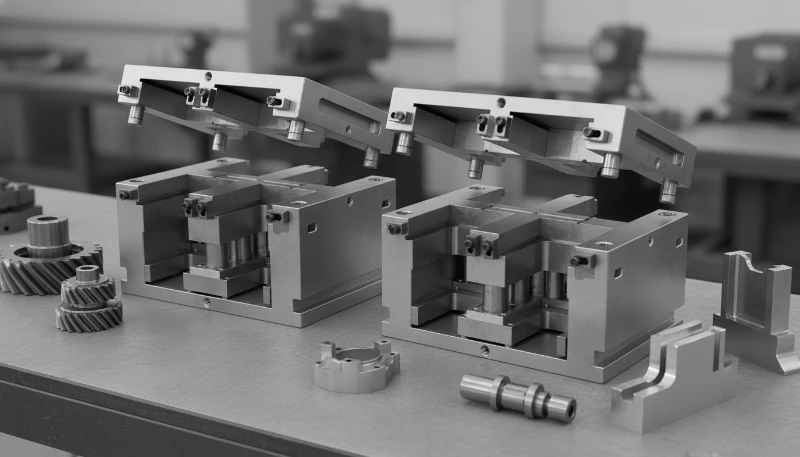
ファミリー射出金型は、2つ以上の異なる部品形状のキャビティを保持する単一の金型ベースで、毎サイクル完全なセットを生産します。多キャビティ金型(同一部品)とは異なり、ファミリー金型は異なる形状を組み合わせます — 通常、同じアセンブリで一緒に出荷される部品です。
定義上の特徴は、各キャビティが異なる部品を生産するが、すべての部品が共有のランナーシステムを通じて射出されることです。つまり、ファミリー内のすべての部品は、同じ材料、互換性のある溶融温度、重複する最適なサイクル時間など、類似した加工条件下で成形可能でなければなりません。
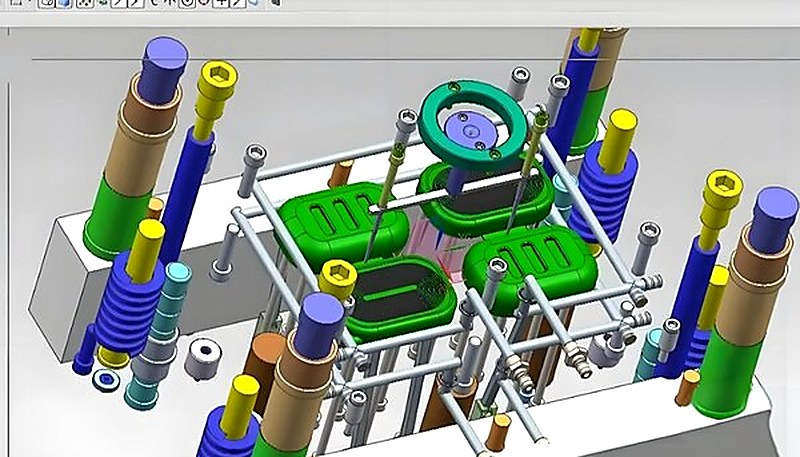
一般的な例には、筐体セット(上面+底面カバー)、歯車列(1ショットで複数の歯車サイズ)、コネクタハウジング(オス側+メス側)などがあります。当社工場では、電子機器筐体用のファミリー金型を稼働しており、単一の工具で上面シェル、底面シェル、バッテリードア、ボタンパネル — 1プレスサイクルで4つの異なる部品を生産します。ファミリー射出金型
ファミリー金型はいつ費用を節約しますか?
ファミリー金型は、金型と生産コストの合計が各部品ごとに個別の金型を使用する場合よりも低い場合に費用を節約します。節約は通常、金型投資の削減、部品あたりの機械時間の短縮、ロジスティクスの簡素化の3つの分野からもたらされます。
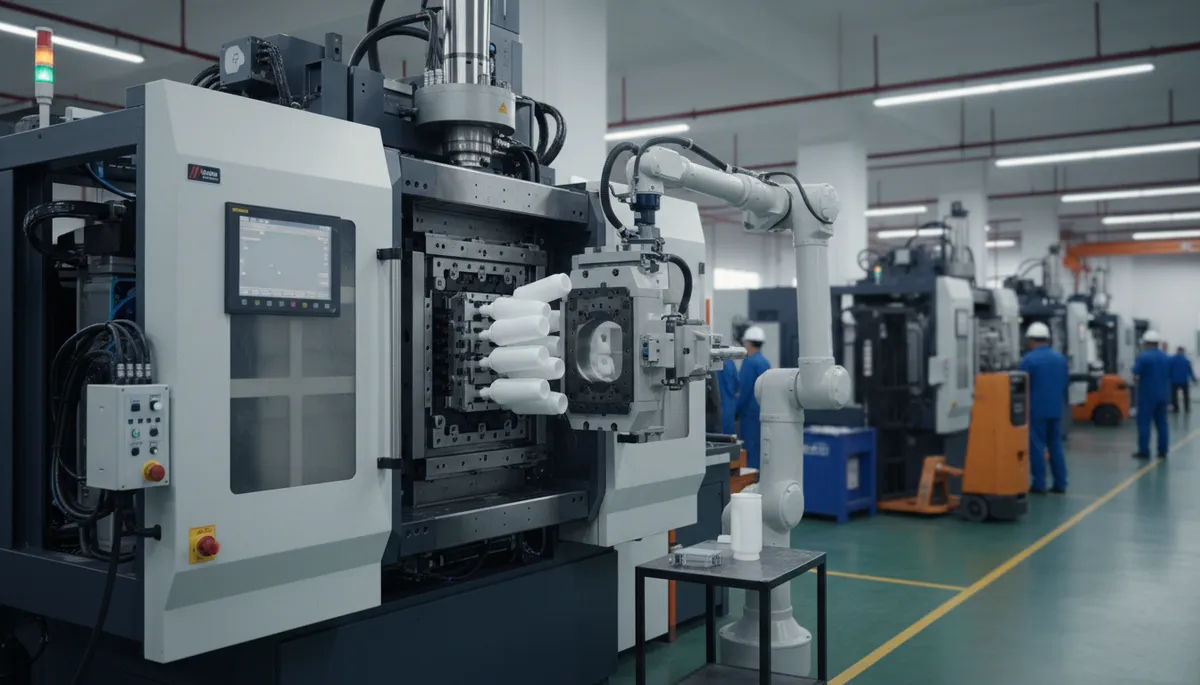
当社の上海工場では、90トンから1850トンまでの45台の射出成形機を稼働しています。ファミリー金型は通常、200トンから450トンの機械で稼働し、プレスはより広い金型ベースに対応できる大きさですが、時間あたりの機械料金がペナルティになるほど大きくはありません。典型的な4キャビティファミリー金型の場合、金型コストは12,000~25,000ドルで、個別金型の8,000~15,000ドル×4と比較すると、明らかな節約になります。
金型コスト削減額
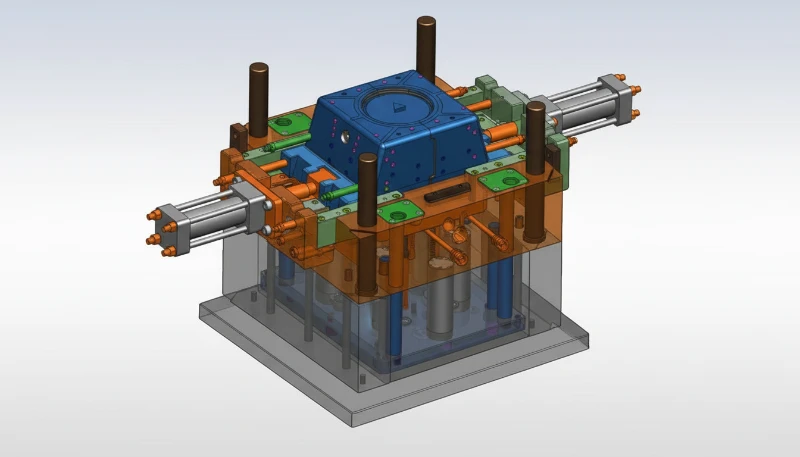
最大の初期費用削減です。一つの金型ベース、一組のガイドピン、一つの押出システム。基本的に、複数の部品に対して金型の「インフラコスト」を分割し、各部品ごとに個別に支払うのを避けます。トレードオフとして、金型ベースは大きくなり、各キャビティには独自の加工、研磨、場合によっては冷却レイアウトが必要です。
| ファクター | 個別金型(×4) | ファミリー金型(4キャビティ) |
|---|---|---|
| 金型ベース費用 | $2,000 × 4 = $8,000 | $4,000(一つの大型ベース) |
| キャビティ加工 | $6,000 × 4 = $24,000 | $6,000 × 4 = $24,000 |
| ガイドシステム+エジェクター | 1,500ドル × 4 = 6,000ドル | $2,500(共有) |
| 金型総費用 | $38,000 | $30,500 |
| 10,000セットあたりの機械時間 | 4 × 個別のサイクル | 1 × 結合されたサイクル |
「ファミリー金型は、すべてのキャビティで一つの金型ベース、一組のガイドピン、一つの射出システムを共有します。」True
共有インフラストラクチャは一度だけ支払われ、部品ごとに支払われるわけではありません。キャビティ加工費用は同じままです。各キャビティは依然として個別の切削が必要です。
「ファミリー金型のすべてのキャビティは同じ冷却回路を共有します。」False
各キャビティは独自の冷却回路を持つべきです。異なる形状は異なる熱容量を持つため、共有冷却ラインは高温部分と低温部分を作り出します。
機械時間効率
すべての部品を1サイクルで生産することは、4つのセットアップ、オペレーター、機械ではなく、1つで済むことを意味します。機械稼働率が1時間あたり$30~$60ドルの場合、その効果は急速に累積します。年間50,000セットの4部品アセンブリーの場合、機械時間の節約だけで年間$8,000~$15,000に達することがあります。
物流と在庫
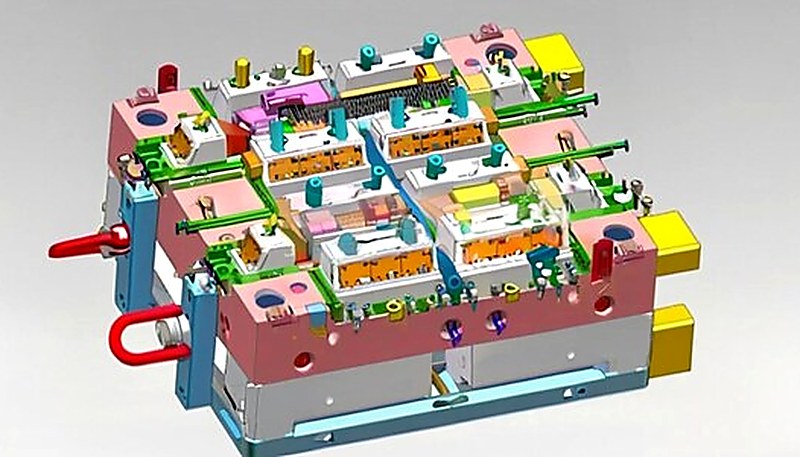
ファミリー金型は組み合わせ部品を自動的に同数生産します。1ショットで各部品がちょうど1個ずつ得られます。ロット番号の不一致や、上カバーが10,000個あるのに下ケースは6,000個しかないといった在庫の不均衡がありません。JIT生産やリーン生産環境では、この同期効果が金型費用の直接的な削減額を上回る価値を持つことがよくあります。ランナーシステム1
ファミリー金型が高くなるのはどのような場合?
部品形状が大きく異なり、効率的に一緒に加工できない場合、ファミリー金型は別々の金型よりも高くなります。最も一般的な落とし穴は、工具費用の節約が紙面上では素晴らしく見えるが、品質問題、サイクルの遅延、不良率の増加による部品単価のペナルティが、事前に節約したすべての費用を帳消しにするということです。
容量の不一致(#1キラー)
ファミリー内のある部品の体積が最小部品より30%大きい場合、大きいキャビティは最後に、異なる圧力条件で充填されます。その結果、寸法のばらつき、大きいキャビティでのショートショット、小さいキャビティでのバリが生じる可能性があります。当社の目安は、キャビティ体積2に基づく流量制限対策なしに、いずれかの部品が平均キャビティ体積の120%を超えるファミリー金型設計は採用しないことです。
これを無視するとどうなるか?2ccから18ccまで部品体積が異なる5キャビティのファミリーモールドをクライアントが強硬に主張したプロジェクト例があります。18cc部品は35秒のサイクルが必要でしたが、2cc部品は12秒で完全に充填された後、さらに23秒間圧力下に置かれ続けました。その結果、過充填、焼き付き、寸法ずれが発生し、スクラップ率は15%に達しました。プロジェクトは最終的に2つの別々の金型に再設計されました。
サイクルタイムの悪化
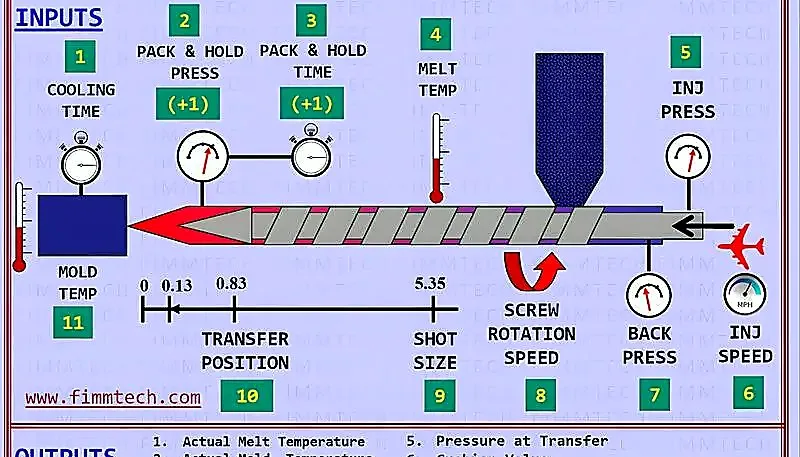
ファミリーモールドのサイクルタイムは、ファミリー内で最も肉厚な部分によって決まります。ある部品の肉厚が4mmで他の部品が1.5mmの場合、射出全体がその肉厚部分の冷却を待つことになります。これにより、薄肉部品だけを別の金型で成形する場合と比べて、サイクルタイムが2倍から3倍になることがあります。
材料の衝突
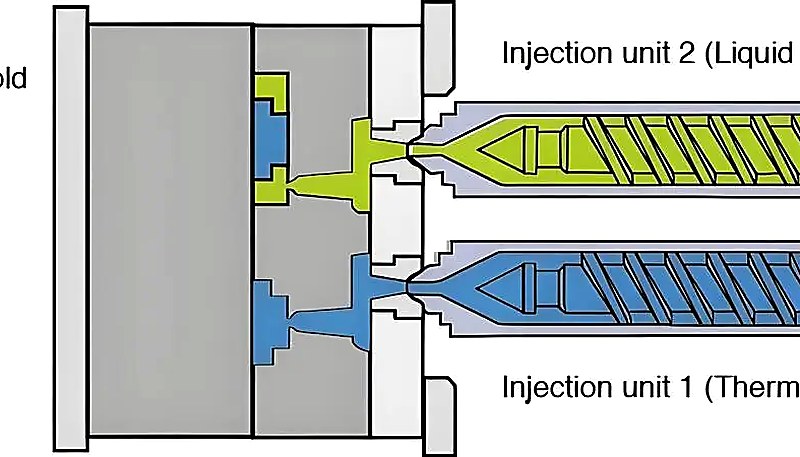
ファミリーモールド内の全キャビティは同一材料を使用しなければなりません。組み立て品にABSの剛性部品とTPEの柔軟スナップフィット部品が必要な場合、ファミリーモールドは適用できません(多材料成形金型は全く別技術です)。全部品が同一材料ファミリーを使用可能な場合でも、色の違いには別々の成形が必要です。青と赤の部品を同一ショットで成形することはできません。
ファミリー金型におけるランナー設計のバランスはどうすればよいですか?
ランナーバランスはファミリーモールド設計における重要な工程ステップです。各分岐は流動抵抗を均等化するようにサイズ設定され、すべてのキャビティが同じ射出圧力下で同時に充填されることを保証します。これは鋼材加工前にシミュレーションで検証されます。
ランナーシステムはファミリーモールド設計の成否を分けます。バランスの悪いランナーでは、一部のキャビティが他より先に充填され、過充填キャビティはバリが発生し、充填不足キャビティはショートショットになります。標準的な多キャビティ金型ではキャビティを対称的に配置しますが、ファミリーモールドでは各キャビティの流動抵抗が異なるため、ランナー径の調整、流量制限機構、またはバルブゲートで補償する必要があります。
人工的バランス調整法
自然な幾何学的バランスが不可能な場合(ファミリー金型ではほとんどの場合)、エンジニアは3つのアプローチを使用します:
- ランナー径の調整:太いランナーで大容量キャビティへ供給し、細いランナーで小容量キャビティへの流れを制限します。最も単純な方法ですが調整範囲は限られます。ランナーを細くしすぎると早期に固化して流れが止まります。
- 流量制限器:ランナー経路に挿入し、意図的な圧力損失を生じさせる小さなオリフィスです。効果的ですが、複雑さと潜在的な故障箇所が増えます。
- バルブゲート:各キャビティのゲートを時系列で個別に開閉制御します。最も精密な方法ですが、金型費用がキャビティ当たり3,000~8,000ドル増加します。
当社の経験では、ファミリーモールドにおける金型流動解析は任意ではなく必須です。シミュレーション費用($500〜$1,500)は、金型完成後にランナーシステムを再加工する費用に比べれば微々たるものです。当社は全てのファミリーモールドプロジェクトでMoldflowを実行しており、約30%のケースでシミュレーション結果に基づき初期ランナーレイアウトの調整が必要となります。
「ランナー径調整はファミリーモールドの充填バランスをとる最も単純な方法ですが、調整範囲は限られています。」True
太いランナーは体積の大きいキャビティへ供給し、細いランナーは小キャビティへの流れを制限します。ただし、ランナーが細すぎると早期に凍結してしまう限界があります。
「バルブゲートはファミリーモールドをバランスさせる最も安価な方法です。」False
バルブゲートは金型コストをキャビティあたり$3,000〜$8,000増加させ、最も精密ではあるが最も高価なバランス調整方法となります。
ファミリー金型のレイアウトにおける設計規則とは?
5つのレイアウトルールは、整合した肉厚(比率≤1.5倍)、バランスされたランナー充填、キャビティごとの独立ゲート制御、一致した取り出しストローク、および数量ロック計画です。2つ以上のルールを同時に違反すると、通常は実現不可能な設計となります。
ルール1:体積整合(20%以内)
すべてのキャビティのショット容量は平均値の20%以内であるべきです。容量差が大きいほど、ランナーバランス調整がより複雑になり、プロセス不安定のリスクが高まります。部品間の差が30%を超える場合は、複数のファミリーモールドへの分割または個別モールドの使用を検討してください。
ルール2:肉厚の互換性
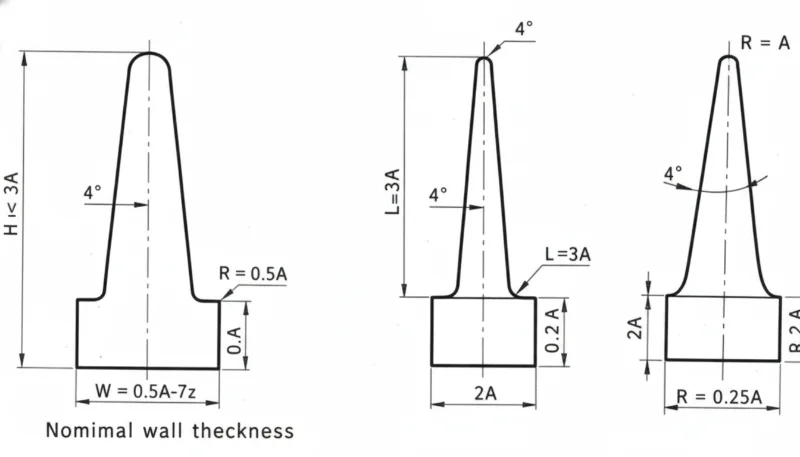
すべてのキャビティの最大肉厚は最小肉厚の2倍を超えてはなりません。これにより冷却時間が管理可能な範囲内に収まります。一方の部品に5mmのボスがあり、他の部品の名目肉厚が1.5mmの場合、サイクル全体が最も厚い形状のために遅延します。
ルール3:投影面積チェック
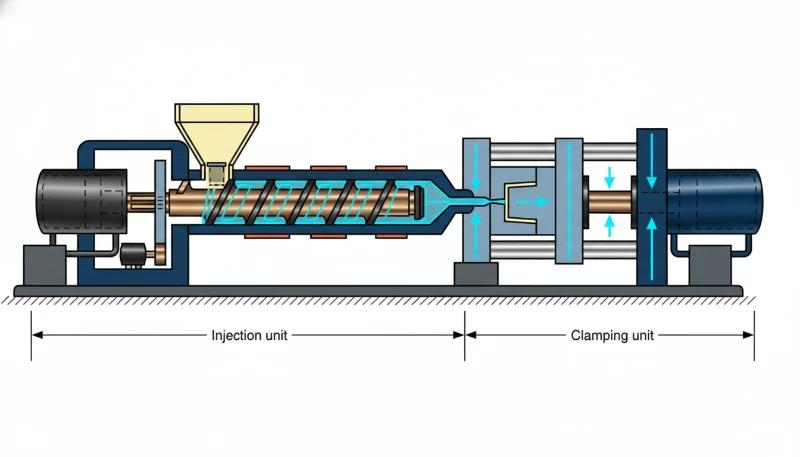
全キャビティとランナーシステムの総投影面積によって必要な型締力が決まります。ファミリー金型は単一キャビティ金型より投影面積が大きいため、より大型の成形機が必要です。計算式:型締力(トン)=総投影面積(cm²)×射出圧力(kg/cm²)×安全率(1.1~1.2)。型締力3
ルール4:キャビティごとの独立冷却
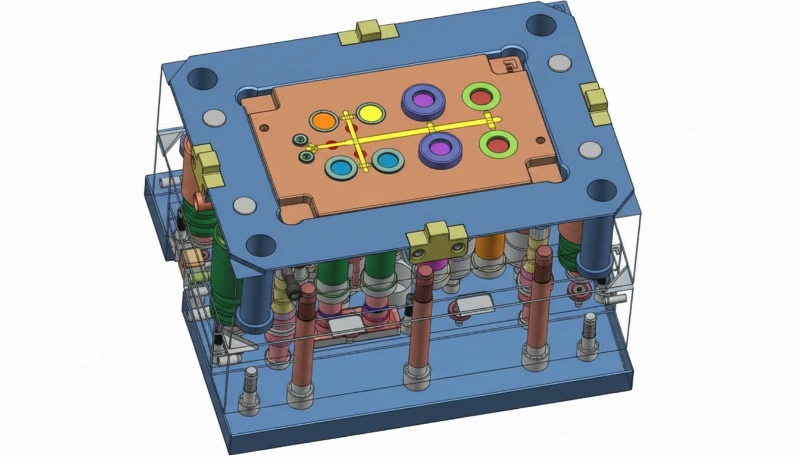
各キャビティには独自の冷却回路が必要です。ファミリーモールドのキャビティは熱容量と形状が異なるため、冷却速度も異なります。個別回路によりキャビティごとに流量を調整し、均一な冷却を実現できます。共有冷却ラインはホットスポットとコールドスポットを生み、反りや寸法ばらつきの原因となります。
ルール5:独立した取り出し
各キャビティには独自の取り出し戦略が必要です。薄肉部品にはストリッパープレートが必要な場合があり、深絞り部品にはリフターが必要です。最も要求の厳しいキャビティ向けに取り出しシステムを設計し、それをすべてのキャビティに一律に適用すると、より単純な方法で済む場合に不必要な複雑さとコストが追加されます。
ファミリー金型と個別金型の選択方法は?
ファミリー金型は、部品が同じ樹脂を使用し、1:1の比率で出荷され、肉厚が1.5倍以内の場合に適した選択です。それ以外の場合、個別の金型はより良い制御と総コストの削減を提供します。決定は年間生産量、組み立て関係、品質許容度に基づきます。
| ファクター | ファミリーモールドを選択 | 個別モールドを選択 |
|---|---|---|
| 年間生産量 | 5K〜100Kセット | 部品あたり>200Kセット |
| 部品体積範囲 | 2:1比率以内 | 部品間の比率>3:1 |
| 公差 | ±0.1mm またはそれ以上緩和 | 厳しい公差(±0.05mm) |
| 素材 | すべての部品で同じ | 異なる材料が必要 |
| サイクル感度 | 低〜中程度 | 高速生産 |
| カラーバリエーション | すべてのパーツが同じ色 | 複数の色が必要 |
ZetarMoldでファミリ金型プロジェクトを見積もる際、当社は予想生産量にわたる両シナリオ — ファミリ金型の総コスト対個別金型の総コスト — をモデル化します。損益分岐点が予想生産量の60%未満の場合、ファミリ金型を推奨します。プロジェクトの初回生産が完了する前にファミリ金型のコストが高くなり始める場合は、リスクとしてフラグを立てます。
当社では月に100セット以上の射出金型を納品し、平均10年以上の経験を持つ8人のシニア金型エンジニアが、着手前にすべてのファミリ金型のリクエストをシミュレーションで評価します。初期のファミリ金型に関する問い合わせの約40%は、シミュレーションにより顧客の実際の生産量ではコスト削減が実現しないことが示されるため、2つの小さなファミリ金型に分割されるか、個別金型に変換されるように再設計されます。
ファミリー金型に特有の品質問題は何ですか?
ファミリーモールドは、単一キャビティ金型や対称的な多キャビティ金型には存在しない品質上の課題をもたらします。最も一般的な3つの課題は、キャビティ間の寸法バラツキ、低抵抗キャビティでのフラッシュ、そして同一ショット内の部品間での表面仕上げの不一致です。
キャビティ間のバラツキ
ランナーがバランスされていても、各キャビティはわずかに異なる実効圧力で作動します。対称的な金型では、このバラツキは予測可能で微小です。ファミリーモールドでは、バラツキは非対称になります。最大のキャビティは最小のキャビティよりも10~15%低い保圧圧力になる可能性があります。これは、各パーツが独自の金型で成形された場合には存在しない、同一ショット内のパーツ間の寸法差として現れます。
対策は、成形条件範囲を狭くすること、キャビティ別の寸法検査頻度を増やすこと、ファミリー金型部品のCpk分布が個別成形部品よりわずかに広くなることを受け入れることです。組立品の4部品すべてを公称値±0.03 mm以内に収める必要がある場合、ファミリー金型では一貫して達成できない可能性があります。Cpk4
フラッシュとショートショット
これらは表裏一体の問題です。ランナーが完全にバランスされていない場合、抵抗の高いキャビティ(狭いゲートを持つ小部品)はショートショットを起こし、抵抗の低いキャビティ(広いゲートを持つ大部品)はフラッシュを発生させる可能性があります。ショートショットを修正するために射出圧力を上げると、フラッシュは悪化します。フラッシュを修正するために圧力を下げると、ショートショットは悪化します。唯一の真の解決策はランナーの再バランスであり、それは金型の修正を意味します。
表面仕上げの不均一性
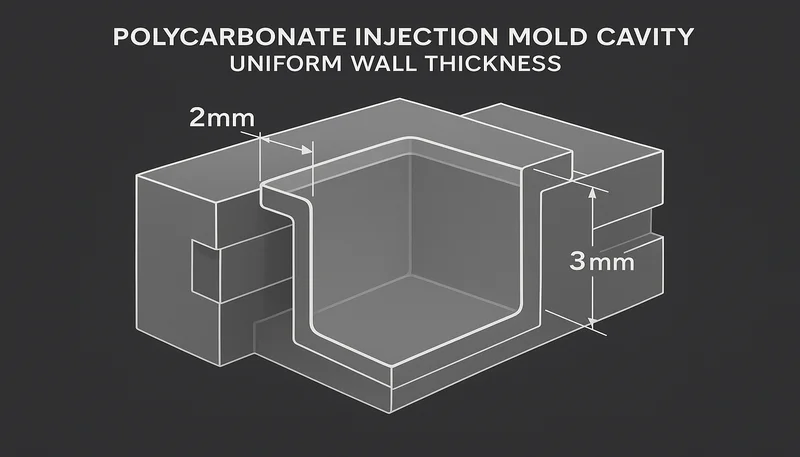
異なるキャビティ形状は異なる速度で冷却され、光沢レベル、テクスチャ再現性、および溶接線の見え方に影響します。均一な2mm肉厚のフラットなカバーは、同じショットで成形される4mm厚のブラケットとは異なる表面仕上げになります。これは、外観が重要な可視的な消費財エンクロージャーにおいて最も重要です。
代替案と比較したファミリー金型のコストは?
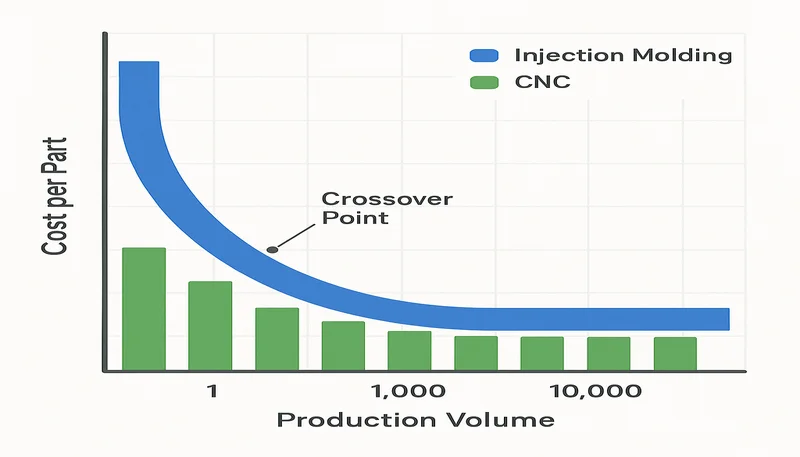
ファミリーモールド金型は、同等の個別金型よりも40~70%安価です。パーツ単価は、肉厚の一致度と体積比率に応じて、5%安い場合から30%高い場合まで幅があります。総コストには、金型費、生産費、スクラップ、品質管理費を含める必要があります。
年間30,000セット、3年間にわたる4部品の電子機器筐体の現実的なコスト比較を以下に示します:
| コスト構成要素 | 4つの個別金型 | 1 ファミリーモールド |
|---|---|---|
| 金型製作 | $40,000 | $22,000 |
| 年間生産量(×3年) | $45,000 | $38,000 |
| スクラップと手直し(推定) | $4,500 | $7,000 |
| 品質管理のオーバーヘッド | $3,000 | $5,000 |
| 3年総計 | $92,500 | $72,000 |
このシナリオでは、ファミリーモールドは3年間で20,500ドル(約22%)を節約します。しかし、より高いスクラップコストと品質管理コストに注目してください。もし部品の互換性が低ければ(異なる肉厚、厚いボスを持つ部品など)、スクラップによる損失が節約分全体を簡単に帳消しにする可能性があります。
ファミリー射出金型設計:よくある質問
ファミリーモールドとマルチキャビティモールドの違いは何ですか?
マルチキャビティ金型は各キャビティで同一の部品を生産しますが、ファミリー金型は同一ショット内で異なる部品を生産します。マルチキャビティ金型は各キャビティの流動抵抗が同一であるため、バランス調整が容易です。ファミリー金型では、異なるキャビティ間で均一な充填を実現するためには、カスタムランナー設計と流動シミュレーションが必要となります。
家族用金型は何個の部品を生産できますか?
ほとんどのファミリ金型は2~8種類の異なる部品を生産します。8キャビティを超えると、ランナーバランスの調整が極めて困難になり、プロセスウィンドウが狭まり、不良率が大幅に増加します。8部品以上のアセンブリでは、部品の類似性に基づいて2つのファミリ金型に分割することを検討してください。
ファミリーモールドには異なる材料を使用できますか?
いいえ。標準的なファミリ金型では、すべてのキャビティが1つの材料供給システムを共有するため、すべての部品は同じ材料でなければなりません。アセンブリに異なる材料が必要な場合は、別々の金型か、専用設備を必要とする異なる技術である多色・多材料成形プロセスが必要です。
ファミリーモールド部品はどのような公差を達成できますか?
ファミリ金型部品の公差は通常±0.1mmから±0.15mmであり、個別成形部品の±0.05mmと比較されます。この広い公差範囲は、キャビティ間の圧力変動に起因します。厳密な公差を必要とする特徴は、ファミリ金型部品ではなく、個別に成形される部品に設計されるべきです。
ファミリーモールドにモールドフロー解析は必要ですか?
はい。ファミリ金型では、非対称なキャビティ配置により本質的に不均衡な流動経路が生じるため、金型流動解析は不可欠です。シミュレーションにより、鋼材が切削される前に、充填時間の差、圧力降下、および潜在的な溶接線の位置を特定します。ファミリ金型でシミュレーションを省略することは偽りの経済です — 500〜1,500ドルの費用が、5,000〜15,000ドルに及ぶ金型修正を防ぎます。
ファミリーモールドはいつ完全に避けるべきですか?
部品の材料が異なる場合、生産量比率が3:1を超える場合、いずれかの部品が±0.08mmを超える厳密な公差を必要とする場合、年間生産量が20万セットを超える場合(個別金型の方が部品ごとのサイクルタイムが速いため経済的になります)、または部品が異なる表面仕上げを必要とする場合は、ファミリ金型は避けてください。
ファミリーモールドの製作にはどのくらい時間がかかりますか?
ファミリ金型ツーリングには6〜10週間かかり、単一キャビティ金型の4〜8週間と比較されます。追加時間は、ランナーバランス調整の繰り返し、個々のキャビティ冷却設計、およびより複雑な金型流動解析に起因します。ZetarMoldでは、シミュレーションとT1試作を含む標準的なファミリ金型のリードタイムは8週間です。
ファミリー金型設計の専門家サポートを受ける
ファミリーモールドは、適切なプロジェクトに適用された場合、射出成形における最高のコスト削減ツールの一つです。エンジニアリング上の判断は、その境界線がどこにあるのかを見極めることにあります。
ZetarMoldでは、8人のシニア金型エンジニアが、ツーリング着手前に金型流動シミュレーションを用いてすべてのファミリ金型リクエストを評価します。当社は2005年から上海工場の45台の機械でファミリ金型を運用しており、率直にお伝えします:一部のプロジェクトはファミリ金型に最適ですが、そうでないものもあります。両方のシナリオをモデル化し、実際の数字に基づいて判断いただけるようにします。
ファミリー金型の見積もりが必要ですか。それとも、お客様の組立品が適しているか評価をご希望ですか。お問い合わせください。当社の英語対応プロジェクトマネージャーが、売り込みではなく技術評価を24時間以内に回答します。