Se una parte della famiglia è 30% più grande in volume rispetto alla più piccola, la cavità più grande si riempirà per ultima e in condizioni di pressione diverse. Ciò crea un’incongruenza dimensionale, potenziali mancate riempiture nella cavità grande e bave nelle cavità piccole. La nostra regola empirica: rifiutare i progetti di stampi familiari in cui qualsiasi parte supera 120% del volume medio della cavità senza misure di restrizione del flusso basate su
In 20 anni di gestione di stampi famiglia abbiamo visto l’intero spettro, da attrezzature famiglia a 8 cavità straordinariamente efficienti a costosi errori in cui pezzi non corrispondenti producevano così tanti scarti da costringere il progetto a tornare agli stampi separati. Questa guida spiega esattamente quando la progettazione di uno stampo famiglia funziona, quando non funziona e come riconoscere la differenza prima di impegnarsi nel taglio dell’acciaio.
- Gli stampi famiglia combinano più geometrie di pezzo in un'unica attrezzatura, riducendo i costi di attrezzaggio del 40-60%.
- I pezzi devono condividere requisiti simili in termini di volume (entro il 20%), spessore delle pareti e materiale.
- La progettazione bilanciata dei canali è la decisione ingegneristica più importante nella configurazione di uno stampo famiglia.
- Un riempimento sbilanciato causa riempimenti incompleti, bava e variazioni dimensionali tra le cavità.
- Utilizzare stampi familiari per assiemi di 3–8 componenti correlati prodotti in volumi medi (5.000–100.000 all’anno).
Che cos’è uno stampo a iniezione familiare?
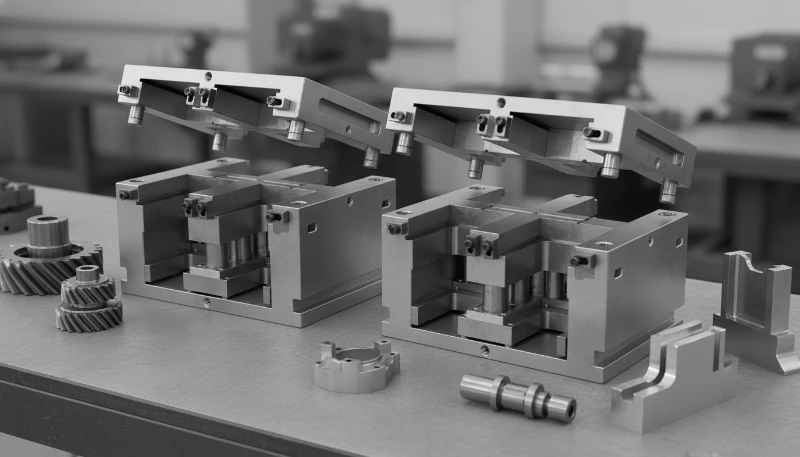
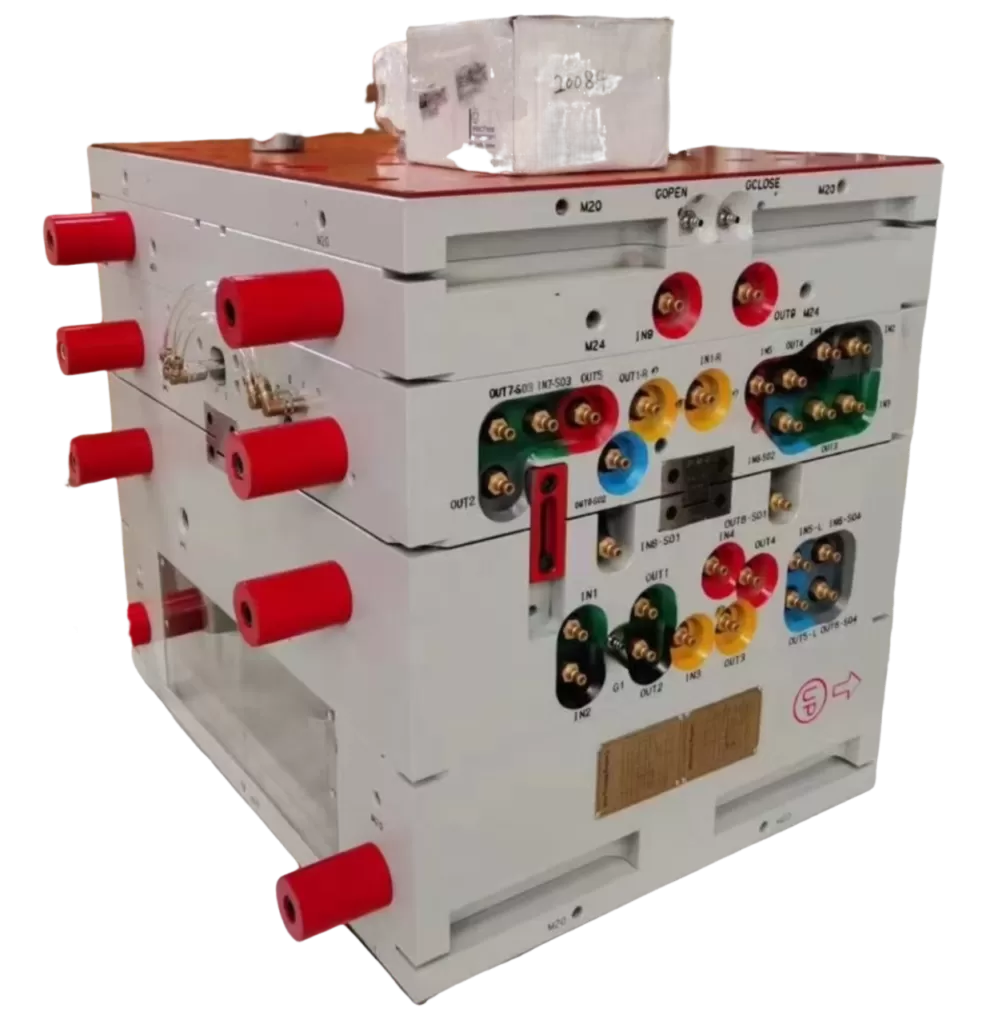
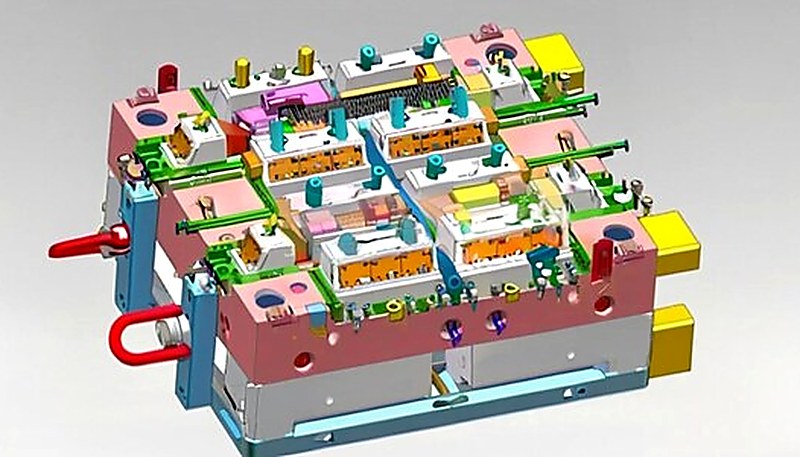
Uno stampo a famiglia è costituito da un’unica base portastampo che contiene cavità per due o più geometrie diverse, producendo un set completo a ogni ciclo. A differenza di uno stampo multicavità (pezzi identici), uno stampo a famiglia combina forme diverse, in genere pezzi destinati alla stessa unità assemblata.
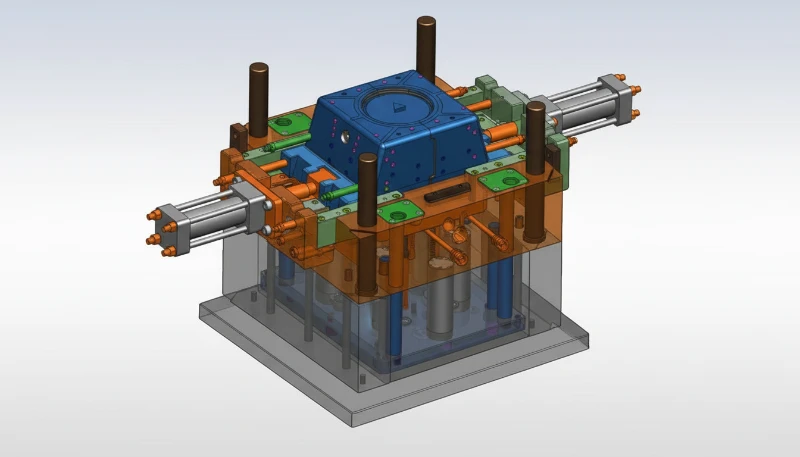
La caratteristica distintiva è che ogni cavità produce un pezzo diverso, ma tutti i pezzi vengono iniettati attraverso un sistema di canali condiviso. Ciò significa che ogni pezzo della famiglia deve essere stampabile in condizioni di processo simili: stesso materiale, temperatura del fuso compatibile e tempi di ciclo ottimali sovrapposti.
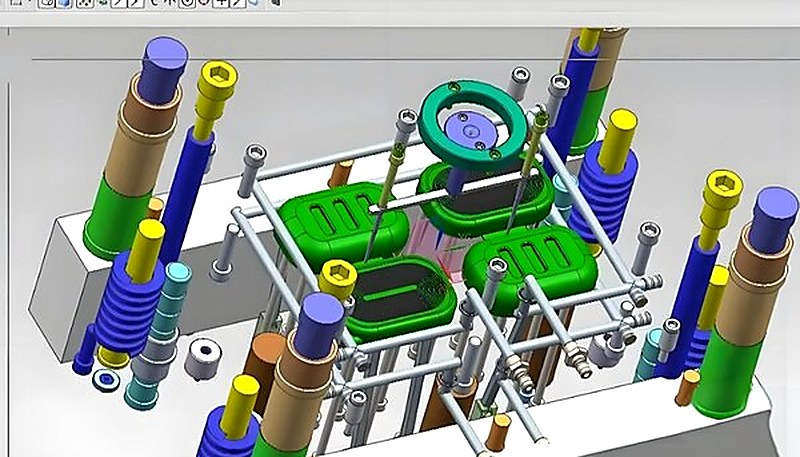
Esempi comuni includono gruppi di involucri (coperchi superiore + inferiore), treni di ingranaggi (più dimensioni di ingranaggi in una sola stampata) e alloggiamenti per connettori (metà maschio + femmina). Nella nostra fabbrica utilizziamo stampi famiglia per involucri elettronici, nei quali un unico utensile produce il guscio superiore, il guscio inferiore, lo sportello della batteria e il pannello dei pulsanti — quattro parti diverse in un solo ciclo di pressa. Uno stampo a iniezione famiglia
Quando uno stampo famiglia consente di risparmiare?
Uno stampo famiglia consente di risparmiare quando il costo combinato di attrezzatura e produzione è inferiore a quello dell’impiego di stampi separati per ciascun pezzo. Il risparmio deriva tipicamente da tre aree: minore investimento nell’attrezzatura, riduzione del tempo macchina per pezzo e logistica semplificata.
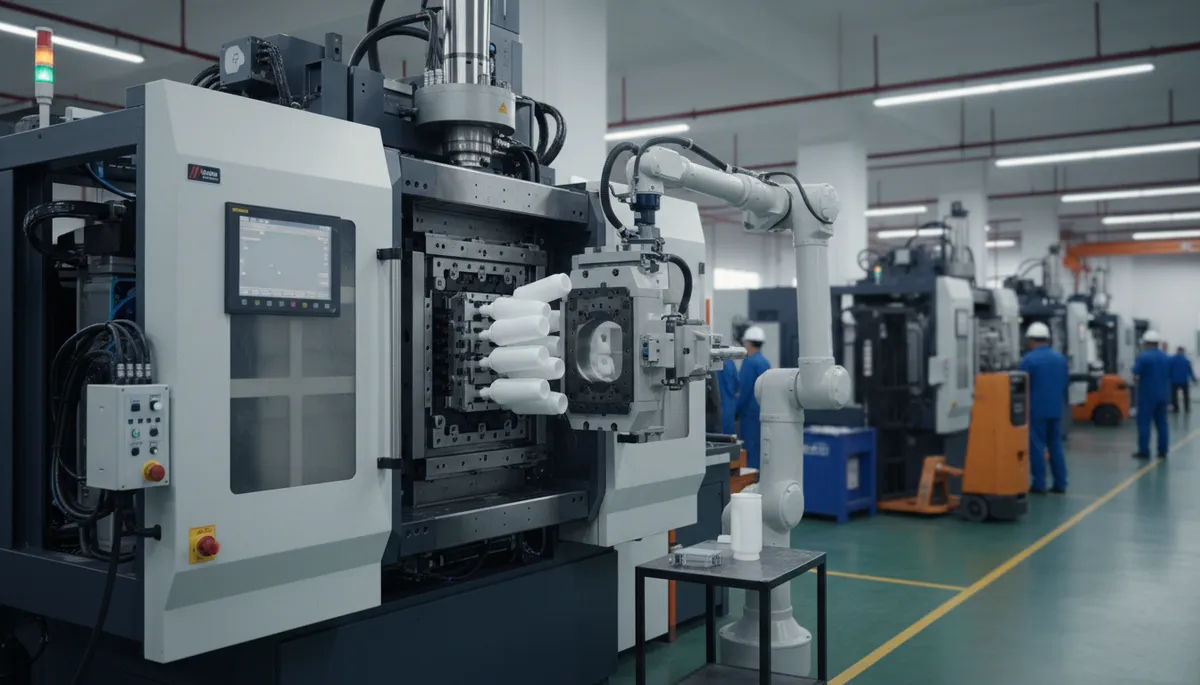
Nel nostro stabilimento di Shanghai utilizziamo 45 presse a iniezione da 90 T a 1850 T. Gli stampi famiglia vengono generalmente utilizzati sulle nostre presse da 200 T–450 T, abbastanza grandi da accogliere la base più larga dello stampo, ma non tanto da rendere penalizzante il costo orario della macchina. Per un tipico stampo famiglia a 4 cavità, il costo dell'attrezzatura varia da 12.000 a 25.000 dollari, rispetto a 8.000–15.000 dollari × 4 per stampi separati: un risparmio evidente.
Riduzione dei costi dell’attrezzatura
È il maggiore risparmio iniziale. Una base stampo, una serie di perni guida e un sistema di espulsione. In sostanza, il “costo dell’infrastruttura” dello stampo viene ripartito tra più pezzi invece di essere sostenuto separatamente per ciascuno. Il compromesso è che la base stampo è più grande e ogni cavità richiede comunque lavorazione, lucidatura e potenzialmente una disposizione di raffreddamento propria.
| Fattore | Stampi separati (×4) | Stampo famiglia (4 cavità) |
|---|---|---|
| Costo della base dello stampo | Calcolo: $2,000 × 4 = $8,000 | Costo: $4.000 (una base grande) |
| Lavorazione della cavità | $6,000 × 4 = $24,000 totali | $6,000 × 4 = $24,000 totali |
| Sistema di guida + espulsore | Calcolo: $1,500 × 4 = $6,000 | Costo: $2,500 (condiviso) |
| Attrezzaggio totale | $38,000 | $30,500 |
| Tempo macchina per 10K serie | 4 × cicli individuali | 1 × ciclo combinato |
“Uno stampo famiglia condivide una base stampo, un gruppo di colonne guida e un sistema di espulsione tra tutte le cavità.”True
L'infrastruttura condivisa viene pagata una sola volta anziché una volta per pezzo. I costi di lavorazione delle cavità rimangono invariati, poiché ciascuna richiede comunque un taglio individuale.
«Tutte le cavità di uno stampo famiglia condividono lo stesso circuito di raffreddamento.»False
Ogni cavità deve avere un proprio circuito di raffreddamento. Geometrie diverse hanno masse termiche differenti, quindi linee di raffreddamento condivise creano punti caldi e freddi.
Efficienza del tempo macchina
Produrre tutti i pezzi in un solo ciclo significa una configurazione, un operatore e una macchina invece di quattro. Con una tariffa macchina di $30–$60/ora, il risparmio si accumula rapidamente. Per un assemblaggio di 4 pezzi prodotto in 50,000 set all’anno, il solo risparmio di tempo macchina può raggiungere $8,000–$15,000 annui.
Logistica e inventario
Gli stampi familiari producono automaticamente serie abbinate. Ogni ciclo fornisce esattamente un esemplare di ciascun pezzo. Niente numeri di lotto non corrispondenti, né squilibri di magazzino con 10,000 coperchi superiori ma solo 6,000 gusci inferiori. Negli ambienti JIT e di produzione snella, questa sincronizzazione vale spesso più del semplice risparmio sullo stampo. Il sistema di canali1
Quando uno stampo famiglia costa di più?
Uno stampo famiglia costa più degli stampi separati quando le geometrie dei pezzi sono troppo diverse per essere lavorate insieme in modo efficiente. La trappola più comune è che il risparmio sull’attrezzatura appare ottimo sulla carta, ma la penalizzazione del costo per pezzo causata da problemi di qualità, cicli più lenti e maggiori scarti annulla ogni dollaro risparmiato inizialmente.
Disallineamento dei volumi (la causa principale)
Se un pezzo della famiglia ha un volume superiore del 30% rispetto al più piccolo, la cavità maggiore si riempirà per ultima e in condizioni di pressione diverse. Ciò crea incoerenze dimensionali, possibili riempimenti incompleti nella cavità grande e bave in quelle piccole. La nostra regola pratica: respingere i progetti di stampi familiari in cui un pezzo supera il 120% del volume medio delle cavità senza misure di limitazione del flusso basate sul volume della cavità2
Che cosa accade se si ignora questo aspetto? Abbiamo visto progetti in cui il cliente insisteva per uno stampo famiglia a 5 cavità con pezzi da 2 cc a 18 cc. Il pezzo da 18 cc richiedeva un ciclo di 35 secondi, mentre quelli da 2 cc erano completamente compattati dopo 12 secondi e rimanevano poi sotto pressione per altri 23 secondi, causando sovracompattazione, incollaggio e deriva dimensionale. Il tasso di scarto ha raggiunto il 15% prima che il progetto venisse ripensato con due stampi separati.
Penalizzazione del tempo di ciclo
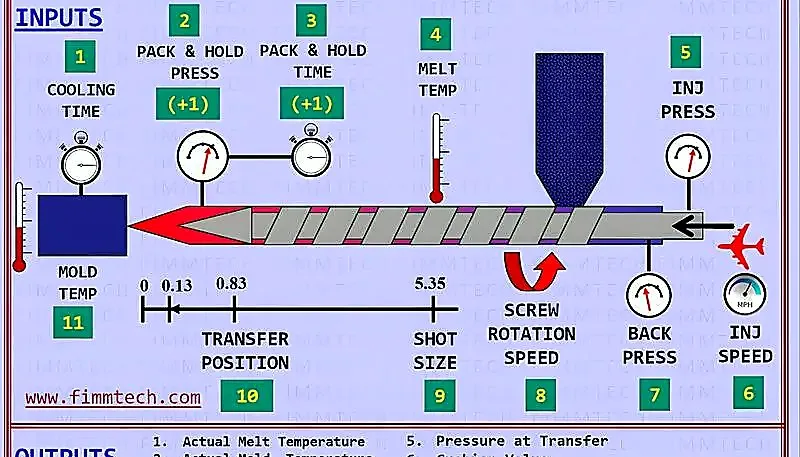
Il tempo ciclo di uno stampo famiglia è determinato dal pezzo più spesso della famiglia. Se un pezzo ha una parete da 4mm e gli altri da 1.5mm, l’intera stampata attende che la sezione spessa si raffreddi. Ciò può raddoppiare o triplicare il tempo ciclo rispetto alla produzione dei pezzi a parete sottile in uno stampo dedicato.
Conflitti tra materiali
Ogni cavità di uno stampo familiare deve usare lo stesso materiale. Se l’assieme richiede un pezzo rigido in ABS e un incastro flessibile in TPE, lo stampo familiare non funziona, salvo usare uno stampo multimateriale, tecnologia diversa. Anche con la stessa famiglia, colori diversi richiedono cicli separati: non si possono stampare pezzi blu e rossi nella stessa stampata.
Come si bilancia la progettazione dei canali negli stampi famiglia?
Il bilanciamento dei canali è la fase ingegneristica critica degli stampi famiglia. Ogni ramo deve essere dimensionato per uniformare la resistenza, affinché tutte le cavità si riempiano simultaneamente alla stessa pressione, con verifica mediante simulazione prima di lavorare l’acciaio.
Il sistema di canali è il punto in cui la progettazione di uno stampo famiglia riesce o fallisce. Un sistema di canali sbilanciato fa sì che alcune cavità si riempiano prima di altre: le cavità sovrariempite producono bave, quelle sotto-riempite generano stampate incomplete. In uno stampo multicavità standard, le cavità sono disposte simmetricamente. In uno stampo famiglia, ogni cavità presenta una diversa resistenza al flusso, quindi si compensa con variazioni del diametro dei canali, limitatori di flusso o punti di iniezione a valvola.
Metodi di bilanciamento artificiale
Quando non è possibile ottenere un bilanciamento geometrico naturale, come accade nella maggior parte degli stampi famiglia, gli ingegneri adottano tre approcci:
- Taratura del diametro dei canali: i canali più larghi alimentano le cavità di grande volume; quelli più stretti limitano il flusso verso le cavità piccole. È il metodo più semplice, ma ha un campo limitato: un canale non può essere troppo piccolo, altrimenti solidifica prematuramente.
- Limitatori di flusso: piccoli orifizi inseriti nel percorso dei canali per creare una caduta di pressione intenzionale. Sono efficaci, ma aggiungono complessità e potenziali punti di guasto.
- Ugelli a valvola: controllo individuale del punto di iniezione di ogni cavità, con apertura e chiusura temporizzate. È il metodo più preciso, ma aggiunge $3,000–$8,000 per cavità al costo dello stampo.
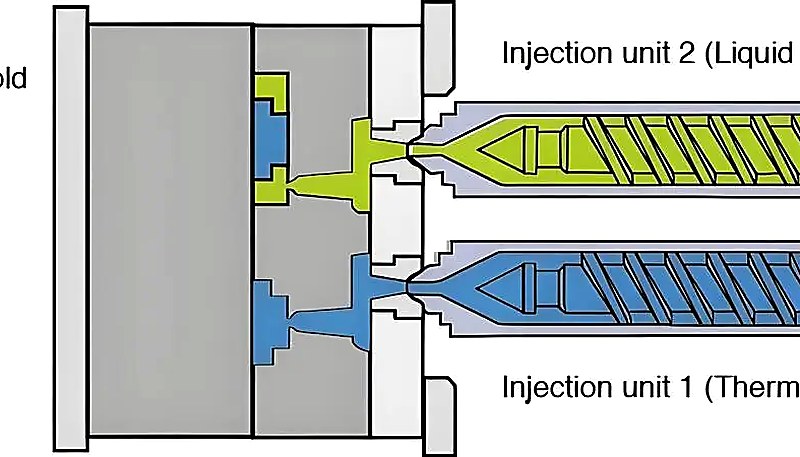
Nella nostra esperienza, l’analisi del flusso nello stampo non è facoltativa per gli stampi famiglia: è obbligatoria. Il costo della simulazione ($500–$1.500) è trascurabile rispetto alla rilavorazione del sistema di canali dopo la costruzione dello stampo. Eseguiamo Moldflow su ogni progetto di stampo famiglia e, in circa il 30% dei casi, la disposizione iniziale dei canali deve essere modificata in base ai risultati della simulazione.
“La regolazione del diametro dei canali è il metodo più semplice per bilanciare il riempimento negli stampi famiglia, ma ha un intervallo limitato.”True
Canali di colata più larghi alimentano cavità di grande volume, mentre quelli più stretti limitano il flusso verso cavità piccole. Tuttavia, un canale non può essere ridotto oltre un certo limite senza solidificare prematuramente.
“I punti di iniezione a valvola sono il modo più economico per bilanciare uno stampo famiglia.”False
I punti di iniezione a valvola aggiungono da $3,000 a $8,000 per cavità al costo dell'attrezzaggio, risultando il metodo di bilanciamento più preciso ma anche più costoso.
Quali sono le regole di progettazione per la disposizione di uno stampo famiglia?
Le cinque regole di configurazione sono: spessori di parete compatibili (rapporto ≤1.5×), riempimento bilanciato dei canali, controllo indipendente del punto di iniezione per ogni cavità, corsa di espulsione uniforme e pianificazione delle quantità vincolate. La violazione contemporanea di due o più regole produce generalmente un progetto impraticabile.
Regola 1: corrispondenza dei volumi (entro il 20%)
Tutte le cavità devono avere volumi di iniezione entro il 20% della media. Differenze maggiori richiedono un bilanciamento dei canali progressivamente più complesso e aumentano il rischio di instabilità del processo. Se i pezzi differiscono di oltre il 30%, valutare la suddivisione in più stampi famiglia o l’uso di stampi singoli.
Regola 2: compatibilità dello spessore delle pareti
Lo spessore massimo della parete in tutte le cavità non deve superare 2 volte lo spessore minimo. Ciò garantisce che i tempi di raffreddamento rimangano entro un intervallo gestibile. Quando un pezzo presenta una colonnina da 5mm e gli altri una parete nominale da 1.5mm, l’intero ciclo viene penalizzato dall’elemento più spesso.
Regola 3: verifica dell’area proiettata
L’area proiettata totale di tutte le cavità più il sistema di canali determina il serraggio necessario. Gli stampi familiari hanno aree proiettate maggiori degli stampi a cavità singola e richiedono quindi una pressa più grande. Calcolo: tonnellaggio di serraggio (tonnellate) = area proiettata totale (cm²) × pressione di iniezione (kg/cm²) × fattore di sicurezza (1.1–1.2). forza di chiusura3
Regola 4: raffreddamento indipendente per ciascuna cavità
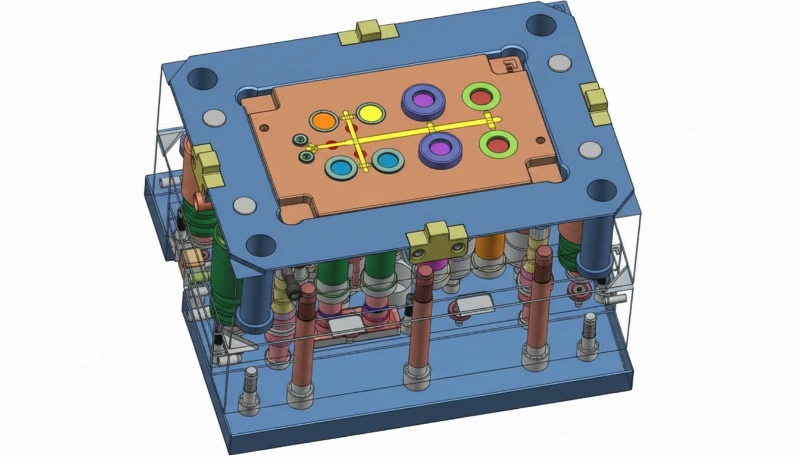
Ogni cavità deve avere un proprio circuito di raffreddamento. Le cavità degli stampi famiglia hanno massa termica e geometria differenti, quindi si raffreddano a velocità diverse. I circuiti indipendenti consentono di regolare la portata per ciascuna cavità e ottenere un raffreddamento uniforme. Le linee di raffreddamento condivise creano zone calde e fredde che causano deformazioni e variazioni dimensionali.
Regola 5: indipendenza dell’espulsione
Ogni cavità necessita di una propria strategia di espulsione. Un pezzo a parete sottile può richiedere piastre di estrazione, mentre un pezzo imbutito in profondità necessita di sollevatori. Progettare il sistema di espulsione per la cavità più impegnativa e applicarlo uniformemente a tutte le cavità aggiunge complessità e costi inutili laddove sarebbero sufficienti metodi più semplici.
Come scegliere tra uno stampo famiglia e stampi singoli?
Uno stampo famiglia è la scelta giusta quando i componenti utilizzano la stessa resina, vengono forniti in rapporto 1:1 e hanno spessori di parete entro un fattore di 1,5×; in caso contrario, stampi separati offrono un controllo migliore e un costo totale inferiore. La decisione dipende dal volume annuo, dalla relazione di assemblaggio e dalle tolleranze qualitative.
| Fattore | Scegliere lo stampo familiare | Scegliere stampi separati |
|---|---|---|
| Volume annuo | 5.000–100.000 set | >200K sets per part |
| Intervallo di volume dei pezzi | Entro un rapporto di 2:1 | >3:1 ratio between parts |
| Tolleranza | ±0,1 mm o meno restrittiva | Tolleranza ristretta (±0,05 mm) |
| Materiale | Uguale per tutti i componenti | Sono necessari materiali diversi |
| Sensibilità del ciclo | Basso–moderato | Produzione ad alta velocità |
| Varianti di colore | Tutti i pezzi dello stesso colore | Guida alla Progettazione di Stampi per Iniezione Familiare | ZetarMold |
Quando prepariamo un preventivo per un progetto di stampo famiglia presso ZetarMold, modelliamo entrambi gli scenari — costo totale dello stampo famiglia e costo totale degli stampi singoli — sul volume produttivo previsto. Se il punto di pareggio è inferiore al 60% del volume previsto, consigliamo lo stampo famiglia. Se lo stampo famiglia inizia a risultare costoso prima che il progetto completi la prima produzione, lo segnaliamo come rischio.
Con 100+ set di stampi a iniezione consegnati ogni mese e 8 ingegneri senior di stampi con una media di 10+ anni di esperienza, valutiamo mediante simulazione ogni richiesta di stampo famiglia prima di assumerci un impegno. Circa il 40% delle richieste iniziali di stampi famiglia viene riprogettato — suddividendolo in due stampi famiglia più piccoli oppure convertendolo in stampi singoli — perché la simulazione mostra che il risparmio sui costi non si concretizzerebbe con l'effettivo volume produttivo del cliente.
Quali problemi di qualità sono specifici degli stampi famiglia?
Gli stampi familiari presentano problemi di qualità assenti negli stampi monocavità o multicavità simmetrici. I tre più comuni sono la variazione dimensionale tra le cavità, la bava nelle cavità a bassa resistenza e una finitura superficiale non uniforme tra i pezzi della stessa stampata.
Variazione tra le cavità
Anche con canali bilanciati, ogni cavità opera a una pressione effettiva leggermente diversa. In uno stampo simmetrico, questa variazione è prevedibile e ridotta. In uno stampo familiare, la variazione è asimmetrica: la cavità più grande può ricevere una pressione di mantenimento inferiore del 10–15% rispetto alla più piccola. Ciò si manifesta come differenze dimensionali tra pezzi della stessa stampata che non esisterebbero se ogni pezzo avesse uno stampo dedicato.
La mitigazione: finestra di processo più stretta, controlli dimensionali specifici per cavità più frequenti e accettazione del fatto che i pezzi di uno stampo familiare avranno distribuzioni dell’indice di capacità leggermente più ampie rispetto ai pezzi stampati separatamente. Se l’assieme richiede che tutti e quattro i pezzi restino entro ±0.03mm dal valore nominale, uno stampo familiare potrebbe non garantirlo con costanza Cpk4
Bave e stampate incomplete
Sono due facce della stessa medaglia. Quando i canali non sono perfettamente bilanciati, le cavità ad alta resistenza, componenti piccoli con punti stretti, possono riempirsi in modo incompleto, mentre quelle a bassa resistenza, componenti grandi con punti generosi, possono produrre bave. Aumentare la pressione per correggere il riempimento peggiora le bave; ridurla per eliminare le bave peggiora il riempimento. L’unica vera soluzione è riequilibrare i canali, modificando lo stampo.
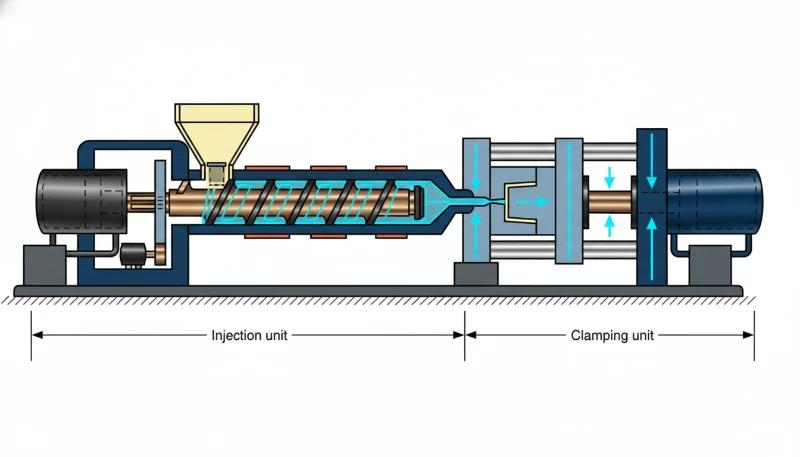
Incoerenza della finitura superficiale
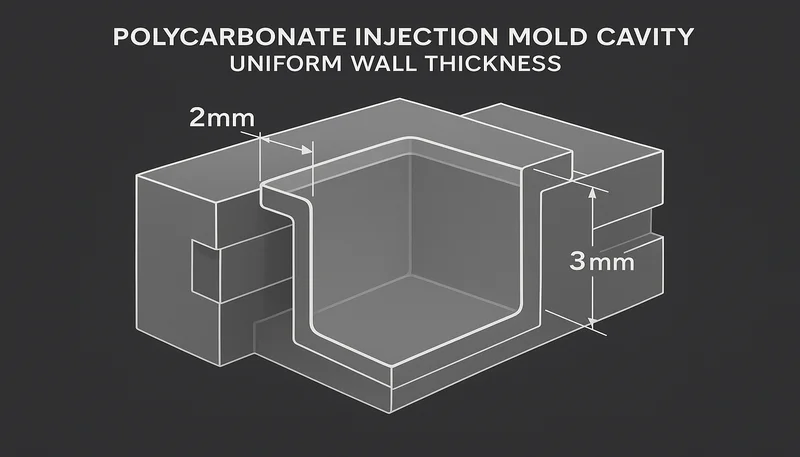
Geometrie diverse delle cavità si raffreddano a velocità differenti, influenzando il livello di lucentezza, la riproduzione della texture e la visibilità delle linee di saldatura. Una copertura piana con parete uniforme di 2 mm avrà una finitura superficiale diversa da una staffa spessa 4 mm stampata nella stessa iniezione. Ciò è particolarmente importante per gli involucri visibili dei prodotti di consumo, dove l’aspetto è fondamentale.
Quanto costa uno stampo famiglia rispetto alle alternative?
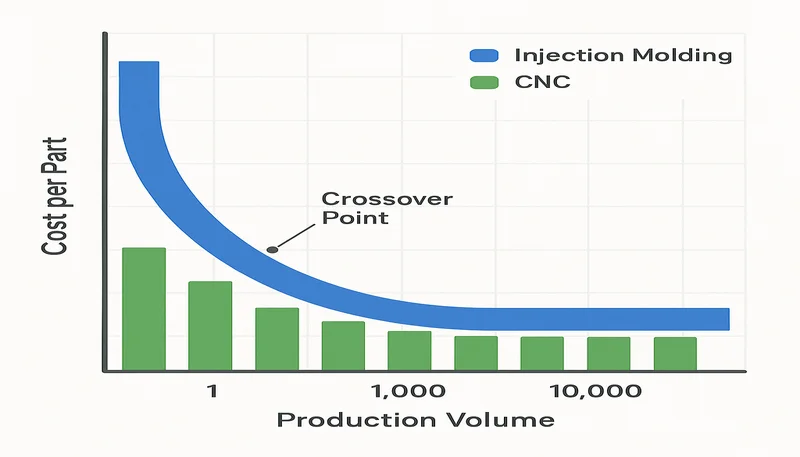
Gli stampi famiglia costano il 40–70% in meno rispetto agli stampi singoli equivalenti. I costi per pezzo variano dal 5% in meno al 30% in più in funzione della corrispondenza degli spessori di parete e del rapporto tra i volumi: il costo totale deve comprendere attrezzature, produzione, scarti e controllo qualità.
Ecco un confronto realistico dei costi per un involucro elettronico in 4 parti, con 30.000 set all’anno per 3 anni:
| Componente di costo | 4 stampi singoli | 1 stampo famiglia |
|---|---|---|
| proprietà della resina | $40,000 | $22,000 |
| Produzione annua (×3 anni) | $45,000 | $38,000 |
| Scarti e rilavorazioni (stima) | $4,500 | $7,000 |
| Costi indiretti del controllo qualità | $3,000 | $5,000 |
| Totale su 3 anni | $92,500 | $72,000 |
In questo scenario, lo stampo familiare consente di risparmiare 20.500 $ in tre anni, circa il 22%. Si notino però i maggiori costi di scarto e controllo qualità. Se i pezzi fossero meno compatibili (spessori di parete diversi, un pezzo con colonnine spesse), la penalità dovuta agli scarti potrebbe facilmente annullare l’intero risparmio.
Progettazione di stampi a iniezione famiglia: domande frequenti
Qual è la differenza tra uno stampo familiare e uno stampo a più cavità?
Uno stampo a più cavità produce parti identiche in ogni cavità, mentre uno stampo familiare produce parti diverse nello stesso ciclo. Gli stampi a più cavità sono più facili da bilanciare perché ogni cavità ha una resistenza al flusso identica. Gli stampi familiari richiedono una progettazione personalizzata dei canali di colata e una simulazione del flusso per ottenere un riempimento bilanciato tra cavità dissimili.
Quante Parti Può Produrre uno Stampo Familiare?
La maggior parte degli stampi familiari produce da 2 a 8 parti diverse. Oltre le 8 cavità, il bilanciamento dei canali di colata diventa estremamente difficile e la finestra di processo si restringe al punto in cui i tassi di scarto aumentano significativamente. Per gli assemblaggi con più di 8 parti, considerare di suddividerli in due stampi familiari raggruppati per somiglianza delle parti.
Possono Essere Utilizzati Materiali Diversi in uno Stampo Familiare?
No. Tutte le cavità di uno stampo famiglia standard condividono un unico sistema di alimentazione del materiale, quindi tutti i pezzi devono essere dello stesso materiale. Se l’assieme richiede materiali diversi, occorrono stampi separati oppure un processo di stampaggio multi-iniezione o multicomponente, una tecnologia diversa che richiede apparecchiature specializzate.
Quale Tolleranza Possono Raggiungere le Parti dello Stampo Familiare?
I pezzi prodotti con stampi familiari raggiungono generalmente tolleranze da ±0.1mm a ±0.15mm, rispetto a ±0.05mm per i pezzi stampati singolarmente. L’intervallo di tolleranza più ampio deriva dalle variazioni di pressione tra le cavità. Gli elementi con tolleranze strette devono essere progettati in pezzi stampati singolarmente, non nei componenti di uno stampo familiare.
L’Analisi Mold Flow è Necessaria per gli Stampi Familiari?
Sì. L’analisi del flusso è essenziale per gli stampi familiari perché la disposizione asimmetrica crea percorsi intrinsecamente sbilanciati. La simulazione identifica differenze di riempimento, cadute di pressione e linee di saldatura prima del taglio dell’acciaio. Saltarla è un falso risparmio: 500–1.500 $ evitano 5.000–15.000 $ di modifiche.
Quando Dovresti Evitare Completamente gli Stampaggi Familiari?
Evitare gli stampi famiglia quando i pezzi sono di materiali diversi, quando i rapporti di volume superano 3:1, quando un pezzo richiede una tolleranza più stretta di ±0.08mm, quando il volume produttivo supera 200K set all’anno (gli stampi singoli diventano più economici grazie a tempi di ciclo per pezzo più rapidi) o quando i pezzi richiedono finiture superficiali differenti.
Quanto Tempo Ci Vuole per Costruire uno Stampo Familiare?
La realizzazione di uno stampo famiglia richiede 6–10 settimane, rispetto alle 4–8 settimane di uno stampo a cavità singola. Il tempo aggiuntivo deriva dalle iterazioni per il bilanciamento dei canali, dalla progettazione del raffreddamento di ciascuna cavità e da un’analisi più complessa del flusso nello stampo. In ZetarMold, il nostro tempo di consegna standard per uno stampo famiglia è di 8 settimane, inclusi simulazione e campionatura T1.
Ottenete assistenza esperta nella progettazione di stampi famiglia
Gli stampi famiglia sono tra gli strumenti migliori per risparmiare nello stampaggio a iniezione, quando vengono applicati al progetto giusto. Il giudizio tecnico consiste nel sapere dove tracciare il confine.
In ZetarMold, i nostri 8 ingegneri senior degli stampi valutano ogni richiesta di stampo famiglia mediante simulazione del flusso prima di procedere con l’attrezzaggio. Utilizziamo stampi famiglia dal 2005 su 45 macchine nel nostro stabilimento di Shanghai e siamo diretti: alcuni progetti sono perfetti per gli stampi famiglia, altri no. Modelleremo entrambi gli scenari affinché possiate decidere sulla base di dati reali.
Ti serve un preventivo per uno stampo familiare o vuoi sapere se il tuo assieme è un buon candidato? Contattaci: i nostri project manager anglofoni rispondono entro 24 ore con una valutazione tecnica, non con una proposta commerciale.
Sistema di canali: rete di condotti in uno stampo a iniezione che trasporta la plastica fusa dalla materozza ai punti di iniezione delle singole cavità.↩
Volume della cavità: volume totale di polimero fuso necessario per riempire completamente una singola cavità dello stampo, compreso il sistema di alimentazione.↩
Forza di chiusura: forza applicata dalla pressa a iniezione per mantenere chiuse le due metà dello stampo durante l'iniezione, misurata in tonnellate o kilonewton.↩
Cpk (indice di capacità del processo): misura statistica della capacità di un processo di produrre pezzi entro i limiti di specifica; in genere un Cpk ≥ 1.33 indica un processo capace.↩