 コンテンツへスキップ

あなたは中国の工場で生産用金型に$30,000を費やしました。6か月後、生産を別の場所に移したいと考えていますが、工場は金型は彼らのものだと言います。いいえ、彼らはそれを出荷しません。はい、彼らはあなたの部品を製造し続ける意思はあります。しかし、彼らの条件でです。聞き覚えがありますか?これは誰もが認めたがらない以上によく起こり、金型を取り戻すか完全に失うかの違いは、一つの文書、すなわち金型所有権契約にかかっています。
- 中国のサプライヤーは、デフォルトで金型の所有権を主張することが多い — 書面による契約が不可欠
- NNN契約はあなたの知的財産を保護するが、金型の所有権を確立しない
- 金型所有権契約は、中国法に基づき、中国語で執行可能でなければならない
- 明確な移転、保管、保険、および契約終了条項を含める
- 契約そのものと同じくらい、サプライヤーのデュー・ディリジェンスが重要です
射出成形金型所有権契約とは何か?
射出成形金型所有権契約は、工場ではなくあなたが金型を所有していることを証明する法的文書です。 Mold Tooling1中国では、この文書は任意ではありません。これがない場合、多くの工場では、自社敷地内で製造した金型は工場が所有するというのが暗黙の前提となります。この契約には通常、金型設計の知的財産権、移転権、保管条件、保険義務、保守責任、およびサプライヤーが破産した場合の対応が含まれます。
契約は通常、金型設計の知的財産権、移転権利、保管条件、保険義務、保守責任、およびサプライヤーが破産した場合の対応をカバーします。これは、誰か他の人の建物の中にある6桁の資産の所有権証書のようなものと考えてください — ただし、その建物は8,000マイル離れており、現地の法制度はあなたが想定しているものとは異なる働きをします。
なぜ中国の工場は金型所有権の移転に抵抗するのですか?
中国の工場が金型所有権の移転に抵抗する理由は単純です。あなたの金型を保持することで、継続的な生産収入が確保されるからです。ほとんどの中国の 射出成形 サプライヤーは大量生産による薄利で運営されており、金型製作によるものではありません。彼らのビジネスモデルは、お客様の部品生産を自社内に留めることに依存しています。一部の工場は、将来の生産量を確保するために、金型製作費を原価またはそれ以下で見積もることがあります — これはどの業界でも一般的な戦略です。 射出成形サプライヤー 中国において。
これは本質的に不誠実なことではありません — 中国製造業では一般的な価格戦略です。工場は競争力のある価格であなたの金型を製作する投資を行います。なぜなら、12〜36か月にわたる部品生産を通じてその投資を回収することを期待しているからです。3回の生産後に金型を引き揚げると、彼らはその金型製作で実際に損失を被ることになります。
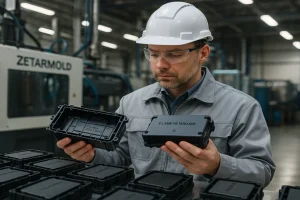
ZetarMoldでは、上海に自社の金型製造施設を保有し、月に100以上の金型セットを生産しています。国際的な買い手のために金型を製造・移転する20年以上の経験を持ち、所有権紛争を直接目にしてきました — 私たちの標準的な慣行は、最初からすべての工具契約に明確な所有権移転条項を含めることです。
実用的な意味合いとしては、金銭の受け渡しが行われる前に、所有権に関する期待を明確にしておく必要があります。この対話に抵抗する工場は、後で金型の引き渡しに抵抗する傾向があることが多いです。ZetarMoldでの経験では、初日から所有権条件について透明性を保つことは、ビジネス関係を強化します — 双方が自らの立場を正確に理解できるからです。
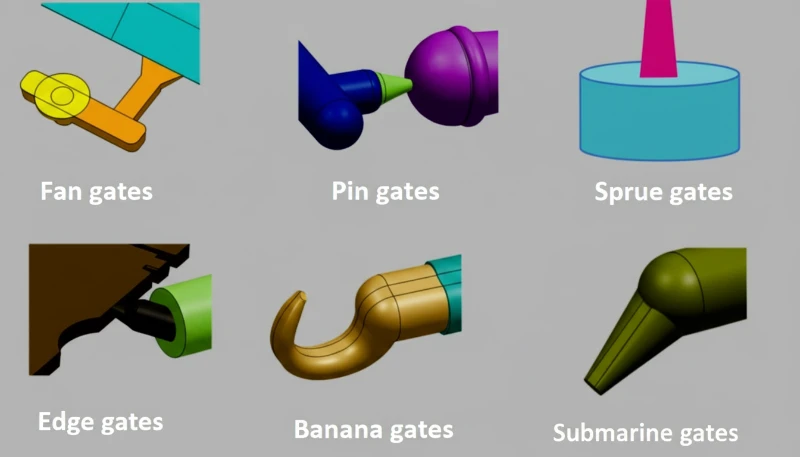
ZetarMoldで国際的なクライアントと協力した経験では、以前のサプライヤーが、書面による所有権契約がなかったというだけで、$50,000以上の価値のある金型の引き渡しを拒否したプロジェクトを見てきました。買い手は全額支払い済みでした。サプライヤーは気にしませんでした — 彼らは物理的に金型を所有しており、中国法に基づく契約がない限り、買い手には実質的に交渉力がなかったのです。
金型所有権契約にはどのような重要条項を含める必要がありますか?
強制力のある金型所有権契約は、6つの重要な条項をカバーするものです。それらは:(1) 明確な所有権宣言、(2) 移転および回収権利、(3) 保管および保守義務、(4) 保険要件、(5) 無許可使用の禁止、(6) 契約終了および紛争解決条項です。これらのいずれかが欠けていると、サプライヤーが悪用できる隙間が生じます。
| 条項 | What It Covers | Why It Matters |
|---|---|---|
| 所有権宣言 | 買い手が金型および全ての知的財産を所有することを明示 | 法的所有権を確立 — サプライヤーのデフォルト主張を防止 |
| 移転権利 | 金型返還の条件とタイムライン | これがないと、サプライヤーは無期限に遅延させることができる |
| 保管・保守 | 金型の保管方法、維持管理費用の負担者 | 劣化と予期せぬ修理費用を防止 |
| 保険 | 誰が金型を保険にかけ、どの程度の金額か | 紛失、損傷、または工場の破産に対する保護 |
| 使用禁止条項 | サプライヤーは他の顧客のために金型を使用できない | 無断での複製または生産を防止 |
| 契約終了条件 | 関係が終了した場合の対応 | 退出プロセスと回収タイムラインを定義 |
「金型所有権契約は、金型返還の正確なタイムラインを規定するべきです。」真
具体的な回収タイムライン(通常は書面による請求から30日以内)と遅延に対するペナルティを含めることで、強制力のある期限が設定され、曖昧な義務ではなくなります。
「英語で署名された標準的なNDAは、中国における金型所有権を確立するのに十分です。」偽
英語のみのNDAは中国法では金型所有権を確立しません。中国法に準拠し、明確な権利移転条項を含む、中国語による別個の金型所有権契約が必要です。
中国法は金型所有権をどのように扱いますか?
Under Chinese law, mold ownership is determined by what the written contract states — in Chinese, under Chinese law, via Chinese arbitration. Foreign-court judgments are generally not enforceable in China. Under the PRC Civil Code (effective January 2021), mold ownership follows the contract between the parties. If the contract says you own it, you own it — in theory. In practice, enforcement requires specific contract provisions.
This means a mold ownership agreement drafted in English under New York law is essentially worthless if the factory is in Shenzhen and decides to keep your mold. You need a bilingual agreement — with the Chinese text controlling in case of discrepancy — filed with a recognized Chinese arbitration institution. It costs more upfront, but it is the only version a Chinese factory will actually respect.
NNN契約と金型所有権契約の違いは何か?
アン NNN Agreement2 and a mold ownership agreement are two separate documents protecting different things — your IP versus your physical tooling. An NNN agreement (Non-Disclosure, Non-Use, Non-Circumvention) protects your intellectual property — designs, drawings, specifications. A mold ownership agreement protects your physical asset — the steel 射出成形金型 tooling itself. They serve different purposes, and you need both.
We have seen buyers who had a solid NNN in place but lost their molds because they never signed a separate ownership agreement. The NNN prevented the supplier from copying the design — theoretically — but it said nothing about who owned the physical mold. The factory argued (successfully) that without a specific ownership clause, the mold was theirs under local commercial custom. Two different documents, two different protections. Do not skip either.
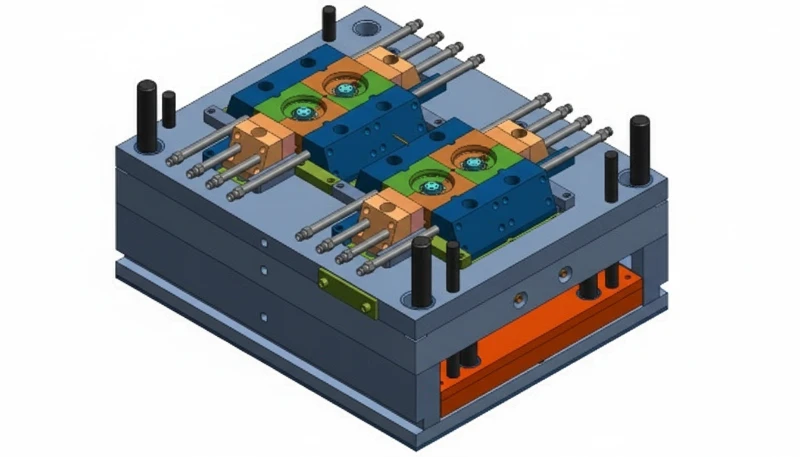
The lesson is straightforward: never assume that one document covers everything. IP protection and physical asset protection are parallel but distinct legal needs, and Chinese courts treat them as separate matters requiring separate contractual foundations.
The scope of protection differs fundamentally. An NNN prevents the factory from sharing your CAD files or making your product without permission — it addresses information security. A mold ownership agreement addresses property rights: who holds title, who controls access, and what happens to the physical steel when the relationship ends. In Chinese legal practice, these are separate legal concepts covered by separate areas of law.
“Engraving your company name on the mold helps prove ownership in disputes.”真
Physical marking of the mold with buyer identification supports the Bailment3 claim and makes it harder for the factory to argue the mold is part of their assets.
“Chinese courts will enforce foreign court judgments on mold ownership disputes.”偽
China generally does not enforce foreign court judgments. Your mold ownership agreement must specify Chinese arbitration (e.g., CIETAC) for enforceable dispute resolution.
金型所有権条件はいつ交渉すべきか?
The best time to negotiate mold ownership terms is before you place the tooling order — not during production, and certainly not after. The supplier wants your business most during the quotation and vendor selection phase. Once you have paid the deposit and they are cutting steel, your leverage drops significantly.
Include ownership terms in your initial RFQ or purchasing agreement. Make it clear from the first interaction that mold ownership is a deal-breaker. Suppliers who refuse to sign an ownership agreement before taking your tooling order are telling you something important about how the relationship will go.
In practical terms, here is the negotiation sequence we recommend: (1) Sign the NNN first, before sharing any design files. (2) Include mold ownership terms in the manufacturing agreement or as a standalone addendum. (3) Pay for tooling only after both documents are executed. (4) Insist on receiving mold design files (CAD data) as part of the delivery. This four-step approach protects both your IP and your physical tooling investment.
“A mold ownership agreement should name who is authorized to collect the mold on the buyer’s behalf.”真
Specifying an authorized representative or third-party agent in the agreement prevents disputes over who has the right to physically take possession of the mold during retrieval.
“Once you sign a mold ownership agreement, you do not need an NNN agreement.”偽
These serve different purposes. The ownership agreement covers the physical mold; the NNN protects your design IP. You need both for complete protection.
中国のサプライヤーが破産した場合、あなたの金型はどうなるか?
Your mold is treated as factory assets in a Chinese bankruptcy — unless your agreement explicitly carves it out. This is a clause most buyers never think about, and it is one of the most important. Without a specific bankruptcy carve-out, you become just another unsecured creditor waiting in line.
The solution is a contractual clause stating that the mold is buyer property held in bailment (a bailment relationship under Chinese law), not a factory asset. Combined with an equipment tag or engraving showing buyer name and asset number, this creates a stronger claim that the mold is not part of the factory’s bankruptcy estate. It is not foolproof — Chinese bankruptcy proceedings can be unpredictable — but it gives you a legal argument that pure possession-based claims lack.
We recommend including a specific provision that the mold is excluded from any creditor claims, pledge, or lien by the factory or its affiliates. Additionally, require the factory to maintain separate storage for customer-owned molds — physically distinct from their own tooling inventory. These structural separations, combined with proper documentation, significantly improve your position in any insolvency scenario.
中国の工場から物理的に金型を回収するにはどうすればよいですか?
Mold retrieval is a formal process. You invoke your ownership agreement, send a 30-day transfer request, and arrange shipping. If the factory refuses, arbitration under Chinese law is your recourse. The practical steps are: (1) Send a formal written request citing the ownership agreement, with a reasonable deadline (typically 30 days). (2) Arrange and pay for shipping, insurance, and any outstanding maintenance costs. (3) Have a third-party inspector verify mold condition before it leaves the factory. (4) If the factory refuses, initiate arbitration under the contract’s dispute resolution clause.
At our Shanghai factory, ZetarMold operates 47 injection molding machines ranging from 90T to 1850T. When a client needs to retrieve a mold and move production to our facility, we can usually qualify the tool and start sampling within two weeks — because the equipment range covers virtually any mold specification.
The retrieval process itself can take 2–6 weeks under normal circumstances. If there is resistance, arbitration in China can take 6–12 months. This is why the agreement must specify a clear transfer timeline and penalties for non-compliance. A clause stating the factory must release the mold within 30 days of written request, with a daily penalty for delay, gives you measurable recourse.
Some buyers opt to have an injection molding sourcing agent or third-party logistics provider handle the retrieval. This can reduce friction, as the factory may be more willing to release the mold to a neutral party rather than a competitor. Either way, make sure your ownership agreement names who is authorized to collect the mold on your behalf.
中国における金型所有権に関する最も一般的な質問は何ですか?
Can a Chinese factory legally keep my mold if there is no written agreement?
Yes. Without a written ownership agreement governed by Chinese law, the factory can claim ownership based on possession and manufacturing custom. Verbal agreements are extremely difficult to enforce in China, and email confirmations alone carry limited legal weight in Chinese courts. The default legal position in many Chinese jurisdictions favors the party with physical possession of the tooling asset, which is almost always the factory that built and housed the mold on their premises. This is precisely why a formal bilingual contract is not optional — it is the only reliable protection for your tooling investment.
How much does a mold ownership agreement cost to draft?
A qualified China-focused manufacturing lawyer typically charges $2,000–$5,000 for a comprehensive mold ownership agreement with NNN provisions included. This represents a fraction of the mold’s replacement value — most production molds for injection molding cost between $10,000 and $80,000 depending on cavity count, steel grade, and geometric complexity. Think of the agreement cost as an insurance premium protecting a high-value manufacturing asset that sits in a factory thousands of miles away, under a legal system you may not be familiar with.
Should the mold ownership agreement be in Chinese or English?
Both languages, with the Chinese text explicitly designated as the governing and controlling version in the agreement itself. Chinese courts and arbitration bodies rely exclusively on the Chinese text as the authoritative legal document for any dispute resolution process. Any discrepancy between the English and Chinese versions will be resolved using the Chinese text, which means both versions must be drafted carefully and consistently by qualified legal counsel who specialize in cross-border manufacturing contracts and bilingual commercial agreement preparation and enforcement.
What if my supplier refuses to sign a mold ownership agreement?
Find a different supplier immediately — this is a deal-breaker. A factory that will not agree to basic ownership terms is clearly signaling that they intend to retain your tooling as leverage for continued business. This is a non-negotiable red flag in any injection molding partnership, regardless of how competitive their part pricing appears to be. The long-term risk of losing access to a mold worth tens of thousands of dollars far outweighs any short-term cost savings that factory might offer on individual part prices.
Can I get mold insurance to protect my investment in China?
Yes, tooling insurance is available through trade credit insurers and specialized manufacturing insurance providers who understand the China market. These policies can cover mold loss, physical damage, or supplier default scenarios. Your ownership agreement should require the factory to carry comprehensive insurance naming you as the loss payee, with coverage equal to the full replacement cost of the mold tooling. This provides a financial backstop that operates completely independent of the factory’s financial health or their willingness to cooperate with your mold retrieval requests at any point.
Does paying for the mold in full automatically make me the owner in China?
No, payment alone does not establish ownership under Chinese commercial practice or contract law. A written agreement stating ownership title — separate from the payment record, purchase order, or commercial invoice — is necessary to prove legal title in any dispute. The factory’s invoice confirms you paid for tooling services, but it does not establish that you own the resulting physical mold asset. Only a dedicated ownership agreement with proper legal structure creates that enforceable claim under the PRC Civil Code.
How long does mold retrieval arbitration take in China?
CIETAC arbitration typically takes 6–12 months for mold ownership disputes from initial filing through to the final arbitral award being issued. Local arbitration commissions in major manufacturing cities like Shenzhen, Dongguan, or Shanghai may resolve cases faster, sometimes within 3–6 months, but enforcement speed varies significantly by jurisdiction and local court cooperation levels. Always include a specific arbitration clause naming the institution, the city, and the governing language in your ownership agreement to minimize procedural delays and jurisdictional disputes during the arbitration process.
What should I do if a supplier uses my mold for another client?
Send a formal written cease-and-desist letter immediately, citing both your NNN agreement and mold ownership agreement as the legal basis for your demand. Document the unauthorized use thoroughly with photographs of the copied parts, physical samples purchased through third parties, and shipping records before taking any formal legal action. If the supplier continues unauthorized production after receiving your notice, initiate arbitration proceedings promptly under your contract’s dispute resolution clause. Acting quickly and documenting everything comprehensively strengthens your legal position significantly.
簡単なルール:中国で金型を支払う前に、2つの文書を準備してください。あなたの知的財産権を守るためのNNN契約と、物理的な金型に関する金型所有権契約(中国語で、中国法に基づく)です。工場が両方に署名しない場合は、契約を見送りましょう。高価な金型を失うほどの割引はありません。ZetarMoldでは、透明性のある金型所有権契約を標準的な慣行として提供しています。あなたの金型はあなたの資産であり、交渉材料ではありません。47名の 射出成形 上海に設置された機械、月間100点以上の金型納入実績、そして8名の上級 射出成形金型 エンジニアが在籍しており、私たちは規模と文書管理の実践であなたの投資を安全に守ります。無料見積もりを入手して、金型所有権がいかに簡単であるかをご覧ください。


 EN
EN  ES
ES  FR
FR  DE
DE  PT
PT  AR
AR  RU
RU  JA
JA  KO
KO  IT
IT  NL
NL  TR
TR  PL
PL 