- Il mercato filippino dello stampaggio a iniezione è valutato tra 800 e 900 milioni di dollari USA, con una crescita annuale del 5-6%, trainato dai settori del packaging, dell'elettronica e dell'automotive.
- Tra i principali fornitori figurano Advanz Tool & Die, Yasufuji, Mirai e Calamba Shin-Ei — perlopiù aziende affiliate a gruppi giapponesi concentrate a Cavite, Laguna e Cebu.
- La Cina offre un costo totale di approvvigionamento inferiore del 20–30% nonostante i salari filippini più bassi, a causa della dipendenza dalle importazioni di resina e della scala più piccola degli utensili.
- Le Filippine sono la scelta giusta quando i risparmi tariffari GSP, la fluidità in inglese o la diversificazione della catena di approvvigionamento superano il puro costo.
- La certificazione ISO 9001 e la capacità interna di produzione stampi sono i due criteri non negoziabili nella valutazione dei fornitori filippini.
Com’è il mercato dello stampaggio a iniezione nelle Filippine?
Il mercato filippino dello stampaggio a iniezione vale USD 800–900 milioni e cresce del 5–6% l’anno. Circa 150–200 aziende attive di stampaggio a iniezione operano tra Metro Manila, Cavite, Laguna, Cebu e Bataan, servendo clienti dei settori imballaggi, automobilistico, elettronico e medicale. Che occorra una produzione diretta in fabbrica o collaborazioni di produzione conto terzi1, il Paese offre vantaggi reali ma anche chiari limiti in termini di costo totale a destino e prevedibilità dei tempi di consegna.
Per i componenti termoplastici stampati a iniezione, una rosa di candidati deve confrontare la titolarità della progettazione dello stampo a iniezione, l’esperienza con i materiali, il rigore dei controlli, il supporto alle lavorazioni secondarie e la rapidità di risposta. Un fornitore locale può essere adatto per un supporto regionale urgente, mentre uno offshore può risultare utile quando la disponibilità per la costruzione degli stampi, il controllo dei costi o una maggiore capacità produttiva diventano il collo di bottiglia.
Cerchi aziende di stampaggio a iniezione nelle Filippine? Abbiamo compilato questa rosa di fornitori affermati e aggiunto una checklist della guida all’approvvigionamento dal punto di vista dell’acquirente, per confrontare più efficacemente competenza nella progettazione degli stampi a iniezione, sistemi qualità e compatibilità della comunicazione.
Quali tendenze stanno plasmando il settore dello stampaggio a iniezione nelle Filippine?
Cinque tendenze meritano attenzione se prevedi di approvvigionarti dalle Filippine nei prossimi anni.
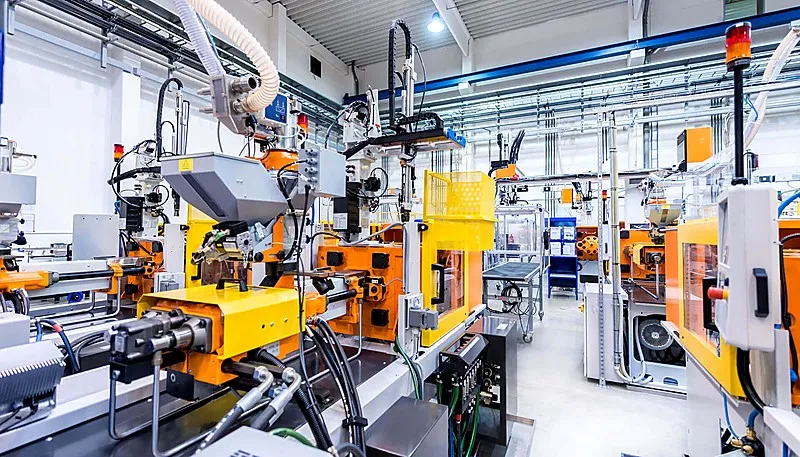
1. L’automazione accelera. Tra il 2020 e il 2024, circa il 30-40% dei produttori medio-grandi ha investito in sistemi robotizzati pick-and-place e nel controllo qualità automatizzato. Il fattore trainante non è soltanto il costo del lavoro, ma la costanza. La selezione manuale ad alte velocità di ciclo introduce variazioni che gli acquirenti esteri non tollerano.
2. I materiali sostenibili guadagnano lentamente terreno. Le resine2 biodegradabili e con contenuto riciclato rappresentano ormai circa il 15-20% della produzione locale, spinte dalle normative governative (Extended Producer Responsibility Act) e dai requisiti dei marchi multinazionali. L’adozione è più lenta rispetto a Thailandia e Vietnam, perché le resine ecologiche importate costano il 25-30% in più.
3. La diversificazione della catena di fornitura sta convogliando progetti nel Paese. Dal 2022, le Filippine hanno conquistato una quota stimata dell’8-10% dei progetti manifatturieri reindirizzati nel Sud-est asiatico, poiché le aziende cercano di mitigare il rischio della strategia China-plus-one. Secondo la Philippines Manufacturing Roadmap 2024 del Board of Investments, la maggior parte di questi progetti approda nelle zone di esportazione di Laguna e Cavite.
4. L’adozione dell’Industria 4.0 è reale, ma disomogenea. Circa il 25% dei produttori con oltre 100 dipendenti gestisce ormai reparti produttivi collegati all’ERP e sistemi di monitoraggio delle macchine abilitati all’IoT. Gli altri continuano a registrare gli ordini su fogli di calcolo.
5. La capacità di grado medicale è triplicata in cinque anni. Gli stampatori certificati ISO 13485 sono passati da 3 nel 2019 a 12 nel 2024. È ancora un numero ridotto, ma indica una spinta credibile verso la produzione regolamentata di dispositivi, un segmento con margini più elevati e minore concorrenza.
Come Scegliere un Fornitore di Stampaggio a Iniezione nelle Filippine?
L’approccio corretto consiste nel valutare prima le certificazioni, poi la capacità di costruzione degli stampi, la competenza sui materiali e la rapidità della comunicazione. Se un fornitore non può presentare un certificato ISO 90013 in corso di validità per il settore medicale e IATF 16949 per quello automobilistico, passate oltre. La certificazione è un requisito di base, non un elemento distintivo.
Successivamente, verifica la capacità di stampaggio a iniezione. Chiedi la lista delle macchine — gamma di tonnellaggio e numero di macchine. Un fornitore che utilizza presse da 50T-500T avrà difficoltà con grandi alloggiamenti automobilistici. Uno con copertura 50T-1500T ha maggiore flessibilità. Controlla anche la forza di chiusura, la gamma di peso di iniezione e se hanno capacità hot-runner.
Quindi valuta la competenza sui materiali. Molti fornitori filippini lavorano principalmente con PP e ABS. Se il tuo progetto richiede nylon caricato con vetro, policarbonato o TPU, conferma l’esperienza con esempi specifici — non solo una riga in una brochure. Chiedi documenti di certificazione dei materiali da produzioni passate.
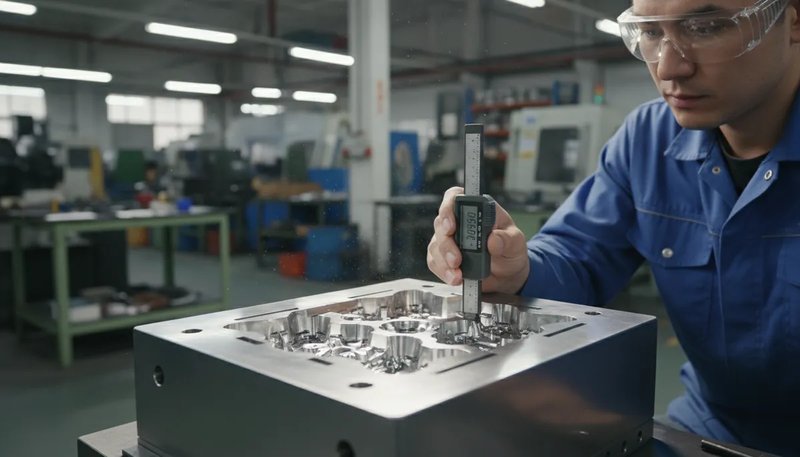
Esamina l’infrastruttura di controllo qualità. Cerca CMM (macchina di misurazione a coordinate) interna, tester di durezza e procedure di ispezione documentate. Un fornitore che esternalizza tutti i controlli dimensionali rallenterà il vostro processo PPAP di 1-2 settimane.
Infine, chiarisci le quantità minime d’ordine (MOQ) e i tempi di consegna. Le MOQ tipiche nelle Filippine vanno da 1.000 a 10.000 unità a seconda della complessità. I tempi di costruzione degli stampi sono di 4-6 settimane per gli stampi standard e di 6-10 settimane per quelli multi-cavità o a svitamento. Le serie di produzione richiedono in media 2-3 settimane. Se hai bisogno di tempi di consegna più rapidi, i fornitori con sede in Cina consegnano tipicamente gli stampi in 3-4 settimane e la produzione in 1-2 settimane.
Chi sono le principali aziende di stampaggio a iniezione nelle Filippine?
Le prime 10 sono Advanz Tool & Die, Yasufuji, Mirai, Calamba Shin-Ei, Muramoto, CEBU YMTECH, Melchers, Ouplus, COFTA e SUPERSONIC. Queste aziende compaiono regolarmente nelle shortlist di approvvigionamento, classificate in base all’ampiezza produttiva, alla reputazione nel settore e alle capacità verificate.
1. Advanz Tool & Die Supplies — Fondata nel 2002 e con sede a Metro Manila, Advanz impiega 200-299 persone e in due decenni si è evoluta da fornitore di attrezzature a Total Molding Solutions Provider a servizio completo. I suoi punti di forza sono la costruzione di stampi di precisione, la progettazione degli stampi e la lavorazione produttiva: in sostanza, l’intera catena del valore dello stampaggio a iniezione sotto lo stesso tetto. Grazie a questo modello integrato si lavora con un unico team dal concetto iniziale al pezzo finito, riducendo gli oneri di coordinamento e il rischio di scarichi di responsabilità tra costruttore dello stampo e stampatore. Advanz serve i settori dell’imballaggio, dei beni di consumo e dei componenti automobilistici.
"Advanz Tool & Die è uno dei pochi stampatori a iniezione filippini che offre sotto lo stesso tetto progettazione integrata dello stampo, costruzione dello stampo e lavorazione produttiva."True
Vero. Fondata nel 2002 a Metro Manila, Advanz si è evoluta da fornitore di utensili a fornitore completo di soluzioni Total Molding, coprendo l'intera catena del valore.
"Tutte le aziende di stampaggio a iniezione nelle Filippine sono specializzate esclusivamente in componenti automobilistici."False
Falso. La maggior parte dei fornitori filippini si concentra su packaging, elettronica, beni di consumo e dispositivi medici — non solo sull'automotive.
2. Yasufuji Mold Corporation — Fondata nel 2007 a Cavite, Yasufuji è un’azienda affiliata a un gruppo giapponese con 200-299 dipendenti, che unisce gli standard di precisione nipponici al talento ingegneristico filippino. Quarantatré ingegneri filippini lavorano sotto la guida tecnica diretta di personale giapponese, producendo oltre 20 stampi al mese. La sua specialità è lo stampaggio avanzato: stampi con elementi meccanici, iniezione a doppio materiale e stampaggio a inserti filettati o sottocomponenti metallici. Sono le tecniche necessarie quando lo stampaggio monomateriale non soddisfa i requisiti progettuali, ad esempio per impugnature morbide sovrastampate, parti bicolore per interni auto o terminali elettrici con inserto. Yasufuji serve elettronica, automotive e macchinari di precisione. Se il progetto richiede qualità di livello giapponese con la struttura dei costi filippina, è una candidata da inserire nella rosa finale.
3. Mirai Philippines Corp. — Fondata nel 2017 a Laguna, Mirai è cresciuta fino a 200-299 dipendenti concentrandosi su materiali da imballaggio, componenti e prodotti logistici integrati in plastica. La crescita dell’e-commerce nel Sud-est asiatico ha alimentato la domanda di contenitori logistici standardizzati, pallet e imballaggi da trasporto. Il moderno stabilimento di Mirai utilizza macchine per stampaggio a iniezione più recenti ed efficienti dal punto di vista energetico rispetto agli impianti datati. Per chi acquista imballaggi da trasporto o sistemi di contenitori riutilizzabili, Mirai è uno dei pochi fornitori filippini progettati specificamente per questa applicazione.
4. Calamba Shin-Ei — Attiva dal 2002 a Laguna con 200-299 dipendenti, Calamba Shin-Ei si concentra sui prodotti stampati a iniezione e sulla fabbricazione di sottoassiemi, seguendo una rigorosa filosofia che mette la qualità al primo posto. L’elemento distintivo è l’unione di stampaggio e assemblaggio sotto lo stesso tetto: invece di consegnare pezzi stampati sfusi da assemblare altrove, può fornire sottoassiemi finiti, compresi saldatura a ultrasuoni, assemblaggio a scatto e integrazione elettrica di base. Questa capacità è importante per involucri di elettronica di consumo, moduli per interni auto e applicazioni in cui l’assemblaggio post-stampaggio rappresenta un collo di bottiglia. L’azienda ha costruito rapporti duraturi con OEM giapponesi, prova della sua costanza nelle produzioni in serie.
"Yasufuji Mold Corporation produce oltre 20 stampi al mese con 43 ingegneri filippini sotto la supervisione tecnica giapponese."True
L'azienda con sede a Cavite combina gli standard di precisione giapponesi con il talento ingegneristico locale, specializzandosi in stampi per elementi meccanici, doppia iniezione e stampaggio con inserti per applicazioni automobilistiche ed elettroniche.
"Tutte le 150-200 aziende di stampaggio a iniezione nelle Filippine possiedono la certificazione ISO 9001."False
Solo circa il 30-40% dei fornitori filippini possiede la certificazione ISO 9001, e ancora meno hanno certificazioni specifiche del settore come IATF 16949 (automotive) o ISO 13485 (medicale). I livelli di certificazione variano notevolmente.
5. Muramoto Group — Fondato nel 1935, Muramoto porta quasi novant’anni di esperienza manifatturiera nelle attività di Cebu e Lapu-Lapu, dove 200-299 dipendenti producono dispositivi automobilistici, apparecchiature audiovisive, attrezzature informatiche e industriali e strumenti medici. La sua capacità distintiva è un sistema produttivo completamente integrato: progettazione e fabbricazione degli stampi, stampaggio della plastica, approvvigionamento dei materiali, sottoassemblaggio e logistica, tutto gestito internamente. Soprattutto per gli acquirenti di dispositivi medici, questa integrazione offre una tracciabilità più rigorosa e azioni correttive più rapide in caso di problemi. La longevità di Muramoto dimostra inoltre che ha superato diversi cicli economici senza perdere la propria clientela, un segnale di affidabilità importante nella scelta di un partner di stampaggio a lungo termine.
6. CEBU YMTECHNOLOGY INC. — Fondata nel 2004 a Cavite con 100-199 dipendenti, CEBU YMTECHNOLOGY sfrutta la tecnologia di formatura dei metalli di Ibaraki Giken per produrre stampi di precisione, eseguire lavorazioni meccaniche e stampaggio a inserti. Il suo punto di forza sono i componenti da micro a medi: dai pezzi di precisione sotto il grammo fino a involucri larghi diverse centinaia di millimetri, destinati a telecomunicazioni, elettronica e applicazioni medicali. Il trasferimento tecnologico di Ibaraki Giken le offre un vantaggio nella produzione di stampi per tranciatura e stampi progressivi che pochi stampatori filippini possono eguagliare. Se il progetto prevede inserti tranciati a tolleranza stretta da sovrastampare, vale la pena contattare CEBU YMTECHNOLOGY.
7. Melchers Philippines — Fondata nel 1994 a Makati con 100-199 dipendenti, Melchers è più di uno stampatore a iniezione: opera nello stampaggio a iniezione, nel riciclo della plastica, nell’estrusione in bolla e nell’estrusione di lastre, con il supporto di ingegneria prevendita e un’infrastruttura di assistenza post-vendita. In trent’anni, il reparto Plastics si è costruito una reputazione sia nella specifica e messa in servizio dei macchinari sia nella produzione. Questa ampiezza di competenze è utile quando serve un partner capace di consigliare la scelta dei materiali, l’approccio agli stampi e le operazioni secondarie, invece di limitarsi a quotare il prezzo di un pezzo. Serve clienti nei settori dell’imballaggio, dei beni di consumo e industriale.
"Muramoto Group opera dal 1935 e gestisce un sistema produttivo integrato, dalla progettazione degli stampi alla logistica."True
Con quasi 90 anni di esperienza produttiva, Muramoto produce dispositivi automobilistici, apparecchiature AV e strumenti medici nella loro struttura di Cebu/Lapu-Lapu con fasi di produzione completamente integrate.
"I tempi di costruzione stampi nelle Filippine sono sempre più rapidi che in Cina."False
La produzione di stampi nelle Filippine richiede 4-6 settimane per stampi standard e 6-10 settimane per attrezzature complesse, mentre la Cina consegna tipicamente in 3-4 settimane. La scala più piccola e le reti di fornitura meno sviluppate contribuiscono a tempi di consegna più lunghi.
8. Ouplus Plastic Industrial Inc. — Fondata nel 2001 nella Subic Bay Freeport Zone di Bataan con 100-199 dipendenti, Ouplus gestisce uno dei portafogli di lavorazione della plastica più ampi del Paese: stampaggio a iniezione, estrusione di lastre e film, soffiaggio a iniezione, stiro-soffiaggio a iniezione, stampaggio a compressione, estrusione-soffiaggio, estrusione di tubi e termoformatura. Se occorre un fornitore capace di produrre sia una bottiglia soffiata sia la chiusura stampata a iniezione con lo stesso ordine d’acquisto, Ouplus è una delle pochissime aziende filippine attrezzate per farlo. La posizione a Subic Bay offre inoltre uno sdoganamento rapido e accesso al porto, aspetti importanti per importare resina o esportare prodotti finiti.
9. COFTA Mouldings Corporation — Fondata nel 1988 a Quezon con 100-199 dipendenti, COFTA è stata la pioniera della produzione di sedie monoblocco in plastica nelle Filippine, una nicchia che richiede un’estrema ottimizzazione del tempo ciclo e stampi ad alta cavitazione per ottenere costi unitari sostenibili. Questa competenza nello stampaggio ad alto volume, a parete sottile e ciclo breve si applica direttamente a contenitori alimentari, utensili e imballaggi a parete sottile. COFTA si è poi estesa all’estrusione di lastre (marchi Versaboard, Xanlite e SynRoof), film soffiato, film cast e termoformatura. Per imballaggi alimentari monouso o mobili monoblocco su larga scala, trent’anni di perfezionamento del processo le conferiscono un vantaggio locale sul costo unitario difficile da battere.
10. SUPERSONIC Multi-Products Sales Inc. — Fondata originariamente nel 1969 e rinominata nel 2004 quando si è trasferita a Maysan, Valenzuela, SUPERSONIC impiega 100-199 persone e offre sia stampaggio della plastica a iniezione e iniezione-soffiaggio sia fabbricazione di prodotti metallici, una combinazione rara. Questa doppia capacità sui materiali consente di consegnare sottoassiemi che uniscono involucri in plastica a staffe o dispositivi di fissaggio metallici, eliminando un passaggio di coordinamento tra fornitori. SUPERSONIC si rivolge ad applicazioni automobilistiche, industriali e di beni di consumo, puntando sulla conformità agli standard internazionali. Oltre 55 anni di attività attraverso diversi cicli economici dimostrano una resilienza importante per le partnership di approvvigionamento a lungo termine.
| Azienda | Anno di fondazione | Posizione | Dipendenti | Specializzazione | Settori chiave |
|---|---|---|---|---|---|
| Advanz Tool & Die | 2002 | Metro Manila | 200-299 | Costruzione e progettazione di stampi | Imballaggio, automotive, beni di consumo |
| Stampo Yasufuji | 2007 | Cavite | 200-299 | Stampaggio a doppia iniezione e con inserti | Elettronica, automotive |
| Azienda Mirai Philippines | 2017 | Provincia di Laguna | 200-299 | Materiali per imballaggio e logistica | Imballaggio, logistica |
| Calamba Shin-Ei | 2002 | Provincia di Laguna | 200-299 | Stampaggio e sottoassemblaggio | Elettronica, automotive |
| Gruppo Muramoto | 1935 | Città: Cebu | 200-299 | Produzione integrata | Automobilistico, medico, AV |
| CEBU YMTECH | 2004 | Cavite | 100-199 | Stampi di precisione e lavorazioni meccaniche | Telecomunicazioni, elettronica, medicale |
| Melchers Philippines | 1994 | Makati | 100-199 | Plastiche a processo multiplo | Imballaggio industriale |
| Ouplus Plastic | 2001 | Bataan | 100-199 | Lavorazione della plastica a gamma completa | Imballaggio, consumo |
| COFTA Mouldings | 1988 | Quezon | 100-199 | A parete sottile e monoblocco | Mobili, imballaggi alimentari |
| SUPERSONIC | 1969 | Valenzuela | 100-199 | Prodotti in plastica e metallo | Automotive, industriale |
Come si confronta il costo dello stampaggio a iniezione nelle Filippine con quello della Cina?

La Cina consegna tipicamente un costo totale di approvvigionamento inferiore del 20–30% per i componenti stampati a iniezione, anche se la manodopera filippina è più economica del 30–40%. Il divario deriva dai costi dei materiali, dalla scala di produzione degli stampi e dalla maturità della catena di fornitura, secondo il Southeast Asia Manufacturing Cost Benchmark Report 2024.
Manodopera: i salari medi nella manifattura filippina sono di USD 250-350 al mese, contro USD 400-600 nella fascia industriale costiera cinese. Sembra allettante, e lo è se la manodopera rappresenta la principale voce di costo. Tuttavia, per la maggior parte dei pezzi stampati a iniezione, incide solo per il 10-15% del costo unitario e il flusso complessivo del processo dipende molto di più dalla disponibilità dei materiali e dai tempi di realizzazione degli stampi.
Materiali: poiché le Filippine importano oltre il 70% delle resine plastiche, i costi dei materiali sono superiori del 15-20% rispetto alla Cina, dove la produzione petrolchimica nazionale mantiene competitivi i prezzi delle resine. Per i pezzi ad alto consumo di resina, come articoli monomateriale di grande volume, questa differenza può annullare da sola il risparmio sulla manodopera.
Attrezzaggio: nelle Filippine gli stampi costano il 10-25% in più perché le officine locali operano su scala minore, acquistano meno acciaio e dispongono di minori risorse CNC/EDM interne. Uno stampo P20 a cavità singola che in Cina costa USD 8.000-12.000 può arrivare a USD 10.000-15.000 nelle Filippine.
Tempi di consegna: nelle Filippine la costruzione dello stampo richiede 4-6 settimane, contro 3-4 in Cina. Le produzioni richiedono 2-3 settimane contro 1-2. Questo divario di 1-2 settimane si accumula se il progetto necessita di iterazioni progettuali o modifiche dello stampo, allungando di 3-5 settimane l’intero flusso dalla RFQ alla consegna.
Costi nascosti da considerare: le strutture tariffarie variano in base al mercato di destinazione. Le Filippine beneficiano dello status GSP (Sistema generalizzato di preferenze) per le importazioni negli Stati Uniti, che per alcune categorie può compensare parte dello svantaggio di costo. Tuttavia, le spedizioni dalle Filippine verso Europa o Nord America richiedono spesso il trasbordo a Singapore o Hong Kong, aggiungendo 3-7 giorni e USD 500-1.500 per container.
| Fattore di costo | Filippine | Cina | Differenza |
|---|---|---|---|
| Manodopera (salario mensile) | USD 250-350 | USD 400-600 | PH 30-40% inferiore |
| Costo materiale (resina) | +15-20% vs Cina | Valore di riferimento | Filippine 15-20% più alto |
| Costo stampo (monocavità P20) | 10.000-15.000 USD | 8.000-12.000 USD | PH 10-25% superiore |
| Tempo di consegna dello stampo | 4-6 settimane | 3-4 settimane | PH 1-2 settimane più lento |
| Tempo di consegna della produzione | 2-3 settimane | 1-2 settimane | Filippine 1 settimana più lento |
| Costo unitario (alto volume) | +5-10% vs Cina | Valore di riferimento | PH leggermente superiore |
| Costo unitario (basso volume) | +15-20% vs Cina | Valore di riferimento | Filippine notevolmente più alto |
Quando le Filippine Sono la Scelta Giusta per l’Approvvigionamento di Stampaggio a Iniezione?
Le Filippine sono la scelta giusta per l’approvvigionamento quando i risparmi tariffari, la padronanza dell’inglese o la diversificazione della catena di fornitura contano più del puro vantaggio di costo. Sceglietele quando: (1) le preferenze GSP o ASEAN compensano i maggiori costi di base; (2) la qualità della comunicazione conta più del prezzo minimo assoluto; (3) state diversificando fuori dalla Cina e volete un partner stabile nel Sud-est asiatico; (4) i volumi sono moderati, 5.000-50.000 unità/anno; (5) acquistate imballaggi o mobili, segmenti in cui i fornitori locali hanno una specializzazione autentica.

La Cina è la scelta migliore se: (1) il costo totale minimo è il fattore principale, soprattutto oltre 100.000 unità; (2) servono i tempi più rapidi possibili per stampi e produzione; (3) il prodotto richiede materiali speciali, una profondità della catena di fornitura da guida all’approvvigionamento o tecnologie avanzate come multicomponente, gas-assist o microstampaggio; (4) state realizzando assiemi complessi multicomponente che richiedono un ecosistema maturo di fornitori entro 50 km; (5) i mercati finali sono in Asia, quindi spedire dalla Cina riduce costi e tempi di trasporto.
In ZetarMold, portiamo oltre 20 anni di esperienza nello stampaggio ad iniezione e nella costruzione di stampi in ogni progetto. La nostra fabbrica di Shanghai gestisce 47 macchine per stampaggio ad iniezione da 90T a 1850T, con una struttura interna di produzione stampi che supporta oltre 100 set di stampi al mese. Lavoriamo con oltre 400 materiali plastici e operiamo sotto i sistemi ISO 9001, ISO 13485, ISO 14001 e ISO 45001. Per gli acquirenti con sede nelle Filippine che valutano l'approvvigionamento dalla Cina rispetto a quello locale, ciò significa che DFM, costo dello stampo e rischio qualità possono essere esaminati insieme prima che un progetto passi alla costruzione dello stampo.
Domande Frequenti sullo Stampaggio ad Iniezione nelle Filippine
Domande frequenti
Qual è il costo medio dello stampaggio ad iniezione nelle Filippine?
I costi dello stampaggio ad iniezione nelle Filippine variano in base alla complessità del pezzo, al materiale e al volume. Per uno stampo standard a singola cavità in P20, prevedi 10.000-15.000 USD per la costruzione dello stampo, con prezzi unitari del 5-20% più alti rispetto alla Cina a seconda della dimensione dell’ordine. Un semplice pezzo in PP a 50.000 unità potrebbe costare 0,15-0,30 USD per pezzo inclusa l’ammortamento dello stampo, mentre uno stampo multi-cavità per scocche in ABS a 100.000 unità potrebbe costare 0,08-0,18 USD per pezzo. I premi sui materiali del 15-20% rispetto ai prezzi delle resine cinesi sono il principale fattore di costo, poiché le Filippine importano oltre il 70% delle sue resine plastiche. Richiedi preventivi dettagliati che separino costruzione stampo, materiale, lavorazione e operazioni secondarie per poter confrontare mele con mele tra i fornitori.
Le Filippine hanno stampatori ad iniezione certificati ISO 13485 per dispositivi medici?
Sì, ma il numero è limitato — circa 12 stampatori certificati ISO 13485 al 2024, rispetto ai soli 3 del 2019. Questi fornitori sono concentrati a Cavite e Laguna, e servono principalmente aziende multinazionali di dispositivi medici che richiedono tracciabilità documentata e processi validati. Se il tuo progetto richiede stampaggio di grado medico, verifica direttamente con il fornitore la validità della certificazione e richiedi esempi di file di storia del dispositivo da produzioni precedenti. Conferma anche la disponibilità di camere bianche, poiché non tutti i titolari di certificazione ISO 13485 mantengono suite di iniezione dedicate in camera bianca — alcuni certificano solo il loro sistema di gestione della qualità mentre stampano in ambienti di fabbrica standard.
Quanto tempo ci vuole per realizzare uno stampo per iniezione nelle Filippine?
Gli stampi standard monocavità richiedono 4–6 settimane nelle Filippine, mentre gli stampi multicavità o con estrazione richiedono 6–10 settimane. Questo si confronta con 3–4 settimane per gli stampi standard in China. Aggiungi altre 1–2 settimane se il fornitore esternalizza la lavorazione EDM o l’ispezione CMM invece di gestirla internamente. Per i buyer con tempistiche strette, richiedere un programma dettagliato degli utensili in anticipo — includendo revisione del design, taglio dell’acciaio, campionamento T1 e cicli di correzione — aiuta a evitare sorprese che possono spostare la consegna oltre due o tre settimane rispetto alla quotazione iniziale. Pianifica almeno un ciclo di revisione nella timeline del progetto.
Quali materiali sono più comunemente usati dagli stampatori a iniezione filippini?
PP (polipropilene) e ABS dominano la produzione locale, coprendo packaging, beni di consumo, e parti interne automobilistiche nel paese. HDPE e LDPE sono anche comuni per applicazioni di packaging e articoli domestici. Materiali speciali come nylon con vetro, policarbonato, TPU, e POM richiedono verifica anticipata — molti fornitori li elencano nelle brochure ma mancano di esperienza di produzione documentata con essi. Prima di impegnarsi, richiedi documenti di certificazione del materiale da produzioni passate e conferma che il fornitore ha realmente processato il grado specifico e la percentuale di fill richiesta dal tuo progetto.
Gli stampatori a iniezione filippini possono gestire produzioni di alto volume?
Sì, ma con alcune riserve. Fornitori di primo livello come Advanz Tool & Die e Yasufuji possono sostenere produzioni di oltre 500.000 unità al mese con stampi ad alto numero di cavità, in particolare per imballaggi e beni di consumo. Tuttavia, la maggior parte degli stampatori filippini di medie dimensioni arriva al massimo a 50.000-100.000 unità al mese per stampo, a causa della capacità limitata delle presse e del lavoro su un solo turno. Per volumi superiori a 500.000 unità, verificate che il fornitore disponga di attrezzature ridondanti (stampi duplicati) o della capacità di lavorare su più turni e confermate il suo accordo di approvvigionamento della resina a monte: le interruzioni delle forniture sono la causa più comune dei ritardi nelle produzioni filippine ad alto volume.
Quali certificazioni dovrei cercare in un fornitore filippino di stampaggio a iniezione?
Al minimo, ISO 9001 per la gestione della qualità è essenziale. Per parti automobilistiche, richiedi la certificazione IATF 16949. Per dispositivi medici, ISO 13485 è obbligatoria. Verifica anche che le certificazioni siano attuali — richiedi il report dell’ultima audit e la data di scadenza del certificato. Un fornitore con solo una licenza commerciale ma nessuna registrazione ISO è un segnale di rischio per parti critiche per la qualità. Certificazioni aggiuntive come ISO 14001 (ambientale) e ISO 45001 (salute occupazionale) indicano un sistema di gestione più maturo, che spesso corrisponde a una disciplina di processo e pratiche documentali migliori.
Le Filippine sono una buona alternativa alla China per lo stampaggio a iniezione?
Dipende dalle tue priorità. Le Filippine offrono vantaggi tariffari GSP per le merci destinate agli Stati Uniti, una forte comunicazione in inglese che riduce i fraintendimenti sulle specifiche e una diversificazione geografica lontana dal rischio di concentrazione in Cina. Tuttavia, la Cina offre un costo totale di approvvigionamento inferiore del 20-30%, tempi di consegna più rapidi di una o due settimane, una maggiore disponibilità di materiali con centinaia di gradi qualificati contro i cinquanta-ottanta locali e una competenza più approfondita nella costruzione di stampi per stampi complessi multi-cavità. Per parti di commodity ad alto volume dove il costo unitario è fondamentale, la Cina rimane la scelta più forte. Per progetti a volume basso o medio dove i risparmi tariffari, la qualità della comunicazione o la diversificazione della supply chain contano di più, le Filippine sono un’opzione credibile e competitiva da valutare.
Perché ZetarMold è il Partner Giusto per gli Acquirenti delle Filippine?
La China offre un costo totale inferiore di 15-30% e lead time più rapidi rispetto alle Filippine per la maggior parte dei progetti di stampaggio a iniezione. Per i buyer che valorizzano affidabilità e scala, un partner basato in China rimane la scelta più forte.
Dal 2013 ZetarMold spedisce dal proprio stabilimento di Shanghai pezzi stampati a iniezione ad acquirenti in oltre 30 Paesi. In pratica significa: 47 presse a iniezione (90T-1850T), oltre 100 set di stampi spediti al mese, più di 400 materiali qualificati, certificazioni ISO 9001/13485/14001/45001 e oltre 30 project manager anglofoni che rispondono entro 24 ore. Secondo la nostra esperienza, prima di impegnare il budget per gli stampi, i team di approvvigionamento con sede nelle Filippine dovrebbero confrontare i fornitori locali usando una guida strutturata alla selezione dei fornitori. In genere, i conti mostrano un costo unitario inferiore del 20-30% e consegne più rapide di 1-2 settimane rispetto alle opzioni locali, con tolleranze dimensionali comparabili o più strette.
Se hai bisogno di componenti automobilistici, custodie per dispositivi medici, involucri per prodotti di consumo o parti industriali, possiamo quotare il tuo progetto in 24 ore e consegnare i primi articoli in 3-4 settimane.
Richiedi un preventivo gratuito: invia i file 3D e i requisiti dei materiali e il nostro team di ingegneria fornirà un riscontro DFM e un prezzo definitivo entro un giorno lavorativo.
produzione conto terzi: la produzione conto terzi è un accordo produttivo in cui un fornitore fabbrica pezzi o assiemi in base ai disegni, ai requisiti di qualità e alle condizioni commerciali del cliente. ↩
resine: le resine sono materie prime polimeriche utilizzate nello stampaggio a iniezione, disponibili in varianti termoplastiche e termoindurenti con diverse proprietà meccaniche e termiche. ↩
ISO 9001: ISO 9001 è uno standard internazionale di gestione della qualità che definisce come un'organizzazione documenta, controlla e migliora processi produttivi ripetibili. ↩