- The Philippines suppliers in this list cover healthcare, thermoplastics, and precision industrial molding programs.
- Shortlisting should compare injection mold design ownership, validation discipline, and communication speed before RFQ award.
- Tooling capacity alone is not enough; buyers also need documented quality control and post-T1 change management.
- An offshore supplier like Zetar can be benchmarked beside local vendors when bandwidth, cost, or secondary processes matter.
- Use a supplier sourcing checklist before final quotation to reduce launch risk and commercial surprises.
What Does the Philippines’ Injection Molding Market Look Like?
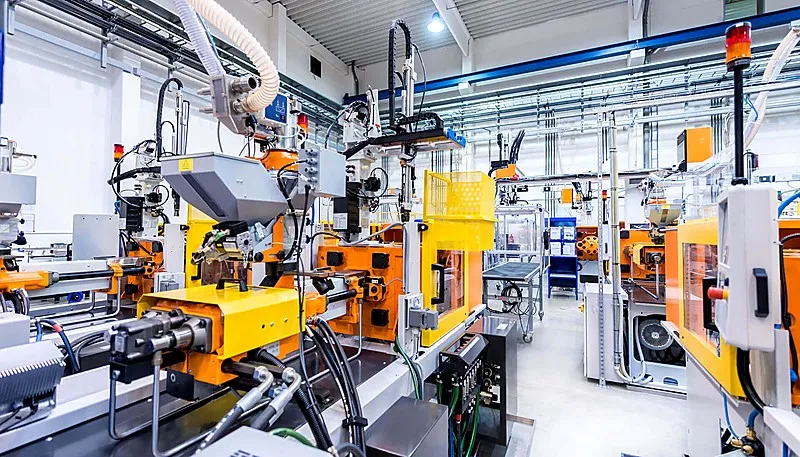
The Philippines’ injection molding market is valued at USD 800–900 million with 5–6% annual growth. Roughly 150–200 active 射出成形 companies operate across Metro Manila, Cavite, Laguna, Cebu, and Bataan, serving packaging, automotive, electronics, and medical buyers. Whether you need direct factory production or contract manufacturing1 partnerships, the country offers genuine advantages alongside clear limitations in total landed cost and lead-time predictability.
For injection molded 熱可塑性プラスチック2 parts, a shortlist should compare 射出成形金型 design ownership, material experience, inspection discipline, secondary-process support, and response speed. A local supplier may be the right fit for urgent regional support, while an offshore supplier can be useful when tooling bandwidth, cost control, or broader production capacity becomes the bottleneck.
Are you looking for injection molding companies in The Philippines? We compiled this shortlist of established suppliers and added a buyer-side sourcing guide checklist so you can compare injection mold design depth, quality systems, and communication fit more efficiently.
What Trends Are Shaping the Philippines’ Injection Molding Industry?
Five shifts are worth watching if you plan to source from the Philippines in the next few years.
1. Automation is accelerating. Between 2020 and 2024, roughly 30-40% of mid-to-large manufacturers invested in robotic pick-and-place systems and automated quality inspection. The driver is not just labor cost — it is consistency. Manual sorting at high cycle rates introduces variation that foreign buyers will not tolerate.
2. Sustainable materials are slowly gaining ground. Biodegradable and recycled-content resins now make up about 15-20% of local production, pushed by government regulation (the Extended Producer Responsibility Act) and multinational brand requirements. Adoption is slower than in Thailand or Vietnam because imported green resins carry a 25-30% premium.
3. Supply-chain diversification is funneling projects into the country. Since 2022, the Philippines has captured an estimated 8-10% of redirected Southeast Asian manufacturing projects as companies hedge against China-plus-one risk. Most of these projects land in Laguna and Cavite export zones, according to Board of Investments Philippines Manufacturing Roadmap 2024.
4. Industry 4.0 adoption is real but uneven. About 25% of manufacturers with 100+ employees now run ERP-linked production floors and IoT-enabled machine monitoring. The rest still track orders on spreadsheets.
5. Medical-grade capacity tripled in five years. ISO 13485-certified molders grew from 3 in 2019 to 12 in 2024. That is still a small number, but it signals a credible push into regulated device manufacturing — a segment where margins are healthier and competition thinner.
How Do You Choose an Injection Molding Supplier in the Philippines?
The right approach is to evaluate certifications first, then mold-making capability, material expertise, and communication responsiveness. If a supplier cannot produce a current ISO 90013 certificate for medical and IATF 16949 for automotive, move on. Certification is table stakes, not a differentiator.
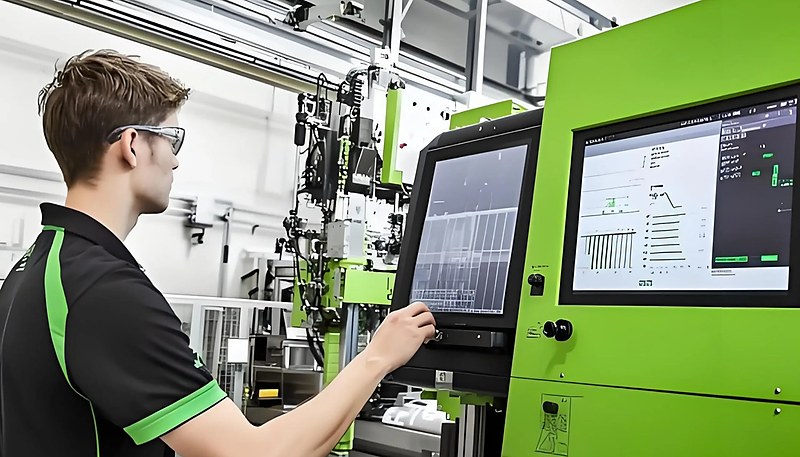
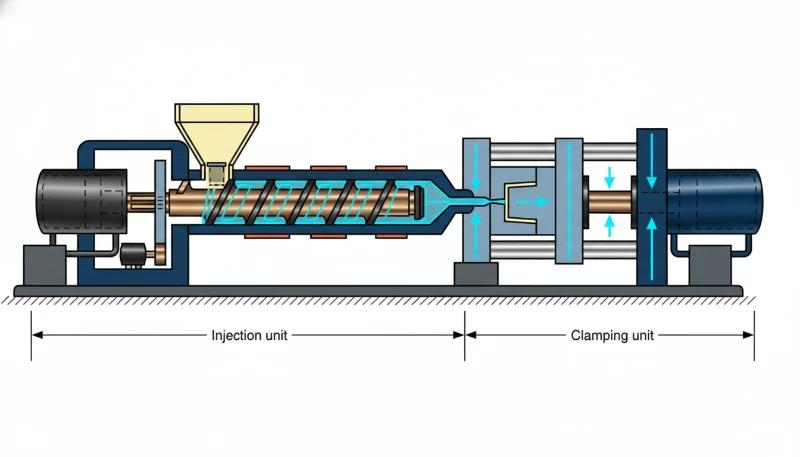
Next, verify injection mold capacity. Ask for the machine list — tonnage range and number of machines. A supplier running 50T-500T presses will struggle with large automotive housings. One with 50T-1500T coverage has more flexibility. Also check clamping force, shot weight range, and whether they have hot-runner capability.
Then evaluate material expertise. Many Philippine suppliers work primarily with PP and ABS. If your project needs glass-filled nylon, polycarbonate, or TPU, confirm experience with specific examples — not just a line in a brochure. Ask for material certification documents from past production runs.
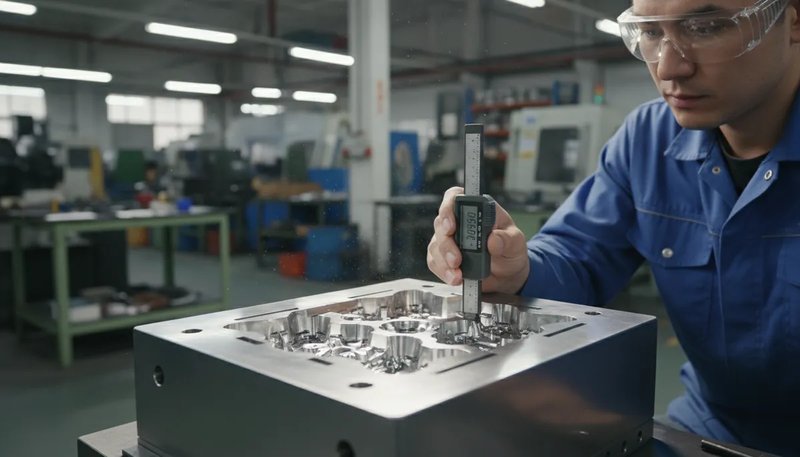
Review quality control infrastructure. Look for in-house CMM (coordinate measuring machine), hardness testers, and documented inspection procedures. A supplier that outsources all dimensional checking will slow your PPAP process by 1-2 weeks.
Finally, clarify MOQs and lead times. Typical MOQs in the Philippines run 1,000-10,000 units depending on complexity. Mold-making lead times are 4-6 weeks for standard tools and 6-10 weeks for multi-cavity or unscrewing molds. Production runs average 2-3 weeks. If you need faster turnaround, China-based suppliers typically deliver molds in 3-4 weeks and production in 1-2 weeks.
Who Are the Top Injection Molding Companies in The Philippines?
The top 10 are Advanz Tool & Die, Yasufuji, Mirai, Calamba Shin-Ei, Muramoto, CEBU YMTECH, Melchers, Ouplus, COFTA, and SUPERSONIC. These companies consistently appear on sourcing shortlists, ranked by production breadth, industry reputation, and verified capability.
1.アドバンズツール&ダイサプライ — Founded in 2002 and headquartered in Metro Manila, Advanz employs 200-299 people and has spent two decades evolving from a tooling supply house into a full-service Total Molding Solutions Provider. Their core strengths are precision mold making, mold design, and production processing — essentially the complete injection molding value chain under one roof. That integrated model means you deal with one team from initial concept to final part, which cuts coordination overhead and reduces the risk of finger-pointing between mold builder and molder. Advanz serves packaging, consumer goods, and automotive components.
“Advanz Tool & Die is one of only a handful of Philippine injection molders that offers integrated mold design, mold making, and production processing under one roof.”真
True. Founded in 2002 in Metro Manila, Advanz evolved from a tooling supply house into a full-service Total Molding Solutions Provider covering the complete value chain.
“All injection molding companies in the Philippines specialize exclusively in automotive parts.”偽
False. Most Philippine suppliers focus on packaging, electronics, consumer goods, and medical devices — not just automotive.
2. Yasufuji Mold Corporation — Established in 2007 in Cavite, Yasufuji is a Japanese-affiliated shop with 200-299 employees that merges Japanese precision standards with Filipino engineering talent. Forty-three Filipino engineers work under direct Japanese technical guidance, producing 20+ molds per month. Their specialty is advanced molding: mechanism element molds, double-shot (two-material) injection, and insert molding for threaded inserts or metal sub-components. These are the techniques you need when a single-shot molder cannot meet your design requirements — think overmolded soft-grip handles, dual-color automotive interior parts, or insert-molded electrical terminals. Yasufuji serves the electronics, automotive, and precision machinery sectors. If your project demands Japanese-level quality at Philippine cost structures, this is the short-list candidate.
3.ミライ・フィリピン・コーポレーション — Founded in 2017 in Laguna, Mirai scaled to 200-299 employees by focusing on packaging materials, component parts, and integrated plastic logistics products. E-commerce growth across Southeast Asia has driven demand for standardized logistics containers, pallets, and transit packaging. Mirai’s modern facility runs newer injection molding equipment with better energy efficiency than legacy shops. For buyers sourcing transit packaging or returnable container systems, Mirai is one of the few Philippine suppliers purpose-built for that application.
COFTAモールディング — Operating since 2002 in Laguna with 200-299 employees, Calamba Shin-Ei focuses on injection products and sub-assembly manufacturing under a strict quality-first philosophy. Their differentiator is the combination of molding and assembly under one roof: instead of receiving loose molded parts that you then need to assemble elsewhere, Calamba Shin-Ei can deliver finished sub-assemblies — including ultrasonic welding, snap-fit assembly, and basic electrical integration. That capability matters for consumer electronics housings, automotive interior modules, and any application where post-molding assembly is a bottleneck. The company has built long-term relationships with Japanese OEMs, which speaks to their consistency over volume runs.
“Yasufuji Mold Corporation produces 20+ molds per month with 43 Filipino engineers under Japanese technical guidance.”真
The Cavite-based company combines Japanese precision standards with local engineering talent, specializing in mechanism element molds, double injection, and insert molding for automotive and electronics applications.
“All 150-200 injection molding companies in the Philippines hold ISO 9001 certification.”偽
Only about 30-40% of Philippine suppliers hold ISO 9001, and even fewer have industry-specific certifications like IATF 16949 (automotive) or ISO 13485 (medical). Certification levels vary widely.
5.村本グループ — Founded in 1935, Muramoto brings nearly ninety years of manufacturing heritage to its Cebu and Lapu-Lapu operations, where 200-299 employees produce automotive devices, AV equipment, information/industry equipment, and medical instruments. Their standout capability is a fully integrated manufacturing system: die design and fabrication, plastic molding, material procurement, sub-assembly, and logistics all linked in-house. For medical-device buyers especially, that integration translates into tighter traceability and faster corrective action when issues arise. Muramoto’s longevity also means they have survived multiple economic cycles without losing their client base — a reliability signal that matters when you are choosing a long-term molding partner.

6.セブYMテクノロジー — Established in 2004 in Cavite with 100-199 employees, CEBU YMTECHNOLOGY draws on Ibaraki Giken metal-forming technology for precision mold manufacturing, machining, and insert molding. Their sweet spot is micro-to-medium components — parts ranging from sub-gram precision pieces up to housings several hundred millimeters across — for telecommunications, electronics, and medical applications. The Ibaraki Giken technology transfer gives them an edge in stamping-die and progressive-die manufacturing that most Philippine molders cannot match. If your project involves tight-tolerance stamped inserts that then get overmolded, CEBU YMTECHNOLOGY is worth a conversation.
7.メルチャーズ・フィリピン — Founded in 1994 in Makati with 100-199 employees, Melchers is more than an injection molder — they operate across injection molding, plastic recycling, film blowing, and sheet extrusion, backed by pre-sales engineering support and after-sales service infrastructure. Their Plastics department has spent three decades building a reputation for machinery specification and commissioning as well as production. That breadth makes them useful when you need a partner who can advise on material selection, tooling approach, and secondary operations rather than simply quoting a part price. They serve packaging, consumer goods, and industrial clients.
“Muramoto Group has operated since 1935 and runs an integrated manufacturing system from die design through logistics.”真
With nearly 90 years of manufacturing experience, Muramoto produces automotive devices, AV equipment, and medical instruments at their Cebu/Lapu-Lapu facility with fully linked production stages.
“Philippines mold-making lead times are always faster than China’s.”偽
Philippines mold making takes 4-6 weeks for standard molds and 6-10 weeks for complex tools, while China typically delivers in 3-4 weeks. Smaller scale and less developed supplier networks contribute to longer turnaround.
8. Ouplus Plastic Industrial Inc. — Established in 2001 in Bataan’s Subic Bay Freeport Zone with 100-199 employees, Ouplus runs one of the broadest plastic-processing portfolios in the country: injection molding, sheet and film extrusion, injection blow molding, injection stretch blow molding, compression molding, extrusion blow molding, pipe extrusion, and thermoforming. If you need a supplier that can produce both a blow-molded bottle and the injection-molded closure on the same purchase order, Ouplus is one of very few Philippine companies equipped for that. Their Subic Bay location also means fast customs clearance and port access, which matters when you are shipping resin in or finished goods out.
9.COFTAモールディングス株式会社 — Founded in 1988 in Quezon with 100-199 employees, COFTA is the pioneer of monobloc plastic chair manufacturing in the Philippines — a niche that demands extreme cycle-time optimization and high-cavitation tooling to hit viable unit costs. That expertise in high-volume, thin-wall, short-cycle molding transfers directly to food containers, utensils, and thin-wall packaging. COFTA has since expanded into sheet extrusion (Versaboard, Xanlite, SynRoof brands), blown film, cast film, and thermoforming. If you are sourcing disposable food packaging or monobloc furniture at scale, COFTA’s three decades of process refinement give them a cost-per-unit advantage that is hard to beat locally.

10. SUPERSONIC Multi-Products Sales Inc. — Originally founded in 1969 and rebranded in 2004 when the company relocated to Maysan, Valenzuela, SUPERSONIC operates with 100-199 employees providing both plastic injection and blow injection molding, plus metal product fabrication — a rare combination. That dual material capability lets them deliver sub-assemblies that combine plastic housings with metal brackets or fasteners, saving you a supplier coordination step. SUPERSONIC targets automotive, consumer goods, and industrial applications, with a focus on international-standard compliance. Their 55+ year track record through multiple economic cycles demonstrates the kind of supplier resilience that matters for long-term sourcing partnerships.
| Company | Founded | 所在地 | Employees | Specialization | Key Industries |
|---|---|---|---|---|---|
| Advanz Tool & Die | 2002 | Metro Manila | 200-299 | Mold making & design | Packaging, automotive, consumer |
| Yasufuji Mold | 2007 | Cavite | 200-299 | Double-shot & insert molding | Electronics, automotive |
| Mirai Philippines | 2017 | Laguna | 200-299 | Packaging & logistics materials | Packaging, logistics |
| Calamba Shin-Ei | 2002 | Laguna | 200-299 | Molding & sub-assembly | Electronics, automotive |
| Muramoto Group | 1935 | Cebu | 200-299 | Integrated manufacturing | Automotive, medical, AV |
| CEBU YMTECH | 2004 | Cavite | 100-199 | Precision molds & machining | Telecom, electronics, medical |
| Melchers Philippines | 1994 | Makati | 100-199 | Multi-process plastics | Packaging, industrial |
| Ouplus Plastic | 2001 | Bataan | 100-199 | Full-range plastic processing | Packaging, consumer |
| COFTA Mouldings | 1988 | フィリピンでの射出成形金型製作の標準的なリードタイムはどのくらいですか? | 100-199 | Thin-wall & monobloc | Furniture, food packaging |
| SUPERSONIC | 1969 | Valenzuela | 100-199 | Plastic & metal products | Automotive, industrial |
How Does the Philippines’ Injection Molding Cost Compare to China?
China typically delivers 20–30% lower total landed cost for injection-molded parts, even though Philippine labor is 30–40% cheaper. The gap comes from material costs, mold-making scale, and supply-chain maturity, per Southeast Asia Manufacturing Cost Benchmark Report 2024.
Labor: Philippine manufacturing wages average USD 250-350 per month versus USD 400-600 in China’s coastal factory belt. That looks compelling — and it is, if labor is your biggest cost driver. But for most injection-molded parts, labor accounts for only 10-15% of unit cost, and the overall process flow depends far more on material availability and tooling lead times.
材料: Because the Philippines imports 70%+ of its plastic resins, material costs run 15-20% higher than in China, where domestic petrochemical production keeps resin prices competitive. For resin-heavy parts (large-volume, single-material items), this difference alone can erase the labor savings.
Tooling: Mold costs in the Philippines are 10-25% higher because local tool shops operate at smaller scale, buy less steel, and have fewer in-house CNC/EDM resources. A single-cavity P20 mold that costs USD 8,000-12,000 in China might run USD 10,000-15,000 in the Philippines.
Lead times: Philippine mold making takes 4-6 weeks versus China’s 3-4 weeks. Production runs take 2-3 weeks versus 1-2 weeks. That 1-2 week gap compounds if your project requires design iterations or tool modifications, stretching the total process flow from RFQ to delivery by 3-5 weeks.
Hidden costs to watch: Tariff structures vary by destination market — the Philippines enjoys GSP (Generalized System of Preferences) status for US imports, which can offset some cost disadvantage for specific product categories. But shipping from the Philippines to Europe or North America often requires transshipment through Singapore or Hong Kong, adding 3-7 days and USD 500-1,500 per container.
| Cost Factor | Philippines | China | Difference |
|---|---|---|---|
| Labor (monthly wage) | USD 250-350 | USD 400-600 | PH 30-40% lower |
| Material cost (resin) | +15-20% vs CN | Baseline | PH 15-20% higher |
| Mold cost (single-cavity P20) | USD 10,000-15,000 | USD 8,000-12,000 | PH 10-25% higher |
| Mold lead time | 4-6 weeks | 3-4 weeks | PH 1-2 weeks slower |
| Production lead time | 2-3 weeks | 1-2 weeks | PH 1 week slower |
| Unit cost (high-volume) | +5-10% vs CN | Baseline | PH slightly higher |
| Unit cost (low-volume) | +15-20% vs CN | Baseline | PH notably higher |

When Is the Philippines the Right Sourcing Choice for Injection Molding?
The Philippines is the right choice when tariff savings or English fluency outweigh pure cost. (1) GSP or ASEAN preferences offset higher base costs. (2) Communication quality matters more than rock-bottom pricing. (3) You are diversifying away from China and want a stable Southeast Asian partner. (4) Volumes are moderate (5,000-50,000 units/year). (5) You are sourcing packaging or furniture, segments where local suppliers have genuine specialization.
China is the better call if: (1) Lowest total cost is your primary driver, especially above 100,000 units. (2) You need the fastest possible mold and production turnaround. (3) Your product requires specialized materials, sourcing guide-level supply-chain depth, or advanced technologies (multi-shot, gas-assist, micro-molding). (4) You are building complex multi-component assemblies that need a mature supplier ecosystem within 50 km. (5) Your end markets are in Asia, so shipping from China minimizes freight cost and time.
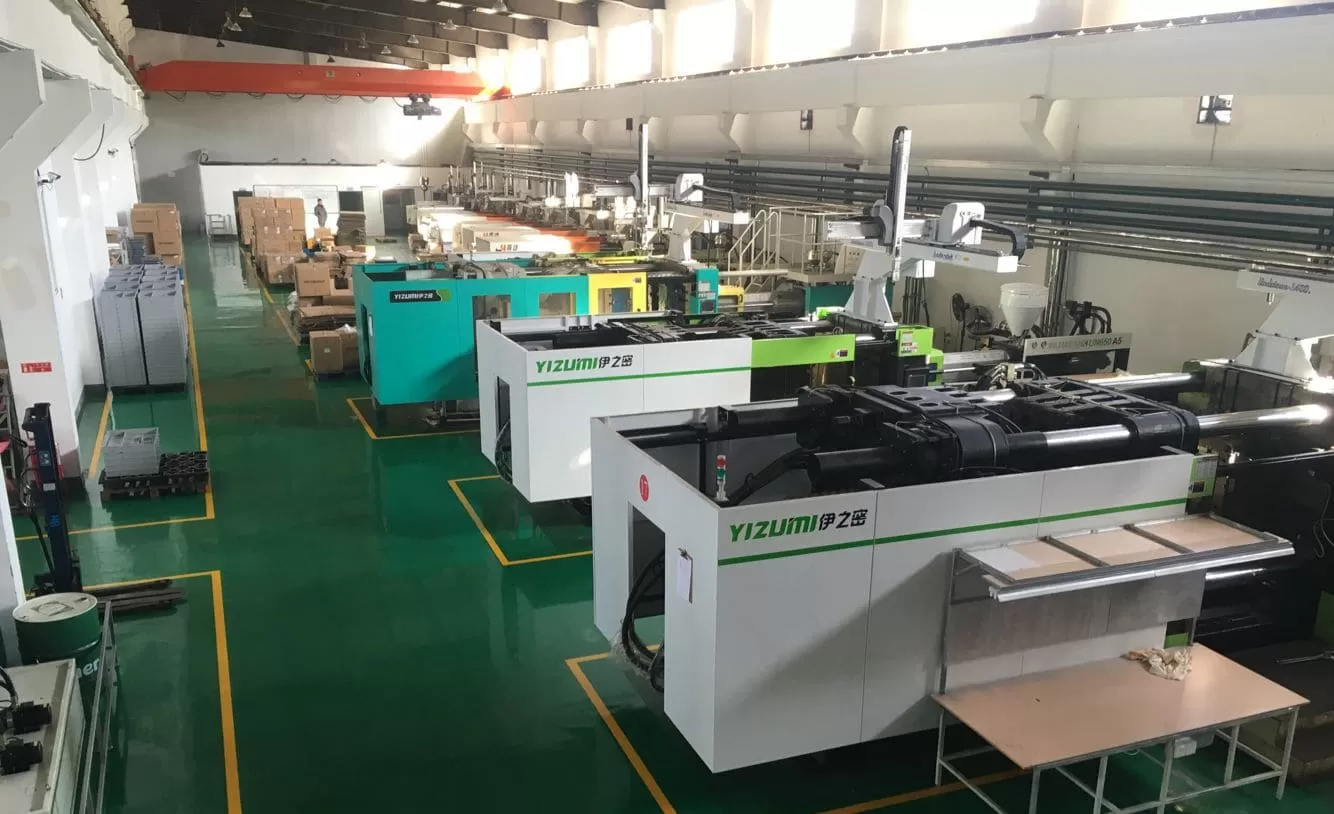
At ZetarMold, we bring 20+ years of injection molding and tooling experience to every project. Our Shanghai factory runs 47 injection molding machines from 90T to 1850T, with an in-house mold manufacturing facility supporting 100+ mold sets per month. We work with 400+ plastic materials and operate under ISO 9001, ISO 13485, ISO 14001, and ISO 45001 systems. For Philippines-based buyers evaluating China versus local sourcing, that means DFM, tooling cost, and quality risk can be reviewed together before a project moves into mold build.
よくある質問
What should I check before requesting a quote from a The Philippines injection molding supplier?
Start with the commercial and engineering basics: part drawings, annual volume, material grade, critical tolerances, cosmetic requirements, and your expected launch timing. Then verify whether the supplier owns in-house tooling, how sample approval is handled, what inspection records can be shared, and whether change requests are documented formally. For a The Philippines shortlist, also confirm export communication, packaging expectations, and post-launch support so you are comparing real execution capability instead of only machine lists or headline pricing. A strong RFQ should force every finalist to answer the same operating questions in the same format.
Can a The Philippines supplier handle both mold building and production molding?
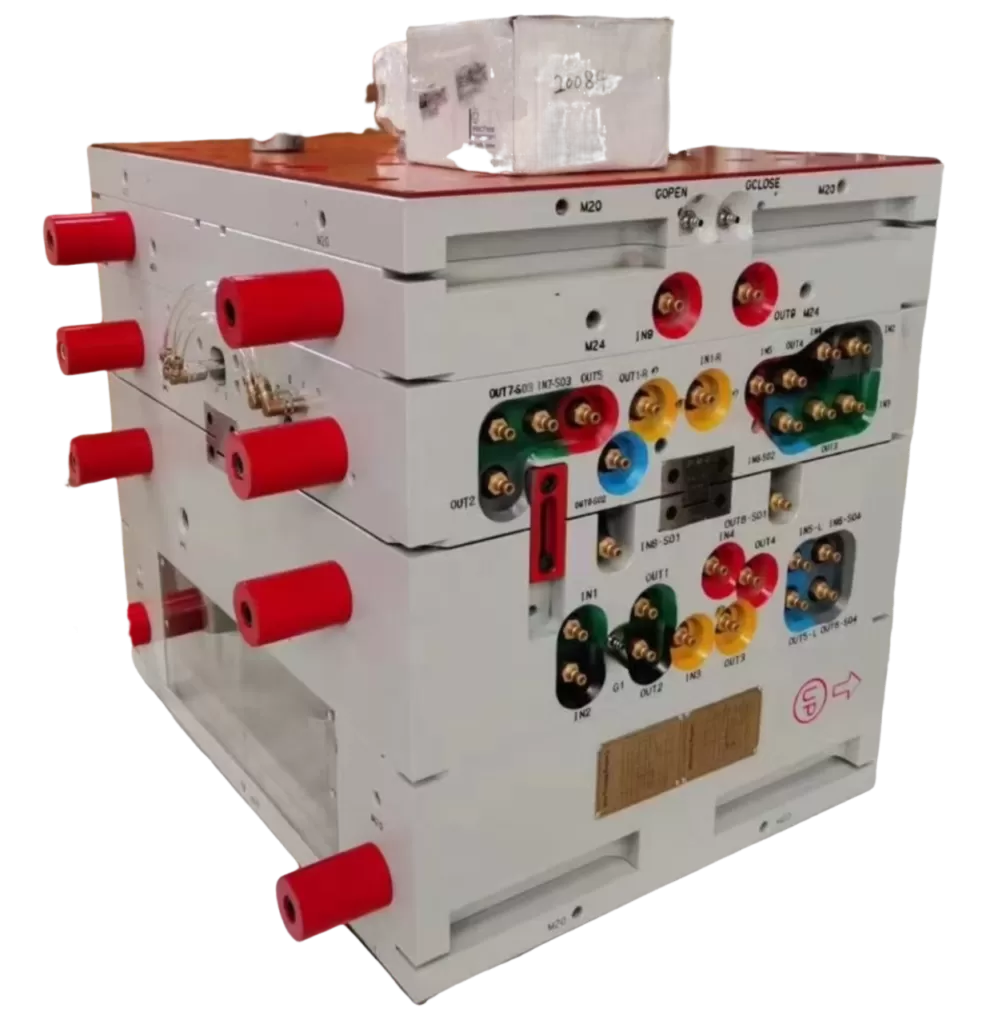
Some suppliers can manage both activities under one roof, while others focus on molding and outsource the tool build. That difference matters because mold ownership, steel changes, timeline control, and maintenance responsibility become harder to manage when tooling and molding are separated. When you benchmark suppliers, ask who designs the mold, who approves the steel specification, where T1 sampling happens, and who pays for modification rounds after the first article review. Those answers reveal whether the supplier can truly carry the program from RFQ to stable volume output. It also shows whether the quoted lead time is operationally credible.
When should I compare offshore suppliers like Zetar with a local The Philippines injection molding source?
It usually makes sense when the project needs stronger tooling bandwidth, lower landed tooling cost, or broader secondary-process support than a local shortlist can provide. The comparison should not be framed as local versus offshore alone. Instead, compare mold design depth, project communication, validation discipline, packaging, shipping cadence, and the speed of engineering response after T1. If an offshore team can document those controls clearly and still deliver a better commercial package, it deserves to sit beside local suppliers in the final sourcing decision.
What quality documents should buyers request before awarding injection molding production?
A serious supplier should be able to provide a process flow, control plan, incoming material controls, dimensional inspection records, sample approval evidence, and certification coverage relevant to your industry. For regulated or high-precision programs, request a clear sampling plan, gauge strategy, and escalation path for nonconforming parts. If tooling is included, ask for mold layout ownership, maintenance expectations, and the revision-control method used when steel changes are approved. These documents show whether the supplier can run a repeatable production system instead of handling the order as a one-off job.
How many injection molding suppliers should I benchmark before making a final selection?
Three to five qualified suppliers is usually the most efficient range. Fewer than three makes it hard to compare technical assumptions, while too many vendors creates noise and slows feedback. Use the first screening round to narrow the list by capability, communication quality, and evidence of process control. Then request comparable quotations from the finalists using the same RFQ pack, material assumptions, and quality requirements. That structure gives you a clean commercial comparison without forcing your engineering team to evaluate a scattered set of inconsistent proposals.
Why Is ZetarMold the Right Partner for Philippines Buyers?
China delivers 15-30% lower total cost and faster lead times than the Philippines for most injection molding projects. For buyers who value reliability and scale, a China-based partner remains the stronger choice.
At ZetarMold, we have been shipping injection-molded parts to buyers in 30+ countries since 2013 from our Shanghai facility. Here is what that looks like in practice: 47 injection molding machines (90T-1850T), 100+ mold sets shipped per month, 400+ materials qualified, ISO 9001/13485/14001/45001 certified, and 30+ English-speaking project managers who respond within 24 hours. In our experience, Philippines-based sourcing teams should compare local suppliers with a structured supplier sourcing guide before committing tooling budget. The math usually works out to 20-30% lower unit cost and 1-2 weeks faster delivery than local options — with comparable or tighter dimensional tolerances.
Whether you need automotive components, medical device housings, consumer-product enclosures, or industrial parts, we can quote your project within 24 hours and deliver first articles in 3-4 weeks.
Get a Free Quote — send your 3D files and material requirements, and our engineering team will return DFM feedback and a firm price within one business day.

-
contract manufacturing: Contract manufacturing is a production arrangement in which a supplier manufactures parts or assemblies to a customer’s drawings, quality requirements, and commercial terms. ↩
-
熱可塑性プラスチック: Thermoplastics refers to polymer materials that soften when heated and solidify again when cooled, which makes them suitable for repeatable injection molding cycles. ↩
-
ISO 9001: ISO 9001 is an international quality-management standard that defines how an organization documents, controls, and improves repeatable production processes. ↩