- Le marché philippin du moulage par injection est évalué à 800–900 millions USD, avec une croissance annuelle de 5–6%, portée par l’emballage, l’électronique et l’automobile.
- Les principaux fournisseurs comprennent Advanz Tool & Die, Yasufuji, Mirai et Calamba Shin-Ei, pour la plupart des entreprises affiliées à des groupes japonais et concentrées à Cavite, Laguna et Cebu.
- La Chine offre un coût total rendu inférieur de 20–30% malgré des salaires philippins plus faibles, en raison de la dépendance aux importations de résine et d’une capacité d’outillage plus réduite.
- Les Philippines sont le bon choix lorsque les économies tarifaires du GSP, la maîtrise de l'anglais ou la diversification de la chaîne d'approvisionnement priment sur le seul coût.
- La certification ISO 9001 et la capacité de fabriquer les moules en interne sont deux critères non négociables pour évaluer les fournisseurs philippins.
À quoi ressemble le marché philippin du moulage par injection ?
Le marché philippin du moulage par injection est estimé entre 800 et 900 millions USD, avec une croissance annuelle de 5 à 6 %. Environ 150 à 200 entreprises actives de moulage par injection opèrent dans le Grand Manille, à Cavite, Laguna, Cebu et Bataan, au service de l’emballage, de l’automobile, de l’électronique et du médical. Que vous recherchiez une production directe en usine ou des partenariats de fabrication sous contrat1, le pays présente de véritables avantages, mais aussi des limites claires en matière de coût total rendu et de prévisibilité des délais.
Pour les pièces thermoplastiques moulées par injection, la présélection doit comparer la maîtrise de la conception du moule d’injection, l’expérience des matériaux, la rigueur des contrôles, la prise en charge des opérations secondaires et la réactivité. Un fournisseur local peut convenir à une assistance régionale urgente, tandis qu’un fournisseur étranger devient utile lorsque la capacité d’outillage, la maîtrise des coûts ou la capacité globale de production constitue le goulot d’étranglement.
Vous recherchez des entreprises de moulage par injection aux Philippines ? Nous avons établi cette liste de fournisseurs reconnus et ajouté une liste de contrôle issue d’un guide de sélection des fournisseurs afin de comparer plus efficacement leur maîtrise de la conception des moules d’injection, leurs systèmes qualité et leur communication.
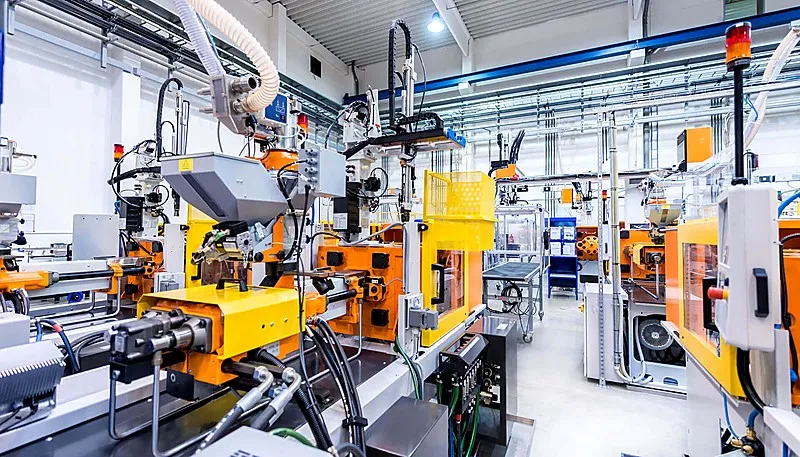
Quelles tendances façonnent l’industrie du moulage par injection aux Philippines ?
Cinq évolutions sont à surveiller si vous envisagez un approvisionnement aux Philippines dans les prochaines années.
1. L’automatisation s’accélère. Entre 2020 et 2024, environ 30 à 40 % des fabricants moyens et grands ont investi dans des robots de prise et dépose et dans le contrôle qualité automatisé. Le moteur n’est pas seulement le coût du travail, mais aussi la régularité. Le tri manuel à cadence élevée introduit des variations que les acheteurs étrangers n’accepteront pas.
2. Les matériaux durables gagnent lentement du terrain. Les résines2 biodégradables et à contenu recyclé représentent désormais environ 15 à 20 % de la production locale, sous l’effet de la réglementation publique (Extended Producer Responsibility Act) et des exigences des marques multinationales. Leur adoption est plus lente qu’en Thaïlande ou au Vietnam, car les résines vertes importées coûtent 25 à 30 % de plus.
3. La diversification de la chaîne d’approvisionnement canalise les projets vers le pays. Depuis 2022, les Philippines ont accaparé environ 8 à 10 % des projets manufacturiers réorientés en Asie du Sud-Est, les entreprises se protégeant contre le risque Chine plus un. La plupart de ces projets atterrissent dans les zones d’exportation de Laguna et Cavite, selon la feuille de route 2024 du Board of Investments Philippines Manufacturing.
4. L’adoption de l’Industrie 4.0 est réelle mais inégale. Environ 25 % des fabricants de plus de 100 employés disposent désormais d’ateliers de production liés à un ERP et d’une surveillance des machines compatible IoT. Les autres suivent toujours les commandes sur des feuilles de calcul.
5. La capacité médicale a triplé en cinq ans. Le nombre de mouleurs certifiés ISO 13485 est passé de 3 en 2019 à 12 en 2024. Ce nombre est encore faible, mais cela témoigne d’une poussée crédible vers la fabrication d’appareils réglementés, un segment où les marges sont plus saines et la concurrence plus mince.
Comment choisir un fournisseur de moulage par injection aux Philippines ?
La bonne approche consiste à évaluer d’abord les certifications, puis la capacité de fabrication de moules, l’expertise en matériaux et la réactivité de la communication. Si un fournisseur ne peut pas produire un certificat ISO 90013 pour le médical et IATF 16949 pour l’automobile, passez à autre chose. La certification est un enjeu de table, pas un différenciateur.
Vérifiez ensuite la capacité de moulage par injection. Demandez la liste des presses, leur plage de tonnage et leur nombre. Un fournisseur équipé de presses 50T-500T aura du mal avec de grands boîtiers automobiles ; une couverture 50T-1500T offre davantage de souplesse. Contrôlez aussi la force de fermeture, la plage de poids injectable et la capacité en canaux chauds.
Évaluez ensuite l’expertise matière. De nombreux fournisseurs philippins travaillent surtout le PP et l’ABS. Si votre projet exige du nylon chargé de verre, du polycarbonate ou du TPU, demandez des exemples précis, pas une simple ligne de brochure. Exigez les certificats matière d’anciennes séries.
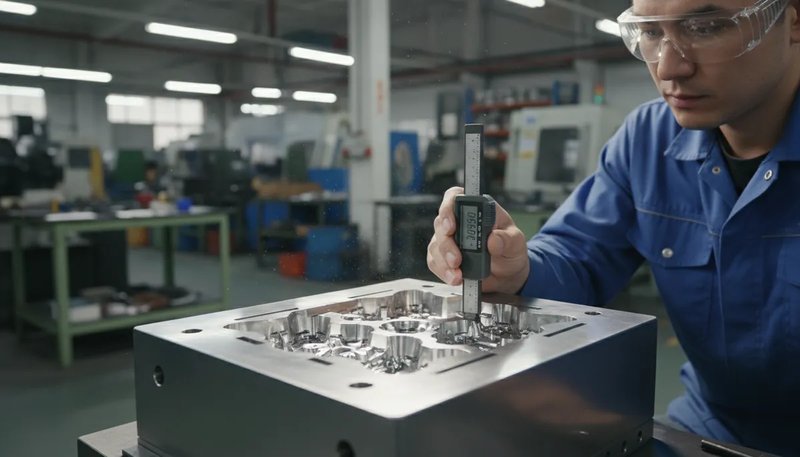
Examinez l’infrastructure de contrôle qualité. Recherchez une CMM (machine à mesurer tridimensionnelle) interne, des duromètres et des procédures d’inspection documentées. Un fournisseur qui sous-traite tous les contrôles dimensionnels ralentira votre processus PPAP de 1-2 semaines.
Enfin, clarifiez les MOQ et les délais de livraison. Les MOQ typiques aux Philippines comprennent entre 1 000 et 10 000 unités en fonction de la complexité. Les délais de fabrication des moules sont de 4 à 6 semaines pour les outils standards et de 6 à 10 semaines pour les moules multi-empreintes ou à dévissage. La production dure en moyenne 2 à 3 semaines. Si vous avez besoin d’un délai d’exécution plus rapide, les fournisseurs basés en Chine livrent généralement les moules en 3 à 4 semaines et la production en 1 à 2 semaines.
Quelles sont les principales entreprises de moulage par injection aux Philippines ?
Les 10 principaux sont Advanz Tool & Die, Yasufuji, Mirai, Calamba Shin-Ei, Muramoto, CEBU YMTECH, Melchers, Ouplus, COFTA et SUPERSONIC. Ils figurent régulièrement dans les présélections d’approvisionnement, classés selon l’étendue de leur production, leur réputation et leurs capacités vérifiées.
1. Advanz Tool & Die Supplies — Fondée en 2002 et basée dans la région métropolitaine de Manille, Advanz emploie 200 à 299 personnes et a passé deux décennies à évoluer d’une société de fourniture d’outillage à un fournisseur complet de solutions de moulage. Leurs principaux atouts sont la fabrication de moules de précision, la conception de moules et le traitement de la production – essentiellement la chaîne de valeur complète du moulage par injection sous un même toit. Ce modèle intégré signifie que vous traitez avec une seule équipe, du concept initial à la pièce finale, ce qui réduit les frais de coordination et le risque de pointage du doigt entre le constructeur de moules et le mouleur. Advanz sert des emballages, des biens de consommation et des composants automobiles.
« Advanz Tool & Die est l’un des rares moulistes par injection philippins à réunir sous un même toit la conception de moules, leur fabrication et la production. »True
Vrai. Fondée en 2002 dans la métropole de Manille, Advanz est passée d’un fournisseur d’outillage à un prestataire complet de Total Molding Solutions couvrant toute la chaîne de valeur.
"Toutes les entreprises de moulage par injection aux Philippines sont exclusivement spécialisées dans les pièces automobiles."False
Faux. La plupart des fournisseurs philippins se concentrent sur l’emballage, l’électronique, les biens de consommation et les dispositifs médicaux — pas seulement sur l’automobile.
2. Yasufuji Mold Corporation – Créée en 2007 à Cavite, Yasufuji est un atelier affilié au Japon comptant entre 200 et 299 employés qui fusionne les normes de précision japonaises avec le talent d’ingénierie philippin. Quarante-trois ingénieurs philippins travaillent sous la direction technique directe du Japon, produisant plus de 20 moules par mois. Leur spécialité est le moulage avancé : moules d’éléments de mécanisme, injection double-shot (bi-matière), et moulage d’inserts pour inserts filetés ou sous-composants métalliques. Ce sont les techniques dont vous avez besoin lorsqu’un mouleur monocouche ne peut pas répondre à vos exigences de conception : pensez aux poignées souples surmoulées, aux pièces intérieures automobiles bicolores ou aux bornes électriques moulées par insertion. Yasufuji dessert les secteurs de l’électronique, de l’automobile et des machines de précision. Si votre projet exige une qualité de niveau japonais avec des structures de coûts philippines, ce candidat est présélectionné.
3. Mirai Philippines Corp. — Fondée en 2017 à Laguna, Mirai compte aujourd’hui entre 200 et 299 employés en se concentrant sur les matériaux d’emballage, les composants et les produits logistiques intégrés en plastique. La croissance du commerce électronique en Asie du Sud-Est a stimulé la demande de conteneurs logistiques, de palettes et d’emballages de transit standardisés. L’installation moderne de Mirai utilise des équipements de moulage par injection plus récents avec une meilleure efficacité énergétique que les ateliers traditionnels. Pour les acheteurs qui recherchent des emballages de transit ou des systèmes de conteneurs consignés, Mirai est l’un des rares fournisseurs philippins spécialement conçus pour cette application.
4. Calamba Shin-Ei — Opérant depuis 2002 à Laguna avec 200 à 299 employés, Calamba Shin-Ei se concentre sur les produits d’injection et la fabrication de sous-ensembles selon une philosophie stricte axée sur la qualité. Leur différenciateur réside dans la combinaison du moulage et de l’assemblage sous un même toit : au lieu de recevoir des pièces moulées en vrac que vous devez ensuite assembler ailleurs, Calamba Shin-Ei peut livrer des sous-ensembles finis, y compris le soudage par ultrasons, l’assemblage par encliquetage et l’intégration électrique de base. Cette capacité est importante pour les boîtiers d’électronique grand public, les modules intérieurs automobiles et toute application où l’assemblage après moulage constitue un goulot d’étranglement. La société a noué des relations à long terme avec des équipementiers japonais, ce qui témoigne de leur cohérence en matière de volumes de production.
"Yasufuji Mold Corporation produit plus de 20 moules par mois avec 43 ingénieurs philippins encadrés techniquement par des Japonais."True
L'entreprise basée à Cavite combine les normes de précision japonaises avec le talent d'ingénierie local, se spécialisant dans les moules d'éléments mécaniques, la double injection et le moulage à insert pour les applications automobiles et électroniques.
"Les 150-200 entreprises de moulage par injection des Philippines sont toutes certifiées ISO 9001."False
Seulement environ 30 à 40 % des fournisseurs philippins détiennent l'ISO 9001, et encore moins possèdent des certifications spécifiques à l'industrie comme l'IATF 16949 (automobile) ou l'ISO 13485 (médical). Les niveaux de certification varient considérablement.
5. Groupe Muramoto — Fondé en 1935, Muramoto apporte près de quatre-vingt-dix ans d’héritage manufacturier à ses opérations de Cebu et de Lapu-Lapu, où 200 à 299 employés produisent des appareils automobiles, des équipements audiovisuels, des équipements informatiques/industriels et des instruments médicaux. Leur capacité exceptionnelle est un système de fabrication entièrement intégré : conception et fabrication des matrices, moulage du plastique, approvisionnement en matériaux, sous-assemblages et logistique, tous liés en interne. Pour les acheteurs de dispositifs médicaux en particulier, cette intégration se traduit par une traçabilité plus étroite et des mesures correctives plus rapides en cas de problème. La longévité de Muramoto signifie également qu’elle a survécu à plusieurs cycles économiques sans perdre sa clientèle – un signal de fiabilité qui compte lorsque vous choisissez un partenaire de moulage à long terme.
6. CEBU YMTECHNOLOGY INC. — Créée en 2004 à Cavite avec 100 à 199 employés, CEBU YMTECHNOLOGY s’appuie sur la technologie de formage des métaux d’Ibaraki Giken pour la fabrication, l’usinage et le moulage d’inserts de moules de précision. Leur point idéal est constitué de composants micro à moyens – des pièces allant des pièces de précision inférieures au gramme jusqu’aux boîtiers de plusieurs centaines de millimètres de diamètre – pour les télécommunications, l’électronique et les applications médicales. Le transfert de technologie d’Ibaraki Giken leur donne un avantage dans la fabrication de matrices d’estampage et de matrices progressives que la plupart des mouleurs philippins ne peuvent égaler. Si votre projet implique des inserts estampés à tolérance serrée qui sont ensuite surmoulés, CEBU YMTECHNOLOGY mérite une conversation.
7. Melchers Philippines — Fondée en 1994 à Makati avec 100 à 199 employés, Melchers est plus qu’un mouleur par injection : elle opère dans les domaines du moulage par injection, du recyclage du plastique, du soufflage de films et de l’extrusion de feuilles, soutenue par une assistance technique avant-vente et une infrastructure de service après-vente. Leur département des plastiques a passé trois décennies à bâtir une réputation en matière de spécification et de mise en service de machines ainsi que de production. Cette ampleur les rend utiles lorsque vous avez besoin d’un partenaire capable de vous conseiller sur la sélection des matériaux, l’approche de l’outillage et les opérations secondaires plutôt que de simplement indiquer le prix d’une pièce. Ils servent des clients de l’emballage, des biens de consommation et de l’industrie.
« Muramoto Group exerce ses activités depuis 1935 et exploite un système de fabrication intégré, de la conception des matrices à la logistique. »True
Avec près de 90 ans d'expérience en fabrication, Muramoto produit des dispositifs automobiles, des équipements audiovisuels et des instruments médicaux dans son usine de Cebu/Lapu-Lapu avec des étapes de production entièrement liées.
"Les délais de fabrication des moules aux Philippines sont toujours plus courts qu’en Chine."False
La fabrication de moules aux Philippines prend 4-6 semaines pour les moules standards et 6-10 semaines pour les outils complexes, tandis que la Chine livre généralement en 3-4 semaines. Une échelle plus petite et des réseaux de fournisseurs moins développés contribuent à des délais plus longs.
8. Ouplus Plastic Industrial Inc. — Créée en 2001 dans la zone franche de Subic Bay à Bataan et comptant entre 100 et 199 employés, Ouplus gère l’un des portefeuilles de transformation du plastique les plus vastes du pays : moulage par injection, extrusion de feuilles et de films, moulage par injection-soufflage, moulage par injection-étirage-soufflage, moulage par compression, extrusion-soufflage, extrusion de tuyaux et thermoformage. Si vous avez besoin d’un fournisseur capable de produire à la fois une bouteille moulée par soufflage et un bouchon moulé par injection sur le même bon de commande, Ouplus est l’une des rares entreprises philippines équipées pour cela. Leur emplacement à Subic Bay signifie également un dédouanement et un accès au port rapides, ce qui est important lorsque vous expédiez de la résine ou des produits finis.
9. COFTA Mouldings Corporation — Fondée en 1988 à Quezon avec 100 à 199 employés, COFTA est le pionnier de la fabrication de chaises en plastique monobloc aux Philippines — un créneau qui exige une optimisation extrême du temps de cycle et un outillage à forte cavitation pour atteindre des coûts unitaires viables. Cette expertise dans le moulage de grands volumes, à parois minces et à cycle court, est directement transférée aux récipients alimentaires, aux ustensiles et aux emballages à parois minces. COFTA s’est depuis développé dans l’extrusion de feuilles (marques Versaboard, Xanlite, SynRoof), le film soufflé, le film coulé et le thermoformage. Si vous achetez des emballages alimentaires jetables ou des meubles monoblocs à grande échelle, les trois décennies de perfectionnement des processus de COFTA leur confèrent un avantage en termes de coût unitaire difficile à battre localement.
10. SUPERSONIC Multi-Products Sales Inc. — Fondée à l’origine en 1969 et renommée en 2004 lorsque l’entreprise a déménagé à Maysan, Valenzuela, SUPERSONIC compte entre 100 et 199 employés fournissant à la fois le moulage par injection plastique et par soufflage, ainsi que la fabrication de produits métalliques — une combinaison rare. Cette capacité à double matériau leur permet de fournir des sous-ensembles combinant des boîtiers en plastique avec des supports ou des attaches métalliques, ce qui vous évite une étape de coordination avec les fournisseurs. SUPERSONIC cible les applications automobiles, de biens de consommation et industrielles, en mettant l’accent sur la conformité aux normes internationales. Leur expérience de plus de 55 ans à travers plusieurs cycles économiques démontre le type de résilience des fournisseurs qui est importante pour les partenariats d’approvisionnement à long terme.
| Entreprise | Fondée en | Localisation | Employés | Spécialisation | Secteurs principaux |
|---|---|---|---|---|---|
| Entreprise Advanz Tool & Die | 2002 | Manille Métropolitaine | 200-299 | Fabrication et conception de moules | Emballage, automobile, consommation |
| Yasufuji Mold | 2007 | Cavite | 200-299 | Bi-injection et moulage avec inserts | Électronique, automobile |
| Mirai Philippines | 2017 | Laguna | 200-299 | Matériaux d’emballage et de logistique | Emballage, logistique |
| Calamba Shin-Ei | 2002 | Laguna | 200-299 | Moulage et sous-assemblage | Électronique, automobile |
| Groupe Muramoto | 1935 | Cebu | 200-299 | Fabrication intégrée | Automobile, médical, audiovisuel |
| CEBU YMTECH | 2004 | Cavite | 100-199 | Moules de précision et usinage | Télécommunications, électronique, médical |
| Melchers Philippines | 1994 | Makati | 100-199 | Plastiques multi-processus | Emballage, industriel |
| Ouplus Plastic | 2001 | Bataan | 100-199 | Traitement plastique complet | Emballage, biens de consommation |
| COFTA Moulages | 1988 | Quezon | 100-199 | Paroi mince et monobloc | Mobilier, emballage alimentaire |
| SUPERSONIQUE | 1969 | Valenzuela | 100-199 | Produits en plastique et en métal | Automobile, industriel |
Comment le coût du moulage par injection aux Philippines se compare-t-il à celui de la Chine ?

La Chine offre généralement un coût total débarqué inférieur de 20 à 30 % pour les pièces moulées par injection, même si la main-d’œuvre philippine est 30 à 40 % moins chère. L’écart provient des coûts des matériaux, de l’échelle de fabrication des moules et de la maturité de la chaîne d’approvisionnement, selon le Rapport de référence sur les coûts de fabrication en Asie du Sud-Est 2024.
Travail : Les salaires dans le secteur manufacturier philippin se situent en moyenne entre 250 et 350 USD par mois, contre 400 à 600 USD dans la ceinture industrielle côtière de la Chine. Cela semble convaincant – et cela l’est, si la main-d’œuvre est votre principal facteur de coûts. Mais pour la plupart des pièces moulées par injection, la main d’œuvre ne représente que 10 à 15 % du coût unitaire, et le flux global du processus dépend bien plus de la disponibilité des matériaux et des délais de livraison des outils.
Matériaux : étant donné que les Philippines importent plus de 70 % de leurs résines plastiques, les coûts des matériaux sont 15 à 20 % plus élevés qu’en Chine, où la production pétrochimique nationale maintient les prix des résines compétitifs. Pour les pièces à forte teneur en résine (articles de gros volume et mono-matériau), cette différence à elle seule peut effacer les économies de main d’œuvre.
Outillage : les coûts des moules aux Philippines sont de 10 à 25 % plus élevés parce que les ateliers d’outillage locaux fonctionnent à plus petite échelle, achètent moins d’acier et disposent de moins de ressources CNC/EDM en interne. Un moule P20 à cavité unique qui coûte entre 8 000 et 12 000 USD en Chine pourrait coûter entre 10 000 et 15 000 USD aux Philippines.
Délais de livraison : La fabrication de moules aux Philippines prend 4 à 6 semaines contre 3 à 4 semaines en Chine. Les cycles de production prennent 2 à 3 semaines contre 1 à 2 semaines. Cet écart de 1 à 2 semaines s’aggrave si votre projet nécessite des itérations de conception ou des modifications d’outils, allongeant ainsi le flux total du processus depuis la demande d’offre jusqu’à la livraison de 3 à 5 semaines.
Coûts cachés à surveiller : les structures tarifaires varient selon le marché de destination – les Philippines bénéficient du statut SGP (Système généralisé de préférences) pour les importations américaines, ce qui peut compenser certains désavantages en termes de coûts pour des catégories de produits spécifiques. Mais l’expédition des Philippines vers l’Europe ou l’Amérique du Nord nécessite souvent un transbordement via Singapour ou Hong Kong, ce qui ajoute 3 à 7 jours et 500 à 1 500 USD par conteneur.
| Facteur de coût | Philippines | Chine | Différence |
|---|---|---|---|
| Main-d'œuvre (salaire mensuel) | USD 250-350 | 400-600 USD | PH 30-40% plus bas |
| Coût du matériau (résine) | +15-20% par rapport à CN | Valeur de référence | PH 15-20% plus élevé |
| Coût du moule (monocavité P20) | USD 10,000-15,000 | USD 8,000-12,000 | PH 10-25% plus élevé |
| >50 000 unités/an | 4 à 6 semaines | 3-4 semaines | PH 1-2 semaines plus lent |
| Délai de production | 2-3 semaines | 1-2 semaines | PH 1 semaine plus lent |
| Coût unitaire (volume élevé) | +5–10 % par rapport à la Chine | Valeur de référence | PH légèrement plus élevé |
| Coût unitaire (faible volume) | +15-20% par rapport à CN | Valeur de référence | PH nettement plus élevé |
Quand les Philippines sont-elles le bon choix d’approvisionnement pour le moulage par injection ?
Les Philippines constituent le bon choix d’approvisionnement lorsque les économies tarifaires, la maîtrise de l’anglais ou la diversification de la chaîne d’approvisionnement l’emportent sur les purs avantages en termes de coûts. Choisissez les Philippines lorsque : (1) les préférences SPG ou ASEAN compensent les coûts de base plus élevés. (2) La qualité de la communication compte plus que des prix défiant toute concurrence. (3) Vous vous diversifiez en dehors de la Chine et recherchez un partenaire stable en Asie du Sud-Est. (4) Les volumes sont modérés (5 000 à 50 000 unités/an). (5) Vous sourcez du packaging ou du mobilier, des segments où les fournisseurs locaux ont une véritable spécialisation.

La Chine est la meilleure solution si : (1) Le coût total le plus bas est votre principal facteur, en particulier au-dessus de 100 000 unités. (2) Vous avez besoin d’un délai d’exécution de moule et de production le plus rapide possible. (3) Votre produit nécessite des matériaux spécialisés, une profondeur de chaîne d’approvisionnement de niveau guide ou des technologies avancées (multi-shot, assistance au gaz, micro-moulage). (4) Vous construisez des assemblages multi-composants complexes qui nécessitent un écosystème de fournisseurs mature dans un rayon de 50 km. (5) Vos marchés finaux se trouvent en Asie, donc l’expédition depuis la Chine minimise les coûts et les délais de transport.
À ZetarMold, nous apportons plus de 20 ans d’expérience en moulage par injection et outillage à chaque projet. Notre usine de Shanghai dispose de 47 machines de moulage par injection de 90T à 1850T, avec un atelier interne de fabrication de moules supportant plus de 100 ensembles de moules par mois. Nous travaillons avec plus de 400 matériaux plastiques et opérons sous les systèmes ISO 9001, ISO 13485, ISO 14001 et ISO 45001. Pour les acheteurs basés aux Philippines qui évaluent la Chine versus le sourcing local, cela signifie que la DFM, le coût d’outillage et le risque qualité peuvent être examinés ensemble avant que le projet passe à la fabrication du moule.
Foire aux Questions sur le Moulage par Injection aux Philippines
Questions fréquemment posées
Quel est le coût moyen du moulage par injection aux Philippines ?
Les coûts de moulage par injection aux Philippines varient selon la complexité de la pièce, le matériau et le volume. Pour un moule standard monocavité en P20, prévoyez 10 000 à 15 000 USD pour l’outillage, avec des prix unitaires supérieurs de 5 à 20 % à ceux de la Chine selon la taille de la commande. Une pièce simple en PP à 50 000 unités pourrait coûter 0,15 à 0,30 USD par pièce incluant l’amortissement de l’outillage, tandis qu’un moule multi-cavités pour des boîtiers ABS à 100 000 unités pourrait coûter 0,08 à 0,18 USD par pièce. Les majorations de prix des matériaux de 15 à 20 % par rapport aux prix des résines chinoises sont le principal facteur de coût, car les Philippines importent plus de 70 % de ses résines plastiques. Demandez des devis détaillés séparant l’outillage, le matériau, la transformation et les opérations secondaires afin de pouvoir comparer des éléments comparables entre les fournisseurs.
Les Philippines disposent-elles de mouleurs par injection certifiés ISO 13485 pour les dispositifs médicaux ?
Oui, mais le bassin est petit — environ 12 mouleurs certifiés ISO 13485 en 2024, contre seulement 3 en 2019. Ces fournisseurs sont concentrés à Cavite et Laguna, servant principalement les entreprises multinationales de dispositifs médicaux qui exigent une traçabilité documentée et des processus validés. Si votre projet nécessite un moulage de qualité médicale, vérifiez directement auprès du fournisseur la validité de la certification et demandez des exemples de dossiers d’historique des dispositifs issus de productions antérieures. Confirmez également la disponibilité de salle blanche, car tous les détenteurs de l’ISO 13485 ne disposent pas de chaînes de moulage par injection en salle blanche dédiées — certains certifient uniquement leur système de management de la qualité tout en réalisant le moulage dans des environnements d’usine standard.
Combien de temps faut-il pour fabriquer un moule d’injection aux Philippines ?
Les moules standards monocavités prennent 4 à 6 semaines aux Philippines, tandis que les moules multi-cavités ou à démoulage par dévissage prennent 6 à 10 semaines. Cela se compare à 3 à 4 semaines pour les moules standards en Chine. Ajoutez encore 1 à 2 semaines si le fournisseur sous-traite l’usinage par EDM ou l’inspection CMM plutôt que de les réaliser en interne. Pour les acheteurs avec des délais serrés, demander un calendrier détaillé de l’outillage dès le début — incluant la revue de conception, la coupe de l’acier, l’échantillonnage T1 et les boucles de correction — permet d’éviter les mauvaises surprises qui peuvent retarder la livraison de deux à trois semaines par rapport au devis initial. Prévoyez au moins un cycle de révision dans votre calendrier de projet.
Quels matériaux sont les plus couramment utilisés par les moulistes par injection philippins ?
Le PP (polypropylène) et l’ABS dominent la production locale, couvrant l’emballage, les biens de consommation et les pièces intérieures automobiles à travers le pays. Le HDPE et le LDPE sont également courants pour les applications d’emballage et les articles ménagers. Les matériaux spécialisés comme le nylon chargé de verre, le polycarbonate, le TPU et le POM nécessitent une vérification préalable — de nombreux fournisseurs les mentionnent dans leurs brochures mais n’ont pas d’expérience de production documentée avec ceux-ci. Avant de vous engager, demandez les documents de certification des matériaux provenant de productions antérieures et confirmez que le fournisseur a effectivement traité la nuance spécifique et le pourcentage de charge requis par votre projet.
Les mouleurs par injection philippins peuvent-ils gérer des productions à grand volume ?
Oui, sous conditions. Les meilleurs fournisseurs comme Advanz Tool & Die et Yasufuji peuvent produire 500,000+ unités par mois avec des moules à nombreuses empreintes, notamment en emballage. La plupart des mouleurs philippins moyens plafonnent à 50,000-100,000 unités par outil en raison des presses et du travail en une équipe. Au-delà de 500,000, vérifiez les moules redondants ou équipes multiples et l’accord d’approvisionnement en résine, première cause de retard.
Quelles certifications dois-je rechercher chez un fournisseur philippin de moulage par injection ?
Au minimum, l’ISO 9001 pour le management de la qualité est essentielle. Pour les pièces automobiles, exigez la certification IATF 16949. Pour les dispositifs médicaux, l’ISO 13485 est obligatoire. Vérifiez également que les certifications sont à jour — demandez le dernier rapport d’audit et la date d’expiration du certificat. Un fournisseur disposant uniquement d’un permis d’exploitation mais sans enregistrement ISO est un signal d’alarme pour les pièces critiques en termes de qualité. Des certifications supplémentaires comme l’ISO 14001 (environnement) et l’ISO 45001 (santé et sécurité au travail) indiquent un système de management plus mature, ce qui est souvent corrélé à une meilleure discipline de processus et à des pratiques de documentation plus rigoureuses.
Les Philippines sont-elles une bonne alternative à la Chine pour le moulage par injection ?
Cela dépend de vos priorités. Les Philippines offrent des avantages tarifaires SPG pour les biens destinés aux États-Unis, une communication en anglais efficace qui réduit les malentendus sur les spécifications, et une diversification géographique éloignée du risque de concentration en Chine. Cependant, la Chine offre un coût total débarqué inférieur de 20 à 30 %, des délais plus rapides d’une à deux semaines, une disponibilité des matériaux plus large avec des centaines de grades qualifiés contre cinquante à quatre-vingts localement, et une expertise plus poussée en outillage pour les moules complexes multi-cavités. Pour les pièces de commodité à grand volume où le coût unitaire est primordial, la Chine reste le choix le plus fort. Pour les projets à faible ou moyen volume où les économies tarifaires, la qualité de la communication ou la diversification de la chaîne d’approvisionnement comptent davantage, les Philippines sont une option crédible et concurrentielle qui mérite d’être évaluée.
Pourquoi ZetarMold est-il le bon partenaire pour les acheteurs philippins ?
La Chine offre un coût total inférieur de 15 % à 30 % et des délais de livraison plus rapides que les Philippines pour la plupart des projets de moulage par injection. Pour les acheteurs qui privilégient la fiabilité et l’échelle, un partenaire basé en Chine reste le choix le plus solide.
Chez ZetarMold, nous expédions des pièces moulées par injection à des acheteurs dans plus de 30 pays depuis 2013 depuis notre usine de Shanghai. Voici à quoi cela ressemble en pratique : 47 machines de moulage par injection (90T-1850T), plus de 100 jeux de moules expédiés par mois, plus de 400 matériaux qualifiés, certifiés ISO 9001/13485/14001/45001, et plus de 30 chefs de projets anglophones qui répondent sous 24 heures. D’après notre expérience, les équipes d’approvisionnement basées aux Philippines devraient comparer les fournisseurs locaux avec un guide d’approvisionnement structuré avant d’engager un budget d’outillage. Le calcul aboutit généralement à un coût unitaire 20 à 30 % inférieur et à une livraison 1 à 2 semaines plus rapide que les options locales – avec des tolérances dimensionnelles comparables ou plus strictes.
Que vous ayez besoin de composants automobiles, de boîtiers de dispositifs médicaux, d’enceintes pour produits de consommation ou de pièces industrielles, nous pouvons chiffrer votre projet en 24 heures et livrer les premiers échantillons en 3-4 semaines.
Obtenez un devis gratuit : envoyez vos fichiers 3D et vos besoins en matériaux, et notre équipe d’ingénieurs vous renverra les commentaires de DFM et un prix ferme dans un délai d’un jour ouvrable.
fabrication sous contrat : la fabrication sous contrat est un accord de production dans lequel un fournisseur fabrique des pièces ou des assemblages selon les dessins, les exigences de qualité et les conditions commerciales d'un client. ↩
résines : les résines font référence aux matières polymères brutes utilisées dans le moulage par injection, disponibles en variétés thermoplastiques et thermodurcies avec différentes propriétés mécaniques et thermiques. ↩
ISO 9001 : ISO 9001 est une norme internationale de gestion de la qualité qui définit la manière dont une organisation documente, contrôle et améliore les processus de production reproductibles. ↩