- Der philippinische Spritzgussmarkt hat ein Volumen von USD 800–900 Millionen und wächst jährlich um 5–6%, angetrieben von Verpackungs-, Elektronik- und Automobilindustrie.
- Zu den führenden Lieferanten zählen Advanz Tool & Die, Yasufuji, Mirai und Calamba Shin-Ei – überwiegend Unternehmen mit japanischer Beteiligung, die sich auf Cavite, Laguna und Cebu konzentrieren.
- China bietet trotz niedrigerer philippinischer Löhne um 20–30% geringere Gesamtlandekosten, da die Philippinen von Harzimporten abhängig sind und eine kleinere Werkzeugbaukapazität haben.
- Die Philippinen sind die richtige Wahl, wenn GSP-Zollvorteile, Englischkenntnisse oder die Diversifizierung der Lieferkette wichtiger sind als reine Kosten.
- ISO 9001-Zertifizierung und eigener Werkzeugbau sind die beiden unverzichtbaren Kriterien bei der Bewertung philippinischer Lieferanten.
Wie ist der Spritzgießmarkt auf den Philippinen strukturiert?
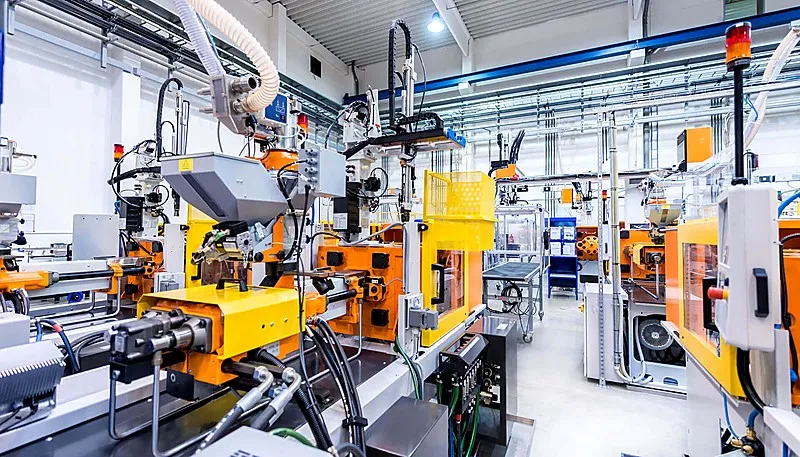
Der philippinische Spritzgießmarkt hat ein Volumen von USD 800–900 Millionen und wächst jährlich um 5–6 %. Rund 150–200 aktive Spritzgießunternehmen in Metro Manila, Cavite, Laguna, Cebu und Bataan beliefern Kunden aus Verpackung, Automobilindustrie, Elektronik und Medizintechnik. Ob Sie eine direkte Fertigung oder Partnerschaften für die Auftragsfertigung1 benötigen: Das Land bietet echte Vorteile, zugleich aber klare Grenzen bei Gesamtlandekosten und planbaren Lieferzeiten.
Bei spritzgegossenen Thermoplastteilen sollte eine Vorauswahl das Eigentum an der Spritzgussformkonstruktion, die Materialerfahrung, die Prüfdisziplin, die Unterstützung nachgelagerter Prozesse und die Reaktionsgeschwindigkeit vergleichen. Ein lokaler Lieferant kann sich für dringende regionale Unterstützung eignen, während ein Offshore-Anbieter hilfreich ist, wenn Werkzeugbaukapazität, Kostenkontrolle oder eine größere Produktionskapazität zum Engpass werden.
Suchen Sie Spritzgießunternehmen auf den Philippinen? Wir haben diese Auswahlliste etablierter Lieferanten zusammengestellt und um eine Checkliste für den Beschaffungsleitfaden aus Käufersicht ergänzt, damit Sie Kompetenz in der Spritzgussformkonstruktion, Qualitätssysteme und Kommunikationsqualität effizienter vergleichen können.
Welche Trends prägen die Spritzgießindustrie der Philippinen?
Wenn Sie in den nächsten Jahren von den Philippinen beschaffen möchten, sollten Sie fünf Entwicklungen beobachten.
1. Die Automatisierung beschleunigt sich. Zwischen 2020 und 2024 investierten etwa 30–40 % der mittleren und großen Hersteller in robotergestützte Pick-and-Place-Systeme und automatisierte Qualitätsprüfung. Treiber sind nicht nur die Arbeitskosten, sondern auch die Konsistenz. Manuelles Sortieren bei hohen Zyklusraten erzeugt Schwankungen, die ausländische Käufer nicht akzeptieren.
2. Nachhaltige Materialien gewinnen langsam an Boden. Biologisch abbaubare Harze und Rezyklate2 machen inzwischen etwa 15–20 % der lokalen Produktion aus, angetrieben durch staatliche Regulierung (den Extended Producer Responsibility Act) und die Anforderungen multinationaler Marken. Die Einführung verläuft langsamer als in Thailand oder Vietnam, da importierte umweltfreundliche Harze einen Preisaufschlag von 25–30 % haben.
3. Die Diversifizierung der Lieferketten lenkt Projekte ins Land. Seit 2022 entfielen schätzungsweise 8–10 % der nach Südostasien umgeleiteten Fertigungsprojekte auf die Philippinen, da Unternehmen Risiken mit China-plus-one-Strategien absichern. Laut der Philippines Manufacturing Roadmap 2024 des Board of Investments werden die meisten dieser Projekte in den Exportzonen von Laguna und Cavite angesiedelt.
4. Industrie 4.0 wird tatsächlich eingeführt, jedoch uneinheitlich. Etwa 25 % der Hersteller mit mehr als 100 Beschäftigten betreiben inzwischen ERP-vernetzte Produktionsbereiche und IoT-gestützte Maschinenüberwachung. Die übrigen verfolgen Aufträge weiterhin in Tabellenkalkulationen.
5. Die Kapazität für medizinische Qualität hat sich innerhalb von fünf Jahren verdreifacht. Die Zahl der nach ISO 13485 zertifizierten Spritzgießer stieg von 3 im Jahr 2019 auf 12 im Jahr 2024. Das ist weiterhin wenig, signalisiert aber einen ernsthaften Vorstoß in die regulierte Medizinproduktefertigung, ein Segment mit höheren Margen und weniger Wettbewerb.
Wie wählen Sie einen Spritzgießlieferanten auf den Philippinen aus?
Der richtige Ansatz besteht darin, zuerst die Zertifizierungen und anschließend Formenbaukompetenz, Materialexpertise und Reaktionsfähigkeit in der Kommunikation zu prüfen. Kann ein Lieferant kein aktuelles Zertifikat nach ISO 90013 für Medizinprodukte und nach IATF 16949 für die Automobilindustrie vorlegen, scheidet er aus. Zertifizierungen sind eine Grundvoraussetzung, kein Alleinstellungsmerkmal.
Prüfen Sie anschließend die Spritzgießkapazität. Fordern Sie die Maschinenliste mit Schließkraftbereich und Maschinenanzahl an. Ein Lieferant mit Pressen von 50T-500T wird bei großen Automobilgehäusen an Grenzen stoßen. Eine Abdeckung von 50T-1500T bietet mehr Flexibilität. Prüfen Sie außerdem Schließkraft, Schussgewichtsbereich und Heißkanalkompetenz.
Bewerten Sie anschließend die Materialkompetenz. Viele philippinische Lieferanten verarbeiten hauptsächlich PP und ABS. Benötigt Ihr Projekt glasfaserverstärktes Nylon, Polycarbonat oder TPU, lassen Sie sich die Erfahrung anhand konkreter Beispiele bestätigen — nicht nur durch eine Zeile in einer Broschüre. Fordern Sie Materialzertifikate aus früheren Produktionsläufen an.
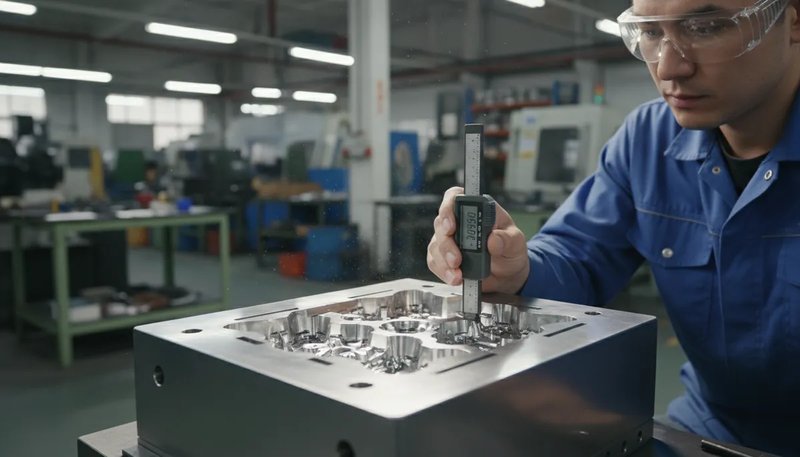
Prüfen Sie die Infrastruktur der Qualitätskontrolle. Achten Sie auf eine eigene CMM (Koordinatenmessmaschine), Härteprüfgeräte und dokumentierte Prüfverfahren. Ein Lieferant, der alle Maßprüfungen auslagert, verzögert Ihren PPAP-Prozess um 1-2 Wochen.
Klären Sie abschließend MOQs und Lieferzeiten. Typische MOQs auf den Philippinen liegen je nach Komplexität bei 1,000-10,000 Einheiten. Die Lieferzeiten für den Werkzeugbau betragen 4-6 Wochen für Standardwerkzeuge und 6-10 Wochen für Mehrkavitäten- oder Ausschraubwerkzeuge. Produktionsläufe dauern durchschnittlich 2-3 Wochen. Wenn Sie eine schnellere Abwicklung benötigen, liefern Anbieter mit Sitz in China Werkzeuge typischerweise in 3-4 Wochen und die Produktion in 1-2 Wochen.
Welches sind die führenden Spritzgießunternehmen auf den Philippinen?
Die Top 10 sind Advanz Tool & Die, Yasufuji, Mirai, Calamba Shin-Ei, Muramoto, CEBU YMTECH, Melchers, Ouplus, COFTA und SUPERSONIC. Diese Unternehmen erscheinen regelmäßig auf Beschaffungs-Shortlists, bewertet nach Fertigungsbreite, Branchenreputation und nachgewiesener Kompetenz.
1. Advanz Tool & Die Supplies — Advanz wurde 2002 gegründet, hat seinen Hauptsitz in Metro Manila und beschäftigt 200–299 Mitarbeiter. In zwei Jahrzehnten entwickelte sich das Unternehmen vom Werkzeugzulieferer zum Full-Service-Anbieter kompletter Spritzgießlösungen. Seine Kernkompetenzen sind Präzisionsformenbau, Formkonstruktion und Produktionsverarbeitung, also die gesamte Spritzgieß-Wertschöpfungskette unter einem Dach. Dank dieses integrierten Modells arbeiten Sie vom ersten Konzept bis zum fertigen Teil mit einem Team, was den Koordinationsaufwand senkt und gegenseitige Schuldzuweisungen zwischen Formenbauer und Spritzgießer verhindert. Advanz bedient Verpackung, Konsumgüter und Automobilkomponenten.
"Advanz Tool & Die ist einer von nur wenigen philippinischen Spritzgießern, die integrierte Werkzeugkonstruktion, Werkzeugbau und Produktionsverarbeitung unter einem Dach anbieten."True
Richtig. Advanz wurde 2002 in Metro Manila gegründet und entwickelte sich von einem Werkzeugausrüster zu einem Full-Service-Total Molding Solutions Provider für die gesamte Wertschöpfungskette.
"Alle Spritzgießunternehmen auf den Philippinen sind ausschließlich auf Automobilteile spezialisiert."False
Falsch. Die meisten philippinischen Lieferanten konzentrieren sich auf Verpackungen, Elektronik, Konsumgüter und Medizinprodukte — nicht nur auf die Automobilindustrie.
2. Yasufuji Mold Corporation — Yasufuji wurde 2007 in Cavite gegründet, ist mit einem japanischen Unternehmen verbunden und vereint mit 200–299 Mitarbeitern japanische Präzisionsstandards und philippinisches Ingenieurwissen. 43 philippinische Ingenieure fertigen unter direkter japanischer technischer Anleitung mehr als 20 Formen pro Monat. Spezialgebiet sind anspruchsvolle Formverfahren: Formen mit Mechanikelementen, Zweikomponenten-Spritzgießen und Insert-Molding für Gewindeeinsätze oder Metallkomponenten. Diese Techniken benötigen Sie, wenn ein Einkomponenten-Spritzgießer Ihre Konstruktionsanforderungen nicht erfüllen kann, etwa bei überspritzten Softgrip-Griffen, zweifarbigen Innenraumteilen oder umspritzten elektrischen Anschlüssen. Yasufuji bedient Elektronik, Automobilindustrie und Präzisionsmaschinenbau. Verlangt Ihr Projekt japanische Qualität zu philippinischen Kostenstrukturen, gehört dieser Anbieter auf die Auswahlliste.
3. Mirai Philippines Corp. — Das 2017 in Laguna gegründete Unternehmen wuchs durch seine Konzentration auf Verpackungsmaterialien, Komponenten und integrierte Kunststoff-Logistikprodukte auf 200–299 Mitarbeiter. Das Wachstum des E-Commerce in Südostasien hat die Nachfrage nach standardisierten Logistikbehältern, Paletten und Transportverpackungen gesteigert. Mirais moderne Anlage nutzt neuere, energieeffizientere Spritzgießmaschinen als ältere Betriebe. Für Käufer von Transportverpackungen oder Mehrwegbehältersystemen ist Mirai einer der wenigen philippinischen Lieferanten, die gezielt für diese Anwendung aufgestellt sind.
4. Calamba Shin-Ei — Calamba Shin-Ei ist seit 2002 in Laguna tätig, beschäftigt 200–299 Mitarbeiter und konzentriert sich nach einer strikten Quality-first-Philosophie auf Spritzgussprodukte und die Fertigung von Unterbaugruppen. Das Alleinstellungsmerkmal ist die Kombination von Spritzgießen und Montage unter einem Dach: Statt loser Spritzgussteile, die andernorts montiert werden müssen, kann das Unternehmen fertige Unterbaugruppen einschließlich Ultraschallschweißen, Schnappmontage und grundlegender elektrischer Integration liefern. Diese Fähigkeit ist bei Gehäusen für Unterhaltungselektronik, Innenraummodulen und allen Anwendungen wichtig, bei denen die Montage nach dem Spritzgießen einen Engpass darstellt. Langjährige Beziehungen zu japanischen OEMs belegen die konstante Leistung in Serienproduktionen.
"Yasufuji Mold Corporation fertigt unter japanischer technischer Leitung mit 43 philippinischen Ingenieuren monatlich 20+ Formen."True
Das in Cavite ansässige Unternehmen verbindet japanische Präzisionsstandards mit lokalem technischem Know-how und ist auf Werkzeuge für Mechanismuselemente, Zweikomponenten-Spritzgießen und Umspritzen von Einlegeteilen für Anwendungen in der Automobil- und Elektronikindustrie spezialisiert.
"Alle 150-200 Spritzgießunternehmen auf den Philippinen sind nach ISO 9001 zertifiziert."False
Nur etwa 30-40% der philippinischen Lieferanten verfügen über ISO 9001, und noch weniger besitzen branchenspezifische Zertifizierungen wie IATF 16949 (Automobilindustrie) oder ISO 13485 (Medizintechnik). Das Zertifizierungsniveau variiert stark.
5. Muramoto Group — Das 1935 gegründete Unternehmen bringt fast neunzig Jahre Fertigungserfahrung in seine Betriebe in Cebu und Lapu-Lapu ein, wo 200–299 Mitarbeiter Automobilgeräte, AV-Geräte, Informations- und Industrieausrüstung sowie medizinische Instrumente herstellen. Herausragend ist das vollständig integrierte Fertigungssystem: Werkzeugkonstruktion und -bau, Kunststoffformung, Materialbeschaffung, Baugruppenmontage und Logistik sind intern verknüpft. Besonders für Medizinproduktekäufer bedeutet diese Integration engere Rückverfolgbarkeit und schnellere Korrekturmaßnahmen bei Problemen. Muramotos Beständigkeit über mehrere Konjunkturzyklen hinweg, ohne seine Kundenbasis zu verlieren, ist zudem ein wichtiges Zuverlässigkeitssignal bei der Wahl eines langfristigen Spritzgießpartners.
6. CEBU YMTECHNOLOGY INC. — Das 2004 in Cavite gegründete Unternehmen beschäftigt 100–199 Mitarbeiter und nutzt die Metallumformtechnik von Ibaraki Giken für Präzisionsformenbau, Zerspanung und Insert-Molding. Seine Stärke sind Mikro- bis mittelgroße Komponenten, von Präzisionsteilen unter einem Gramm bis zu mehreren Hundert Millimeter großen Gehäusen, für Telekommunikation, Elektronik und Medizintechnik. Der Technologietransfer von Ibaraki Giken verschafft dem Unternehmen einen Vorsprung bei der Herstellung von Stanz- und Folgeverbundwerkzeugen, den die meisten philippinischen Spritzgießer nicht erreichen. Umfasst Ihr Projekt gestanzte Einlegeteile mit engen Toleranzen, die anschließend umspritzt werden, lohnt sich ein Gespräch mit CEBU YMTECHNOLOGY.
7. Melchers Philippines — Melchers wurde 1994 in Makati gegründet, beschäftigt 100–199 Mitarbeiter und ist mehr als ein Spritzgießer: Das Unternehmen ist im Spritzgießen, Kunststoffrecycling, Folienblasen und in der Plattenextrusion tätig, unterstützt durch technische Beratung vor dem Verkauf und eine After-Sales-Service-Infrastruktur. Die Kunststoffabteilung hat sich über drei Jahrzehnte einen Ruf für Maschinenspezifikation und Inbetriebnahme ebenso wie für Produktion erarbeitet. Diese Breite ist nützlich, wenn Sie einen Partner benötigen, der zu Materialauswahl, Werkzeugkonzept und nachgelagerten Verfahren berät, statt nur einen Teilepreis anzubieten. Bedient werden Verpackungs-, Konsumgüter- und Industriekunden.
"Die Muramoto Group ist seit 1935 tätig und betreibt ein integriertes Fertigungssystem vom Werkzeugentwurf bis zur Logistik."True
Mit fast 90 Jahren Fertigungserfahrung produziert Muramoto Automobilvorrichtungen, AV-Geräte und medizinische Instrumente in ihrer Einrichtung in Cebu/Lapu-Lapu mit vollständig verknüpften Produktionsstufen.
"Die Lieferzeiten im philippinischen Werkzeugbau sind immer kürzer als in China."False
Die Formenherstellung in den Philippinen dauert 4–6 Wochen für Standardformen und 6–10 Wochen für komplexe Werkzeuge, während China typisch in 3–4 Wochen liefert. Kleinere Kapazitäten und weniger entwickelte Lieferantennetze führen zu längeren Durchlaufzeiten.
8. Ouplus Plastic Industrial Inc. — Das 2001 in Bataans Subic Bay Freeport Zone gegründete Unternehmen beschäftigt 100–199 Mitarbeiter und bietet eines der breitesten Kunststoffverarbeitungsportfolios des Landes: Spritzgießen, Platten- und Folienextrusion, Spritzblasformen, Streckblasformen, Formpressen, Extrusionsblasformen, Rohrextrusion und Thermoformen. Benötigen Sie einen Lieferanten, der sowohl eine blasgeformte Flasche als auch den spritzgegossenen Verschluss auf derselben Bestellung fertigt, ist Ouplus eines der wenigen dafür ausgerüsteten philippinischen Unternehmen. Der Standort Subic Bay ermöglicht zudem schnelle Zollabfertigung und Hafenzugang, was beim Import von Kunstharz und Export von Fertigwaren zählt.
9. COFTA Mouldings Corporation — COFTA wurde 1988 in Quezon gegründet, beschäftigt 100–199 Mitarbeiter und ist der Pionier der Herstellung einteiliger Kunststoffstühle auf den Philippinen. Diese Nische verlangt extreme Zykluszeitoptimierung und Werkzeuge mit hoher Kavitätenzahl, um wirtschaftliche Stückkosten zu erreichen. Die dabei gewonnene Erfahrung im großvolumigen Dünnwand- und Kurzzyklus-Spritzgießen lässt sich unmittelbar auf Lebensmittelbehälter, Besteck und Dünnwandverpackungen übertragen. COFTA expandierte später in Plattenextrusion (Marken Versaboard, Xanlite, SynRoof), Blasfolie, Gießfolie und Thermoformen. Bei der Beschaffung von Einweg-Lebensmittelverpackungen oder Monobloc-Möbeln in großen Mengen verschaffen drei Jahrzehnte Prozessoptimierung COFTA einen lokal schwer zu übertreffenden Stückkostenvorteil.
10. SUPERSONIC Multi-Products Sales Inc. — Das ursprünglich 1969 gegründete Unternehmen erhielt 2004 beim Umzug nach Maysan, Valenzuela, seinen heutigen Namen. Mit 100–199 Mitarbeitern bietet SUPERSONIC sowohl Kunststoffspritzgießen und Spritzblasformen als auch die Fertigung von Metallprodukten, eine seltene Kombination. Dank dieser Werkstoffbreite kann das Unternehmen Unterbaugruppen aus Kunststoffgehäusen und Metallhaltern oder Befestigungselementen liefern und erspart Ihnen einen Koordinationsschritt. SUPERSONIC zielt mit Fokus auf die Einhaltung internationaler Standards auf Automobil-, Konsumgüter- und Industrieanwendungen. Mehr als 55 Jahre Bestand über mehrere Konjunkturzyklen zeigen die Widerstandsfähigkeit, die für langfristige Beschaffungspartnerschaften wichtig ist.
| Unternehmen | Gegründet | Standort | Mitarbeiter | Spezialisierung | Schlüsselindustrien |
|---|---|---|---|---|---|
| Advanz Tool & Die | 2002 | Metro Manila | 200-299 | Werkzeugbau und -konstruktion | Verpackung, Automobil, Konsumgüter |
| Yasufuji Mold | 2007 | Cavite | 200-299 | Zweikomponenten- und Insert-Molding | Elektronik, Automobil |
| Mirai Philippines | 2017 | Laguna | 200-299 | Verpackungs- und Logistikmaterialien | Verpackung, Logistik |
| Calamba Shin-Ei | 2002 | Laguna | 200-299 | Spritzgießen und Unterbaugruppenmontage | Elektronik, Automobil |
| Muramoto-Gruppe | 1935 | Cebu | 200-299 | Integrierte Fertigung | Automobil, Medizin, AV |
| CEBU YMTECH | 2004 | Cavite | 100-199 | Präzisionswerkzeuge und -bearbeitung | Telekommunikation, Elektronik, Medizin |
| Melchers Philippines | 1994 | Makati | 100-199 | Kunststoff-Mehrfachprozesse | Verpackung, industriell |
| Ouplus Plastic | 2001 | Bataan | 100-199 | Umfassende Kunststoffverarbeitung | Verpackung, Konsumgüter |
| COFTA-Formteile | 1988 | Quezon | 100-199 | Dünnwandig & Monoblock | Möbel, Lebensmittelverpackung |
| SUPERSONIC | 1969 | Valenzuela | 100-199 | Kunststoff- und Metallprodukte | Automobil, industriell |
Wie unterscheiden sich die Spritzgießkosten auf den Philippinen von denen in China?

China bietet in der Regel 20–30% niedrigere Gesamtkosten für spritzgegossene Teile, obwohl die philippinische Arbeitskraft 30–40% günstiger ist. Die Lücke ergibt sich aus Materialkosten, der Skalierung der Formenherstellung und der Reife der Lieferkette, laut dem Southeast Asia Manufacturing Cost Benchmark Report 2024.
Arbeit: Die durchschnittlichen Fertigungslöhne auf den Philippinen betragen USD 250–350 pro Monat, gegenüber USD 400–600 im chinesischen Küsten-Fertigungsgürtel. Das wirkt überzeugend und ist es auch, wenn Arbeit Ihr größter Kostentreiber ist. Bei den meisten Spritzgussteilen macht Arbeit jedoch nur 10–15 % der Stückkosten aus; der gesamte Prozessablauf hängt weit stärker von Materialverfügbarkeit und Werkzeuglieferzeiten ab.
Materialien: Da die Philippinen mehr als 70 % ihrer Kunststoffharze importieren, liegen die Materialkosten 15–20 % über denen Chinas, wo die heimische Petrochemie wettbewerbsfähige Harzpreise sichert. Bei harzintensiven Teilen, also großvolumigen Artikeln aus einem Werkstoff, kann allein dieser Unterschied die Lohnkostenvorteile aufzehren.
Werkzeugbau: Formkosten liegen auf den Philippinen 10–25 % höher, weil lokale Werkzeugbauer in kleinerem Maßstab arbeiten, weniger Stahl einkaufen und über weniger eigene CNC-/EDM-Ressourcen verfügen. Eine einkavitätige P20-Form, die in China USD 8.000–12.000 kostet, kann auf den Philippinen USD 10.000–15.000 kosten.
Lieferzeiten: Der Formenbau dauert auf den Philippinen 4–6 Wochen, gegenüber 3–4 Wochen in China. Produktionsläufe benötigen 2–3 statt 1–2 Wochen. Dieser Unterschied von 1–2 Wochen summiert sich bei Konstruktionsiterationen oder Werkzeugänderungen und verlängert den Gesamtprozess von der RFQ bis zur Lieferung um 3–5 Wochen.
Versteckte Kosten: Die Zollstrukturen unterscheiden sich je nach Zielmarkt. Die Philippinen genießen für US-Importe den Status des Allgemeinen Präferenzsystems (GSP), was den Kostennachteil bestimmter Produktkategorien teilweise ausgleichen kann. Transporte von den Philippinen nach Europa oder Nordamerika erfordern jedoch häufig einen Umschlag in Singapur oder Hongkong, der 3–7 Tage und USD 500–1.500 pro Container zusätzlich kostet.
| Kostenfaktor | Philippinen | China | Unterschied |
|---|---|---|---|
| Arbeitskosten (monatliches Gehalt) | USD 250-350 | USD 400-600 | PH 30-40 % niedriger |
| Materialkosten (Harz) | +15–20 % gegenüber CN | Ausgangsbasis | PH 15-20% höher |
| Formkosten (Einzelkavität P20) | USD 10,000-15,000 | USD 8,000-12,000 | PH 10-25 % höher |
| Vorlaufzeit der Form | 4–6 Wochen | 3-4 Wochen | PH 1-2 Wochen langsamer |
| Produktionsdurchlaufzeit | 2-3 Wochen | 1-2 Wochen | PH 1 Woche langsamer |
| Stückkosten (Großserie) | +5–10 % gegenüber CN | Ausgangsbasis | PH etwas höher |
| Stückkosten (Kleinserie) | +15–20 % gegenüber CN | Ausgangsbasis | PH deutlich höher |
Wann sind die Philippinen die richtige Beschaffungswahl für Spritzguss?
Die Philippinen sind die richtige Beschaffungswahl, wenn Zollvorteile, Englischkenntnisse oder Lieferkettendiversifizierung wichtiger sind als reine Kostenvorteile. Wählen Sie die Philippinen, wenn: (1) GSP- oder ASEAN-Präferenzen höhere Basiskosten ausgleichen. (2) Kommunikationsqualität wichtiger ist als der absolut niedrigste Preis. (3) Sie sich von China diversifizieren und einen stabilen südostasiatischen Partner suchen. (4) Die Mengen moderat sind (5.000–50.000 Einheiten/Jahr). (5) Sie Verpackungen oder Möbel beschaffen, Segmente mit echter lokaler Spezialisierung.

China ist die bessere Wahl, wenn: (1) Niedrigste Gesamtkosten Ihr Hauptkriterium sind, besonders oberhalb von 100.000 Einheiten. (2) Sie den schnellstmöglichen Werkzeug- und Produktionsdurchlauf benötigen. (3) Ihr Produkt Spezialwerkstoffe, eine Lieferkettentiefe auf dem Niveau eines Beschaffungsleitfadens oder fortschrittliche Technologien erfordert (Mehrkomponenten-, Gasinnendruck- oder Mikrospritzgießen). (4) Sie komplexe Mehrkomponentenbaugruppen aufbauen, die innerhalb von 50 km ein ausgereiftes Lieferantenökosystem benötigen. (5) Ihre Absatzmärkte in Asien liegen und der Versand aus China Frachtkosten und -zeit minimiert.
Bei ZetarMold bringen wir über 20 Jahre Erfahrung im Spritzgießen und Werkzeugbau in jedes Projekt ein. Unser Werk in Shanghai betreibt 47 Spritzgießmaschinen von 90T bis 1850T, mit einer internen Werkzeugbauanlage, die über 100 Formenstätze pro Monat unterstützt. Wir arbeiten mit über 400 Kunststoffmaterialien und arbeiten nach ISO 9001, ISO 13485, ISO 14001 und ISO 45001 Systemen. Für Käufer auf den Philippinen, die China versus lokale Beschaffung evaluieren, bedeutet das, dass DFM, Werkzeugkosten und Qualitätsrisiken gemeinsam geprüft werden können, bevor ein Projekt in den Formenbau geht.
Häufig gestellte Fragen zum Spritzgießen auf den Philippinen
Häufig gestellte Fragen
Was sind die durchschnittlichen Kosten für das Spritzgießen auf den Philippinen?
Die Kosten für das Spritzgießen auf den Philippinen variieren je nach Teilkomplexität, Material und Menge. Für eine Standard-Einfachkavitätsform aus P20 können Sie mit 10.000-15.000 USD an Werkzeugkosten rechnen, wobei die Stückpreise je nach Auftragsgröße um 5-20% höher sind als in China. Ein einfaches PP-Teil bei 50.000 Stück könnte 0,15-0,30 USD pro Stück einschließlich Werkzeugabschreibung kosten, während eine Mehrfachkavitätenform für ABS-Gehäuse bei 100.000 Stück 0,08-0,18 USD pro Stück kosten könnte. Materialaufschläge von 15-20% gegenüber chinesischen Harzpreisen sind der Hauptkostentreiber, da die Philippinen über 70% ihrer Kunststoffharze importieren. Fordern Sie detaillierte Angebote an, die Werkzeugkosten, Material, Verarbeitung und Nachbearbeitung getrennt ausweisen, damit Sie Angebote verschiedener Lieferanten direkt vergleichen können.
Gibt es auf den Philippinen ISO 13485-zertifizierte Spritzgießereien für Medizinprodukte?
Ja, aber das Angebot ist klein – etwa 12 ISO 13485-zertifizierte Spritzgießereien im Jahr 2024, gegenüber nur 3 im Jahr 2019. Diese Lieferanten konzentrieren sich auf Cavite und Laguna und bedienen hauptsächlich multinationale Medizinproduktunternehmen, die dokumentierte Rückverfolgbarkeit und validierte Prozesse benötigen. Wenn Ihr Projekt medizinisches Spritzgießen erfordert, überprüfen Sie die Gültigkeit der Zertifizierung direkt beim Lieferanten und fordern Sie Beispiele für Gerätehistoriendateien aus früheren Produktionsläufen an. Bestätigen Sie auch die Verfügbarkeit von Reinräumen, da nicht alle ISO 13485-Inhaber dedizierte Reinraum-Spritzgießanlagen betreiben – einige zertifizieren nur ihr Qualitätsmanagementsystem, während das Spritzgießen in Standard-Fabrikumgebungen erfolgt.
Wie lange dauert es, eine Spritzgießform auf den Philippinen herstellen zu lassen?
Standard-Einfachkavitätsformen dauern auf den Philippinen 4–6 Wochen, während Mehrfachkavitäten- oder Entschraubungsformen 6–10 Wochen benötigen. Dies vergleicht sich mit 3–4 Wochen für Standardformen in China. Fügen Sie weitere 1–2 Wochen hinzu, wenn der Lieferant die EDM-Bearbeitung oder CMM-Inspektion auslagert, anstatt sie intern durchzuführen. Für Käufer mit engen Zeitplänen hilft es, von Anfang an einen detaillierten Werkzeugbauplan anzufordern – einschließlich Designprüfung, Stahlzuschnitt, T1-Muster und Korrekturschleifen – um Überraschungen zu vermeiden, die die Lieferung um zwei bis drei Wochen über das ursprüngliche Angebot hinaus verzögern können. Planen Sie mindestens einen Überarbeitungszyklus in Ihrem Projektzeitplan ein.
Welche Materialien werden von philippinischen Spritzgießereien am häufigsten verwendet?
PP (Polypropylen) und ABS dominieren die lokale Produktion und decken Verpackungen, Konsumgüter und Automobilinnenraumteile im ganzen Land ab. HDPE und LDPE sind ebenfalls üblich für Verpackungsanwendungen und Haushaltsartikel. Spezialmaterialien wie glasfaserverstärktes Nylon, Polycarbonat, TPU und POM erfordern vorherige Überprüfung – viele Lieferanten listen diese in ihren Broschüren auf, haben aber keine dokumentierte Produktionserfahrung damit. Fragen Sie vor der Festlegung nach Materialzertifizierungsdokumenten aus früheren Produktionsläufen und bestätigen Sie, dass der Lieferant die spezifische Sorte und Füllstoffanteil, die Ihr Projekt erfordert, tatsächlich verarbeitet hat.
Können philippinische Spritzgießbetriebe hochvolumige Produktionsserien bewältigen?
Ja, jedoch mit Einschränkungen. Führende Lieferanten wie Advanz Tool & Die und Yasufuji können mit Werkzeugen hoher Kavitätenzahl monatliche Serien von 500,000+ Einheiten fertigen, besonders für Verpackungen und Konsumgüter. Die meisten mittelgroßen philippinischen Spritzgießer erreichen aufgrund begrenzter Pressenkapazität und Einschichtbetrieb jedoch höchstens 50,000-100,000 Einheiten pro Monat und Werkzeug. Prüfen Sie bei Serien über 500,000 Einheiten, ob der Lieferant redundante Werkzeuge (Duplikatformen) oder Mehrschichtfähigkeit besitzt, und bestätigen Sie seine vorgelagerte Harzliefervereinbarung — Lieferunterbrechungen sind die häufigste Ursache für Verzögerungen bei philippinischen Großserien.
Welche Zertifizierungen sollte ich bei einem philippinischen Spritzgusslieferanten suchen?
Mindestens ISO 9001 für Qualitätsmanagement ist unerlässlich. Für Automobilteile ist IATF 16949 Zertifizierung erforderlich. Für Medizinprodukte ist ISO 13485 obligatorisch. Prüfen Sie auch, ob die Zertifizierungen aktuell sind – fragen Sie nach dem letzten Auditbericht und dem Ablaufdatum des Zertifikats. Ein Lieferant nur mit Gewerbeerlaubnis, aber ohne ISO-Registrierung, ist ein Warnsignal für qualitätskritische Teile. Zusätzliche Zertifizierungen wie ISO 14001 (Umwelt) und ISO 45001 (Arbeitsschutz) deuten auf ein ausgereifteres Managementsystem hin, das oft mit besserer Prozessdisziplin und Dokumentationspraxis einhergeht.
Sind die Philippinen eine gute Alternative zu China für Spritzguss?
Es hängt von Ihren Prioritäten ab. Die Philippinen bieten Zollvorteile durch das GSP für in die USA bestimmte Waren, starke Englischkenntnisse, die Missverständnisse bei Spezifikationen reduzieren, und geografische Diversifizierung weg vom Konzentrationsrisiko China. China bietet jedoch 20-30% niedrigere Gesamtkosten (landed cost), kürzere Lieferzeiten um ein bis zwei Wochen, breitere Materialverfügbarkeit mit Hunderten qualifizierten Sorten gegenüber fünfzig bis achtzig lokal verfügbaren, und tieferes Werkzeugbau-Know-how für komplexe Mehrfachkavitätenformen. Für hochvolumige Standardteile, bei denen der Stückpreis entscheidend ist, bleibt China die stärkere Wahl. Für niedrige bis mittlere Stückzahlen, bei denen Zolleinsparungen, Kommunikationsqualität oder Lieferketten-Diversifizierung wichtiger sind, sind die Philippinen eine glaubwürdige und wettbewerbsfähige Option, die es zu prüfen lohnt.
Warum ist ZetarMold der richtige Partner für Käufer von den Philippinen?
China bietet für die meisten Spritzgussprojekte 15-30% niedrigere Gesamtkosten und kürzere Lieferzeiten als die Philippinen. Für Käufer, die Zuverlässigkeit und Skalierbarkeit schätzen, bleibt ein Partner in China die stärkere Wahl.
Bei ZetarMold versenden wir seit 2013 aus unserem Werk in Shanghai Spritzgussteile an Käufer in mehr als 30 Ländern. In der Praxis bedeutet das: 47 Spritzgießmaschinen (90T–1850T), mehr als 100 ausgelieferte Formsätze pro Monat, über 400 qualifizierte Materialien, Zertifizierungen nach ISO 9001/13485/14001/45001 und mehr als 30 englischsprachige Projektmanager, die innerhalb von 24 Stunden antworten. Nach unserer Erfahrung sollten philippinische Beschaffungsteams lokale Lieferanten anhand eines strukturierten Leitfadens zur Lieferantenbeschaffung vergleichen, bevor sie Werkzeugbudgets binden. Die Rechnung ergibt meist 20–30 % niedrigere Stückkosten und eine 1–2 Wochen schnellere Lieferung als bei lokalen Optionen, bei vergleichbaren oder engeren Maßtoleranzen.
Ob Sie Automobilkomponenten, Gehäuse für Medizingeräte, Verbraucherproduktgehäuse oder Industrie-Teile benötigen – wir können Ihr Projekt innerhalb von 24 Stunden kalkulieren und erste Muster in 3-4 Wochen liefern.
Kostenloses Angebot erhalten — senden Sie uns Ihre 3D-Dateien und Materialanforderungen; unser Engineering-Team liefert innerhalb eines Arbeitstags DFM-Feedback und einen verbindlichen Preis.
Auftragsfertigung: Auftragsfertigung ist eine Produktionsvereinbarung, bei der ein Lieferant Teile oder Baugruppen nach Zeichnungen, Qualitätsanforderungen und kaufmännischen Bedingungen eines Kunden herstellt. ↩
Harze: Harze sind polymere Rohstoffe für das Spritzgießen. Sie sind als Thermoplaste und Duroplaste mit unterschiedlichen mechanischen und thermischen Eigenschaften erhältlich. ↩
ISO 9001: ISO 9001 ist eine internationale Qualitätsmanagementnorm, die festlegt, wie eine Organisation wiederholbare Produktionsprozesse dokumentiert, steuert und verbessert. ↩