Ir al contenido
Su equipo de compras acaba de preseleccionar tres proveedores de moldeo por inyección en China. Uno cotizó $8,000 para el molde, otro $22,000, y el tercero ni siquiera ha pedido ver sus archivos CAD todavía. ¿Cómo saber cuál realmente cumplirá — y cuál le costará seis meses de retrasos?
Después de dos décadas operando moldes en Shanghái, he visto a compradores cometer los mismos errores: perseguir la cotización más baja, saltarse las auditorías de fábrica y confundir el sitio web elegante de una empresa comercial con capacidad de producción real. Este es el marco que usaría si estuviera en tu lugar.
- Evalúa a los proveedores en equipo, sistemas de calidad, certificaciones, comunicación y capacidad de fabricación de moldes
- La fabricación de moldes interna reduce el plazo de entrega de herramientas entre un 20% y un 40%
- ISO 9001 es la base; ISO 13485 o IATF 16949 para sectores médico y automotriz
- Las cotizaciones que están más de un 30–50% por debajo del promedio del mercado suelen significar compromisos ocultos
- Los gerentes de proyecto que hablan inglés reducen los ciclos de revisión aproximadamente en un tercio
¿Qué Debe Evaluar al Elegir un Proveedor de Moldeo por Inyección en China?
Una China confiable moldeo por inyección Un proveedor aprobado es aquel que supera seis verificaciones críticas. Capacidad de máquina, control de calidad, certificaciones, comunicación, herramientas internas y transparencia en precios — omita cualquiera y lo pagará después.
““Un proveedor que cotiza un molde de inyección sin revisar sus archivos 3D es una señal de alarma.””Verdadero
Las cotizaciones precisas de moldes requieren al menos archivos STL o STEP para evaluar la complejidad de la pieza, las características de salientes negativos y el diseño de cavidades. Un precio sin revisión técnica es genérico o deliberadamente bajo para ganar el pedido.
"La cotización de herramientas más baja de cualquier proveedor chino siempre es el mejor trato."Falso
Las cotizaciones entre un 30–50% por debajo del promedio del mercado suelen implicar compromisos en el grado del acero del molde, menos ciclos de prueba o saltarse el análisis de flujo del molde. La cotización más barata a menudo produce el resultado más caro a largo plazo.
La mayoría de los compradores se centran casi por completo en el precio unitario. Es comprensible: tu jefe quiere ver ahorros en costos. Pero el precio es lo último que deberías comparar. ¿Por qué? Porque una cotización baja de un proveedor sin un control de calidad adecuado o el equipo correcto significa que pasarás meses en retrabajos, retrasos en los envíos y disputas de calidad que borrarán cada centavo que ahorraste. Para un marco estructurado, consulta nuestro artículo sobre moldeo por inyección. sourcing guide.
Este es el orden de evaluación que recomiendo:
Compatibilidad del equipo — ¿Tienen máquinas en el rango de tonelaje adecuado para su pieza?
Proceso de calidad — ¿Pueden mostrarte un flujo de trabajo documentado desde el IQC hasta el OQC?
Certifications - ISO 90011 mínimo, más certificaciones específicas de la industria si son aplicables
Communication — ¿Puede hablar directamente con ingenieros, o solo con ventas?
Fabricación de moldes — ¿Construyen moldes internamente o los externalizan?
Pricing — ¿La cotización está desglosada o es solo una suma global?
Si un proveedor cumple con los puntos 1–5, entonces la comparación de precios es significativa. Si no, la cotización más barata suele ser la decisión más costosa que tomará.
¿Cómo verificas las capacidades de producción reales de una fábrica?
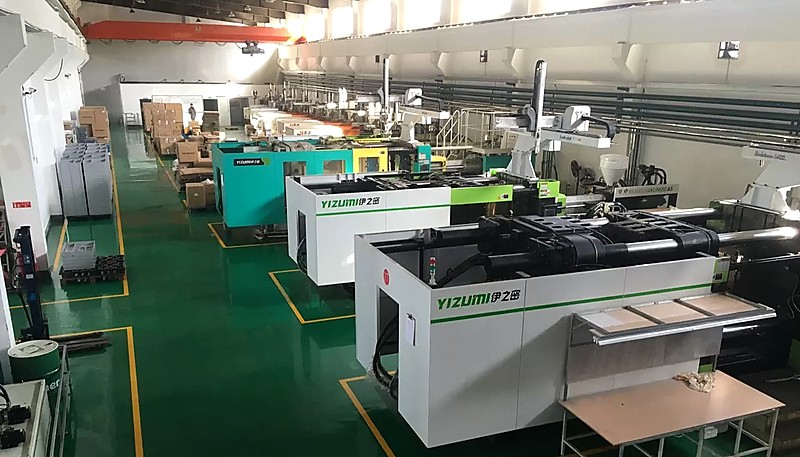
La capacidad de producción real de una fábrica se verifica con su lista de máquinas con tonelaje, marca y año. Cualquier proveedor que no pueda proporcionar esta lista en 24 horas está desorganizado o esconde algo: una instalación que opera con más de 45 máquinas de 90T a 1850T cubre el 95% de las piezas plásticas comerciales.
““La certificación ISO 9001 es el estándar mínimo de calidad que cualquier proveedor de producción debe tener.””Verdadero
ISO 9001 establece los requisitos básicos de gestión de calidad, incluidos procesos documentados, procedimientos de acción correctiva y revisión por la dirección. Los proveedores que no la tienen carecen incluso de la infraestructura de calidad fundamental.
“Las empresas comerciales y las fábricas directas producen calidad idéntica porque utilizan las mismas máquinas.”Falso
Las empresas comerciales añaden una capa de comunicación y margen entre el comprador y la fábrica. No pueden controlar los cronogramas de producción, proporcionar retroalimentación DFM en tiempo real, ni garantizar las máquinas y operadores específicos utilizados en su proyecto.
El rango de tonelaje le dice más que el número total de máquinas. Una fábrica con 100 máquinas pequeñas pero nada por encima de 200T no puede moldear la carcasa de su portátil. Por el contrario, una fábrica con solo máquinas grandes tendrá dificultades con micropiezas de precisión. Lo que usted quiere es amplitud: un rango suficiente para manejar su proyecto actual y lo que venga después.
No te detengas en la lista de máquinas. Haz estas preguntas de seguimiento:
Distribución de la fuerza de cierre — ¿Cuántas máquinas hay en cada banda de tonelaje? Si tu pieza necesita 500T y solo tienen una máquina en ese rango, estás en riesgo de capacidad.
Equipamiento auxiliar — ¿Tienen secadoras, transportadores, brazos robóticos y controladores de temperatura de canales calientes?
Manejo de materiales — ¿Pueden secar y almacenar correctamente materiales higroscópicos (nylon, PC, TPU)?
Programación de producción — ¿Cuántos turnos? ¿Cuál es su tasa de utilización actual?
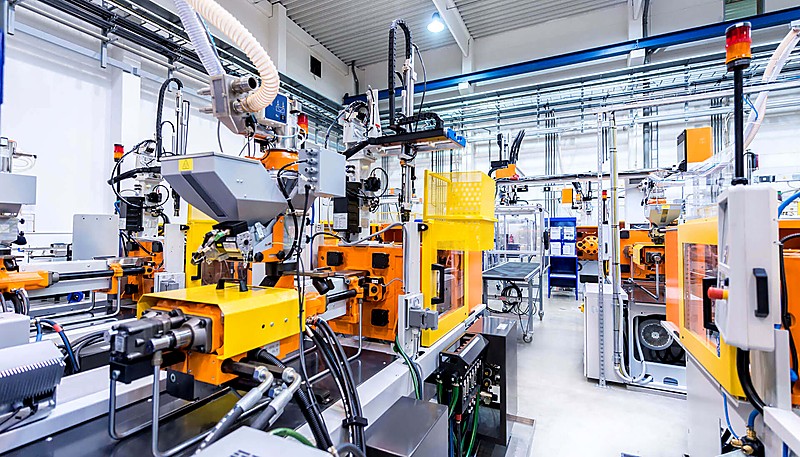
Una fábrica que opera en tres turnos con un 85% de utilización es más saludable que una que opera en un solo turno con un 40%. Una alta utilización significa trabajo constante, operadores experimentados y calidad estable. Una baja utilización podría significar que están desesperados por pedidos, lo que a veces conduce a precios agresivos pero entregas poco confiables.
¿Por qué es importante la fabricación interna de moldes para su proyecto?
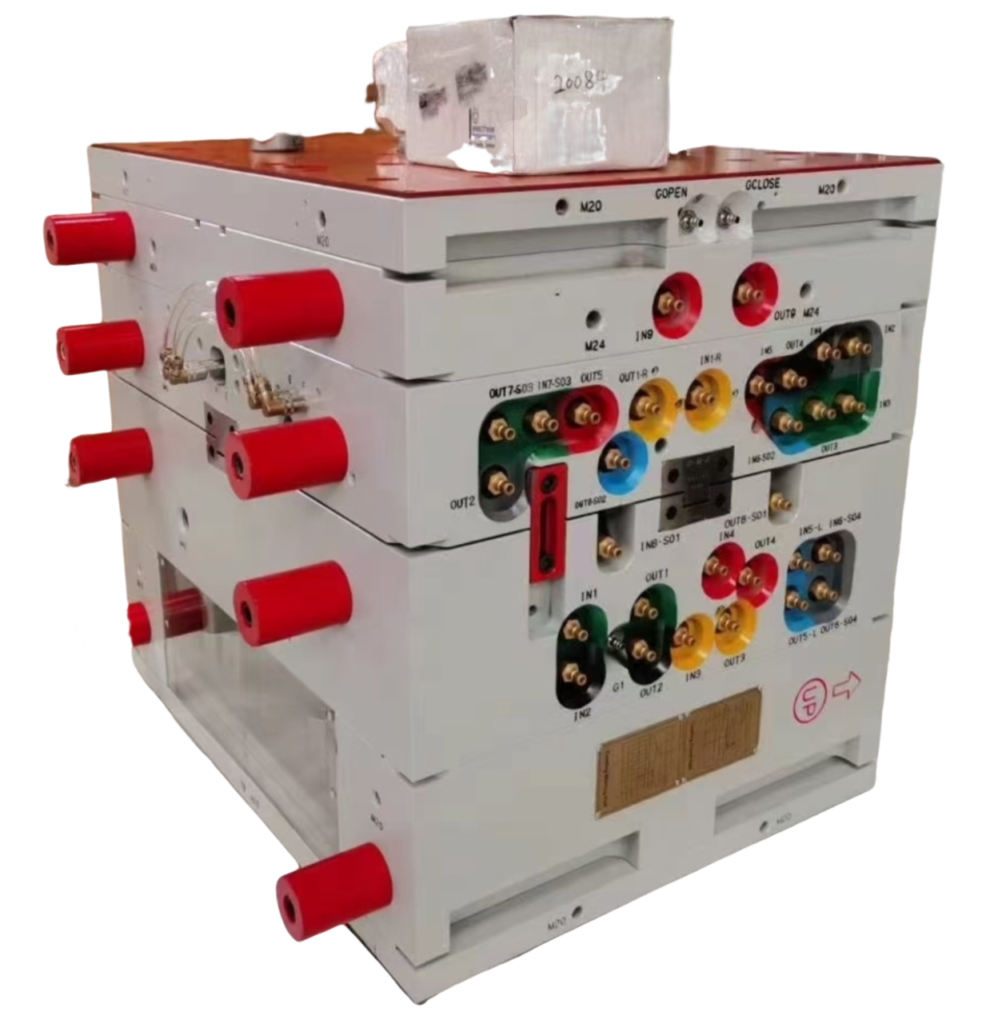
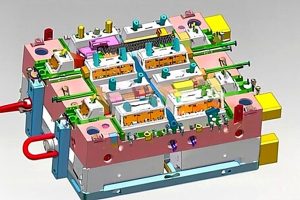
Interno molde de inyección reduciendo los plazos de entrega del utillaje en 20–40% porque ingeniería y producción están bajo un mismo techo.
He visto a clientes perder seis semanas en una sola revisión de molde porque su moldeador y su fabricante de moldes estaban en provincias diferentes — el moldeador en Dongguan, el taller de utillaje a doscientos kilómetros de distancia. Cada problema dimensional implicaba embalar el molde, enviarlo, esperar las reparaciones, enviarlo de vuelta y volver a realizar muestras. Con utillaje interno, ese ciclo se reduce de semanas a días. En nuestras instalaciones de Shanghái, nuestros ingenieros de moldes están literalmente en la misma planta que las máquinas de producción, por eso entregamos consistentemente más de 100 juegos de moldes al mes.
La diferencia se manifiesta con mayor claridad durante estos momentos críticos:
Muestreo T1 a T3 — Los equipos internos iteran más rápido porque la retroalimentación no cruza fronteras empresariales
Cambios de diseño a mitad del proyecto — Las órdenes de cambio de ingeniería toman días en lugar de semanas
Mantenimiento del moho — El mantenimiento preventivo ocurre según el cronograma, no cuando el proveedor externo tiene capacidad
Diagnóstico de defectos — La persona que construyó el molde está disponible para diagnosticar la causa raíz inmediatamente
Pregunte directamente a su proveedor potencial: "¿Cortan acero internamente?" Si la respuesta no es un claro sí, continúe con "¿Quién fabrica sus moldes y a qué distancia están de su línea de producción?" Un proveedor que esquiva esta pregunta casi seguro subcontrata — y la distancia entre el taller de moldes y la planta de moldeo es directamente proporcional al riesgo en su plazo de entrega.
¿Qué sistemas de calidad debe tener su proveedor?
Un proveedor calificado de moldeo por inyección se define por un proceso de control de calidad mínimo de 6 pasos. IQC, muestreo en proceso, inspección de proceso, inspección de empaque, FQC y OQC — cualquier cosa menos significa que los defectos se detectan en tu muelle de recepción en lugar del de ellos.
El control de calidad no se trata solo de detectar piezas defectuosas — se trata de prevenirlas. Los mejores proveedores invierten en prevención en cada etapa:
| Etapa de Control de Calidad | Lo que Detecta | Herramienta Típica |
|---|---|---|
| IQC (Entrada) | Material incorrecto, contenido de humedad, contaminación | Analizador de humedad, revisión de certificación de materiales |
| Muestreo en Proceso | Deriva dimensional, defectos visuales, piezas incompletas | CMM, calibres, inspección visual |
| Inspección de Proceso | Desviación de parámetros, cambios en tiempo de ciclo | Monitoreo de máquina, registros de proceso |
| Inspección de Embalaje | Rayones, contaminación, etiquetado incorrecto | Verificación visual, comparación de especificaciones de embalaje |
| FQC (Final) | Cumplimiento dimensional general, grado cosmético | CMM, calibres pasa/no pasa |
| OQC (Control de calidad de salida) | Daños en transporte, completitud de documentación | Recuento final, verificación de la lista de empaque |
Una prueba práctica: solicita a tu proveedor un informe de inspección de muestras de un proyecto reciente. Si es una lista de verificación de una página con marcas, eso es una señal de alerta. Un informe de QC serio incluye datos dimensionales con tolerancias, valores Cpk, números de lotes de material y fotografías de cualquier condición borderline.
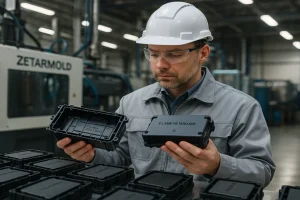
En nuestra fábrica de Shanghai, operamos 47 máquinas de moldeo por inyección de 90T a 1850T, apoyadas por una instalación de fabricación de moldes interna que produce más de 100 sets de moldes por mes. Esta configuración integrada significa que obtienes herramientas y producción bajo un mismo techo — sin intermediarios, sin brechas de comunicación entre fabricante de moldes y moldeador.
En nuestro propio taller, nuestros 8 ingenieros senior — cada uno con más de 10 años de experiencia en moldeo por inyección — revisan cada informe de inspección de primera pieza antes de la aprobación de producción. Esa capa de revisión de ingeniería es algo que siempre digo a los compradores que pregunten: ¿quién aprueba la calidad y cuál es su nivel de experiencia? Un equipo de QC que reporta a un gerente junior de 23 años es fundamentalmente diferente de uno supervisado por ingenieros que han depurado miles de moldes durante dos décadas.
¿Qué Certificaciones Son No Negociables?
ISO 9001 es el mínimo absoluto para cualquier proveedor de producción. ISO 134852 es obligatorio para dispositivos médicos, y IATF 16949 para automotriz. Un proveedor sin ISO 9001 no es un partner de manufactura — es una lotería.
Aquí cómo pensar sobre certificaciones según tu industria:
Productos de consumo — La ISO 9001 es suficiente para la mayoría de las aplicaciones. Si vendes en la UE, pregunta también sobre el cumplimiento de RoHS y REACH.
Productos sanitarios — ISO 13485 es no negociable. No aceptes "estamos trabajando en ello" o "nuestra empresa matriz está certificada". La instalación que moldea tus piezas necesita su propio certificado.
Automoción — IATF 16949 (la versión automotriz de ISO 9001) es estándar. La mayoría de OEMs requieren documentación PPAP y reporte completo de datos de material mediante el IMDS3 plataforma de proveedores certificados.
Contacto con alimentos — Busca manejo de material conforme a FDA y, idealmente, capacidad de sala limpia.
Pide ver los certificados reales, no solo los logotipos en un sitio web. Verifica el alcance — algunos proveedores tienen la ISO 9001 para su negocio comercial, no para su planta de fabricación. La dirección registrada en el certificado debe coincidir con la fábrica que visitas o auditas.
También verifica la validez del certificado y la fecha de la última auditoría. Un certificado emitido cinco años atrás sin auditorías de vigilancia está esencialmente caducado. Los organismos de certificación legítimos realizan auditorías de vigilancia anuales, y el proveedor debería poder proporcionar registros.
¿Qué tan importante es la comunicación en inglés?
La comunicación en inglés marca la diferencia entre 2 ciclos de revisión y 5. Los comentarios de abastecimiento, las discusiones de tolerancia y la intención de diseño no sobreviven bien a las capas de traducción — si su contacto solo puede hablar de precio pero no puede explicar por qué un espesor de pared afecta el tiempo de ciclo, tiene una brecha de comunicación costosa.
El costo real de una comunicación deficiente no se mide en errores de traducción, sino en suposiciones. Cuando un ingeniero en China no puede explicar claramente que "este grosor de nervadura causará hundimientos en la superficie cosmética", podría tomar una decisión y proceder. Así es como terminas con 10,000 piezas que cumplen con el plano pero fallan en su inspección cosmética.
Así es como se ve una comunicación efectiva en inglés en la práctica:
Retroalimentación de DFM — Su proveedor señala proactivamente problemas de fabricabilidad con recomendaciones específicas, no solo "podemos hacerlo"
Discusiones técnicas — Los ingenieros pueden discutir la ubicación de la entrada, la posición de la línea de soldadura y el diseño de los canales de enfriamiento en inglés
Resolución de problemas — Cuando algo sale mal (y saldrá), obtienes un análisis de causa raíz en un inglés claro, no una disculpa vaga
Actualizaciones del proyecto — Informes de progreso regulares con fotos, no solo correos electrónicos de “todo va según lo planeado”
Pruebe esto temprano: envíe una pregunta técnica — algo como “¿Cuál es la relación de longitud de flujo máxima que recomendaría para una pared de PC de 2 mm?” La calidad de la respuesta le dice más que cualquier folleto de capacidades.
Aprendí esto por las malas al principio de mi carrera. Un cliente europeo nos envió un plano con una tolerancia ambigua en un diámetro de agujero crítico. Nuestro ingeniero de habla inglesa lo detectó durante la revisión de DFM, envió una captura de pantalla marcada con tres opciones y una recomendación, y el cliente luego nos dijo que ese solo correo electrónico evitó un retrabajo de 40.000. Ese tipo de comunicación técnica en inglés es lo que separa a un proveedor de un socio. Hoy tenemos más de 30 personas en el personal con fluidez en inglés — no solo vendedores, sino ingenieros y gerentes de proyecto que pueden discutir el diseño de compuertas, la compensación de contracción y los resultados de flujo de molde en detalle.
¿Cómo evaluar de manera realista el plazo de entrega y los precios?
La fabricación de moldes en China suele ser de 25 a 45 días. Los presupuestos un 30–50% por debajo del promedio del mercado casi siempre comprometen el grado de acero, los ciclos de prueba o el acabado superficial — si tres proveedores cotizan 20.000±3.000 y uno cotiza 8.000, esos 8.000 son un producto diferente, no una ganga.
Comprender qué impulsa el costo de las herramientas le ayuda a evaluar los presupuestos:
| Cost Driver | Enfoque de baja gama | Enfoque profesional |
|---|---|---|
| Mold steel | P20 (estándar) | Ajustado al objetivo de ciclo: P20/H13/718H |
| Análisis del flujo de moldes | Omitido o básico | Análisis completo de flujo de molde 3 antes del corte del acero |
| Surface finish | SPI B-2 o inferior | Ajustado a los requisitos de la pieza (A-1 a D-3) |
| Ciclos de prueba | 1–2 rondas de muestreo | 3–5 rondas con informes dimensionales |
| Mold life guarantee | No especificado | Garantía por escrito (normalmente 100K–1M+ disparos) |
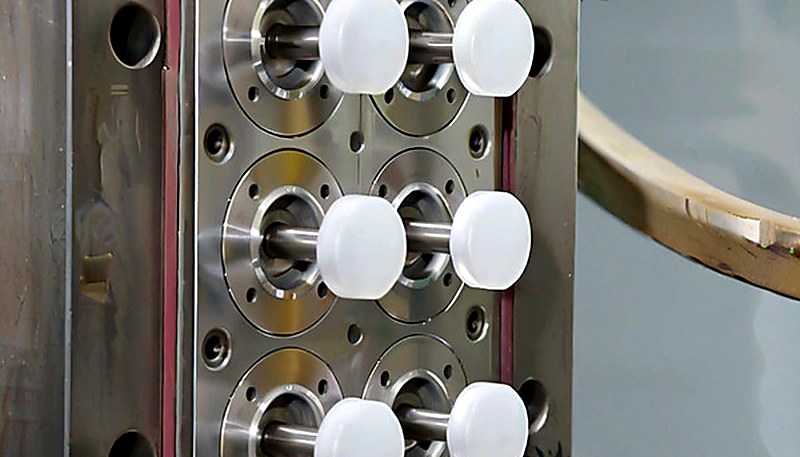
Para precios de producción, solicite un desglose detallado de costes: coste del material por pieza, tarifa por hora de máquina, mano de obra, gastos generales y embalaje. En nuestra fábrica, proporcionamos presupuestos desglosados para cada pedido de producción porque la transparencia construye asociaciones a largo plazo, no solo transacciones puntuales. Un proveedor que no desglose está ocultando margen en algún lugar, generalmente en la sustitución de material. Si cotizan ABS pero utilizan material reciclado regenerado, su pieza se comportará de manera diferente a lo especificado y no lo descubrirá hasta que comiencen a llegar las fallas en el campo.
El plazo de entrega funciona de la misma manera. Un proveedor que promete 15 días para el utillaje cuando el estándar de la industria es de 30 días está tomando atajos o mintiendo. Presione para obtener detalles específicos: ¿cuántas muestras T1? ¿Cuántas rondas de revisión están incluidas? ¿Cuál es el proceso de escalada si las dimensiones están fuera de especificación?
¿Qué señales de alarma deberían hacerle alejarse?
La señal de alarma más grande es un proveedor que cotiza herramientas sin revisar tus archivos 3D. Aléjate de inmediato si se niegan a una auditoría de fábrica o no pueden proporcionar trazabilidad de materiales — estos tres problemas representan aproximadamente el 80% de los proyectos fallidos de abastecimiento en China.
Después de ver cientos de relaciones comprador-proveedor, estas son las señales de alerta que considero rupturas de acuerdo no negociables:
Cotizar sin revisar sus archivos — Cualquier proveedor legítimo necesita al menos archivos STL o STEP para cotizar con precisión. Un precio dado sin revisión técnica es genérico (sin sentido) o deliberadamente bajo (cebo).
Negarse a auditorías de fábrica — Ya sea una visita en persona o un recorrido por videollamada, si un proveedor no quiere mostrarle sus instalaciones, probablemente no tenga unas que valga la pena mostrar.
Sin certificados de material — Si no pueden proporcionar certificados de material específicos por lote de SABIC, DuPont, Covestro o proveedores equivalentes, no puede verificar qué hay realmente en sus piezas.
No está dispuesto a proporcionar referencias — Cada proveedor establecido tiene clientes dispuestos a dar fe de ellos. La "confidencialidad" a veces es legítima, pero una negativa completa no lo es.
Términos de pago que trasladan todo el riesgo a usted — Pago por adelantado del 100% antes de que comience cualquier trabajo significa que no tienen nada en juego. Los términos estándar son un depósito del 30–50% con el saldo al aprobarse T1 o al enviarse.
Una cosa más que verificar: ¿cuánto tiempo lleva el proveedor en el negocio bajo la misma propiedad? Una fábrica que cambió de manos recientemente puede tener la lista de equipos del antiguo propietario en su sitio web, pero menor capacidad hoy. Solicite la licencia comercial y verifique la fecha de establecimiento.
Regla rápida: si un proveedor pasa su verificación de equipos, auditoría de calidad, verificación de certificaciones y prueba de comunicación, entonces compare precios entre los candidatos calificados. Gana el precio calificado más bajo, no el precio más bajo en general.
Un consejo más práctico: pregunte sobre la profundidad del personal de producción. Nuestros más de 120 trabajadores de producción operan tres turnos en 45 máquinas, lo que significa que podemos mantener los plazos de entrega incluso cuando varios proyectos alcanzan su punto máximo simultáneamente. Una fábrica con 10 máquinas y 15 trabajadores priorizará a quien grite más fuerte cuando la capacidad se vuelva limitada, y ese generalmente no es el nuevo cliente.
¿Qué Preguntan Comúnmente los Compradores Sobre los Proveedores de Moldeo por Inyección en China?
Aquí están las preguntas que escuchamos con más frecuencia de los compradores que evalúan proveedores chinos de moldeo por inyección.
Preguntas frecuentes
¿Cuánto cuesta la herramienta de moldeo por inyección en China?
La herramienta de moldeo por inyección en China generalmente cuesta entre $3,000 y más de $50,000, dependiendo de la complejidad de la pieza, el número de cavidades y el grado de acero. Un molde prototipo de aluminio de una sola cavidad comienza alrededor de $3,000; un molde de producción de múltiples cavidades en acero endurecido cuesta entre $15,000 y más de $50,000. El precio final depende del número de cavidades, los requisitos de acabado superficial (el acabado espejo SPI A-1 cuesta significativamente más que el SPI B-2), los mecanismos de acción lateral y la vida útil esperada del molde. Siempre solicite un presupuesto detallado de la herramienta que desglose por separado el costo del acero, las horas de mecanizado, el trabajo de EDM y el tratamiento superficial.
¿Cuál es el tiempo de entrega típico para el moldeo por inyección en China?
La fabricación de moldes estándar toma de 25 a 45 días; las corridas de producción agregan de 15 a 30 días dependiendo del volumen del pedido. La fabricación rápida de moldes (15-20 días) está disponible en algunos proveedores, pero normalmente reduce los ciclos de prueba y aumenta significativamente el riesgo de defectos. Para moldes complejos con núcleos laterales, elevadores o mecanismos de desenroscado, espere de 35 a 60 días para la fabricación del molde. El muestreo T1 generalmente toma de 3 a 5 días después de la finalización del molde, y la mayoría de los proyectos requieren de 2 a 3 rondas de muestreo antes de la aprobación final de producción. Siempre incluya un margen adicional de dos semanas en su cronograma para proyectos de fabricación de moldes por primera vez.
¿Debería visitar la fábrica antes de realizar un pedido?
Sí, una visita a la fábrica — incluso un recorrido virtual por video — es muy recomendable para pedidos por primera vez. Le permite verificar la cantidad de máquinas, limpieza, organización y si las instalaciones coinciden con el material de marketing del proveedor. Durante una visita, revise las placas de identificación de las máquinas para ver la marca y el año de fabricación, observe el equipo de la sala de herramientas, revise los informes de inspección de muestras y hable directamente con los ingenieros de calidad. Si no puede visitar en persona, programe una videollamada en vivo donde el proveedor recorra el área de producción en cámara — no un video de marketing pregrabado.
¿Cómo sé si un proveedor es una empresa comercial?
Las empresas comerciales normalmente no pueden responder preguntas técnicas detalladas, no le mostrarán el área de producción y cotizan inusualmente rápido. Solicite una videollamada directamente desde el piso de la fábrica — si se niegan, es probable que sean intermediarios. Otros indicadores incluyen: la dirección de la empresa es un edificio de oficinas comerciales en lugar de una zona industrial, venden productos en categorías muy diferentes y no pueden proporcionar una lista de máquinas con tonelajes y marcas específicas. Las fábricas directas tienen equipos consistentes, ingenieros internos y generalmente se especializan en uno o dos procesos de fabricación.
¿Qué términos de pago son estándar para el moldeo por inyección en China?
Los términos de pago estándar son un depósito del 30-50% con el saldo pagadero tras la aprobación de la muestra T1 o antes del envío. Evite proveedores que exijan un pago del 100% por adelantado — elimina su incentivo para entregar piezas de calidad a tiempo. Para pedidos más grandes por encima de $20,000, los pagos basados en hitos (por ejemplo, 30% de depósito, 40% en la aprobación T1, 30% antes del envío) son cada vez más comunes y protegen a ambas partes. La transferencia bancaria (T/T) es el método de pago más ampliamente aceptado internacionalmente. Algunos proveedores establecidos aceptan L/C (Carta de Crédito) para pedidos superiores a $50,000, lo que proporciona una protección adicional para el comprador.
¿Puede un proveedor chino manejar el moldeo médico compatible con la FDA?
Sí, si el proveedor cuenta con la certificación ISO 13485, opera instalaciones de sala limpia y puede proporcionar trazabilidad completa de materiales con certificados específicos por lote. No todos los moldeadores chinos cumplen con estos requisitos, así que verifique las certificaciones antes de comprometerse con la producción. Solicite ver el alcance del certificado ISO 13485 — debe cubrir los procesos de fabricación específicos utilizados para sus piezas. El proveedor también debe tener procedimientos validados de limpieza y embalaje, documentación de registros por lote y la capacidad de rastrear cada lote de producción hasta los certificados de materia prima de proveedores como SABIC, DuPont o Covestro.
¿Cuál es la cantidad mínima de pedido para el moldeo por inyección?
Las cantidades mínimas de pedido en China generalmente oscilan entre 500 y 10,000 piezas, dependiendo del tamaño de la pieza y el material. Algunos proveedores especializados en moldeo por inyección de bajo volumen aceptan producciones tan bajas como 100 piezas. El MOQ está determinado por la cantidad mínima de compra de material, el tiempo de preparación de la máquina y la economía de la producción. Para producción de prototipos o producción intermedia, considere proveedores con células dedicadas de bajo volumen — ellos operan máquinas más pequeñas con tiempos de cambio más rápidos. Los moldes multicavidad naturalmente reducen el costo por pieza en volúmenes mayores, pero aumentan la inversión en herramientas proporcionalmente.
¿Cómo protejo mi propiedad intelectual al fabricar en China?
Presente una patente o modelo de utilidad específico para China antes de compartir diseños, utilice acuerdos de confidencialidad (NDA) con versiones en chino y trabaje con proveedores que tengan un historial establecido de exportaciones. Un proveedor que exporta desde 2005 con certificaciones ISO representa estadísticamente un menor riesgo de propiedad intelectual que un proveedor nuevo y no certificado. Los pasos prácticos incluyen: nunca compartir archivos CAD completos durante la fase de cotización — proporcione archivos STEP o IGES sin características internas; registre sus marcas comerciales en China (sistema de primero en presentar); e incluya cláusulas de protección de propiedad intelectual en su contrato de fabricación que especifiquen daños por uso no autorizado.
¿Listo para evaluar un proveedor de moldeo por inyección en China que cumple todos los requisitos? Contacte a ZetarMold — revisaremos sus archivos 3D, proporcionaremos un análisis DFM detallado en 48 horas y le mostraremos nuestras instalaciones certificadas ISO en Shanghái con 45 máquinas.
-
ISO 9001: se refiere a ISO 9001 Sistemas de Gestión de la Calidad — la norma internacional para garantía de calidad en todas las industrias manufactureras. ↩
-
ISO 13485: se refiere a ISO 13485 especifica los requisitos para un sistema de gestión de la calidad donde una organización demuestra la capacidad de proporcionar dispositivos médicos. ↩
-
IMDS: se refiere a IMDS (Sistema Internacional de Datos de Materiales) — el estándar global para la presentación de informes de datos de materiales en las cadenas de suministro automotrices. ↩

 EN
EN  ES
ES  FR
FR  DE
DE  PT
PT  AR
AR  RU
RU  JA
JA  KO
KO  IT
IT  NL
NL  TR
TR  PL
PL