Was ist TPU (thermoplastisches Polyurethan)?
TPU (thermoplastisches Polyurethan) ist ein hochleistungsfähiger, schmelzverarbeitbarer Blockcopolymer, der die technische Lücke zwischen flexiblen Elastomeren und starren Kunststoffen überbrückt. Bekannt für seine außergewöhnliche Verschleißfestigkeit und Vielseitigkeit, kann es wiederholt geschmolzen und mit Standard-Spritzgießmaschinen für Thermoplaste recycelt werden und dient als Premiummaterial für anspruchsvolle industrielle und konsumentennahe B2B-Anwendungen.
Dieser lineare segmentierte Blockcopolymer besteht aus alternierenden harten Segmenten (Isocyanate und kurzkettige Diole) und weichen Segmenten (Polyole). Das präzise Gleichgewicht zwischen diesen molekularen Segmenten verleiht TPU seine einzigartige Fähigkeit, elastische Rückstellung neben starrer mechanischer Festigkeit zu bieten.
Im Gegensatz zu herkömmlichen duroplastischen Gummis, die einen zeitaufwändigen Vulkanisationsprozess erfordern, verhält sich TPU wie ein echtes Thermoplast. Für hochwertige Industriefertigung werden TPU-Harze in zwei Hauptchemiefamilien eingeteilt: Polyesterbasiertes TPU (das unübertroffene mechanische Festigkeit, Reißfestigkeit und Ölbeständigkeit bietet) und Polyetherbasiertes TPU (das ultimative Tieftemperaturflexibilität, mikrobielle Widerstandsfähigkeit und hervorragende Hydrolysebeständigkeit liefert).

Was sind die Eigenschaften von TPU?
Die Kerneigenschaften von TPU umfassen unübertroffene Abriebfestigkeit, hohe Zugfestigkeit, extreme Flexibilität über einen breiten Härtebereich (60A bis 85D) und hervorragende Beständigkeit gegen Öle, Chemikalien und Umwelteinflüsse. Diese einzigartigen Eigenschaften ermöglichen es TPU-Formteilen, extremen mechanischen Belastungen und aggressiven chemischen Umgebungen standzuhalten, bei denen herkömmliche Kunststoffe und Standardelastomere schnell versagen.
TPU wird aufgrund seiner herausragenden physikalischen und chemischen Eigenschaften im Hochleistungs- und Hochpräzisionsbereich hoch geschätzt:
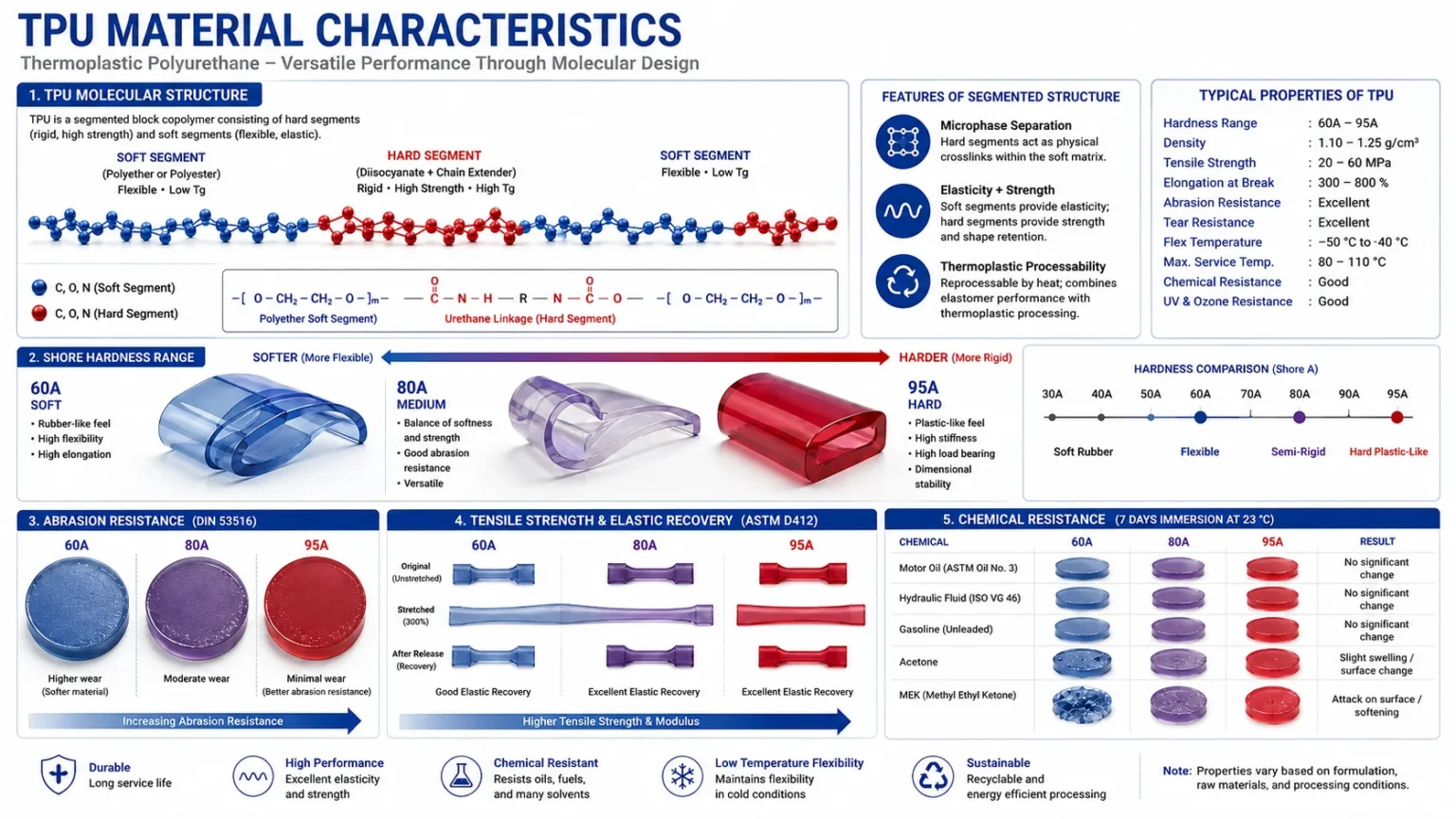
Außergewöhnliche Abrieb- und Verschleißfestigkeit:
TPU übertrifft bei intensiver Reibung, Abrieb und kontinuierlicher mechanischer Gleitbeanspruchung durchweg die meisten anderen Elastomere und technischen Kunststoffe und setzt damit den Industriestandard für bewegliche Verschleißteile.
Hohe Zugfestigkeit und Elastizität:
Es weist eine hohe Tragfähigkeit, hervorragende Stoßdämpfung und eine hohe Bruchdehnung auf. Dies ermöglicht es spritzgegossenen Teilen, starke Stöße zu absorbieren und sich schnell von Verformungen zu erholen, ohne dauerhafte strukturelle Setzung.
Hervorragende Beständigkeit gegen Öl, Chemikalien und Fett:
TPU behält seine strukturelle Integrität und Maßhaltigkeit bei kontinuierlicher Einwirkung von Kfz-Flüssigkeiten, Industrieölen, Kohlenwasserstoffen und verschiedenen Lösungsmitteln.
Umwelt- und mikroskopische Beständigkeit:
Abhängig von der gewählten Chemikalienbeständigkeit (insbesondere Polyether) bietet TPU eine hohe Beständigkeit gegen Ozonabbau, UV-Strahlung, mikrobiellen Angriff und langfristige Wassereinwirkung (Hydrolysebeständigkeit).
Können TPU-Materialien spritzgegossen werden?
Ja, TPU-Materialien können sehr erfolgreich mit handelsüblichen Thermoplast-Maschinen mit konventionellen Dreizonenschnecken spritzgegossen werden. Um jedoch erstklassige Teilequalität zu erreichen, sind strenge Prozesskontrollen, präzise Temperaturprofile im Zylinder und ein striktes Vor-Trocknungsprotokoll erforderlich, um einen Feuchtigkeitsgehalt von weniger als 0,02% vor der Verarbeitung zu erreichen.
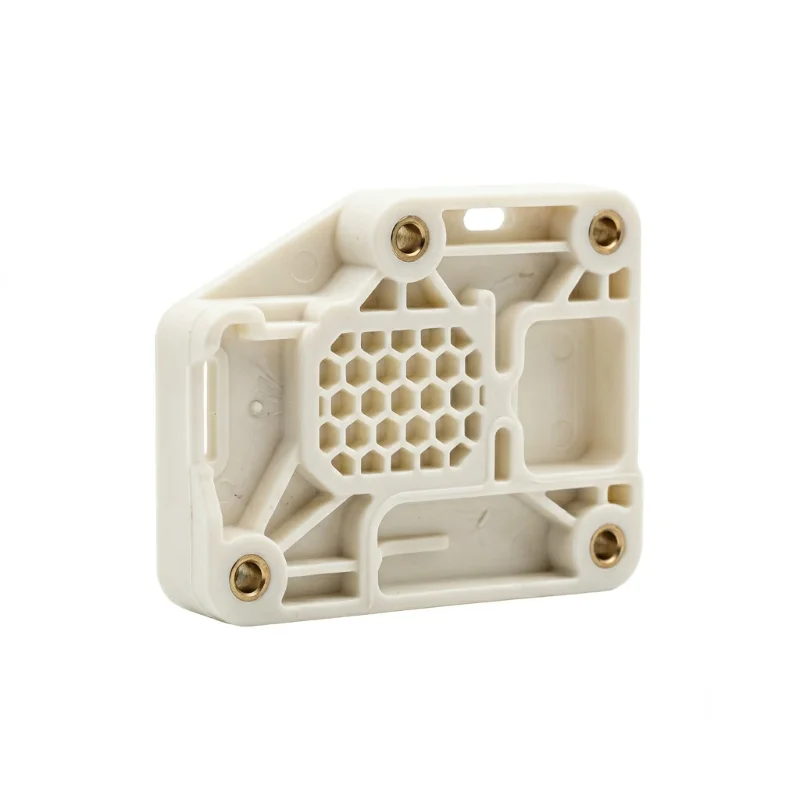
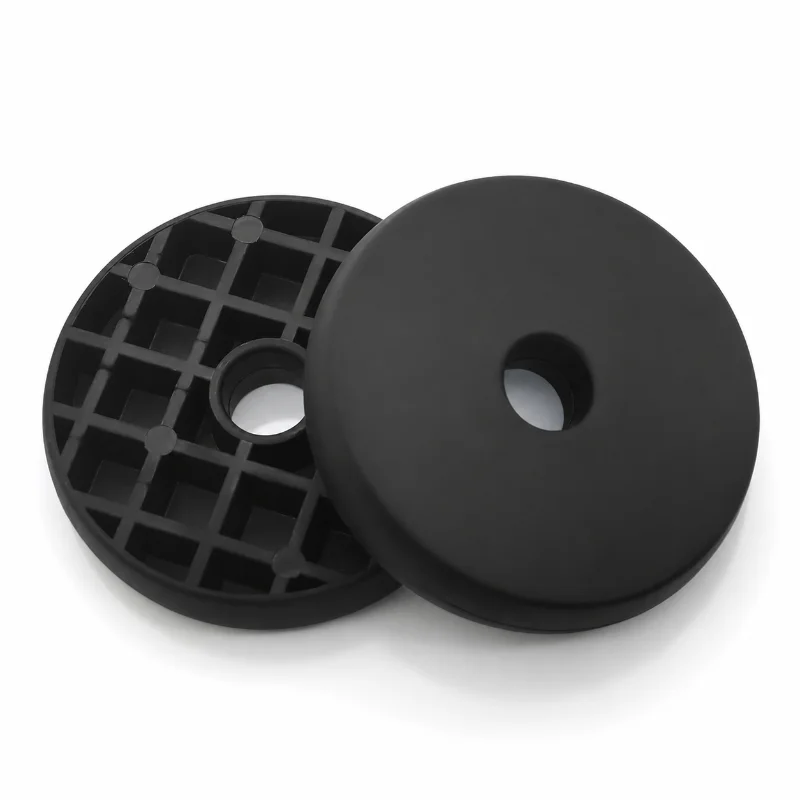
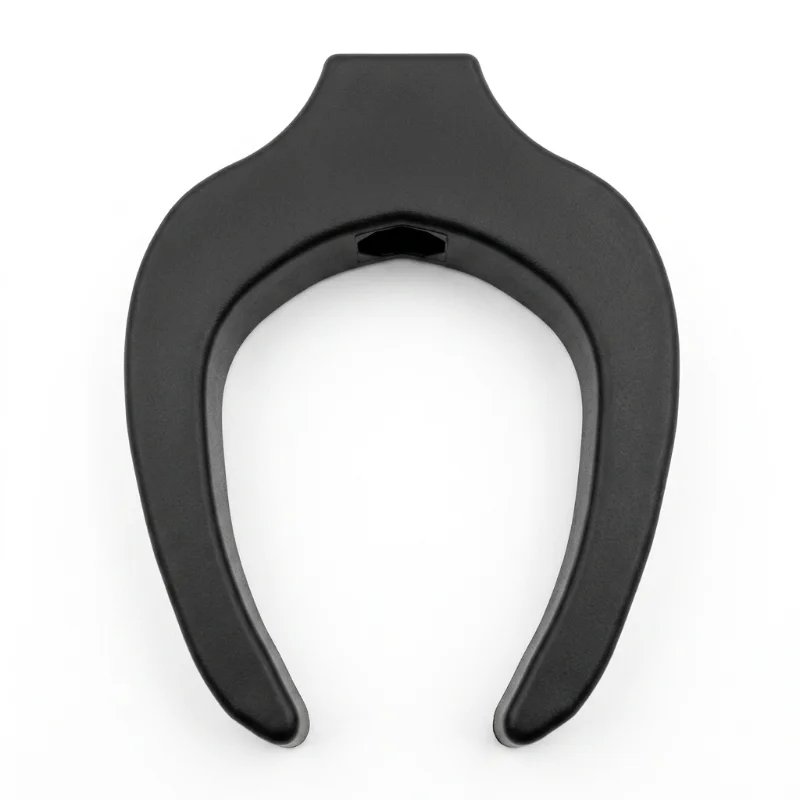
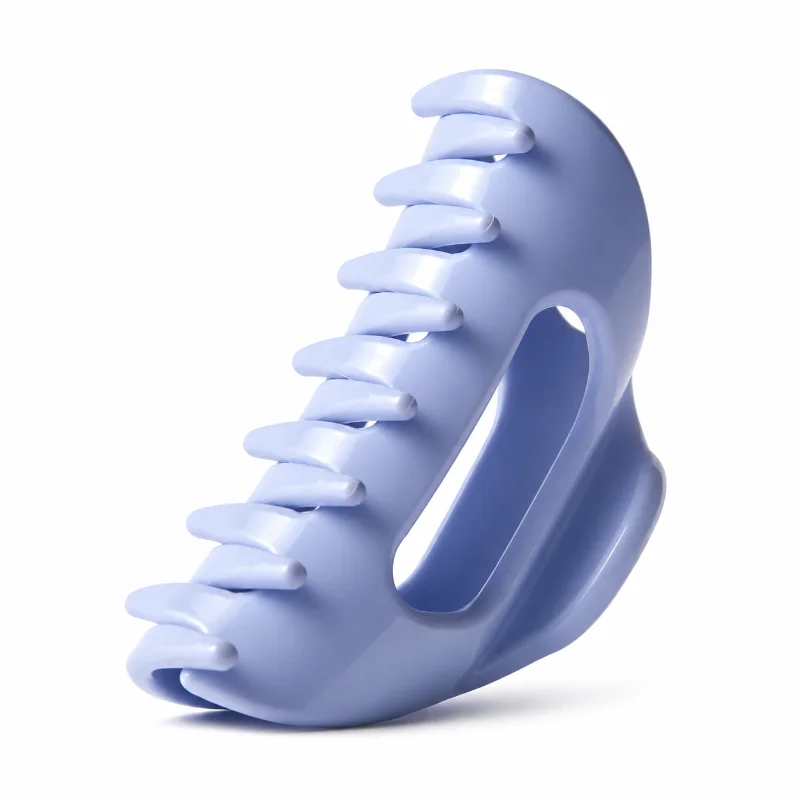
Da TPU beim Erhitzen schmilzt und fließt und beim Abkühlen erstarrt, passt es perfekt in die Serienfertigung mittels Spritzgießen. Allerdings erfordert das Spritzgießen von TPU aufgrund seiner hohen Scherungsempfindlichkeit und hygroskopischen Eigenschaften sorgfältiges technisches Know-how.
Erfolgreiches TPU-Spritzgießen erfordert präzise Zonentemperaturregelung im Zylinder (typischerweise zwischen 180°C und 230°C je nach Härte) und kontrollierten Gegendruck, um Materialabbau zu vermeiden. Eine robuste Formentlüftung ist ebenfalls entscheidend, um Gaseinschlüsse und Brandflecken zu vermeiden.
Am wichtigsten ist, dass TPU-Rohharze schnell atmosphärische Feuchtigkeit aufnehmen, daher muss das Material vor der Verarbeitung 3 bis 4 Stunden mit Trockenmittel-Entfeuchtern vorgetrocknet werden, um Silberstreifen, innere Blasen oder schwere strukturelle Schäden in den fertigen Bauteilen zu vermeiden.
Wichtige Prozessparameter:
- Temperatur des Fasses: 180-230°C (härteabhängig)
- Trocknungsprotokoll: 3-4 Stunden bei 80-90°C
- Feuchtigkeitsgehalt: < 0,02 % vor der Verarbeitung
- Taupunkt: ≤ -40°C
- Staudruck: Kontrolliert, um Degradation zu verhindern
Wie wählt man die richtige Shore-Härte (60A bis 85D) für TPU-Spritzgussteile?
Die Auswahl der richtigen Shore-Härte für TPU erfordert eine Abwägung zwischen Flexibilität, Stoßabsorption und struktureller Steifigkeit über ein Spektrum von Shore 60A (weicher Gummi) bis 85D (halbsteifer Kunststoff). Industrielle Anwendungen setzen auf präzise Härteauswahl, um der mechanischen Belastung und den taktilen Anforderungen der Umgebung gerecht zu werden.
| Shore-Härtebereich | Material-Taktile Analogie | Typische industrielle Anwendungen |
|---|---|---|
| 60A - 75A | Weiches Gummiband / Radiergummi | Hochflexible Dichtungen, maßgeschneiderte Dichtungen, Soft-Grip-Umspritzung, Antivibrationspads. |
| 80A - 90A | Smartphone-Hülle / Schuhsohle | Der häufigste Formbereich. Schutzstoßfänger, Industrieräder, Verschleißleisten, Unterhaltungselektronik. |
| 95A - 64D | Skateboard-Rad / Harte Schlagkappe | Hochbelastbare Zahnräder, Antriebsriemen, Hochdruck-Hydraulikdichtungen, Industriebuchsen. |
| 70D - 85D | Starrer Kunststoff / Schutzhelm | Strukturelle Industriekomponenten, die eine hohe Schlagfestigkeit und minimale Verformung erfordern. |
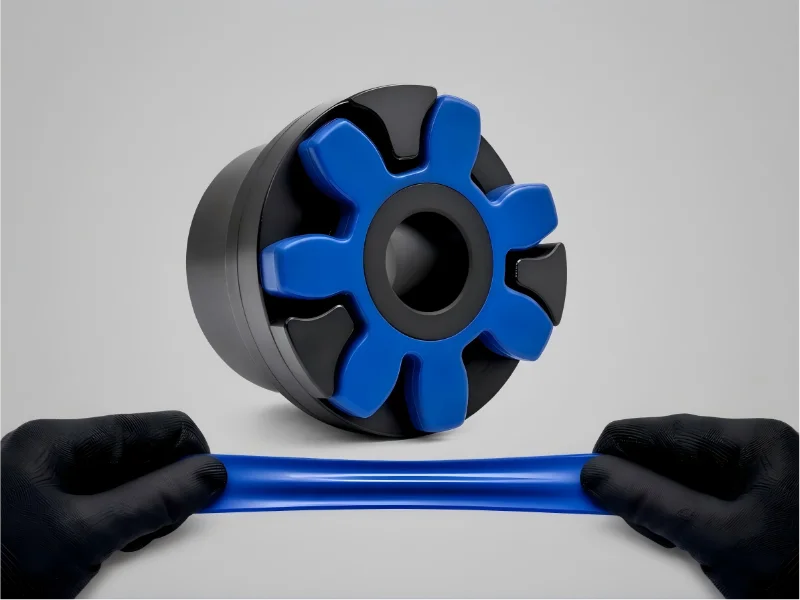
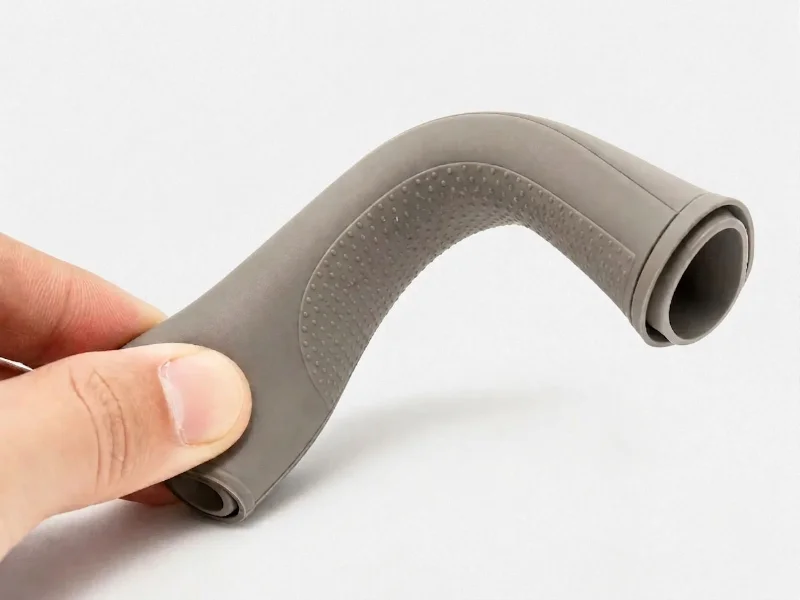
TPU vs. TPE vs. Silikon: Welcher Elastomer ist der beste für Ihr Projekt?
Die Wahl zwischen TPU, TPE und Silikon hängt von Ihren Anforderungen an die mechanische Leistung, den Umgebungstemperaturen und dem Budget ab: TPU bietet unübertroffene Verschleiß- und Ölbeständigkeit; TPE bietet kostengünstige, ultraweiche Oberflächen; und Silikon bietet erstklassige Biokompatibilität sowie extreme Temperaturbeständigkeit von -40°C bis über 200°C.
Bei der Konstruktion flexibler Komponenten wägen Ingenieure oft zwischen TPU, TPE (Thermoplastisches Elastomer) und Flüssigsilikonkautschuk (LSR) ab. Die richtige Wahl hängt stark von der Betriebsumgebung Ihrer Anwendung ab:
Wählen Sie TPU, wenn:
Ihr Projekt erfordert die höchstmögliche Verschleißfestigkeit, Weiterreißfestigkeit und Chemikalien-/Ölbeständigkeit. TPU ist TPE in Bezug auf mechanische Haltbarkeit und Zugbelastbarkeit weit überlegen und verbindet sich beim Mehrkomponenten-Umspritzen außergewöhnlich gut mit starren Kunststoffen.
Wählen Sie TPE, wenn:
Sie benötigen eine ultraweiche Haptik (unter 60A Shore-Härte), eine schnellere Formzykluszeit für Kosteneffizienz bei großen Stückzahlen oder eine kostengünstigere Alternative für Konsumgüter, bei denen extreme mechanische Verschleißfestigkeit nicht entscheidend ist.
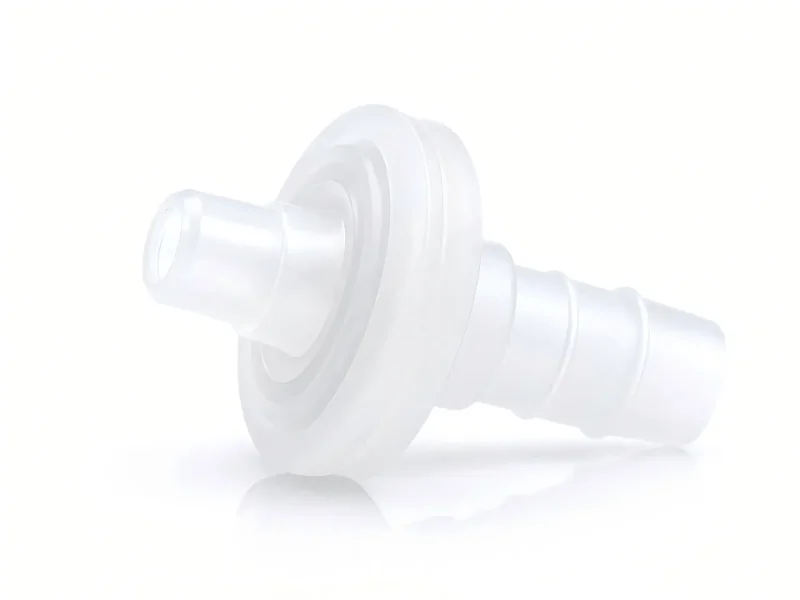
Wählen Sie Silikon, wenn:
Ihr Produkt arbeitet bei extremen Temperaturen (über 150 °C oder unter -40 °C), erfordert absolute Biokompatibilität in medizinischer Qualität (ISO 10993) oder benötigt eine hohe Beständigkeit gegen bleibenden Druckverformungsrest. Anders als TPU und TPE ist Silikon ein duroplastisches Material und kann nicht recycelt werden.
Was sind die typischen industriellen Anwendungen von spritzgegossenen TPU-Teilen?
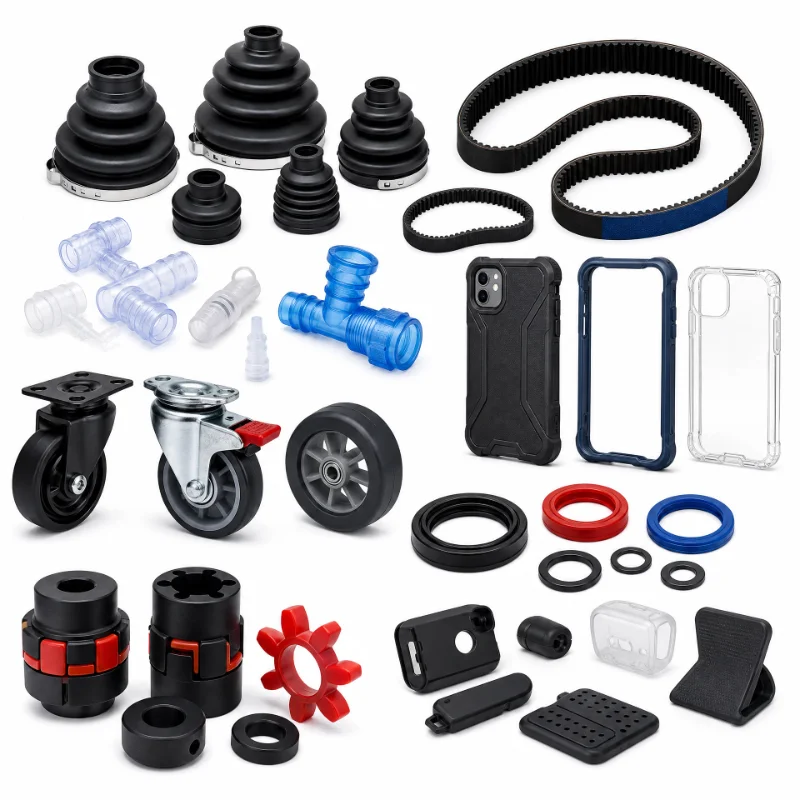
Spritzgegossene TPU-Teile werden in der Automobil-, Industriemaschinen-, Unterhaltungselektronik-, Medizingeräte- und Heimtierprodukte-Branche breit eingesetzt. Seine einzigartige Fähigkeit, schwere Stöße und Umgebungen mit hoher Reibung zu überstehen, macht TPU weltweit zum Material der Wahl für hochbeanspruchte Komponenten.
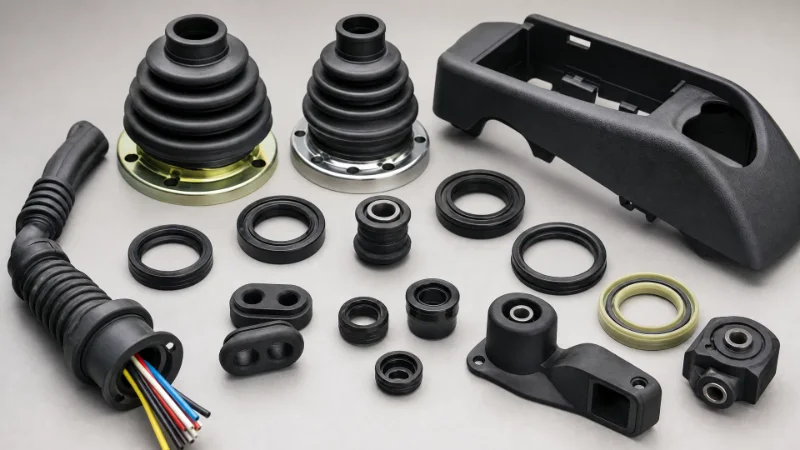
1. Autoindustrie
Gleichlaufgelenk-Manschetten (CV), interne Öldichtungen, Kabeldurchführungen, Anti-Vibrations-Buchsen für die Kabine und Soft-Touch-Konsolenkomponenten für den Innenraum.
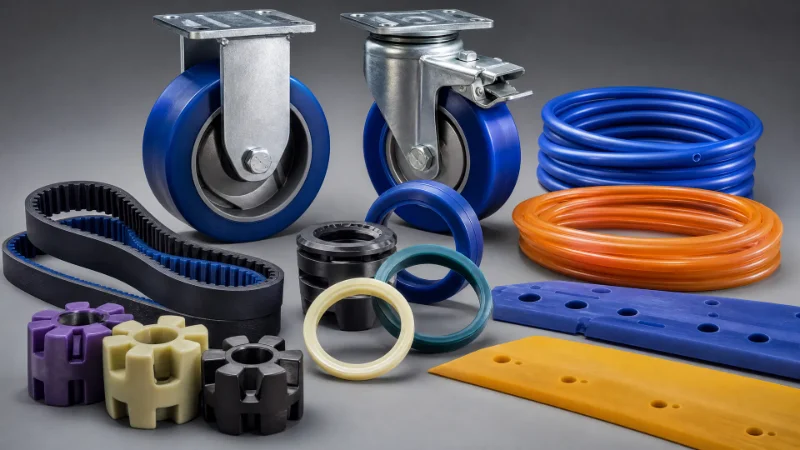
2. Industrielle Technik:
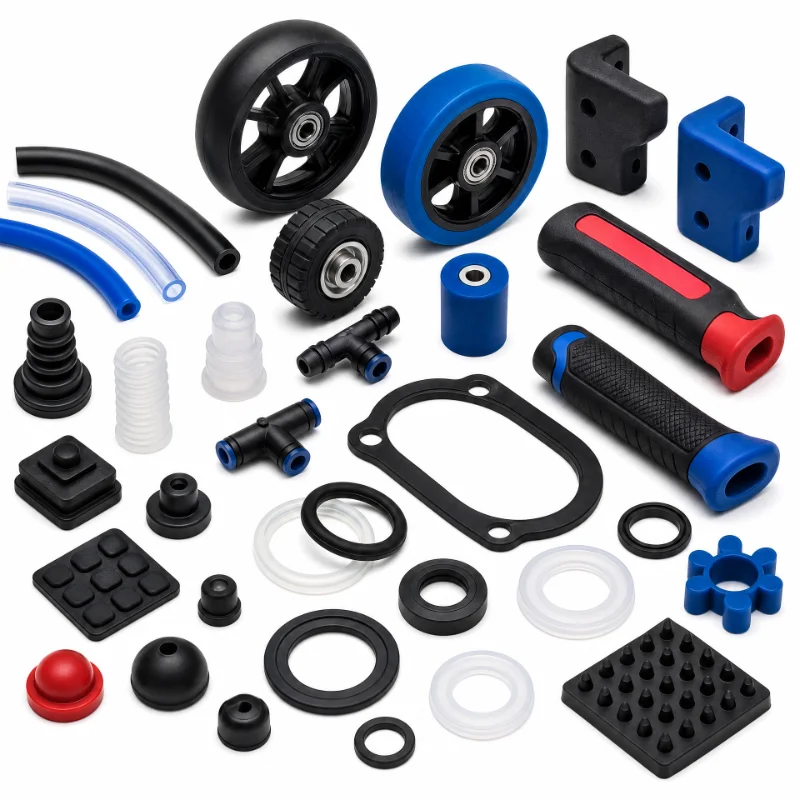
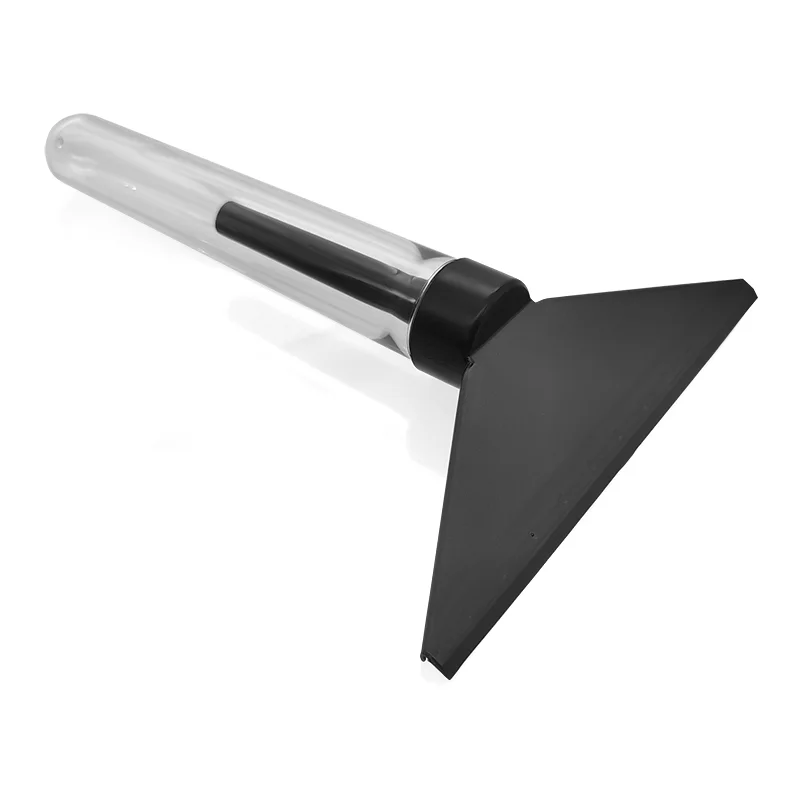
Hochbelastbare Lenkrollen, hochgespannte Antriebsriemen, hydraulische Kolbendichtungen, pneumatische Schläuche, flexible Kupplungen und Schaberklingen für die Mineralaufbereitung.
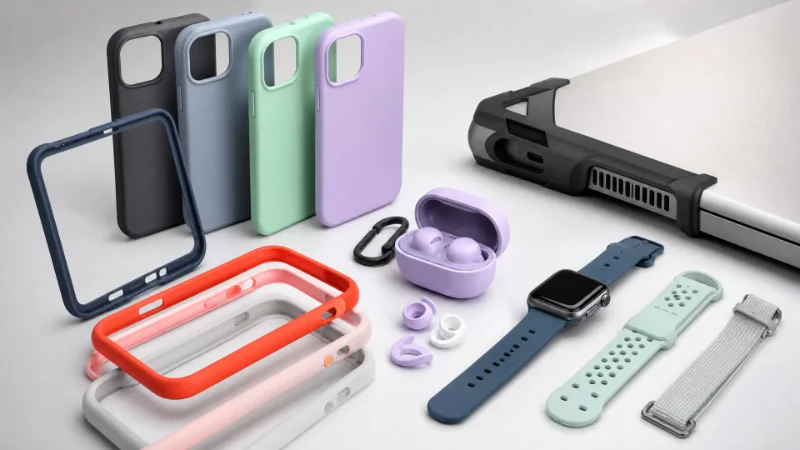
3. Unterhaltungselektronik:
Schützende Smartphone-Gehäuse, robuste Laptop-Stoßfänger, tragbare Smartwatch-Armbänder und wasserdichte Ohrhörer-Komponenten.
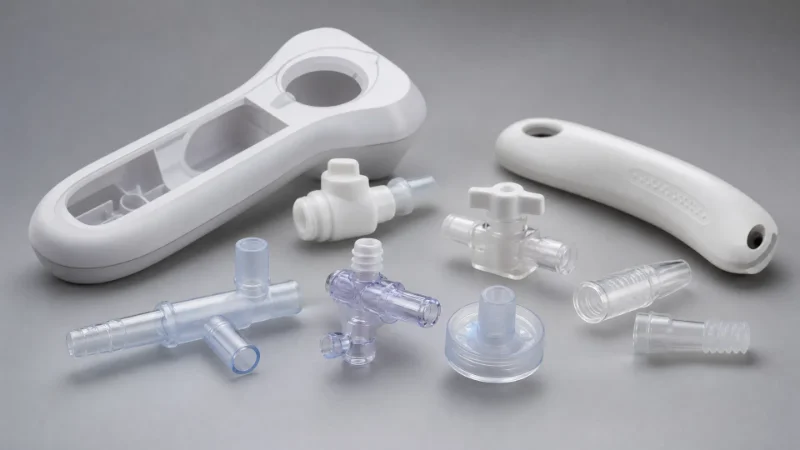
4. Medizinische Ausrüstung:
Biokompatible Schlauchverbinder, Ventile für die Flüssigkeitsförderung, Gehäuse für Diagnosegeräte und ergonomische Griffe für chirurgische Instrumente.

5. Haustierprodukte & Outdoor-Ausrüstung:
Langlebiges Hundespielzeug, kaufeste Trainingsausrüstung, Skischuhschalen, professionelle Rucksackschnallen und robuste Gehäuse für elektronische Halsbänder.
Kundenspezifische TPU-Spritzgießdienstleistungen
Konstruktion von Hochleistungs-Elastomerteilen für industrielle Exzellenz.
Welche Vorteile bietet das TPU-Spritzgießen?
Zu den Kernvorteilen des TPU-Spritzgießens gehören eine hohe Effizienz in der Massenproduktion, eine extreme Reproduzierbarkeit der mechanischen Leistung, überlegene Mehrkomponenten-Umspritzungsfähigkeiten und eine hervorragende ästhetische Vielseitigkeit. Dieses Verfahren ermöglicht die Hochgeschwindigkeitsproduktion von äußerst langlebigen, komplexen geometrischen Elastomerbauteilen.
Effizienz der Massenproduktion:
Das Spritzgießen ermöglicht die Hochgeschwindigkeitsproduktion komplexer geometrischer TPU-Teile mit engen Maßtoleranzen und senkt die Kosten pro Stück im Vergleich zur CNC-Bearbeitung oder zum 3D-Druck drastisch.
Außergewöhnliche mechanische Leistung:
Formteile übernehmen vollständig die rohe Polymerfestigkeit von TPU und bieten unübertroffene Verschleißfestigkeit, hohe Stoßabsorption und ausgezeichnete Ermüdungserholung unter zyklischer Belastung.
Überlegene Umspritzfähigkeit:
TPU erreicht mühelos eine starke molekulare Schmelzverbindung mit starren Substraten wie ABS, Polycarbonat (PC) und Nylon (PA) und schafft so eine unzerbrechliche Zweikomponenten-Komponente ohne toxische chemische Klebstoffe.
Lebendige Einfärbbarkeit und Texturierung:
TPU-Harze lassen sich nahtlos mit Farb-Masterbatches mischen und ermöglichen kräftige Volltonfarben, transluzente Finishes oder spezielle Formtexturen (wie matte, glänzende oder strukturierte Narbungen) direkt von der Werkzeugoberfläche.
Welche Nachteile hat das TPU-Spritzgießen?
Die Hauptnachteile des TPU-Spritzgießens umfassen strenge Vortrocknungsvorschriften, ein sehr enges Verarbeitungstemperaturfenster, erhöhte anfängliche Werkzeugkosten aufgrund der hohen Materialschwindung und etwas längere Abkühlzyklen im Vergleich zu starren Kunststoffen.
Strenge Anforderungen an die Materialtrocknung:
TPU ist stark hygroskopisch. Werden die Trocknungsvorschriften ignoriert, verursacht Feuchtigkeit während des Formens einen hydrolytischen Abbau, der die physikalische Festigkeit und Oberflächengüte der Teile drastisch beeinträchtigt.
Enges Verarbeitungstemperaturfenster:
TPU hat eine hohe Scherempfindlichkeit. Ist die Einspritzgeschwindigkeit oder die Schmelztemperatur geringfügig zu hoch, bauen sich die Polymerketten ab; ist sie zu niedrig, kommt es zu unvollständigen Füllungen (Short Shots) oder einer schlechten Oberflächengüte.
Höhere Werkzeugeinrichtungskosten:
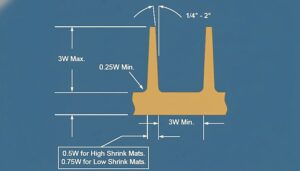
Aufgrund der natürlichen Klebrigkeit von TPU und der hohen Schwindungsrate (0,5 % bis 2,0 %) müssen Formen präzisionsgefertigt werden mit spezialisierter Entlüftung, fortschrittlichen Auswurfmechanismen und hochwertigem Werkzeugstahl, was die Ersteinrichtung kostspielig macht.
Längere Kühlzyklen:
Elastomere Materialien speichern Wärme länger als starre Kunststoffe und erfordern oft verlängerte Abkühlzeiten innerhalb des Formzyklus, um eine Verformung des Teils beim Auswerfen zu verhindern.
Was ist TPU-Umspritzen und wie funktioniert es?
TPU-Umspritzen ist ein fortschrittliches Mehrkomponenten-Spritzgussverfahren, bei dem weiches TPU direkt auf ein starres Kunststoffsubstrat (wie ABS oder PC) gespritzt wird, um eine dauerhafte, klebstofffreie molekulare Verbindung zu erzielen. Diese Technik wird in großem Umfang eingesetzt, um starren Gehäusen ergonomische Softgriffe, luftdichte Dichtungen und stoßabsorbierende Puffer hinzuzufügen.
Dieser Prozess wird über zwei Hauptmethoden erreicht: Zwei-Komponenten-Spritzguss (Multi-Shot) mit einer spezialisierten Maschine mit rotierendem Werkzeug oder Insert-Molding, bei dem das vorgeformte starre Teil manuell oder robotergesteuert in eine zweite Formkavität eingelegt wird, um die TPU-Injektion aufzunehmen.
Die Magie des TPU-Umspritzens liegt in der molekularen Interdiffusion. Wenn das heiße, geschmolzene TPU unter hohem Einspritzdruck auf das vorgewärmte starre Substrat trifft, schmilzt die Grenzschicht teilweise zusammen und erzeugt eine dauerhafte chemische Verbindung. Dies eliminiert vollständig die Notwendigkeit einer manuellen Klebstoffaufbringung oder sekundärer mechanischer Befestigungselemente und verbessert die Montagegeschwindigkeit und Produktlebensdauer drastisch.
Vorteile des Umspritzens:
- Ergonomische Soft-Griffe: Komfortable, rutschfeste Oberflächen
- Luftdichte Dichtungen: Wasserdicht und staubbeständig
- Stoßabsorption: stoßdämpfende Puffer
- Keine Klebstoffe: Dauerhafte molekulare Bindung
- Montageeffizienz: Geringerer Arbeitsaufwand und geringere Kosten
Häufige Probleme und Lösungen beim TPU-Spritzgießen
Häufige Defekte beim TPU-Spritzgießen sind Oberflächen-Jetting, Anhaften an der Form beim Auswerfen und silbrige Splay-Streifen, die durch eingeschlossene Feuchtigkeit verursacht werden. Erfahrene Ingenieurteams beseitigen diese Probleme durch optimierte Anschnittplatzierung, präzise Formstrukturierung und strenge Trocknungskontrollen mit Trockenmittel.
Das Formen von TPU bringt besondere Herausforderungen mit sich. Hier sind die häufigsten Fehler, die während der Produktion auftreten, und wie unser Ingenieurteam sie beseitigt:
Problem: Jetting / Schlangenlinien (wellige Oberflächenlinien in der Nähe des Angusses)
Ursache: Das geschmolzene TPU tritt mit übermäßiger Geschwindigkeit in die Kavität ein, wodurch es nach vorne „schießt“ und vorzeitig abkühlt, bevor der Rest der Form gefüllt ist.
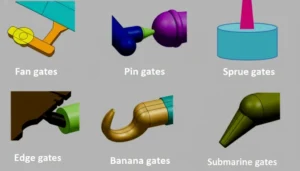
Lösung: Wir optimieren das Formdesign mit einem Fächeranschnitt oder Filmanschnitt, um die Geschwindigkeit zu verteilen, verlangsamen das anfängliche mehrstufige Einspritzgeschwindigkeitsprofil und erhöhen die Anschnittdicke.
Problem: Kleben in der Form / Auswurfverzug (Verformen oder Weißwerden beim Auswerfen)
Ursache: Die natürliche Elastizität von TPU führt dazu, dass es an Kern- und Kavitätsoberflächen haftet, oder der Form fehlen ausreichende Entformungsschrägen.
Lösung: Wir tragen eine spezielle matte Texturierung oder Sandstrahlung auf die Formoberflächen auf, um die Oberflächenspannung zu reduzieren, verwenden größere Auswerferstifte und integrieren ein leichtes Formtrennmittel in die Verarbeitungsrichtlinien.
Problem: Silberschlieren / Schlierenbildung
Ursache: Übermäßige Feuchtigkeit im TPU-Harz oder übermäßige Schneckenscherung, die eingeschlossenes Gas erzeugt.
Lösung: Überprüfen Sie das Trockenmittel-Trocknungssystem erneut, um einen Taupunkt unter -40 °C sicherzustellen, und senken Sie den Einspritzstaudruck.
Können Sie das Prototyping in geringen Stückzahlen unterstützen, bevor auf die vollständige TPU-Produktion umgestellt wird?
Ja, wir bieten spezialisiertes TPU-Prototyping in kleinen Stückzahlen unter Verwendung von Rapid Tooling (Formaufbauten aus Aluminium oder vorgehärtetem Stahl), um 50 bis über 5.000 echte, spritzgegossene Teile herzustellen. Dieser Service ermöglicht es Produktentwicklungsteams, die Shore-Härte, die haptische Reaktion und die funktionale Passung zu validieren, bevor sie in Produktionsformen für große Stückzahlen investieren.
Warum ist Prototyping in kleinen Stückzahlen wichtig?
Wir wissen, dass die B2B-Produktentwicklung eine gründliche Validierung erfordert, bevor Budgets für Serienwerkzeuge in hohen Stückzahlen freigegeben werden. Um Ihre technischen Risiken zu minimieren, bieten wir einen dedizierten Prototyping-Service für Kleinserien von TPU-Komponenten an.
Durch den Einsatz von Rapid-Tooling-Verfahren umgehen wir die langen Vorlaufzeiten von Massenproduktionsformen. Ihre Prototypen werden in genau der von Ihnen spezifizierten Produktharzsorte gespritzt, sodass alle physikalischen Tests – etwa reale Falltests, Prüfungen der Umweltdichtheit und Tests der Chemikalienexposition – die Leistung und mechanische Haltbarkeit des Endprodukts präzise widerspiegeln.
Vorteile des Rapid Tooling:
- 2-4 Wochen Vorlaufzeit
- 50–5.000+ Teile pro Lauf
- Materialien in Produktionsqualität
- Vollständige Maßvalidierung
- Kosteneffiziente Iteration
Validierungsprüfung:
- Fall-/Schlagprüfung
- Umweltabdichtung
- Chemische Belastung
- Zugfestigkeit
- Verschleißfestigkeit
Häufig gestellte Fragen (FAQs)
Welche Dateiformate akzeptieren Sie für FDM-Druckaufträge?
3D-gedrucktes Objekt mit komplexer Stützstruktur, das ein ausgeklügeltes Design und präzise Fertigung demonstriert.
Können Sie eine NDA unterzeichnen, um unsere Designdateien und unser geistiges Eigentum zu schützen?
Ja. Wir unterzeichnen routinemäßig NDAs, bevor wir Designdateien erhalten, und alle Daten werden unter strengen Vertraulichkeitsprotokollen behandelt.
Wie hoch ist die typische Schwindungsrate von TPU beim Spritzgießen?
Die typische volumetrische Schwindungsrate von TPU liegt zwischen 0,5 % und 2,0 %. Dies variiert jedoch drastisch je nach Shore-Härte (weichere TPUs schwinden mehr), Teilewanddicke, Formtemperatur und ob es sich beim Material um eine Polyester- oder Polyether-Qualität handelt. Wir nutzen stets eine präzise Formfüllanalyse, um die Werkzeugabmessungen entsprechend anzupassen.
Warum sollte ich Polyether-TPU gegenüber Polyester-TPU wählen?
Sie sollten Polyether-TPU wählen, wenn Ihr Teil feuchten Umgebungen, Wassereintauchung oder extremer Kälte ausgesetzt wird, da es eine hervorragende Hydrolysebeständigkeit und Flexibilität bei niedrigen Temperaturen bietet. Wählen Sie Polyester-TPU, wenn Ihre Prioritäten extreme Abriebfestigkeit, höhere Zugfestigkeit und überlegene Öl-/Chemikalienbeständigkeit in trockenen Umgebungen sind.
Kann Ihre Fabrik Farbabstimmungen für kundenspezifische TPU-Spritzgussteile vornehmen?
Ja. Wir können jeden spezifischen Pantone- oder RAL-Farbcode mit speziellen TPU-kompatiblen Farbmasterbatches treffen. Wir sorgen für eine gleichmäßige Farbverteilung, ohne die physikalischen Eigenschaften oder das Shore-Härteprofil des Materials zu verändern.
Haftet TPU gut an Metalleinsätzen?
Ja, TPU kann auf Metalleinsätze (wie Messinggewinde oder Stahlhalterungen) umspritzt werden. Um eine unzerstörbare Verbindung zu erreichen, muss der Metalleinsatz gründlich entfettet, vorgewärmt und mit einem speziellen Haftvermittler behandelt werden, bevor er in die Spritzgussform eingelegt wird.