TPU (Termoplastik Poliüretan) Nedir?
TPU (Termoplastik Poliüretan), esnek kauçuklar ile sert plastikler arasındaki mühendislik boşluğunu kapatan yüksek performanslı, eriyik işlenebilir bir blok kopolimerdir. Olağanüstü aşınma direnci ve çok yönlülüğüyle bilinen bu malzeme, standart termoplastik enjeksiyon kalıplama ekipmanı kullanılarak defalarca eritilebilir ve geri dönüştürülebilir; ağır hizmet endüstriyel ve tüketici B2B uygulamaları için önde gelen bir malzeme olarak hizmet verir.
Bu doğrusal segmentli blok kopolimer, birbirini izleyen sert segmentlerden (izosiyanatlar ve kısa zincirli dioller) ve yumuşak segmentlerden (polioller) oluşur. Bu moleküler segmentler arasındaki hassas denge, TPU'ya sert mekanik dayanımın yanı sıra elastik geri kazanım sağlama gibi benzersiz bir yetenek kazandırır.
Zaman alıcı bir vulkanizasyon süreci gerektiren geleneksel termoset kauçukların aksine, TPU gerçek bir termoplastik gibi davranır. Üst düzey endüstriyel üretim için, TPU reçineleri iki temel kimyasal aileye ayrılır: Polyester bazlı TPU (rakipsiz mekanik dayanım, yırtılma direnci ve yağ koruması sunar) ve Polyeter bazlı TPU (üstün düşük sıcaklık esnekliği, mikrobiyal dayanıklılık ve mükemmel hidroliz direnci sağlar).
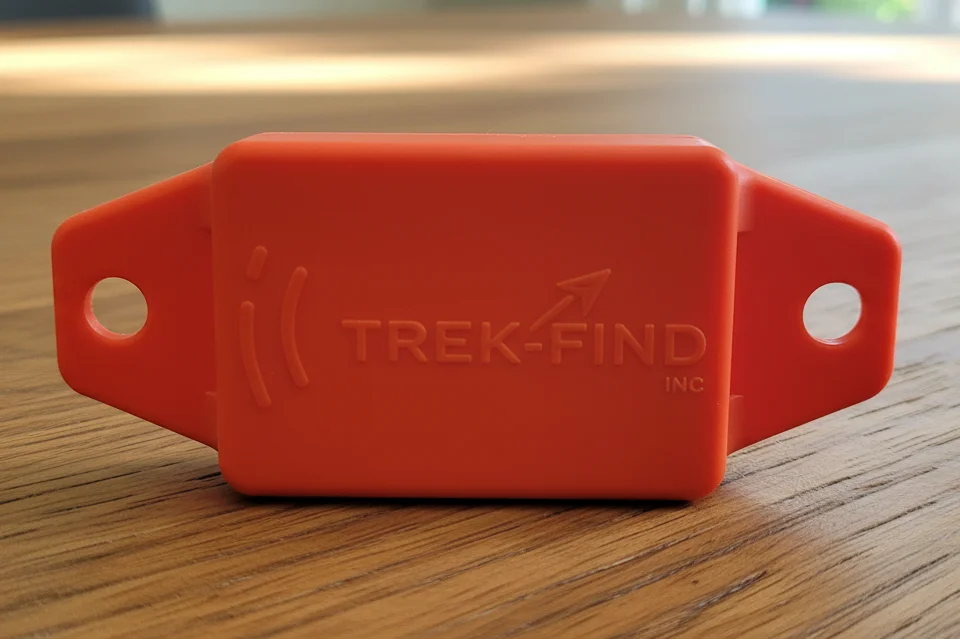
TPU'nun Özellikleri Nelerdir?
TPU'nun temel özellikleri arasında eşsiz aşınma direnci, yüksek çekme dayanımı, geniş bir sertlik aralığında (60A ila 85D) olağanüstü esneklik ve yağlara, kimyasallara ve çevresel yaşlanmaya karşı üstün dayanıklılık yer alır. Bu benzersiz özellikler, kalıplanmış TPU bileşenlerin, geleneksel plastiklerin ve standart elastomerlerin hızla başarısız olduğu aşırı mekanik gerilim ve zorlu kimyasal ortamlarda ayakta kalmasını sağlar.
TPU, olağanüstü fiziksel ve kimyasal özellikleri nedeniyle ağır hizmet ve yüksek hassasiyetli mühendislikte oldukça değerlidir:
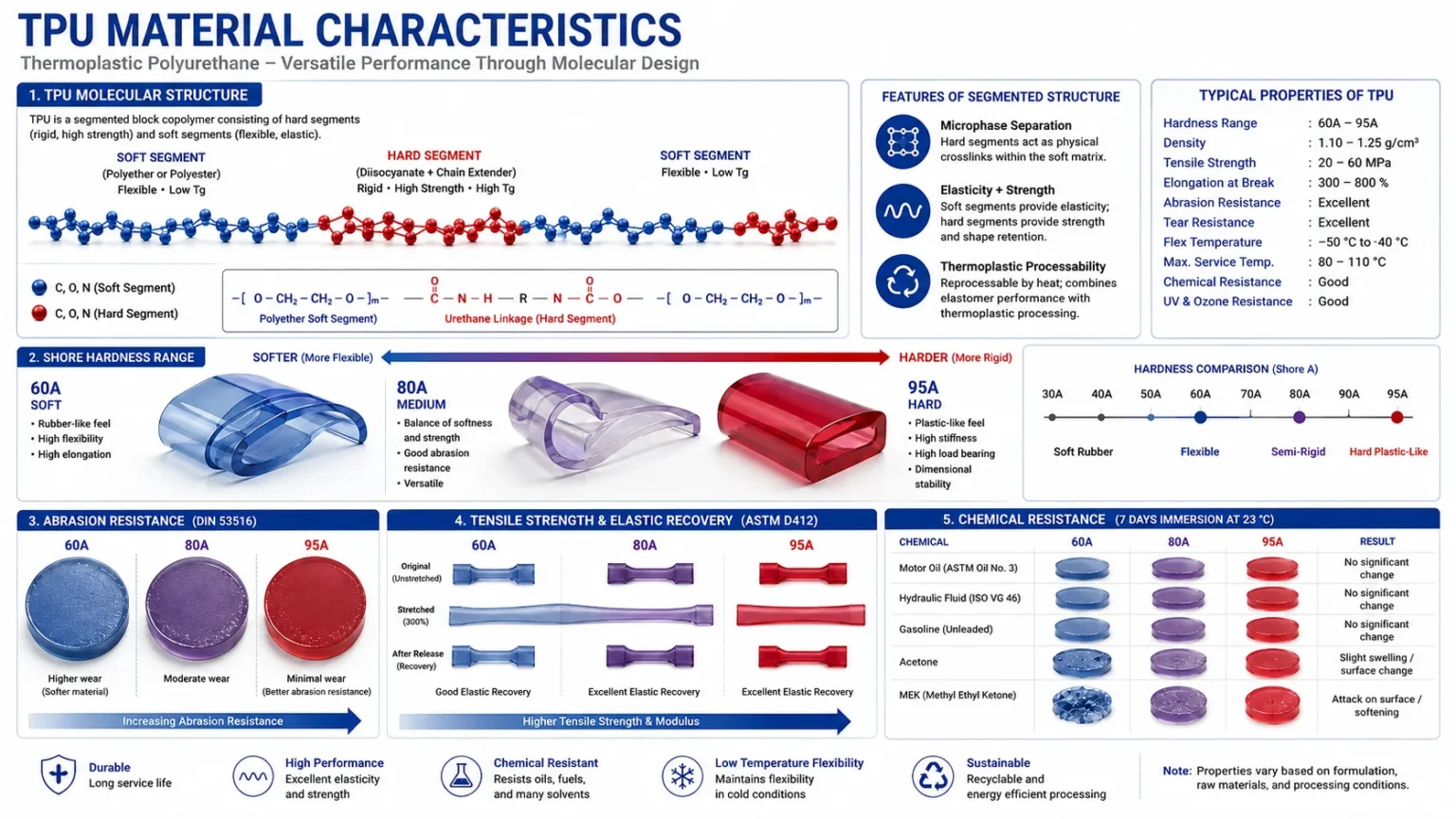
Olağanüstü Aşınma ve Yıpranma Direnci:
TPU, yoğun sürtünme, sıyrılma ve sürekli mekanik kaymaya maruz kaldığında diğer birçok elastomer ve mühendislik plastiğinden sürekli olarak daha iyi performans gösterir; bu da onu hareketli aşınma bileşenleri için endüstri standardı haline getirir.
Yüksek Çekme Dayanımı ve Elastikiyet:
Yüksek yük taşıma kapasitesi, olağanüstü darbe emme ve yüksek kopma uzaması yüzdesi sergiler. Bu, kalıplanmış parçaların şiddetli darbeleri emmesine ve kalıcı yapısal deformasyon olmadan deformasyondan hızla toparlanmasına olanak tanır.
Mükemmel Yağ, Kimyasal ve Gres Direnci:
TPU, otomotiv sıvılarına, endüstriyel yağlayıcılara, hidrokarbonlara ve çeşitli çözücülere sürekli maruz kaldığında yapısal bütünlüğünü ve boyutsal kararlılığını korur.
Çevresel ve Mikroskobik Dayanıklılık:
Seçilen kimyasal sınıfa (özellikle polieter) bağlı olarak, TPU ozon bozunmasına, UV radyasyonuna, mikrobiyal saldırıya ve uzun süreli su maruziyetine (hidroliz direnci) karşı büyük direnç sunar.
TPU Malzemeler Enjeksiyonla Kalıplanabilir mi?
Evet, TPU malzemeleri, geleneksel 3 bölgeli vidalarla donatılmış standart ticari termoplastik makineler kullanılarak son derece başarılı bir şekilde enjeksiyon kalıplamayla üretilebilir. Ancak, birinci sınıf parça kalitesi elde etmek, sıkı proses kontrolleri, hassas namlu sıcaklığı profillendirmesi ve işlemeden önce %0,02'den az nem içeriği elde etmek için katı bir reçine ön kurutma protokolü gerektirir.
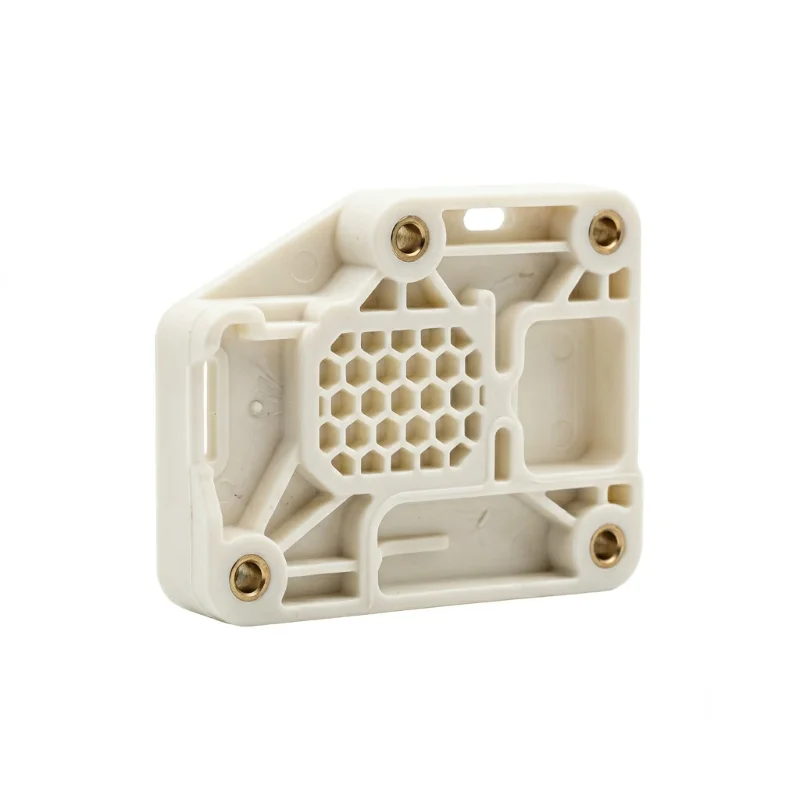
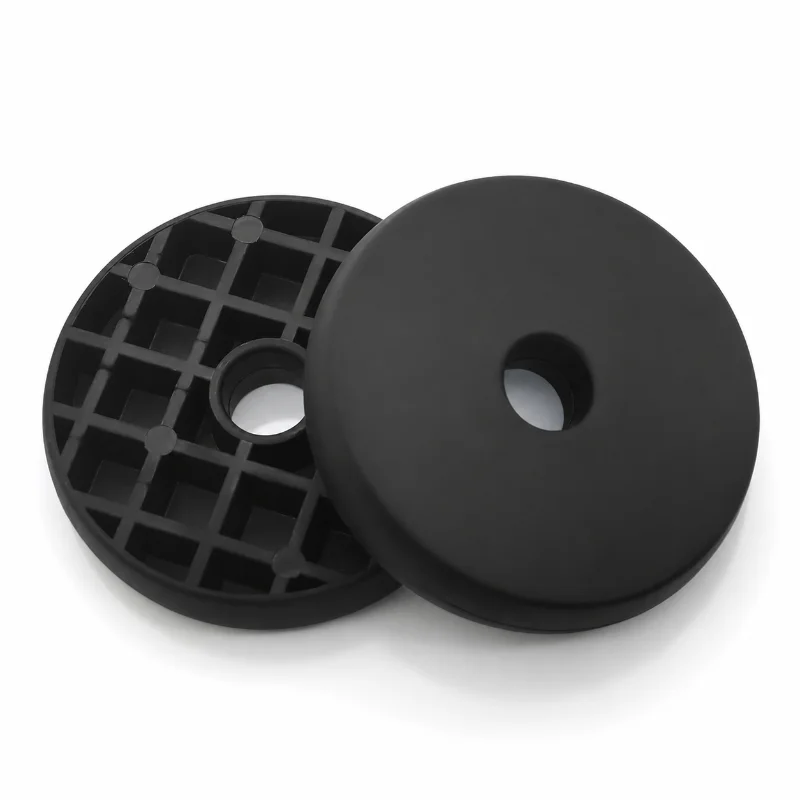
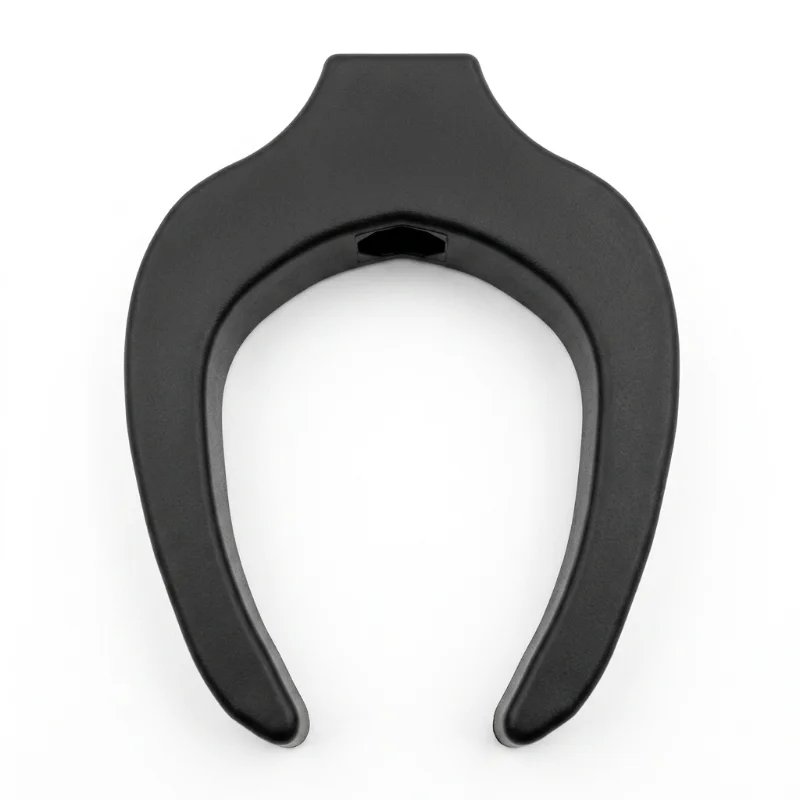
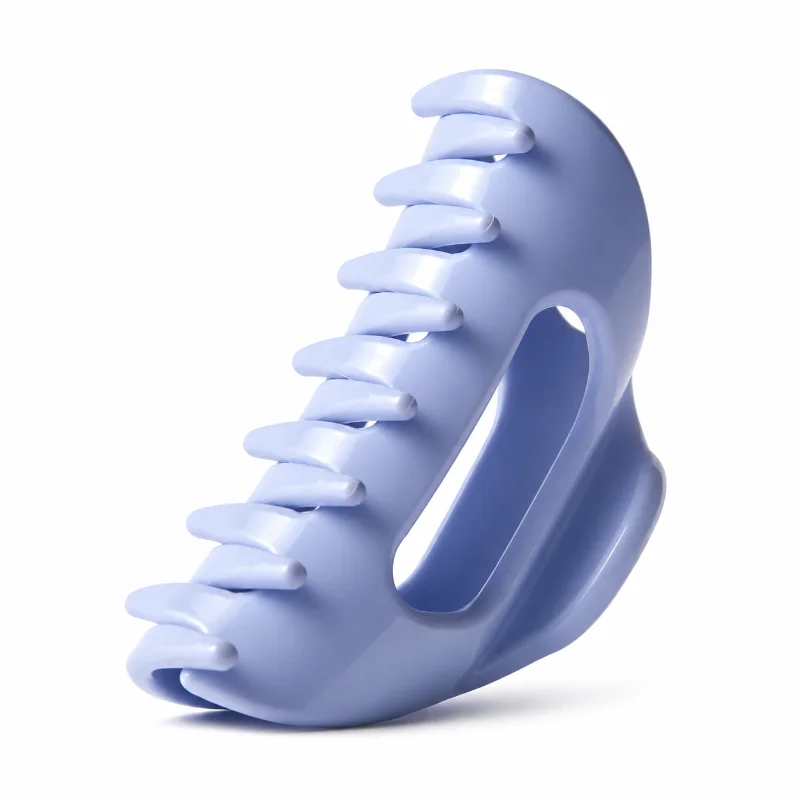
TPU ısıtıldığında eriyip aktığı ve soğuduğunda katılaştığı için seri üretim enjeksiyon kalıplama iş akışlarına mükemmel şekilde uyar. Ancak, TPU kalıplama, yüksek kayma hassasiyeti ve higroskopik yapısı nedeniyle titiz mühendislik uzmanlığı gerektirir.
Başarılı TPU enjeksiyon kalıplama, hassas namlu sıcaklığı bölgelemesi (sertliğe bağlı olarak genellikle 180°C ile 230°C arasında) ve malzeme bozulmasını önlemek için kontrollü geri basınç gerektirir. Gaz sıkışmasını ve yanık izlerini önlemek için sağlam kalıp havalandırması da esastır.
En önemlisi, TPU ham reçineleri atmosferik nemi hızla emdiğinden, nihai kalıplanmış bileşenlerde gümüş çizgileri, iç kabarcıklar veya ciddi yapısal bozulmayı önlemek için malzemenin kurutucu nem alma kurutucuları kullanılarak 3 ila 4 saat ön kurutmadan geçirilmesi gerekir.
Temel Proses Parametreleri:
- Namlu Sıcaklığı: 180-230°C (sertliğe bağlı)
- Kurutma Protokolü: 80-90°C'de 3-4 saat
- Nem İçeriği: İşlemeden önce < %0.02
- Çiğlenme Noktası: ≤ -40°C
- Geri Basınç: Bozulmayı önlemek için kontrol edilir
TPU Kalıplanmış Parçalar için Doğru Shore Sertliği (60A'dan 85D'ye) Nasıl Seçilir?
TPU için doğru Shore sertliğini seçmek, Shore 60A (yumuşak kauçuk) ile 85D (yarı sert plastik) arasında uzanan bir yelpazede esneklik, darbe emilimi ve yapısal sertlik arasında denge kurmayı içerir. Endüstriyel uygulamalar, ortamın mekanik yük ve dokunsal gereksinimlerine uyacak şekilde hassas sertlik seçimine dayanır.
| Shore Sertlik Aralığı | Malzeme Dokunsal Analojisi | Tipik Endüstriyel Uygulamalar |
|---|---|---|
| 60A - 75A | Yumuşak lastik bant / Silgi | Yüksek esneklikli contalar, özel contalar, yumuşak tutuşlu üzerine kalıplama, titreşim önleyici pedler. |
| 80A - 90A | Akıllı telefon kılıfı / Ayakkabı tabanı | En yaygın kalıplama aralığı. Koruyucu tamponlar, endüstriyel tekerlekler, aşınma şeritleri, tüketici elektroniği. |
| 95A - 64D | Kaykay tekerleği / Sert tokmak | Ağır hizmet dişlileri, tahrik kayışları, yüksek basınçlı hidrolik contalar, endüstriyel burçlar. |
| 70D - 85D | Sert plastik / Baret | Yüksek darbe dayanımı ve minimum esneme gerektiren yapısal endüstriyel bileşenler. |
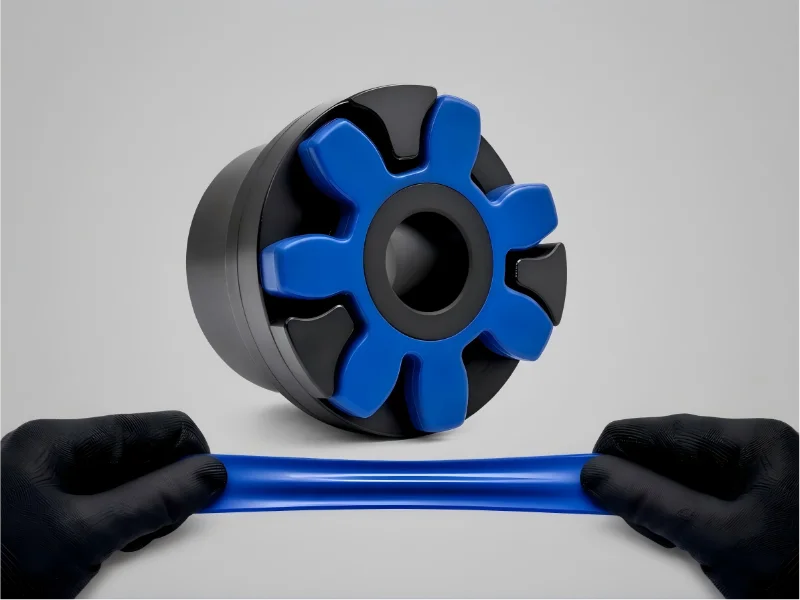
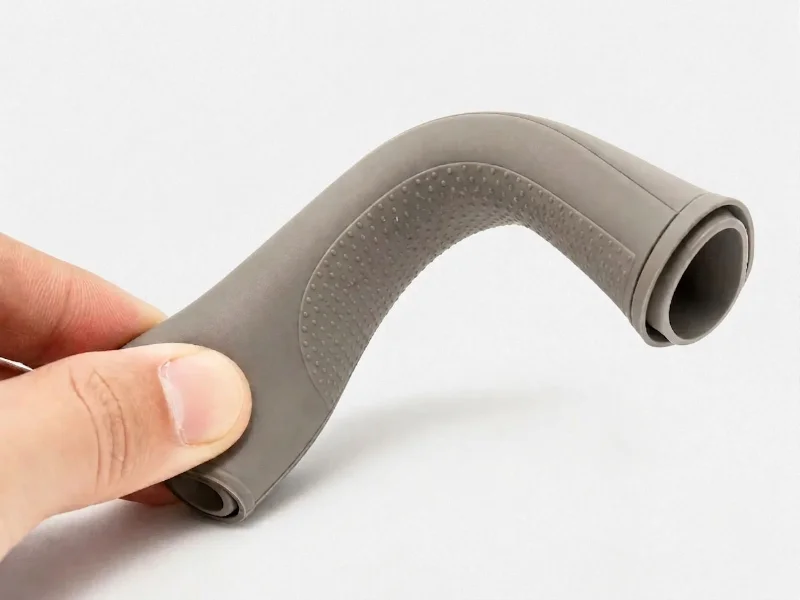
TPU vs. TPE vs. Silikon: Projeniz için Hangi Elastomer En İyisidir?
TPU, TPE ve Silikon arasındaki seçim, mekanik performans ihtiyaçlarınıza, ortam sıcaklıklarına ve bütçenize bağlıdır: TPU eşsiz aşınma ve yağ direnci sunar; TPE uygun maliyetli, ultra yumuşak dokular sağlar; ve Silikon, -40°C'den 200°C'nin üzerine kadar aşırı sıcaklık direncinin yanı sıra üstün biyouyumluluk sunar.
Esnek bileşenler tasarlarken, mühendisler genellikle TPU, TPE (Termoplastik Elastomer) ve Sıvı Silikon Kauçuk (LSR) arasında tartışır. Doğru olanı seçmek büyük ölçüde uygulamanızın çalışma ortamına bağlıdır:
TPU'yu şu durumlarda seçin:
Projeniz mümkün olan en yüksek aşınma direncini, yırtılma dayanımını ve kimyasal/yağ direncini gerektiriyor. TPU, mekanik dayanıklılık, çekme yükü taşıma kapasitesi açısından TPE'den çok daha üstündür ve çok atışlı üzerine kalıplama sırasında sert plastiklere olağanüstü iyi bağlanır.
TPE'yi şu durumlarda seçin:
Ultra yumuşak bir dokunuşa (60A Shore sertliğinin altında), yüksek hacimli maliyet verimliliği için daha hızlı bir kalıplama çevrim süresine veya aşırı mekanik aşınma direncinin kritik olmadığı tüketim malları için daha uygun maliyetli bir alternatife ihtiyaç duyuyorsunuz.
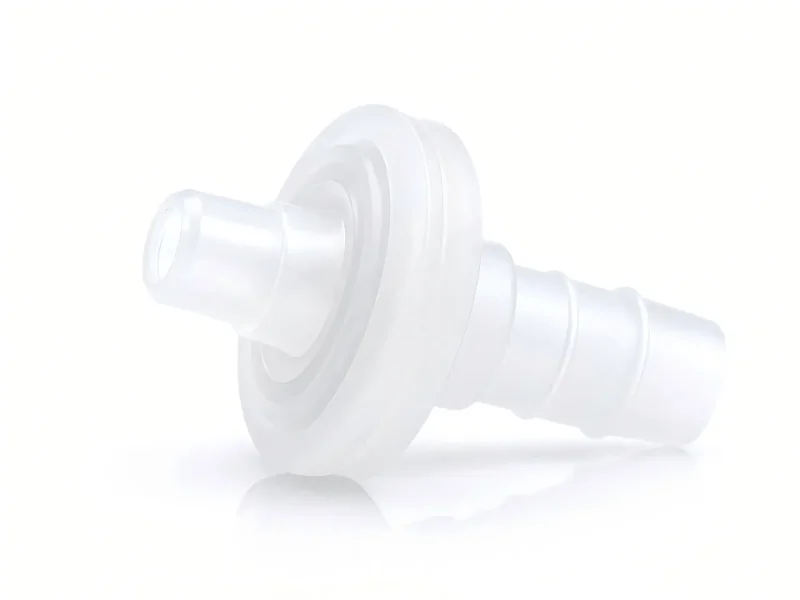
Silikonu şu durumlarda seçin:
Ürününüz aşırı sıcaklıklarda (150°C üzeri veya -40°C altı) çalışıyor, mutlak tıbbi sınıf biyouyumluluk (ISO 10993) gerektiriyor veya kalıcı sıkışma setine yüksek direnç gerektiriyor. TPU ve TPE'nin aksine, Silikon termoset bir malzemedir ve geri dönüştürülemez.
Enjeksiyonla Kalıplanmış TPU Parçaların Tipik Endüstriyel Uygulamaları Nelerdir?
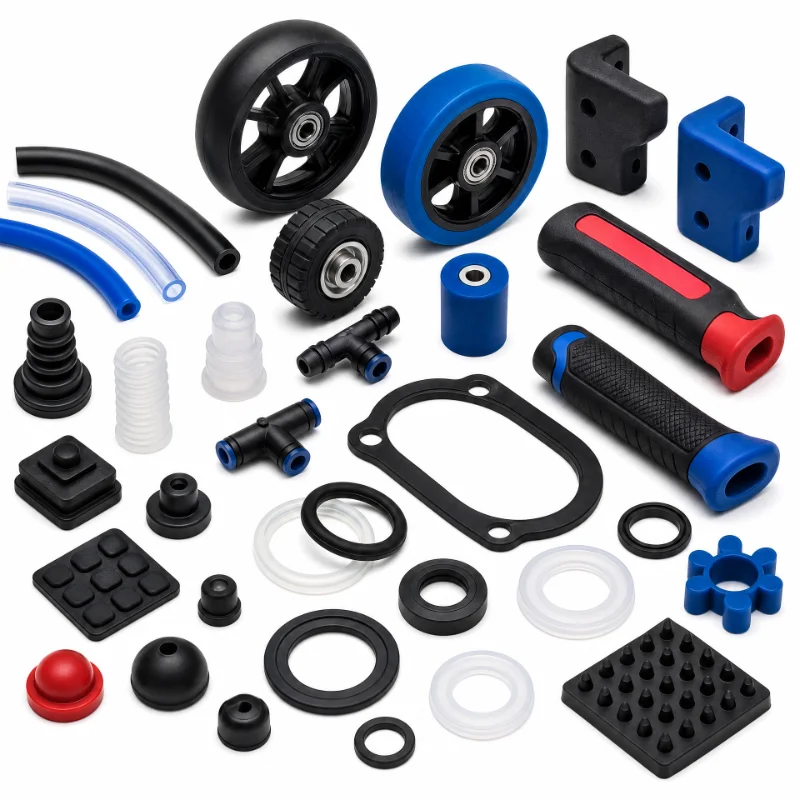
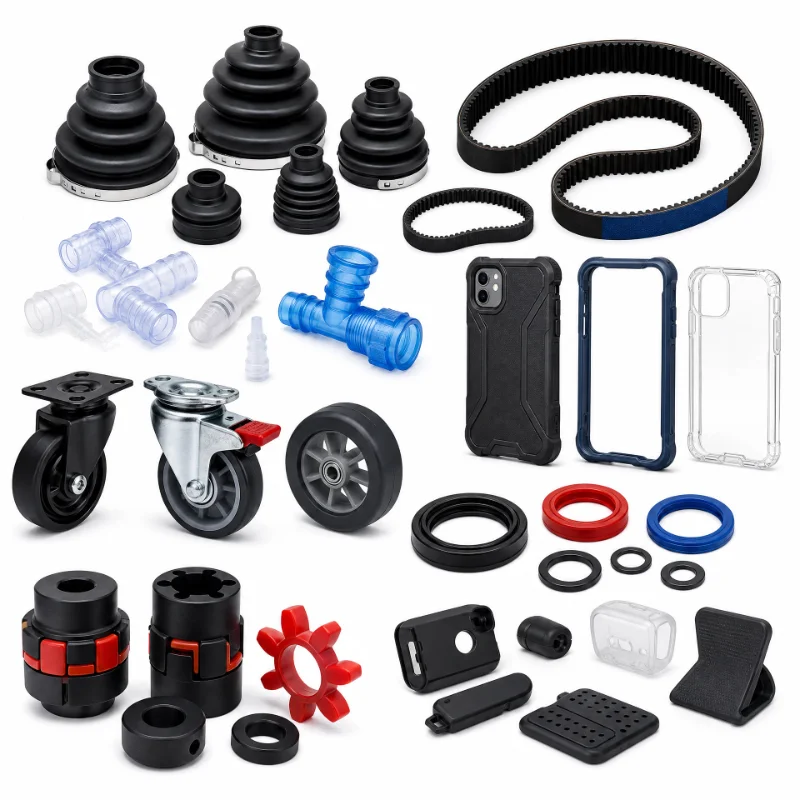
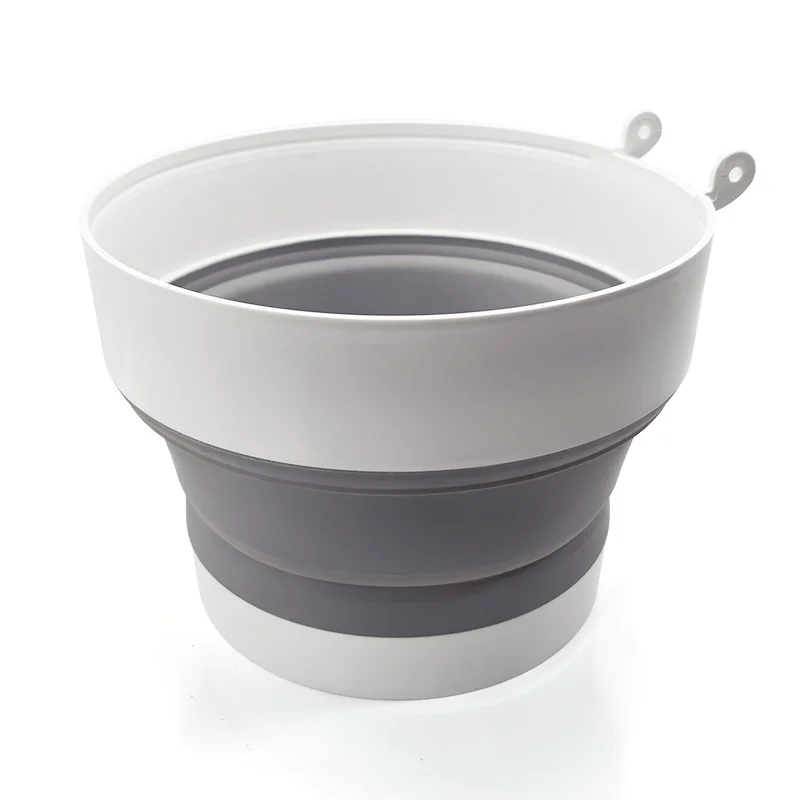
Enjeksiyon kalıplanmış TPU parçaları otomotiv, endüstriyel makine, tüketici elektroniği, tıbbi cihaz ve evcil hayvan ürünleri sektörlerinde yaygın olarak kullanılır. Şiddetli darbelere ve yüksek sürtünmeli ortamlara dayanma konusundaki benzersiz yeteneği, TPU'yu dünya çapında ağır hizmet bileşenleri için tercih edilen malzeme yapar.
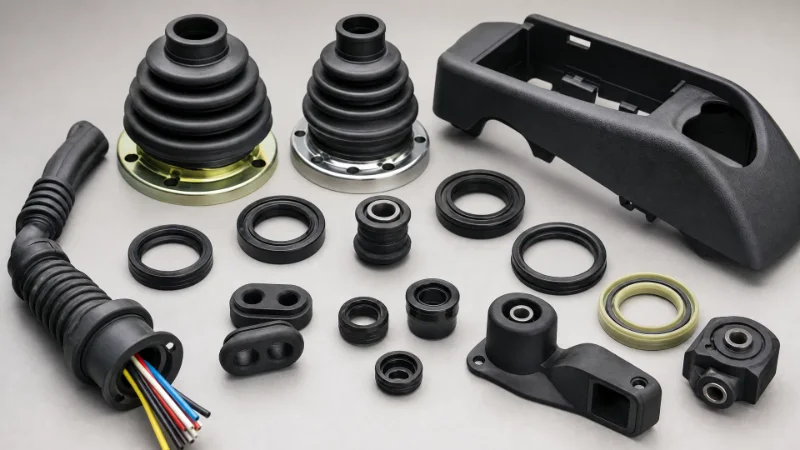
1. Otomotiv Endüstrisi
Sabit Hız (CV) mafsal körükleri, iç yağ keçeleri, kablo geçiş lastikleri, kabin titreşim önleyici burçları ve iç mekan yumuşak dokunuşlu konsol bileşenleri.
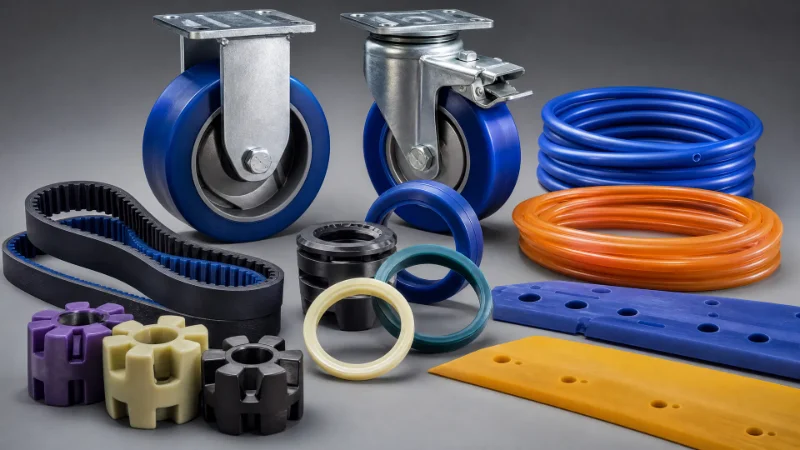
2. Endüstriyel Mühendislik:
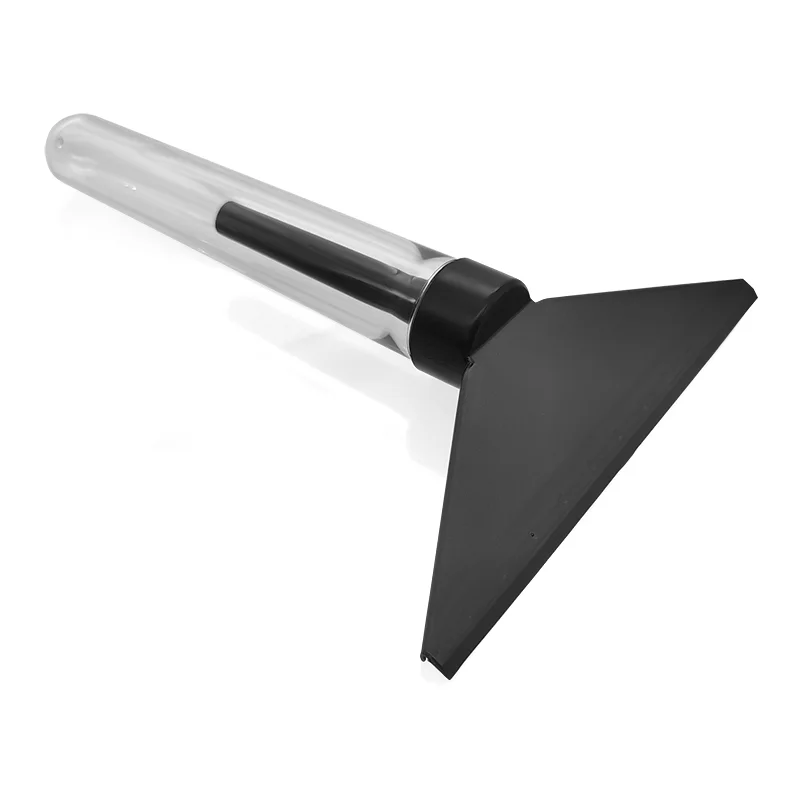
Ağır hizmet tekerlekleri, yüksek gerilimli tahrik kayışları, hidrolik piston contaları, pnömatik hortumlar, esnek kaplinler ve mineral işleme sıyırıcı bıçakları.
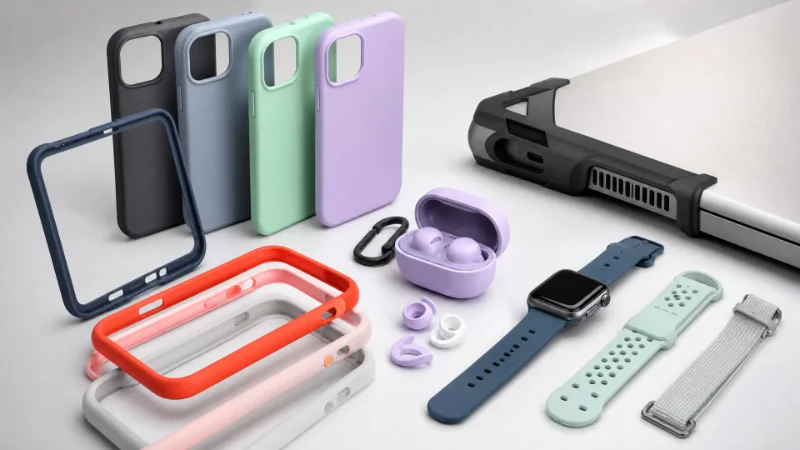
3. Tüketici Elektroniği:
Koruyucu akıllı telefon muhafazaları, dayanıklı dizüstü bilgisayar tamponları, giyilebilir akıllı saat kayışları ve su geçirmez kulaklık bileşenleri.
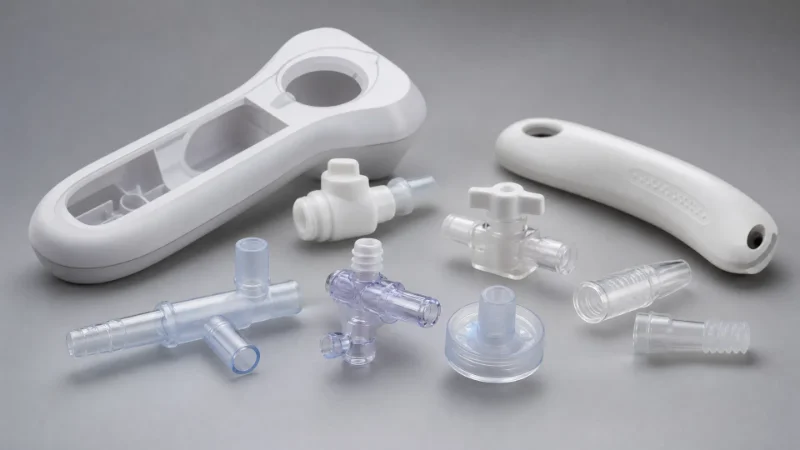
4. Tıbbi Ekipman:
Biyouyumlu boru konektörleri, sıvı iletim valfleri, tanı cihazı muhafazaları ve ergonomik cerrahi alet sapları.
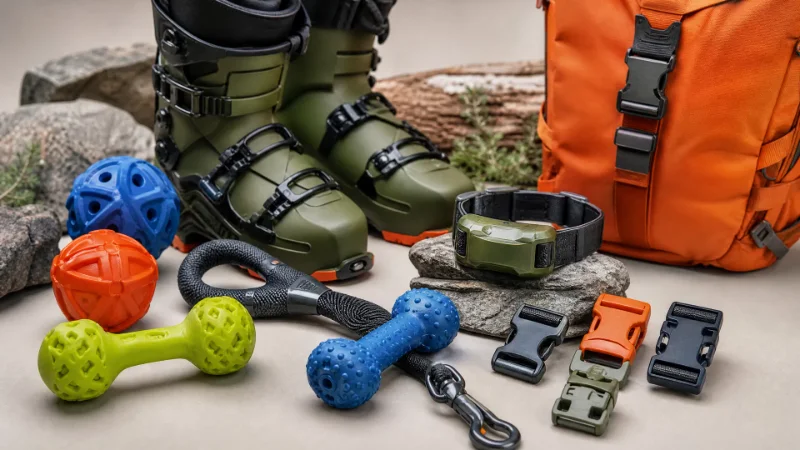
5. Evcil Hayvan Ürünleri ve Açık Hava Ekipmanları:
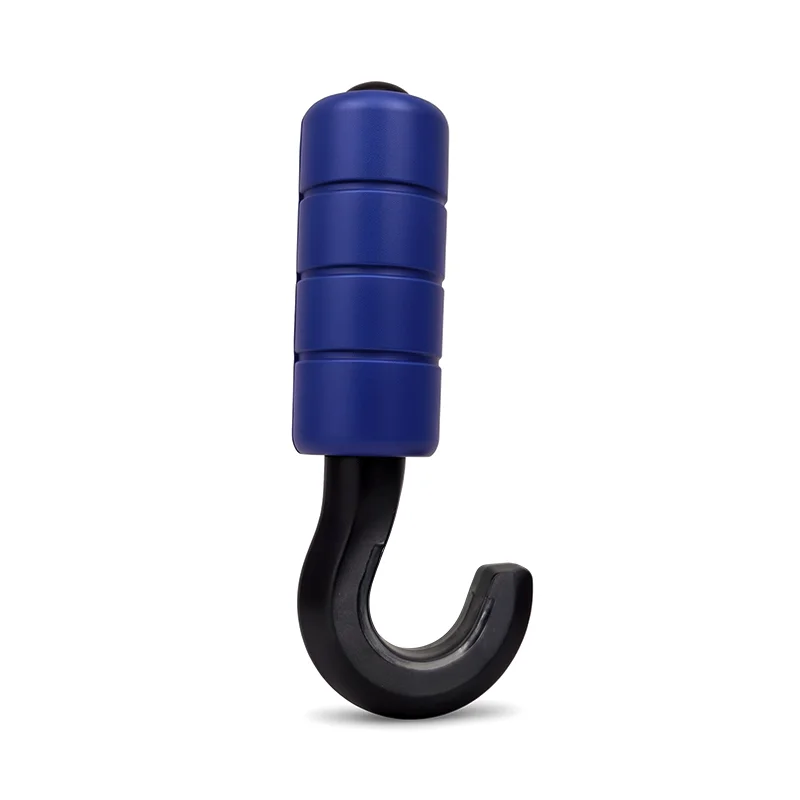
Dayanıklı köpek oyuncakları, çiğnemeye dayanıklı eğitim ekipmanları, kayak botu kabukları, profesyonel sırt çantası tokaları ve sağlam elektronik tasma muhafazaları.
Özel TPU Enjeksiyon Kalıplama Hizmetleri
Endüstriyel Mükemmellik için Yüksek Performanslı Elastomer Parçaların Mühendisliği.
TPU Enjeksiyon Kalıplamanın Avantajları Nelerdir?
TPU enjeksiyon kalıplamanın temel avantajları arasında yüksek seri üretim verimliliği, olağanüstü mekanik performans tekrarlanabilirliği, üstün çok malzemeli üzerine kalıplama (overmolding) yetenekleri ve mükemmel kozmetik çok yönlülük yer alır. Bu süreç, son derece dayanıklı, karmaşık geometrili elastomerik bileşenlerin yüksek hızda üretimini mümkün kılar.
Seri Üretim Verimliliği:
Enjeksiyon kalıplama, dar boyutsal toleranslara sahip karmaşık geometrik TPU parçalarının yüksek hızlı üretimini mümkün kılar ve CNC işleme veya 3D baskıya kıyasla parça başına maliyetleri önemli ölçüde azaltır.
Olağanüstü Mekanik Performans:
Kalıplanmış bileşenler, TPU'nun ham polimer gücünü tamamen devralarak rakipsiz aşınma direnci, yüksek darbe emilimi ve çevrimsel yükleme altında mükemmel yorulma geri kazanımı sağlar.
Üstün Üzerine Kalıplama (Overmolding) Kabiliyeti:
TPU, ABS, Polikarbonat (PC) ve Nylon (PA) gibi sert alt katmanlarla kolayca güçlü moleküler eriyik bağı oluşturur ve toksik kimyasal yapıştırıcılar olmadan kırılmaz bir çift malzemeli bileşen yaratır.
Canlı Renklendirilebilirlik ve Dokulandırma:
TPU reçineleri, renk masterbatch'leriyle kusursuz bir şekilde karışır ve doğrudan kalıp yüzeyinden canlı düz renkler, yarı saydam yüzeyler veya özel kalıp dokuları (mat, parlak veya dokulu taneler gibi) elde edilmesine olanak tanır.
TPU Enjeksiyon Kalıplamanın Dezavantajları Nelerdir?
TPU enjeksiyon kalıplamanın başlıca dezavantajları arasında sıkı ön kurutma gereklilikleri, oldukça dar bir işleme sıcaklığı aralığı, yüksek malzeme büzülmesi nedeniyle artan başlangıç kalıp maliyetleri ve sert plastiklere kıyasla biraz daha uzun soğutma çevrimleri yer alır.
Katı Malzeme Kurutma Gereksinimleri:
TPU son derece higroskopiktir. Kurutma protokolleri göz ardı edilirse, nem kalıplama sırasında hidrolitik bozulmaya neden olarak parçaların fiziksel dayanımını ve yüzey işlemini büyük ölçüde bozar.
Dar İşleme Sıcaklığı Penceresi:
TPU'nun yüksek kesme hassasiyeti vardır. Enjeksiyon hızı veya eriyik sıcaklığı biraz fazla yüksekse polimer zincirleri bozulur; çok düşükse eksik dolum (short shot) veya kötü yüzey işlemine neden olur.
Daha Yüksek Kalıp Kurulum Maliyetleri:
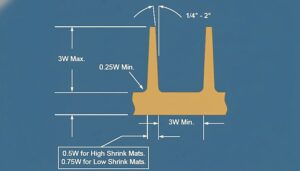
TPU'nun doğal yapışkanlığı ve yüksek büzülme oranı (%0,5 ila %2,0) nedeniyle, kalıplar özel havalandırma, gelişmiş çıkarma mekanizmaları ve premium takım çeliği ile hassas bir şekilde tasarlanmalıdır; bu da ilk kurulumu maliyetli hale getirir.
Daha Uzun Soğutma Çevrimleri:
Elastomerik malzemeler ısıyı sert plastiklerden daha uzun süre tutar ve çıkarma sırasında parça deformasyonunu önlemek için genellikle kalıp çevrimi içinde uzatılmış soğutma süreleri gerektirir.
TPU Üst Kalıplama Nedir ve Nasıl Çalışır?
TPU üzerine kalıplama, kalıcı, yapıştırıcısız moleküler bir bağ elde etmek için yumuşak TPU'nun doğrudan sert bir plastik alt katman (ABS veya PC gibi) üzerine enjekte edildiği gelişmiş bir çok malzemeli enjeksiyon kalıplama işlemidir. Bu teknik, sert muhafazalara ergonomik yumuşak tutamaklar, hava geçirmez contalar ve darbe emici tamponlar eklemek için yaygın olarak kullanılır.
Bu süreç iki ana yöntemle gerçekleştirilir: özel bir döner takım makinesi kullanan İki Atışlı Enjeksiyon Kalıplama (Çok Atışlı) veya önceden kalıplanmış sert parçanın TPU enjeksiyonunu almak üzere manuel veya robotik olarak ikinci bir kalıp boşluğuna yerleştirildiği Ekleme Kalıplama (Insert Molding).
TPU üzerine kalıplamanın (overmolding) sihri, moleküler ara difüzyonda yatar. Sıcak, erimiş TPU, yüksek enjeksiyon basıncı altında önceden ısıtılmış sert alt tabakaya çarptığında, arayüz katmanı kısmen birlikte erir ve kalıcı bir kimyasal bağ oluşturur. Bu, manuel yapıştırıcı uygulaması veya ikincil mekanik bağlantı elemanları ihtiyacını tamamen ortadan kaldırarak montaj hızını ve ürün dayanıklılığını önemli ölçüde artırır.
Üzeri Kalıplama (Overmolding) Faydaları:
- Ergonomik Yumuşak Tutamaklar: Konforlu, kaymaz yüzeyler
- Hava Sızdırmaz Sızdırmazlıklar: Su geçirmez ve toza dayanıklı
- Darbe Emilimi: Şok sönümleyici tamponlar
- Yapıştırıcı Yok: Kalıcı moleküler bağ
- Montaj Verimliliği: Azaltılmış işçilik ve maliyet
TPU Enjeksiyon Kalıplamada Yaygın Sorunlar ve Çözümler
Yaygın TPU enjeksiyon kalıplama kusurları arasında yüzey püskürmesi, çıkarma sırasında kalıba yapışma ve hapsolmuş nemden kaynaklanan gümüş yayılma çizgileri yer alır. Deneyimli mühendislik ekipleri, bu sorunları optimize edilmiş yolluk yerleşimi, hassas kalıp dokulandırma ve sıkı kurutucu kurutma kontrolleriyle ortadan kaldırır.
TPU kalıplama kendine özgü zorluklarla gelir. İşte üretim sırasında karşılaşılan en yaygın kusurlar ve mühendislik ekibimizin bunları nasıl ortadan kaldırdığı:
Sorun: Jetting / Yılan İzleri (Yolluk yakınında dalgalı yüzey çizgileri)
Neden: Erimiş TPU boşluğa aşırı hızda girer ve bu da onun ileri doğru "fırlamasına" ve kalıbın geri kalanını doldurmadan önce erken soğumasına neden olur.
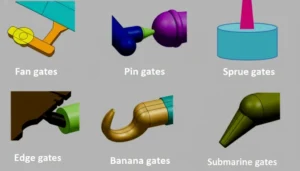
Çözüm: Hızı dağıtmak için yelpaze yolluk veya sekme yolluk kullanarak kalıp tasarımını optimize eder, başlangıçtaki çok aşamalı enjeksiyon hız profilini yavaşlatır ve yolluk kalınlığını artırırız.
Sorun: Kalıpta Yapışma / Çıkarma Bozulması (Çıkarma sırasında deforme olma veya beyazlaşma)
Neden: TPU'nun doğal elastikiyeti, çekirdek ve boşluk yüzeylerine yapışmasına neden olur veya kalıpta yeterli çekim açısı yoktur.
Çözüm: Yüzey gerilimini azaltmak için kalıp yüzeylerine özel mat dokulandırma veya kumlama uygularız, daha büyük itici pimler kullanırız ve işleme yönergelerine hafif bir kalıp ayırıcı madde entegre ederiz.
Sorun: Gümüş Çizgiler / Splay İzleri
Neden: TPU reçinesinde aşırı nem veya hapsolmuş gaz oluşturan aşırı vida kesme kuvveti.
Çözüm: -40°C'nin altında bir çiğlenme noktası sağlamak için kurutucu (desikant) kurutma sistemini yeniden doğrulayın ve enjeksiyon geri basıncını düşürün.
Tam Ölçekli TPU Üretimine Geçmeden Önce Düşük Hacimli Prototiplemeyi Destekleyebilir misiniz?
Evet, 50 ila 5.000+ adet gerçek, enjeksiyon kalıplı parça üretmek için hızlı kalıplama (alüminyum veya ön sertleştirilmiş çelik kalıp tabanları) kullanarak özel düşük hacimli TPU prototipleme hizmeti sunuyoruz. Bu hizmet, ürün geliştirme ekiplerinin yüksek hacimli üretim kalıplarına yatırım yapmadan önce shore sertliği, dokunsal tepki ve fonksiyonel uyumu doğrulamasını sağlar.
Düşük Hacimli Prototipleme Neden Önemlidir?
B2B ürün geliştirmenin, yüksek hacimli üretim kalıbı bütçelerine bağlanmadan önce titiz bir doğrulama gerektirdiğinin farkındayız. Mühendislik risklerinizi azaltmak için TPU bileşenleri için özel bir Düşük Hacimli Prototipleme Hizmeti sunuyoruz.
Hızlı kalıplama yöntemlerini kullanarak, seri üretim kalıplarının uzun teslimat sürelerini atlıyoruz. Prototipleriniz, tam olarak belirttiğiniz üretim reçine sınıfı kullanılarak kalıplanır; bu da gerçek dünya düşme testleri, çevresel sızdırmazlık kontrolleri ve kimyasal maruziyet testleri gibi tüm fiziksel testlerin nihai ürünün performansını ve mekanik dayanıklılığını doğru bir şekilde yansıtmasını sağlar.
Hızlı Kalıplama Avantajları:
- 2-4 hafta teslimat süresi
- Çalışma başına 50-5.000+ parça
- Üretim sınıfı malzemeler
- Tam boyutsal doğrulama
- Maliyet etkin iterasyon
Doğrulama Testleri:
- Düşme/darbe testi
- Çevresel sızdırmazlık
- Kimyasal maruziyet
- Çekme mukavemeti
- Aşınma direnci
Sıkça Sorulan Sorular (SSS)
FDM yazdırma siparişleri için hangi dosya formatlarını kabul ediyorsunuz?
STL, STEP, OBJ ve IGES formatlarını kabul ediyoruz. Boyutsal doğruluğu koruduğu için karmaşık montajlar için STEP önerilir.
Tasarım dosyalarımızı ve fikri mülkiyetimizi korumak için bir Gizlilik Anlaşması imzalayabilir misiniz?
Evet. Herhangi bir tasarım dosyasını almadan önce düzenli olarak NDA'ları imzalıyoruz ve tüm veriler katı gizlilik protokolleri kapsamında işleniyor.
TPU'nun enjeksiyon kalıplama sırasındaki tipik büzülme oranı nedir?
TPU'nun tipik hacimsel büzülme oranı %0.5'ten %2.0'a kadar değişir. Ancak bu, Shore sertliğine (daha yumuşak TPU'lar daha fazla büzülür), parça duvar kalınlığına, kalıp sıcaklığına ve malzemenin polyester veya poliether sınıfı olup olmamasına bağlı olarak büyük ölçüde değişir. Kalıp boyutlarını buna göre ayarlamak için her zaman hassas kalıp akış analizi kullanırız.
Neden Poliester TPU yerine Poliefter TPU'yu tercih etmeliyim?
Parçanız nemli ortamlara, suya batırılmaya veya aşırı soğuk havaya maruz kalacaksa, mükemmel hidroliz direnci ve düşük sıcaklık esnekliği sunduğu için Poliether TPU'yu seçmelisiniz. Öncelikleriniz aşırı aşınma direnci, daha yüksek çekme mukavemeti ve kuru ortamlarda üstün yağ/kimyasal direnci ise Poliester TPU'yu seçin.
Fabrikanız özel TPU enjeksiyon kalıplı parçaları renk eşleştirebilir mi?
Evet. Özel TPU uyumlu renk masterbatch'leri kullanarak herhangi bir spesifik Pantone veya RAL renk kodunu eşleştirebiliriz. Malzemenin fiziksel özelliklerini veya Shore sertlik profilini değiştirmeden renk dağılımının homojen olmasını sağlarız.
TPU metal ek parçalara iyi yapışır mı?
Evet, TPU metal ek parçaların (piriz veya braket gibi) üzerine geçmeli kalıplanabilir. Kırılmaz bir bağ elde etmek için metal ek parça iyice yağdan arındırılmalı, ön ısıtma yapılmalı ve enjeksiyon kalıbına yerleştirilmeden önce özel yapıştırıcı astarla işlemden geçirilmelidir.