- Der vietnamesische Spritzgussmarkt wächst schnell, angetrieben durch FDI, niedrige Arbeitskosten und die Diversifizierung des Handels weg von China.
- Die 10 führenden lokalen Anbieter reichen von Präzisionsformenbauern in Hanoi bis zu Auftragsfertigern für Großserien in der Nähe von Ho Chi Minh City.
- Die Werkzeugkosten in Vietnam liegen üblicherweise 20–35% unter denen in China, doch Werkzeugstandzeit und technische Kommunikation unterscheiden sich je nach Lieferant erheblich.
- Vietnam eignet sich am besten für kleine bis mittlere Serien von Konsum-, Elektronik- und Medizinteilen mit flexibler Lieferzeittoleranz.
- Vergleichen Sie vor der Vergabe der Serienproduktion stets mindestens drei qualifizierte Lieferanten anhand desselben RFQ-Pakets.
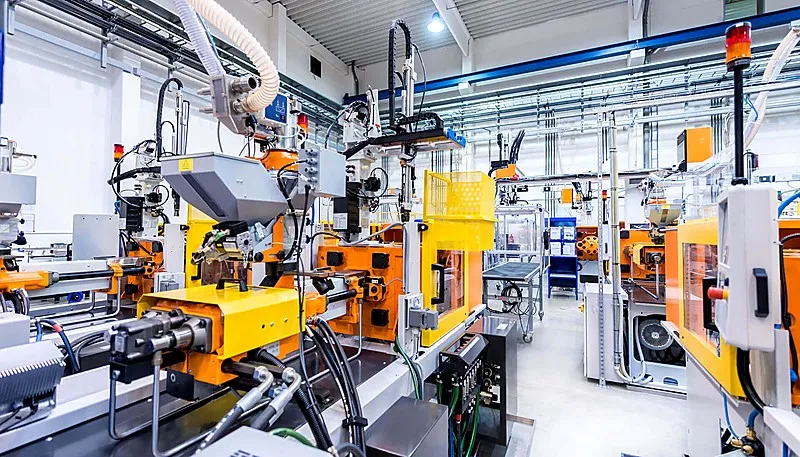
Vietnam hat sich zu einem der am schnellsten wachsenden Zentren für Spritzgießen1 in Südostasien entwickelt. Die ausländischen Direktinvestitionen erreichten 2024 Rekordwerte, und ein wachsender Anteil dieses Kapitals fließt in die Kunststoff- und Präzisionsfertigung.
Mehr Fabriken führen jedoch nicht automatisch zu besseren Ergebnissen bei der Beschaffung. Unabhängig davon, ob Sie Teile im Inland oder im Ausland beziehen, hilft Ihnen ein umfassender Leitfaden zum Spritzgießen dabei, Lieferanten wirksamer zu bewerten. Die Qualität vietnamesischer Anbieter unterscheidet sich weiterhin erheblich hinsichtlich Werkzeugbaukompetenz, technischer Kommunikation und Disziplin bei der Exportdokumentation. Wer seine Vorauswahl nur nach Preis oder Standort trifft, entdeckt Lücken häufig erst nach der ersten T1-Bemusterung.
Dieser Leitfaden analysiert Vietnams Spritzgießmarkt2, vergleicht zehn etablierte Lieferanten, stellt die Kosten China gegenüber und gibt Ihnen eine strukturierte Checkliste, damit Ihr RFQ-Vergleich auf tatsächlichen Fähigkeiten statt auf Werbeaussagen beruht.
Wie stellt sich der vietnamesische Spritzgussmarkt dar?
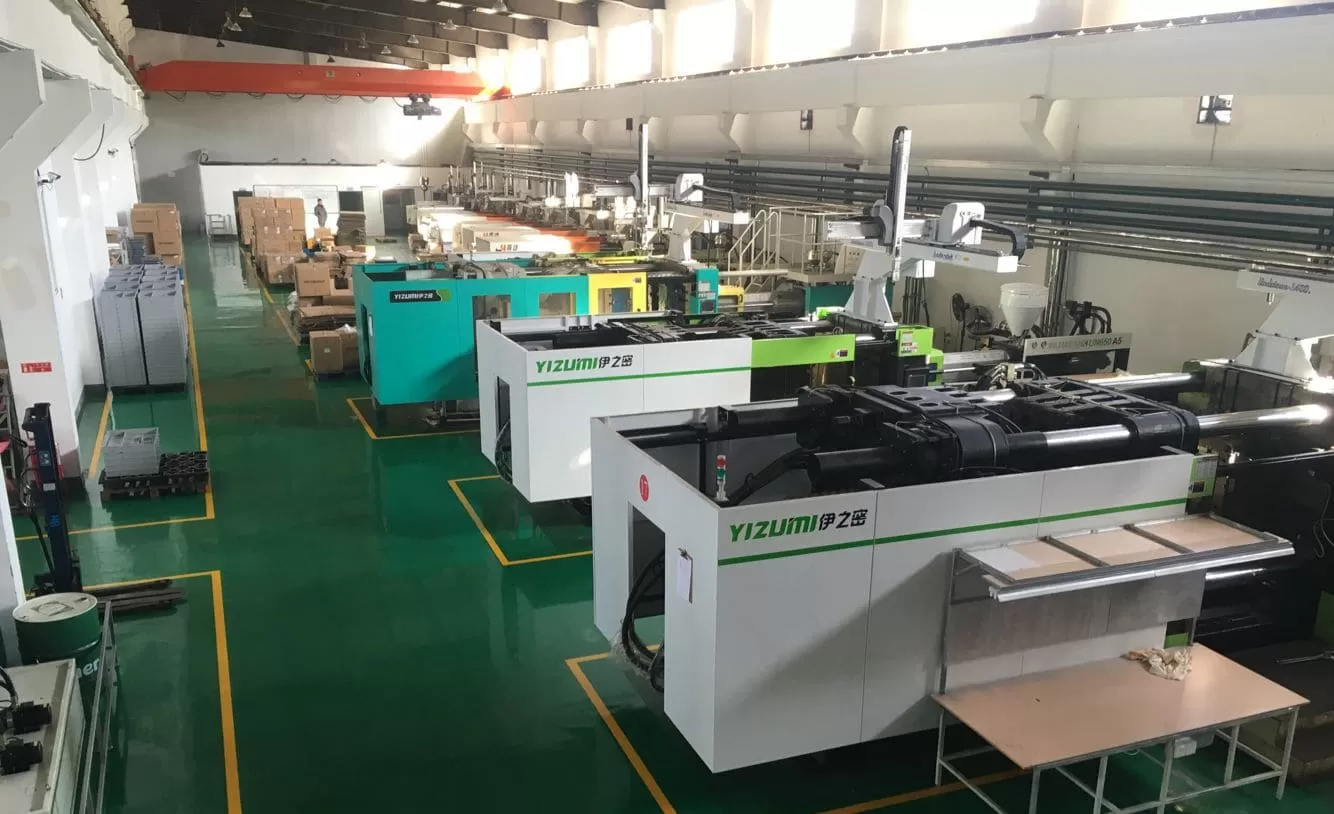
Der vietnamesische Spritzgießmarkt erreicht eine jährliche Produktion von rund USD 25 Milliarden und wächst schnell, da multinationale OEMs ihre Präsenz im Land ausbauen. In den großen Investitionszonen um Ho-Chi-Minh-Stadt, Binh Duong, Dong Nai und Hanoi betreiben Dutzende Spritzgießwerke die Versorgung von OEMs aus Automobilindustrie, Elektronik und Medizintechnik. Die Regierung fördert die Fertigung aktiv durch Steueranreize, Industrieparks und Freihandelsabkommen mit der EU, Japan und Südkorea. Die meisten Spritzgießkapazitäten gehören zu drei Kategorien: werkseigene OEM-Betriebe (Samsung, LG, Pegatron), Joint-Venture-Spritzgießer mit japanischen oder taiwanischen Partnern und unabhängige vietnamesische Werke, die sich von der Herstellung inländischer Konsumgüter zu exportfähigen Betrieben entwickelt haben.
Die Regierung unterstützt die Fertigung aktiv durch Steueranreize, den Ausbau von Industriezonen und Freihandelsabkommen wie CPTPP, EVFTA und RCEP. Diese Abkommen verschaffen vietnamesischen Exporteuren bevorzugten Zollzugang zu wichtigen Märkten. Zusammen mit starken Zuflüssen ausländischer Direktinvestitionen (FDI3) treibt dieses politische Umfeld den raschen Ausbau der Präzisionsfertigung des Landes voran.
Die meisten Spritzgießkapazitäten in Vietnam fallen in drei Kategorien: eigene OEM-Werke multinationaler Elektronik- und Konsumgütermarken; Joint-Venture-Formenbauer, die ursprünglich mit japanischen, koreanischen oder singapurischen Partnern gegründet wurden; und unabhängige vietnamesische Auftragsfertiger für Inlands- und Exportprogramme.
Welche Trends prägen die vietnamesische Spritzgussindustrie?
Mehrere Veränderungen beeinflussen, wie Einkäufer vietnamesische Spritzgusslieferanten bewerten sollten. Wer diese Trends versteht, kann Lieferanten, die in ihre Fähigkeiten investieren, von reinen Preiswettbewerbern unterscheiden.
Diversifizierung der Lieferkette weg von China
Die China+1-Strategie ist längst keine Theorie mehr. Unternehmen aus Elektronik, Konsumgütern und Medizintechnik haben seit 2019 aktiv einen Teil ihres Spritzgießvolumens nach Vietnam verlagert. Apple-Zulieferer wie Foxconn und Pegatron haben ihre vietnamesischen Produktionslinien erweitert und damit eine nachgelagerte Nachfrage nach Präzisionskunststoffteilen geschaffen. Diese Verlagerung steigert die Kompetenz im Werkzeugbau und Spritzgießen, da Lieferanten aufrüsten, um engere Toleranzen und höhere Dokumentationsanforderungen zu erfüllen.
Einführung von Automatisierung und Industrie 4.0
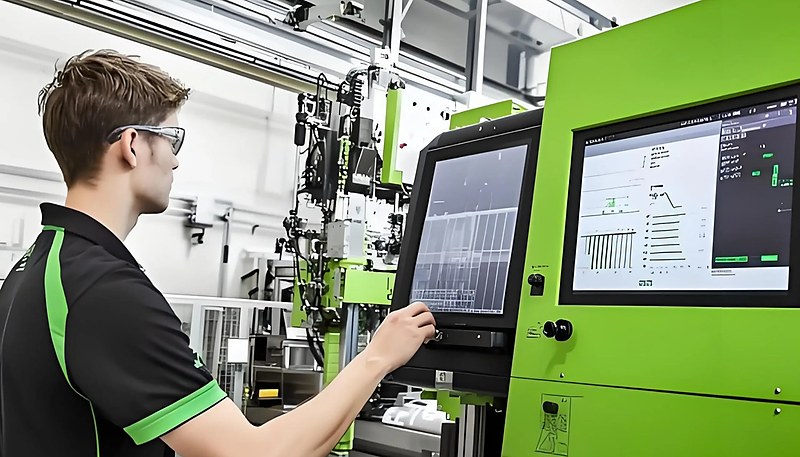
Führende vietnamesische Spritzgießer investieren in robotergestützte Teileentnahme, automatisierte Qualitätsprüfung und Echtzeit-Prozessüberwachung. Anbieter wie HTMP und MIDA haben geschlossene Fertigungszellen mit fanuc-Robotern und Bildverarbeitungssystemen eingeführt. Dieser Trend ist relevant, weil er die Prozesskonstanz unmittelbar beeinflusst: Ein Spritzgießer mit automatisierten Zellen kann engere CpK-Werte einhalten als ein Betrieb, der auf manuelle Sortierung angewiesen ist.
Wachstum bei Medizin- und Reinraumspritzguss
Die nach ISO 13485 zertifizierte Spritzgusskapazität wächst in Vietnam, da OEMs für Medizinprodukte ihre Endmontage verlagern. Der vietnamesische Standort von East West Manufacturing ist bereits nach ISO 13485 zertifiziert; mehrere kleinere Spritzgießer streben die Zertifizierung an. Für Einkäufer von Gehäusen für Medizin- oder Diagnostikgeräte wird Vietnam damit zu einer realistischen Option für die engere Auswahl – anders als noch vor fünf Jahren.
Nachhaltige Verarbeitung und Handhabung von Recyclingmaterialien
Marken aus der EU und Nordamerika drängen Lieferanten zum Einsatz von Recyclingharzen und biobasierten Kunststoffen. Vietnamesische Spritzgießer, die die Materialrückverfolgbarkeit dokumentieren und Rezyklate aus Verbraucherabfällen (PCR) ohne Beeinträchtigung der Maßhaltigkeit verarbeiten können, werden mit den steigenden Nachhaltigkeitsanforderungen auf den Exportmärkten einen Wettbewerbsvorteil haben.
Wie wählen Sie einen Spritzgusslieferanten in Vietnam aus?
Bei der Auswahl eines Spritzgusslieferanten in Vietnam reicht es nicht aus, Maschinenlisten zu vergleichen. Der folgende Rahmen hilft Ihnen, die tatsächliche Umsetzungskompetenz zu bewerten, bevor Sie Werkzeugbudget freigeben.
"Ein strukturierter RFQ-Vergleich sollte das Werkzeugeigentum, die Validierungsdisziplin, die Exportkommunikation und die Prüfaufzeichnungen abdecken, bevor die endgültige Lieferantenauswahl erfolgt."True
Einkäufer, die diese vier Dimensionen gemeinsam bewerten, verringern das Risiko von Überraschungen nach der Auftragsvergabe. Ein Lieferant kann auf seiner Website leistungsfähig erscheinen und dennoch Schwierigkeiten mit der Werkzeugwartung, der Steuerung technischer Änderungen oder der mehrsprachigen Projektnachverfolgung haben.
"Wenn ein vietnamesischer Spritzgießer moderne Maschinen besitzt, können Sie die Prüfung von Werkzeugeigentum, Bemusterungsplänen und Zuständigkeit für die Änderungskontrolle bedenkenlos überspringen."False
Allein die Maschinenzahl sagt nichts darüber aus, wer die Werkzeugkonstruktion kontrolliert, wer Stahländerungen bezahlt oder wie Prozessabweichungen nach T1 dokumentiert werden. Diese kaufmännischen und technischen Kontrollen entscheiden darüber, ob aus einer RFQ ein stabiles Produktionsprogramm oder ein kostspieliger Sanierungsfall wird.
Werkzeugbautiefe und Werkzeugeigentum
Fragen Sie, ob der Lieferant Werkzeuge intern konstruiert und fertigt oder den Werkzeugbau an einen Dritten vergibt. Ein interner Werkzeugbau ermöglicht schnellere Iterationen, eine klarere Verantwortung für Änderungen am Stahl und eine bessere Kontrolle der Werkzeugwartung. Wird der Werkzeugbau ausgelagert, klären Sie, wem die Werkzeugkonstruktionsdaten gehören und wer die Kosten für Änderungen nach der T1-Bemusterung trägt.
Reifegrad des Qualitätssystems
ISO 9001 ist eine Grundvoraussetzung und kein Unterscheidungsmerkmal. Achten Sie bei höherwertigen Programmen auf ISO 13485 (Medizintechnik), IATF 16949 (Automobilindustrie) oder eine dokumentierte PPAP-Kompetenz. Fordern Sie einen beispielhaften Produktionslenkungsplan und Maßbericht aus einem laufenden Serienprogramm an. Die Qualität dieser Dokumente sagt mehr über den operativen Reifegrad aus als jedes Zertifikat an der Wand.
Kommunikations- und Reaktionsgeschwindigkeit der Technik
Zeitzonen- und Sprachbarrieren werden kostspielig, wenn sie DFM-Rückmeldungen, Musterfreigaben oder technische Änderungsaufträge verzögern. Prüfen Sie während Ihrer Bewertung die Reaktionsgeschwindigkeit: Senden Sie eine technische Frage und messen Sie, wie lange eine inhaltliche Antwort dauert, nicht nur eine Empfangsbestätigung. Lieferanten, die Anschnittgestaltung, Entformungsschrägen und Materialalternativen in klarem schriftlichem Englisch erörtern können, ersparen Ihnen während des Produktionsanlaufs mehrere Abstimmungsrunden.
Exporterfahrung und Logistikkompetenz
Prüfen Sie, ob der Lieferant Erfahrung mit Lieferungen in die Europäische Union, die Vereinigten Staaten oder nach Japan hat und korrekte Packlisten, Ursprungszeugnisse sowie Materialerklärungen bereitstellen kann. Ein Spritzgießer, der noch nie außerhalb der ASEAN-Region exportiert hat, kann Schwierigkeiten mit Zollunterlagen, der Einhaltung von Incoterms oder kundenspezifischen Logistikanforderungen haben.
Welches sind die 10 führenden Spritzgussunternehmen in Vietnam?
Die folgende Liste umfasst zehn etablierte Spritzguss- und Werkzeugbauunternehmen in Vietnam. Jeder Eintrag nennt Standort, Gründungsjahr, Kernkompetenzen und besondere Stärken. Nutzen Sie die Liste als erste Vorauswahl und prüfen Sie anschließend jeden Lieferanten anhand Ihrer konkreten Projektanforderungen.
1. HTMP (Hanoi)
Gegründet: 2006 | Beschäftigte: 200–299 | Standort: Hanoi HTMP zählt zu Vietnams technisch leistungsfähigsten Werkzeugbauern. Das Unternehmen ist auf Präzisionsspritzgießwerkzeuge, Aluminium-Druckguss, Magnesium-Druckguss und Zweifarben-Spritzguss spezialisiert. Der Maschinenpark umfasst Anlagen von 50T bis 1300T. HTMP ist nach ISO 9001:2015, ISO 14001:2015 und IATF 16949 zertifiziert und eignet sich damit für Automobil- und industrielle Präzisionsprogramme. Sein geschlossen geregeltes Produktionssystem und die automatisierten Fertigungszellen unterscheiden das Unternehmen von kleineren vietnamesischen Werkzeugbaubetrieben.
2. East West Manufacturing (Ho-Chi-Minh-Stadt)
Gegründet: 2001 | Beschäftigte: 200–299 | Standort: Ho-Chi-Minh-Stadt East West Manufacturing betreibt in Vietnam einen Komplex aus fünf Werken — seinen weltweit größten Betrieb. Das Unternehmen ist auf Großserien mit geringer Variantenvielfalt spezialisiert und bietet New Product Introduction (NPI), komplette Box-Build-Montagen und vollständige Produktionsläufe. Der Standort ist nach ISO 9001, ISO 13485 und ISO 14001 zertifiziert und verfügt über einen 4,500 sq ft großen Werkzeugbau, der von Einkavitätenformen bis zu komplexen Mehrkavitätenformen mit Schiebern und Schrägauswerfern alle Ausführungen herstellen kann. Der Geschäftsbereich Electronics Manufacturing Services (EMS) ergänzt SMT-Fähigkeiten für Käufer, die eine integrierte Montage von Kunststoff und Elektronik benötigen.
3. VMF (Hanoi)
Gegründet: 2001 | Mitarbeiter: 200–299 | Standort: Hanoi VMF positioniert sich als Lieferkettenplattform, die internationale Käufer mit vietnamesischen Fabriken verbindet. Zu den Kernkompetenzen zählen Spritzguss, Präzisionstechnik und die Herstellung von Munitionsbehältern. Mit einem globalen Vertriebsbüro in Singapur bietet VMF Beschaffung aus einer Hand, Projektmanagement, Logistikmanagement und Lieferkettenkoordination. Die grenzüberschreitende Kommunikationsstruktur und die kaufmännische Schnittstelle in Singapur machen VMF zu einer geeigneten Wahl für Käufer, die lokale Fertigung mit internationalem Account-Management wünschen.
4. Zion Precision Moulds (Hanoi)
Gegründet: 2002 | Beschäftigte: 200+ | Standort: Hanoi Zion wurde ursprünglich als Joint Venture aus Singapur und Japan (Sin-Hanel) gegründet und ist heute eine Tochtergesellschaft der Kim Tam Joint-stock Company. Das Unternehmen betreibt in Hanoi ein 6,000 m² großes Werk mit Konstruktionskapazitäten in Siemens NX und AutoCAD. Das Entwicklungsteam spricht Englisch, Französisch, Chinesisch und Spanisch, wodurch sich das Kommunikationsrisiko bei Exportprojekten erheblich verringert. Zion setzt CNC-, EDM- und Drahterodiermaschinen für den Werkzeugbau ein und hat kürzlich 3D-Scan-Funktionen für Reverse Engineering und Werkzeugprüfung ergänzt.
Zion bietet Spritzgießdienstleistungen, indem das Unternehmen professionelle Formkonstruktion mit exportfähiger Produktion verbindet.
5. DK MOULD (Binh Duong)
Gegründet: 2013 | Mitarbeiter: 200–299 | Standort: Binh Duong DK MOULD wurde gegründet, um die Spritzgieß-, Blasform- und Stanzindustrie mit europäischen und japanischen Qualitätsstandards zu vietnamesischen Kostenniveaus zu bedienen. Das Unternehmen ist ein Joint Venture mit einem amerikanischen Fertigungsunternehmen und hat dadurch direkten Zugang zu nach ISO 9001 und ISO 13485 zertifizierten Systemen. Seine Spezialisierung auf die Konstruktion von Spritzgussformen, Blasformen und Stanzwerkzeugen macht es vielseitig für Käufer, die mehrere Werkzeugarten von einem Lieferanten benötigen.
6. MIDA Precision Mold (Long An)
Gegründet: 2005 | Mitarbeiter: 200–299 | Standort: Long An MIDA ist auf Spritzgießwerkzeuge, Kunststoffspritzguss und Präzisionskunststoffe für medizinische, elektronische, kosmetische und technische Anwendungen spezialisiert. Das Unternehmen hat in Anlagen von Makino, Mazak, Charmilles, Mitutoyo und Fanuc sowie in vollautomatische Entnahmeroboter von Yushin investiert. Seine durchgängige Kompetenz von Produkt- und Werkzeugkonstruktion bis zu Dekoration und Verpackung macht MIDA zu einem starken Kandidaten für Einkäufer, die einen zentralen Lieferanten für komplette Kunststoffteilprogramme suchen.
7. Y Chi Viet (Dong Nai)
Gegründet: 1993 | Mitarbeiter: 200–299 | Standort: Provinz Dong Nai Y Chi Viet (ehemals Watson Co., Ltd.) ist ein 1993 gegründetes Joint Venture zwischen Vietnams Union of Plastics und Watson E.P. Singapore. Das Unternehmen bietet besondere Galvanik- und Beschichtungsmöglichkeiten, darunter automatische UV-Beschichtung mit kontrollierter Schichtdicke und Haftung, der japanische Kunden vertrauen. Es ist der exklusive vietnamesische Vertreter für CORZAN-Industrierohre und FlowGuard-Hausinstallationsrohre von Lubrizol USA. Die Spritzgießproduktion erfüllt die RoHS-Standards, und das Unternehmen betreibt moderne Abwasserbehandlungssysteme.
8. INT Plastic (Quang Nam)
Gegründet: 2002 | Mitarbeiter: 200–299 | Standort: Quang Nam INT Plastic befindet sich in der Industriezone Dien Nam-Dien Ngoc und ist auf das Spritzgießen von Haushalts-, Industrie- und technischen Kunststoffteilen spezialisiert. Das Unternehmen konzentriert sich auf wettbewerbsfähige Preise und zuverlässige Lieferzeiten für Kunden im In- und Ausland. Sein geradliniges Geschäftsmodell – die Fertigung von Kunststoffteilen nach Kundenspezifikation – macht es zu einer praktikablen Wahl für Einkäufer, die bereits über Werkzeuge verfügen und eine stabile Serienproduktion ohne umfangreiche technische Unterstützung benötigen.
"Die besten Spritzgießlieferanten Vietnams verbinden eigenen Werkzeugbau mit kompetenter Exportkommunikation und dokumentierten Qualitätssystemen."True
Lieferanten, die Formen intern konstruieren, bauen und warten und zugleich eine klare technische Kommunikation auf Englisch gewährleisten, können den gesamten Programmlebenszyklus von der RFQ bis zur stabilen Produktion abdecken. Diese Kombination ist in Vietnam noch relativ selten; daher ist eine sorgfältige Vorauswahl entscheidend.
"Das günstigste Werkzeugangebot eines vietnamesischen Lieferanten führt immer zu den niedrigsten Gesamtprojektkosten."False
Ein niedriger Werkzeugpreis kann eine schwächere Stahlauswahl, langsamere Kommunikation, unvollständige Validierung oder höhere Ausschussquoten beim Produktionsanlauf verdecken. Die Gesamtbezugskosten hängen von Werkzeugstandzeit, Prozessstabilität, Logistik und davon ab, wie schnell der Lieferant technische Probleme nach der T1-Bemusterung löst.
9. CNCPS Aktiengesellschaft (Binh Duong)
Gegründet: 2008 | Mitarbeiter: 200–299 | Standort: Binh Duong CNCPS JSC hat sein Geschäft von der Präzisionsbearbeitung auf Spritzgießwerkzeuge, Kunststoffteile, Stanzteile und Aluminiumdruckguss ausgeweitet. Das Unternehmen exportiert nach Japan, Deutschland und in die Vereinigten Staaten und beweist damit seine Vertrautheit mit strengen Qualitätsanforderungen in mehreren regulierten Märkten. Sein konsequenter Fokus auf hohe Präzision und Qualität in allen Produktionslinien macht es zu einem geeigneten Partner für Einkäufer, die enge Toleranzen und eine dokumentierte Prozesskontrolle benötigen.
10. Duy Tan Precision Mold (Ho-Chi-Minh-Stadt)
Gegründet: 2017 | Mitarbeiter: 180+ | Standort: Ho-Chi-Minh-Stadt Duy Tan Precision Mold ging aus der Abteilung Mold-Mechanical der Duytan Plastic Group hervor und bündelt mehr als 25 Jahre Erfahrung im Werkzeugbau in einem eigenständigen Unternehmen. Das 8,250 m² große Werk ist auf Kunststoff-Spritzgießwerkzeuge für die Lebensmittel- und Getränkeindustrie, Kosmetikindustrie sowie Medizintechnik spezialisiert. Das Motto — Precision In Every Detail — steht für den Fokus auf schnelle, langlebige Werkzeugsysteme und termingerechte Lieferung.

Wie verhalten sich die Spritzgusskosten in Vietnam im Vergleich zu China?
Beim Vergleich von Vietnam und China sind die Kosten meist die erste Frage der Käufer. Die Antwort hängt davon ab, was Sie messen: Werkzeugkosten, Stückpreis oder Gesamteinstandskosten. Hier ist ein praxisnaher Richtwert.
Spritzgießwerkzeuge in Vietnam kosten bei Werkzeugen einfacher bis mittlerer Komplexität typischerweise 20–35% weniger als vergleichbare Werkzeuge in China. Dieser Unterschied besteht, weil die Lohnkosten vietnamesischer Werkzeugbauer noch niedriger und die Gemeinkosten in vietnamesischen Industriegebieten weiterhin wettbewerbsfähig sind. Bei Werkzeugen mit vielen Kavitäten, engen Toleranzen oder mehreren Schiebern schrumpft der Preisvorteil jedoch deutlich, da dort Material- und Anlagenkosten dominieren.
Der Stückpreis für Formteile kann in Vietnam bei Standard-Konstruktionsharzen vergleichbar oder etwas niedriger sein. Bei Spezialwerkstoffen entfällt dieser Vorteil jedoch: Viele Hochleistungsharze (PEEK, PPS, LCP) werden in Vietnam nicht lokal bevorratet. Das führt aufgrund der Importlogistik zu längeren Lieferzeiten und möglicherweise höheren Materialkosten.
Für den tatsächlichen Vergleich sind die Gesamteinstandskosten entscheidend. Bei Lieferungen in die EU profitiert Vietnam von EVFTA-Zollpräferenzen, wobei die meisten Kunststoffwaren mit 0% verzollt werden, während Waren chinesischen Ursprungs den WTO-Standardzöllen unterliegen. Bei Lieferungen auf den US-Markt werden beide Länder unter normalen Bedingungen zollrechtlich ähnlich behandelt, wobei die aktuelle Handelspolitik die Kalkulation verändern kann. Berücksichtigen Sie Fracht, Versicherung, Kommunikationsaufwand und die Kosten zusätzlicher Bemusterungsrunden, solange ein Lieferant Ihre Qualitätsanforderungen noch kennenlernt.
Wann ist Vietnam die richtige Beschaffungswahl für den Spritzguss?
Vietnam ist die richtige Beschaffungswahl, wenn Sie kleine bis mittlere Produktionsmengen, Zollvorteile für Lieferungen in die EU oder eine China+1-Diversifizierungsstrategie benötigen. Die Fertigungsbasis des Landes eignet sich gut für diese Szenarien, ist jedoch kein universeller Ersatz für China. Nachfolgend finden Sie eine klare Aufschlüsselung.
Wann Vietnam die bessere Wahl ist
Entscheiden Sie sich für Vietnam, wenn Sie eine Produktion in niedrigen bis mittleren Stückzahlen (1,000–500,000 Einheiten/Jahr) für Konsumgüter-, Elektronik- oder Medizingehäuse benötigen und die Zollvorteile von EVFTA oder CPTPP relevant sind, wenn Ihr Programm Durchlaufzeiten von 2–4 Wochen für den Werkzeugbau zulässt oder wenn Sie das Lieferkettenrisiko bewusst diversifizieren und die Abhängigkeit von einem einzigen Land verringern möchten.
Wann China die bessere Wahl ist
Wählen Sie China, wenn Sie Produktionsformen mit hoher Kavitätenzahl (16+ Kavitäten), technische Teile mit engen Toleranzen, eine breite Materialauswahl einschließlich Hochleistungsharzen oder kurze Zeitpläne vom Prototyp bis zur Produktion benötigen. Die Dichte der chinesischen Lieferkette — Anbieter von Formenstahl, Heißkanalsystemen und Harzen sowie Betriebe für Sekundärprozesse — liegt Vietnam noch immer um Jahre voraus. Bei komplexen Programmen, für die schnelle Iterationen der Formkonstruktion und Materialverfügbarkeit entscheidend sind, bleibt China die stärkere Option.
Häufig gestellte Fragen zum Spritzgießen in Vietnam
Häufig gestellte Fragen
Wie hoch sind die durchschnittlichen Werkzeugkosten für ein Spritzgießwerkzeug in Vietnam?
Eine Einkavitäten-Spritzgießform kostet in Vietnam üblicherweise zwischen USD 3,000 und USD 8,000, abhängig von der Komplexität des Teils, den Anforderungen an die Oberflächengüte und der Stahlauswahl. Mehrkavitätenformen kosten zwischen USD 10,000 und USD 30,000 oder mehr, wenn es sich um komplexe Werkzeuge mit Schiebern, Schrägauswerfern oder Heißkanalsystemen handelt. Diese Preise liegen bei vergleichbarer Komplexität im Allgemeinen 20 bis 35 Prozent unter denen entsprechender chinesischer Werkzeuge. Fordern Sie stets eine detaillierte Werkzeugaufschlüsselung an, die Stahlsorte, Kavitätenzahl, Oberflächenbehandlung und erwartete Formlebensdauer ausweist, damit Sie Angebote anhand gleicher technischer Kriterien und nicht nur anhand des ausgewiesenen Gesamtpreises vergleichen können.
Wie lange dauert der Bau eines Spritzgusswerkzeugs in Vietnam?
Die Standardlieferzeit für ein Einkavitätenwerkzeug in Vietnam beträgt von der Konstruktionsfreigabe bis zur T1-Bemusterung vier bis sechs Wochen. Mehrkavitätenwerkzeuge oder komplexe Werkzeuge mit Seitenschiebern, Schrägauswerfern oder Ausschraubkernen benötigen in der Regel acht bis zwölf Wochen. Vor der Produktionsfreigabe sollten Sie ein bis zwei weitere Wochen für die T1-Bemusterung, eine vollständige Maßprüfung und die Erstmusterfreigabe einplanen. Lieferanten mit eigenem Werkzeugbau wie HTMP oder Zion können üblicherweise schneller liefern als Anbieter, die den Werkzeugbau an externe Werkzeugbaubetriebe vergeben. Fragen Sie daher bereits zu Beginn Ihrer Bewertung nach dem Fertigungsort des Werkzeugs.
Können vietnamesische Spritzgießlieferanten Produktion in Medizinqualität übernehmen?
Mehrere vietnamesische Lieferanten verfügen über die ISO-13485-Zertifizierung für die Herstellung von Medizinprodukten, darunter East West Manufacturing und DK MOULD über ihre Joint-Venture-Struktur. Allerdings ist die spezialisierte Reinraum-Spritzgusskapazität im Vergleich zu etablierteren Fertigungsstandorten wie China noch begrenzt. Wenn Ihr Programm eine Reinraumproduktion der ISO-Klasse 7 oder 8 mit dokumentierter Materialrückverfolgbarkeit und Biokompatibilitätstests erfordert, verifizieren Sie den Reinraumzertifizierungsstatus direkt und fordern Sie einen Beispiel-Dokumentationsverlauf eines Geräts an, bevor Sie das Programm vergeben. Dieser zusätzliche Verifizierungsschritt reduziert das Risiko von Compliance-Lücken, die während Ihrer Qualitätsaudits auftreten könnten.
Was ist die Mindestbestellmenge (MOQ) für Spritzguss in Vietnam?
Die MOQ variiert je nach Lieferant, liegt aber typischerweise zwischen 1.000 und我们发现一个错误。我遗漏了第14条的一部分。让我重新翻译第14条。
Sind vietnamesische Spritzgusslieferanten für Automobilteile wettbewerbsfähig?
Vietnamesische Lieferanten mit IATF 16949-Zertifizierung wie HTMP können Automobilprogramme bedienen, insbesondere für Innenverkleidungsteile, Motorraumabdeckungen und andere nicht sicherheitskritische Kunststoffteile. Bei sicherheitskritischen Komponenten, die PPAP-Level-3-Dokumentation, validierte Prozessfähigkeitsstudien und vollständige Materialrückverfolgbarkeit bis zum Schmelzlos erfordern, besitzt Chinas reifere Automobilzulieferbasis derzeit einen deutlichen Vorsprung bei Erfahrung und unterstützender Infrastruktur. Gleichen Sie die Dokumentationsanforderungen Ihres Automobilprogramms stets mit den nachgewiesenen Leistungen des Lieferanten ab und nicht mit seinen behaupteten Zertifizierungsabsichten.
Welche Zahlungsbedingungen bieten vietnamesische Spritzgusslieferanten typischerweise an?
Übliche Zahlungsbedingungen sind eine Anzahlung von 30 bis 50 Prozent auf die Werkzeugkosten, wobei der Restbetrag nach Freigabe der T1-Muster fällig wird, sowie ein Nettozahlungsziel von 30 bis 60 Tagen bei Serienaufträgen. Einige etablierte Lieferanten mit Exporterfahrung verhandeln meilensteinbasierte Werkzeugzahlungen, die an Konstruktionsprüfung, Stahlzerspanung und Erstbemusterung gekoppelt sind. Akkreditive sind bei erstmaligen Exportgeschäften üblich und schützen beide Parteien. Bestätigen Sie Zahlungsbedingungen, Abrechnungswährung und Bankverbindung stets schriftlich, bevor Sie eine Bestellung aufgeben, und prüfen Sie, ob die Bank des Lieferanten internationale Überweisungen effizient abwickeln kann.
Wie kann ich die Qualität eines vietnamesischen Spritzgusslieferanten verifizieren, bevor ich mich festlege?
Fordern Sie ein Prozessflussdiagramm, einen Control Plan und einen aktuellen Maßprüfbericht aus einem laufenden Produktionsprogramm an. Bitten Sie um Kopien der ISO-Zertifikate und prüfen Sie diese direkt bei der ausstellenden Zertifizierungsstelle. Wenn eine Reise nicht praktikabel ist, vereinbaren Sie eine live übertragene Werksführung oder beauftragen Sie ein Unternehmen wie QIMA oder SGS mit einem unabhängigen Audit. Die Qualität der Dokumentationsantwort eines Lieferanten ist ebenso aussagekräftig wie die Dokumente selbst. Ein Lieferant, der in einem Durchgang klare und vollständige Unterlagen liefert, ist während des gesamten Programms einfacher zu steuern als einer, bei dem selbst für grundlegende Informationen mehrfach nachgefasst werden muss.
Warum ist ZetarMold der richtige Partner für vietnamesische Käufer?
ZetarMold ist der richtige Partner für vietnamesische Käufer, die zuverlässige Werkzeuge, klare technische Kommunikation und exportfertige Dokumentation benötigen. Unser Werk in Shanghai kombiniert hauseigene Werkzeugherstellung mit integriertem Spritzguss unter einem Dach.
In unserer Fabrik in Shanghai betreiben wir 47 Spritzgussmaschinen von 90T bis 1850T, und unsere interne Formenfertigung unterstützt über 100 Formensätze pro Monat mit Erfahrung bei über 400 Kunststoffmaterialien. Nach unserer Erfahrung können unsere Ingenieure vietnamesischen Käufern helfen, Werkzeugrisiken, Materialauswahl und Exportdokumentation zu benchmarken, bevor sie Budgets festlegen.
ZetarMold arbeitet unter ISO-9001-, ISO-13485-, ISO-14001- und ISO-45001-Systemen, was bedeutet, dass Käufer, die medizinische, automobil- oder industrielle Programme evaluieren, unsere Qualitätsmanagementbasis mit jedem vietnamesischen Finalisten vergleichen können. Unser Ingenieursteam prüft Angusslayout, Abschaltungen, Materialrisiken und Toleranzannahmen, bevor der Stahl geschnitten wird, und reduziert so die Anzahl der Probenrunden, die für die Produktionsfreigabe benötigt werden.
Für Käufer, die Vietnam mit China vergleichen, bieten wir einen direkten Vergleich: Senden Sie Ihre Teilezeichnungen und wir liefern eine detaillierte DFM-Prüfung, ein wettbewerbsfähiges Werkzeugangebot und einen Produktionszeitplan innerhalb eines Werktages zurück. Keine generischen Vorschläge – nur spezifisches technisches Feedback, das Sie neben jedes vietnamesische Angebot legen können.
Bereit für den Vergleich? Sehen Sie sich unseren Lieferantenbeschaffungsleitfaden für einen umfassenden Bewertungsrahmen an oder fordern Sie direkt ein kostenloses Angebot an.
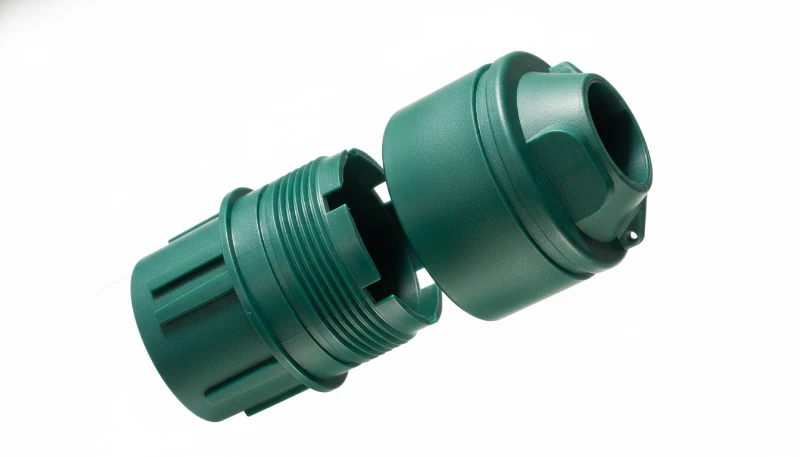
Spritzgießen: Spritzgießen ist ein Fertigungsverfahren, bei dem thermoplastischer oder duroplastischer Werkstoff in einen Formhohlraum eingespritzt wird, um wiederholgenaue Bauteile herzustellen. ↩
Spritzgießmarkt: Der Spritzgießmarkt bezeichnet Vietnams Kunststoff- und Spritzgießsektor, der gewachsen ist, weil multinationale Hersteller ihre Lieferketten über China hinaus diversifizieren; unterstützt wird dies durch FDI-Anreize und niedrige Arbeitskosten. ↩
FDI: Ausländische Direktinvestitionen (Foreign Direct Investment, FDI) sind Investitionen eines Unternehmens oder einer Person aus einem Land in Geschäftsinteressen in einem anderen Land. ↩