- Il mercato vietnamita dello stampaggio a iniezione è in rapida espansione, trainato dagli investimenti diretti esteri, dal basso costo della manodopera e dalla diversificazione degli scambi commerciali rispetto alla Cina.
- I 10 principali fornitori locali spaziano dai costruttori di stampi di precisione di Hanoi ai terzisti per grandi volumi nei pressi di Ho Chi Minh City.
- In Vietnam, il costo degli stampi è generalmente inferiore del 20–35% rispetto alla Cina, ma la durata dello stampo e la comunicazione tecnica variano notevolmente da un fornitore all'altro.
- Il Vietnam è la scelta più sensata per componenti di consumo, elettronici e medicali in volumi medio-bassi, quando le tempistiche di consegna sono flessibili.
- Confrontare sempre almeno tre fornitori qualificati usando lo stesso pacchetto RFQ prima di assegnare la produzione.
Il Vietnam è diventato uno dei poli di stampaggio a iniezione1 con la crescita più rapida nel Sud-est asiatico. Gli investimenti diretti esteri hanno raggiunto livelli record nel 2024 e una quota crescente di questi capitali confluisce nella produzione di plastica e di precisione.
Un maggior numero di fabbriche, tuttavia, non garantisce automaticamente risultati migliori nell’approvvigionamento. Che si acquistino componenti nel proprio Paese o all’estero, consultare una guida completa allo stampaggio a iniezione aiuta a valutare più efficacemente i fornitori. In Vietnam la loro qualità varia ancora molto per competenza nella costruzione degli stampi, comunicazione tecnica e rigore nella documentazione di esportazione. Chi seleziona i candidati soltanto in base a prezzo o ubicazione scopre spesso le carenze dopo il primo ciclo di campionatura T1.
Questa guida analizza il mercato vietnamita dello stampaggio a iniezione2, confronta dieci fornitori affermati, raffronta i costi con quelli cinesi e offre una checklist strutturata affinché il confronto delle RFQ si basi sulle capacità reali anziché sul linguaggio pubblicitario.
Com’è il mercato vietnamita dello stampaggio a iniezione?
Il mercato vietnamita dello stampaggio vale circa USD 25 miliardi annui e cresce con l’espansione degli OEM multinazionali. Ho Chi Minh City, Binh Duong, Dong Nai e Hanoi ospitano impianti per automotive, elettronica e medicale. Incentivi fiscali, parchi industriali e accordi con UE, Giappone e Corea del Sud sostengono il settore. La capacità comprende reparti OEM, joint venture giapponesi o taiwanesi e fabbriche vietnamite indipendenti orientate all’export.
Il governo ha sostenuto attivamente il settore manifatturiero mediante incentivi fiscali, sviluppo di zone industriali e accordi di libero scambio, tra cui CPTPP, EVFTA e RCEP. Questi accordi offrono agli esportatori vietnamiti un accesso tariffario preferenziale ai mercati principali. Insieme ai consistenti flussi di investimenti diretti esteri (FDI3), tale contesto politico favorisce la rapida espansione della base manifatturiera di precisione del Paese.
La maggior parte della capacità di stampaggio a iniezione in Vietnam rientra in tre categorie: impianti OEM interni costruiti da multinazionali dell’elettronica e dei beni di consumo; stampisti in joint venture avviati originariamente con partner giapponesi, coreani o singaporiani; e produttori conto terzi vietnamiti indipendenti che servono programmi nazionali e di esportazione.
Quali tendenze stanno plasmando l’industria vietnamita dello stampaggio a iniezione?
Diversi cambiamenti stanno modificando il modo in cui gli acquirenti devono valutare i fornitori vietnamiti di stampaggio a iniezione. Comprendere queste tendenze aiuta a distinguere i fornitori che investono nelle capacità da quelli che competono solo sul prezzo.
Diversificazione della catena di fornitura al di fuori della Cina
La strategia China+1 non è più teorica. Dal 2019 aziende di elettronica, beni di consumo e dispositivi medici hanno trasferito parte dello stampaggio in Vietnam. Fornitori Apple come Foxconn e Pegatron hanno ampliato le linee vietnamite, generando domanda di componenti plastici di precisione. Ciò spinge verso l’alto costruzione stampi e capacità di stampaggio, mentre i fornitori si adeguano a tolleranze e documentazione più rigorose.
Adozione dell’automazione e dell’Industria 4.0
I principali stampatori vietnamiti stanno investendo nell’estrazione robotizzata dei pezzi, nell’ispezione automatizzata della qualità e nel monitoraggio del processo in tempo reale. Fornitori come HTMP e MIDA hanno implementato celle produttive ad anello chiuso con robot fanuc e sistemi di visione. Questa tendenza è importante perché incide direttamente sulla costanza produttiva: uno stampatore che utilizza celle automatizzate può mantenere i valori CpK entro limiti più stringenti rispetto a chi si affida alla selezione manuale.
Crescita dello stampaggio medicale e in camera bianca
La capacità di stampaggio certificata ISO 13485 è in espansione in Vietnam, mentre gli OEM di dispositivi medici vi trasferiscono l’assemblaggio finale. Il complesso vietnamita di East West Manufacturing possiede già la ISO 13485 e diversi stampatori più piccoli stanno perseguendo la certificazione. Per gli acquirenti di contenitori medicali o diagnostici, ciò significa che il Vietnam sta diventando un’opzione valida da inserire nella rosa dei fornitori, mentre cinque anni fa non lo era.
Gestione sostenibile dei materiali riciclati
I marchi EU e nordamericani spingono i fornitori a utilizzare resine riciclate e plastiche a base biologica. Gli stampatori vietnamiti in grado di documentare la tracciabilità dei materiali e lavorare contenuto riciclato post-consumo (PCR) senza compromettere la qualità dimensionale acquisiranno un vantaggio competitivo con l’inasprimento dei requisiti di sostenibilità nei mercati di esportazione.
Come scegliere un fornitore di stampaggio a iniezione in Vietnam?
La scelta di un fornitore vietnamita di stampaggio a iniezione richiede più del semplice confronto degli elenchi di macchinari. Il seguente quadro di valutazione aiuta a verificare l’effettiva capacità esecutiva prima di impegnare il budget destinato alle attrezzature.
"Un confronto strutturato delle RFQ deve valutare la proprietà degli stampi, il rigore della validazione, la comunicazione per l’esportazione e le evidenze ispettive prima della selezione finale del fornitore."True
Gli acquirenti che valutano insieme queste quattro dimensioni riducono il rischio di sorprese dopo l'assegnazione. Un fornitore può apparire solido sul sito web, ma avere comunque difficoltà nella manutenzione degli stampi, nel controllo delle modifiche tecniche o nel follow-up multilingue del progetto.
"Se uno stampatore in Vietnam dispone di macchine moderne, potete tranquillamente evitare di verificare la proprietà dello stampo, i piani di campionatura e la responsabilità del controllo delle modifiche."False
Il solo numero di macchine non indica chi controlla la progettazione dello stampo, chi paga le modifiche dell'acciaio o come viene documentata la deriva del processo dopo T1. Questi controlli commerciali e tecnici determinano se una richiesta di offerta diventerà un programma di produzione stabile oppure un costoso intervento di recupero.
Competenza nelle attrezzature e proprietà dello stampo
Chiedere se il fornitore progetta e costruisce internamente gli stampi oppure affida la costruzione a terzi. La gestione interna degli stampi consente iterazioni più rapide, responsabilità più chiare per le modifiche all’acciaio e un migliore controllo sulla manutenzione. Se la costruzione è esternalizzata, chiarire chi possiede i dati di progettazione dello stampo e chi sostiene il costo delle modifiche dopo la campionatura T1.
Maturità del sistema qualità
ISO 9001 è un requisito di base, non un elemento distintivo. Per programmi di maggior valore, cerca ISO 13485 (medicale), IATF 16949 (automotive) o una capacità PPAP documentata. Richiedi un piano di controllo campione e un rapporto dimensionale di un programma di produzione corrente. La qualità di questi documenti dice più sulla maturità operativa di qualsiasi certificato appeso alla parete.
Velocità di comunicazione e risposta tecnica
Fuso orario e barriere linguistiche diventano costosi quando ritardano riscontri DFM, approvazione dei campioni o ordini di modifica tecnica. Durante la valutazione, verificare la rapidità di risposta: inviare una domanda tecnica e misurare il tempo necessario per ottenere una risposta sostanziale, non una semplice conferma. I fornitori capaci di discutere chiaramente per iscritto in inglese di punti d’iniezione, angoli di sformo e materiali alternativi evitano cicli di incomprensioni durante l’avvio.
Esperienza nell’esportazione e capacità logistica
Verificare che il fornitore abbia esperienza nelle spedizioni verso l’Unione europea, gli Stati Uniti o il Giappone e possa fornire packing list corrette, certificati di origine e dichiarazioni dei materiali. Un trasformatore che non ha mai esportato fuori dall’ASEAN potrebbe avere difficoltà con la documentazione doganale, la conformità agli Incoterms o i requisiti logistici specifici del cliente.
Quali sono le 10 principali aziende di stampaggio a iniezione in Vietnam?
Il seguente elenco presenta dieci aziende affermate di stampaggio a iniezione e costruzione di stampi in Vietnam. Ogni voce riporta sede, anno di fondazione, competenze principali e punti di forza distintivi. Utilizzatelo come prima rosa di candidati, quindi valutate ciascun fornitore rispetto ai requisiti specifici del vostro progetto.
1. HTMP (Hanoi)
Fondata: 2006 | Dipendenti: 200–299 | Sede: Hanoi HTMP è uno dei produttori di stampi tecnicamente più capaci del Vietnam. L’azienda è specializzata in stampi di precisione per iniezione plastica, pressofusione di alluminio, pressofusione di magnesio e stampaggio a iniezione bicolore. Le macchine vanno da 50T a 1300T. HTMP possiede le certificazioni ISO 9001:2015, ISO 14001:2015 e IATF 16949, risultando idonea per programmi automobilistici e industriali di precisione. Il sistema produttivo a ciclo chiuso e le celle di produzione automatizzate la distinguono dalle officine vietnamite più piccole.
2. East West Manufacturing (Città di Ho Chi Minh)
Fondazione: 2001 | Dipendenti: 200–299 | Località: Ho Chi Minh City East West Manufacturing gestisce in Vietnam un complesso di cinque stabilimenti, il più grande delle sue attività globali. È specializzata nella produzione ad alto volume e bassa varietà e offre introduzione di nuovi prodotti (NPI), assemblaggi completi e cicli di produzione integrali. Lo stabilimento è certificato ISO 9001, ISO 13485 e ISO 14001 e dispone di un’officina stampi di 4,500 sq ft, in grado di costruire stampi da quelli a cavità singola fino a complessi stampi multicavità con carrelli ed estrattori inclinati. La divisione di servizi di produzione elettronica (EMS) aggiunge capacità SMT per gli acquirenti che necessitano di assemblaggi integrati di plastica ed elettronica.
3. VMF (Hanoi)
Fondata: 2001 | Dipendenti: 200–299 | Sede: Hanoi VMF si presenta come una piattaforma di filiera che collega acquirenti internazionali e fabbriche vietnamite. Le competenze principali includono stampaggio a iniezione, ingegneria di precisione e produzione di contenitori per munizioni. Con un ufficio vendite globale a Singapore, VMF offre approvvigionamento integrato, gestione dei progetti, gestione logistica e coordinamento della filiera. La struttura di comunicazione transfrontaliera e l’interfaccia commerciale con sede a Singapore la rendono una buona scelta per gli acquirenti che cercano produzione locale con una gestione clienti di livello internazionale.
4. Zion Precision Moulds (Hanoi)
Fondata: 2002 | Dipendenti: 200+ | Sede: Hanoi Costituita originariamente come joint venture Singapore-Giappone (Sin-Hanel), Zion è ora una controllata di Kim Tam Joint-stock Company. Gestisce uno stabilimento di 6,000 m² ad Hanoi, con capacità di progettazione in Siemens NX e AutoCAD. Il team di ingegneria parla inglese, francese, cinese e spagnolo, riducendo notevolmente il rischio di comunicazione nei progetti di esportazione. Zion utilizza macchine CNC, EDM e per elettroerosione a filo nella costruzione di stampi e ha recentemente aggiunto la scansione 3D per il reverse engineering e la verifica degli stampi.
Zion offre servizi di stampaggio a iniezione combinando una progettazione professionale degli stampi con capacità produttive adeguate all’esportazione.
5. DK MOULD (Binh Duong)
Fondazione: 2013 | Dipendenti: 200–299 | Sede: Binh Duong DK MOULD è nata per servire i settori dello stampaggio a iniezione, del soffiaggio e della tranciatura offrendo standard qualitativi europei e giapponesi a costi vietnamiti. Opera come joint venture con un’azienda manifatturiera statunitense, ottenendo così accesso diretto a sistemi certificati ISO 9001 e ISO 13485. La specializzazione nella progettazione di stampi a iniezione, stampi per soffiaggio e matrici di punzonatura la rende versatile per gli acquirenti che necessitano di più tipi di utensili da un unico fornitore.
6. MIDA Precision Mold (Long An)
Fondata: 2005 | Dipendenti: 200–299 | Sede: Long An MIDA è specializzata in stampi a iniezione, stampaggio di materie plastiche e plastiche di precisione per applicazioni medicali, elettroniche, cosmetiche e tecniche. Ha investito in apparecchiature Makino, Mazak, Charmilles, Mitutoyo e Fanuc, oltre a robot antropomorfi completamente automatici Yushin per il prelievo dei pezzi. La capacità completa, dalla progettazione di prodotto e stampo alla decorazione e all’imballaggio, la rende un candidato solido per acquirenti che cercano un unico fornitore per programmi completi di componenti plastici.
7. Y Chi Viet (Dong Nai)
Fondata: 1993 | Dipendenti: 200–299 | Sede: Provincia di Dong Nai Y Chi Viet (precedentemente Watson Co., Ltd.) è una joint venture tra Union of Plastics del Vietnam e Watson E.P. Singapore, costituita nel 1993. Offre competenze distintive nella galvanizzazione e nel rivestimento, compreso il rivestimento UV automatico con spessore e adesione controllati, apprezzato dai clienti giapponesi. È l’agente esclusivo in Vietnam per i tubi industriali CORZAN e i tubi per uso domestico FlowGuard di Lubrizol USA. La produzione mediante stampaggio a iniezione è conforme agli standard RoHS e l’azienda dispone di sistemi avanzati per il trattamento delle acque reflue.
8. INT Plastic (Quang Nam)
Fondata: 2002 | Dipendenti: 200–299 | Sede: Quang Nam INT Plastic si trova nella zona industriale di Dien Nam-Dien Ngoc ed è specializzata nello stampaggio a iniezione di materie plastiche per applicazioni domestiche, industriali e tecniche. Si concentra sull’offerta di prezzi competitivi e tempi di consegna affidabili per clienti nazionali ed esteri. Il suo modello aziendale lineare — lavorare componenti in plastica secondo le specifiche del cliente — la rende una scelta pratica per gli acquirenti che dispongono già degli stampi e necessitano di volumi di produzione stabili senza un complesso supporto ingegneristico.
"I migliori fornitori vietnamiti di stampaggio a iniezione combinano attrezzeria interna, capacità di comunicazione per l'export e sistemi qualità documentati."True
I fornitori che progettano, costruiscono e mantengono internamente gli stampi, assicurando al contempo una comunicazione tecnica chiara in inglese, possono gestire l'intero ciclo di vita del programma, dalla RFQ alla produzione stabile. Questa combinazione è ancora relativamente rara in Vietnam, perciò è importante selezionare con attenzione la rosa dei candidati.
"Il preventivo più economico di un fornitore vietnamita produrrà sempre il costo totale di programma più basso."False
Un basso prezzo dello stampo può nascondere acciaio meno adeguato, comunicazione più lenta, validazione incompleta o scarti superiori all’avvio. Il costo totale consegnato dipende da durata dello stampo, stabilità del processo, logistica e rapidità con cui il fornitore risolve i problemi tecnici dopo la campionatura T1.
9. CNCPS Joint Stock Company (Binh Duong)
Fondata: 2008 | Dipendenti: 200–299 | Sede: Binh Duong CNCPS JSC si è ampliata dalla lavorazione di precisione agli stampi a iniezione, parti plastiche, stampaggio e pressofusione di alluminio. Esporta in Giappone, Germania e Stati Uniti, dimostrando familiarità con rigorose aspettative qualitative in più mercati regolamentati. L’attenzione ad alta precisione e qualità in tutte le linee la rende adatta ad acquirenti che richiedono tolleranze strette e controllo documentato del processo.
10. Duy Tan Precision Mold (Ho Chi Minh City)
Fondata: 2017 | Dipendenti: 180+ | Sede: Ho Chi Minh City Duy Tan Precision Mold è nata dallo scorporo del reparto stampi e meccanica di Duytan Plastic Group, portando in un’azienda indipendente oltre 25 anni di esperienza accumulata nel settore degli stampi. Il suo stabilimento di 8,250 m² è specializzato in stampi a iniezione per materie plastiche destinati ai settori alimentare e delle bevande, cosmetico e delle apparecchiature medicali. Il motto — Precision In Every Detail — riflette l’attenzione verso sistemi di stampi ad alta velocità e di lunga durata, con consegne puntuali secondo programma.
Come si confrontano i costi dello stampaggio a iniezione in Vietnam e in Cina?
Il costo è spesso la prima domanda nel confronto tra Vietnam e Cina. La risposta dipende da cosa si misura: stampo, prezzo unitario o costo totale a destino. Ecco un riferimento pratico.
In Vietnam, gli stampi a iniezione costano generalmente il 20–35% in meno rispetto ad attrezzature equivalenti in Cina per stampi di complessità semplice o media. Il divario deriva da tariffe ancora inferiori per gli stampisti vietnamiti e da costi generali competitivi nelle zone industriali del Paese. Tuttavia, il vantaggio di prezzo si riduce notevolmente per stampi ad alta cavitazione, tolleranze strette o più carrelli, nei quali prevalgono i costi di materiali e macchinari.
In Vietnam, il prezzo dei pezzi può essere simile o leggermente inferiore con resine tecniche standard. Il vantaggio scompare per materiali speciali: molte resine ad alte prestazioni (PEEK, PPS, LCP) non sono stoccate localmente, causando tempi più lunghi e possibili costi maggiori per l’importazione.
Il confronto reale riguarda il costo totale a destino. Per le spedizioni nell’UE, il Vietnam beneficia delle preferenze tariffarie EVFTA (gran parte degli articoli plastici con dazio 0%), mentre le merci cinesi sono soggette ai dazi WTO standard. Per gli USA, entrambi i paesi ricevono normalmente un trattamento simile, anche se la politica commerciale può cambiare il calcolo. Considerate trasporto, assicurazione, costi di comunicazione e campionature extra mentre il fornitore apprende le aspettative qualitative.
Quando il Vietnam è la scelta giusta per l’approvvigionamento di componenti stampati a iniezione?
Il Vietnam è la scelta di approvvigionamento giusta quando servono produzioni a volume medio-basso, vantaggi tariffari per le spedizioni verso l’UE o un piano di diversificazione China+1. La base manifatturiera del Paese offre buoni risultati in questi scenari, ma non sostituisce universalmente la Cina. Ecco un quadro chiaro.
Quando il Vietnam è la scelta migliore
Scegliete il Vietnam quando vi serve una produzione a volume medio-basso (1.000–500.000 unità/anno) di involucri per beni di consumo, elettronica o medicale in cui contano i vantaggi tariffari EVFTA o CPTPP, quando il programma può tollerare 2–4 settimane per la costruzione dello stampo o quando diversificate deliberatamente il rischio della catena di fornitura da una dipendenza da un solo paese.
Quando la Cina è la scelta migliore
Scegliete la Cina quando vi servono stampi di produzione ad alto numero di cavità (16+ cavità), componenti tecnici con tolleranze strette, un’ampia scelta di materiali comprendente resine ad alte prestazioni o tempi rapidi dal prototipo alla produzione. La densità della catena di fornitura cinese — fornitori di acciaio per stampi, sistemi a canale caldo, distributori di resine e officine per lavorazioni secondarie — è ancora anni avanti rispetto al Vietnam. Per programmi complessi in cui sono essenziali la rapidità delle iterazioni progettuali dello stampo e la disponibilità dei materiali, la Cina rimane l’opzione più solida.
Domande frequenti sullo stampaggio a iniezione in Vietnam
Domande frequenti
Qual è il costo medio di attrezzaggio per uno stampo a iniezione in Vietnam?
In Vietnam, uno stampo a iniezione monocavità costa generalmente tra USD 3,000 e USD 8,000, a seconda della complessità del pezzo, dei requisiti di finitura superficiale e dell’acciaio scelto. Gli stampi multicavità costano da USD 10,000 a USD 30,000 o più nel caso di attrezzature complesse con carrelli, sollevatori o sistemi a canale caldo. In genere, questi prezzi sono inferiori del 20%–35% rispetto a quelli di attrezzature cinesi equivalenti con livelli di complessità simili. Richiedete sempre una distinta dettagliata dello stampo che specifichi tipo di acciaio, numero di cavità, trattamento superficiale e vita utile prevista, così da confrontare le offerte su basi tecniche equivalenti e non soltanto sul prezzo dichiarato.
Quanto tempo occorre per costruire uno stampo a iniezione in Vietnam?
In Vietnam, il tempo di consegna standard di uno stampo a cavità singola è di quattro-sei settimane dall’approvazione del progetto alla campionatura T1. Gli stampi multicavità o le attrezzature complesse con movimenti laterali, estrattori inclinati o anime svitabili richiedono in genere da otto a dodici settimane. Prima dell’avvio della produzione occorre aggiungere una-due settimane per la campionatura T1, il controllo dimensionale completo e l’approvazione del primo articolo. I fornitori con capacità interna di costruzione stampi, come HTMP o Zion, riescono generalmente a consegnare più rapidamente di quelli che affidano la costruzione a terzisti; chiedete quindi fin dall’inizio dove verrà realizzato lo stampo.
I fornitori vietnamiti di stampaggio a iniezione possono gestire produzioni di grado medicale?
Diversi fornitori vietnamiti detengono la certificazione ISO 13485 per la produzione di dispositivi medici, inclusi East West Manufacturing e DK MOULD attraverso la loro struttura di joint venture. Tuttavia, la capacità di stampaggio in camere bianche dedicate è ancora limitata rispetto a hub di produzione più maturi come la Cina. Se il tuo programma richiede produzione in camera bianca di Classe ISO 7 o Classe 8 con tracciabilità documentata dei materiali e test di biocompatibilità, verifica direttamente lo stato di certificazione della camera bianca e richiedi un record cronologico del dispositivo campione prima di assegnare il programma. Questo passaggio di verifica aggiuntivo riduce il rischio che emergano lacune di conformità durante l’audit di qualità.
Qual è la quantità minima d’ordine (MOQ) per lo stampaggio a iniezione in Vietnam?
Il MOQ varia a seconda del fornitore, ma generalmente va da 1.000 a 10.000 pezzi per ciclo di produzione per lo stampaggio a iniezione standard. Alcuni fornitori accettano volumi inferiori se si accetta un prezzo unitario più alto per coprire i costi di setup. Per la prototipazione e la produzione ponte, chiedi se il fornitore offre servizi di stampaggio a basso volume utilizzando attrezzature in alluminio o acciaio dolce che possono produrre da 100 a 500 parti per la validazione del design prima di impegnarsi in attrezzature di produzione completa. Questo approccio consente di testare la funzionalità del componente e la qualità della comunicazione con il fornitore senza un grande investimento iniziale in attrezzature.
I fornitori vietnamiti di stampaggio a iniezione sono competitivi per i componenti automobilistici?
I fornitori vietnamiti con certificazione IATF 16949, come HTMP, possono servire programmi automobilistici, in particolare per rivestimenti interni, coperture nel vano motore e altri pezzi in plastica non critici per la sicurezza. Per i componenti critici per la sicurezza che richiedono documentazione PPAP Level 3, studi convalidati della capacità di processo e completa tracciabilità del materiale fino al lotto di colata, la filiera automobilistica cinese, più matura, presenta attualmente un netto vantaggio sia per esperienza sia per infrastrutture di supporto. Confrontare sempre i requisiti documentali del proprio programma automobilistico con l’esperienza dimostrata dal fornitore, non con le certificazioni che dichiara di voler conseguire.
Quali condizioni di pagamento offrono tipicamente i fornitori vietnamiti di stampaggio a iniezione?
Le condizioni di pagamento standard prevedono un acconto dal 30 al 50 percento sullo stampo, con saldo dovuto dopo l’approvazione del campione T1, più pagamenti da 30 a 60 giorni per gli ordini di produzione. Alcuni fornitori affermati con esperienza nell’esportazione negoziano pagamenti dello stampo per fasi, legati alla revisione del progetto, al taglio dell’acciaio e alla prima campionatura. Le lettere di credito sono comuni nelle prime operazioni di esportazione e tutelano entrambe le parti. Prima di emettere un ordine di acquisto, confermate sempre per iscritto condizioni di pagamento, valuta di regolamento e coordinate bancarie, e verificate che la banca del fornitore possa gestire efficacemente i trasferimenti internazionali.
Come posso verificare la qualità di un fornitore vietnamita di stampaggio a iniezione prima di impegnarmi?
Richiedere un diagramma di flusso del processo, un piano di controllo e un recente rapporto di ispezione dimensionale relativo a un programma di produzione attivo. Chiedere copie dei certificati ISO e verificarle direttamente presso l’organismo di certificazione emittente. Se non è pratico viaggiare, organizzare una visita video in diretta o commissionare un audit indipendente a un’azienda come QIMA o SGS. La qualità della risposta documentale del fornitore rivela quanto i documenti stessi. Un fornitore che invia registri chiari e completi al primo tentativo sarà più facile da gestire durante l’intero programma rispetto a uno che richiede ripetuti solleciti per informazioni di base.
Perché ZetarMold è il Partner Giusto per gli Acquirenti Vietnamiti?
ZetarMold è il partner giusto per gli acquirenti vietnamiti che necessitano di attrezzature affidabili, comunicazione ingegneristica chiara e documentazione pronta per l’esportazione. La nostra fabbrica di Shanghai combina la produzione interna di stampi con lo stampaggio a iniezione integrato sotto un unico tetto.
Nella nostra fabbrica di Shanghai, gestiamo 47 macchine per lo stampaggio a iniezione da 90T a 1850T, e la nostra struttura interna di produzione di stampi supporta oltre 100 set di stampi al mese con esperienza su oltre 400 materiali plastici. Nella nostra esperienza, i nostri ingegneri possono aiutare gli acquirenti vietnamiti a valutare il rischio degli utensili, la scelta della resina e la documentazione di esportazione prima che impegnino il budget.
ZetarMold opera sotto i sistemi ISO 9001, ISO 13485, ISO 14001 e ISO 45001, il che significa che gli acquirenti che valutano programmi medicali, automobilistici o industriali possono confrontare la nostra base di gestione della qualità con qualsiasi finalista vietnamita. Il nostro team di ingegneria esamina il layout del gate, le chiusure, i rischi della resina e le ipotesi di tolleranza prima che venga tagliato l’acciaio, riducendo il numero di cicli di campionamento necessari per ottenere l’approvazione alla produzione.
Per gli acquirenti che valutano il Vietnam rispetto alla Cina, offriamo un confronto semplice: invia i tuoi disegni delle parti e ti restituiremo una revisione DFM dettagliata, un preventivo competitivo per l’attrezzatura e una tempistica di produzione entro un giorno lavorativo. Nessuna proposta generica, solo feedback ingegneristici specifici che puoi affiancare a qualsiasi preventivo vietnamita.
Pronto a confrontare? Consulta la nostra guida all’approvvigionamento dei fornitori per un quadro di valutazione completo o richiedi direttamente un preventivo gratuito.
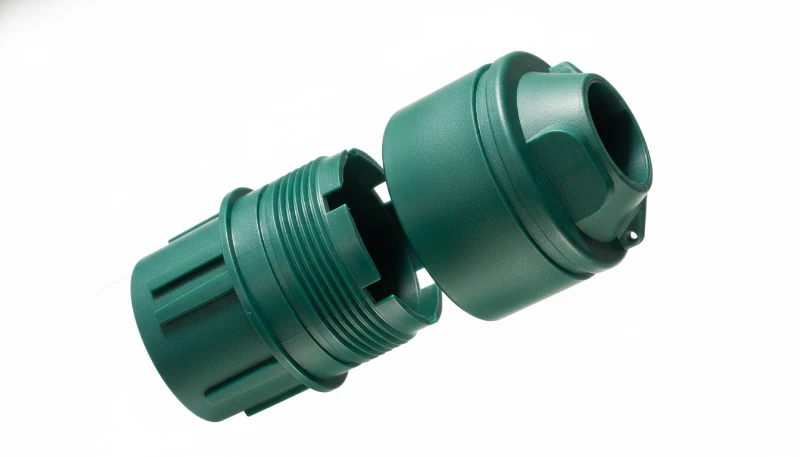
stampaggio a iniezione: è un processo produttivo nel quale un materiale termoplastico o termoindurente viene iniettato nella cavità di uno stampo per ottenere componenti ripetibili. ↩
mercato dello stampaggio a iniezione: indica il settore vietnamita della plastica e dello stampaggio a iniezione, cresciuto mentre produttori diversificati spostano le catene di fornitura oltre la Cina, sostenuti da incentivi agli FDI e bassi costi del lavoro. ↩
FDI: l'investimento diretto estero (FDI) è un investimento effettuato da un'impresa o un individuo di un Paese in interessi commerciali situati in un altro Paese. ↩