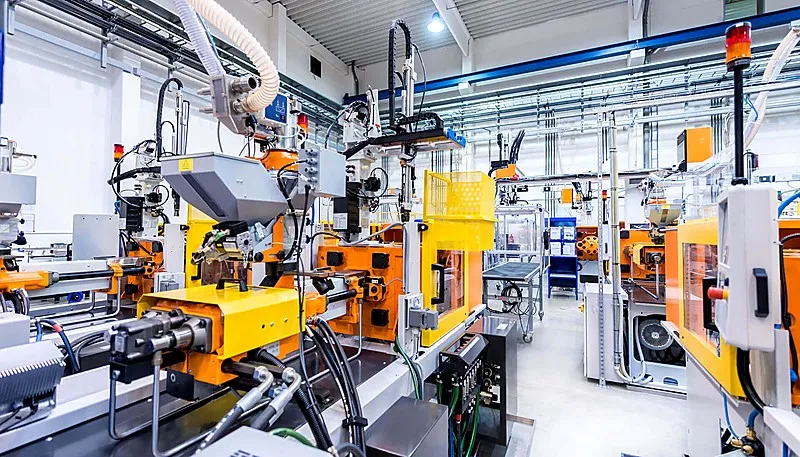
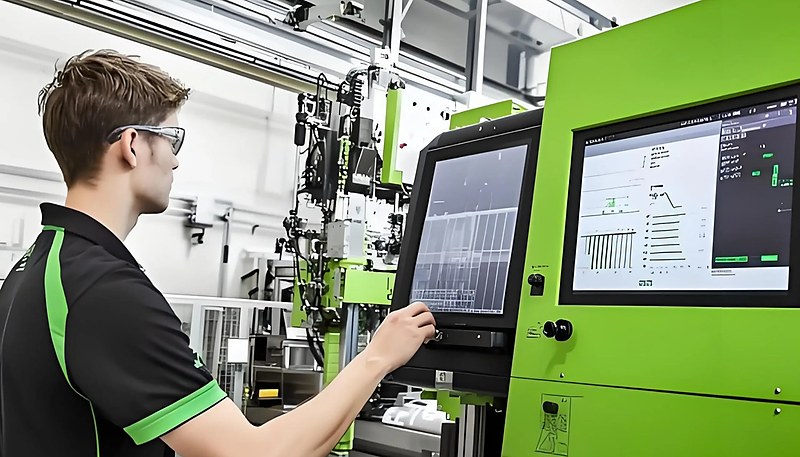
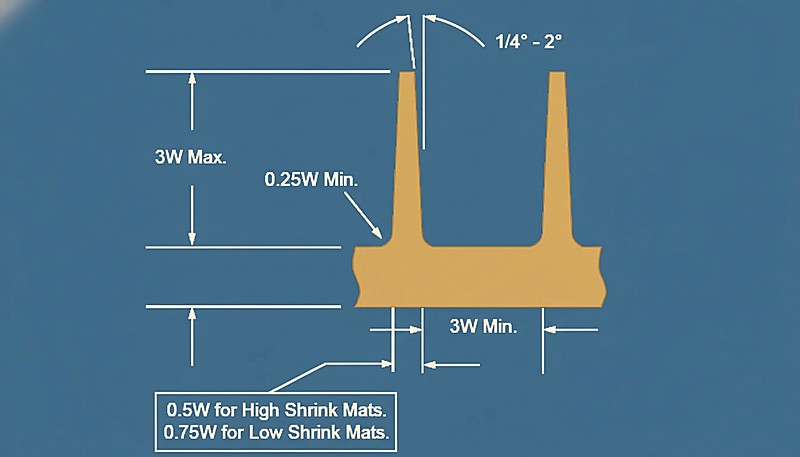
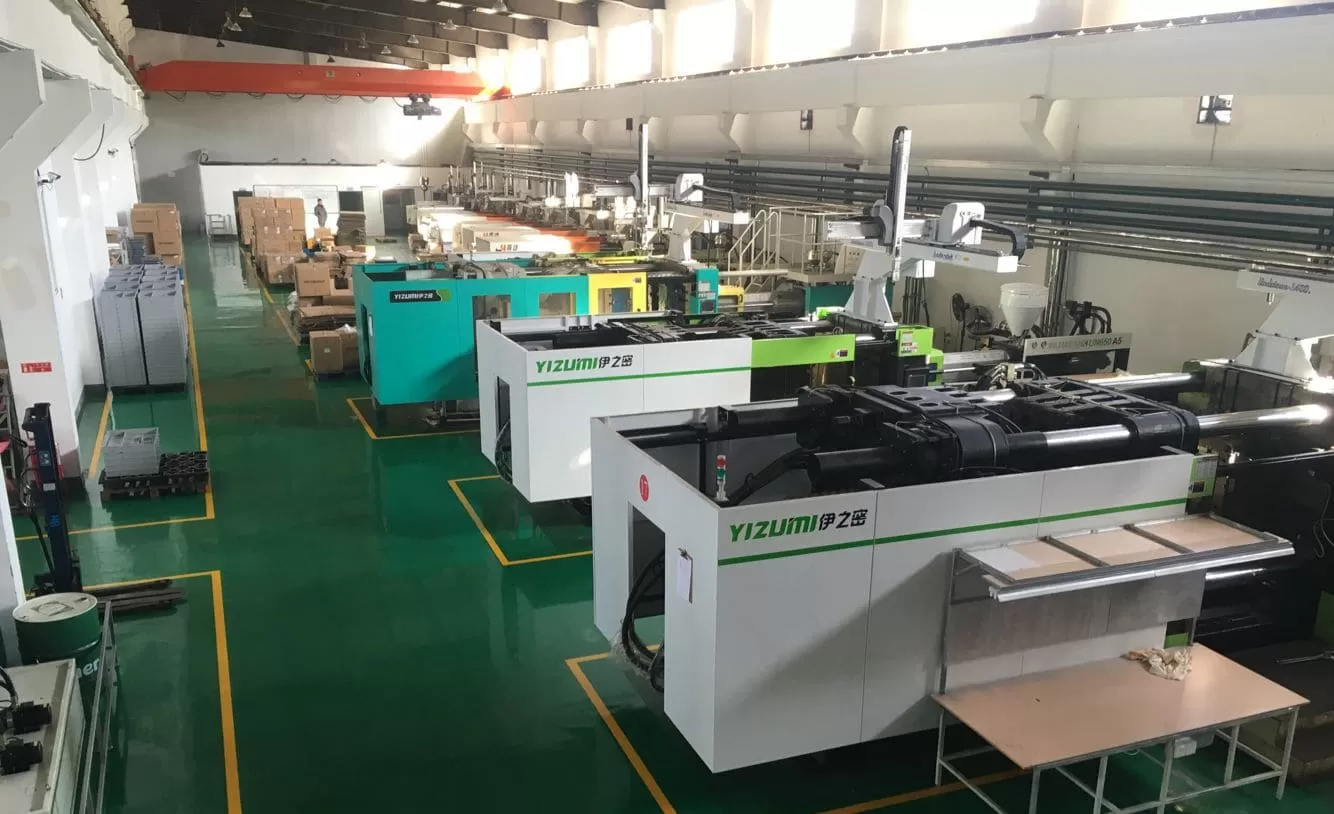
- Le marché vietnamien du moulage par injection connaît une croissance rapide, stimulée par les FDI, les faibles coûts de main-d’œuvre et la diversification commerciale hors de Chine.
- Les 10 principaux fournisseurs locaux vont des moulistes de précision à Hanoï aux fabricants sous contrat de grande série près de Hô Chi Minh-Ville.
- Au Vietnam, le coût des outillages est généralement inférieur de 20–35% à celui de la Chine, mais la durée de vie des moules et la communication technique varient fortement selon le fournisseur.
- Le Vietnam est le plus pertinent pour les pièces grand public, électroniques et médicales en petites et moyennes séries lorsque les délais sont flexibles.
- Comparez toujours au moins trois fournisseurs qualifiés avec le même dossier RFQ avant d’attribuer la production.
Le Vietnam est devenu l’un des pôles de moulage par injection1 à la croissance la plus rapide d’Asie du Sud-Est. Les investissements directs étrangers ont atteint des niveaux records en 2024, et une part croissante de ces capitaux se dirige vers la plasturgie et la fabrication de précision.
La multiplication des usines ne garantit toutefois pas de meilleurs résultats d’approvisionnement. Que vous achetiez vos pièces dans votre pays ou à l’étranger, consulter un guide complet du moulage par injection aide à mieux évaluer les fournisseurs. Au Vietnam, leur qualité varie encore fortement selon leur maîtrise de l’outillage, leur communication technique et la rigueur de leurs documents d’exportation. Les acheteurs qui fondent leur présélection sur le seul prix ou la géographie découvrent souvent des lacunes après la première série d’échantillons T1.
Ce guide analyse le marché vietnamien du moulage par injection2, compare dix fournisseurs établis, confronte les coûts à ceux de la Chine et fournit une liste de contrôle structurée afin que votre comparaison des RFQ repose sur des capacités réelles plutôt que sur des arguments commerciaux.
À quoi ressemble le marché vietnamien du moulage par injection ?
Le marché vietnamien du moulage par injection représente environ 25 milliards USD de production annuelle et connaît une croissance rapide à mesure que les équipementiers multinationaux s’implantent dans le pays. Les principales zones d’investissement autour d’Hô Chi Minh-Ville, Binh Duong, Dong Nai et Hanoï accueillent des dizaines d’usines de moulage au service des équipementiers automobiles, électroniques et médicaux. Le gouvernement soutient activement l’industrie manufacturière au moyen d’incitations fiscales, du développement de parcs industriels et d’accords de libre-échange avec l’UE, le Japon et la Corée du Sud. La plupart des capacités de moulage par injection appartiennent à trois catégories : ateliers intégrés d’équipementiers (Samsung, LG, Pegatron), mouleurs en coentreprise avec des partenaires japonais ou taïwanais, et usines vietnamiennes indépendantes passées de la production nationale de biens de consommation à des activités de qualité export.
Le gouvernement soutient activement l’industrie au moyen d’incitations fiscales, de zones industrielles et d’accords de libre-échange, notamment le CPTPP, l’EVFTA et le RCEP. Ces accords accordent aux exportateurs vietnamiens un accès tarifaire préférentiel aux marchés clés. Associé à d’importants flux d’investissements directs étrangers (FDI3), cet environnement politique accélère fortement le développement de la fabrication de précision du pays.
La plupart des capacités vietnamiennes de moulage par injection relèvent de trois catégories : usines intégrées d’OEM créées par des multinationales de l’électronique et des biens de consommation ; moulistries en coentreprise fondées avec des partenaires japonais, coréens ou singapouriens ; et sous-traitants vietnamiens indépendants servant les marchés intérieur et d’exportation.
Quelles tendances façonnent le secteur vietnamien du moulage par injection ?
Plusieurs évolutions modifient la manière dont les acheteurs doivent évaluer les fournisseurs vietnamiens de moulage par injection. Comprendre ces tendances permet de distinguer ceux qui investissent dans leurs capacités de ceux qui rivalisent uniquement sur les prix.
Diversification de la chaîne d’approvisionnement hors de Chine
La stratégie Chine+1 n’est plus théorique. Depuis 2019, des entreprises des secteurs de l’électronique, des biens de consommation et des dispositifs médicaux ont activement transféré au Vietnam une partie de leurs volumes de moulage par injection. Des fournisseurs d’Apple comme Foxconn et Pegatron ont développé leurs lignes de production vietnamiennes, créant une demande en aval pour des composants plastiques de précision. Cette évolution tire vers le haut les capacités de fabrication de moules et de moulage, les fournisseurs se modernisant pour respecter des tolérances plus strictes et des exigences documentaires accrues.
Adoption de l’automatisation et de l’industrie 4.0
Les principaux moulistes vietnamiens investissent dans le prélèvement robotisé des pièces, le contrôle qualité automatisé et la surveillance des procédés en temps réel. Des fournisseurs comme HTMP et MIDA ont mis en place des cellules de production en boucle fermée équipées de robots fanuc et de systèmes de vision. Cette tendance est importante, car elle influe directement sur la régularité : un mouliste exploitant des cellules automatisées peut maintenir des valeurs CpK plus serrées qu’un autre tributaire du tri manuel.
Croissance du moulage médical et en salle propre
Les capacités de moulage certifiées ISO 13485 progressent au Vietnam à mesure que les OEM de dispositifs médicaux y transfèrent l’assemblage final. Le complexe vietnamien d’East West Manufacturing possède déjà l’ISO 13485, et plusieurs petits transformateurs visent cette certification. Pour les acheteurs de boîtiers médicaux ou de diagnostic, le Vietnam devient ainsi une option crédible, contrairement à il y a cinq ans.
Gestion des matériaux durables et recyclés
Les marques européennes et nord-américaines poussent les fournisseurs à utiliser des résines recyclées et des plastiques biosourcés. Les mouleurs vietnamiens capables de documenter la traçabilité des matières et de transformer des matières recyclées post-consommation (PCR) sans dégrader la qualité dimensionnelle bénéficieront d’un avantage concurrentiel à mesure que les exigences de durabilité se renforcent sur les marchés d’exportation.
Comment choisir un fournisseur de moulage par injection au Vietnam ?
Choisir un fournisseur de moulage par injection au Vietnam exige plus qu’une comparaison des parcs machines. Le cadre suivant vous aide à évaluer sa capacité d’exécution réelle avant d’engager votre budget d’outillage.
"Avant de sélectionner définitivement un fournisseur, une comparaison structurée des RFQ doit couvrir la propriété de l’outillage, la rigueur de validation, la communication export et les preuves d’inspection."True
Les acheteurs qui évaluent ensemble ces quatre dimensions réduisent le risque de surprises après attribution. Un fournisseur peut paraître solide en ligne tout en rencontrant des difficultés de maintenance des moules, de maîtrise des modifications techniques ou de suivi multilingue des projets.
"Si un mouleur vietnamien possède des machines modernes, vous pouvez ignorer sans risque l’examen de la propriété du moule, des plans d’échantillonnage et de la responsabilité du contrôle des modifications."False
Le seul nombre de machines ne révèle ni qui maîtrise la conception de l’outillage, ni qui paie les modifications de l’acier, ni comment la dérive du procédé est documentée après T1. Ces contrôles commerciaux et techniques déterminent si une RFQ devient un programme de production stable ou une opération de redressement coûteuse.
Profondeur des compétences d’outillage et propriété du moule
Demandez si le fournisseur conçoit et fabrique les moules en interne ou sous-traite l’outillage. Une fabrication interne accélère les itérations, clarifie la responsabilité des modifications de l’acier et améliore la maîtrise de la maintenance du moule. Si l’outillage est sous-traité, précisez qui détient les données de conception du moule et qui assume le coût des modifications après l’échantillonnage T1.
Maturité du système qualité
ISO 9001 est un prérequis, pas un facteur différenciant. Pour les programmes à plus forte valeur, recherchez ISO 13485 (médical), IATF 16949 (automobile) ou une capacité PPAP documentée. Demandez un exemple de plan de contrôle et de rapport dimensionnel issu d’une production actuelle. La qualité de ces documents renseigne davantage sur la maturité opérationnelle que tout certificat affiché au mur.
Communication et rapidité de réponse technique
Les décalages horaires et les barrières linguistiques deviennent coûteux lorsqu’ils retardent les retours DFM, l’approbation des échantillons ou les ordres de modification technique. Pendant l’évaluation, testez la rapidité de réponse : envoyez une question technique et mesurez le délai nécessaire pour obtenir une réponse substantielle, pas un simple accusé de réception. Les fournisseurs capables d’expliquer clairement en anglais écrit la conception des seuils, les angles de dépouille et les alternatives de matériaux vous éviteront des cycles de malentendus lors du lancement.
Expérience à l’exportation et capacités logistiques
Vérifiez que le fournisseur a l’expérience des expéditions vers l’Union européenne, les États-Unis ou le Japon, et qu’il peut fournir des listes de colisage, des certificats d’origine et des déclarations de matériaux conformes. Un mouleur qui n’a jamais exporté hors de l’ASEAN peut rencontrer des difficultés avec les documents douaniers, le respect des Incoterms ou les exigences logistiques propres aux clients.
Quelles sont les 10 principales entreprises de moulage par injection au Vietnam ?
La liste suivante présente dix entreprises établies de moulage par injection et de fabrication de moules au Vietnam. Chaque entrée indique le lieu, l’année de fondation, les compétences principales et les atouts distinctifs. Utilisez-la comme première sélection, puis évaluez chaque fournisseur selon les exigences propres à votre projet.
1. HTMP (Hanoï)
Fondation : 2006 | Employés : 200–299 | Lieu : Hanoï HTMP est l’un des moulistes vietnamiens les plus compétents techniquement. L’entreprise se spécialise dans les moules d’injection plastique de précision, le moulage sous pression de l’aluminium et du magnésium et l’injection bicolore. Ses machines vont de 50T à 1300T. Certifiée ISO 9001:2015, ISO 14001:2015 et IATF 16949, elle convient aux programmes automobiles et industriels de précision. Son système en boucle fermée et ses cellules automatisées la distinguent des petits ateliers vietnamiens.
2. East West Manufacturing (Ho Chi Minh City)
Création : 2001 | Effectif : 200–299 | Lieu : Hô Chi Minh-Ville East West Manufacturing exploite au Vietnam un complexe de cinq usines, sa plus grande implantation mondiale. L’entreprise est spécialisée dans la production à grand volume et faible diversité, et propose l’introduction de nouveaux produits (NPI), l’assemblage complet de boîtiers et les séries complètes. Son site est certifié ISO 9001, ISO 13485 et ISO 14001, et dispose d’un atelier d’outillage de 4,500 sq ft capable de fabriquer aussi bien des moules mono-empreinte que des moules multi-empreintes complexes avec coulisseaux et éjecteurs inclinés. Sa division de services de fabrication électronique (EMS) ajoute une capacité SMT pour les acheteurs nécessitant un assemblage intégré plastique-électronique.
3. VMF (Hanoi)
Fondée en : 2001 | Effectif : 200–299 | Lieu : Hanoï VMF se présente comme une plateforme de chaîne d’approvisionnement reliant les acheteurs internationaux aux usines vietnamiennes. Ses compétences principales comprennent le moulage par injection, l’ingénierie de précision et la fabrication de caisses à munitions. Grâce à un bureau commercial mondial à Singapour, VMF propose un approvisionnement à guichet unique, la gestion de projets, la gestion logistique et la coordination de la chaîne d’approvisionnement. Sa structure de communication transfrontalière et son interface commerciale basée à Singapour en font un bon choix pour les acheteurs qui recherchent une fabrication locale assortie d’une gestion de compte de niveau international.
4. Zion Precision Moulds (Hanoï)
Fondée en 2002 | Effectif : 200+ | Site : Hanoï Créée à l’origine comme coentreprise singapouro-japonaise (Sin-Hanel), Zion est désormais une filiale de Kim Tam Joint-stock Company. Elle exploite à Hanoï une usine de 6,000 m² dotée de capacités de conception sous Siemens NX et AutoCAD. Son équipe d’ingénierie parle anglais, français, chinois et espagnol, ce qui réduit fortement le risque de communication sur les projets d’exportation. Zion utilise des équipements CNC, EDM et d’électroérosion à fil pour fabriquer ses moules et a récemment ajouté la numérisation 3D pour la rétroconception et la vérification des moules.
Zion fournit des services de moulage par injection en associant une conception professionnelle des moules à des capacités de production conformes aux exigences d’exportation.
5. DK MOULD (Binh Duong)
Fondation : 2013 | Effectif : 200 à 299 | Lieu : Binh Duong DK MOULD a été créée pour servir les secteurs du moulage par injection, du soufflage et de l’emboutissage selon les normes de qualité européennes et japonaises, aux niveaux de coûts vietnamiens. Sa coentreprise avec un fabricant américain lui donne un accès direct à des systèmes certifiés ISO 9001 et ISO 13485. Sa spécialisation dans la conception de moules d’injection, de moules de soufflage et de matrices de poinçonnage en fait un fournisseur polyvalent pour les acheteurs qui souhaitent plusieurs types d’outillages auprès d’une seule entreprise.
6. Moules de précision MIDA (Long An)
Fondation : 2005 | Employés : 200–299 | Localisation : Long An MIDA est spécialisée dans les moules d’injection, le moulage plastique et les plastiques de précision pour les applications médicales, électroniques, cosmétiques et techniques. Elle a investi dans des équipements Makino, Mazak, Charmilles, Mitutoyo et Fanuc, ainsi que dans des robots à bras entièrement automatiques Yushin pour l’extraction des pièces. Sa capacité de bout en bout, de la conception du produit et du moule à la décoration et à l’emballage, en fait un candidat solide pour les acheteurs recherchant une source unique pour leurs programmes complets de pièces plastiques.
7. Y Chi Viet (Dong Nai)
Fondation : 1993 | Effectif : 200–299 | Implantation : province de Dong Nai Y Chi Viet (anciennement Watson Co., Ltd.) est une coentreprise entre l’Union of Plastics du Vietnam et Watson E.P. Singapore, créée en 1993. Elle possède des capacités uniques de placage et de revêtement, notamment un revêtement UV automatique à épaisseur et adhérence contrôlées, reconnu par des clients japonais. Elle est l’agent exclusif au Vietnam des conduites industrielles CORZAN et des conduites domestiques FlowGuard de Lubrizol USA. Sa production par injection respecte les normes RoHS et l’entreprise exploite des systèmes avancés de traitement des eaux usées.
8. INT Plastic (Quang Nam)
Fondée en : 2002 | Effectif : 200–299 | Lieu : Quang Nam INT Plastic est implantée dans la zone industrielle de Dien Nam-Dien Ngoc et se spécialise dans l’injection de plastiques ménagers, industriels et techniques. Elle propose des prix compétitifs et des délais fiables aux clients nationaux et étrangers. Son modèle commercial direct — transformer des pièces plastiques selon les spécifications du client — en fait une option pratique pour les acheteurs qui disposent déjà de leur outillage et recherchent une production en volume stable sans forte implication d’ingénierie.
« Les meilleurs fournisseurs vietnamiens de moulage par injection associent un outillage interne, une communication adaptée à l’exportation et des systèmes qualité documentés. »True
Les fournisseurs qui conçoivent, fabriquent et entretiennent les moules en interne tout en assurant une communication technique claire en anglais peuvent gérer le cycle complet du programme, de la RFQ à la production stable. Cette combinaison reste relativement rare au Vietnam, d'où l'importance d'une présélection rigoureuse.
"Le devis d’outillage le moins cher d’un fournisseur vietnamien produira toujours le coût total de programme le plus bas."False
Un prix d'outillage bas peut masquer un choix d'acier moins performant, une communication plus lente, une validation incomplète ou des taux de rebut plus élevés au démarrage. Le coût total rendu dépend de la durée de vie du moule, de la stabilité du procédé, de la logistique et de la rapidité avec laquelle le fournisseur résout les problèmes techniques après l'échantillonnage T1.
9. CNCPS Joint Stock Company (Binh Duong)
Fondée : 2008 | Effectif : 200–299 | Lieu : Binh Duong CNCPS JSC a étendu ses activités de l’usinage de précision aux moules d’injection, aux pièces plastiques, à l’emboutissage et au moulage sous pression de l’aluminium. Ses exportations vers le Japon, l’Allemagne et les États-Unis démontrent sa maîtrise des exigences qualité strictes de plusieurs marchés réglementés. L’accent mis sur la haute précision et la haute qualité dans toutes ses lignes de production en fait un fournisseur adapté aux acheteurs exigeant des tolérances serrées et une maîtrise documentée des procédés.
10. Duy Tan Precision Mold (Hô Chi Minh-Ville)
Fondation : 2017 | Employés : 180+ | Lieu : Hô Chi Minh-Ville Duy Tan Precision Mold est issue du département Moules-Mécanique de Duytan Plastic Group et rassemble dans une entreprise indépendante plus de 25 ans d’expérience cumulée dans l’industrie du moule. Son site de 8,250 m² est spécialisé dans les moules d’injection plastique destinés aux secteurs de l’alimentation et des boissons, des cosmétiques et des équipements médicaux. Sa devise — Precision In Every Detail — traduit l’accent mis sur des systèmes de moules rapides et durables ainsi que sur le respect des délais de livraison.
Comment le coût du moulage par injection au Vietnam se compare-t-il à celui de la Chine ?
Le coût est généralement la première question que posent les acheteurs lorsqu’ils comparent le Vietnam à la Chine. La réponse dépend de ce que vous mesurez : l’outillage, le prix unitaire ou le coût total rendu. Voici un repère pratique.
Au Vietnam, l’outillage de moulage par injection coûte généralement 20–35% de moins que l’outillage équivalent en Chine pour des moules de complexité simple à modérée. Cet écart s’explique par des coûts de main-d’œuvre encore inférieurs pour les moulistes vietnamiens et par des frais généraux compétitifs dans les zones industrielles vietnamiennes. Toutefois, l’avantage tarifaire diminue fortement pour les moules à grand nombre d’empreintes, à tolérances serrées ou à coulisseaux multiples, pour lesquels les coûts des matières et des équipements prédominent.
Au Vietnam, le prix unitaire des pièces moulées peut être comparable ou légèrement inférieur avec des résines techniques standard. Cet avantage disparaît toutefois pour les matières spécialisées : de nombreuses résines hautes performances (PEEK, PPS, LCP) ne sont pas stockées localement, ce qui allonge les délais et peut augmenter les coûts matière en raison de la logistique d’importation.
Le coût total rendu est le véritable critère de comparaison. Pour les expéditions vers l’UE, le Vietnam bénéficie des préférences tarifaires de l’EVFTA (la plupart des articles en plastique à 0% de droits), tandis que les marchandises d’origine chinoise sont soumises aux tarifs standard de l’OMC. Pour les expéditions vers les États-Unis, les deux pays bénéficient d’un traitement tarifaire similaire dans des conditions normales, bien que la politique commerciale actuelle puisse modifier ce calcul. Intégrez le fret, l’assurance, les frais de communication et le coût d’échantillonnages supplémentaires lorsqu’un fournisseur apprend encore vos exigences qualité.
Quand le Vietnam est-il le bon choix d’approvisionnement en moulage par injection ?
Le Vietnam est le bon choix d’approvisionnement si vous avez besoin d’une production en faible ou moyen volume, d’avantages tarifaires pour les expéditions vers l’UE ou d’un plan de diversification China+1. La base industrielle du pays répond bien à ces scénarios, mais ne remplace pas systématiquement la Chine. Voici une analyse claire.
Quand le Vietnam est le meilleur choix
Choisissez le Vietnam pour une production en volume faible à moyen (1,000–500,000 units/year) de boîtiers pour produits de consommation, électroniques ou médicaux lorsque les avantages tarifaires de l’EVFTA ou du CPTPP comptent, lorsque votre programme peut accepter des délais de 2–4 semaines pour fabriquer le moule, ou lorsque vous diversifiez délibérément le risque de la chaîne d’approvisionnement afin de ne plus dépendre d’un seul pays.
Quand la Chine constitue le meilleur choix
Choisissez la Chine si vous avez besoin de moules de production à grand nombre d’empreintes (16+ empreintes), de pièces techniques à tolérances serrées, d’un vaste choix de matières incluant des résines hautes performances ou de délais courts entre prototypage et production. La densité de la chaîne d’approvisionnement chinoise — fournisseurs d’acier à moules, de canaux chauds, de résines et d’opérations secondaires — conserve plusieurs années d’avance sur le Vietnam. Pour les programmes complexes où la rapidité des itérations de conception et la disponibilité des matières sont critiques, la Chine reste le meilleur choix.
Questions fréquentes sur le moulage par injection au Vietnam
Questions fréquemment posées
Quel est le coût moyen de l’outillage pour un moule d’injection au Vietnam ?
Au Vietnam, un moule d’injection à cavité unique coûte généralement entre 3 000 et 8 000 USD en fonction de la complexité de la pièce, des exigences en matière de finition de surface et du choix de l’acier. Les moules multi-empreintes vont de 10 000 USD à 30 000 USD ou plus pour les outillages complexes avec actions latérales, élévateurs ou systèmes à canaux chauds. Ce prix est généralement inférieur de 20 à 35 % à celui des outils chinois équivalents pour des niveaux de complexité similaires. Demandez toujours une ventilation détaillée de l’outillage précisant le type d’acier, le nombre d’empreintes, le traitement de surface et la durée de vie prévue du moule afin de pouvoir comparer les devis sur des conditions d’ingénierie égales plutôt que sur le seul prix global.
Combien de temps faut-il pour fabriquer un moule d’injection au Vietnam ?
Au Vietnam, le délai standard d’un moule à une empreinte est de quatre à six semaines entre l’approbation de la conception et l’échantillonnage T1. Les moules multi-empreintes ou les outillages complexes avec mécanismes latéraux, éjecteurs inclinés ou noyaux dévissables demandent généralement huit à douze semaines. Ajoutez une à deux semaines pour l’échantillonnage T1, le contrôle dimensionnel complet et l’approbation du premier article avant le lancement en production. Les fournisseurs disposant de capacités d’outillage intégrées, comme HTMP ou Zion, livrent généralement plus vite que ceux qui sous-traitent la fabrication à des moulistes tiers ; demandez donc tôt où l’outillage sera réalisé.
Les fournisseurs vietnamiens de moulage par injection peuvent-ils assurer une production de qualité médicale ?
Plusieurs fournisseurs vietnamiens détiennent la certification ISO 13485 pour la fabrication de dispositifs médicaux, notamment East West Manufacturing et DK MOULD via leur structure de coentreprise. Cependant, la capacité de moulage en salle blanche dédiée reste limitée par rapport à des centres de production plus matures comme la Chine. Si votre programme nécessite une production en salle blanche de classe ISO 7 ou 8 avec une traçabilité documentée des matériaux et des tests de biocompatibilité, vérifiez directement le statut de certification de la salle blanche et demandez un exemple de dossier d’historique du dispositif avant d’attribuer le programme. Cette étape de vérification supplémentaire réduit le risque d’écarts de conformité apparaissant lors de votre audit qualité.
Quelle est la quantité minimale de commande (MOQ) pour le moulage par injection au Vietnam ?
Le MOQ varie selon le fournisseur mais se situe généralement entre 1 000 et 10 000 pièces par série de production pour le moulage par injection standard. Certains fournisseurs accepteront des volumes plus faibles si vous acceptez un prix unitaire plus élevé pour couvrir les coûts de mise en place. Pour le prototypage et la production de transition, demandez si le fournisseur propose des services de moulage à faible volume utilisant des outillages en aluminium ou en acier doux pouvant produire 100 à 500 pièces pour la validation de la conception avant de vous engager dans l’outillage de production complet. Cette approche vous permet de tester la fonction de la pièce et la qualité de communication du fournisseur sans un investissement initial important en outillage.
Les fournisseurs de moulage par injection au Vietnam sont-ils compétitifs pour les pièces automobiles ?
Les fournisseurs vietnamiens certifiés IATF 16949 comme HTMP peuvent servir l’automobile, notamment pour les garnitures intérieures, caches sous capot et autres pièces plastiques non critiques pour la sécurité. Pour les composants de sécurité exigeant PPAP Level 3, études validées de capabilité et traçabilité matière jusqu’à la coulée, la base chinoise plus mature garde un net avantage en expérience et infrastructure. Comparez toujours les exigences documentaires du programme aux antécédents démontrés du fournisseur, et non à ses ambitions de certification.
Quels sont les termes de paiement généralement proposés par les fournisseurs de moulage par injection au Vietnam ?
Les conditions de paiement standard prévoient un acompte de 30 à 50 pour cent sur l’outillage, le solde étant dû après l’approbation des échantillons T1, ainsi qu’un règlement à 30 à 60 jours pour les commandes de production. Certains fournisseurs établis et expérimentés à l’export négocient des paiements d’outillage par jalons liés à la revue de conception, à la découpe de l’acier et aux premiers essais. Les lettres de crédit sont courantes pour une première transaction à l’export et protègent les deux parties. Confirmez toujours par écrit les conditions de paiement, la devise de règlement et les coordonnées bancaires avant de passer commande, puis vérifiez que la banque du fournisseur traite efficacement les virements internationaux.
Comment vérifier la qualité d’un fournisseur de moulage par injection au Vietnam avant de s’engager ?
Demandez un schéma de flux du procédé, un plan de contrôle et un rapport récent de contrôle dimensionnel provenant d’un programme de production actif. Demandez des copies des certificats ISO et vérifiez-les directement auprès de l’organisme certificateur. Si le déplacement n’est pas pratique, organisez une visite d’usine en vidéo en direct ou mandatez un audit tiers auprès d’une société telle que QIMA ou SGS. La qualité de la réponse documentaire d’un fournisseur est aussi révélatrice que les documents eux-mêmes. Un fournisseur qui transmet des dossiers clairs et complets en un seul envoi sera plus facile à gérer tout au long du programme qu’un fournisseur qui exige plusieurs relances pour obtenir des informations de base.
Pourquoi ZetarMold est le Partenaire Idéal pour les Acheteurs Vietnamien ?
ZetarMold est le partenaire idéal pour les acheteurs du Vietnam qui ont besoin d’outillages fiables, d’une communication technique claire et d’une documentation prête à l’exportation. Notre usine de Shanghai combine la fabrication de moules interne avec le moulage par injection intégré sous un même toit.
Dans notre usine de Shanghai, nous exploitons 47 machines de moulage par injection de 90T à 1850T, et notre installation de fabrication de moules interne prend en charge plus de 100 jeux de moules par mois avec une expérience sur plus de 400 matériaux plastiques. Selon notre expérience, nos ingénieurs peuvent aider les acheteurs vietnamiens à évaluer les risques d'outillage, le choix de la résine et la documentation d'exportation avant qu'ils n'engagent leur budget.
ZetarMold travaille sous les systèmes ISO 9001, ISO 13485, ISO 14001 et ISO 45001, ce qui signifie que les acheteurs évaluant des programmes médicaux, automobiles ou industriels peuvent comparer notre base de gestion de la qualité avec tout finaliste vietnamien. Notre équipe d’ingénierie examine la disposition des portes, les arrêts, les risques liés à la résine et les hypothèses de tolérance avant la coupe de l’acier, réduisant le nombre de tours d’échantillonnage nécessaires pour atteindre l’approbation de production.
Pour les acheteurs comparant le Vietnam à la Chine, nous offrons une comparaison simple : envoyez vos dessins de pièces et nous vous retournerons une analyse DFM détaillée, un devis d’outillage compétitif et un calendrier de production en un jour ouvrable. Pas de propositions génériques — juste des retours d’ingénierie spécifiques que vous pouvez mettre à côté de tout devis vietnamien.
Prêt à comparer ? Consultez notre guide d’approvisionnement des fournisseurs pour un cadre d’évaluation complet, ou demandez un devis gratuit directement.
Moulage par injection : procédé de fabrication dans lequel une matière thermoplastique ou thermodurcissable est injectée dans l’empreinte d’un moule afin de produire des pièces répétables. ↩
Marché du moulage par injection : secteur vietnamien des plastiques et du moulage par injection, qui s’est développé à mesure que les fabricants diversifiaient leurs chaînes d’approvisionnement au-delà de la Chine, avec le soutien des incitations aux FDI et de faibles coûts de main-d’œuvre. ↩
FDI : les investissements directs étrangers (FDI) désignent les investissements réalisés par une entreprise ou un particulier d’un pays dans des activités commerciales situées dans un autre pays. ↩