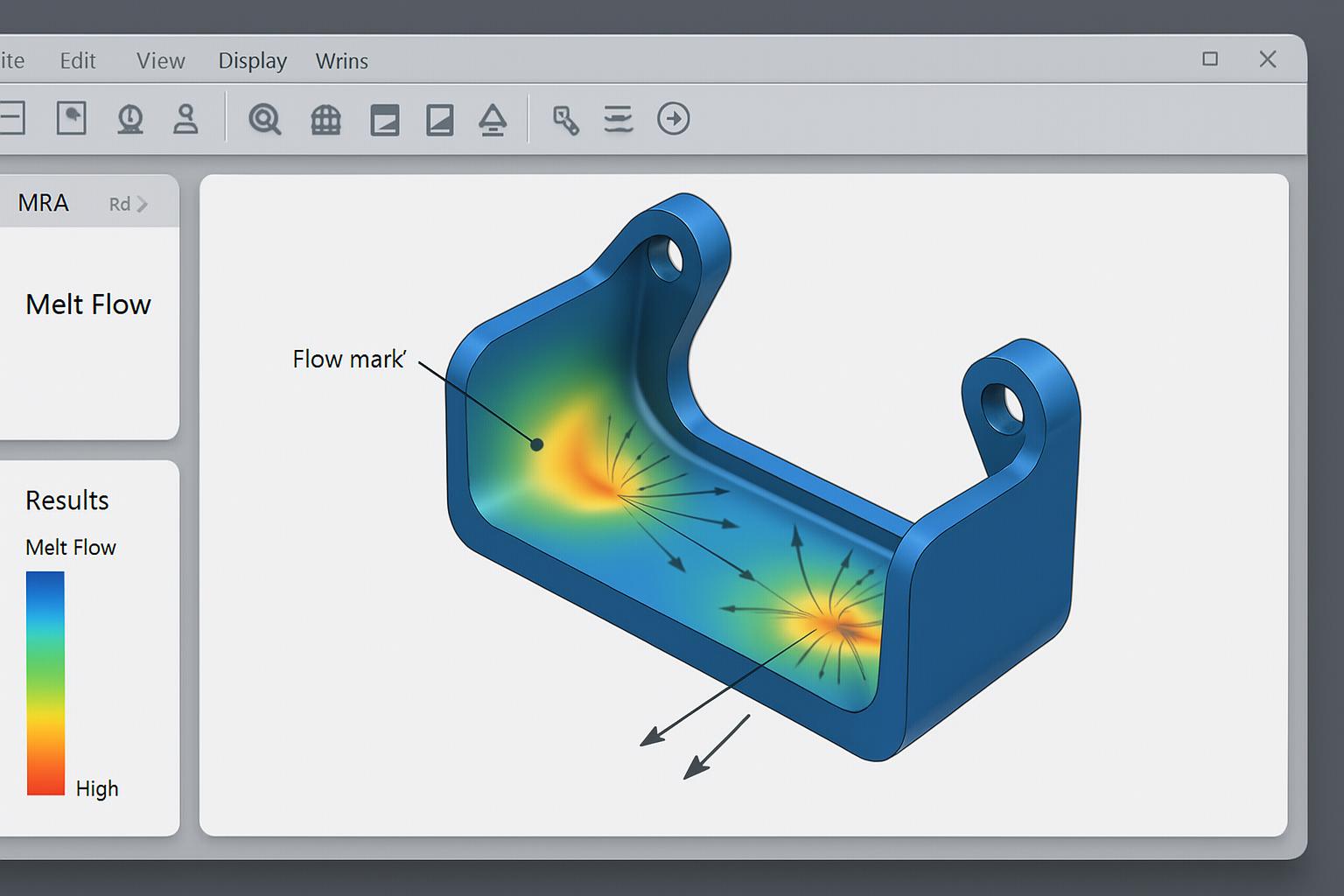
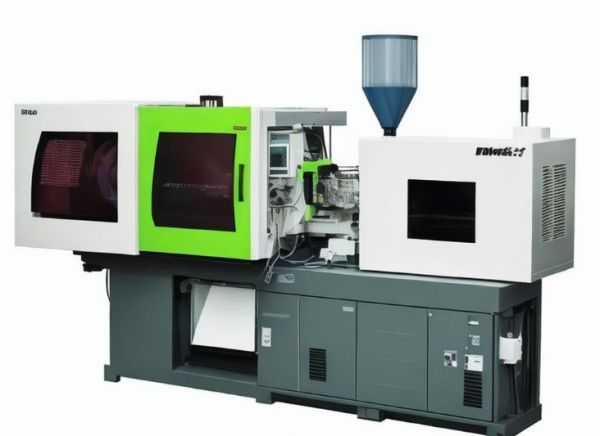
Sert bir iç gövde ile kauçuksu bir dış katman gerektiren, yumuşak tutuşlu bir alet sapı için teklif aldınız. Tedarikçi bunun “üstten kalıplama1” gerektirdiğini söylüyor. Patronunuz bunun ne anlama geldiğini, ne kadar sürdüğünü ve iki katmanın bir yıllık kullanımdan sonra gerçekten bir arada kalıp kalmayacağını bilmek istiyor. Bu makale üçünü de yanıtlıyor ve sonraki DFM incelemenize götürebileceğiniz bir malzeme uyumluluğu hızlı başvuru tablosu sunuyor.
- Üst kalıplama, bir veya iki vuruşta ikinci bir malzemeyi alt katmana bağlar
- Malzeme uyumluluğu bağ mukavemetini ve uzun vadeli dayanıklılığı belirler
- Takım tasarımı çekme farklarını ve kapama yüzeylerini hesaba katmalıdır
- İki bileşenli bir kalıp için tipik termin süresi 25–45 gündür
- ABS üzerine TPE ve ABS üzerine PC en yaygın kombinasyonlardır
Üzerine Kalıplama Nedir ve Insert Kalıplamadan Nasıl Farklıdır?
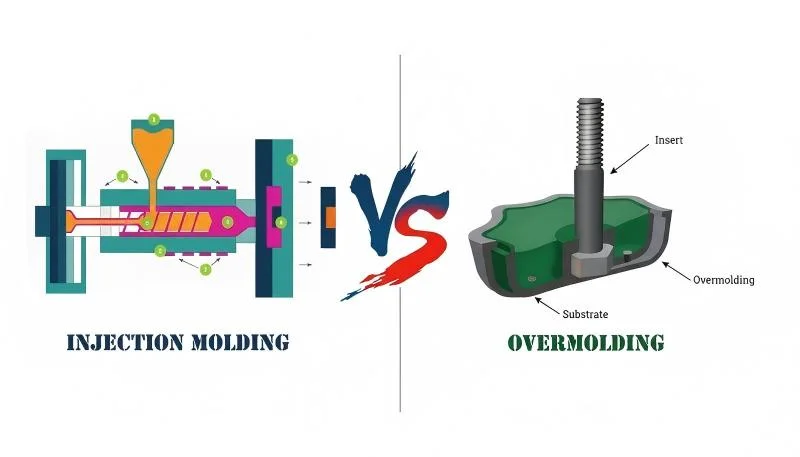
Üstten kalıplama, iki aşamalı bir enjeksiyon kalıplama sürecidir; ikinci bir malzeme, önceden oluşturulmuş bir taşıyıcı altlık2 parçasının doğrudan üzerine kalıplanır. Sonuç tek bir çok malzemeli bileşendir; sert plastik gövdeli ve yumuşak kauçuk tutamaklı bir diş fırçasını veya titreşim sönümleyici üst kalıba sahip matkap gövdesini düşünün. Eklemeli kalıplamadan temel farkı, üstten kalıplamanın plastiği plastiğe bağlaması; eklemeli kalıplamanın ise genellikle dişli pirinç ek gibi metal bir bileşeni kapsüllemesidir.
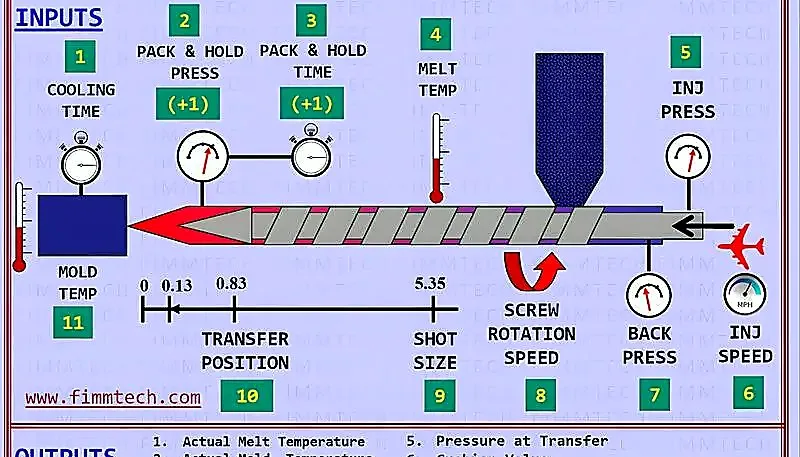
İki temel yöntem vardır: iki bileşenli kalıplama (tek bir preste döner veya mekik kalıp) ve al-yerleştir kalıplama (önce altlık kalıplanır, ardından manuel veya robotik olarak ikinci kalıba aktarılır). İki bileşenli kalıplama daha hızlı ve daha tekrarlanabilirdir; al-yerleştirin takım maliyeti daha düşük, ancak çevrim süresi daha uzundur.
Üst Kalıplama İçin En Uygun Malzemeler Hangileridir?
Malzeme seçimi, herhangi bir üzerine kalıplama projesindeki en önemli karardır. Altlık ile üzerine kalıplanan malzeme arasındaki bağ ya kimyasal olarak (moleküller ara yüzeyde birbirine difüze olur) ya da mekanik olarak (alt kesitler, oluklar ve yüzey dokusu katmanları birbirine kilitler) çalışır. Kimyasal bağlar daha güçlü ve güvenilirdir; mekanik bağlar ise kimyanın uyum sağlamadığı durumlarda yedek çözümdür.
En yaygın eşleşmeler arasında ABS üzerine TPE3, PP üzerine TPE, ABS üzerine PC ve PA6 üzerine SEBS bulunur. Kimyasal bağ oluşması için iki malzemenin uyumlu polariteye ve benzer erime sıcaklıklarına—genellikle birbirinden 30°C içinde—sahip olması gerekir. Altlık poliolefinse (PP, PE) poliolefin bazlı TPE; mühendislik reçinesiyse (ABS, PC, PA) stirenik veya TPU bazlı elastomer gerekir.
Şanghay tesisimizde 400’den fazla malzemeyle üst kalıplama denemeleri yaptık ve sonuç tutarlı: Tedarikçiler TPE’lerinin “her şeye bağlandığını” iddia ettiğinde malzeme genellikle iki veya üç altlığa iyi, kalanlara ise zayıf bağlanır. Üretim takımına geçmeden önce her zaman bir bağ testi numunesi isteyin.
Şanghay fabrikamızda özel iki atımlı presler dâhil, 90T ile 1850T aralığında 47 enjeksiyon makinesi çalıştırıyoruz. Ekibimiz 400+ plastik malzemeyle deneyimlidir ve ayda 100+ kalıp seti üretir; böylece üretim kalıbına geçmeden önce üst kalıplama malzeme kombinasyonlarını tesis içinde test edip doğrulayabiliriz.
| Alt tabaka | Üzeri kalıplama | Bağ Türü | Uygulama |
|---|---|---|---|
| ABS | TPE (Stirenik) | Alt malzeme deformasyonu, aşırı kalıplama enjeksiyon basıncı, alt malzemenin yüksek sıcaklıktaki sapma direncini aştığında meydana gelir. İnce duvarlı alt malzemeler (duvar kalınlığı 1,5 mm'nin altında) özellikle savunmasızdır—60 MPa enjeksiyon basıncı, 1,0 mm ABS alt malzemeyi 0,3–0,5 mm kadar bükerek boyutsal hatalara ve görünür kozmetik kusurlara yol açabilir. Enjeksiyon hızını ve basıncını düşürmek veya alt malzemeyi kalıp çekirdek özellikleriyle desteklemek bu kusuru önler. | Elektrikli el aleti kavramaları |
| PP | TPE-V | Alt malzeme deformasyonu, aşırı kalıplama enjeksiyon basıncı, alt malzemenin yüksek sıcaklıktaki sapma direncini aştığında meydana gelir. İnce duvarlı alt malzemeler (duvar kalınlığı 1,5 mm'nin altında) özellikle savunmasızdır—60 MPa enjeksiyon basıncı, 1,0 mm ABS alt malzemeyi 0,3–0,5 mm kadar bükerek boyutsal hatalara ve görünür kozmetik kusurlara yol açabilir. Enjeksiyon hızını ve basıncını düşürmek veya alt malzemeyi kalıp çekirdek özellikleriyle desteklemek bu kusuru önler. | Sızdırmaz kaplar |
| PC | TPE veya TPU | Alt malzeme deformasyonu, aşırı kalıplama enjeksiyon basıncı, alt malzemenin yüksek sıcaklıktaki sapma direncini aştığında meydana gelir. İnce duvarlı alt malzemeler (duvar kalınlığı 1,5 mm'nin altında) özellikle savunmasızdır—60 MPa enjeksiyon basıncı, 1,0 mm ABS alt malzemeyi 0,3–0,5 mm kadar bükerek boyutsal hatalara ve görünür kozmetik kusurlara yol açabilir. Enjeksiyon hızını ve basıncını düşürmek veya alt malzemeyi kalıp çekirdek özellikleriyle desteklemek bu kusuru önler. | Tıbbi cihazlar |
| PA6 / PA66 | SEBS | Alt malzeme deformasyonu, aşırı kalıplama enjeksiyon basıncı, alt malzemenin yüksek sıcaklıktaki sapma direncini aştığında meydana gelir. İnce duvarlı alt malzemeler (duvar kalınlığı 1,5 mm'nin altında) özellikle savunmasızdır—60 MPa enjeksiyon basıncı, 1,0 mm ABS alt malzemeyi 0,3–0,5 mm kadar bükerek boyutsal hatalara ve görünür kozmetik kusurlara yol açabilir. Enjeksiyon hızını ve basıncını düşürmek veya alt malzemeyi kalıp çekirdek özellikleriyle desteklemek bu kusuru önler. | Otomotiv konnektörleri |
| PC/ABS | TPE | Alt malzeme deformasyonu, aşırı kalıplama enjeksiyon basıncı, alt malzemenin yüksek sıcaklıktaki sapma direncini aştığında meydana gelir. İnce duvarlı alt malzemeler (duvar kalınlığı 1,5 mm'nin altında) özellikle savunmasızdır—60 MPa enjeksiyon basıncı, 1,0 mm ABS alt malzemeyi 0,3–0,5 mm kadar bükerek boyutsal hatalara ve görünür kozmetik kusurlara yol açabilir. Enjeksiyon hızını ve basıncını düşürmek veya alt malzemeyi kalıp çekirdek özellikleriyle desteklemek bu kusuru önler. | Dizüstü bilgisayar gövdeleri |
| Herhangi bir katı | Uyumsuz yumuşak | Mekanik | Düşük maliyetli ürünler |
Üzerine Kalıplama İçin Bir Parça Nasıl Tasarlanır?
Bu bölüm, üzerine kalıplamaya uygun parça tasarımını ve bunun maliyet, kalite, termin veya tedarik riski üzerindeki etkisini ele alır. İyi bir üzerine kalıplama tasarımı, iki malzemenin birleştiği yüzey olan arayüzle başlar. Kimyasal bağlanmaya güveniliyorsa altlık yüzeyi temiz, kalıp ayırıcıdan arındırılmış ve ikinci atış enjekte edildiğinde hâlâ sıcak olmalıdır. Mekanik bağlanmaya güveniliyorsa üzerine kalıplama malzemesinin akıp arkasına kilitlenebileceği ters açılar, T kanalları veya delikler gerekir.
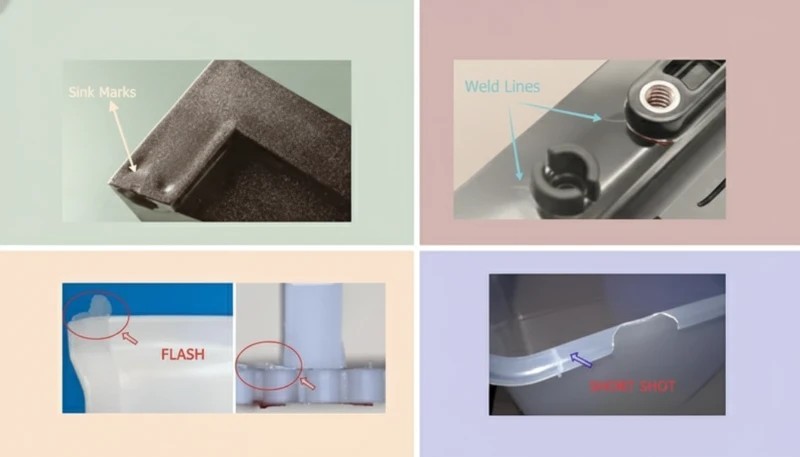
Et kalınlığı, üst kalıplamada tek bileşenli kalıplamaya göre daha önemlidir. Üst kalıp katmanı genellikle 1.5–3 mm kalınlığındadır. 1 mm’nin altına inildiğinde eksik dolum, 4 mm’nin üzerine çıkıldığında ise çöküntü izleri ve aşırı uzun soğutma süreleri oluşur. Alt tabaka et kalınlığı, ikinci enjeksiyonun basıncına deforme olmadan dayanabilmesi için en az 1.5 mm olmalıdır.
Kapatma yüzeyleri — ikinci baskıda kaviteyi sızdırmaz hâle getirmek için kalıbın altlığa karşı kapandığı alanlar — en az 0,5 mm bindirme gerektirir. Fazla az olursa altlıkta çapak oluşur; fazla çok olursa kalıp kapanırken altlık ezilir. Uygulamada çoğu ABS üzerine TPE parçada 0,8–1,0 mm kapatma değeri belirleriz.
Üstten Kalıplamada Kalıpla İlgili Hususlar Nelerdir?
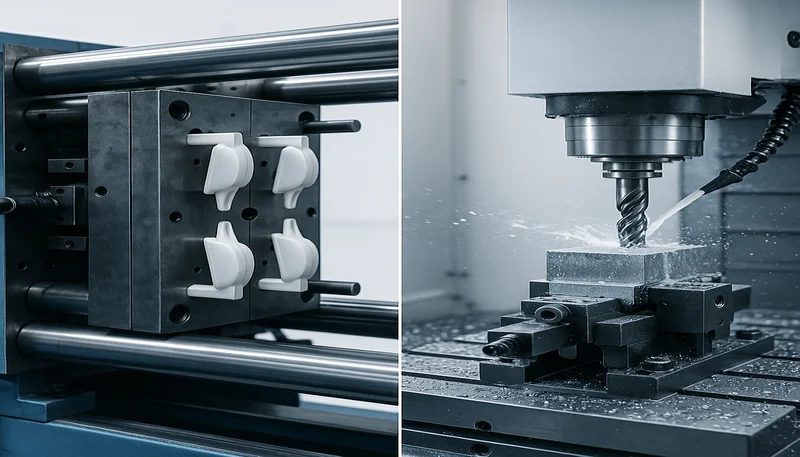
Üzeri kalıplama için takım hususları, bu bölümde açıklanan başlıca kategoriler veya seçeneklerdir. Üzeri kalıplama takımı, iki kaviteyi (veya hareketli maçalı tek kaviteyi) yönetip hassas biçimde hizaladığınız için tek baskılı takımdan daha karmaşıktır. İki baskılı döner kalıpta kalıp tabanı baskılar arasında 180° döner; maça tarafı parçaya bağlı kalırken kavite tarafı değişir. Bu, hassas bir döner mekanizma gerektirir ve eşdeğer tek gözlü kalıba kıyasla kalıp maliyetini genellikle %30–50 artırır.
Çekme oranı telafisi kritiktir. Altlık ilk baskıdan sonra, üst kalıp katmanı ise ikinci baskıdan sonra çeker. Altlık %0.6 (ABS), üst kalıp %1.8 (TPE) çekiyorsa kavite ölçüleri her ikisini bağımsız olarak hesaba katmalıdır. Kalıp, üst kalıp katmanı için çekme telafisi olmadan nominal ölçülere kesildiğinden boyutsal denetimde başarısız olan parçalar gördük.
Al-yerleştir takımlarında ikinci kalıp, alt tabaka geometrisini hassas biçimde referans alan konumlandırıcılara ihtiyaç duyar — bunlar genellikle ±0.05 mm konum hassasiyetine sahip pimli konumlandırıcılar veya kenar referans yüzeyleridir. Alt tabaka aktarılmadan önce tamamen soğutulmalıdır; sıcak bir alt tabakanın ikinci kalıba yerleştirilmesi kapatma basıncı altında deformasyona neden olabilir.
Bir Üzeri Kalıplama Projesinin Tipik Teslim Süresi Nedir?
Çift enjeksiyonlu üst kalıplama kalıbı genellikle 30–45 günde, standart tek enjeksiyonlu kalıp 20–30 günde yapılır. Ek süre döner mekanizma, ilave kalıp gözü çalışması ve iki enjeksiyonun birlikte çalıştırılmadan önce ayrı ayrı doğrulanmasından gelir. Al-bırak kalıpları daha basit oldukları için daha hızlı olabilir (25–35 gün), ancak parça başı çevrim uzundur.
Numune alma 5–10 gün daha ekler. Önce alt tabaka atışını, ardından üst kalıplama atışını doğrulamanız; sonra bitmiş parça üzerinde bağ testi (soyma testi, çekme testi) ve boyutsal muayene yapmanız gerekir. Şanghay tesisimizde ayda 100’den fazla kalıp üretiyor ve standart malzemelerin stokta olduğu varsayımıyla, kalıp takımının tamamlanmasından sonra üst kalıplama numunelerini genellikle 15 iş günü içinde teslim ediyoruz.
Numune onayı sonrası üretim teslim süresi, ilk parti için genellikle parça karmaşıklığına ve hacmine bağlı olarak 15–25 iş günüdür. Yüksek hacimli kaplama (>100K parça), al-yerleştir işlemine göre parça başına döngü süresi –50 daha kısa olduğu için çift atışlı döner takımdan önemli ölçüde fayda sağlar.
Yaygın Üzeri Kalıplama Kusurları Nelerdir ve Bunları Nasıl Önlersiniz?
Yaygın üzeri kalıplama kusurları ve bunların nasıl önleneceği, bu bölümde açıklanan başlıca kategoriler veya seçeneklerdir. En sık görülen üç üzeri kalıplama kusuru katman ayrılması (iki katman ayrılır), alt tabakada çapak (üzeri kalıplama malzemesi kapamadan sızar) ve üzeri kalıplama katmanında eksik dolumdur (tamamlanmamış dolum). Katman ayrılması neredeyse her zaman malzeme uyumluluğu veya yüzey hazırlığı sorunudur — alt tabaka kirlenmiş, çok soğuk veya üzeri kalıplama malzemesiyle kimyasal olarak uyumsuzdur.
Üstten kalıplama projesi için doğru enjeksiyon kalıplama tedarikçisini seçmek, standart tek baskılı kalıplamaya göre daha karmaşıktır; çünkü tedarikçinin hem çift baskılı pres kapasitesi hem de sizin malzeme bileşiminizle deneyimi olmalıdır. Şanghay tesisimizde özel çift baskılı presler dahil 47 enjeksiyon kalıplama makinesi (90T–1850T) çalıştırıyor ve 100+ takım üstten kalıplama takımı üretmiş bulunuyoruz.
Overmolding Süreci Rehberi: Malzemeler, Tasarım & Uygulamalar
Alternatif Süreçler Yerine Üst Kalıplamayı Ne Zaman Seçmelisiniz?
Bir parçada tutuş, sızdırmazlık, yalıtım veya görünüm için birbirine bağlı iki malzeme gerektiğinde üstten kalıplama doğru seçimdir. Sert iç gövde ile yumuşak dış katmanın farklı işlevler gördüğü, genellikle 5.000+ adetlik orta ve yüksek hacimlerde en iyi sonucu verir. Yalnızca birkaç yüz parçaya ihtiyacınız varsa çift baskılı kalıbın takım maliyeti nadiren karşılığını verir; bunun yerine ayrı bileşenleri yapıştırmayı veya monte etmeyi düşünün. Üstten kalıplama seçildiğinde bile, üretim onayından önce kesin enjeksiyon kalıplama süreci adımlarının doğrulanması gerekir.
Kalıplama sonrası montajla (yapıştırma, ultrasonik kaynak, geçmeli bağlantılar) karşılaştırıldığında üstten kalıplama ikincil işlemi ortadan kaldırır, tutarlılığı artırır ve yüksek hacimde çoğu zaman toplam parça maliyetini düşürür. İki sert malzemeli çift baskılı kalıp tasarımıyla (iki renkli otomotiv lensi gibi) karşılaştırıldığında ise yumuşak üst kalıp malzemesi boyutsal değişimlere daha toleranslı olduğu için daha basittir.
Üstten kalıplama ile montaj arasındaki başabaş noktası büyük ölçüde parça geometrisine ve yıllık hacme bağlıdır. Basit bir TPE üzeri ABS sapta, yılda 10.000 parçanın üzerinde genellikle üstten kalıplama avantajlıdır. Her iki katmanda da dar toleranslar gerektiren karmaşık bir tıbbi cihazda ise takım yatırımının kendini amorti etmesi için hacim eşiği 50.000’in üzerine çıkabilir; bu nedenle karar, gerçekçi enjeksiyon kalıplama üretim süresi ve lansman riski dikkate alınarak değerlendirilmelidir.
"Üst kalıplama, sert ve yumuşak bileşenler arasında yapıştırma gereksinimini ortadan kaldırır."True
Malzemeler kimyasal olarak uyumlu olduğunda üst kalıp katmanı enjeksiyon sırasında doğrudan alt katmana bağlanır; çoğu zaman yapıştırıcı bağından daha güçlü ve zaman içinde çevresel bozunmaya daha dirençli bir birleşim oluşturur.
"Her TPE sınıfı, her sert plastik alt tabakaya eşit etkinlikle bağlanabilir."False
TPE yapışması, altlıkla kimyasal uyumluluğa bağlıdır. Poliolefin bazlı TPE'ler PP ve PE'ye bağlanır, ancak ABS veya PC'ye zayıf bağlanır. Stirenik TPE'ler ABS ve PC'ye iyi, poliolefinlere ise kötü bağlanır. Malzeme tedarikçilerinin sağladığı uyumluluk çizelgeleri tasarım aşamasında kontrol edilmelidir.
Gerçek Bir Üzeri Kalıplama Üretim Kurulumu Nasıldır?
Gerçek bir aşırı kalıplama üretim düzeni, bu bölümde özetlenen tedarikçi karışımı, bölgesel kümeler ve kaynak bulma kısıtlamaları ile tanımlanan bir pazardır. Bir üretim ortamında, üst kalıplama ya iki atımlı bir preste (bir makine, iki tambur, döner merdane) ya da robotik transferli iki standart preste gerçekleştirilir. İki atımlı kurulum daha sermaye yoğundur ancak atımlar arasında işlem süresi olmadığından hacim başına parça başına %20-40 daha düşük maliyet sunar. Tipik bir iki atımlı presin maliyeti, aynı tonajdaki standart bir presin fiyatının 1,5-2 katıdır.
Ardışık olarak iki enjeksiyon çevrimi yürütüldüğü için üst kalıplama çevrim süreleri doğal olarak tek atımlı kalıplamadan daha uzundur. Tipik bir ABS üzerine TPE çevrimi toplam 25–40 saniye sürer (alt tabaka için 10–15 sn, üst kalıplama atımı ve soğutma dâhil 15–25 sn). Bunu benzer boyuttaki tek atımlı bir ABS parça için 10–20 saniyeyle karşılaştırın.
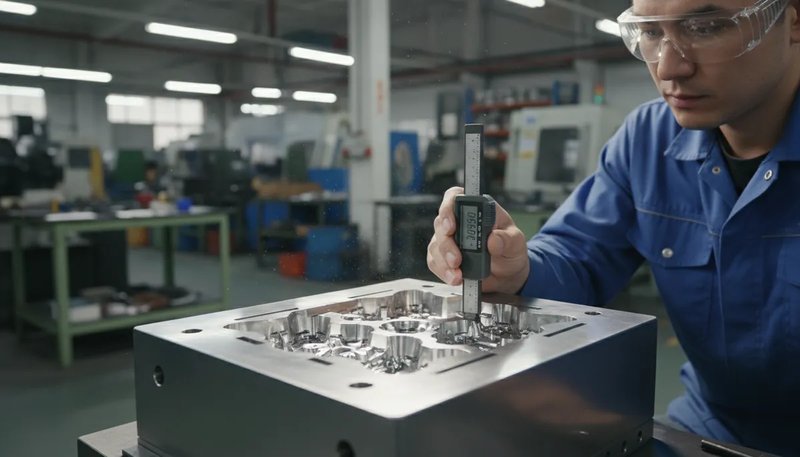
Üst kalıplanmış parçaların kalite kontrolü, standart boyutsal muayenenin ötesinde ek kontroller gerektirir. Soyma testi (ASTM D903), tüketici ürünleri için tipik olarak 2–5 N/mm, otomotiv uygulamaları için ise 5–10 N/mm bağ dayanımını doğrular. Çevresel testler (ısıl çevrim, nemle yaşlandırma), bağın gerçek kullanım koşullarına dayanmasını sağlar. Bu testleri tüm üst kalıplama projelerinde standart 6 aşamalı kalite kontrol sürecimizin bir parçası olarak uygularız.
"İki bileşenli döner bir kalıp, tek gözlü eşdeğerinden genellikle %30-50 daha pahalıdır."True
Çift bileşenli döner kalıplar hassas bir döndürme mekanizması ve çift kavite gerektirerek kalıp maliyetini %30–50 artırır. Ancak baskılar arasında taşıma süresi olmadığından yüksek hacimde parça başına maliyet %20–40 daha düşüktür.
"Üst kalıplama katmanı, parça kalitesini etkilemeden herhangi bir kalınlıkta olabilir."False
Duvar kalınlığı kritik önemdedir. Üst kalıplama katmanı genellikle 1.5-3 mm'dir. 1 mm'nin altı eksik doluma, 4 mm'nin üstü ise çökme izlerine ve aşırı uzun soğutma sürelerine neden olur.
Sıkça Sorulan Sorular
Üzerine kalıplama ile iki bileşenli kalıplama arasındaki fark nedir?
Üzerine kalıplama, bir malzemenin başka bir malzeme üzerine kalıplanmasına yönelik genel prosestir. İki komponentli kalıplama, iki malzemenin döner veya mekik kalıp kullanılarak aynı makinede enjekte edildiği özel bir üzerine kalıplama türüdür. Tüm iki komponentli kalıplama işlemleri üzerine kalıplamadır ancak her üzerine kalıplama işleminde iki komponentli teknoloji kullanılmaz. Al-yerleştir üzerine kalıplama iki ayrı kalıp ve çoğu zaman iki ayrı makine kullanır; kalıplama takımı maliyeti daha düşüktür ancak üretimde daha yavaş çalışır. Bunlar arasındaki seçim yıllık hacminize, parça karmaşıklığına ve tedarikçinizde bulunan pres ekipmanına bağlıdır.
Üst kalıplama kalıbının maliyeti ne kadardır?
Bir üst kalıplama kalıbı; parça boyutuna, kalıp gözü sayısına ve döner ya da al-yerleştir tasarımı kullanmasına bağlı olarak genellikle 15.000 ila 80.000 dolar arasındadır. İki bileşenli döner kalıp, hassas bir döner mekanizma ve çift kalıp gözü gerektirdiği için tek gözlü eşdeğerinden %30–50 daha pahalıdır. Al-yerleştir takımlamada ayrı ayrı daha basit ve ucuz iki kalıp kullanılır, ancak üretim daha yavaştır. Orta karmaşıklıktaki bir tüketici ürünü sapı için iki bileşenli takım maliyetinin yaklaşık 25.000–40.000 dolar olmasını bekleyin. Üst kalıplama kalıpları üretim onayından önce genellikle bir veya iki ayar turu gerektirdiğinden, numune alma aşamasındaki tasarım revizyonları için ayrıca %10-15 bütçe ayırın.
Metal insertlerin üzerine kalıplama yapılabilir mi?
Metal insertlerin üzerine kalıplama teknik olarak üst kalıplama değil, insert kalıplamadır. Ancak uygulamada prosesler sıklıkla birleştirilir — ilk atışa metal bir insert yerleştirilir, ardından üzerine yumuşak TPE veya TPU malzeme kalıplanır. Bu birleşik yaklaşım; pirinç veya çelik insertin ergonomi, titreşim sönümleme ya da metal-plastik arayüz çevresinde çevresel sızdırmazlık için yumuşak tutuşlu bir dış katmana ihtiyaç duyduğu elektronik konnektörlerde, medikal cihaz saplarında ve dişli bağlantı elemanlarında yaygındır. Temel tasarım hususu, yük altında çatlamaya yol açabilecek çökme izlerini ve gerilim yoğunlaşmasını önlemek için insert çevresinde yeterli plastik duvar kalınlığının (minimum 1.5 mm) sağlanmasıdır.
Üst kalıplama için minimum sipariş miktarı nedir?
Çoğu enjeksiyon kalıplama fabrikası, kurulum süresi ve değişim sırasındaki malzeme israfı nedeniyle üzeri kalıplama için minimum 3,000–5,000 adet belirler. Daha düşük hacimlerde parça başına takım amortismanı, ayrı bileşenlerin yapıştırılması veya mekanik montajına kıyasla üzeri kalıplamayı ekonomik olmaktan çıkarır. Bazı tedarikçiler 500–2,000 adetlik daha küçük partileri kabul eder, ancak önemli bir birim fiyat primi bekleyin. 500 adedin altındaki prototip miktarlarında enjeksiyonla üzeri kalıplama yerine esnek filamentle 3D baskıyı veya silikon dökümü değerlendirin. Gerçek MOQ, özellikle tedarikçi minimumu renk başına 500 kg veya daha fazla olabilen özel renkli TPE sınıflarında, ham maddelerin minimum sipariş miktarına da bağlıdır.
Üst kalıplama bağ dayanımını nasıl test edersiniz?
Standart test, üst kalıbı altlıktan ayırmak için gereken kuvveti milimetre başına newton cinsinden ölçen ASTM D903’e göre 180 veya 90 derece soyma testidir. Kabul edilebilir bağ dayanımı uygulamaya göre değişir: tüketici ürünlerinde 2–5 N/mm, otomotivde 5–10 N/mm ve tekrarlı sterilizasyon çevrimlerine maruz kalan tıbbi cihazlarda 10+ N/mm. ASTM D3359’a göre çapraz kesme yapışma testi hızlı nitel kontrol sağlarken termal çevrim (-40°C ila +85°C) uzun vadeli çevresel dayanıklılığı doğrular. Soyma geometrisinin mümkün olmadığı düz bağlı arayüzlerde ASTM D4541’e göre çekip ayırma testi başka bir seçenektir. Kalite kayıtlarınız için tüm test sonuçlarını fotoğraflarla belgeleyin.
Üstten kalıplamada farklı renkli malzemeler kullanılabilir mi?
Evet, her malzeme bağımsız olarak renklendirilebilmesi için ayrı bir kovandan enjekte edilir. İki bileşenli kalıplama, zıt renkte gömülü şirket logosu gibi iki renkli markalamanın yanı sıra tüketici elektroniğindeki işlevsel yumuşak dokunuşlu yüzeyler için yaygın biçimde kullanılır. Aynı pigment kodu yarı saydam bir TPE ile opak bir ABS alt tabakada farklı göründüğünden, iki malzeme arasındaki renk eşleştirmesi genellikle her reçine sistemi için ayrı Pantone onayı gerektirir. Masterbatch tedarikçileri her iki malzeme için aynı anda önceden eşleştirilmiş renk granülleri sağlayabilir.
Üst kalıp katmanı için hangi çekme oranı kullanılmalıdır?
Üst kalıp malzemesinin çekme oranı, kavite boyutlandırmasını alt katmandan bağımsız olarak belirler ve malzeme tedarikçisinin teknik veri sayfasından alınmalıdır. TPE sınıfları tipik olarak %1.0–2.0, TPU %0.5–1.5 ve silikon bazlı elastomerler %2.0–3.5 çeker. Genel referans tabloları yerine daima ilgili tedarikçinin değerlerini kullanın; hatalı çekme telafisi, üst kalıplanmış parçalardaki boyutsal hataların en yaygın nedenlerinden biridir ve iki katman karmaşık bir geometri çevresinde farklı yönlerde çektiğinde hata büyür. Yeni bir üst kalıp malzemesiyle prototip üretirken, veri sayfasındaki değerlerin gerçek kalıplama koşullarıyla uyuştuğunu doğrulamak için üretim takımını işlemeden önce standart test çubuğu kalıbıyla bir çekme çalışması yürütün.
üstten kalıplama: Üstten kalıplama, gelişmiş işlevselliğe veya ergonomiye sahip çok malzemeli bir parça oluşturmak için ikinci bir malzemenin önceden şekillendirilmiş bir alt tabaka üzerine kalıplandığı iki aşamalı bir enjeksiyon kalıplama prosesidir. ↩
alt tabaka: Alt tabaka, üstten kalıplama prosesindeki ilk atışla üretilen veya temel bileşendir; genellikle üzerine daha yumuşak ya da farklı bir malzeme katmanı uygulanan sert plastik parçadır. ↩
TPE: TPE (termoplastik elastomer), kauçuk benzeri esneklik gösterirken standart enjeksiyon kalıplama ekipmanında işlenebilen bir kopolimer sınıfıdır. ↩