 İçeriğe geç

Your purchasing team just shortlisted three injection molding suppliers in China. One quoted $8,000 for tooling, another $22,000, and the third hasn’t even asked to see your CAD files yet. How do you tell which one will actually deliver — and which one will cost you six months of delays?
After two decades of running molds in Shanghai, I’ve seen buyers make the same mistakes: chasing the lowest quote, skipping factory audits, and confusing a trading company’s slick website for actual production capability. Here’s the framework I’d use if I were in your shoes.
- Evaluate suppliers on equipment, quality systems, certifications, communication, and mold-making capacity
- In-house mold making cuts tooling lead time by 20–40%
- ISO 9001 is the baseline; ISO 13485 or IATF 16949 for medical and automotive
- Quotes more than 30–50% below market average usually mean hidden compromises
- English-speaking project managers reduce revision cycles by roughly one-third
What Should You Evaluate When Choosing a China Injection Molding Supplier?
A reliable China enjeksiyon kalıplama supplier is one that passes six critical checks. Machine capability, quality control, certifications, communication, in-house tooling, and pricing transparency — miss any one and you’ll pay for it later.
““A supplier quoting injection mold tooling without reviewing your 3D files is a red flag.””Doğru
Accurate tooling quotes require at least STL or STEP files to assess part complexity, undercut features, and cavity layout. A price without technical review is either generic or deliberately low to win the order.
““The lowest tooling quote from any China supplier is always the best deal.””Yanlış
Quotes 30–50% below market average typically involve compromises in mold steel grade, fewer testing cycles, or skipped mold flow analysis. The cheapest quote often produces the most expensive long-term outcome.
Most buyers focus almost entirely on unit price. That’s understandable — your boss wants to see cost savings. But price is the last thing you should compare. Why? Because a low quote from a supplier without proper QC or the right equipment means you’ll spend months on rework, shipping delays, and quality disputes that erase every penny you saved. For a structured framework, see our injection molding sourcing guide.
Here’s the evaluation order I recommend:
Equipment match — Do they have machines in the right tonnage range for your part?
Quality process — Can they show you a documented IQC-to-OQC workflow?
Certifications - ISO 90011 minimum, plus industry-specific certs if applicable
Communication — Can you talk directly to engineers, or only to sales?
Mold-making — Do they build molds in-house or outsource?
Pricing — Is the quote itemized, or just a lump sum?
If a supplier checks out on points 1–5, then price comparison is meaningful. If they don’t, the cheapest quote is usually the most expensive decision you’ll make.
How Do You Verify a Factory’s Real Production Capabilities?
A factory’s real production capability is verified by its machine list with tonnage, brand, and year. Any supplier who can’t produce this list in 24 hours is either disorganized or hiding something — a facility running 45+ machines from 90T to 1850T covers 95% of commercial plastic parts.
““ISO 9001 certification is the minimum quality standard any production supplier should hold.””Doğru
ISO 9001 establishes basic quality management requirements including documented processes, corrective action procedures, and management review. Suppliers without it lack even the foundational quality infrastructure.
““Trading companies and direct factories produce identical quality because they use the same machines.””Yanlış
Trading companies add a communication and margin layer between buyer and factory. They cannot control production schedules, provide real-time DFM feedback, or guarantee the specific machines and operators used on your project.
The tonnage range tells you more than the total machine count. A factory with 100 small machines but nothing above 200T can’t mold your laptop housing. Conversely, a factory with only large machines will struggle with precision micro-parts. What you want is breadth: enough range to handle your current project and whatever comes next.
Don’t stop at the machine list. Ask these follow-up questions:
Clamping force distribution — How many machines in each tonnage band? If your part needs 500T and they only have one machine at that range, you’re at capacity risk.
Yardımcı ekipmanlar — Do they have dryers, conveyors, robotic arms, and hot runner temperature controllers?
Material handling — Can they dry and store hygroscopic materials (nylon, PC, TPU) properly?
Production scheduling — How many shifts? What’s their current utilization rate?
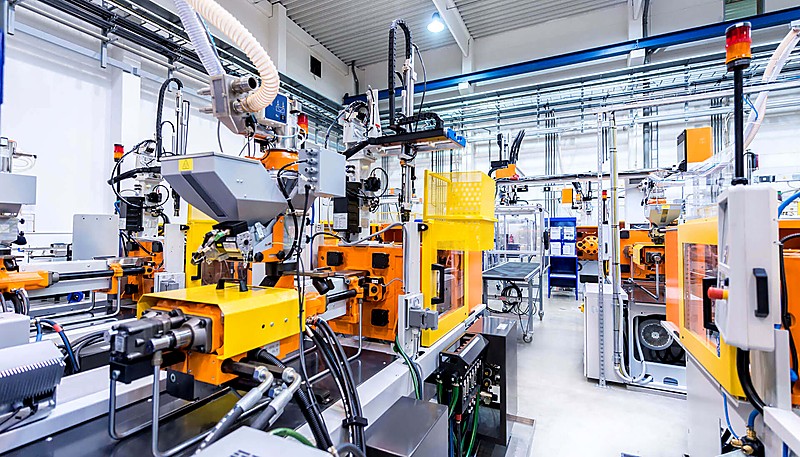
A factory that’s running three shifts at 85% utilization is healthier than one running one shift at 40%. High utilization means consistent work, experienced operators, and stable quality. Low utilization might mean they’re desperate for orders — which sometimes leads to aggressive pricing but unreliable delivery.
Why Does In-House Mold Making Matter for Your Project?
In-house enjeksiyon kalıbı mühendisler ve üretim tek çatı altında olduğu için kalıp teslimat süresinden 20–40% kesinti yapmak.
I’ve watched clients lose six weeks on a single mold revision because their molder and mold maker were in different provinces — the molder in Dongguan, the tool shop two hundred kilometers away. Every dimension issue meant packing up the mold, shipping it, waiting for repairs, shipping it back, and re-running samples. With in-house tooling, that cycle shrinks from weeks to days. At our Shanghai facility, our mold engineers are literally on the same floor as the production machines, which is why we consistently deliver 100+ mold sets per month.
Fark, bu kritik anlarda en net şekilde ortaya çıkar:
T1'den T3'e örnekleme — İç ekipler daha hızlı iterasyon yapar, çünkü geri bildirim şirket sınırlarını aşmaz
Design changes mid-project — Mühendislik değişiklik emirleri haftalar yerine günler içinde tamamlanır
Kalıp bakımı — Önleyici bakım, harici tedarikçinin kapasitesine göre değil, planlandığı şekilde gerçekleşir
Kusur giderme — Kalıbı üreten kişi, kök nedenini hemen teşhis etmek için hazırdır
Potansiyel tedarikçinize açıkça sorun: "Çeliği kendi tesisinizde mi kesiyorsunuz?" Cevap net bir evet dışında herhangi bir şeyse, "Kalıplarınızı kim üretiyor ve üretim hattınızdan ne kadar uzaktalar?" diye devam edin. Bu sorudan kaçınan bir tedarikçi neredeyse kesinlikle taşeron kullanıyordur — ve kalıp atölyesi ile kalıplama hattı arasındaki mesafe, teslimat süresi riskinizle doğru orantılıdır.
What Quality Systems Should Your Supplier Have?
Kalifiye bir enjeksiyon kalıplama tedarikçisi, minimum 6 aşamalı bir kalite kontrol süreci ile tanımlanır. Gelen Kalite Kontrolü (IQC), süreç içi örnekleme, süreç denetimi, ambalaj denetimi, Nihai Kalite Kontrolü (FQC) ve Sevk Kalite Kontrolü (OQC) — daha azı, kusurların onların yerine sizin kabul iskelenizde yakalanacağı anlamına gelir.
Kalite kontrol sadece hatalı parçaları yakalamak değil, onları önlemektir. En iyi tedarikçiler her aşamada önleme yatırım yapar:
| Kalite Kontrol Aşaması | What It Catches | Tipik Kalıp |
|---|---|---|
| IQC (Gelen) | Wrong material, moisture content, contamination | Nem analiz cihazı, malzeme sertifikası incelemesi |
| Süreç İçi Örnekleme | Dimensional drift, visual defects, short shots | CMM, calipers, visual inspection |
| Process Inspection | Parameter deviation, cycle time changes | Makine izleme, süreç kayıtları |
| Packaging Inspection | Çizikler, kirlenme, yanlış etiketleme | Visual check, packaging spec comparison |
| FQC (Nihai) | Genel boyutsal uygunluk, kozmetik sınıfı | CMM, go/no-go gauges |
| Sevk Kalite Kontrolü (OQC) | Nakliye hasarı, dokümantasyon tamlığı | Nihai sayım, paketleme listesi doğrulama |
One practical test: ask your supplier for a sample inspection report from a recent project. If it’s a one-page checklist with checkmarks, that’s a red flag. A serious QC report includes dimensional data with tolerances, Cpk values, material batch numbers, and photographs of any borderline conditions.
Şangay fabrikamızda, 90T ila 1850T aralığında 47 enjeksiyon kalıplama makinesi çalıştırıyoruz ve bunlar ayda 100+ kalıp seti teslim eden dahili bir kalıp üretim tesisi tarafından destekleniyor. Bu entegre yapı, kalıp ve üretimi tek çatı altında alacağınız anlamına gelir — aracı yok, kalıp üreticisi ile kalıplamacı arasında iletişim kopukluğu yok.
Kendi atölyemizde, her biri 10+ yıllık enjeksiyon kalıplama deneyimine sahip 8 kıdemli mühendisimiz, üretim onayından önce her bir ilk numune denetim raporunu inceler. Bu mühendislik inceleme katmanı, alıcılara her zaman sormalarını söylediğim bir şeydir: kaliteyi kim onaylıyor ve deneyim seviyeleri nedir? 23 yaşında genç bir yöneticiye rapor veren bir Kalite Kontrol ekibi, iki on yıl boyunca binlerce kalıbın hatasını ayıklamış mühendisler tarafından denetlenen bir ekipten temelde farklıdır.
What Certifications Are Non-Negotiable?
ISO 9001, herhangi bir üretim tedarikçisi için mutlak asgari gerekliliktir. ISO 134852 is mandatory for medical devices, and IATF 16949 for automotive. A supplier without ISO 9001 isn’t a manufacturing partner — they’re a gamble.
Sertifikaları sektörünüze göre nasıl değerlendireceğiniz aşağıda açıklanmıştır:
Tüketici ürünleri — ISO 9001 çoğu uygulama için yeterlidir. EU'ya satış yapıyorsanız, RoHS ve REACH uyumluluğunu da sorun.
Tıbbi cihazlar — ISO 13485 tartışılmaz. "Üzerinde çalışıyoruz" veya "ana şirketimiz sertifikalı" gibi cevapları kabul etmeyin. Parçalarınızı kalıplayan tesisin kendi sertifikası olmalıdır.
Otomotiv — IATF 16949 (the automotive version of ISO 9001) is standard. Most OEMs require PPAP documentation and full material data reporting via the IMDS3 platform from certified suppliers.
Gıda teması — Look for FDA-compliant material handling and, ideally, cleanroom capability.
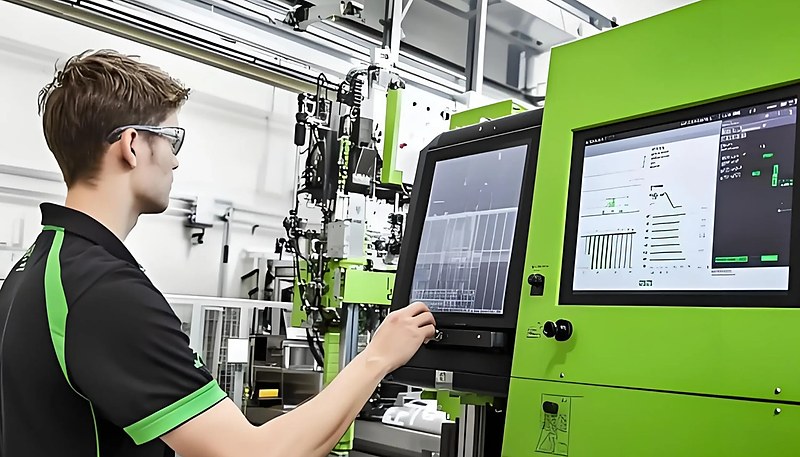
Sadece web sitesindeki logoları değil, gerçek sertifikaları görmeyi talep edin. Kapsamı doğrulayın — bazı tedarikçiler ISO 9001'i üretim tesisi için değil, ticari işletmeleri için almış olabilir. Sertifikanın kayıtlı adresi, ziyaret ettiğiniz veya denetlediğiniz fabrika ile eşleşmelidir.
Ayrıca sertifikanın geçerliliğini ve son denetim tarihini kontrol edin. Beş yıl önce verilmiş ve hiç gözetim denetimi yapılmamış bir sertifika esasen geçersizdir. Meşru sertifikasyon kuruluşları yıllık gözetim denetimleri yapar ve tedarikçi bu kayıtları sağlayabilmelidir.
How Important Is English Communication?
English communication is the difference between 2 revision cycles and 5. Sourcing feedback, tolerance discussions, and design intent don’t survive translation layers well — if your contact can only discuss price but can’t explain why a wall thickness affects cycle time, you have a costly communication gap.
The real cost of poor communication isn’t measured in translation errors — it’s measured in assumptions. When an engineer in China can’t clearly explain “this rib thickness will cause sink marks on the cosmetic surface,” they might just make a judgment call and proceed. That’s how you end up with 10,000 parts that meet the drawing but fail your cosmetic inspection.
Here’s what effective English communication looks like in practice:
DFM feedback — Your supplier proactively flags manufacturability issues with specific recommendations, not just “we can make it”
Technical discussions — Engineers can discuss gate location, weld line position, and cooling channel design in English
Problem resolution — When something goes wrong (and it will), you get a root-cause analysis in clear English, not a vague apology
Project updates — Regular progress reports with photos, not just “everything is on track” emails
Test this early: send a technical question — something like “What’s the maximum flow length ratio you’d recommend for a 2mm PC wall?” The quality of the answer tells you more than any capability brochure.
I learned this the hard way early in my career. A European client sent us a drawing with an ambiguous tolerance on a critical bore diameter. Our English-speaking engineer caught it during DFM review, sent back a marked-up screenshot with three options and a recommendation, and the client later told us that single email prevented a $40,000 rework. That kind of technical communication in English is what separates a supplier from a partner. Today we have 30+ fluent English speakers on staff — not just salespeople, but engineers and project managers who can discuss gate design, shrinkage compensation, and mold flow results in detail.
How Do You Assess Lead Time and Pricing Realistically?
Mold tooling in China is typically 25–45 days. Quotes 30–50% below market average are almost always compromised in steel grade, testing cycles, or surface finish — if three suppliers quote $20,000±$3,000 and one quotes $8,000, that $8,000 is a different product, not a bargain.
Understanding what drives tooling cost helps you evaluate quotes:
| Cost Driver | Low-End Approach | Professional Approach |
|---|---|---|
| Mold steel | P20 (standard) | Matched to cycle target: P20/H13/718H |
| Kalıp akış analizi | Skipped or basic | Full mold flow analysis 3 before steel cutting |
| Surface finish | SPI B-2 or lower | Matched to part requirements (A-1 through D-3) |
| Testing cycles | 1–2 sampling rounds | 3–5 rounds with dimensional reports |
| Mold life guarantee | None stated | Written guarantee (typically 100K–1M+ shots) |
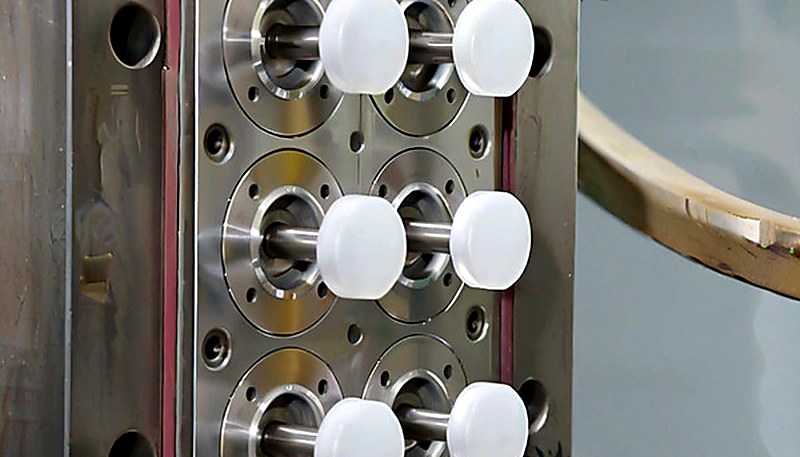
For production pricing, ask for a detailed cost breakdown: material cost per part, machine hour rate, labor, overhead, and packaging. In our factory, we provide itemized quotes for every production order because transparency builds long-term partnerships — not just one-off transactions. A supplier who won’t itemize is hiding margin somewhere — usually in material substitution. If they quote ABS but run recycled regrind, your part performs differently than specified, and you won’t find out until field failures start coming in.
Lead time works the same way. A supplier promising 15-day tooling when the industry standard is 30 days is either cutting corners or lying. Push for specifics: how many T1 samples? How many revision rounds are included? What’s the escalation process if dimensions are out of spec?
What Red Flags Should Make You Walk Away?
The biggest red flag is a supplier who quotes tooling without reviewing your 3D files. Walk away immediately if they refuse a factory audit or cannot provide material traceability — these three issues account for roughly 80% of failed China sourcing projects.
After seeing hundreds of buyer-supplier relationships, here are the red flags I consider non-negotiable dealbreakers:
Quoting without reviewing your files — Any legitimate supplier needs at least STL or STEP files to quote accurately. A price given without technical review is either generic (meaningless) or deliberately low (bait).
Refusing factory audits — Whether it’s an in-person visit or a video call walkthrough, if a supplier won’t show you their facility, they probably don’t have one worth showing.
No material certificates — If they can’t provide lot-specific material certificates from SABIC, DuPont, Covestro, or equivalent suppliers, you can’t verify what’s actually in your parts.
Unwilling to provide references — Every established supplier has customers willing to vouch for them. “Confidentiality” is sometimes legitimate, but a complete refusal is not.
Payment terms that shift all risk to you — 100% upfront payment before any work begins means they have zero skin in the game. Standard terms are 30–50% deposit with balance on T1 approval or shipment.
One more thing to check: how long has the supplier been in business under the same ownership? A factory that changed hands recently may have the old owner’s equipment list on their website but lesser capability today. Ask for the business license and verify the establishment date.
Quick rule: if a supplier passes your equipment check, quality audit, certification verification, and communication test, then you compare prices among qualified candidates. The lowest qualified price wins — not the lowest price overall.
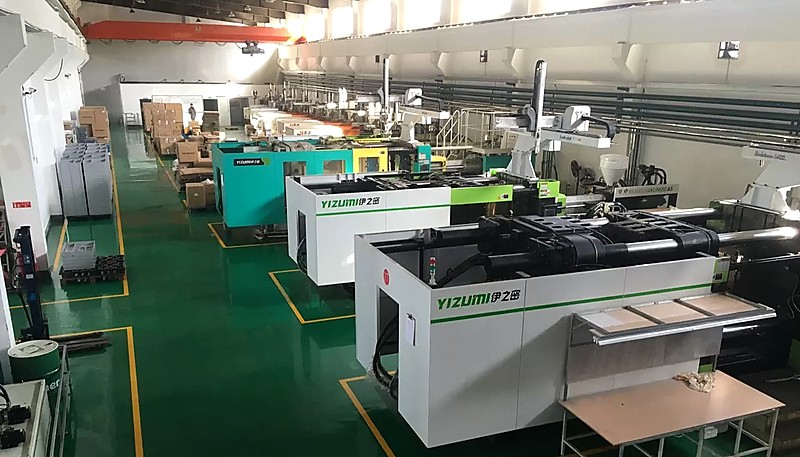
One more practical tip: ask about production staffing depth. Our 120+ production workers run three shifts across 45 machines, which means we can maintain delivery schedules even when several projects peak simultaneously. A factory with 10 machines and 15 workers will prioritize whoever shouts loudest when capacity gets tight — and that’s usually not the new customer.
What Do Buyers Commonly Ask About China Injection Molding Suppliers?
Here are the questions we hear most often from buyers evaluating China injection molding suppliers.
Sıkça Sorulan Sorular
How Much Does Injection Mold Tooling Cost in China?
Çin'de enjeksiyon kalıp imalatı maliyetleri genellikle 3.000$ ile 50.000$+ arasında değişir; bu fiyat parça karmaşıklığı, boşluk sayısı ve çelik kalitesine bağlıdır. Tek boşluklu alüminyum prototip kalıp yaklaşık 3.000$'dan başlarken, sertleştirilmiş çelikten çok boşluklu üretim kalıbı 15.000$–50.000$+ arasındadır. Nihai fiyat; boşluk sayısına, yüzey bitirme gereksinimlerine (SPI A-1 ayna parlaklığı, SPI B-2'den önemli ölçüde daha pahalıdır), yan hareket mekanizmalarına ve beklenen kalıp ömrüne bağlıdır. Her zaman çelik maliyetini, işleme saatlerini, EDM çalışmasını ve yüzey işlemini ayrı ayrı detaylandıran maddelendirilmiş bir kalıp teklifi talep edin.
Çin'de Enjeksiyon Kalıplama için Tipik Teslim Süresi Nedir?
Standart kalıp araçları 25–45 gün sürer; üretim çalışmaları sipariş hacmine bağlı olarak 15–30 gün ekler. Acele kalıp (15–20 gün) bazı tedarikçilerden mevcuttur ancak tipik olarak test döngülerini azaltır ve hata riskini önemli ölçüde artırır. Yan çekirdekler, kaldırıcılar veya sökme mekanizmaları içeren karmaşık kalıplar için kalıp araçları için 35–60 gün bekleyin. T1 numune alma genellikle kalıp tamamlandıktan sonra 3–5 gün sürer ve çoğu proje, nihai üretim onayından önce 2–3 numune alma turu gerektirir. İlk kez kalıp araç projeleri için zaman çizelgenize her zaman ekstra iki haftalık bir tampon ekleyin.
Sipariş Vermeden Önce Fabrikayı Ziyaret Etmeli miyim?
Evet, ilk siparişler için fabrika ziyareti — hatta video turu — şiddetle tavsiye edilir. Bu, makine sayısını, temizliği, organizasyonu ve tesisin tedarikçinin pazarlama materyalleriyle eşleşip eşleşmediğini doğrulamanızı sağlar. Bir ziyaret sırasında, marka ve üretim yılı için makine plakalarını kontrol edin, kalıp odası ekipmanına bakın, numune inceleme raporlarını gözden geçirin ve doğrudan kalite mühendisleriyle konuşun. Şahsen ziyaret edemiyorsanız, tedarikçinin kamera karşısında üretim alanında dolaştığı canlı bir video görüşmesi planlayın — önceden kaydedilmiş bir pazarlama videosu değil.
Bir Tedarikçinin Ticaret Şirketi Olup Olmadığını Nasıl Anlarım?
Ticaret şirketleri tipik olarak detaylı teknik soruları yanıtlayamaz, size üretim alanını göstermez ve olağandışı şekilde hızlı fiyat teklifi verir. Doğrudan fabrika katından bir video görüşmesi talep edin — reddederlerse, büyük olasılıkla bir aracıdırlar. Diğer göstergeler şunlardır: şirket adresi bir endüstriyel bölge yerine ticari bir ofis binasıdır, son derece farklı kategorilerde ürünler satarlar ve belirli tonajlar ve markalar içeren bir makine listesi sağlayamazlar. Doğrudan fabrikalar tutarlı ekipmana, dahili mühendislere sahiptir ve genellikle bir veya iki üretim sürecinde uzmanlaşır.
Çin Enjeksiyon Kalıplama için Standart Ödeme Koşulları Nelerdir?
Standart ödeme koşulları, T1 numune onayı üzerine veya sevkiyat öncesinde bakiyenin ödeneceği –50 depozitodur. 0 peşin ödeme talep eden tedarikçilerden kaçının — bu, kaliteli parçaları zamanında teslim etme motivasyonlarını ortadan kaldırır. 20.000$ üzerindeki daha büyük siparişler için, kilometre taşına dayalı ödemeler (örneğin, depozito, T1 onayında , sevkiyat öncesi ) giderek daha yaygın hale gelmekte ve her iki tarafı da korumaktadır. Havale (T/T) uluslararası alanda en yaygın kabul gören ödeme yöntemidir. Bazı yerleşik tedarikçiler, ek alıcı koruması sağlayan 50.000$ üzerindeki siparişler için Akreditif (L/C) kabul etmektedir.
Bir Çin Tedarikçisi FDA Uyumlu Tıbbi Kalıplamayı Ele Alabilir mi?
Evet, eğer tedarikçi ISO 13485 sertifikasına sahipse, temiz oda tesislerini işletiyorsa ve partiye özgü sertifikalarla tam malzeme izlenebilirliği sağlayabiliyorsa. Her Çinli kalıpçı bu gereksinimleri karşılamaz, bu nedenle üretime bağlanmadan önce sertifikaları doğrulayın. ISO 13485 sertifika kapsamını görmeyi isteyin — bu, parçalarınız için kullanılan spesifik üretim süreçlerini kapsamalıdır. Tedarikçi ayrıca doğrulanmış temizlik ve paketleme prosedürlerine, parti kayıt dokümantasyonuna ve her üretim partisini SABIC, DuPont veya Covestro gibi tedarikçilerden gelen ham malzeme sertifikalarına kadar izleme yeteneğine sahip olmalıdır.
Enjeksiyon Kalıplama için Minimum Sipariş Miktarı Nedir?
Çin'de minimum sipariş miktarları tipik olarak parça boyutuna ve malzemeye bağlı olarak 500 ila 10.000 adet arasında değişir. Düşük hacimli enjeksiyon kalıplamada uzmanlaşan bazı tedarikçiler, 100 adet kadar düşük çalışmaları kabul eder. MOQ, minimum malzeme satın alma miktarı, makine kurulum süresi ve üretim çalışmasının ekonomisi tarafından belirlenir. Prototip veya köprü üretimi için, özel düşük hacimli hücrelere sahip tedarikçileri düşünün — bunlar daha küçük makineleri daha hızlı değişim süreleriyle çalıştırır. Çoklu boşluklu kalıplar doğal olarak yüksek hacimlerde parça başına maliyeti düşürür ancak kalıp yatırımını orantılı olarak artırır.
Çin'de Üretim Yaparken Fikri Mülkiyetimi Nasıl Korurum?
Tasarımları paylaşmadan önce Çin'e özel bir patent veya faydalı model başvurusu yapın, Çince versiyonlu gizlilik anlaşmaları kullanın ve yerleşik ihracat geçmişi olan tedarikçilerle çalışın. 2005'ten beri ihracat yapan ve ISO sertifikalarına sahip bir tedarikçi, istatistiksel olarak yeni ve sertifikasız bir tedarikçiden daha düşük fikri mülkiyet riski taşır. Pratik adımlar şunları içerir: teklif aşamasında asla tam CAD dosyalarını paylaşmayın — iç özellikler olmadan STEP veya IGES dosyaları sağlayın; ticari markalarınızı Çin'de kaydettirin (ilk başvuran sistemi); ve yetkisiz kullanım için tazminat belirten fikri mülkiyet koruma maddelerini imalat sözleşmenize dahil edin.
Her kutuyu işaretleyen bir Çin enjeksiyon kalıplama tedarikçisini değerlendirmeye hazır mısınız? ZetarMold ile iletişime geçin — 3D dosyalarınızı inceleyeceğiz, 48 saat içinde detaylı bir DFM analizi sağlayacağız ve sizi 45 makineli, ISO sertifikalı Şangay tesisimizde gezdireceğiz.
-
ISO 9001: iSO 9001 Kalite Yönetim Sistemlerini ifade eder — imalat endüstrileri boyunca kalite güvencesi için uluslararası standart. ↩
-
ISO 13485: iSO 13485'in, bir organizasyonun tıbbi cihaz sağlama yeteneğini gösterdiği bir kalite yönetim sistemi için gereklilikleri belirlediğini ifade eder. ↩
-
IMDS: iMDS'yi (Uluslararası Malzeme Veri Sistemi) ifade eder — otomotiv tedarik zincirlerinde malzeme veri raporlaması için küresel standart. ↩



 EN
EN  ES
ES  FR
FR  DE
DE  PT
PT  AR
AR  RU
RU  JA
JA  KO
KO  IT
IT  NL
NL  TR
TR  PL
PL 